Support

Malabo

About

Malabo is the captivating capital of Equatorial Guinea, offering a unique blend of colonial history and modern development. Unlike many African capitals located on the mainland, this city sits on the northern coast of Bioko Island, surrounded by the waters of the Gulf of Guinea. With a population of approximately 187,000 people, it serves as the nation's political and financial hub while maintaining a relaxed and welcoming atmosphere.

The city is renowned for its well-preserved Spanish colonial architecture, which stands in contrast to the newer high-rise buildings driven by the country's oil wealth. A stroll through the streets reveals the fascinating history of Malabo, visible in its wide avenues and historic squares. One of the most iconic landmarks is the Cathedral of Santa Isabel, a stunning neo-Gothic structure that dominates the west side of the Plaza de la Independencia and serves as a symbol of the city's heritage.
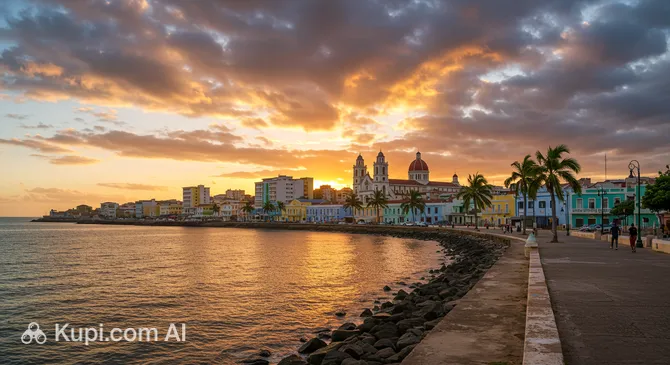
Malabo. Source: Kupi.Binoculars

Beyond its architectural charm, Malabo is a gateway to incredible natural beauty. The city is located at the foot of the imposing Pico Basile, a dormant volcano that offers breathtaking views on clear days. For those seeking relaxation within the city limits, the Malabo National Park provides a lush, green escape perfect for leisure and recreation. The tropical climate ensures warm temperatures year-round, making it a pleasant destination for exploration.

Whether you are interested in exploring rich cultural traditions, admiring colonial facades, or simply experiencing the vibrant life of an island capital, Malabo has something special to offer. It is a destination that invites travelers to discover a distinct side of Central Africa, combining urban energy with the tranquility of island life.

Weather Overview

Travelers visiting the capital can expect a consistent tropical climate characterized by steady warmth and high humidity throughout the year. The temperatures remain remarkably stable, making the city a warm destination regardless of when you visit. The warmest months are typically from February through April, where average temperatures hover around 26.1°C and daily highs reach up to 27.3°C. In contrast, the period from July to September is slightly cooler, with August seeing an average temperature of 23.6°C.

Rainfall is a defining feature of the local climate, and it is advisable to check the current weather in Malabo before packing. The data suggests that precipitation is frequent, with the number of wet days ranging from 16 to 31 days per month. The wettest period in terms of frequency occurs from May to October, where you might encounter rain almost every day. However, the beginning and end of the year, particularly January, February, and December, are relatively drier in terms of volume, recording as little as 2mm to 3mm of precipitation despite having around 16 to 21 wet days.

Overall, you should expect warm conditions year-round with a very high chance of rain or mist, particularly during the mid-year months.

Interesting Facts

Beyond its scenic waterfronts and colonial charm, Malabo holds several fascinating secrets that surprise many visitors. Here are some unique facts that highlight the city's distinctive history and geography.

  • Although it is the capital of Equatorial Guinea, Malabo is situated on an island rather than the mainland. It holds the rare distinction of being a capital city separated by the ocean from the vast majority of the country's landmass.

  • The city's deep natural harbor is actually the rim of a submerged volcanic crater. This geological formation is part of the volcanic chain that created Bioko Island, providing a naturally sheltered port that has been strategically important for centuries.

  • While known for its Spanish heritage, the city was originally founded by the British in 1827 as Port Clarence. It was established as a naval base to combat the slave trade along the West African coast before control was later consolidated by Spain.

  • Malabo is the only capital city in Africa where Spanish is the primary official language. This linguistic trait makes it a unique cultural enclave on the continent, distinguishing it from its Francophone and Anglophone neighbors.

  • The city is currently in a transition period regarding its status. A new city named Ciudad de la Paz is being constructed on the mainland to eventually replace Malabo as the administrative capital of the nation.

How to Get There

Reaching this island capital is an adventure in itself, primarily relying on air travel due to its location on Bioko Island. For a detailed breakdown of routes and travel tips, you can read more about how to get to Malabo.

The most direct entry point is Malabo Airport (SSG), also known as Saint Isabel Airport. Situated just 8.2 km from the city center, it serves as the main international gateway for travelers arriving from Europe and other African nations. The journey from the terminal to the heart of the city is quick, typically taking around 10 to 15 minutes by taxi or shuttle. While it is a moderately sized facility, it is essential for connecting the island to the rest of the world.

For those traveling regionally, Douala Airport (DLA) is a significant alternative hub. Located in the city of Douala, Cameroon, approximately 107.7 km away across the Gulf of Guinea, it handles a larger volume of passenger traffic. Travelers often use this airport as a transit point before taking a connecting flight to Malabo. Additionally, Bata Airport (BSG) in the city of Bata serves the mainland part of Equatorial Guinea. Located about 234 km away, it is crucial for domestic travel, linking the continental region with the capital.

For clarity, here is a summary of the main airports:

Airport Name City Passenger Traffic Km from City
Douala Airport Douala High 107.7
Akwa Ibom Airport Uyo Medium 146.1
Bata Airport Bata Medium 234.0
Malabo Airport Malabo Medium 8.2
Calabar Airport Calabar Medium 143.4

Main Attractions

Catedral de Santa Isabel stands as the most prominent symbol of the city's colonial heritage. Located on the western side of the Plaza de la Independencia, this stunning neo-Gothic church was consecrated in 1916 and remains the seat of the Archdiocese. Designed by the architect Luis Segarra Llairadó, the building is characterized by its apricot-colored façade and twin spires that rise 40 meters into the air. It is widely considered one of the most beautiful churches in Central Africa and serves as a peaceful sanctuary amidst the bustle of the capital.

For a mix of leisure and culture, the Malabo National Park offers an expansive green space covering approximately 870,000 square meters. This modern urban park is a favorite among locals for jogging, walking, and family outings. Inside, visitors can discover distinct zones that include an art gallery, sculptures representing local ethnic groups, and well-maintained walking paths. It provides a unique insight into the modern development of the country while offering a relaxing environment away from the city streets.

A fascinating piece of architectural history can be found at La Casa Verde (The Green House). This distinctive building was originally prefabricated in Belgium in the 19th century before being transported to the island. It served as the Portuguese consulate and later as a commercial headquarters. Its deep green color and colonial style make it a standout structure in the city center, offering a glimpse into the era when cocoa production and trade were the island's primary economic drivers.

Just a short drive from the city center, Pico Basile offers an adventurous escape for nature lovers. Rising to over 3,000 meters, this volcanic peak is the highest point on Bioko Island. On clear days, the summit provides spectacular panoramic views of the city, the Gulf of Guinea, and even Mount Cameroon on the mainland. The journey up the mountain takes you through lush rainforests filled with diverse flora and fauna, making the drive itself a scenic experience.

Local Cuisine

The culinary scene in Malabo is a vibrant reflection of its history and geography, offering a delicious fusion of Spanish colonial influences and indigenous African traditions. Located on Bioko Island, the city is a paradise for seafood lovers, where fresh catches from the Gulf of Guinea are a daily staple. The local diet is rich in tropical ingredients, relying heavily on plantains, cassava, yams, and locally grown vegetables to accompany savory main courses.

One of the most iconic dishes you must try is Pepesup, a spicy and aromatic fish soup that is considered a national favorite. Prepared with fresh fish, hot peppers, and local herbs, it is known for its restorative properties and bold flavor. Another staple is Pollo con Salsa de Cacahuete, a hearty dish consisting of chicken simmered in a rich, creamy peanut sauce, typically served with rice or boiled plantains. For the more adventurous eater, Bilola—giant sea snails grilled or cooked in sauce—is a beloved local delicacy often found at seaside stalls.

To wash down these flavorful meals, locals enjoy a variety of traditional beverages. Malamba is a potent local brew made from fermented sugar cane, often produced in the countryside. Topé, or palm wine, is another traditional drink that is best enjoyed fresh. In addition to these local specialties, the city's Spanish heritage ensures that excellent wines and imported beers are widely available in restaurants and bars throughout the capital.

The food culture in Malabo ranges from casual street food to elegant dining. For an authentic experience, visitors can head to the local markets or small "chiringuitos" near the waterfront to enjoy grilled fish served straight from the grill. Meanwhile, the city center hosts a variety of restaurants where you can enjoy a long, leisurely lunch—a nod to the Spanish custom of the siesta—blending European dining etiquette with the warm hospitality of Equatorial Guinea.

Travel Tips

Welcome to Malabo! This island capital is a fascinating blend of cultures, but it operates on its own unique rhythm, so a little preparation goes a long way. To help you enjoy your stay on Bioko Island without any hiccups, here are some practical tips to keep in mind.

  1. Clothing and Gear: Given the tropical climate, pack lightweight, breathable fabrics like cotton or linen to handle the heat and humidity. Since rain is a frequent occurrence, especially during the wet season, a sturdy umbrella or a light raincoat is essential. While casual wear is acceptable, locals tend to dress smartly and neatly, so avoid wearing beachwear in the city center.

  2. Transportation: Taxis are the most convenient way to navigate the city. You will see colored taxis which often operate on a shared basis; they are affordable and efficient for short trips. If you prefer a private ride, negotiate the fare before entering the vehicle, as meters are rarely used. Car rentals are available but expensive, and you should be prepared for frequent police checkpoints where you must present your passport and documents.

  3. Finances: The local currency is the Central African CFA franc (XAF). Cash is absolute king in Malabo. International credit cards are rarely accepted outside of major luxury hotels and a handful of upscale restaurants. ATMs exist but can be unreliable or limited to Visa cards, so it is highly advisable to bring sufficient Euros or US dollars to exchange upon arrival.

  4. Health and Safety: Malaria is a risk on the island, so bring strong insect repellent and consider taking prophylaxis after consulting your doctor. Always drink bottled water and avoid ice in drinks unless you are sure of the source. While the city is generally safe, avoid walking alone in poorly lit areas at night and keep a copy of your passport with you at all times.

  5. Communication: Spanish is the primary official language, making Malabo unique in Africa. English is not widely spoken outside of the oil industry and high-end hospitality sectors. Learning a few basic phrases like hola (hello) and por favor (please) will be greatly appreciated by locals. For internet access, you can purchase a local SIM card from providers like Getesa, though Wi-Fi is available in most hotels.

  6. Local Etiquette: Greetings are very important here. It is polite to say "Buenos días" or "Buenas tardes" to shopkeepers, taxi drivers, and people you meet before asking any questions. A handshake is the standard greeting. Be patient with service in restaurants and shops; the pace of life is relaxed, often referred to as "island time."

  7. What to Avoid: Be extremely careful with photography. Strictly avoid taking photos of government buildings, the presidential palace, military installations, police personnel, or the airport. This is a sensitive issue, and violating this rule can lead to fines, confiscation of equipment, or detention. If in doubt, do not take the picture.

  8. Travel Permits: If you plan to explore Bioko Island beyond the city limits of Malabo (such as visiting the southern beaches or the Moka Valley), you may officially require a travel permit from the Ministry of National Security. It is best to check the current requirements with your hotel concierge or a local tour guide before organizing day trips outside the capital.

With these tips in your pocket, you are ready to navigate Malabo with confidence and respect. Embrace the local customs, stay flexible, and you will find that a little knowledge opens the door to a truly memorable experience in this distinct corner of Africa.

Entertainment & Nightlife

Malabo comes alive after dark with a vibrant energy that locals affectionately call "la marcha." The nightlife here is a unique fusion of Spanish social culture and African rhythm, creating a scene that is both sophisticated and spirited. While it may not have the overwhelming scale of larger African metropolises, the capital offers a welcoming atmosphere where expatriates and locals mingle freely. The music scene is diverse, often featuring a mix of international pop, Latin beats like salsa and reggaeton, and pulsating African tracks that keep the energy high.

Most of the evening action is concentrated around the city center and the scenic waterfront areas. For a relaxed start to the night, the bars along the Paseo Marítimo are popular choices, offering refreshing sea breezes and views of the Gulf of Guinea. When it comes to dancing, venues like Bahia Sound are well-known for their lively ambiance and eclectic music selection. Another staple of the local scene is The Anthill (locally known as El Hormiguero), a club that frequently draws a crowd ready to dance until the early morning hours. For those seeking a different kind of evening, the Casino de Malabo provides a more refined setting to enjoy cocktails and entertainment.

If you are planning a night out, it is important to know that the city operates on a late schedule. While bars may begin to fill up in the evening, nightclubs typically do not hit their stride until well after midnight. The dress code in Malabo is generally smart casual to dressy; locals take pride in their appearance, so it is advisable to avoid wearing shorts or flip-flops to clubs and upscale bars. Be prepared for prices that can be comparable to European cities, particularly for imported spirits and wines.

Regarding safety and logistics, Malabo is considered one of the safer capitals in the region, but standard precautions apply. It is best to avoid walking alone in poorly lit areas late at night. The most reliable way to get around is by taxi; it is recommended to arrange transport through your hotel or ask the venue to call a trusted driver for you. Always carry a copy of your identification documents, as police checkpoints can occur at night.

Before the sun sets, the city offers a variety of daytime entertainment options that lean towards culture and leisure. The Spanish Cultural Center in Malabo (CCEM) is a primary hub for the arts, frequently hosting theater performances, cinema screenings, and art exhibitions that are open to the public. Visitors can also explore local history at the Museum of Modern Art Equatorial Guinea, or simply enjoy a leisurely afternoon browsing the city's markets and shopping centers before the evening festivities begin.

Parks & Museums

While Malabo is often defined by its colonial architecture and oil-driven modernization, the city also offers refreshing pockets of greenery and a growing cultural scene. Visitors looking to explore beyond the bustling streets will find well-maintained parks and cultural institutions that provide a deeper understanding of the capital's heritage and daily life. From expansive leisure grounds to intimate art venues, these spaces offer a perfect counterbalance to the urban energy.

Malabo National Park is undoubtedly the crown jewel of the city's green spaces. Spanning approximately 870,000 square meters, this modern park is one of the largest in Central Africa and serves as a vital recreational hub for locals. It is meticulously landscaped, featuring distinct zones that include walking and jogging paths, children's play areas, and serene lakes. What makes it particularly interesting for tourists is the integration of culture into nature; the park is dotted with sculptures representing the various ethnic groups of Equatorial Guinea, turning a simple walk into an educational journey through the nation's diversity.

For a more historical setting, the Plaza de la Independencia functions as a central garden square in the heart of the city. Although smaller than the national park, it is significant for its location and atmosphere. Surrounded by key colonial buildings and the imposing cathedral, the plaza offers shaded benches and well-kept flower beds, making it an ideal spot to sit and observe the slow-paced rhythm of island life. It is a favorite gathering place for residents and a perfect starting point for walking tours of the historic district.

On the cultural front, the Museum of Modern Art Equatorial Guinea stands out as a premier venue for contemporary creativity. This institution is dedicated to preserving and promoting the artistic expressions of the region, featuring a collection that includes traditional artifacts alongside modern African art. It provides visitors with a compelling narrative of the country's artistic evolution, moving beyond colonial history to celebrate indigenous talent and modern perspectives.

Another vital cultural hub is the Spanish Cultural Center in Malabo (CCEM). Far more than just a gallery, this center is the beating heart of the city's artistic community. It frequently hosts rotating art exhibitions, theater performances, cinema screenings, and workshops. For a tourist, checking their schedule is a must, as it offers a chance to engage with local artists and attend events that are often free and open to the public. The center also houses a library and serves as a bridge between the local community and Spanish heritage.

In terms of historical landmarks, the area surrounding the city center is an open-air museum in itself. The Cathedral of Santa Isabel is the most photographed structure, but the surrounding colonial administrative buildings and the City Hall (Ayuntamiento) are equally impressive for architecture enthusiasts. These structures display the specific Spanish colonial style adapted for the tropics, characterized by wide verandas and pastel colors that have weathered the years.

For a truly authentic experience, take a walk along the Paseo Marítimo in the late afternoon. While not a traditional museum or park, this waterfront promenade offers the best "gallery" of local life. Here, you can watch fishermen returning with their catch and families enjoying the sea breeze, offering a genuine glimpse into the soul of Malabo that you won't find in a guidebook.

Getting Around

Navigating Malabo is a relatively straightforward affair, though it differs significantly from the complex transit networks found in larger global metropolises. The city does not possess a metro, tram, or public railway system. Instead, the public transport network relies almost entirely on road vehicles, with the humble taxi serving as the primary means of getting around for both locals and visitors.

The most common mode of transport is the shared taxi. These vehicles are ubiquitous and easily recognizable by their distinctive paint schemes, typically white with colored stripes. They operate on a collective basis, picking up and dropping off multiple passengers along their route. This system functions like a flexible bus service, making it an efficient and social way to move across the city. For longer distances or trips to the outskirts, minibuses are also available, though they tend to be less comfortable and more crowded than the taxis.

When it comes to payment, cash is the only accepted method. There are no electronic travel passes, smart cards, or mobile ticketing apps in use here. Fares for shared rides are generally fixed at a low rate, but it is crucial to carry small denominations of the local currency. Drivers often do not have change for large bills. If you require a taxi for exclusive private use—known locally as a "carrera"—you must negotiate the price with the driver before entering the vehicle, as meters are typically not used.

For tourists, the system is informal but functional. To catch a ride, simply stand by the roadside and wave your hand to flag down a passing vehicle. Operating hours are flexible; transport is plentiful during the day but becomes significantly scarcer late at night. If you plan to travel after dark, it is highly advisable to arrange transportation in advance through your hotel or a trusted contact, as finding a taxi on the street can be difficult and the negotiated fares will be higher.

Alternatives to the public system are limited but available for those seeking more independence. Car rentals can be arranged at the airport or in the city center, allowing you to explore the island at your own pace. However, this option is usually quite expensive and requires an International Driving Permit. Due to the compact nature of the historic district, walking is often the best way to see the sights, allowing you to admire the colonial architecture without the need for a vehicle.

While the city lacks special transport features like cable cars or historic trains, the experience of taking a shared taxi offers a genuine slice of local life. It is an authentic way to immerse yourself in the daily rhythm of the city, providing a perspective that is often missed when traveling in the isolation of a private car.

Accommodation

Accommodation in Malabo is largely shaped by the country's economic status as a major oil producer, resulting in a hospitality sector that caters primarily to business travelers, diplomats, and conference attendees. Consequently, the city offers a surprisingly high standard of comfort, with a strong emphasis on modern luxury hotels and secure resorts. However, visitors should be aware that genuine budget options, such as backpacker hostels or inexpensive guesthouses, are relatively scarce compared to other West African capitals.

For those seeking top-tier amenities and a resort-style atmosphere, the Sipopo district is the premier location. Situated approximately 15 to 20 minutes east of the city center, this purpose-built zone is home to exclusive properties, often located on or near the water. It is the ideal area for travelers looking for swimming pools, private beaches, and golf facilities. While it offers tranquility and luxury, staying here means you will need to rely on taxis or shuttles to visit the historic sights of the capital.

Travelers who prefer convenience and walkability should look for hotels in the city center, particularly near the Plaza de la Independencia or the harbor. Staying in the heart of the city places you within walking distance of colonial architecture, local restaurants, and the vibrant street life. The accommodation here ranges from established mid-range business hotels to smaller, locally-run establishments. These central options provide a more authentic connection to the daily rhythm of the city, though they may lack the sprawling grounds of the Sipopo resorts.

It is important to note that accommodation prices in Malabo are generally high, often comparable to rates found in Europe or the United States. Booking in advance is essential, not only to secure the best rates but also because immigration officials typically require proof of a confirmed hotel reservation upon entry into the country. While major international hotels can be booked via standard online platforms and accept credit cards, smaller local hotels may require direct contact and often prefer payment in cash (CFA Francs).

Nearby Cities

For those looking to explore the surroundings, Malabo serves as an excellent base for day trips to several interesting nearby locations:

Located just a short drive from the capital, Santiago de Baney is a charming town situated on Bioko Island. It provides a serene escape from the city's hustle, surrounded by the lush, tropical vegetation that covers the island's slopes. Visitors often come here to experience a quieter pace of life and to enjoy the scenic journey that showcases the region's impressive natural beauty.

For those willing to travel a bit further, the city of Bata on the mainland offers a completely different atmosphere. As the country's economic capital, it is known for its lively waterfront, wide colonial boulevards, and bustling markets. Although it requires a short flight or ferry crossing from Malabo, it is a key destination for travelers wishing to experience the contrast between the island and the continental regions of the country.

City Population Distance (km)
Bata 250,770 238
Ebebiyin 36,565 334
Santiago de Baney 29,366 15
Anisoc 16,626 304
Mongomo 15,644 366

These nearby destinations offer a glimpse into the diverse culture and landscapes of the region.

Shopping & Souvenirs

Shopping in Malabo offers a distinct experience that reflects the city's unique blend of Spanish colonial heritage and African tradition. While the capital is not known as a major international retail destination with sprawling mega-malls, it provides a fascinating mix of modern supermarkets and vibrant local commerce. Visitors can expect to find everything from imported European luxury goods and electronics to authentic local handicrafts, all within a relatively compact city center.

The main hub for shopping is located in the historic city center, particularly along the streets radiating from the Plaza de la Independencia. Avenida de la Independencia and the surrounding thoroughfares are lined with small boutiques, pharmacies, and hardware stores. This area is perfect for a leisurely walk, allowing you to browse through shops housed in colonial-era buildings while soaking in the atmosphere of the old town.

For a more modern retail experience, the city features several large department-store-style supermarkets that serve as the primary shopping centers for locals and expatriates. Martinez Hermanos is the most prominent name in the city, offering a vast range of products from groceries and wine to clothing and home appliances. Another key location is the commercial area in the newer district of Malabo II, where modern developments are bringing more upscale retail options and services to the capital.

The true heartbeat of Malabo's commerce, however, is found in its traditional markets. The Mercado Central (Central Market), located near the cathedral, is a must-visit for its lively atmosphere and colorful displays. Here, stalls overflow with fresh tropical fruits, vegetables, spices, and textiles. For a larger and more bustling experience, the Mercado de Semu on the outskirts of the city offers a chaotic but fascinating array of goods, ranging from second-hand clothing to household items, providing a genuine glimpse into daily life on the island.

When it comes to souvenirs, the best items to bring back are those that showcase local craftsmanship. Look for intricate wood carvings, which are a specialty of the region, often depicting traditional figures or animals. Colorful African fabrics and locally made jewelry are also popular choices. While souvenir shops are not abundant, you can often find unique artisan pieces in the markets or from street vendors near the main hotels.

Practicality is key when planning a shopping trip here. Stores typically operate from Monday to Saturday, opening around 9:00 AM. It is important to remember that many smaller shops close for a siesta between 1:00 PM and 4:00 PM, reopening in the late afternoon until around 8:00 PM. Payment is almost exclusively in cash (Central African CFA franc). While major supermarkets and upscale hotels may accept credit cards, cash is essential for markets and smaller boutiques.

Regarding tax refunds, Equatorial Guinea does not currently have a structured tax-free shopping scheme for tourists. Visitors should not expect to claim VAT refunds at the airport upon departure, so the price you see on the shelf is the final price you will pay.

Reached the end of the page?

That means the route is fully explored