Support

Mongomo

About

Mongomo is a distinct and rapidly developing city located in the eastern region of Equatorial Guinea. Situated in the Wele-Nzas Province, it sits directly on the border with Gabon, making it a significant gateway for the country. The city is known for its surprisingly modern infrastructure set against the backdrop of lush, tropical vegetation, offering visitors a unique glimpse into the nation's mainland culture.

Mongomo. Source: Kupi.Binoculars

Although it was once a small village, the history of Mongomo has been defined by substantial transformation in recent decades. Today, with a population of approximately 15,000 residents, it stands as a symbol of urban growth within the region. The climate is typically equatorial, characterized by warm temperatures and humidity that support the dense forests surrounding the urban area.

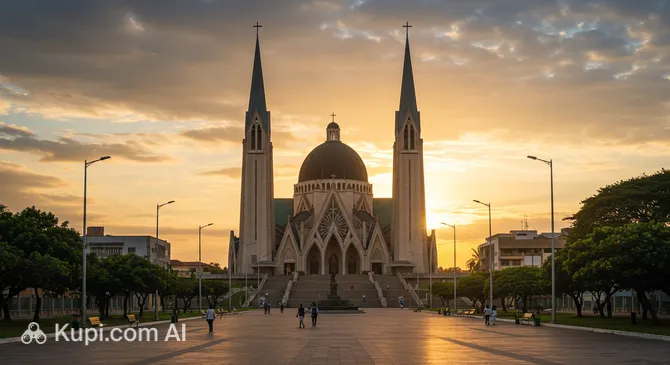
Travelers are often struck by the city's grand architecture. The most prominent landmark is the Basilica of the Immaculate Conception, a colossal religious structure that ranks among the largest churches in Africa. Its size and design are truly impressive, drawing admiration from visitors. Additionally, the city features well-maintained boulevards, a modern hotel, and a golf course, providing unexpected amenities in this corner of Central Africa.

Whether you are passing through on a cross-border journey or exploring the Wele-Nzas province, Mongomo offers a fascinating stop with its blend of architectural ambition and natural beauty. It is a destination that invites curiosity and offers a comfortable base for discovering the heart of the mainland.

Weather Overview

Mongomo experiences a consistent tropical climate characterized by warmth and significant humidity throughout the year. The city does not undergo drastic seasonal temperature changes, maintaining a steady and warm atmosphere that supports the surrounding lush vegetation.

Travelers can expect average temperatures to hover between 24°C and 26°C. Daytime highs frequently reach up to 30°C, particularly in February and March, while nights remain mild with minimum temperatures rarely dropping below 20°C. This stability makes lightweight, breathable clothing suitable for any time of the year.

Rainfall is a constant companion in this region. The weather in Mongomo is marked by a high frequency of wet days, ranging from about 16 days in January to nearly every day in October. While the volume of precipitation may vary, the likelihood of encountering rain is high, so visitors should always be prepared with appropriate rain gear regardless of when they visit.

Interesting Facts

Beyond its striking boulevards and lush surroundings, Mongomo holds a few intriguing secrets that highlight its unique status in the region. The city is far more than just a provincial capital; it is a place of surprising statistics and grand ambitions.

  • A Stadium for Everyone: One of the most curious statistics about the city involves the Mongomo Stadium. With a capacity of approximately 15,000 spectators, the stadium can theoretically hold nearly the entire population of the city at once, a rarity in urban planning that underscores the local passion for sports.

  • Continental Sports Hub: Despite its modest size, Mongomo stepped onto the global stage as a host city for the 2015 Africa Cup of Nations. It welcomed international football teams and thousands of fans, proving that a small town in Equatorial Guinea could successfully manage a major continental event.

  • The Vatican Connection: The Basilica of the Immaculate Conception is not only massive but also architecturally significant. It is widely cited as the second-largest Catholic church in Africa and was designed with direct inspiration from St. Peter's Basilica in the Vatican, featuring a similar dome and colonnade that look striking against the tropical landscape.

  • Presidential Origins: The city's rapid modernization and impressive infrastructure can be attributed to its status as the hometown of the country's president. This connection has transformed what was once a small border village into a showcase of modern urban development in the heart of the Wele-Nzas Province.

How to Get There

Reaching this part of the Wele-Nzas Province involves traveling through the lush landscapes of the mainland. While the city is tucked away near the Gabonese border, modern infrastructure has made it increasingly accessible. For a detailed breakdown of routes and transport options, you can read more about how to get to Mongomo.

The city of Mongomo does not have its own airport, but the most convenient entry point is Mongomeyen (GEM), located in the city of Djibloho. It is situated just 32.5 km from Mongomo, making it the closest option. The transfer from the airport is a short drive by taxi or shuttle. Although it handles a small volume of passengers, this airport is a key modern facility serving the interior of the country.

For those arriving from further afield or seeking more domestic connections, Bata Airport (BSG) in the coastal city of Bata is a major alternative. Located approximately 170 km away, it is the primary hub for the mainland region. The journey from Bata to Mongomo is a longer road trip requiring a drive of several hours, but it offers a chance to see more of the country's geography.

International travelers might also look at Libreville Airport (LBV) in Libreville, Gabon. While it is a large international hub about 248 km from Mongomo, choosing this route involves crossing the national border, which requires careful planning regarding visas and transport.

For clarity, here is a summary of the main airports:

Airport Name City Passenger Traffic Km from City
Libreville Airport Libreville Large 248.0
Nsimalen Airport Yaounde Medium 232.8
Bata Airport Bata Medium 170.3
Mongomeyen Djibloho Small 32.5

Main Attractions

Mongomo offers a surprising array of attractions that blend modern ambition with the natural beauty of the Wele-Nzas region. While it is a relatively small city, its landmarks are grand in scale and meticulously maintained, providing visitors with unique sightseeing opportunities that are quite unexpected in this part of Central Africa.

The most iconic landmark is undoubtedly the Basilica of the Immaculate Conception. Dominating the city's skyline, this immense cathedral is renowned for its stunning architecture, which draws inspiration from classical Roman designs. Visitors are often awestruck by its vast colonnades and the intricate details of its dome. Walking through its spacious interior offers a sense of peace and grandeur, making it a must-visit for architecture enthusiasts and those interested in the cultural development of the region.

Sports fans will find the Mongomo Stadium to be a significant point of interest. This modern multi-purpose facility gained international attention when it hosted matches during the 2015 Africa Cup of Nations. The stadium is a symbol of the city's rapid modernization, featuring sleek design elements that stand out against the tropical surroundings. It is an excellent spot to appreciate the local passion for football and the infrastructure capabilities of the city.

For those seeking leisure and outdoor activity, the Mongomo Golf Course provides a lush, green escape. Carefully manicured and set against the backdrop of the dense equatorial forest, the course offers a striking contrast between tamed landscapes and wild nature. It is a popular spot for a relaxing round of golf or simply for enjoying the scenic views of the well-kept grounds, which are among the finest in the country.

Finally, a stroll through the City Center reveals the unique urban planning of Mongomo. Unlike many other towns in the region, the center is characterized by wide, paved boulevards and modern hotel complexes. Exploring these streets allows tourists to experience the orderly and quiet atmosphere of the city, offering a comfortable environment for walking and observing the daily life of the locals in this distinct corner of Equatorial Guinea.

Local Cuisine

The culinary scene in Mongomo offers a flavorful journey into the heart of the mainland's traditions, predominantly influenced by the Fang culture. Unlike the coastal regions where seafood dominates, the cuisine here is hearty and centered around the rich agricultural produce of the Wele-Nzas Province. Visitors will find meals that are robust, spicy, and deeply satisfying, often prepared with fresh ingredients sourced from the surrounding forests and farms.

One of the signature dishes to try is Pepe Sup, a spicy pepper soup usually made with fresh fish or meat and simmered with aromatic local herbs. It is a staple that packs a punch and is believed to have restorative properties. Another must-try is chicken prepared in a rich peanut sauce (groundnut soup), often served with a side of boiled plantains, yams, or cassava. For those interested in vegetable-based sides, Bambucha—a savory dish made from mashed cassava leaves—is a delicious accompaniment that perfectly complements the starchy main courses.

When it comes to beverages, the local culture offers some unique traditional options. Topè, or palm wine, is a widely consumed drink tapped directly from palm trees; it is best enjoyed fresh when it is sweet and mildly fermented. For something stronger, Malamba is a locally distilled spirit made from sugar cane that is often shared during social gatherings. Of course, standard international soft drinks and beers are also readily available throughout the city.

The dining atmosphere in Mongomo presents a contrast between modern luxury and traditional charm. Tourists often dine at the restaurants within the city's high-end hotels, which serve a mix of international and Equatorial Guinean dishes in a polished setting. However, to truly experience the local flavor, adventurous eaters should visit the smaller local eateries and markets. Here, the food is authentic, unpretentious, and offers a genuine taste of daily life in this vibrant border city.

Travel Tips

Welcome to Mongomo, a city where impressive modern architecture meets the lush greenery of the equatorial jungle. To help you navigate your stay in this unique corner of the Wele-Nzas Province with ease and confidence, we have compiled a list of essential practical tips.

  1. Clothing and Gear: Due to the hot and humid equatorial climate, pack lightweight, breathable fabrics like cotton or linen. Since rain is frequent, a sturdy umbrella or a light rain jacket is indispensable. If you plan to visit the Basilica of the Immaculate Conception, remember to dress modestly; shoulders and knees should be covered as a sign of respect. Comfortable walking shoes are recommended for exploring the spacious boulevards.

  2. Transportation: Public transport options like metros or buses are not available in Mongomo. The most common way to get around is by shared taxi. These are generally affordable, but it is wise to agree on the fare before starting your journey. For greater flexibility, you can hire a private taxi for the day. Walking is also a pleasant option in the city center due to the wide, well-paved sidewalks.

  3. Finances: The local currency is the Central African CFA Franc (XAF). Equatorial Guinea is heavily cash-reliant. While the major luxury hotel in Mongomo may accept Visa or Mastercard, smaller shops and local eateries likely will not. ATMs are available but can be unreliable for international cards, so it is highly advisable to carry sufficient cash (Euros are the easiest foreign currency to exchange).

  4. Health and Safety: Mongomo is generally safe with a strong police presence, but standard precautions should be taken; avoid walking alone in unlit areas at night. Malaria is a risk in the region, so bring strong insect repellent and consider taking prophylaxis. Pharmacies are available but may have limited stock of specific brands, so pack a personal medical kit. Always drink bottled water rather than tap water.

  5. Communication: The main language spoken is Spanish, and English is not widely understood outside of high-end hospitality settings. Learning a few basic phrases in Spanish will be incredibly helpful for daily interactions. Local SIM cards from providers like Getesa or Muni can be purchased for internet access, as Wi-Fi is typically limited to hotels.

  6. Local Etiquette: Greetings are taken seriously here. It is polite to say "Buenos días" (Good morning) or "Buenas tardes" (Good afternoon) when entering a shop or meeting someone. Handshakes are common. Locals are generally friendly but value respect and formality, especially towards elders and officials.

  7. What to Avoid: Be extremely cautious with photography. Do not take photos of government buildings, military personnel, police checkpoints, or the airport, as this is strictly prohibited and can lead to confiscation of equipment or legal trouble. Always ask for permission before photographing local residents.

  8. Border Awareness: Since Mongomo is located right on the border with Gabon, be mindful of your location when exploring the outskirts. Ensure you have your passport and visa documents with you at all times, as security checkpoints are common in border zones.

By keeping these practical tips in mind, you will be well-prepared to enjoy the hospitality and surprising grandeur of Mongomo. Have a safe and memorable journey exploring this fascinating part of the mainland!

Entertainment & Nightlife

While Mongomo is not defined by a raucous party scene, its evening entertainment offers a distinct charm that reflects the city's orderly and modern character. The nightlife here is more about relaxed socializing, dignified dining, and enjoying the warm equatorial evenings than it is about crowded nightclubs. The atmosphere is generally laid-back, catering to a mix of locals, government officials, and business travelers.

The heart of the city's social life after dark is undoubtedly the Hotel Mongomo. As the premier hospitality venue in the area, its bar and lounge serve as the main gathering point for visitors seeking a sophisticated environment. Here, you can enjoy a cold beer, a glass of wine, or a cocktail in air-conditioned comfort. The setting is polished and quiet, making it the ideal spot for conversation or unwinding after a day of travel. The dress code is typically smart-casual, reflecting the upscale nature of the venue.

For a slightly different vibe, the clubhouse at the Mongomo Golf Course offers a serene setting. While primarily a daytime destination, the facility is a wonderful place to relax in the early evening. Sipping a drink while overlooking the meticulously manicured greens and the surrounding tropical forest provides a unique sense of tranquility that is hard to find elsewhere in the region.

Travelers looking for a more authentic, local experience should explore the streets near the Central Market area. In contrast to the quiet boulevards of the administrative center, this district is livelier and more informal. You will find small, open-air bars and eateries—often referred to locally as buvettes—where the music is louder, and the atmosphere is vibrant. This is the best place to try local grilled fish and enjoy a beer with the friendly residents. The dress code here is casual, and the prices are significantly lower than in the hotel zones.

When planning your evening, keep in mind that dining and socializing often start later, with many venues becoming busier after 8:00 PM. Most places remain open until around midnight, though hotel bars may stay open later depending on the guests. Prices in Mongomo can be higher than in rural villages due to its modern infrastructure, especially at the main hotel, so budget accordingly.

Safety and Transport: Mongomo is considered one of the safest cities in the region, with well-lit main boulevards and a strong security presence. Walking along the main avenues near the Basilica or the hotel is generally safe at night. However, for visiting local spots or moving between districts, it is highly recommended to use a taxi. Taxis are not always easy to hail on the street late at night, so it is best to ask your hotel reception to arrange a trusted driver for you.

Regarding daytime entertainment, the options are more focused on sightseeing than adrenaline. The city lacks large amusement parks or theaters, but visitors can spend their days exploring the grand architecture of the Basilica of the Immaculate Conception or taking a leisurely walk around the impressive Mongomo Stadium. These landmarks offer a peaceful way to pass the time before the evening sets in.

Parks & Museums

Mongomo presents a fascinating contrast between the untamed wilderness of the Wele-Nzas Province and the meticulously planned urban green spaces of a modern city. While it does not boast a wide array of traditional museums, the city itself serves as a living exhibit of contemporary African development, and its cultural heritage is deeply embedded in its religious and architectural landmarks.

Key Parks and Green Spaces

The most prominent green space in the city is the Mongomo Golf Course. Far more than just a sports venue, this expansive area acts as a botanical haven within the city limits. The grounds are impeccably manicured, featuring rolling lawns and a variety of tropical trees that have been carefully integrated into the landscape. For tourists, it offers a serene environment for a walk, providing a stark but beautiful contrast to the dense, wild jungle that borders the town.

Another significant area for outdoor relaxation is the Plaza of the Basilica. Surrounding the massive cathedral, this paved and landscaped square is lined with palm trees and ornamental plants. It serves as a communal gathering point and offers a sense of openness and tranquility. Visitors often come here to enjoy the fresh air and the unobstructed views of the city's skyline against the backdrop of the equatorial forest.

Museums and Galleries

Mongomo does not currently have a dedicated national museum or large public art gallery. However, the Basilica of the Immaculate Conception functions as a significant repository of religious art and culture. Inside, visitors can admire exquisite works that rival those found in European cathedrals, including detailed frescoes and a stunning replica of Michelangelo's Pietà. The craftsmanship of the interior, with its fine Italian marble and intricate woodwork, offers a profound cultural experience for art lovers.

The city's cultural narrative is also told through its public spaces rather than enclosed exhibits. The City Center can be viewed as an open-air showcase of the country's rapid modernization era. Walking through the administrative districts reveals a distinct style of architecture that blends local ambition with international influences, reflecting the history of Equatorial Guinea's oil boom and its impact on urban planning.

Historical and Architectural Sites

The architectural crown jewel of the region is undoubtedly the Basilica of the Immaculate Conception. Its historical significance lies in its ambition; it was built to put Mongomo on the map as a center of Catholicism in Africa. The structure's immense dome and colonnades are architectural feats that draw visitors from across the continent, symbolizing the intersection of faith and state power in the city's development.

Another landmark worth noting is the Mongomo Stadium. While modern, it has already secured a place in history by hosting the 2015 Africa Cup of Nations. The stadium's futuristic design stands as a monument to the country's investment in sports and international relations, making it a key site for understanding the recent history and aspirations of the city.

Authentic Experiences

For a glimpse into the natural history of the area, the outskirts of Mongomo offer access to the edge of the Wele-Nzas jungle. While not a formal park, the immediate surroundings of the city allow adventurous travelers to experience the sights and sounds of the equatorial rainforest, which has sustained the local Fang communities for centuries.

Insider Tip: To truly appreciate the artistic side of Mongomo, visit the Basilica during a quiet weekday afternoon. The natural light filtering through the stained glass windows illuminates the interior art in a spectacular way, allowing you to see details in the sculptures and paintings that might be missed during a crowded Sunday service.
Getting Around

The public transport system in Mongomo is straightforward and relatively informal, reflecting the city's modest size and specific urban layout. Unlike larger global capitals, there are no metro lines, trams, or extensive municipal bus networks here. The city relies almost entirely on road-based transport, with taxis being the primary mode of motorized travel for both locals and visitors.

Taxis serve as the backbone of local mobility. They typically operate in two forms: shared taxis and private hires. Shared taxis follow general routes or pick up multiple passengers heading in the same direction, making them a cost-effective option for getting around. If you prefer exclusivity and direct service to your destination, you can hire a taxi privately (often referred to as a "course"), though this will command a higher fare. These vehicles are usually standard sedans, often painted in specific colors to identify them as licensed service providers.

When it comes to payment, cash is the only accepted method. There are no travel cards, digital passes, or mobile transport apps like Uber or Bolt available in the city. Fares are generally low for shared rides, often a set amount for a trip within the city limits, while private hires require negotiation. It is essential to carry small denominations of the local currency, as drivers frequently do not have change for large bills. Prices should always be agreed upon before entering the vehicle to avoid misunderstandings upon arrival.

For tourists, the most practical advice is to hail taxis at designated stands, often found near the central market or major hotels, rather than trying to flag one down on quiet residential streets. Transport is most readily available during daylight hours. Late at night, the frequency of passing taxis drops significantly, so it is highly recommended to arrange evening transport in advance through your hotel reception or to keep the phone number of a trusted driver.

Walking is a surprisingly viable and pleasant alternative in Mongomo. Thanks to the city's modern urban planning, many main streets feature wide, paved sidewalks and well-maintained street lighting—amenities that are not always present in other towns in the region. For short distances between the main boulevards, the basilica, and the central administrative areas, walking is often the easiest and most scenic way to explore.

Car rentals are not a standard service within the city itself. Most visitors who require a vehicle for self-driving usually arrange this at the point of entry into the region or through major hotels, often with a driver included. Consequently, relying on a mix of walking for the city center and taxis for longer trips to the outskirts remains the most efficient strategy for navigating Mongomo.

Accommodation

Accommodation options in Mongomo are relatively limited compared to established tourist destinations, reflecting the city's status as an administrative hub rather than a mass tourism center. The hospitality scene is defined by a stark contrast between high-end, state-supported facilities and smaller, modest local establishments. Visitors will not find a wide variety of hostels or vacation rentals here; instead, the choice is generally between a luxury hotel experience and basic guesthouse lodgings.

The most convenient and popular area to stay is the City Center, particularly along the main boulevards near the Basilica of the Immaculate Conception and the golf course. Staying in this zone places you within walking distance of the city's major architectural landmarks and ensures access to paved roads, security, and reliable utilities. This area is designed with grandeur in mind and offers the most comfortable environment for international travelers.

The accommodation market is dominated by the city's premier establishment, commonly known as the Hotel Mongomo. This large, modern complex is the focal point of hospitality in the region, catering primarily to government officials, business travelers, and international guests. It offers amenities comparable to Western standards, including air-conditioned rooms, a swimming pool, tennis courts, and on-site dining. For most tourists, this is the recommended option as it provides a consistent level of comfort and service that can be hard to find elsewhere in the province.

For those seeking more budget-friendly alternatives, a few small "auberges" or guesthouses are scattered around the outskirts and near the market areas. These establishments are significantly cheaper but offer very basic facilities. They are often less visible to outsiders and may lack amenities such as constant electricity or hot water. These spots are better suited for adventurous travelers who are comfortable with minimal luxuries and wish to experience a more local side of the city.

Booking Tips and Prices:

Booking accommodation in Mongomo requires some planning. The luxury hotel may be bookable via phone or occasionally through major travel agencies, but it rarely appears on standard online booking platforms like Booking.com or Airbnb. Smaller guesthouses almost exclusively operate offline. It is highly advisable to book your room well in advance, especially if your visit coincides with a national holiday or government conference, as the limited number of rooms can fill up quickly.

Price ranges vary significantly. The high-end hotel commands premium prices, often comparable to 4-star hotels in Europe, and usually accepts credit cards. In contrast, local guesthouses are very affordable but operate entirely on a cash-only basis. Regardless of where you choose to stay, carrying sufficient local currency (CFA Francs) is essential to cover your lodging costs and incidental expenses.

Nearby Cities

For those looking to explore the surroundings, Mongomo serves as an excellent base for day trips to several interesting nearby locations:

City Population Distance (km)
Bata 250770 172
Malabo 187302 366
Ebebiyin 36565 57
Santiago de Baney 29366 352
Anisoc 16626 67

Among the most convenient destinations for a day trip is Ebebiyin, located approximately 57 km to the north. Situated near the tri-border of Equatorial Guinea, Cameroon, and Gabon, this city is a vibrant commercial hub known for its bustling cross-border markets. Like Mongomo, it features a grand cathedral that stands as a major architectural landmark, making it a culturally enriching stop for visitors.

For a journey into the heart of the Wele-Nzas Province, Anisoc offers a more tranquil experience about 67 km to the west. The drive itself showcases the region's lush rainforests and rolling landscapes. Anisoc is an ideal spot for those wishing to observe the rural lifestyle of the mainland and enjoy the natural beauty that defines the country's interior.

These nearby destinations offer a glimpse into the diverse culture and landscapes of the region.

Shopping & Souvenirs

Shopping in Mongomo is a relatively low-key affair that focuses more on daily necessities and local culture than on high-end retail therapy. Unlike major international tourist hubs, the city does not boast extensive shopping districts or luxury avenues. Instead, visitors will find a functional mix of modern convenience stores catering to the city's residents and traditional market stalls that offer a more authentic taste of life in the Wele-Nzas Province.

The main commercial activity is concentrated around the City Center and the streets leading towards the central market. The wide, paved boulevards in the administrative district are home to a few smaller boutiques and general stores. Here, you can find clothing, electronics, and basic household goods. Walking along these tidy streets offers a relaxed shopping experience, quite different from the hustle and bustle usually associated with African urban centers.

Travelers looking for large-scale retail complexes or sprawling shopping malls will not find them here. Mongomo's retail landscape is defined by smaller commercial centers and supermarkets rather than multi-story malls. These supermarkets are well-stocked with imported goods, including European wines, cheeses, and other non-perishable items, catering to the expat community and visitors staying at the nearby luxury hotels.

For a truly local experience, the Central Market is the place to be. This is the vibrant heart of the city's commerce, where the atmosphere is lively and colorful. The market is primarily dedicated to fresh produce, featuring mounds of tropical fruits, vegetables, and locally sourced meats. However, it is also a good spot to browse for inexpensive clothing, vibrant African fabrics, and everyday items. Bargaining is a common practice here, and engaging with the friendly stall owners is part of the charm.

When it comes to souvenirs, options in Mongomo can be somewhat limited compared to the coastal cities. The best items to look for are local handicrafts that reflect the Fang culture dominant in the region. You might find intricate wood carvings, such as masks or small statues, which are traditional to the area. Additionally, buying a few yards of colorful "pagne" (patterned fabric) from the market can make for a wonderful and practical keepsake to take home.

Business hours generally follow a split schedule typical of the region. Shops usually open around 8:00 AM or 9:00 AM, close for a midday break (siesta) from approximately 1:00 PM to 4:00 PM, and then reopen until 7:00 PM or 8:00 PM. Sunday is a quiet day, with many shops and parts of the market remaining closed or operating with reduced hours.

Payment methods in Mongomo are heavily skewed towards cash. While a major supermarket or the top hotel might accept credit cards, virtually all small shops and market vendors deal exclusively in the Central African CFA Franc (XAF). It is crucial to carry sufficient local currency in smaller denominations, as change can sometimes be scarce. Tax-free shopping or VAT refund schemes for tourists are not currently available in the city.

Reached the end of the page?

That means the route is fully explored