Support

Libreville

About

Libreville is the vibrant capital and largest city of Gabon, serving as the country's political, economic, and cultural hub. Located on the northern shore of the Gabonese coast, this bustling metropolis sits along the Komo River estuary, offering scenic views of the Gulf of Guinea. With a population of approximately 797,000 residents, it is a lively city that perfectly blends modern urban energy with a relaxed tropical atmosphere.

Libreville. Source: Kupi.Binoculars

The city is situated in the Estuaire Province and is known for its lush greenery and proximity to beautiful beaches. While it is a modern center of commerce, visitors can still connect with the past by exploring the fascinating history of Libreville, which has shaped its unique identity and diverse architecture. The climate is typically tropical, making it a warm destination year-round.

Travelers will find plenty to see and do within the city limits. One of the most iconic landmarks is the St. Michael's Church (Église Saint-Michel), renowned for its spectacular wooden columns carved by a local artist, depicting biblical scenes. The Bord de Mer is another favorite spot, featuring a picturesque waterfront promenade lined with Gabonese sculptures, perfect for a leisurely evening stroll. For a vibrant taste of local life, the Mont-Bouët Market offers an immersive experience with its colorful stalls and bustling activity.

Whether you are looking to enjoy the seaside boulevards, explore local markets, or use the city as a gateway to nearby national parks, Libreville offers a warm welcome to all its guests. It is an essential stop for anyone wishing to experience the heart and soul of this beautiful nation.

Weather Overview

Libreville experiences a tropical climate characterized by consistent warmth throughout the year. Average temperatures generally stay between 25°C and 27°C, with daily highs reaching up to 29°C in the warmer months of March and April. The humidity is typically high, contributing to the lush, green environment of the city.

Travelers should be aware of the distinct rainfall patterns when planning their visit. The weather in Libreville is predominantly wet from September through May, where rain is very frequent, occurring on 24 to 31 days per month. During this long wet season, it is advisable to carry an umbrella or raincoat at all times.

A drier and slightly cooler period occurs from June to August. During these months, the frequency of wet days drops significantly—falling to as few as 9 days in July—and temperatures become milder, averaging around 25°C. Expect warm temperatures year-round with frequent precipitation, except for this pleasant, drier break in the middle of the year.

Interesting Facts

Beyond the main attractions, Libreville holds many fascinating secrets that reveal the depth of its character. Here are some intriguing facts that make the Gabonese capital truly unique.
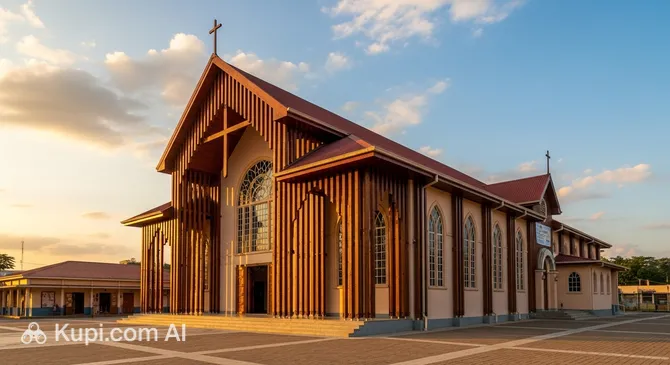
St. Michael Church of Nkembo. Source: Kupi.Binoculars
  • The city's name, which translates to "Free Town," is not just symbolic. It was founded in 1849 by freed slaves who were liberated from a slave ship called Elizia by the French navy. The settlement was established on the site of the former slave trading post, marking a powerful turning point in the region's history.

  • While the St. Michael Church of Nkembo is famous for its architecture, a lesser-known detail is the story of its 31 intricate wooden columns. Legend has it that these pillars, which depict scenes from the Old and New Testaments, were carved by a local Gabonese craftsman who was blind, relying entirely on touch and intuition to create the masterpieces.

  • Libreville is often cited as having one of the highest rates of champagne consumption per capita in Africa. The city's vibrant nightlife and affluent districts contribute to this surprising statistic, reflecting a local culture that enjoys celebrating in style despite the tropical setting.

  • Nature is incredibly close to the urban center; Libreville is one of the few capital cities in the world where you can spot giant leatherback turtles nesting just a short boat ride away. The nearby Pongara National Park, located just across the estuary, serves as a critical sanctuary for these majestic marine creatures.

How to Get There

Planning a trip to the Gabonese capital requires knowing the best entry points. As the primary gateway to the country, the city is well-connected by air, making it relatively easy to reach from various international and regional locations. For a comprehensive guide on all available transport options, you can read more about how to get to Libreville and plan your journey accordingly.

The most direct and common way to arrive is via Libreville Airport (IATA: LBV), also known as Léon-Mba International Airport. Conveniently located within Libreville itself, it is situated just 6.4 km from the city center. This proximity makes transfers quick and efficient; a taxi or bus ride to the downtown area typically takes about 30 minutes. As a major hub with significant passenger traffic, it receives flights from numerous international destinations.

Travelers exploring the wider region might also consider Port Gentil (IATA: POG), located in the city of Port-Gentil. Although it is a busy airport, it is approximately 145 km away from Libreville. The journey from there can take around 4 hours, often involving additional logistics given the geography. Another option is Bata Airport (IATA: BSG) in Bata, situated about 170 km from Libreville, with a travel time of approximately 4.5 hours to the capital.

For clarity, here is a summary of the main airports:

Airport Name City Passenger Traffic Km from City
Port Gentil Port-Gentil High 145.4
Libreville Airport Libreville High 6.4
Bata Airport Bata Medium 170.5
Principe Principe Low 265.1
Mongomeyen Djibloho Low 225.8

Main Attractions

Libreville offers a delightful mix of modern leisure spots, scenic coastal beauty, and vibrant social hubs. Visitors to the capital can enjoy everything from sustainable waterfront developments to lively entertainment venues, making it a diverse destination for relaxation and fun.

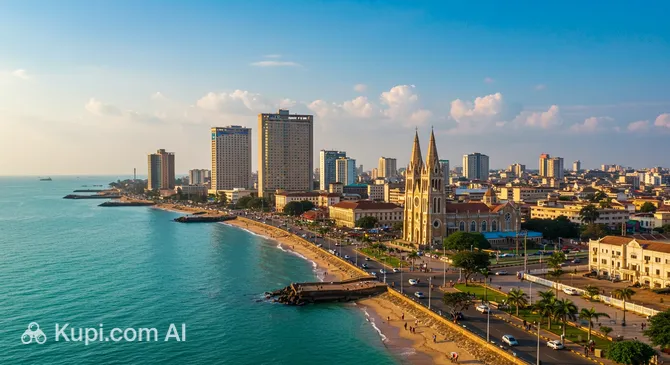
Bay of Kings. Source: Kupi.Binoculars

One of the city's most prominent and modern landmarks is the Bay of Kings (Baie des Rois). This ambitious urban development project is situated right on the waterfront, offering a beautifully landscaped promenade that is perfect for strolling. It serves as a sustainable eco-district and a recreational hub where tourists can admire the marina, enjoy the fresh ocean breeze, and witness the modernization of the Gabonese capital.

For families and those seeking a fun way to cool off, the Tsunami Water Park is a fantastic choice. This attraction provides a refreshing escape from the tropical heat with its variety of pools and water slides. It is a popular destination for both locals and visitors looking for an energetic day out in a safe and well-maintained environment.

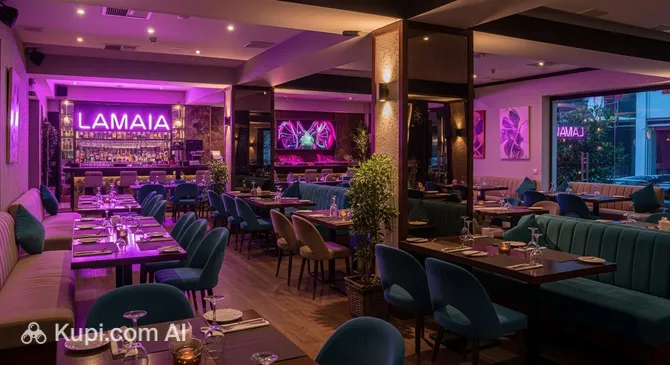
Lamaia Lounge Bar & Restaurant. Source: Kupi.Binoculars

The city also boasts a dynamic dining and nightlife scene. The Lamaia Lounge Bar & Restaurant is a top recommendation for those who appreciate a sophisticated yet relaxed atmosphere. Known for its excellent service and inviting ambiance, it is an ideal spot to enjoy a meal or a sunset drink while soaking in the local vibe.

For a taste of the city's evening energy, the Hype Bar Lounge attracts a lively crowd. It is a great venue to unwind after a day of sightseeing, offering music and a social setting where travelers can mingle with residents and experience the pulse of Libreville's nightlife.

Local Cuisine

The culinary scene in Libreville is a delightful reflection of its coastal location and cultural diversity, offering a fusion of traditional Gabonese flavors and refined French influences. Thanks to the city's proximity to the ocean, fresh seafood is a staple, often prepared with aromatic spices and rich sauces. Visitors can expect a gastronomic journey that ranges from hearty, home-cooked stews in local eateries to sophisticated international dining experiences.

One dish that every traveler must try is Poulet Nyembwe, which is widely considered the national dish of Gabon. This savory meal consists of chicken slow-cooked in a thick, rich sauce made from palm nut pulp, creating a unique and smoky flavor profile. Another local favorite is grilled fish, particularly capitaine or red snapper, usually seasoned with chili and served alongside steamed plantains or baton de manioc (fermented cassava sticks wrapped in leaves).

To accompany these meals, locals often enjoy Régab, the iconic national beer that is a source of pride for Gabonese people. For those seeking something non-alcoholic, the abundance of tropical fruits means fresh juices like pineapple, grapefruit, and mango are readily available and incredibly refreshing. Adventurous drinkers might also want to sample palm wine, a traditional beverage tapped from palm trees, often found in more rural areas or traditional gatherings.

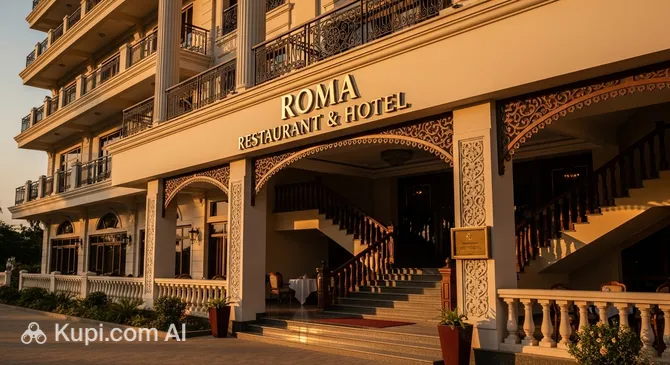
Roma Restaurant & Hotel. Source: Kupi.Binoculars

Dining in the capital caters to all tastes and budgets. You can find authentic flavors at "maquis"—informal, open-air restaurants that serve generous portions at affordable prices—or explore the vibrant street food stalls near the markets. For a more formal dining experience, the city offers excellent establishments like the Roma Restaurant & Hotel, where guests can enjoy high-quality cuisine in a comfortable setting. Whether snacking on coupé-coupé (barbecued meat) on the street or dining by the sea, the food culture here is warm and inviting.

Travel Tips

Visiting Libreville is an exciting adventure into the heart of Central Africa, but like any bustling metropolis, it has its own rhythm and rules. To help you navigate the city with confidence and ease, here are some essential practical tips to keep in mind before you pack your bags.

  1. Clothing and Gear

    Given the tropical climate, lightweight and breathable fabrics like cotton or linen are your best friends here. Since humidity is high and rain can be sudden—especially between September and May—always carry a compact umbrella or a light raincoat. Comfortable walking shoes are a must for exploring the promenade, and while casual wear is acceptable, it is respectful to dress modestly when visiting religious sites like St. Michael's Church.

  2. Transportation

    The most convenient way to get around Libreville is by taxi. You will see red-and-white taxis everywhere; these are "petits taxis" used for short trips within the city. They often operate as shared transport, picking up other passengers along the way. Always negotiate and agree on the fare before getting in, as meters are rarely used. Car rentals are available but can be expensive, and navigating local traffic requires patience.

  3. Finances

    The local currency is the Central African CFA Franc (XAF). While major hotels and upscale restaurants usually accept Visa credit cards, cash is king in Libreville. You will need small bills for taxis, markets, and local eateries. ATMs are widely available in the city center and near major banks. Tipping is not strictly mandatory but is highly appreciated; leaving around 5-10% for good service is a kind gesture.

  4. Health and Safety

    Libreville is generally safe, but standard urban precautions apply. Avoid walking alone on beaches or in poorly lit areas at night. Malaria is present in Gabon, so bring strong insect repellent and consider taking prophylaxis after consulting your doctor. Pharmacies are well-stocked, and you can usually find a "pharmacie de garde" (on-duty pharmacy) open after hours. Stick to bottled water for drinking to avoid any stomach issues.

  5. Communication

    French is the official language and is spoken everywhere. English is not widely used outside of international hotels and business circles, so learning a few basic phrases like "Bonjour" (Hello) and "Merci" (Thank you) will go a long way. For mobile data, purchasing a local SIM card from providers like Airtel or Moov is cheap and easy upon arrival, ensuring you stay connected for maps and translation apps.

  6. Local Etiquette

    Gabonese people are generally polite and welcoming. Greetings are very important; always say "Bonjour" when entering a shop or starting a conversation before asking a question. Handshakes are the common form of greeting. When taking photos of people, always ask for permission first—snapping pictures without consent can be seen as disrespectful.

  7. What to Avoid

    Be extremely careful regarding photography of sensitive locations. It is strictly forbidden to take photos of government buildings, military installations, police officers, and the airport. Doing so can lead to serious legal trouble or the confiscation of your camera. If you are unsure whether a building is "official," it is safer to keep your camera away.

  8. Taxi Signals

    To hail a taxi like a local, you don't just wave. Stand by the road and point your hand in the direction you want to go. If a taxi driver honks at you, they are asking if you need a ride. If they slow down, shout your destination and the price you are willing to pay through the window; if they agree, they will stop to let you in.

By keeping these practicalities in mind, you will be well-prepared to embrace the warmth and energy of Libreville. Enjoy the vibrant culture, the delicious food, and the beautiful coastal views that make this city such a memorable destination.

Entertainment & Nightlife

As the sun sets over the Atlantic, Libreville transforms from a busy administrative center into a lively hub of entertainment. The city's nightlife is diverse, ranging from laid-back seaside terraces where you can enjoy a quiet drink to energetic nightclubs that pulse with music until the early hours. For travelers looking to experience the local social scene, the capital offers a welcoming and vibrant atmosphere that caters to various tastes.

The epicenter of Libreville's nightlife is undoubtedly the Quartier Louis. This district is famous for its high concentration of bars, clubs, and restaurants, making it the go-to destination for anyone looking to party. Here, you can find popular venues like the Hype Bar Lounge, which attracts a stylish crowd with its modern decor and mix of international and African beats. It is an excellent spot to mingle with locals and expatriates alike while enjoying premium cocktails and a festive vibe.

For a more relaxed evening, the coastal area known as the Bord de Mer offers a refreshing alternative. The ocean breeze makes it a perfect setting for open-air dining and lounging. Establishments such as the Lamaia Lounge Bar & Restaurant provide a sophisticated environment where guests can unwind with a glass of wine or a signature drink. The dress code in these venues is generally smart casual; while locals dress to impress for nightclubs, the seaside bars often have a more easygoing, resort-style feel.

Practicality is key when enjoying a night out in Libreville. The action typically starts late, with clubs filling up around midnight. Taxis are the safest and most convenient way to get around at night. It is advisable to avoid walking long distances in the dark, even in popular districts. Instead, have your hotel or the venue call a taxi for you, or stick to the official red-and-white cabs. Prices for drinks vary, with local beers like Régab being very affordable, while imported spirits and cocktails in upscale lounges are priced similarly to European standards.

While the nights are for dancing, the city also offers engaging daytime entertainment. Culture enthusiasts can explore the National Museum of Arts and Traditions to learn about Gabonese heritage, or visit the bustling markets. For families or those seeking a fun break from the heat, the Tsunami Water Park is a fantastic option for a day of splashing around and enjoying water slides, rounding out the city's diverse leisure offerings.

Parks & Museums

Libreville is a city where urban life seamlessly blends with the richness of the equatorial rainforest and the Atlantic coast. For those seeking cultural depth and natural beauty, the capital offers a selection of preserved green spaces and heritage sites that showcase the artistic soul and biodiversity of Gabon.

One of the most remarkable natural treasures located directly within the city limits is the Sibang Arboretum. This protected area serves as a living laboratory of the Gabonese rainforest, housing thousands of local tree species. Unlike a manicured garden, it offers a genuine jungle experience where visitors can take guided tours to learn about medicinal plants and the complex ecosystem of the equatorial forest without leaving the capital.

For a breath of fresh ocean air mixed with modern landscaping, the Bay of Kings (Baie des Rois) provides a scenic waterfront promenade. While it is a developing eco-district, its open spaces and views of the estuary make it a favorite spot for walkers and joggers. Nearby, nature enthusiasts can look towards the outskirts to Akanda National Park, famous for its vast mangroves and as a sanctuary for migratory birds, offering a wilder contrast to the city's parks.

Immersing oneself in the country's history requires a visit to the National Museum of Arts and Traditions. Although compact, this institution is a powerhouse of Gabonese culture, displaying an impressive collection of traditional masks, musical instruments, and the famous Kota reliquaries. It provides an essential context for understanding the spiritual and artistic heritage of the diverse ethnic groups that make up the nation.

Architecturally, the city presents a fusion of styles. The St. Michael Church of Nkembo stands out not only for its spiritual significance but for its incredible craftsmanship. The church is supported by 31 carved wooden columns, each created by a local artist to depict biblical stories with an African perspective. Another architectural gem is the Notre Dame de Lourdes, known for its striking blue-and-white tiled façade, which offers a unique visual contrast to the surrounding tropical greenery.

For a truly authentic experience, seek out the Village Artisanal. Located near the city center, this market is less of a museum and more of a living gallery where you can watch local artisans at work. It is the perfect place to engage with creators, learn about the materials used in Gabonese crafts, and find unique stone carvings or basketry that tell a story of local tradition.

Getting Around

Navigating Libreville is an experience in itself, distinct from many European or North American cities. The city does not possess a metro, tram, or suburban rail network. Instead, the public transport system relies heavily on road-based vehicles, primarily taxis and buses. For a tourist, understanding the difference between the various types of taxis is the key to getting around efficiently and affordably.

The most ubiquitous form of transport is the "petit taxi" (small taxi). These are easily recognizable by their red and white color scheme. They operate on a shared basis, picking up and dropping off multiple passengers along a route. They are plentiful and can be hailed from almost anywhere on the main streets. For longer distances or travel to the suburbs, you might encounter minibuses or larger shared taxis, often referred to as "taxi-buses," which follow more fixed routes connecting the city center to outlying neighborhoods.

There is a public bus service operated by SOGATRA (Société Gabonaise de Transport). These large buses are the most economical option available, but they are often crowded and do not always adhere to a strict timetable. While useful for budget-conscious locals, they can be challenging for tourists to navigate due to the lack of clear route maps and schedules. Unless you are accompanied by a local guide, relying on the red-and-white taxis is generally recommended for convenience.

Payment in Libreville's public transport is almost exclusively cash-based. There are no travel cards, tap-to-pay systems, or ticket machines at stops. You pay the driver directly upon entering or exiting the vehicle. For shared taxis, the fare is usually a standard low amount for short trips within the city center, but prices can increase depending on the distance and time of day. It is crucial to carry small bills and coins, as drivers often do not have change for large denominations.

For a more comfortable and modern alternative, ride-hailing apps have begun to establish a presence in the city. Services like Yango allow you to book a private ride with a fixed price via your smartphone, eliminating the need to haggle or wait by the roadside. This is an excellent option for tourists who prefer the security of a tracked ride and transparent pricing. Traditional car rentals are also available at the airport and in the city center, though hiring a car with a driver is often advised to avoid the stress of navigating local traffic habits.

When using the "petit taxi" system, there is a specific etiquette to follow. To hail one, stand by the road and point in the direction you wish to go. When a driver slows down or honks, shout your destination and the price you are willing to pay through the window. If the driver agrees, they will stop. Be aware that during rush hours (morning and late afternoon), traffic can be heavy, and finding an empty seat might require some patience. Taxis generally operate from early morning until late at night, but availability decreases significantly after midnight.

Accommodation

Finding the right place to stay in Libreville is an important part of planning your trip, as the city offers a distinct mix of accommodation styles suited to different needs. As a major economic hub in Central Africa, the capital is well-equipped with lodging options ranging from high-end luxury establishments to more modest guesthouses. While the city is known for its upscale business hotels, adventurous travelers can also find mid-range and budget-friendly choices, though these may require a bit more searching.

For those who prioritize scenic views and convenience, the Bord de Mer (Seafront) area along the Boulevard de l'Indépendance is the most popular location. Staying here places you close to the beach, major embassies, and the refreshing Atlantic breeze. It is the prime district for luxury resorts and international hotel chains. Alternatively, travelers looking to be in the heart of the action often prefer Quartier Louis. This neighborhood is famous for its vibrant nightlife, restaurants, and proximity to the city's social scene, making it an excellent base for those who want to explore Libreville after dark.

The cost of accommodation in Libreville can be higher than in neighboring countries, largely due to the city's status as a center for the oil and timber industries. Luxury and mid-range hotels typically offer standards comparable to Europe, with amenities like air conditioning, swimming pools, and Wi-Fi, but they come with a matching price tag. Budget options are available but are often basic; they may not always be listed on major international booking platforms, so finding them might require local recommendations or direct contact.

When it comes to booking, it is highly advisable to secure your room in advance, especially if you are visiting during the dry season or when major business conferences are taking place. While large hotels accept credit cards and can be booked online, smaller guesthouses and local lodgings often prefer cash payments in CFA Francs (XAF) and may only take reservations via phone or WhatsApp.

Nearby Cities

For those looking to explore the surroundings, Libreville serves as an excellent base for day trips to several interesting nearby locations. The region offers a mix of industrial hubs, agricultural towns, and historically significant sites that provide a deeper understanding of Gabon beyond its capital.

Located just a short distance along the estuary, Owendo is a bustling port city that effectively functions as an extension of the capital. It is a key logistical hub where visitors can witness the country's maritime commerce or catch a ferry to coastal destinations. Further inland, the town of Lambarene offers a profound cultural experience. Although it requires a longer journey, it is famous worldwide for the Albert Schweitzer Hospital and its museum, set amidst a picturesque landscape of lakes and rivers that are perfect for boat excursions.

City Population Distance (km)
Port-Gentil 136,462 144
Oyem 80,000 272
Owendo 79,300 15
Ntoum 51,954 37
Lambarene 38,775 152

These nearby destinations offer a glimpse into the diverse culture and landscapes of the region, ranging from busy ports to serene river communities.

Shopping & Souvenirs

Shopping:

Shopping in Libreville offers a fascinating contrast between the vibrant chaos of traditional African markets and the orderly comfort of modern retail centers. As a cosmopolitan capital, the city caters to a diverse population, meaning visitors can find everything from high-end French fashion and imported delicacies to locally crafted artifacts and colorful textiles. Whether you are looking for a unique keepsake or simply need to stock up on supplies, the city provides a retail experience that reflects its blend of local culture and international influence.

For those seeking a concentration of shops in a lively urban setting, the area surrounding Avenue Bouët is the commercial heartbeat of the city. This district is always teeming with activity, lined with smaller independent stores, fabric shops, and vendors selling electronics and household goods. It is a great place to soak in the local atmosphere, though the crowds can be dense. Another key area is the downtown district, or Centre Ville, where you can find more upscale boutiques, pharmacies, and bookstores located along the main boulevards near the seafront.

Travelers looking for a familiar, air-conditioned shopping experience should head to the Mbolo Shopping Centre. It is the most prominent mall in the city, anchored by a large supermarket (Géant Casino) that stocks a wide range of international products. Inside, you will find a variety of smaller stores selling clothing, perfumes, and jewelry, as well as a pharmacy and cafes. It is a popular meeting point for both expats and locals. Another notable option is the Galerie des Jardins d'Ambre, which offers a selection of chic boutiques and specialty shops in a more relaxed environment.

To truly experience the soul of Gabonese commerce, a visit to the Mont-Bouët Market is essential. As the largest market in the country, it is a sprawling maze of stalls where you can buy virtually anything, from fresh tropical fruits and spices to vibrant wax print fabrics. For a more tourist-friendly experience focused on crafts, the Village Artisanal is the best destination. Here, you can watch artisans at work and browse a curated selection of traditional goods without the intense hustle of the main general market.

When it comes to souvenirs, Libreville is famous for its exquisite Mbigou stone carvings. This soft, soapstone-like material is sculpted into intricate busts, figures, and abstract shapes by local artists and makes for a distinctively Gabonese gift. Other popular items include traditional Fang masks, musical instruments like the harp or drums, and colorful African wax prints (pagnes) which can be bought as fabric or ready-made clothing.

Store opening hours generally run from 8:30 AM to 6:30 PM, Monday through Saturday. Many smaller shops and markets close for a lunch break around 1:00 PM and reopen by 3:00 PM. While the larger shopping malls and supermarkets accept major credit cards (Visa is most common), cash is the absolute rule in markets and smaller boutiques. It is advisable to carry the local currency (CFA Francs) in smaller denominations to make bargaining easier.

Tourists should be aware that a formal tax-free or VAT refund system for visitors is not widely established or easily accessible in Gabon compared to Europe. Prices displayed in shops generally include all taxes. In markets, bargaining is expected and is part of the shopping culture, whereas prices in supermarkets and malls are fixed.
Reached the end of the page?

That means the route is fully explored