Support

Port-Gentil

About

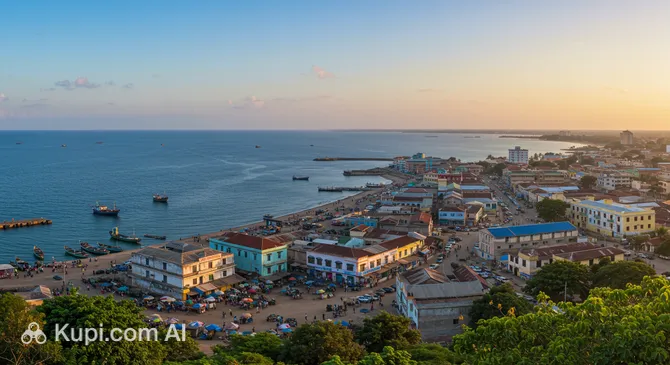
Port-Gentil serves as the vibrant economic capital and the second-largest city of Gabon. Situated on Mandji Island, this coastal hub is renowned for its significant role in the nation's petroleum and timber industries, offering a unique blend of industrial energy and a laid-back tropical atmosphere.

Port-Gentil. Source: Kupi.Binoculars

Geographically, the city is positioned in the Ogooué-Maritime province, stretching along the coast with a population of approximately 136,000 residents. Its location near the equator ensures a warm climate year-round, making it a distinct destination for travelers. While it is primarily known as a modern business center, the history of Port-Gentil reveals a fascinating journey of development and cultural exchange that has shaped its current identity.

Visitors are often drawn to the city's scenic surroundings, particularly the famous Cape Lopez, which is the westernmost point of the country and offers stunning ocean views. The St. Louis Church stands as a notable architectural landmark worth visiting, while the local beaches provide a perfect setting for relaxation by the sea.

Whether you are visiting for business or leisure, Port-Gentil welcomes you with its hospitable spirit and dynamic environment. It is a place where industry meets the ocean, creating a memorable and interesting stop on any travel itinerary.

Weather Overview

The weather in Port-Gentil is typically tropical, offering consistent warmth and distinct seasonal variations that travelers should plan for. Generally, the city experiences stable temperatures year-round, making it a destination where light, breathable clothing is almost always appropriate.

Average temperatures usually hover between 24°C and 27°C, with the warmest conditions occurring around February and March, when highs can reach 29°C. The coolest period falls between June and August, where the average temperature dips slightly to around 24.4°C, providing a refreshing break from the heat.

Rainfall patterns define the seasons here more than temperature changes. The months of June, July, and August constitute a distinct dry season, with July seeing as few as 3 wet days. In contrast, the rest of the year, particularly from October to May, is characterized by frequent precipitation, with months like November and December often recording rain on nearly every day.

Interesting Facts

Beyond the main attractions, Port-Gentil holds many fascinating secrets that reveal its unique character as a city shaped by water and isolation. While it is a bustling economic hub, the city's geography and natural surroundings offer several surprising features that are well worth noting.

  • An Isolated Metropolis: Despite being the second-largest city in Gabon and its economic capital, Port-Gentil has historically had no direct road connection to the rest of the national road network. For decades, all travel and transport to the capital, Libreville, have relied exclusively on air or maritime routes, earning it the reputation of an "island city" on the mainland.

  • A Sanctuary for Giants: The waters off Cape Lopez are not just for shipping; they are a prime location for witnessing the majestic migration of humpback whales. From July to September, these gentle giants congregate in the warm coastal waters to mate and give birth, offering spectacular viewing opportunities from the shore.

  • Built on Sand: The entire city is situated on Mandji Island, a landmass formed almost entirely by alluvial sand deposits from the immense Ogooué River delta. This unique geological foundation means the city is surrounded by intricate mangrove forests and winding waterways rather than solid bedrock.

How to Get There

Reaching this coastal industrial hub requires some planning, as its unique geography on Mandji Island means there are no road connections to the rest of the country. For a comprehensive guide on travel options, you can check more about how to get to Port-Gentil, but the primary method for most visitors is arriving by air.

The city is served directly by Port Gentil (POG), which is conveniently located within the city limits. Situated just 3.4 km from the center, this airport is the main gateway for travelers. The journey from the terminal to the downtown area is very short, typically taking around 5 to 10 minutes by taxi or shuttle. As a key regional hub, it handles a significant volume of passengers annually.

Another major entry point for international travelers is Libreville Airport (LBV), located in the capital city of Libreville, approximately 147 km from Port-Gentil. Since there is no road linking the two cities, visitors landing in Libreville must take a connecting domestic flight or a ferry service to reach Port-Gentil. Additionally, Sao Tome Island Airport (TMS) in Sao Tome is another regional hub, located about 260 km away across the ocean.

For clarity, here is a summary of the main airports:

Airport Name City Passenger Traffic Km from City
Port Gentil Port-Gentil Medium 3.4
Libreville Airport Libreville Medium 147.4
Sao Tome Island Airport Sao Tome Small 260.4

There are no railway stations in Port-Gentil or its immediate vicinity. The city's transport infrastructure is focused on maritime and aerial routes due to its location on the delta. Travelers looking for ground transport options will not find train services here; instead, reliance is placed on taxis for local movement and boats or planes for intercity travel.

Main Attractions

Port-Gentil, located on Mandji Island, offers a distinct coastal charm that sets it apart from the bustling capital. While it is primarily known as the economic hub of Gabon, the city possesses a relaxed atmosphere and several points of interest that reflect its colonial history and natural beauty. Visitors will find that the attractions here are often centered around the ocean and the city's heritage.

One of the most iconic landmarks is the St. Louis Church (Église Saint-Louis). Built in the late 1920s, this architectural gem stands out with its modest yet elegant design. It serves as a testament to the city's colonial past and remains an active place of worship. The church is situated near the city center, making it an easy stop for those exploring the streets of Port-Gentil on foot.

For nature lovers and history enthusiasts, a trip to Cap Lopez is essential. Located at the tip of the peninsula, this area is home to a historic lighthouse constructed in 1911. The lighthouse itself is a striking structure, originally built with riveted steel plates. The cape also marks the separation between the Gulf of Guinea and the South Atlantic Ocean, offering sweeping views of the sea. It is a quiet spot perfect for contemplation and photography.

The city is also renowned for its pristine coastline. The beaches around Port-Gentil, such as those near the Sogara residential area, are popular for their golden sands and palm-lined shores. Unlike more crowded tourist destinations, these beaches often offer a tranquil escape where visitors can enjoy the warm waters of the Atlantic or simply relax under the sun. During the migration season between July and September, the coast off Port-Gentil becomes a prime location for spotting humpback whales.

Local Cuisine

The culinary landscape of Port-Gentil is deeply influenced by its coastal location, making it a paradise for seafood lovers. As the economic capital of Gabon, the city offers a vibrant mix of traditional African flavors and French gastronomy. Fresh catches from the Atlantic Ocean arrive daily, ensuring that fish and shellfish are the stars of many local menus.

One dish you absolutely must try is Poisson Braisé, or grilled fish. Typically seasoned with a spicy marinade and grilled over charcoal, it is often served with sides like fried plantains or bâton de manioc, a fermented cassava dough wrapped in leaves. Another cornerstone of the local diet is Poulet Nyembwe, considered the national dish. This savory chicken stew is slow-cooked in a rich, creamy sauce made from palm nut pulp, offering a unique and hearty flavor profile that defines Gabonese cuisine.

When it comes to beverages, the local favorite is undoubtedly Régab, the ubiquitous Gabonese lager that is enjoyed at social gatherings throughout the city. For a non-alcoholic option, visitors should sample the region's fresh fruit juices. The grapefruits here are particularly renowned for their size and sweetness, often pressed into a refreshing jus de pamplemousse. Locally made ginger juice is another spicy and energizing drink commonly found in markets.

The dining culture in Port-Gentil ranges from upscale restaurants catering to the expatriate community to lively, informal eateries known as maquis. These open-air spots are perfect for experiencing the city's authentic atmosphere and enjoying generous portions of food at affordable prices. For those who enjoy street food, the markets offer grilled skewers and fresh snacks, providing a direct taste of the local daily life.

Travel Tips

Visiting Port-Gentil requires a bit of specific preparation, largely due to its unique location on Mandji Island and its status as a bustling energy hub. These practical tips are designed to help you navigate the city smoothly, ensuring a comfortable and hassle-free experience in the economic capital of Gabon.

  1. Clothing and Gear: Due to the tropical and humid climate, pack lightweight, breathable fabrics like cotton or linen to stay cool. A sturdy umbrella or a light rain jacket is essential, as sudden downpours can occur, especially during the rainy seasons. While beachwear is fine for the coast, dress modestly and neatly when visiting the city center or administrative buildings. Don't forget a universal travel adapter, though the standard plugs are Type C and E.
  2. Transportation: Since there are no roads connecting Port-Gentil to the rest of the country, you will likely arrive by air or sea. Within the city, taxis are the most convenient way to get around. They are plentiful and generally affordable. You can choose between a "course" (a private ride to your destination) or a shared ride, which is cheaper but involves stops for other passengers. Always confirm the fare with the driver before getting in, as meters are rarely used.
  3. Finances: The local currency is the Central African CFA franc (XAF). While upscale hotels and major supermarkets may accept international credit cards (Visa is more common than Mastercard), cash is king for local markets, small restaurants, and taxi fares. ATMs are available in the city center, but it is wise to carry enough cash for daily expenses in case of network issues. Tipping is not mandatory but is appreciated for good service.
  4. Health and Safety: Port-Gentil is generally safe, but standard precautions apply. Avoid walking alone in poorly lit areas or on deserted beaches at night. Malaria is a risk, so bring high-quality insect repellent and consider sleeping under a mosquito net. Pharmacies are well-stocked, with several located near the city center, but carrying a personal medical kit with basics is always a good idea. Drink bottled water rather than tap water.
  5. Communication: The official and most widely spoken language is French. While you might find English speakers within the international business community, it is not widely spoken by the general public. Learning a few basic phrases like "Bonjour" (Hello) and "Merci" (Thank you) will go a long way. Pre-paid SIM cards from providers like Airtel or Moov are easy to purchase and offer decent 4G coverage for staying connected.
  6. Local Etiquette: Gabonese culture places a high value on greetings. It is polite to say "Bonjour" when entering a shop, getting into a taxi, or starting a conversation. Handshakes are the standard form of greeting. When interacting with locals, a friendly and respectful demeanor is expected; rushing or being abrupt can be considered rude.
  7. What to Avoid: Be extremely cautious about photography. Strictly avoid taking photos of government buildings, military installations, police officers, and the airport, as this is prohibited and can lead to serious legal trouble or confiscation of your equipment. Always ask for permission before taking photos of local people.
  8. Island Logistics: Remember that Port-Gentil is effectively an island city. If you plan to visit other parts of the country, you must book a flight or a ferry to Libreville in advance. Ferry schedules can sometimes change due to weather or maintenance, so allow some flexibility in your travel plans.

By keeping these practicalities in mind, you can focus on enjoying the laid-back coastal atmosphere and the warm hospitality that Port-Gentil has to offer. With your logistics sorted, you are all set to explore the sandy shores and vibrant markets of this unique Gabonese city.

Entertainment & Nightlife

Port-Gentil comes alive after sunset, driven largely by its status as the economic capital and home to a significant expatriate community. The nightlife here is vibrant yet relaxed, offering a mix of sophisticated lounges, lively dance floors, and open-air bars. Most of the action is concentrated in the city center and along the coastal roads, where the cool sea breeze complements the evening festivities. The atmosphere is generally welcoming, with a diverse crowd of locals and international workers mingling in a friendly environment in this key city of Gabon.

For those looking to experience the local club scene, Le Pacha is a well-known establishment that has been a staple of Port-Gentil's nightlife for years. It typically features a mix of international hits, French variety, and African rhythms, making it a popular spot for dancing late into the night. Another central hub for evening entertainment is the Casino de Port-Gentil. Beyond the gaming tables and slot machines, the venue houses a bar and restaurant area that serves as a sophisticated social meeting point. For a more casual vibe, the beachfront areas often host smaller bars where you can enjoy a drink with the sound of the waves in the background.

The dress code in Port-Gentil's nightlife venues leans towards smart-casual. While beach bars are relaxed, nightclubs and the casino generally expect long trousers and closed shoes for men. The party starts relatively late, with bars filling up around 9:00 PM and clubs peaking after midnight, particularly on Fridays and Saturdays. Prices can be somewhat higher than in other parts of the country due to the city's oil-industry economy, so it is wise to budget accordingly for drinks and entrance fees.

When moving around at night, safety and convenience are paramount. The best way to navigate the city after dark is by taxi. It is highly recommended to use official taxis and, if possible, keep the number of a trusted driver or ask the venue's security to call a cab for you. Avoid walking alone in poorly lit areas or on the beach at night. The city center is generally safe, but staying in groups and being aware of your surroundings is always good practice.

During the daylight hours, entertainment in Port-Gentil is more low-key and often revolves around social clubs and outdoor activities. While the city lacks large amusement parks or major museums, the Grand Village district offers a lively market atmosphere perfect for a daytime stroll. Visitors can also enjoy recreational facilities such as the local golf club or tennis courts, which are popular social hubs for the community before the evening entertainment begins.

Parks & Museums

While Port-Gentil is primarily known as an economic hub, it offers a distinct charm defined by its coastal location and colonial heritage rather than a dense concentration of traditional museums or manicured city parks. Visitors to this island city in Gabon will find that the true "galleries" here are the open-air displays of colonial architecture and the "parks" are the sweeping, golden beaches that border the Atlantic Ocean.

For nature lovers, the most significant natural area is undoubtedly Cap Lopez. Located at the tip of the Mandji Island peninsula, this area is famous for its historic lighthouse and pristine sands. It serves as a fantastic vantage point for witnessing the meeting of the Ogooué River and the ocean. During the right season, it becomes a prime spot for whale watching, offering a natural spectacle that rivals any curated exhibit. Another popular spot for relaxation is Sogara Beach, a favorite among locals and expatriates for weekend picnics and walks along the water, offering a breezy escape from the city's bustle.

In terms of cultural and historical immersion, the St. Louis Church (Église Saint-Louis) stands out as a key architectural landmark. Built in the late 1920s, this wooden structure is a beautiful example of colonial-era religious architecture and provides a serene glimpse into the city's past. Although Port-Gentil lacks large national museums, the city center itself acts as a living museum of colonial history, with several preserved buildings dating back to the early 20th century that reflect the era when the city was a thriving trading post.

For a truly authentic cultural experience, visitors should explore the Grand Village area. While not a gallery in the traditional sense, the bustling markets here display the vibrant artistry of daily Gabonese life, from colorful textiles to locally crafted goods. An insider tip for travelers is to take a quiet evening stroll along the marina; it offers a picturesque view of the local pirogues (fishing boats) returning at sunset, providing a perfect, unscripted moment of connection with the local maritime culture.

Getting Around

Navigating Port-Gentil differs significantly from many other major cities, as the public transport infrastructure is quite specific to its geography and economic structure. There is no metro, tram, or public bus network available for general tourist use. Instead, the city relies almost exclusively on a robust system of taxis. These vehicles serve as the primary mode of transportation for locals and visitors alike, connecting the city center, residential neighborhoods, and the coastal areas efficiently.

The taxi system operates on two distinct models: the shared ride and the private hire, known locally as a "course." In a shared taxi, the driver picks up multiple passengers heading in the same general direction, making it a very affordable option for getting around. If you prefer privacy or need to get to a specific location quickly without detours, you should request a "course." This ensures the vehicle is yours for the trip, though it comes at a higher price point than the shared option.

Payment for transport is strictly cash-based. There are no electronic travel passes, transport cards, or mobile apps for ticketing. Fares for shared rides are typically standard and low, while the price for a private trip should be negotiated and agreed upon before you enter the car. It is essential to carry small bills and coins, as drivers frequently do not have enough change for large denominations. Prices may increase slightly during the night or for long distances to the outskirts.

For tourists, the system is relatively easy to use once understood. Taxis are painted in distinctive colors, making them easy to spot. To hail one, simply stand by the side of the road and signal with your hand. Drivers often honk to indicate availability. While they operate throughout the day and into the night, availability drops significantly after midnight. If you plan to stay out late, it is advisable to have the phone number of a trusted driver or ask your hotel or venue to call one for you.

Alternatives to taxis are somewhat limited. Car rental agencies exist, primarily catering to business travelers in the oil sector, and often rent vehicles with a driver included. Self-driving is less common for short-term tourists. Walking is a viable and pleasant alternative for exploring the compact city center, particularly during the cooler morning or late afternoon hours. Since Port-Gentil is located on an island without bridge connections to the mainland, the airport and the ferry terminal act as the city's major transit gateways, functioning similarly to how a central train station might in other cities.

Accommodation

Accommodation in Port-Gentil largely reflects its status as the economic capital of Gabon, catering primarily to business travelers and the expatriate community. As a result, the city offers a range of lodging options that prioritize comfort and modern amenities. Visitors will mostly find well-appointed mid-range hotels and upscale establishments designed to meet international standards. While traditional backpacker hostels are scarce, there are several smaller guesthouses and furnished apartments that provide a more homely atmosphere for those planning an extended stay.

When selecting a place to stay, the location often depends on your preference for scenery versus convenience. The coastal areas are particularly popular among tourists and short-term visitors, offering hotels with ocean views and easy access to the beach, where the sea breeze provides a welcome respite from the humidity. Alternatively, staying in the city center places you within walking distance of major banks, administrative offices, and the vibrant local markets. The residential neighborhoods near the airport are also a practical choice, often providing a quieter environment while remaining accessible via a short taxi ride.

Travelers should be aware that accommodation prices in Port-Gentil are generally higher than in other parts of the country, influenced significantly by the oil industry. Budget options are relative, and even modest rooms can command prices comparable to mid-range hotels elsewhere. Major hotels can typically be booked through standard international online platforms, but for smaller local establishments and guesthouses, contacting them directly by phone or email is often the most reliable method to secure a reservation.

A crucial tip for planning your stay is to book as far in advance as possible. Due to the steady influx of business professionals, high-quality rooms can fill up quickly, especially during the week. Securing your booking early ensures you have a wider selection of choices and helps avoid the premium rates often applied to last-minute inquiries.

Nearby Cities

For those looking to explore the surroundings, Port-Gentil serves as an excellent base for day trips to several interesting nearby locations. Due to the city's unique geography on Mandji Island, most excursions to neighboring towns involve a short flight or a scenic ferry ride across the water, adding an element of adventure to the journey.

Libreville, the vibrant capital of Gabon, is the most popular destination for a quick getaway. Accessible by a 30-minute flight or a few hours by boat, it offers a lively contrast to the laid-back atmosphere of Port-Gentil. Visitors can explore the bustling Mont-Bouët market, stroll along the scenic seafront, or visit the National Museum of Arts and Traditions to delve deeper into the country's heritage.

Another fascinating option is Lambaréné, situated inland along the Ogooué River. Although it requires a bit more travel time, it is a rewarding destination famous for the historic Albert Schweitzer Hospital and its museum. The town is surrounded by a stunning network of lakes and river channels, making it a perfect spot for those interested in history and serene river landscapes.

City Population Distance (km)
Libreville 797,003 144
Oyem 80,000 403
Owendo 79,300 137
Ntoum 51,954 163
Lambarene 38,775 162

These nearby destinations offer a glimpse into the diverse culture and landscapes of the region.

Shopping & Souvenirs

Shopping in Port-Gentil offers a mix of functional retail for its expatriate community and vibrant local commerce that reflects the culture of Gabon. While the city is not known as a major international shopping destination with sprawling luxury complexes, it provides a unique opportunity to find authentic African crafts alongside imported European goods. The experience ranges from air-conditioned supermarkets stocking French products to bustling open-air markets where bargaining is part of the daily rhythm.

The main commercial activity is concentrated in the City Center (Centre-Ville). Here, along the streets surrounding the administrative buildings and major hotels, visitors can find a variety of boutiques selling clothing, electronics, and jewelry. This area is walkable and safe, allowing tourists to browse through small shops that often sit side-by-side with banks and offices. It is the most modern part of the city's retail landscape, catering largely to the needs of local professionals and international workers.

For a more concentrated shopping experience, the city relies on large supermarket complexes rather than traditional Western-style malls. The Casino supermarket area serves as a primary retail hub. Beyond groceries, this complex and its surroundings often host smaller shops selling books, perfumes, and pharmacy items. It is a popular stop for travelers needing to restock on familiar international brands or travel essentials in a comfortable, climate-controlled environment.

To experience the authentic pulse of Port-Gentil, a visit to the Grand Village Market (Marché du Grand Village) is essential. This sprawling market is a sensory overload of colors and sounds, offering everything from fresh tropical fruits and spices to colorful textiles. It is the best place to observe daily life, where locals shop for food and household goods. The atmosphere is lively, and it provides a stark contrast to the quiet order of the city center supermarkets.

When it comes to souvenirs, the most prized item to bring back is a carving made from Mbigou stone (Pierre de Mbigou). This soft, greyish-pink soapstone is unique to the region and is carved by local artisans into intricate busts, animals, and abstract figures. Additionally, visitors should look for locally made masks, traditional musical instruments, and "pagnes" (wax print fabrics) which can be found in the markets or specialized craft shops. These items make for meaningful keepsakes that support local craftsmanship.

Store opening hours generally run from 8:00 AM to 6:30 PM or 7:00 PM on weekdays. However, it is important to note that many smaller independent shops and businesses may close for a lunch break between 12:30 PM and 3:00 PM. Larger supermarkets typically remain open throughout the day. On Sundays, most shops are closed or operate with reduced hours in the morning only.

Regarding payment, cash is king in Port-Gentil. While major supermarkets and upscale hotels accept credit cards (Visa is the most widely supported), most market vendors, taxis, and smaller boutiques deal exclusively in the Central African CFA franc (XAF). It is highly recommended to carry sufficient cash in smaller denominations when shopping in local markets to facilitate easier transactions. Tax-free shopping or VAT refund schemes for tourists are not standard practice in the city, so visitors should not expect to claim taxes back at the airport.
Reached the end of the page?

That means the route is fully explored