Support

Oyem

About

Welcome to Oyem, the bustling capital of the Woleu-Ntem Province. Situated on a plateau at an elevation of about 900 meters (3,000 feet), this vibrant city offers a refreshing change of pace and a slightly cooler climate compared to the coastal regions. As one of the largest urban centers in the northern part of the country, Oyem serves as a crucial commercial hub and a gateway to the surrounding lush landscapes.

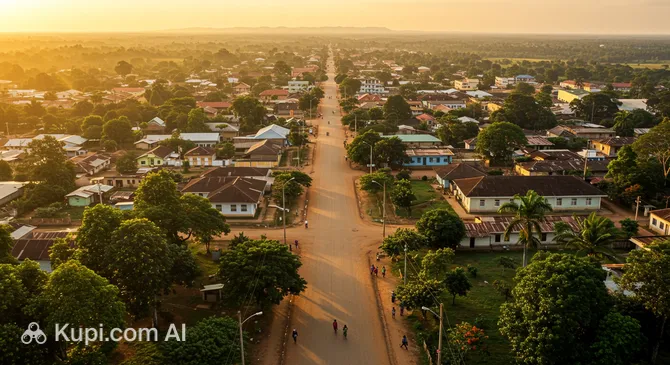
Oyem. Source: Kupi.Binoculars

Located in the heart of northern Gabon, the city is strategically positioned near the borders of Cameroon and Equatorial Guinea. With a population of approximately 80,000 residents, it balances the energy of a developing urban area with a welcoming, small-town atmosphere. The region is renowned for its agricultural prowess, particularly as the nation's premier producer of cocoa and coffee, which drives much of the local economy and culture.

Travelers interested in the roots of this agricultural stronghold can explore the history of Oyem to understand how trade and farming shaped its development over the decades. Today, the city is known for its lively markets where visitors can purchase fresh produce, local crafts, and experience the daily rhythm of the Fang community, the predominant ethnic group in the area.

Beyond the markets, Oyem is a fantastic base for exploring the dense equatorial forests that characterize the province. Whether you are passing through on a cross-border adventure or staying to experience the authentic local culture and hospitality, Oyem invites you to discover a unique and industrious side of this fascinating country.

Weather Overview

Travelers planning a visit should prepare for a consistent tropical climate characterized by steady warmth. The weather in Oyem remains pleasant year-round, making it a destination where light, breathable clothing is essential for comfort.

Temperatures are quite stable, generally ranging from nightly lows of around 20°C to daily highs reaching up to 30°C. February is typically the warmest month, with average highs of 30.5°C, while July offers slightly cooler conditions. Expect warm days consistent throughout the year, accompanied by frequent precipitation; the number of wet days is high, peaking at 29 days in October, so keeping an umbrella or raincoat handy is highly recommended.

Interesting Facts

Beyond its reputation as a commercial hub, Oyem holds fascinating secrets that reveal the deep cultural and geographical richness of the Woleu-Ntem province. Here are a few unique insights into this vibrant city:

  • The city is widely regarded as the custodian of the Fang culture's oral traditions. Oyem is one of the premier locations to experience the Mvet, a traditional harp-zither instrument used in epic poetry performances that recount the heroic deeds of ancestors and the complex cosmology of the Fang people.

  • While Gabon is globally famous for its oil, Oyem stands out as the nation's "Cocoa Capital." The surrounding region serves as the agricultural powerhouse of the country, responsible for the vast majority of coffee and cocoa production, giving the city a distinct agrarian rhythm compared to the coastal capital.

  • Geographically, the city sits on the South Cameroon Plateau, which creates a unique landscape of rolling hills and valleys. This elevation not only provides scenic viewpoints that are rare in the flatter, jungle-dense regions of the interior but also contributes to its notably fresher air and cooler evenings.

How to Get There

Reaching this northern provincial capital involves a journey through the lush landscapes of the region. While the city lies in the interior, it is accessible via road connections from major transport hubs in Gabon and neighboring countries. For those looking for detailed routes and logistics, you can read more about how to get to Oyem to plan your trip effectively.

Most international visitors will likely begin their journey at Libreville Airport (IATA: LBV), also known as Léon-Mba International Airport. Located in the capital city of Libreville, it serves as the primary gateway to the country. Although it is situated approximately 272 km from Oyem, it offers the most reliable flight connections. The subsequent overland trip from Libreville allows you to see much of the country's countryside; the drive by taxi or bus typically takes around 7 hours.

For travelers who might be in the region or have the appropriate visas for cross-border travel, the closest facility is Mongomeyen (IATA: GEM), located in the city of Djibloho in Equatorial Guinea. This airport is significantly closer, about 62 km away. The drive from there to Oyem takes approximately 2 hours, though crossing the international border will require additional time for customs and immigration procedures.

For clarity, here is a summary of the main airports in the wider region:

Airport Name City Passenger Traffic Km from City
Libreville Airport Libreville Large 271.8
Nsimalen Airport Yaounde Medium 234.8
Bata Airport Bata Medium 199.9
Mongomeyen Djibloho Small 62.0

Currently, there is no direct railway service to Oyem. The national railway network primarily connects the coast to the southeast of the country. Visitors usually rely on the network of paved and unpaved roads to reach the city. Bush taxis (minibuses) and private car hires are the standard methods of transport from other major Gabonese cities.

Main Attractions

While Oyem is primarily a commercial and administrative center, it offers visitors a few distinct landmarks that reflect its cultural heritage and modern development. The city’s charm lies less in traditional tourist monuments and more in its vibrant daily life, agricultural roots, and role as a gateway to the spectacular nature of northern Gabon.

One of the most prominent modern structures in the area is the Stade d'Oyem. Built to host matches for the 2017 Africa Cup of Nations, this impressive stadium stands as a symbol of the region's passion for football. Its modern architectural design, often likened to a bird's nest or a basket, makes it a striking sight against the backdrop of the surrounding lush vegetation. Even when no matches are scheduled, the facility remains a significant point of interest for architecture enthusiasts and sports fans visiting the province.

For a taste of local culture, the Oyem Central Market is an essential stop. As the heart of the "Cocoa Capital," this bustling marketplace offers an authentic look at the region's agricultural wealth. Here, visitors can find mounds of fresh produce, locally grown coffee, and cocoa, alongside traditional crafts. It is the perfect place to interact with friendly locals, sample Gabonese street food, and experience the lively atmosphere that defines the Fang community's daily commerce.

The city is also home to notable religious sites that serve as peaceful retreats, such as the Oyem Cathedral. Perched on a hill, this church is not only a place of worship but also offers a vantage point for viewing the city and the rolling plateau landscape. Its simple yet dignified architecture reflects the colonial history and the deep-seated spiritual traditions of the area.

Finally, Oyem serves as the primary logistical base for adventurous travelers heading to Minkébé National Park. Although located outside the city limits, this vast protected area is one of the most important forest elephant habitats in Central Africa. Tourists often use Oyem as their starting point to organize permits and transport for expeditions into this pristine wilderness, making the city a crucial hub for eco-tourism in the Woleu-Ntem province.

Local Cuisine

The culinary scene in Oyem offers a delightful journey into the heart of the Fang culture, deeply rooted in the region's agricultural abundance. As the capital of the Woleu-Ntem province, the city enjoys access to fresh produce, making its cuisine distinctively flavorful and hearty. Visitors can expect meals centered around locally grown tubers, rich sauces, and fresh proteins, providing an authentic taste of the interior of Gabon.

One dish that every traveler must try is Poulet Nyembwe. Considered the national dish, this savory chicken stew is slow-cooked in a rich, buttery sauce made from palm nut pulp. In Oyem, it is often prepared with a local touch and served alongside the ubiquitous bâton de manioc (cassava stick), a fermented cassava dough wrapped in leaves that serves as the perfect accompaniment for soaking up the thick sauces.

Another staple of the local diet is feuilles de manioc (cassava leaves). These are pounded into a fine paste and cooked for hours with palm oil, and often enriched with smoked fish or meat. For those who enjoy savory, nutty flavors, dishes prepared with odika—a "native chocolate" sauce made from the kernels of the wild mango tree—offer a unique and smoky taste profile that is highly prized in the region.

The street food culture in Oyem is vibrant and offers a casual way to sample local favorites. In the evenings, roadside stalls light up with the aroma of coupé-coupé, a type of barbecued meat that is seasoned, grilled over open flames, and served with spicy pepper sauce and fried plantains. It is a popular, inexpensive meal that brings locals and visitors together in a lively atmosphere.

To wash down these rich meals, locals often turn to Regab, the beloved national lager. However, for a more traditional experience, you might encounter palm wine, a sweet, whitish beverage tapped directly from palm trees. In the rural areas surrounding Oyem, this drink is a cultural staple, often enjoyed fresh during social gatherings. For non-alcoholic options, the markets offer an array of fresh fruit juices, including grapefruit and pineapple, reflecting the region's tropical fertility.

Dining in Oyem is less about fancy restaurants and more about the convivial atmosphere of maquis—informal, open-air eateries. These spots are the social hubs of the city, where food is generous, music is often playing, and the hospitality is warm. Visiting a maquis provides not just a meal, but a genuine connection with the daily life and friendly spirit of the city's residents.

Travel Tips

Visiting Oyem offers a unique opportunity to experience the authentic rhythm of northern Gabon, but a little preparation goes a long way in this bustling provincial capital. To help you navigate the city with ease and confidence, here are some practical tips to keep in mind before you pack your bags.

  1. Clothing and Gear: Given the tropical climate, prioritize lightweight, breathable fabrics like cotton or linen to stay cool during the day. However, since rain can occur frequently, packing a compact umbrella or a light rain poncho is highly recommended. Comfortable, closed-toe walking shoes are essential, as sidewalks can be uneven or unpaved, especially when exploring the markets.

  2. Transportation: The most common way to get around Oyem is by taxi. These are typically shared rides, meaning the driver may pick up other passengers along the way. Taxis are generally affordable, but it is wise to carry small change. There is no metro or tram system; for longer excursions outside the city, hiring a private car with a driver is often the most reliable option.

  3. Finances: The official currency is the Central African CFA Franc (XAF). While there are banks with ATMs in the city center, they can occasionally be out of service, so it is crucial to carry enough cash for your daily expenses. Credit cards are rarely accepted outside of major hotels, so be prepared to pay for meals, transport, and souvenirs with physical currency.

  4. Health and Safety: Oyem is generally safe for tourists, but standard precautions apply; avoid walking alone in poorly lit areas at night. Malaria is present in the region, so bring appropriate prophylaxis and insect repellent. Drink only bottled or filtered water. Pharmacies are available in the city center, known locally as "pharmacies," but bringing a basic personal first-aid kit is always a good idea.

  5. Communication: The primary language for communication is French. English is not widely spoken, so learning a few basic French phrases will be incredibly helpful. To stay connected, you can purchase a local SIM card (providers like Airtel or Moov are common) at kiosks in town; you will likely need your passport to register the card.

  6. Local Etiquette: Greetings are very important in Gabonese culture. Always say "Bonjour" (Good morning) or "Bonsoir" (Good evening) before asking a question or starting a conversation. Handshakes are the standard form of greeting. When interacting with the local Fang community, showing respect to elders is paramount and will be warmly received.

  7. What to Avoid: Strictly avoid taking photographs of government buildings, police stations, military personnel, or the airport. This is considered a serious offense in Gabon and can lead to confiscation of your camera or legal trouble. Always ask for permission before taking photos of local people.

  8. Market Tip: For the best experience at the Oyem Central Market, try to visit in the early morning. The produce is at its freshest, the temperature is cooler, and the vendors are just setting up, offering a lively but less chaotic atmosphere than midday. It is also the best time to find fresh "bâton de manioc."

By keeping these practicalities in mind, you will be well-equipped to enjoy the warm hospitality and vibrant culture of Oyem. Embrace the local pace of life, and you are sure to have a memorable and hassle-free adventure in the Woleu-Ntem province.

Entertainment & Nightlife

Nightlife in Oyem offers a vibrant and authentic slice of Gabonese culture, distinct from the frantic pace of the capital. While it may not boast the sprawling superclubs of Libreville, the city comes alive after dark with a rhythm all its own. The entertainment scene here is centered around conviviality, music, and the beloved "maquis"—open-air spots that blend dining, drinking, and dancing into a single, energetic experience.

The atmosphere is generally laid-back and welcoming. Locals love to gather to listen to a mix of Congolese rumba, Afrobeat, and traditional Fang music. The dress code is casual for most venues, though if you are heading to a hotel lounge or a specific nightclub, a "smart casual" look is appreciated. Things typically kick off later in the evening, with many spots staying open until the early hours of the morning, especially on weekends.

For those seeking a sophisticated evening, the BCBG Bar Lounge is a premier destination. Known for its chic interior and modern design, it offers a more upscale ambiance compared to the typical roadside bars. It is an excellent spot to enjoy a well-crafted cocktail or a glass of wine in a comfortable setting, making it popular among expatriates and visitors looking for a relaxed social hub.

If you are in the mood for dancing, the Hôtel Mvet Palace is a key fixture in the city’s nightlife. Beyond being the top accommodation in town, it features a grand salon that serves as a lively bar. More importantly, its on-site nightclub (often active from Thursday through the weekend) is where the party truly happens, drawing a crowd ready to dance the night away in a safe and air-conditioned environment.

For a more grounded and local experience, places like Snack Bar Le Chalet offer the classic "maquis" vibe. Here, the lines between restaurant and bar blur; you can enjoy grilled meats and cold drinks while soaking in the energetic street-side atmosphere. It is the perfect place to try a "Regab" (the national beer) and mingle with friendly residents.

When venturing out at night, safety is generally good, but standard precautions apply. Avoid walking alone in poorly lit neighborhoods or on the outskirts of town. The best way to get around is by taxi. Taxis in Oyem are plentiful and affordable, but they often operate as shared rides. For a night out, it is advisable to get the number of a reliable taxi driver from your hotel reception to ensure a safe return trip.

While the nights are for music and socializing, daytime entertainment in Oyem leans towards cultural and outdoor activities. Visitors can explore the bustling Oyem Central Market to see the region's agricultural bounty or visit the architectural marvel of the Stade d'Oyem. The city also serves as a jumping-off point for excursions into the surrounding nature, such as trips towards the dense forests of the Minkébé National Park region for the truly adventurous.

Parks & Museums

While Oyem is not defined by manicured botanical gardens or grand national museums, its charm lies in its setting as a "garden city" surrounded by the dense, emerald embrace of the equatorial rainforest. The cultural heritage here is less about artifacts behind glass and more about living traditions and historical landmarks that tell the story of the Woleu-Ntem province.

Natural Landscapes and Green Spaces

Unlike Western cities with fenced city parks, Oyem itself serves as an open-air green space, situated on the lush South Cameroon Plateau. The entire city is interspersed with fruit trees, palms, and rolling hills that offer a refreshing, natural atmosphere. For nature lovers, the immediate outskirts of the city provide excellent opportunities for light hiking. Walking the trails around the city limits allows visitors to experience the rich biodiversity of the Gabonese rainforest firsthand, where you can spot colorful birds and enjoy the cooler air provided by the elevation.

Although located a significant distance from the city center, the Minkébé National Park is the region's ultimate natural sanctuary and defines the ecological identity of Oyem. While not a casual afternoon stroll, it is the premier destination for those willing to organize an expedition. As one of the most critical sites for forest elephants in Africa, it represents the raw, untouched wilderness that surrounds this provincial capital, serving as a massive, wild "park" for the adventurous soul.

Museums and Cultural Heritage

Oyem does not boast large formal museums; instead, its history is preserved in its architecture and religious sites. The Catholic Mission of Saint-Charles-Lwanga is arguably the most significant cultural and historical site in the city. Established during the colonial era, this complex features striking red-brick architecture that stands in contrast to the surrounding greenery. It is a peaceful place to explore, offering insight into the religious history of the region and the influence of early missionaries on the local Fang community.

Culture in Oyem is also experienced through the Maison de la Femme (Women's House) and various local community centers that occasionally host exhibitions or craft displays. These venues are vital for preserving local traditions, including beadwork, basket weaving, and traditional textiles. While they may not function as permanent museums with daily opening hours, they are hubs of creativity where tourists can sometimes witness the production of local handicrafts and learn about the social structure of the province.

Historical and Architectural Landmarks

Beyond the mission, the city center holds several administrative buildings that reflect the colonial and post-independence history of Gabon. The Governor's Palace is a notable architectural landmark, symbolizing the city's status as the administrative capital of the north. Its commanding presence and design offer a glimpse into the political history of the area. Additionally, the grand Place de l'Indépendance serves as the ceremonial heart of the city, hosting national events and offering a spacious area for a pleasant evening walk.

Authentic Experiences

For a truly local "museum" experience, venture out to a nearby cocoa or coffee plantation. These working farms are living exhibits of Oyem's economic history. Many local farmers are happy to show visitors the process of harvesting and drying beans, explaining how these crops have shaped the identity of the region for generations. It is an immersive way to understand the local livelihood that you won't find in a guidebook.

Getting Around

Navigating the public transport system in Oyem is a straightforward and authentic experience, quite different from the complex networks found in major global metropolises. As a provincial capital with a population of around 80,000, the city does not possess a metro, tram, or large municipal bus service. Instead, the transport infrastructure relies almost entirely on a road-based network of taxis and minibuses, which serve as the lifeline for local mobility.

The undisputed king of transport in Oyem is the shared taxi. These vehicles are ubiquitous and function as a dynamic bus service, picking up and dropping off multiple passengers along their route. To use one, simply stand by the side of the road and wave. When a driver stops, state your destination; if it aligns with the direction of the other passengers, you hop in. This system is informal but surprisingly efficient for getting across town.

For those preferring more privacy or traveling to a specific location off the main routes, you can hire a taxi for a "course" (private trip). This means you rent the entire vehicle for that specific journey. It is significantly more expensive than a shared ride but offers the convenience of a direct door-to-door service without stops for other passengers. This is particularly recommended if you are carrying luggage or traveling in a group.

Regarding payment, cash is the only accepted method. There are no travel cards, digital apps, or transport passes in Oyem. Fares for shared rides are generally fixed and very affordable, usually costing a few hundred Central African CFA Francs (XAF). Private trips (courses) require negotiation before you get in. It is crucial to carry small change (coins and small notes), as drivers often struggle to break large bills.

Minibuses, often referred to as "clandos" or bush taxis when serving rural routes, are the primary alternative for reaching the outskirts of the city or neighboring villages. These leave from designated points, usually near the central market, and depart only when full. While they are a cost-effective way to travel further afield, they can be crowded and less comfortable than standard taxis.

For tourists, here are a few practical tips to ensure a smooth journey:

1. Operating Hours: Taxis are plentiful during the day but become scarce late at night. If you plan to be out late, arrange a pickup with a trusted driver beforehand or ask your hotel or restaurant to call one for you.

2. Validation: There are no tickets to validate. You simply pay the driver at the end of your trip for a shared ride, or upon arrival for a private hire.

3. Walking: The city center is relatively compact, making walking a viable option for exploring the markets and nearby landmarks. However, be aware that Oyem is built on a plateau with hilly terrain, so expect some physical exertion.

Alternatives like ride-sharing apps (e.g., Uber) or city bike rentals are not available in Oyem. Car rentals are possible but are typically arranged informally or through hotels and almost always come with a local driver. This is actually the most stress-free way to explore the region, as local drivers are familiar with the road conditions and navigation.

Accommodation

Accommodation in Oyem is primarily functional, catering to business travelers, government officials, and the occasional adventurous tourist. The city does not feature international luxury chains or sprawling resorts. Instead, visitors will find a range of locally run establishments, including budget-friendly motels, small guesthouses, and a few mid-range hotels that provide comfortable amenities and a welcoming atmosphere.

Most lodging options are concentrated in the city center or along the main arterial roads. Staying centrally is highly recommended, as it places you within easy reach of the Oyem Central Market, local restaurants, and taxi stands. Given the city's relatively compact size, staying in the heart of town ensures that you are never far from the vibrant daily life and essential services.

The most prominent establishment in the city is the Hôtel Mvet Palace. Often considered the premier lodging option in Oyem, it is known for its distinctive architecture and relatively modern facilities, including air-conditioned rooms and an on-site restaurant that serves as a social hub for the city's elite and visitors. Other options include smaller establishments like Hôtel Minkébé, which offer simpler but clean rooms suitable for short stays and travelers on a budget.

Booking accommodation in Oyem often requires a more traditional approach. Many local hotels do not have a strong presence on major international booking platforms. While some may have Facebook pages or basic websites, it is often most effective to book via phone or to arrange a room upon arrival. Prices are typically affordable, ranging from budget to mid-range. Important: Be prepared to pay in cash (Central African CFA Franc), as credit card terminals are rare and can be unreliable.

Booking Tip: While availability is generally good throughout the year, the best hotels can fill up quickly during national holidays or when government delegations are in town. If you cannot find an online listing, try to get a local contact or a taxi driver to help you secure a reservation once you arrive in the country.

Nearby Cities

For those looking to explore the surroundings, Oyem serves as an excellent base for day trips to several interesting nearby locations:

Bitam is located approximately 60 kilometers north of Oyem, near the border with Cameroon and Equatorial Guinea. As a bustling commercial hub, it offers a lively atmosphere that contrasts with the more administrative feel of the provincial capital. Visitors can explore its vibrant markets, which are rich with cross-border goods and local produce, or visit the surrounding rubber plantations that play a significant role in the local economy. It is an ideal spot to experience the multicultural energy of the frontier region.

Heading south, Mitzic is another town worth visiting, situated about 110 kilometers away. Known primarily for its forestry industry and agriculture, Mitzic provides a glimpse into the rural life of the Woleu-Ntem province. The journey itself is scenic, winding through lush equatorial forests and rolling hills. For travelers interested in nature and local farming communities, a trip to Mitzic offers a peaceful retreat and a chance to see the heart of Gabon's timber and agricultural sectors.

City Population Distance (km)
Libreville 797,003 272
Owendo 79,300 272
Ntoum 51,954 242
Moanda 39,298 393
Lambarene 38,775 295

These nearby destinations offer a glimpse into the diverse culture and landscapes of the region.

Shopping & Souvenirs

Shopping in Oyem offers a distinctively authentic experience that contrasts sharply with the commercialized retail scenes of major global capitals. As a provincial hub, the city does not feature sprawling luxury shopping centers or high-end fashion boutiques. Instead, commerce here is driven by functionality and tradition, providing visitors with a genuine glimpse into the daily lives of the local population. The shopping landscape is dominated by bustling open-air markets, small family-run shops, and general stores where you can find everything from fresh agricultural produce to vibrant textiles.

The primary shopping activity is concentrated in the city center (Centre-Ville). This area serves as the commercial heart of Oyem, where the main streets are lined with a variety of small businesses. Here, travelers can wander past hardware stores, pharmacies, and clothing boutiques selling both imported garments and colorful local fabrics. The atmosphere is lively and informal, with vendors often displaying their wares directly on the sidewalks, inviting pedestrians to browse as they stroll through town.

Travelers looking for a modern retail experience will not find large Western-style shopping malls. However, there are several supermarkets and "superettes" scattered throughout the city that cater to daily needs. These establishments offer a range of imported goods, toiletries, and packaged foods, providing a comfortable stop for tourists looking to restock on supplies. While they lack the scale of a mall, they are reliable spots for purchasing bottled water, snacks, and other travel essentials in an air-conditioned environment.

The true highlight of the local shopping scene is undoubtedly the Oyem Central Market (Grand Marché). This vibrant hub is the epicenter of the region's trade, reflecting Oyem's status as the "Cocoa Capital." The market is a sensory explosion of sights and smells, where mounds of fresh plantains, cassava, and locally grown vegetables sit alongside stalls selling smoked fish and spices. It is the best place to engage with the community, practice your bargaining skills, and observe the agricultural bounty of the Woleu-Ntem province firsthand.

For those seeking unique mementos, souvenirs in Oyem are deeply rooted in the rich cultural heritage of the Fang people. The region is famous for its traditional wood carvings, particularly Fang masks and statues, which are renowned for their elongated features and artistic significance. You may also find intricate basketry and raffia work. Additionally, given the region's agricultural fame, purchasing locally processed coffee or cocoa products can make for a delicious and authentic gift to take home.

When planning your shopping trips, be mindful of local opening hours. Most shops and markets open early, around 8:00 AM, but it is common for smaller businesses to close for a lunch break (siesta) between 12:30 PM and 3:00 PM, reopening until the early evening, around 6:30 PM or 7:00 PM. Sunday is typically a quiet day with many shops closed, although the market remains active in the morning.

regarding payment methods, cash is the absolute standard. The currency used is the Central African CFA Franc (XAF). While a few major supermarkets or hotels might accept credit cards, market vendors and small shopkeepers deal exclusively in cash. It is highly recommended to carry smaller denominations, as finding change for large bills can sometimes be difficult.

Tax-free shopping or VAT refund schemes for tourists are generally not available or operational in Oyem. Visitors should expect the price listed (or negotiated) to be the final price, without the expectation of reclaiming taxes at the airport upon departure.
Reached the end of the page?

That means the route is fully explored