Support

Yaounde

About

Welcome to Yaoundé, the vibrant capital city often referred to as the "City of Seven Hills." As the political and administrative heart of Cameroon, it offers a lush, rolling landscape that distinguishes it from many other major urban centers in Central Africa. The city is known for its relatively cool climate and abundant greenery, creating a refreshing atmosphere for visitors.

Located in the Centre Region, Yaoundé sits at an elevation of approximately 750 meters above sea level, which shields it from the intense heat typical of the coast. With a population of over 2.4 million inhabitants, it is a bustling metropolis that seamlessly blends modern infrastructure with traditional markets and vibrant neighborhoods.

Yaounde. Source: Kupi.Binoculars

The city has a rich past that has shaped its current identity. Exploring the history of Yaoundé reveals its evolution from a colonial station founded in the late 19th century into a dynamic cultural hub. This heritage is evident in the city's diverse architecture and the multicultural fabric of its society.

Tourists will find several captivating attractions, starting with the National Museum, housed in the grand former presidential palace, which showcases the nation's artistic and tribal treasures. Nature enthusiasts should visit the Mvog-Betsi Zoo to see indigenous primates and flora, while a trip up Mont Fébé offers a spectacular panoramic view of the city nestled among the hills.

Whether you are here to experience the local culture, conduct business, or simply enjoy the scenic views, Yaoundé invites you to discover its unique charm and warm hospitality.

Weather Overview

Due to its elevation among the hills, the weather in Yaounde is generally milder and more comfortable than in the coastal regions of the country. The city enjoys a tropical climate characterized by consistent warmth and distinct seasonal variations in rainfall.

Temperatures remain relatively stable throughout the year, with daily averages ranging from 23.8°C to 27.0°C. The warmest period typically occurs in January and February, where maximum temperatures can reach up to 32.2°C. Conversely, the months of July and August are usually the coolest, with averages dropping to around 23.8°C and nighttime lows hovering near 20.6°C.

Rainfall defines the rhythm of life in the capital. Expect warm days year-round with a short, distinct dry season from December to February, and frequent rainfall during the rest of the year. The wettest period peaks around October, which can see rain on nearly every day of the month, while the dry season offers clear skies with only about 5 to 9 wet days per month.

Interesting Facts

Beyond the main attractions, Yaoundé holds many fascinating secrets and historical curiosities that surprise many visitors. From its linguistic origins to symbolic architecture, the capital offers a deeper layer of culture to explore.
Cameroon Reunification Monument. Source: Kupi.Binoculars
  • The city's name is the subject of a charming local legend involving a misunderstanding between German explorers and the indigenous Ewondo people. It is said that when the explorers asked for the name of the land, the locals, who were planting peanuts, replied "Mia wondo," meaning "we are sowing peanuts." The foreigners noted this down as "Yaoundé," giving the capital its enduring name.

  • The Cameroon Reunification Monument is a masterpiece of symbolism representing the merging of French and English-speaking Cameroon. The structure features a spiral tower depicting two intertwining serpents whose heads merge at the top, signifying unity, alongside a statue of an elder passing the torch of tradition to a group of children.

  • Religious architecture in the city is uniquely expressive, particularly the Basilica of Mary Queen of the Apostles. Built on the site of the first Catholic mission in Yaoundé, this modern sanctuary is designed with a roof that resembles hands joined in prayer, blending spiritual significance with striking structural art.

  • While famously nicknamed the "City of Seven Hills" like Rome and Lisbon, Yaoundé has long since outgrown its original topography. The city now sprawls across numerous additional hills, creating a distinct microclimate that often blankets the capital in a morning mist, contributing to its reputation for having some of the most pleasant weather in the region.

How to Get There

Reaching the Cameroonian capital is relatively straightforward, with air travel being the most common method for international visitors. For a comprehensive overview of all transport options, you can read more about how to get to Yaounde in our detailed guide. The city is served by its own international airport, but nearby major hubs also provide viable alternatives depending on your itinerary.

The most convenient entry point is Nsimalen Airport (NSI), which is the primary airport serving the capital. Located approximately 15.8 km from the city center, it handles a significant portion of the region's air traffic. A taxi or shuttle ride from the terminal to downtown Yaounde typically takes around 45 minutes, offering a quick and direct link to the heart of the city.

Another major option is Douala Airport (DLA), situated in the coastal city of Douala. While it is located about 200.6 km away from Yaounde, it is the country's busiest airport and often receives a wider range of international flights. Travelers arriving here can continue their journey to the capital by road, which takes approximately 5 to 6 hours, allowing for a scenic introduction to the Cameroonian landscape.

For clarity, here is a summary of the main airports:

Airport Name City Passenger Traffic Km from City
Douala Airport Douala Large 200.6
Nsimalen Airport Yaounde Medium 15.8
Bata Airport Bata Medium 288.3
Mongomeyen Djibloho Small 247.1

Main Attractions

Yaoundé offers a fascinating mix of cultural heritage, modern leisure, and vibrant local life. While the famous Reunification Monument and the unique Basilica of Mary Queen of the Apostles are iconic landmarks, the city has much more to explore. Below are some of the key places where you can experience the diverse character of the Cameroonian capital.

A visit to the National Museum of Cameroon is an essential journey into the country's soul. Housed in the grand former presidential palace, which dates back to the 1930s, this architectural gem stands as a symbol of political history. Inside, visitors are treated to a vast collection of cultural artifacts, including traditional masks, musical instruments, and royal statues from various Cameroonian tribes. It is a perfect spot for history enthusiasts to gain a deeper understanding of the nation's rich diversity.

National Museum of Cameroon. Source: Kupi.Binoculars

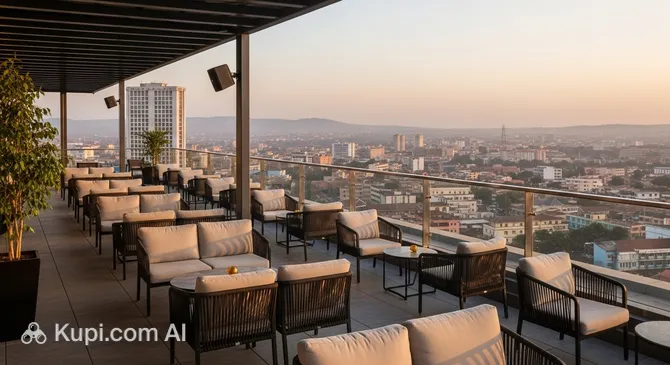
For those looking to unwind with a spectacular view, The Rooftop Yaoundé is a popular destination. Situated high above the bustling streets, this venue offers a sophisticated atmosphere where guests can enjoy drinks and dining while gazing out over the city's rolling hills. It is particularly interesting to tourists for its panoramic vistas, making it an ideal location to watch the sunset and experience the modern nightlife of the capital.

The Rooftop Yaoundé. Source: Kupi.Binoculars

To experience the contemporary side of the city, travelers should stop by PlaYce Yaoundé. This modern shopping mall provides a stark contrast to the traditional street markets, offering a clean and comfortable environment with international brands, a large supermarket, and a food court. It is a convenient hub for tourists who need to pick up supplies, buy souvenirs in a relaxed setting, or simply enjoy some air-conditioned leisure time.

PlaYce Yaoundé. Source: Kupi.Binoculars

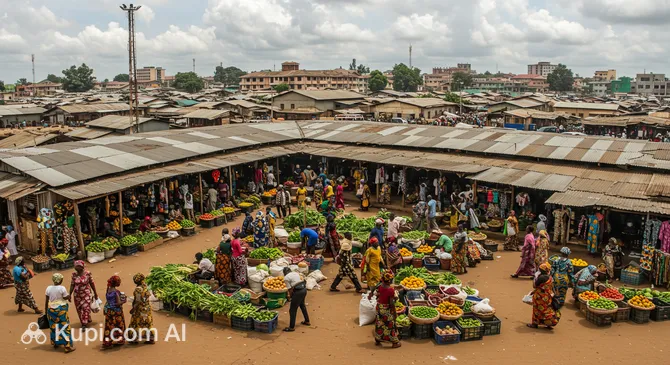
For a more authentic taste of local life, the EKIE Market is a bustling center of activity. Unlike the polished malls, this market immerses you in the sights and sounds of daily Cameroonian commerce. It is famous for its fresh produce and lively energy, making it an interesting stop for visitors who want to see where locals shop for food and interact with friendly vendors selling everything from tropical fruits to household goods.

EKIE Market. Source: Kupi.Binoculars

Local Cuisine

The culinary scene in Yaoundé is a vibrant reflection of Cameroon's reputation as "Africa in Miniature." As the capital city situated in the fertile Centre Region, it benefits from an abundance of fresh produce, resulting in a cuisine that is rich, hearty, and diverse. Visitors can expect a delightful mix of traditional Central African flavors and international influences, ranging from upscale dining to lively street food stalls.

One dish you simply cannot miss while in the city is Poulet DG. Born in the kitchens of Yaoundé, the name stands for "Directeur Général" (CEO), suggesting that it was originally a meal fit for the boss. This colorful stew combines chicken with fried plantains, carrots, green beans, and bell peppers in a savory sauce. Another national staple widely available here is Ndolé, a rich, creamy dish made from bitter leaves, ground peanuts, and spices, typically cooked with fish or meat and served with plantains or bobolo (fermented cassava).

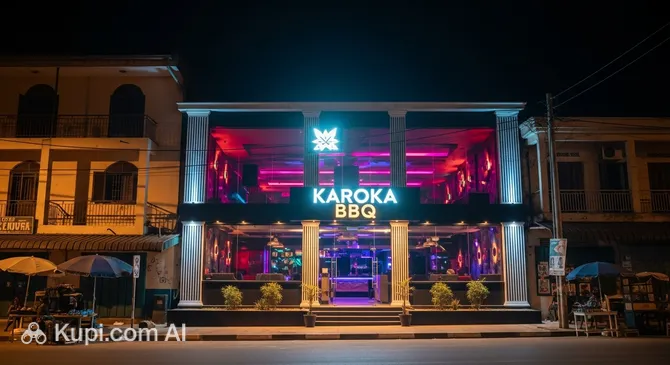
For those who love grilled food, the city comes alive in the evenings with the smoky aroma of Poisson Braisé (braised fish). This is a quintessential Cameroonian experience, where fresh fish, often mackerel or sea bass, is slathered in spicy marinades and grilled over open charcoal. You can experience this style of dining at places like Karoka BBQ, which specializes in the grilled delicacies that locals adore.

Karoka BBQ. Source: Kupi.Binoculars

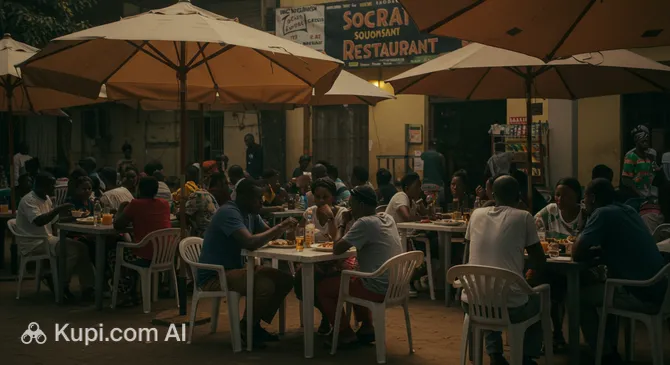
Street food culture is also defined by Soya, which are spicy beef skewers sold on street corners, perfect for a quick and tasty snack. If you are looking for a more sit-down experience with a variety of options, Socrat Restaurant is a well-known establishment in the city center that offers a blend of local and international dishes, catering to diverse palates.

Socrat Restaurant. Source: Kupi.Binoculars

To accompany these meals, locals often enjoy a cold beer, as Cameroon has a strong brewing culture. Popular local lagers are a common sight at any social gathering. For a non-alcoholic alternative, try Foléré, a refreshing crimson drink made from hibiscus flowers (sorrel), or fresh ginger juice, both of which provide a sweet and spicy kick to balance the rich flavors of the cuisine. For dessert or a casual meal, spots like Pizzeria Glacier Grill Dolcezza offer ice cream and pastries alongside savory grills.

Travel Tips

Visiting Yaoundé is an exciting adventure, but like any bustling capital, it has its own unique rhythm and unwritten rules that are helpful to know before you arrive. These practical tips will help you navigate the "City of Seven Hills" with confidence and ensure your stay is as smooth and enjoyable as possible.

  1. Clothing and Gear: Since Yaoundé is situated on hills and enjoys a milder climate than the coast, bring light, breathable fabrics for the day and a light jacket or sweater for cooler evenings. Comfortable, sturdy walking shoes are essential because of the uneven terrain and hilly streets. Always carry a compact umbrella or raincoat, as showers can occur unexpectedly, especially outside the dry season. If you plan to visit religious sites like the Basilica, dress modestly by covering your shoulders and knees.

  2. Transportation: The most common way to get around is by yellow taxis. Be aware that these are typically shared rides (ramassage), meaning the driver will pick up other passengers along the way. If you want a private ride, ask for a "dépôt" and negotiate the price beforehand. Ride-hailing apps like Yango are also becoming popular and offer a more comfortable, fixed-price alternative. Car rentals are available but usually come with a driver, which is highly recommended due to complex traffic patterns.

  3. Finances: The local currency is the Central African CFA Franc (XAF). While upscale hotels, modern malls like PlaYce, and some supermarkets accept credit cards (mostly Visa), cash is king for almost everything else, including taxis, markets, and local restaurants. ATMs are widely available in the city center, but it is wise to carry enough cash for daily expenses. Tipping is not mandatory but is appreciated for good service in restaurants and by hotel staff.

  4. Health and Safety: Malaria is a risk in Cameroon, so bring strong insect repellent and consider sleeping under a mosquito net if your accommodation does not provide air conditioning. Drink only bottled or filtered water. Pharmacies are well-stocked, and you can look for a "Pharmacie de Garde" for after-hours needs. In terms of safety, avoid walking alone at night in poorly lit areas and keep your valuables secure and out of sight in crowded places like the Mokolo Market.

  5. Communication: Although Cameroon is bilingual, Yaoundé is located in the Francophone region, so French is the dominant language of daily life. English is understood in government offices and major hotels, but learning a few basic phrases like "Bonjour" (Good morning) and "Merci" (Thank you) will go a long way with locals. SIM cards from providers like MTN or Orange are easy to buy with your passport and offer good data packages for staying connected.

  6. Local Etiquette: Greetings are very important in Cameroonian culture. Always greet someone with a handshake and a polite "Bonjour" or "Bonsoir" before asking a question or starting a conversation. It is considered rude to jump straight to the point. Public displays of affection should be modest. When taking photos of people, always ask for permission first to show respect.

  7. What to Avoid: Strictly avoid taking photographs of government buildings, military installations, police stations, or airports. This is prohibited and can lead to serious legal trouble or the confiscation of your camera. If you are unsure about a building, it is safer to keep your camera away. Also, avoid getting into heated arguments in public; maintaining a calm demeanor is always better.

  8. Taxi Hand Signals: To hail a shared taxi like a local, you don't just wave; you can signal your direction. Pointing a finger up means you are going straight or far, while pointing down or to the side indicates a nearby destination. Watching how locals do it will help you catch a ride faster during rush hour.

By keeping these tips in mind, you will be well-prepared to embrace the vibrant energy of Yaoundé. Whether you are negotiating a taxi ride or tasting street food, a little preparation and a friendly attitude will open many doors in this welcoming capital.

Entertainment & Nightlife

When the sun sets over the seven hills, Yaoundé transforms into a lively hub of music, dance, and socialization. The city's nightlife is a vibrant reflection of Cameroonian culture, characterized by the infectious rhythms of Bikutsi and Makossa music. Unlike the frantic pace of some other capitals, the evening atmosphere here is welcoming and warm, with locals and visitors alike gathering to unwind after a long day.

The nightlife scene is geographically diverse, catering to different tastes and budgets. The Bastos district is the undisputed center for upscale entertainment, home to expatriates, diplomats, and the city's elite. Here, you will find chic cocktail bars, lounge terraces, and nightclubs with strict dress codes. In contrast, neighborhoods like Hippodrome and Essos offer a more authentic, high-energy experience with open-air "snack-bars" and dance halls where the party often lasts until dawn.

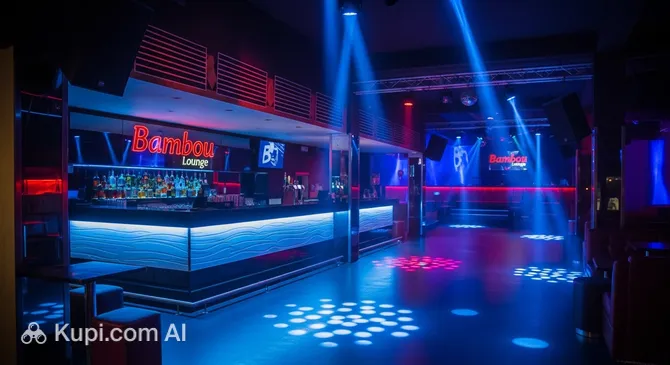
For those seeking a sophisticated night out, Bambou Lounge is a premier destination. Located in a stylish setting, this nightclub is known for its modern decor and an eclectic mix of international hits and local Afro-pop classics. It attracts a trendy crowd and is an excellent spot to experience the modern pulse of the city.

Bambou Lounge. Source: Kupi.Binoculars

If you prefer a more relaxed evening with a view, The Rooftop Yaoundé is the perfect venue. As a bar and lounge, it offers a laid-back ambiance where you can enjoy expertly crafted cocktails while gazing at the twinkling lights of the sprawling city below. It is an ideal starting point for the night, allowing for conversation and relaxation before heading to louder venues.

Practicality and safety are key to enjoying Yaoundé after dark. The most important rule is to avoid walking on the streets at night, even short distances. Always use a yellow taxi—preferably a "dépôt" (private hire) rather than a shared ride—to move between venues. Most clubs and bars open around 10:00 PM but start filling up after midnight. Prices in upscale areas like Bastos are comparable to European cities, while local spots are significantly cheaper. Dress codes in clubs are generally smart casual; men should avoid shorts and flip-flops.

While the night belongs to music and dance, the city also offers engaging daytime entertainment. Before heading out for the evening, you might explore the National Museum of Cameroon to soak in some culture or visit PlaYce Yaoundé for shopping and a movie. This balance of cultural depth and nocturnal energy makes the capital a fascinating place to explore around the clock.

Parks & Museums

Yaoundé is widely recognized as one of the greenest capitals in Central Africa, earning its reputation through a landscape defined by rolling hills and lush vegetation. Beyond its administrative functions, the city offers a refreshing array of botanical havens and cultural institutions that preserve the artistic and historical soul of the nation.

For a peaceful escape from the urban bustle, the Bois Sainte Anastasie is a beloved retreat located in the heart of the city. This carefully landscaped garden features towering trees, vibrant flower beds, and winding paths, making it a favorite spot for locals to enjoy a quiet afternoon or a picnic. Another significant natural area is the Mvog-Betsi Zoo, which functions more as a botanical and zoological garden. It specializes in the conservation of primates and showcases a variety of indigenous flora, offering visitors a chance to see Cameroon's biodiversity up close.

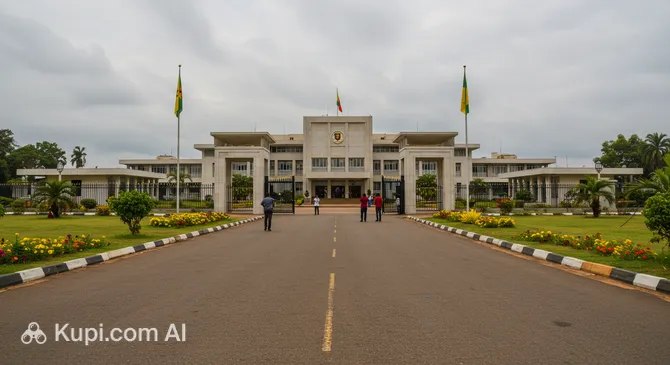
The city's cultural landscape is anchored by the impressive National Museum of Cameroon. Situated in the former presidential palace, this institution is a masterpiece of architecture and history. Its vast halls display everything from tribal masks and royal attributes to photographic archives documenting the country's independence. It serves as the premier destination for anyone wishing to understand the complex tapestry of Cameroonian identity.

Presidential Palace Grounds. Source: Kupi.Binoculars

Adjacent to the historical narratives, the Presidential Palace Grounds provide a sense of the city's political grandeur. While access to active government buildings is restricted, the surrounding areas and the architecture of these official sites contribute to the capital's imposing skyline. The manicured landscapes and monumental structures in the administrative district reflect the stature of Yaoundé as the seat of power.

For a deeper dive into traditional art, the Blackitude Museum is a hidden gem that shouldn't be missed. This private museum houses a rare and exquisite collection of artistic treasures from the Grassfields region and other parts of Cameroon, focusing on the preservation of royal heritage. To cap off a day of exploration, a trip to the top of Mont Fébé offers not only a breath of fresh air but also the finest panoramic views of the "City of Seven Hills."

Getting Around

Navigating Yaoundé is an experience defined largely by its road network, as the city does not currently operate a metro, tram, or light rail system. The public transport infrastructure is informal and decentralized, relying heavily on a vast fleet of yellow taxis and motorcycles that weave through the hilly terrain. For a tourist, understanding how to utilize these vehicles is key to moving around the capital efficiently.

The backbone of the city's transport system is the ubiquitous yellow taxi. Unlike in many Western cities where taxis are exclusively private hires, here they function primarily as shared public transport, known locally as "ramassage." A single taxi will pick up multiple passengers heading in the same general direction until the vehicle is full. This makes it the most affordable and common way to travel between neighborhoods. If you prefer a private ride without stops, you must request a "dépôt" (charter), which commands a higher price.

For areas that are difficult to reach by car or to bypass heavy traffic jams, moto-taxis (motorcycle taxis), locally called "benskins," are a popular alternative. They are fast and agile, capable of navigating narrow unpaved roads and cutting through congestion. However, safety standards can vary, so they are generally recommended for short distances or when speed is a priority. Passengers should always insist on a helmet, although they are not always provided.

Formal bus services are less prominent than the taxi network. While there is a public bus company, Stecy, its coverage and frequency can be inconsistent compared to the sheer volume of taxis. Minibuses and larger vans often service the outskirts and connect the city center to surrounding suburbs. These usually depart from designated terminals or informal stops once they are fully loaded, rather than following a strict timetable.

The payment system across almost all forms of public transport is strictly cash-based. There are no travel cards, magnetic passes, or tap-to-pay systems for taxis or buses. Fares for shared taxi rides are generally fixed for standard distances within the city, typically costing around 300 to 350 XAF during the day, with slightly higher rates at night (after 10:00 PM). It is crucial to carry small denominations (coins and small notes), as drivers often struggle to find change for large bills.

For tourists seeking a more modern and predictable experience, ride-hailing apps have established a foothold in the city. Services like Yango allow users to book a ride via a smartphone, offering the comfort of a private car with a fixed price estimated upfront. This serves as an excellent alternative for those uncomfortable with negotiating fares or navigating the shared taxi hand-signal system.

Operating hours for transport are flexible. Yellow taxis run 24 hours a day, though they become scarcer and more expensive late at night. Moto-taxis are also available throughout the day and evening. If you plan to travel very early in the morning or late at night, arranging a trusted taxi driver's number or using an app is the most reliable strategy.

Accommodation

Where to Stay:

Accommodation in Yaoundé caters to a wide spectrum of travelers, ranging from international diplomats and business professionals to backpackers seeking authentic local experiences. The city offers a diverse selection of lodging options, including high-end luxury hotels with full amenities, comfortable mid-range establishments, and modest guesthouses known as "auberges." As the diplomatic hub of the country, the standard of service in major hotels is generally high, ensuring a comfortable stay for international visitors.

When choosing where to stay, location is a key factor. The Bastos district is the most prestigious and popular area for tourists and expatriates. Home to numerous embassies and upscale restaurants, it offers a quiet, secure, and sophisticated environment. For those who prefer to be in the thick of the action, the City Center (Centre Ville) places you close to government ministries and markets, though it can be quite busy and noisy. Alternatively, the areas surrounding Mont Fébé provide a tranquil escape with cooler air and stunning views over the capital's seven hills.

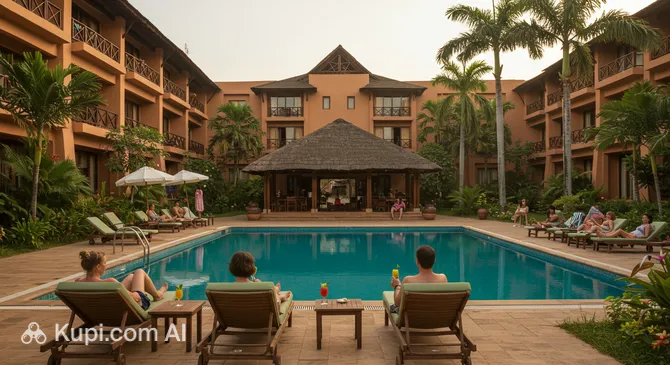
For travelers looking for a comfortable retreat that blends leisure with convenience, Boun's Hotel is a notable option. It serves as a good example of the city's hospitality, offering amenities that cater to both relaxation and practical needs. Establishments like this often provide a safe and welcoming base from which to explore the surrounding attractions.

Boun's Hotel. Source: Kupi.Binoculars

Booking Tips and Prices: It is highly recommended to book your accommodation in advance, especially during the dry season or when major conferences are taking place in the capital. While luxury hotels and resorts are comparable in price to international standards and usually accept credit cards, budget and mid-range options are significantly cheaper but often require payment in cash (XAF). Online booking platforms work well for larger hotels, but for smaller guesthouses, contacting them directly or arranging a stay upon arrival is common practice.

Nearby Cities

For those looking to explore the surroundings, Yaounde serves as an excellent base for day trips to several interesting nearby locations. The central position of the capital allows travelers to easily venture out and discover the diverse landscapes, from river banks to dense forests, that characterize this part of Cameroon.

One of the most accessible destinations is Mbalmayo, located just a short drive south of the capital. Sitting on the banks of the Nyong River, it is a haven for nature lovers. Visitors can explore the Ebogo Tourist Site (Site Touristique d'Ebogo) for peaceful canoe rides or take a trip to the nearby So'o Falls, which offer a refreshing natural spectacle. The town provides a peaceful contrast to the bustle of Yaounde and is perfect for a quick eco-tourism excursion.

Further south lies Ebolowa, the capital of the South Region. Known as a major hub for cocoa production, this city is surrounded by lush equatorial vegetation and offers a glimpse into the country's colonial history. The municipal lake is a serene spot for relaxation, and the town's slower pace makes it an inviting place to experience the local culture and hospitality of the Bulu people.

Another interesting stop is Edea, situated on the Sanaga River. While often seen as an industrial center due to its hydroelectric dam and aluminum plant, the city offers unique river views and serves as a gateway to the coastal region. It is historically significant and provides a different perspective on Cameroon's development compared to the administrative focus of Yaounde.

City Population Distance (km)
Douala 5,768,400 196
Edea 122,300 155
Ebolowa 87,875 111
Mbalmayo 80,206 38
Eseka 79,500 85

These nearby destinations offer a glimpse into the diverse culture and landscapes of the region, allowing visitors to enrich their stay in Cameroon with memorable experiences beyond the capital city.

Shopping & Souvenirs

Shopping in Yaoundé offers a vibrant mix of experiences, ranging from bustling open-air markets filled with local color to modern retail centers that provide international standards of comfort. The city is not necessarily a global fashion capital, but it is an excellent place to discover authentic Cameroonian crafts, colorful fabrics, and fresh local produce. Whether you are looking for high-end boutiques or traditional bargains, the capital's diverse commercial landscape caters to a variety of tastes and budgets.

For those interested in exploring the main commercial arteries, Avenue Kennedy in the city center is the buzzing hub for electronics, phones, and accessories. It is always crowded and lively, representing the energetic heart of downtown commerce. If you prefer a more upscale shopping environment, the Bastos district is home to chic boutiques, art galleries, and stores selling imported goods, catering largely to the expatriate community and affluent locals.

The city has embraced modern retail with the opening of PlaYce Yaoundé. This large shopping complex is a landmark for comfortable, air-conditioned shopping. It houses a Carrefour hypermarket along with a gallery of international brand stores, fashion outlets, and a food court. It is the go-to destination for tourists who need reliable toiletries, imported foods, or fixed-price clothing in a familiar mall setting.

However, the soul of commerce in Yaoundé lies in its traditional markets. The Marché Central (Central Market) is a massive, multi-story structure where you can find absolutely everything, from textiles to hardware. For a deep dive into local food culture, the EKIE Market is a fascinating stop, renowned for its fresh agricultural produce brought in from the surrounding countryside. Another notable spot is the Mokolo Market, often cited as one of the largest in Central Africa, where the sheer volume of second-hand clothes and goods creates a chaotic but electrifying atmosphere.

When it comes to souvenirs, the Centre Artisanal (Artisanal Center) is the essential stop for visitors. Located near the city center, this government-regulated market gathers talented craftsmen selling wood carvings, traditional masks, bronze statues, and leather goods. It is also the perfect place to buy Bamileke hats or colorful Wax print fabrics (Pagne), which can be tailored into custom outfits. Spices like Penja pepper are also popular items to take home.

Store hours in Yaoundé typically run from 9:00 AM to 6:00 PM or 7:00 PM for formal shops, while supermarkets and malls like PlaYce may stay open until 9:00 PM. Markets start much earlier, often at sunrise, and wind down at dusk. Regarding payment, cash is essential. While the major mall and some upscale boutiques in Bastos accept Visa cards, the vast majority of vendors, especially in markets, deal strictly in Central African CFA Francs (XAF). Bargaining is expected and necessary in markets and artisanal shops, but prices in supermarkets and malls are fixed.

Tourists should be aware that a formal tax-free or VAT refund system for visitors is not widely established or easily accessible in Cameroon. It is best to assume that the price you pay includes all applicable taxes and that refunds at the airport are not a standard procedure for general goods.
Reached the end of the page?

That means the route is fully explored