Support

Bata

About

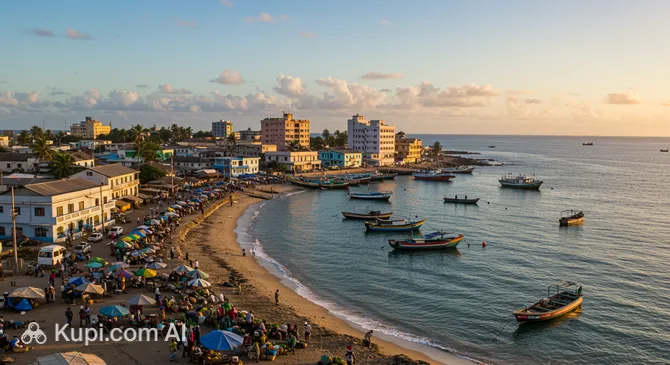
Welcome to Bata, the largest city on the mainland of Equatorial Guinea and a vibrant hub of culture and commerce. Located in the Litoral province along the Atlantic coast, this bustling port city serves as the country's economic capital. With a population of approximately 250,000 residents, Bata offers a lively yet relaxed atmosphere, characterized by its wide, palm-lined avenues and refreshing sea breezes.

Bata. Source: Kupi.Binoculars

The city is renowned for its stunning waterfront and architectural landmarks. One of the most popular attractions is the Paseo Marítimo, a picturesque boardwalk that stretches along the coast, perfect for evening strolls and enjoying ocean views. Visitors are also drawn to the Catedral de Bata, a striking example of colonial architecture that stands as a testament to the region's heritage. Those interested in the past can delve deeper into the history of Bata to understand its evolution from a small trading post to a modern metropolis.

Beyond its landmarks, Bata is a gateway to authentic local experiences, from vibrant markets like the Mercado Central to nearby pristine beaches. Whether you are exploring the busy streets or relaxing by the sea, Bata invites travelers to discover the unique charm and warmth of the mainland region.

Weather Overview

The climate in this coastal city is typically tropical, characterized by consistent warmth and significant humidity throughout the year. Temperatures remain remarkably stable, with average daily readings hovering between 25°C and 27°C. To plan your packing list effectively, it is helpful to review the detailed forecast and historical trends for the weather in Bata before your trip.

The warmest period usually spans from February to April, where maximum temperatures can reach around 29.5°C. In contrast, the months of July and August offer slightly cooler conditions, with averages dipping to about 25.1°C and nighttime lows around 23°C. Despite these minor fluctuations, the heat is generally steady, so lightweight and breathable clothing is recommended for comfort.

Travelers should be prepared for frequent precipitation regardless of the season. The local weather patterns indicate a very high number of wet days each month, ranging from 24 to 31 days. While the total rainfall volume may vary, the frequency of showers suggests that carrying an umbrella or a light raincoat is essential for exploring the city and its surroundings.

Interesting Facts

Beyond the bustling markets and scenic waterfronts, Bata holds several intriguing features that make it a standout destination in Central Africa. Here are some fascinating facts about this dynamic coastal city:

  • Although Malabo is the official political capital, Bata is actually the largest city in Equatorial Guinea by population and serves as the vital economic heartbeat of the mainland region known as Rio Muni.

  • The city skyline is distinguished by the Torre de la Libertad (Freedom Tower), a modern architectural landmark located along the promenade that features a revolving restaurant with panoramic views of the Gulf of Guinea.

  • Bata has established itself as a major sports destination, home to the impressive Nkoantoma Stadium, which gained international fame as a host venue for the Africa Cup of Nations in 2012 and 2015.

  • Unlike many urban centers where beaches are far away, Bata boasts the popular Bomé Beach in its suburbs, famous for its unusually white sands and vibrant atmosphere, making it a favorite weekend retreat for locals.

How to Get There

Reaching this coastal city is straightforward, primarily via air travel, which connects the mainland to the islands and neighboring countries. Visitors planning their trip can find more about how to get to Bata and the most convenient transport options available.

The most direct entry point is Bata Airport (BSG), conveniently located within the city limits, just 6.5 km from the center. As the main aviation hub for the mainland region, it handles a steady flow of domestic and regional flights. The journey from the terminal to the city center is quick, taking approximately 30 minutes by taxi or bus.

Another option for travelers is Mongomeyen (GEM), situated in the city of Djibloho. This airport is located about 140 km from Bata. While it is a smaller facility, it serves as an alternative gateway for the province. The drive from Djibloho to Bata typically takes around 3 hours and 50 minutes by road.

For clarity, here is a summary of the main airports:

Airport Name City Passenger Traffic Km from City
Douala Airport Douala Large 238.1
Libreville Airport Libreville Medium 159.5
Bata Airport Bata Medium 6.5
Malabo Airport Malabo Medium 241.6
Mongomeyen Djibloho Small 139.9

Main Attractions

Bata offers a compelling mix of colonial history, modern development, and natural beauty. While it serves as the economic hub of the country, it also boasts several landmarks that draw visitors seeking to understand the local culture and enjoy the coastal atmosphere. Here are some of the main sights to explore in the city.

One of the most prominent landmarks is the Catedral de Santiago de Bata. This imposing structure is a fine example of colonial architecture and stands as a central place of worship in the city. Its distinct neo-Gothic style, characterized by tall towers and an elegant façade, makes it a favorite subject for photography. Located in the heart of the city, the cathedral is not just a religious site but also a gathering point that reflects the spiritual heritage of the region.

For a taste of modern Bata, the Paseo Marítimo is an unmissable destination. This expansive boardwalk stretches for kilometers along the Atlantic coast, offering uninterrupted views of the ocean and the busy port. It is the perfect spot for a leisurely evening walk, where locals and tourists alike come to enjoy the fresh sea breeze. The promenade is lined with palm trees and manicured gardens, creating a relaxing environment right next to the urban center.

Dominating the skyline along the waterfront is the Torre de la Libertad (Freedom Tower). This modern monument is one of the most recognizable structures in Equatorial Guinea. At night, the tower is beautifully illuminated, serving as a beacon for the city. It features a revolving restaurant at the top, which provides panoramic views of the city and the Gulf of Guinea, allowing visitors to see Bata from a truly unique perspective.

Travelers looking to relax by the water should head to Bomé Beach. Located a short distance from the city center, this beach is popular for its relatively calm waters and clean sands. It is a lively spot on weekends, often filled with families and groups of friends enjoying picnics and the coastal sun. Several small bars and restaurants nearby offer fresh seafood, making it a great place to sample local cuisine while listening to the sound of the waves.

Finally, to experience the daily rhythm of the city, a visit to the Mercado Central is highly recommended. This bustling market is a sensory experience, filled with colorful stalls selling everything from tropical fruits and vegetables to traditional fabrics and crafts. It is an excellent place to interact with friendly locals and find unique souvenirs that represent the vibrant culture of the mainland.

Local Cuisine

The local cuisine in Bata is a vibrant reflection of its coastal location and diverse cultural heritage, blending indigenous African traditions with distinct Spanish influences. As the economic hub of the mainland, the city offers a culinary scene that centers heavily on fresh ingredients, particularly seafood caught daily from the Atlantic. Visitors can expect hearty, flavorful meals where staples like cassava, plantains, rice, and yams are paired with rich sauces and grilled proteins.

One of the most iconic dishes to try is Pepesup, a spicy fish soup that is a staple of Equatorial Guinean gastronomy. It is typically prepared with fresh catch from the local waters, seasoned with hot peppers and aromatic herbs, offering a fiery kick that locals love. Another favorite is chicken in peanut sauce (pollo con salsa de cacahuete), a creamy and savory dish often served with rice or boiled plantains. Given the city's seaside setting, simply grilled fish (pescado a la brasa), marinated in local spices and served with fried plantains, is a must-have experience for any traveler.

When it comes to beverages, the local culture offers some unique tastes. Malamba, a traditional distillate made from sugar cane, is a potent local drink often enjoyed during celebrations. For something milder and deeply rooted in tradition, Topé (palm wine) is widely consumed and is best enjoyed fresh. Non-alcoholic options are also plentiful, with an abundance of fresh tropical fruit juices, such as mango, pineapple, and papaya, providing a refreshing break from the tropical heat.

The food culture in Bata is relaxed and social. Tourists can find a variety of dining experiences ranging from upscale restaurants along the Paseo Marítimo, where you can enjoy dinner with an ocean view, to lively local "comedores" that serve authentic homemade meals at affordable prices. For a true taste of daily life, the street food scene near the markets offers delicious snacks like grilled corn and roasted plantains, perfect for eating on the go while exploring the city.

Travel Tips

Planning a trip to Bata is an exciting prospect, but like any destination in Central Africa, it requires a bit of preparation to ensure a hassle-free experience. These practical tips will help you navigate local customs and logistics, allowing you to focus on enjoying the city's vibrant atmosphere and warm hospitality.

  1. Clothing and Gear: Given the tropical climate, pack lightweight, breathable fabrics like cotton or linen to stay cool in the humidity. Since rain showers are frequent year-round, a sturdy umbrella or a light rain poncho is essential. Comfortable walking shoes are a must for exploring the promenade, and if you plan to visit religious sites like the cathedral, ensure your attire is modest and covers your shoulders and knees.

  2. Transportation: The most common way to get around Bata is by taxi. You will see colored taxis circulating constantly; shared taxis are very affordable, while hiring one for private use will cost more. Always agree on the fare with the driver before starting your journey, as meters are rarely used. For excursions outside the city, renting a car with a local driver is highly recommended for safety and navigation.

  3. Finances: The local currency is the Central African CFA Franc (XAF). Cash is king in Bata, and you should not rely on credit cards, which are accepted only at a few top-tier hotels. ATMs are available but can be unreliable or out of service, so it is wise to exchange sufficient money (Euros are the easiest to exchange) upon arrival or bring enough cash for your daily needs.

  4. Health and Safety: Malaria is a risk in the region, so bring plenty of insect repellent and consider taking prophylaxis after consulting your doctor. Always drink bottled water and avoid tap water, even for brushing teeth. Pharmacies are available in the city center, but it is best to bring a personal kit with essential medications. Bata is generally safe, but exercise standard precautions: avoid walking alone in poorly lit areas at night and keep valuables secure.

  5. Communication: Spanish is the official and most widely spoken language in Equatorial Guinea. English is not commonly understood outside of major business circles, so learning a few basic phrases in Spanish will be incredibly helpful. Buying a local SIM card (operators like Getesa or Muni) is easy and affordable, providing you with necessary data connectivity, as Wi-Fi can be slow or intermittent in some places.

  6. Local Etiquette: Greetings are very important here. It is polite to say "Buenos días" (Good morning) or "Buenas tardes" (Good afternoon) when entering a shop or meeting someone. Handshakes are the standard form of greeting. Locals are generally friendly, but a respectful and patient attitude goes a long way in daily interactions.

  7. What to Avoid: Be extremely cautious with photography. Do not take photos of government buildings, military sites, the airport, police officers, or the presidential palace. This is strictly prohibited and can lead to serious legal trouble or confiscation of your equipment. Always ask for permission before photographing local people.

  8. Electricity: The power supply can sometimes be inconsistent, so bringing a portable power bank is a smart move to keep your devices charged while out and about. The plugs are typically Type C or E (European style), so bring a universal adapter if your devices use different plugs.

With these tips in mind, you are well-equipped to explore the bustling streets and scenic coast of Bata with confidence. Embrace the local rhythm, stay respectful of the rules, and you are sure to have a memorable and enjoyable visit to this dynamic mainland hub.

Entertainment & Nightlife

As the sun sets over the Atlantic, Bata transforms from a busy commercial port into a lively hub of social activity. The city’s nightlife is less about high-tech nightclubs and more about vibrant social gatherings, open-air terraces, and the rhythmic beats of African and Latin music. The atmosphere is generally relaxed yet energetic, heavily influenced by the Spanish custom of late dinners and prolonged evenings spent socializing with friends.

The epicenter of evening entertainment is undoubtedly the Paseo Marítimo. This long waterfront promenade comes alive at night, drawing a mix of locals, expatriates, and tourists. Here, you will find numerous kiosks, bars, and terraces where you can enjoy a cool sea breeze while sipping on local beer or cocktails. It is the perfect place to start the night, offering a safe and bustling environment where the dress code is casual, and the mood is festive.

For those seeking a more upscale experience or a classic clubbing vibe, the city's major hotels often host the most reliable venues. The Hotel Panafrica is a well-known landmark that features popular entertainment facilities, including a casino and a bar that frequently attracts a sophisticated crowd. Another notable spot is the bar at the Ibis Bata, which offers a modern and comfortable setting for evening drinks. For a more authentic local experience, the beach bars around Bomé Beach often host parties on weekends, playing a mix of Makossa, Reggaeton, and international hits until the early hours.

Practical advice is essential for enjoying Bata after dark. The nightlife typically starts late, with bars filling up around 10:00 PM and clubs peaking after midnight. Prices are generally affordable, though imported drinks in hotel bars will cost more. Cash is king at most venues, so ensure you have enough Central African CFA Francs (XAF) on hand, as card machines are rare outside of top-tier hotels.

Safety should be a priority when exploring the nightlife. While the main areas like the Paseo Marítimo are well-lit and populated, it is advisable to avoid walking alone in quieter neighborhoods or unlit streets. The best way to get around at night is by taxi. It is recommended to have your hotel or restaurant call a trusted driver for you rather than hailing one on the street late at night. Always agree on the fare before getting in.

During the daylight hours, entertainment in Bata takes on a more cultural and relaxed tone. While the city does not feature large amusement parks, it offers engaging cultural experiences. Visitors can explore the Mercado Central to witness the vibrant daily trade or take a short trip to the nearby beaches for swimming and relaxation. For history enthusiasts, the colonial architecture around the city center serves as an open-air museum, offering a glimpse into the region's past before the evening festivities begin.

Parks & Museums

While Bata is often recognized for its commercial energy, the city also serves as a gateway to some of the region's most impressive natural and cultural spaces. The urban landscape is balanced by refreshing coastal areas and serves as the starting point for exploring the untamed wilderness of the mainland. For visitors, this offers a chance to alternate between relaxing seaside strolls and immersive cultural experiences.

For a breath of fresh air within the city limits, the Paseo Marítimo acts as the primary green space and social gathering point. This extensive promenade, lined with swaying palm trees and well-maintained gardens, stretches along the Atlantic coastline. It provides a welcome escape from the tropical heat, offering a scenic route for walking or jogging with uninterrupted views of the ocean. It is a lively spot where families and friends congregate, making it an excellent location to observe local life in a relaxed, open-air setting.

Just a short distance from the urban center, Bomé Beach functions as a natural recreational park for both locals and tourists. Distinct from the busy port areas, this stretch of coast offers cleaner sands and calmer waters, framed by lush vegetation that provides natural shade. It is a favorite destination for picnics and quiet afternoons, allowing visitors to enjoy the tranquility of nature without leaving the city's vicinity.

For true nature enthusiasts, Bata is the ideal base for visiting the magnificent Monte Alen National Park. Although located about a two-hour drive inland, this protected rainforest is the crown jewel of the country's natural heritage. Spanning roughly 1,400 square kilometers, the park is a sanctuary for diverse wildlife, including forest elephants, gorillas, and chimpanzees. The lush, misty landscape offers a stark and breathtaking contrast to the coastal city, making it a must-visit for eco-tourists willing to make the journey.

In the heart of the city, the Centro Cultural de España en Bata (Spanish Cultural Center) stands as the premier venue for arts and culture. This dynamic institution plays a pivotal role in the local artistic scene, bridging the gap between local traditions and international influences. It frequently hosts art exhibitions, theater performances, cinema nights, and workshops. With its inviting open courtyards and library, the center offers a welcoming space for travelers to engage with the contemporary creative pulse of Equatorial Guinea.

Getting Around

Navigating the public transport system in Bata is a straightforward but distinctly informal experience compared to many Western cities. Travelers should be aware that the city does not possess a metro, tram, or urban railway network. Instead, the transportation infrastructure relies almost entirely on road-based options, with taxis serving as the primary and most convenient means of getting around the urban center and its immediate suburbs.

The most ubiquitous form of transport is the shared taxi. These vehicles are constantly circulating the streets and are the lifeline of the city's daily commute. Unlike private cabs in other parts of the world, taxis in Bata often pick up multiple passengers heading in the same general direction. If you prefer a private ride, it is possible to hire the entire vehicle, but you must explicitly state this request to the driver, known locally as a "carrera," which will naturally incur a higher fare.

When it comes to payment, cash is the absolute rule. There are no electronic travel cards, mobile apps, or ticketing machines available for local transport. Fares are generally paid directly to the driver upon reaching your destination. The local currency, the Central African CFA Franc (XAF), is required, and it is highly advisable to carry small denominations (coins and small notes), as drivers frequently struggle to make change for larger bills. While prices for standard shared routes are relatively fixed and affordable, fares for private trips or longer distances should always be negotiated and agreed upon before entering the vehicle.

For travel to the outskirts or neighboring towns, minibuses are a common alternative. These are larger than standard taxis and typically depart from designated informal hubs or market areas once they are full. They are an economical choice for longer journeys but can be crowded and less comfortable than taxis. They do not operate on a strict timetable, so patience is often required while waiting for the vehicle to reach capacity.

For tourists who prefer more autonomy and comfort, renting a car is a viable option, though it comes with a specific recommendation. Due to local driving habits and the occasional lack of clear road signage, it is widely suggested to rent a car with a driver. This service is available through local agencies and some major hotels. Having a local driver not only removes the stress of navigation but also helps in communicating with locals and handling any logistical hurdles that may arise.

Walking is a pleasant alternative for short distances, particularly along the Paseo Marítimo and the central grid of the city where sidewalks are available. However, for safety and convenience, especially after dark, tourists are strongly advised to utilize taxis rather than walking. Most transport operates from early morning until late evening, but availability drops significantly at night, so it is wise to arrange a reliable ride home if you plan to stay out late.

Accommodation

Accommodation in Bata largely caters to business travelers and official delegations, reflecting the city's status as the country's economic capital. Visitors will find a selection that ranges from modern, high-standard hotels to smaller, budget-friendly guesthouses. While the variety is not as extensive as in major global tourist hubs, the available options are generally comfortable and well-equipped to host international guests, often featuring essential amenities like air conditioning and on-site dining.

For the best experience, most travelers prefer staying in the areas near the Paseo Marítimo or the immediate city center. These locations offer the distinct advantage of being within walking distance of the ocean, popular restaurants, and key landmarks like the cathedral. Staying along the waterfront also guarantees a refreshing sea breeze and scenic views, making it the most pleasant part of the city for tourists. Alternatively, the area surrounding the airport offers practical options for those on short stopovers.

Among the well-known establishments, the Hotel Panafrica is a historic landmark in the city, situated right by the sea. It is famous for its amenities, including a swimming pool and tennis courts, and often serves as a social hub. Another reliable option is the Ibis Bata, which offers the consistent standards expected of an international chain, making it a popular choice for those seeking modern comforts and reliability during their stay.

When planning your trip, it is important to consider that prices for quality accommodation can be higher than expected for the region. Mid-range to luxury hotels typically charge international rates, while budget options are more affordable but vary significantly in quality. While major hotels can be booked via standard online platforms, smaller local establishments often require booking by phone or in person. It is highly recommended to book in advance, especially during business conferences or national holidays, to secure your preferred room.

Nearby Cities

For those looking to explore the surroundings, Bata serves as an excellent base for day trips to several interesting nearby locations. The mainland region offers a mix of modern development and traditional charm that is easily accessible by road.

One of the most intriguing destinations is Mongomo, located near the eastern border. This city is famous for its striking modern architecture, including the magnificent Basilica of the Immaculate Conception, which is one of the largest religious buildings in Central Africa. Another worthwhile visit is Ebebiyin, a bustling market town situated at the tri-border area with Cameroon and Gabon. It is known for its vibrant trade atmosphere and a beautiful colonial-era cathedral. Closer to the coast, Anisoc offers a quieter experience, surrounded by the lush landscapes of the interior, making it a pleasant stop for nature lovers.

City Population Distance (km)
Malabo 187302 238
Ebebiyin 36565 176
Santiago de Baney 29366 226
Anisoc 16626 108
Mongomo 15644 172

These nearby destinations offer a glimpse into the diverse culture and landscapes of the region.

Shopping & Souvenirs

Shopping in Bata offers a distinct blend of modern convenience and traditional African commerce. As the economic capital of the mainland, the city is well-stocked compared to the interior regions, providing visitors with a mix of imported goods and local products. While you will not find sprawling luxury mega-malls, the shopping scene is vibrant and functional, centering on lively street interactions and bustling marketplaces rather than high-end retail therapy.

The main commercial activity is concentrated in the city center, particularly along the avenues running parallel to the coast and the streets radiating from the central clock tower. This area is walkable and lined with a variety of small shops, electronics stores, and boutiques selling clothing and shoes. A stroll down these streets offers a glimpse into the daily commercial life of the city, where formal shops often spill out onto the sidewalks.

For a more modern shopping experience, tourists often visit large department stores and supermarkets such as Martinez Hermanos. These establishments function as the city's shopping malls, offering a wide range of products under one roof, from international food brands and toiletries to electronics and household goods. They are the most reliable places to find imported items and are air-conditioned, providing a comfortable break from the tropical heat.

The true heart of commerce in Bata, however, is the Mercado Central (Central Market). This sprawling market is an essential stop for anyone looking to experience local culture. It is a sensory maze of stalls piled high with colorful tropical fruits, vegetables, and spices. Beyond food, the market is a hub for textiles, where you can find vibrant African wax prints and fabrics that are central to local fashion.

When it comes to souvenirs, the best items to look for are local handicrafts. Equatorial Guinea has a rich tradition of wood carving, and you can find beautifully crafted ebony figures, masks, and walking sticks. Colorful fabrics (pagne) are also a popular keepsake; you can buy the material and even have a local tailor create a custom garment for you. Small artisan stalls near the market or the waterfront often sell jewelry made from local materials.

Store hours in Bata typically follow a split schedule to accommodate the midday heat. Most shops open around 8:00 AM or 9:00 AM, close for a "siesta" break between 1:00 PM and 4:00 PM, and then reopen until roughly 7:00 PM or 8:00 PM. Large supermarkets may stay open throughout the day, but smaller businesses strictly observe the break. Sunday is generally a quiet day with many shops closed.

Cash is the primary method of payment throughout the city. While a few major supermarkets and hotels might accept credit cards, it is rare. You will need Central African CFA Francs (XAF) for almost all transactions, especially in markets and smaller shops. Bargaining is expected and welcomed in the markets and with street vendors, but prices in supermarkets and formal stores are fixed.

Visitors should be aware that a formal tax-free or VAT refund system for tourists is not currently established in the city. The price you see is typically the final price, so it is best not to plan on reclaiming taxes at the airport upon departure.
Reached the end of the page?

That means the route is fully explored