Support

Douala

About

Welcome to Douala, the bustling economic capital and the largest city in Cameroon. Known for its energetic atmosphere and vibrant street life, this port city serves as the major gateway to the country and the entire Central African region. It is a place where modern business meets traditional culture, creating a unique urban rhythm that captivates visitors from the moment they arrive.

Geographically, Douala is strategically situated on the banks of the Wouri River estuary, just a short distance from the Atlantic Ocean in the Littoral Region. The city has grown significantly over the years, now boasting a population of over 5.7 million residents. Its climate is typically tropical, characterized by warm temperatures and high humidity, which contributes to the lush vegetation surrounding the urban area.
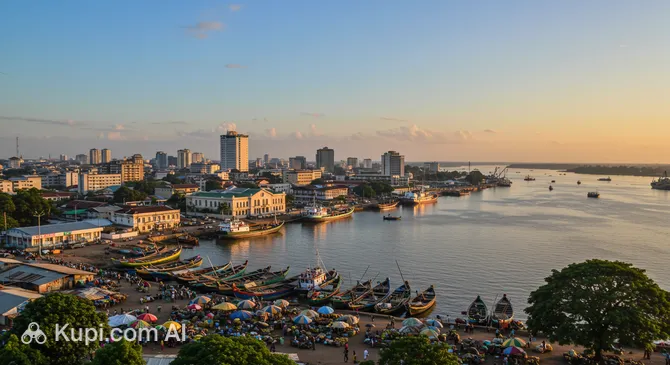
Douala. Source: Kupi.Binoculars

The city has a rich past that has shaped its current architecture and cultural landscape. To understand the deep roots of this metropolis, from its days as a trade hub to the colonial era, you can delve into the history of Douala. Traces of this heritage are visible in landmarks like the Palace of the Kings Bell, a fascinating pagoda-style building that stands as a testament to the city's royal lineage and colonial interactions.

Tourists will find plenty to explore, including the imposing Cathedral of St Peter and St Paul, which dominates the skyline with its distinct white architecture. For those interested in the maritime legacy of the city, the Douala Maritime Museum offers an intriguing look into the navigational history of the coast. Additionally, the local artisanal markets offer a wonderful opportunity to purchase unique crafts and experience the genuine warmth of the local people.

Whether you are passing through for business or starting an adventure across the region, Douala offers a compelling mix of sights and sounds. We invite you to immerse yourself in the dynamic spirit of this coastal metropolis.
Weather Overview

Travelers visiting Douala should prepare for a consistent tropical climate characterized by warmth and high humidity. The city remains hot throughout the year, with average monthly temperatures hovering between 25.4°C and 28.7°C. February is typically the warmest month, seeing daytime highs reach up to 32.6°C, while the period from July to September offers slightly cooler daily maximums around 27.7°C.

Rainfall is a significant part of the local weather pattern, with precipitation occurring frequently regardless of the season. The number of wet days is substantial, ranging from approximately 18 days in January to a peak of 31 days in July, meaning you are likely to encounter rain almost daily during mid-year. To help you pack accordingly, you can consult the detailed guide on the weather in Douala. In general, expect warm tropical conditions with very frequent showers, so carrying an umbrella and wearing breathable clothing is highly recommended.

Interesting Facts

Beyond its reputation as a commercial hub, Douala holds fascinating stories and unique features that often go unnoticed by the casual visitor. From the origins of the country's name to innovative urban art, the city is full of surprises.
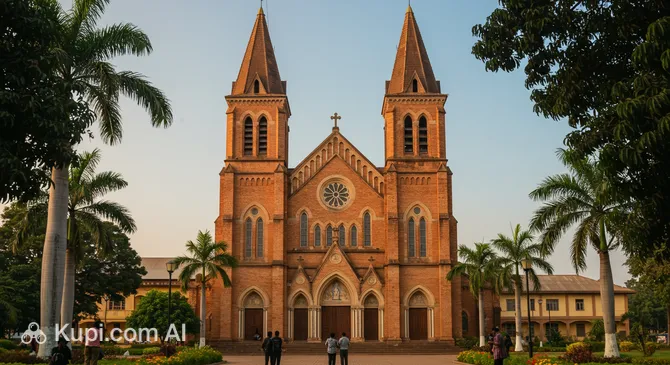
Cathedral of Saints Peter and Paul. Source: Kupi.Binoculars
  • The city's Wouri River is the actual reason for the country's name. When Portuguese explorers arrived in the 15th century, they were amazed by the abundance of ghost shrimp in the estuary and named it Rio dos Camarões (River of Prawns), a name that eventually evolved into "Cameroon."

  • Douala is home to a striking piece of public art known as "La Nouvelle Liberté" (The New Liberty) in the Deido roundabout. This massive 12-meter statue is crafted entirely from recycled scrap metal and car parts, a landmark project commissioned by the contemporary art center Doual'art.

  • The Cathedral of Saints Peter and Paul carries deep historical significance beyond its religious role. It stands on the ruins of the very first Catholic church built in Cameroon in 1890, serving as a resilient symbol of the city's spiritual heritage.

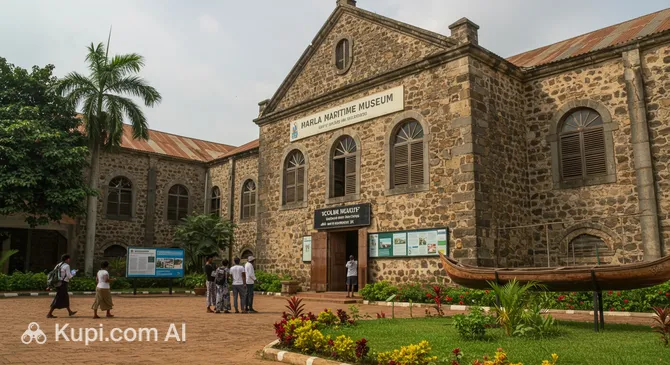
  • Architecture enthusiasts will notice that the Maritime Museum of Douala is designed to resemble a boat. The building's unique shape serves as a visual tribute to the city's long-standing relationship with the sea and navigation.

How to Get There

As the economic capital of Cameroon, the city is well-connected and serves as the primary entry point for many international visitors. Whether you are arriving from within Africa or from another continent, air travel is the most common method of entry, though road and rail networks also link the coastal metropolis to the hinterland. For a detailed overview of all transport options and routes, you can read more about how to get to Douala.

The most direct way to reach the city is by flying into Douala Airport (DLA), which is the busiest international hub in the country. Located just 7.3 km from the city center, it offers convenient access to the main business and tourist districts. A taxi or shuttle ride from the terminal to the downtown area typically takes around 30 minutes, depending on traffic conditions. With an annual passenger traffic of approximately 1.5 million, it is a major facility handling numerous daily flights.

Another option for travelers is to fly into Nsimalen Airport (NSI), which serves the political capital. It is important to note that this airport is located in the city of Yaounde, about 201 km away from Douala. If you choose this route, be prepared for a longer transfer; the journey by road generally takes between 5 to 6 hours.

For clarity, here is a summary of the main airports in the region:

Airport Name City Passenger Traffic Km from City
Douala Airport Douala High 7.3
Akwa Ibom Airport Uyo Medium 207.8
Nsimalen Airport Yaounde Medium 201.6
Malabo Airport Malabo Low 122.1
Calabar Airport Calabar Low 187.9

In addition to flights, Douala is a key node in the country's transport network. The city is linked to Yaoundé by a reliable train service known as the InterCity, as well as by a paved highway, making overland travel a viable option for those already in the region.

Main Attractions

Douala is a city where history and modernity coexist, offering visitors a variety of interesting sites ranging from cultural centers to bustling shopping hubs. Exploring these landmarks provides a deeper understanding of the economic capital's evolution and vibrant lifestyle.

One of the most distinctive buildings in the city is the Maritime Museum of Douala. Situated in the Bonanjo district, this structure is architecturally designed to resemble a boat, reflecting the city's intrinsic connection to the sea. Inside, the museum houses a rich collection of artifacts, photographs, and maps that narrate the maritime history of the Cameroon coast, making it an educational stop for tourists.

Maritime Museum of Douala. Source: Kupi.Binoculars

For those interested in the creative pulse of the region, Doual'art is an essential destination. This contemporary art center and experimental laboratory focuses on urban interventions, having commissioned numerous public statues and installations throughout the city. It serves as a hub for local and international artists, hosting exhibitions that challenge and inspire visitors with unique African perspectives.

Doual'art. Source: Kupi.Binoculars

Travelers looking for a contemporary leisure experience should visit the Douala Grand Mall. Located near the airport, this sprawling complex is one of the largest of its kind in Central Africa. It offers a mix of international retail brands, a well-stocked supermarket, and a cinema, providing a comfortable, air-conditioned environment for shopping, dining, and entertainment.

Douala Grand Mall. Source: Kupi.Binoculars

Another significant landmark is the Cathedral of Saints Peter and Paul. This imposing white structure, built during the colonial era, is not only a place of worship but also a historical monument. Its neo-Romanesque architecture and serene interior offer a peaceful retreat from the energetic streets outside, standing as a testament to the city's religious heritage.

Local Cuisine

The culinary landscape of Douala is a vibrant reflection of its coastal location and cultural diversity. As the economic hub of Cameroon, the city offers a rich gastronomy that blends fresh Atlantic seafood with hearty traditional recipes from the hinterland. Food lovers will find everything from spicy street snacks to elaborate dishes served in upscale restaurants.

A visit to Douala is incomplete without tasting Ndolé, often considered the national dish of Cameroon. This creamy, flavorful stew is made from bitter leaves (vernonia), ground peanuts, and spices, typically cooked with fresh shrimp, smoked fish, or beef. It is traditionally accompanied by Miondo, fermented cassava sticks wrapped in leaves, which have a distinct texture that pairs perfectly with the rich sauce. Another must-try is Poisson Braisé (grilled fish), a staple of the city's evening street food scene. Freshly caught fish, such as mackerel or sole, are marinated in a spicy blend of peppers and aromatics before being grilled over charcoal and served with fried plantains or yams.

When it comes to beverages, the local offerings are just as refreshing. On a hot day, you can cool down with a glass of Foléré, a sweet and tangy non-alcoholic drink made from hibiscus flowers (sorrel). For those interested in traditional alcoholic beverages, Matango, or fresh palm wine, provides a unique taste of the region's heritage. The city also has a strong culture of enjoying locally brewed beers, which are a common sight at social gatherings and meals.

The dining culture in Douala ranges from casual roadside stalls, locally known as "tourne-dos," to sophisticated establishments in the Akwa and Bonanjo districts. For travelers looking to enjoy a meal in a modern setting, One Rooftop offers a pleasant atmosphere to sample various dishes. The city also boasts a lively nightlife where food and drinks go hand in hand; places like Bubble Bar are popular for unwinding with a cocktail after a dinner of local specialties.

One Rooftop. Source: Kupi.Binoculars

Travel Tips

Visiting Douala can be an exhilarating experience, offering a deep dive into the energetic pulse of Central Africa, but it is a city that rewards preparation. To help you navigate the bustling streets, tropical climate, and local customs with ease, we have compiled a list of essential practical advice for your journey.

  1. Clothing and Gear: Due to the hot and humid tropical climate, pack lightweight, breathable fabrics like cotton or linen to stay comfortable. Since rain is frequent throughout the year, a sturdy umbrella or a light rain poncho is indispensable. Comfortable, closed-toe walking shoes are best for navigating the uneven city streets. While casual wear is acceptable, dress modestly when visiting religious sites or traditional neighborhoods.

  2. Transportation: The most common way to get around is by yellow taxis. You can share a ride (cheaper) or hire the vehicle for yourself by asking for a "dépôt" (more expensive but faster and safer). Ride-hailing apps like Yango are increasingly popular and offer a transparent pricing model. Motorbike taxis, known locally as benskins, are everywhere but can be risky due to erratic driving; use them only for short distances if necessary and always ask for a helmet.

  3. Finances: The local currency is the Central African CFA Franc (XAF). While upscale hotels, the Douala Grand Mall, and major supermarkets accept Visa and Mastercard, cash is king for most transactions, including taxis and local markets. ATMs are widely available in the commercial districts of Akwa and Bonanjo. Tipping is not mandatory but is appreciated for good service; rounding up the bill or leaving small change is a common practice.

  4. Health and Safety: Malaria is a concern in the region, so bring high-quality insect repellent and consider taking prophylaxis after consulting your doctor. Always drink bottled water and avoid tap water or ice cubes of unknown origin. Pharmacies are plentiful in the city center, with some operating 24/7 in the Akwa district. In terms of safety, avoid walking alone at night, keep valuables out of sight to prevent petty theft, and stick to well-lit, populated areas.

  5. Communication: French is the dominant language in Douala. While English is an official language of Cameroon, it is less widely spoken in this region, though many locals understand "Cameroonian Pidgin English." Learning a few basic phrases in French, such as "Bonjour" (Hello) and "Merci" (Thank you), will go a long way. SIM cards from providers like MTN or Orange are easy to purchase with your passport for reliable mobile data.

  6. Local Etiquette: locals are generally polite and hospitable. Greetings are taken seriously; always say hello before asking a question or starting a transaction. Handshakes are the standard greeting. When taking photos of people or market stalls, it is crucial to ask for permission first, as many residents value their privacy and may expect a small tip in return.

  7. What to Avoid: Strictly avoid taking photographs of government buildings, military personnel, police officers, or airports. This is prohibited and can lead to serious legal trouble or confiscation of your equipment. Also, avoid public displays of anger or frustration, as keeping your cool will resolve situations much faster.

  8. Traffic Awareness: Be prepared for heavy traffic jams, locally known as embouteillages, especially during rush hours and when crossing the bridge over the Wouri River. Plan your schedule with plenty of buffer time, particularly if you are heading to the airport.

By keeping these tips in mind, you will be well-equipped to embrace the vibrant chaos and charm of Douala. With a little patience and an open mind, your stay in the economic capital will be a memorable and rewarding adventure.

Entertainment & Nightlife

Entertainment:

As the economic heartbeat of Cameroon, Douala offers a vibrant entertainment scene that comes alive after sunset. The city is famous for its energetic nightlife, particularly in the districts of Akwa and Bonanjo, where music, dance, and socializing continue well into the early hours. Whether you are looking for a high-energy club or a quiet place to relax, the metropolis has a variety of options to suit different moods.

For those eager to experience the local clubbing culture, Villa Magnum is a prominent destination. This nightclub is known for its stylish interior and lively atmosphere, attracting a diverse crowd of locals and visitors who come to enjoy sets by popular DJs. It stands out as a key spot for experiencing the modern urban rhythm of the city.

Another staple of the nightlife circuit is Le Boj. Located centrally, this venue combines the vibe of a lounge with that of a club, offering a sophisticated setting for evening entertainment. It is a popular choice for those who appreciate a mix of international hits and contemporary African music in a polished environment.

If you prefer a more relaxed evening, the city offers numerous bars and lounges where conversation takes center stage. Bubble Bar is a well-regarded establishment for enjoying cocktails and unwinding in a comfortable setting. For a touch of history, the Akwa Palace Hotel serves as a social landmark. Its pool area and bar provide a classic venue for leisure, often serving as a meeting point for business and relaxation alike.

Beyond nightlife, shopping serves as a major pastime. While the Grand Mall is the largest complex, the Douala Shopping Mall, located in the Bonapriso neighborhood, offers a different experience. Often referred to as L'Atrium, it features a curated selection of boutiques, a supermarket, and cafes, making it a pleasant destination for a casual afternoon stroll or a family outing.

Parks & Museums

While Douala is primarily known as a bustling industrial and commercial hub, the city possesses a distinct cultural heartbeat and pockets of greenery that offer a respite from the urban energy. Visitors willing to explore beyond the business districts will discover fascinating museums, historical landmarks, and green spaces that narrate the story of the region's past and present.

For those seeking fresh air and a place to stretch their legs, the Parcours Vita is one of the most popular green spots in the city. Located in the Bonamoussadi neighborhood, this expansive fitness trail and park is a favorite among locals for jogging, walking, and outdoor exercises. It provides a rare, well-maintained natural environment within the metropolis where you can enjoy the tropical vegetation. Another greener area is the administrative district of Bonanjo, characterized by its tree-lined streets and colonial-era architecture. Here, you can stroll through the Place du Gouvernement, a historic square surrounded by monuments and significant buildings, offering a quieter atmosphere compared to the chaotic markets of Akwa.

The cultural landscape of the city is anchored by the Maritime Museum of Douala. This modern institution is essential for understanding how the city developed into Central Africa's major port. Beyond its boat-shaped architecture, the museum features three floors of exhibits showcasing navigational instruments, maps, and historical documents that trace the evolution of trade along the Wouri River. It is particularly interesting for history buffs wanting to learn about the colonial encounters and the maritime traditions of the coastal people.

Art enthusiasts should not miss Doual'art, a premier center for contemporary art and culture. Located in a preserved colonial building, this non-profit association plays a pivotal role in the city's artistic life. It hosts rotating exhibitions by Cameroonian and international artists, ranging from painting and sculpture to multimedia installations. The center is also responsible for many of the monumental public art pieces scattered around the city, making it the starting point for anyone interested in Douala's urban creativity. The venue often features a pleasant garden area where visitors can relax and discuss the artworks.

In terms of historical architecture, the Cathedral of Saints Peter and Paul remains a cornerstone of the city's heritage. Its massive pillars and stained-glass windows are impressive, but the site is also historically significant as the location of the first Catholic mission in the area. Nearby, you can view the exterior of the Palace of the Kings Bell, commonly known as "La Pagode." Although it is a private residence and often not open to the public, its unique architecture, resembling a pagoda, makes it one of the most photographed colonial landmarks in Bonanjo.

For a truly authentic experience, keep an eye out for the public art installations commissioned by Doual'art as you move through the city. Finding these statues and structures, such as the "Sud Obelisk," turns a simple walk into an open-air gallery tour, revealing the creative spirit that thrives amidst the city's commercial hustle.

Getting Around

Navigating the public transport system in Douala is an adventure in itself, characterized by a vibrant, informal network rather than a structured schedule of trains and trams. The city does not currently have a metro, tram, or light rail system. Instead, the streets are dominated by a mix of yellow taxis, motorbikes, and buses that keep the economic capital moving. Understanding how these different modes operate is key to getting around efficiently.

The most ubiquitous form of transport is the yellow taxi. These vehicles operate on two distinct models: "ramassage" (shared) and "dépôt" (charter). In the shared model, the driver picks up multiple passengers heading in the same general direction, making it a very affordable option for daily travel. If you prefer privacy or need to reach a specific destination directly without stops, you can request a "dépôt," essentially hiring the taxi for a private trip. This costs significantly more but offers greater comfort and speed.

For shorter distances or navigating through heavy traffic, motorbike taxis, locally known as "benskins," are extremely popular. They are agile and can weave through the city's notorious traffic jams, often reaching destinations faster than cars. However, they are less regulated. If you choose this mode, it is strictly advised to insist on a helmet and negotiate the fare before hopping on. While convenient, they are generally not recommended for tourists carrying luggage or traveling at night due to safety concerns.

Formal bus services are provided by SOCATUR (Société Camerounaise de Transports Urbains). These large buses run on specific routes and are the most economical way to travel. However, they can be infrequent and are often very crowded, particularly during rush hours. While they offer a glimpse into local life, they are less practical for tourists with tight schedules compared to the abundance of taxis.

When it comes to payment, cash is the absolute rule. There are no electronic travel cards, tap-to-pay systems, or monthly passes for the general public transport network. Fares for shared taxis are generally fixed for short zones, usually costing a few hundred francs, while private hires and motorbike rides require negotiation. It is essential to carry small bills and coins, as drivers often struggle to make change for large denominations.

For visitors seeking a more modern and predictable experience, ride-hailing apps like Yango have become increasingly popular and reliable. These apps allow you to book a ride with a transparent price estimate, eliminating the need for bargaining and providing a higher level of security. This is often the best choice for tourists who are unfamiliar with the city's layout or the local art of negotiation.

A final practical tip for getting around is to be mindful of operating hours and traffic. While transport is available 24/7, availability drops significantly late at night, and prices for taxis may increase. Furthermore, the city is known for heavy traffic congestion, especially on the bridges crossing the Wouri River. It is wise to plan your journeys with plenty of buffer time, particularly if you are heading to the airport or an important meeting.

Accommodation

Finding the right place to stay in Douala is relatively straightforward, as the city offers a diverse array of accommodation options tailored to its status as a major economic hub. The selection ranges from high-end luxury establishments designed for international business travelers to mid-range hotels and modest guesthouses. While the city is primarily a business destination, the hospitality sector is well-developed, ensuring comfort for leisure tourists as well.

When choosing a location, two main districts stand out for their convenience and safety. Bonanjo, the administrative center, is known for its quieter, tree-lined streets and proximity to government offices and the maritime museum. It is an excellent choice for those seeking a more relaxed environment. In contrast, Akwa is the vibrant commercial heart of the city, bustling with shops, restaurants, and nightlife. staying here means being in the middle of the action, though it can be noisier. For a blend of residential calm and upscale amenities, the neighborhood of Bonapriso is also a popular choice among expatriates and visitors.

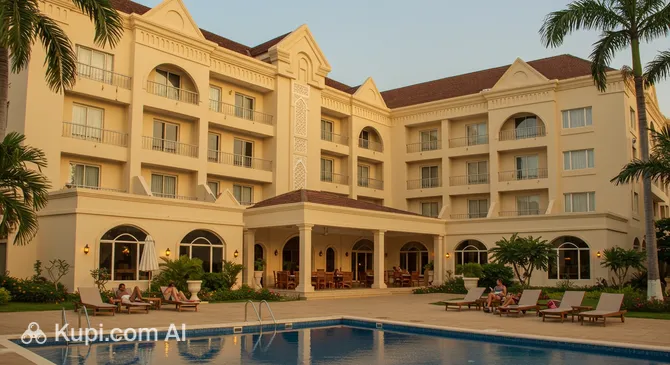
Among the city's most iconic establishments is the Akwa Palace Hotel. Located centrally in the commercial district, this landmark combines colonial history with modern luxury. It is a frequent choice for travelers who value accessibility to the city's main attractions and business venues, offering a high standard of service that reflects Douala's cosmopolitan character.

Akwa Palace Hotel. Source: Kupi.Binoculars

Regarding costs, prices in Douala can be slightly higher than in other parts of the country due to the steady influx of business professionals. Luxury and mid-range hotels are generally priced according to international standards. It is highly recommended to book your accommodation in advance, especially during major business conferences or events when occupancy rates peak. While major hotels accept credit cards and can be booked via online platforms, smaller guesthouses often prefer cash payments in the local currency.

Nearby Cities

For those looking to explore the surroundings, Douala serves as an excellent base for day trips to several interesting nearby locations:

City Population Distance (km)
Bafoussam 1,146,000 174
Limbe 212,474 64
Loum 177,429 74
Kumba 144,268 74
Buea 131,325 58

One of the top choices for a coastal escape is Limbe. Located just over an hour from the city, it is renowned for its unique black volcanic sand beaches and fresh seafood. The town is also home to the Limbe Wildlife Centre, a respected sanctuary for rescued primates, making it an ideal destination for nature lovers seeking a break from the urban bustle.

Another fascinating destination is Buea, situated at the foot of the majestic Mount Cameroon. As a former colonial capital, the town features distinct German architecture and enjoys a significantly cooler climate due to its elevation. It serves as the primary gateway for those wishing to see the mountain, offering breathtaking views and a refreshing atmosphere.

These nearby destinations offer a glimpse into the diverse culture and landscapes of the region.

Shopping & Souvenirs

Shopping in Douala offers a vibrant mix of experiences that reflect the city's status as the economic engine of the country. Visitors can expect a diverse retail landscape where modern, air-conditioned complexes coexist with bustling, colorful open-air markets. Whether you are looking for high-end international brands, authentic local crafts, or vibrant African textiles, the city provides ample opportunities to find unique items and immerse yourself in the local commercial culture.

The district of Akwa serves as the primary commercial hub of the city. Walking along the Boulevard de la Liberté, you will find a high concentration of shops selling everything from electronics and fashion to jewelry. This area is particularly famous for its fabric shops, where you can purchase high-quality "pagne" (wax print cloth) in dazzling patterns. Another notable area is Bonapriso, which offers a more upscale shopping experience with chic boutiques, art galleries, and home decor stores catering to a cosmopolitan clientele.

For those who prefer a modern retail environment, the city boasts impressive facilities. The Douala Grand Mall is the largest of its kind in the region, featuring a wide array of international fashion brands, a large supermarket, and entertainment options near the airport. It provides a comfortable escape from the heat and is a one-stop destination for varied needs. Additionally, the Douala Shopping Mall, often referred to as L'Atrium, is located in the heart of Bonapriso and is well-regarded for its curated selection of shops and pleasant atmosphere.

To truly experience the soul of the city, a visit to the local markets is essential. The Marché des Fleurs (Flower Market) in Bonapriso is the best spot for tourists seeking arts and crafts; despite its name, it is a hub for sculptors and artisans selling wood carvings, masks, and leather goods. For a more intense and authentic atmosphere, the Marché Central offers a labyrinth of stalls selling textiles, spices, and food. It is a sensory overload that provides a glimpse into the daily life of the residents.

When it comes to souvenirs, Douala has plenty to offer. The most popular items to bring back include traditional masks and statues carved from ebony or mahogany, which reflect the rich artistic heritage of Cameroon. Colorful wax fabrics and the traditional Bamileke "Ndop" cloth are also highly prized. For food lovers, locally produced coffee, chocolate, and spices like Penja pepper make for excellent and portable gifts.

Store hours in the city generally run from 9:00 AM to 6:00 PM or 7:00 PM, Monday through Saturday. Major shopping malls and supermarkets often stay open later, until 9:00 PM or 10:00 PM, and are usually open on Sundays as well. While malls and upscale hotels accept credit cards like Visa and Mastercard, cash is the preferred method of payment in most smaller shops and is absolutely necessary in local markets. The currency used is the Central African CFA Franc (XAF).

Regarding tax refunds, Cameroon does not have a widely accessible tax-free shopping scheme for tourists comparable to those in Europe. Visitors should generally expect the price on the tag to be the final price, inclusive of all local taxes. In markets, however, prices are rarely fixed, and bargaining is a standard and expected part of the shopping experience.

Reached the end of the page?

That means the route is fully explored