Support

Bafoussam

About

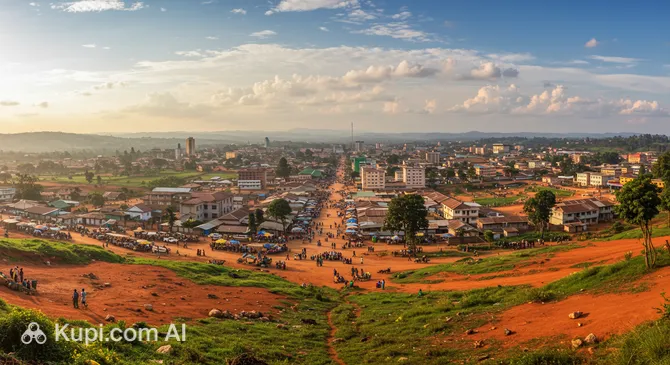
Bafoussam is the dynamic capital of the West Region and the cultural heartbeat of the Bamileke people. Nestled in the Bamboutos Mountains, this city is a bustling center of commerce and tradition, offering a unique glimpse into the local way of life. It stands out as a vibrant urban hub where modernity meets deeply rooted ancestral customs.

With a population exceeding 1.1 million, the city is a significant metropolis in Cameroon, United Republic Of. Thanks to its high altitude, Bafoussam enjoys a relatively cool and pleasant climate compared to the tropical heat of the coastal areas, making it a comfortable destination for travelers to explore year-round.

Bafoussam. Source: Kupi.Binoculars

The city serves as an excellent starting point for discovering the region's heritage. Visitors interested in the past can explore the fascinating history of Bafoussam, which is inextricably linked to the powerful Bamileke chiefdoms. The preservation of these cultural structures allows tourists to witness living history in the daily lives of the inhabitants.

Among the top attractions is the Bafoussam Chefferie (Chiefdom), a stunning architectural complex that houses a museum displaying royal artifacts, masks, and costumes. The region is also celebrated for its agriculture, particularly its coffee plantations, where you can learn about the production of high-quality Arabica beans. For nature enthusiasts, the nearby Metche Waterfalls offer a scenic escape and are considered a sacred site by the locals.

Whether you are wandering through its lively markets, admiring traditional architecture, or enjoying the fresh mountain air, Bafoussam invites you to experience the authentic spirit of the West Region.

Weather Overview

The climate in this region is generally mild and agreeable, largely due to its elevation. When planning your trip, it is helpful to check the weather in Bafoussam to pack appropriately for the season. Temperatures remain relatively consistent throughout the year, typically hovering between 20°C and 24°C on average, making for a comfortable atmosphere for exploration.

The year is distinctively divided into dry and wet periods. The dry season, spanning roughly from November to February, offers the warmest days, with February often seeing highs reaching around 31°C. During these months, rainfall is scarce, and you can expect clear skies, perfect for outdoor activities.

Conversely, the wet season dominates much of the year, usually starting in March and extending through October. During this time, precipitation becomes a daily occurrence, peaking in September with nearly 30 wet days. While the rain brings lush greenery, it also brings slightly cooler temperatures, with averages dipping to around 20°C in July and August. Expect warm days mixed with frequent showers during this long stretch.

Interesting Facts

Beyond its bustling markets and royal palaces, Bafoussam holds fascinating secrets deeply rooted in the mystique of the Bamileke culture. Here are some intriguing insights into the traditions and legends that define this unique city.

  • Funerals are festive celebrations: In Bafoussam and the surrounding region, funerals are not always immediate somber events. The "Death Celebration" (Funérailles) often takes place years after the burial. These are vibrant, joyous festivals held during the dry season to honor the deceased's transition to becoming an ancestor, featuring elaborate masks, traditional dances, and feasting that can last for days.

  • Divination by spiders: The area is a stronghold for a traditional practice called Ngam, or spider divination. Local diviners use earth spiders to foretell the future. They place marked leaves or cards at the entrance of a spider's burrow, and the spider's movement of these objects is interpreted to answer complex questions or guide important community decisions.

  • Rituals at the waterfalls: While the Metche Waterfalls are a known attraction, few realize their spiritual significance for purification. Locals believe the waters have the power to wash away "famla" (witchcraft) or bad luck. It is common to see people tossing offerings like salt, palm oil, or food into the cascading water as a sacrifice to appease the spirits and cleanse themselves of curses.

  • Architecture without nails: The traditional royal architecture of the Bafoussam Chiefdom is a marvel of indigenous engineering. The impressive Great Hut (Achum) was historically constructed entirely from bamboo and raffia palm, lashed together with lianas. These towering structures were built to withstand the elements without the use of a single modern nail or screw.

How to Get There

Reaching the heart of the West Region requires a bit of travel, as the city is nestled in the mountainous highlands. While there are domestic connections, most international travelers arrive at the country's major coastal or capital hubs and complete the journey by road. You can find detailed information and all ways to reach the city on our dedicated transport page.

The city of Bafoussam does not have its own major international hub, so the most convenient entry point for many is Douala Airport (DLA). Located in the city of Douala, the economic capital, it is approximately 181 km from Bafoussam. From here, you can take a bus or hire a taxi; the drive typically takes around 5 hours, offering a scenic route through the changing landscapes. This airport handles a significant volume of passengers and connects to numerous global destinations.

Another excellent option is Nsimalen Airport (NSI), situated near the capital city, Yaounde. It is located about 231 km from Bafoussam. The transfer by road from Yaounde to the West Region usually takes approximately 6 hours. As a key international gateway, it offers decent facilities and frequent connections, serving as a good alternative if your flight itinerary favors the capital.

For clarity, here is a summary of the main airports:

Airport Name City Passenger Traffic Km from City
Douala Airport Douala Large 181.1
Akwa Ibom Airport Uyo Medium 268.1
Nsimalen Airport Yaounde Medium 231.2
Malabo Airport Malabo Medium 269.8
Calabar Airport Calabar Medium 237.3

Regarding rail travel, Bafoussam is not currently connected to the national railway network. The main train lines in the country run between Douala, Yaoundé, and Ngaoundéré. Travelers wishing to use the train often disembark in Douala or Yaoundé and switch to one of the many bus services or private transport options to complete the journey into the West Region mountains.

Main Attractions

Bafoussam is a treasure trove of cultural heritage and natural wonders, serving as the perfect gateway to the traditions of the West Region. While the city is a bustling commercial hub, its true charm lies in the sites that preserve the history and spiritual connection of the Bamileke people to their land. Here are some of the most captivating places to visit during your stay.

The Bafoussam Chiefdom (Chefferie de Bafoussam) is arguably the most significant cultural site in the city. This royal compound is not just a residence for the Fon (king) but a living museum of Bamileke architecture and history. Visitors are often struck by the "Achum," a traditional royal hut constructed entirely from bamboo and raffia with a towering conical roof. The on-site museum houses a fascinating collection of royal artifacts, including beaded thrones, ceremonial masks, and ancient statues that tell the story of the dynasty's 800-year reign. It offers a profound insight into the social structure and artistic mastery of the local people.

For nature enthusiasts, the Metche Waterfalls are a spectacular sight located just a few kilometers from the city center. The water cascades down a steep basalt cliff into a deep ravine, creating a mist that nourishes the surrounding lush vegetation. Beyond its scenic beauty, the site holds deep spiritual significance for the local population, who often visit to perform purification rituals. The viewpoint offers a breathtaking panorama of the cascading waters against the backdrop of the verdant landscape, making it an excellent spot for photography and quiet contemplation.

A short drive from the city leads to Lake Baleng, a stunning crater lake nestled within a forest reserve. This geological wonder is formed in the crater of an extinct volcano and is renowned for its calm, greenish waters that reflect the sky and surrounding trees. The area is a protected sanctuary, making it a peaceful escape from the urban noise of Bafoussam. It is an ideal location for a gentle hike, allowing tourists to enjoy the fresh mountain air and the serene atmosphere of one of the region's most beautiful natural landmarks.

Although technically located in a neighboring town, the Bandjoun Chiefdom is a must-visit attraction easily accessible from Bafoussam. It is widely considered one of the most beautiful and best-preserved chiefdoms in Cameroon. The complex features an impressive Great Hut supported by carved pillars, which is a masterpiece of traditional engineering. The museum here is exceptionally well-curated, displaying vibrant costumes, jewelry, and trophies that highlight the wealth and power of the Bandjoun kingdom. It serves as a perfect complement to the Bafoussam Chiefdom for those looking to deepen their understanding of the region's royal heritage.

Local Cuisine

The culinary landscape of Bafoussam is a direct reflection of the West Region's agricultural abundance. Known as the breadbasket of the country due to its fertile volcanic soil, the city offers a gastronomy that is hearty, flavorful, and deeply rooted in Bamileke tradition. Food here is not just sustenance; it is a ceremonial art form, often centering around tubers, plantains, and rich, spicy sauces.

The undisputed king of the local table is Taro with Yellow Sauce (Taro à la sauce jaune). This iconic dish consists of pounded taro root, whipped into a smooth, greyish paste, served alongside a vibrant yellow soup made from palm oil, limestone, and a complex blend of local spices. It is traditionally eaten with the fingers and is a staple at weddings, chiefdom ceremonies, and family gatherings. The unique, earthy flavor and velvety texture make it a "must-try" for any visitor wanting to taste the true essence of the region.

Another signature delight is Kondre (or Kondrè), a rich one-pot stew that combines plantains with meat (often goat, beef, or pork), herbs, and spices like ginger and garlic. The plantains are slow-cooked until they absorb all the savory juices, resulting in a comforting and filling meal. You should also look for Koki, a steamed pudding made from crushed black-eyed peas and palm oil, wrapped in banana leaves. Its bright orange color and distinctive taste make it a beloved classic throughout the area.

For a more casual dining experience, the street food culture in Bafoussam is vibrant and accessible. Mornings typically begin with the popular trio of Beignets-Haricots-Bouillie—fluffy fried dough fritters served with savory red beans and a warm corn porridge. In the evenings, the streets come alive with the aroma of braised fish or chicken, grilled over open charcoal fires and served with fried plantains or bobolo (fermented cassava sticks). Small roadside eateries, affectionately known as "tourne-dos," offer these authentic meals at very affordable prices.

To wash down these rich meals, locals often turn to Raffia Wine (Vin de Raphia). Unlike the standard palm wine found in other regions, this white, milky beverage is tapped specifically from the raffia palm, which is abundant in the highlands. It plays a crucial role in traditional rites and social bonding. For non-alcoholic options, fresh fruit juices are plentiful, and Foléré (hibiscus juice) provides a refreshing, tangy treat perfect for cooling down after a day of exploring the markets.

Travel Tips

Visiting Bafoussam offers a deep dive into the rich traditions of the Cameroonian highlands, but a smooth trip requires a bit of local know-how. These practical tips will help you navigate the city's unique customs and geography with confidence, ensuring a memorable and hassle-free experience.

  1. Clothing and Gear: Due to the city's high elevation, the climate is cooler than the coast. Bring layers like light sweaters or jackets for the evenings, which can get quite chilly. Comfortable, sturdy walking shoes are essential as many roads are unpaved or uneven. If you plan to visit the Royal Palace or other traditional sites, dress modestly out of respect; avoid short skirts or sleeveless tops.

  2. Transportation: The most common and efficient way to navigate the city is by motorcycle taxi, locally known as "benskin." They can weave through traffic and reach areas cars cannot. Shared yellow taxis are also available for main routes. Regardless of the mode, vehicles rarely have meters, so you must negotiate and agree on the fare before starting your journey.

  3. Finances: The local currency is the Central African CFA Franc (XAF). Bafoussam is very much a cash-based economy. While there are ATMs in the city center (banks like BICEC or Société Générale), they can occasionally be out of service or may not accept all international cards (Visa is more widely accepted than Mastercard). Carry plenty of small bills for markets and transport, as change is often scarce.

  4. Health and Safety: Although the altitude reduces the risk slightly, malaria is still present, so bring insect repellent and sleep under a net. Stick to bottled water for drinking and brushing your teeth. Pharmacies are available in the city center, but carry a basic first-aid kit. Generally, the city is safe, but avoid walking alone in poorly lit areas at night and keep valuables discreet.

  5. Communication: While Cameroon is bilingual, Bafoussam is in the Francophone region, and French is the primary language of daily life. English is not widely spoken on the streets, though you may find speakers in hotels or official offices. Learning a few basic phrases like "Bonjour" (Good morning) and "Merci" (Thank you) will go a long way. SIM cards from providers like MTN or Orange are easy to buy and offer decent 4G coverage.

  6. Local Etiquette: Greetings are taken very seriously here. Always greet people with a handshake and a polite "Bonjour" before asking a question or starting a transaction. In Bamileke culture, showing respect to elders and traditional rulers is paramount. If you are granted an audience with a dignitary, follow the lead of your guide regarding bowing or seating arrangements.

  7. What to Avoid: Never use your left hand to eat, shake hands, or pass an item to someone, as it is considered unclean and disrespectful. Additionally, avoid taking photos of government buildings, military personnel, or police officers, as this is strictly prohibited and can lead to legal trouble.

  8. Market Days: Life in the West Region revolves around an 8-day traditional calendar rather than the standard 7-day week. Market days are vibrant and chaotic but offer the best shopping experience. Ask locals when the next "Grande Market" day is to see the city at its most lively and to find the freshest produce and crafts.

With these preparations in mind, you are ready to embrace the warmth and hospitality of the Bamileke people. Enjoy the fresh mountain air and the vibrant culture that make Bafoussam such a fascinating destination.

Entertainment & Nightlife

While Bafoussam may not have the frenetic energy of the coastal metropolises, its nightlife offers a warm, authentic, and surprisingly vibrant experience. The evening scene here is less about massive nightclubs and more about convivial "snack-bars," open-air terraces, and lounges where locals gather to unwind, listen to music, and enjoy hearty food. The atmosphere is generally welcoming, characterized by the rhythmic beats of Bikutsi, Makossa, and Afro-pop that spill out onto the streets.

The heart of the action is often found in the neighborhood locally nicknamed "Akwa"—a tribute to the famous nightlife district in Douala. However, to help you locate this area on a map or when asking for directions, it is formally known as Famla. Here, the streets come alive after dark with neon lights and the aroma of grilling spices. Another key area for evening entertainment is the vicinity of the main market and the central administrative quarters, where several popular venues are clustered. The dress code is typically casual and relaxed, although you might want to dress up a bit more if you are visiting one of the hotel lounges or upscale bars.

For those looking for a specific place to start the night, Bar La Paix is a well-regarded spot known for its signature cocktails, such as the "Bafoussam Breeze," and its friendly environment. It often hosts live music events that showcase local talent. If you prefer a more sophisticated setting, Le Relais offers a lounge-style ambiance perfect for enjoying a glass of wine or a premium drink in comfort. Another popular venue is Sun City, which draws a lively crowd and serves as a great social hub to mix with residents and fellow travelers.

Dining is an integral part of the nightlife here. You cannot experience a night out in Bafoussam without trying Poisson Braisé (braised fish). Street-side vendors and "tourne-dos" restaurants serve massive, spicy grilled fish accompanied by fried plantains or bobolo (fermented cassava). These spots are busiest between 8:00 PM and midnight, offering a delicious and affordable way to soak up the local culture.

When it comes to safety and logistics, it is important to remain vigilant. While the city is relatively safe, you should avoid walking alone in poorly lit areas or quiet neighborhoods at night. The best way to get around is by hiring a yellow taxi for a "dépôt" (private drop-off), which ensures you are taken directly to your destination's door. Motorcycle taxis are available but can be risky at night due to limited visibility and safety concerns, so a standard taxi is the recommended choice for tourists.

Parks & Museums

Bafoussam is not only a commercial hub but also a city deeply connected to the fertile highlands of the West Region. While it may not have the vast manicured parks of European capitals, it offers unique green spaces and cultural institutions that reflect the soul of the Bamileke people. The city serves as a bridge between the vibrant urban hustle and the serene, mist-covered mountains that surround it.

For those seeking a breath of fresh air within the city limits, the Parc de Loisirs (Leisure Park) is a popular choice. Located near the City Hall (Mairie), this urban oasis provides a welcome escape from the busy streets. It features well-maintained pathways, grassy areas perfect for picnics, and a peaceful atmosphere where families and students often gather. It is an excellent spot to observe local life at a slower pace or enjoy a quiet afternoon with a book under the shade of ornamental trees.

Just a short distance from the city center lies the Lake Baleng Forest Reserve, a protected natural area that feels worlds away from the urban environment. While the crater lake itself is the centerpiece, the surrounding forest is a sanctuary for local flora and birdlife. A hike through this reserve offers not just scenic views but a chance to walk among ancient trees and lush vegetation. It is a raw, unpolished gem where nature lovers can experience the authentic biodiversity of the Cameroonian highlands.

When it comes to culture and history, Bafoussam and its immediate surroundings boast some of the most impressive institutions in the country. A standout venue is Bandjoun Station, located just a few kilometers from Bafoussam. Founded by the renowned artist Barthélémy Toguo, this contemporary art center is an architectural marvel adorned with striking mosaics. It hosts permanent and temporary exhibitions featuring African and international artists, and it also houses a significant library. It is a must-visit for art enthusiasts, serving as a vibrant dialogue between local tradition and modern creativity.

To truly understand the region's heritage, a visit to the Museum of the Bafoussam Chiefdom is essential. Situated within the royal palace complex, this museum preserves the treasures of the dynasty. The collection includes intricate beaded thrones, royal fabrics, and ceremonial masks that are still used in traditional rites today. Unlike a static display, the museum offers a narrative of the Bamileke social structure, explaining the roles of secret societies and the spiritual significance of the objects on view.

Another fascinating cultural site is the Musée de la Chefferie Baleng. Although smaller than its Bafoussam counterpart, it offers an intimate look at the traditions of the Baleng people. The museum showcases royal attributes and historical artifacts that date back centuries, providing insight into the distinct identity of this community. It is often quieter, allowing for a more personal exploration of the exhibits and the history they represent.

For an authentic insider experience, consider exploring the Sacred Forests often found near the chiefdoms. These small patches of dense woodland are not public parks in the conventional sense but are spiritually significant areas reserved for rituals. While entry is often restricted, local guides can sometimes take you to the perimeter to explain their role in conservation and Bamileke spirituality, offering a perspective on nature that goes beyond mere recreation.

Getting Around

Navigating Bafoussam offers a truly authentic experience, as the city does not rely on a formal network of subways, trams, or large municipal buses with fixed schedules. Instead, the public transport system is informal, decentralized, and heavily dependent on the road. For a visitor, this means adapting to a fluid system where flexibility and negotiation are key. The primary ways to move around are motorcycle taxis and shared yellow taxis, which weave through the bustling streets from dawn until late at night.

The most ubiquitous form of transport in the city is the motorcycle taxi, locally known as a "benskin." These are the lifeblood of local mobility, capable of navigating traffic jams and unpaved roads that cars cannot access. You will see them on almost every corner, often with drivers honking to signal availability. They are the fastest way to get from point A to point B, but they require a certain level of comfort with adventure. While efficient, safety standards can vary, so it is advisable to choose a driver who appears calm and, if possible, one who provides a helmet.

For those preferring four wheels, shared taxis are the standard alternative. These are typically yellow vehicles that operate on a collective basis, meaning the driver will pick up other passengers along the route until the car is full. This mode is locally called "ramassage." It is an economical way to travel, though it may take longer due to frequent stops. If you prefer privacy or need to go to a specific location without detours, you can request a "dépôt" (private charter). This turns the shared taxi into a private service for your trip, naturally at a higher price.

Payment in Bafoussam is exclusively cash-based. There are no travel cards, mobile apps, or electronic ticketing systems for intra-city transport. Fares are generally low but are not fixed by a meter. For a standard shared taxi ride or a short motorcycle trip, the price is usually a small, set amount known to locals. However, as a tourist, or for longer distances and "dépôt" services, you must negotiate and agree on the fare before getting into the vehicle or onto the bike. It is crucial to carry small bills and coins, as drivers rarely have change for large denominations.

Inter-neighborhood travel is sometimes served by minibuses, but these are more commonly used for transport between Bafoussam and surrounding towns rather than for short hops within the city center. There are no designated bus stops with maps; instead, these vehicles gather at specific intersections or market areas. You simply board, wait for it to fill up, and pay the conductor or driver directly.

Operating hours are not official, but transport is most readily available between 6:00 AM and 9:00 PM. After dark, the frequency of shared taxis drops significantly, and while motorcycle taxis are still available, safety concerns make them less advisable for tourists late at night. If you plan to be out late, it is highly recommended to arrange a ride in advance or get the phone number of a trusted taxi driver during the day.

Walking is also a viable option for exploring the compact city center, particularly around the markets and main administrative buildings. However, sidewalks can be uneven or non-existent in some parts. Alternatives like car-sharing apps or organized bike rentals are not present in the city. If you need a vehicle for a full day, your best option is to hire a car with a driver through your hotel or a local travel agency, which provides the most comfort and security for sightseeing.
Accommodation

Where to Stay:

Accommodation in Bafoussam caters primarily to business travelers and cultural tourists, reflecting the city's status as a regional commercial hub rather than a luxury resort destination. The range of options is functional and generally affordable, consisting mainly of budget guesthouses and mid-range hotels. While you will not find sprawling international 5-star resort chains here, there are several locally managed establishments that offer comfortable, clean, and secure lodging with modern amenities such as air conditioning, Wi-Fi, and on-site restaurants.

When choosing a location, the Administrative Quarter and the areas surrounding the City Center are the most convenient for visitors. Staying here places you within walking distance of banks, major markets, and transport hubs, making it easier to navigate the city without a car. The neighborhood of Tamdja is also a popular choice, offering a lively atmosphere with easy access to the main road axes that lead to nearby attractions and chiefdoms.

For those planning a trip, a crucial booking tip is to be mindful of the local cultural calendar. The dry season, particularly from November to February, is the peak period for traditional "Death Celebrations" (Funérailles) and cultural festivals. During these weekends, hotels can be fully booked by families and dignitaries traveling from major cities. It is highly recommended to secure your reservation well in advance if your dates coincide with these events.

Regarding costs and logistics, Bafoussam is very wallet-friendly compared to the coastal cities of Douala or Yaoundé. Travelers can expect the following general conditions:

  • Budget: Basic rooms in guesthouses are extremely affordable, often costing just a few thousand CFA francs per night.
  • Mid-Range: Respectable hotels with en-suite bathrooms, television, and breakfast services offer excellent value for money.

While a few of the larger hotels are listed on international online booking platforms, many smaller but excellent establishments still rely on direct phone bookings or walk-ins. Be prepared to pay in cash (XAF) upon arrival, as credit card terminals are not standard in most hotels.

Nearby Cities

For those looking to explore the surroundings, Bafoussam serves as an excellent base for day trips to several interesting nearby locations:

Foumban is arguably the most culturally significant destination in the vicinity. Known as the "City of Arts," it is the historic capital of the Bamoun Kingdom. Visitors flock here to see the Royal Palace, a unique architectural marvel, and to explore the vibrant Museum of Bamoun Arts and Traditions. The city is also famous for its artisans, particularly those skilled in bronze casting and wood carving, making it the perfect place to appreciate and purchase traditional Cameroonian crafts.

Located to the south, Bafang offers a refreshing escape into nature. It is the main town of the Haut-Nkam division and is celebrated for its scenic beauty. The highlight for many travelers is the majestic Mouankeu Waterfalls (Chutes de la Mouankeu), which cascade down about 40 meters. The town's hilly terrain and lush surroundings provide excellent opportunities for hiking and photography, offering a peaceful contrast to the bustle of larger cities.

Nkongsamba, nestled between the imposing Mount Manengouba and Mount Nlonako, is an agricultural powerhouse known for its high-quality coffee. It serves as the gateway to the spectacular Ekom-Nkam Waterfalls, which plunge 80 meters into a dense rainforest ravine. Additionally, adventurous travelers often visit the nearby Manengouba Twin Lakes—one blue and one green—located in ancient volcanic craters, offering breathtaking views of the landscape.

City Population Distance (km)
Bamenda 2,000,000 61
Kumbo 125,486 87
Nkongsamba 117,063 78
Bafang 93,145 44
Foumban 92,673 59

These nearby destinations offer a glimpse into the diverse culture and landscapes of the region.

Shopping & Souvenirs

Shopping in Bafoussam offers a vibrant immersion into the commercial life of the West Region. Unlike the polished retail experiences found in major global capitals, the shopping scene here is dominated by bustling open-air markets, small independent boutiques, and roadside stalls. The city is a major trading hub for agricultural produce and traditional crafts, making it an excellent place to find authentic local goods rather than imported luxury brands. Visitors will find that commerce here is loud, colorful, and deeply interpersonal.

The primary shopping districts are concentrated in the city center, particularly around the main roundabouts and the arteries connecting the administrative areas to the commercial zones. The streets are lined with small shops selling everything from electronics and textiles to hardware. A stroll down the main avenue reveals a mix of formal storefronts and informal vendors, creating a lively atmosphere where you can browse for clothing, shoes, and daily necessities.

While Bafoussam does not boast large-scale Western-style shopping malls, it has several modern supermarkets and commercial centers that cater to those looking for fixed prices and imported goods. These establishments provide a more relaxed environment where travelers can purchase toiletries, snacks, bottled water, and other travel essentials. They serve as a convenient contrast to the chaotic energy of the outdoor markets, offering a touch of air-conditioned comfort.

The true heart of commerce in the city beats in its traditional markets, with the Marché A (Central Market) being the most significant. This sprawling labyrinth of stalls is where the pulse of the city is most palpable. Here, you can find fresh produce from the fertile volcanic soil, including avocados, beans, and spices. It is also a hub for textiles and household goods. Marché B is another key location, often slightly less crowded but equally rich in local flavor. Remember that market days often follow the traditional 8-day calendar, so ask locals for the "Grande Marché" day to see these places at their peak.

For souvenir hunters, Bafoussam is a treasure trove of Bamileke craftsmanship. The most iconic items to bring back are beaded artifacts, such as calabashes, statues, and masks, which reflect the region's royal heritage. Ndop fabric, a traditional indigo-dyed cloth with geometric patterns, is another prized possession often associated with traditional ceremonies. Additionally, since the West Region is a prime coffee-growing area, buying a bag of locally roasted Arabica or Robusta coffee is a fantastic way to take the taste of the highlands home with you.

Standard store hours typically run from 8:00 AM to 6:00 PM, Monday through Saturday. Supermarkets may stay open a bit later, while markets start their activity as early as dawn. On Sundays, the pace slows down significantly, though some market stalls and food vendors remain active. When it comes to payment, Cash (XAF) is the absolute rule. Credit cards are rarely accepted outside of major hotels or a few select supermarkets. In the markets, bargaining is expected and is considered part of the social interaction; start with a smile and a lower offer, and work your way to a fair price.

Tourists should not expect a tax-free shopping scheme (VAT refund) in Bafoussam. The system is not widely implemented for visitors in this region, so the price you negotiate or see on the shelf is the final price you pay.

Reached the end of the page?

That means the route is fully explored