Support

Uyo

About

Uyo is the bustling and beautifully organized capital of Akwa Ibom State, widely recognized as one of the neatest and most peaceful cities in Nigeria. Known for its well-structured road network, solar-powered streetlights, and serene environment, the city offers a refreshing urban experience that stands out in the region. It serves as a significant commercial and administrative hub, attracting visitors with its blend of modernity and traditional hospitality.
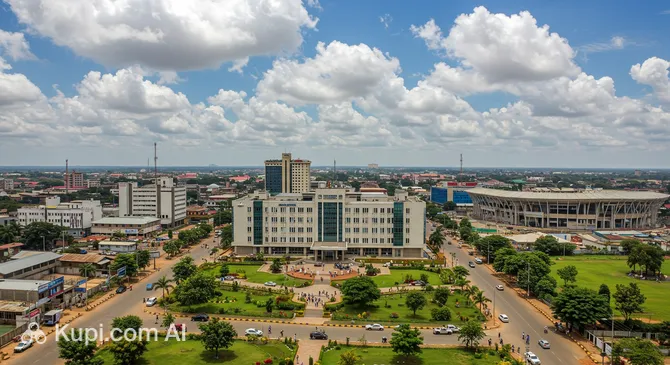
Uyo. Source: Kupi.Binoculars

Geographically, the city is situated in the south-eastern part of the country, within the lush tropical rainforest zone. With a population of approximately 429,900 residents, it maintains a lively yet uncrowded atmosphere. The climate is typically warm and humid, characterized by distinct wet and dry seasons, which supports the abundant greenery that decorates the cityscape.

Travelers will find plenty to see and do here. The city is home to the magnificent Godswill Akpabio International Stadium, often referred to as the "Nest of Champions," which is a masterpiece of modern architecture. For a taste of local life, Ibom Plaza provides a vibrant open-air center for relaxation and shopping. Those wishing to understand the cultural roots of the area can dive into the history of Uyo by visiting the National Museum of Colonial History, which houses varied artifacts and ethnographic items.

Whether you are visiting for business or leisure, Uyo promises a comfortable and engaging stay. Its growing reputation as a tourist destination is well-deserved, making it a perfect spot to experience the warmth and dynamic spirit of Akwa Ibom State.


Weather Overview

Uyo experiences a warm tropical climate year-round, making it a destination where light clothing is almost always appropriate. The weather in Uyo is characterized by consistent heat, with average monthly temperatures generally lingering between 25°C and 30°C. The warmest conditions typically occur early in the year, particularly in February, when daytime highs can reach up to 35.2°C, while the coolest period is usually around July and August, with minimum temperatures dipping slightly to roughly 22.7°C.

Rainfall patterns play a major role in the city's seasonal rhythm. Travelers can expect a distinct dry season from December to February, where rainfall is minimal, and there are only about 6 to 8 wet days per month. In contrast, the wet season is quite long and intense, spanning from March through November. During the peak rainy months of July, September, and October, precipitation is frequent, with up to 30 wet days recorded in a single month, so carrying rain gear is highly recommended during this period.

Interesting Facts

Beyond its well-paved roads and serene atmosphere, Uyo holds fascinating details that often escape the casual visitor. The city blends a rich cultural heritage with surprising modern achievements, offering a unique narrative to those who look closer.
  • An Architectural Twin: The magnificent Godswill Akpabio International Stadium, locally known as the "Nest of Champions," is not just a sports venue; its stunning design is modeled after the famous Allianz Arena in Munich, Germany, making it one of the most structurally advanced stadiums in West Africa.

  • The Cleanest City Title: Uyo is widely celebrated and frequently cited as the cleanest city in Nigeria, a reputation earned through rigorous urban planning, solar-powered street lighting, and a deeply ingrained culture of environmental maintenance among its residents.

  • Culinary Capital: The city is the heartland of the famous Edikang Ikong soup, a nutrient-rich vegetable delicacy that was traditionally prepared to nourish brides before their weddings and has since become a national culinary treasure.

  • Historic Transformation: The vibrant Ibom Plaza, now the city's social heart, was constructed on the site of the former British colonial administrative headquarters, effectively turning a symbol of past authority into a welcoming open-air center for the community.

  • Modern Social Hubs: The city's lifestyle has rapidly modernized, with major landmarks like De Choice Mall serving as pivotal gathering spots that offer a contemporary contrast to the region's traditional open markets.

De Choice Mall. Source: Kupi.Binoculars

How to Get There

Reaching Uyo is relatively straightforward, thanks to its strategic location and well-developed transport infrastructure within the region. Most travelers choose to arrive by air, as the city is served by a dedicated airport, while others may opt for road travel from neighboring states. For a detailed breakdown of routes and transport options, you can read more about how to get to Uyo on our dedicated page.

The most convenient entry point is the Akwa Ibom Airport (QUO), which is specifically situated to serve the state capital. Located approximately 26 km from the city center, it is a modern hub handling a significant volume of domestic traffic. A journey from the airport to the heart of Uyo by taxi or shuttle generally takes around 60 minutes, depending on traffic conditions. This airport is the primary choice for most visitors due to its proximity and efficiency.

Alternatively, travelers can fly into Calabar Airport (CBQ) in the neighboring city of Calabar. Although it is about 49 km away, the travel time by road can take roughly 1 hour and 30 minutes. For those looking for more international flight connections, the Port Harcourt International Airport (PHC) is another viable option. It is located in Port Harcourt, about 107 km from Uyo. While the distance is greater, requiring a drive of approximately 3 hours, it handles a larger volume of passengers and offers broader connectivity.

For clarity, here is a summary of the main airports serving the region:

Airport Name City Passenger Traffic Km from City
Port Harcourt International Airport Port Harcourt High 106.8
Akwa Ibom Airport Uyo Medium 26.2
Sam Mbakwe International Airport Owerri Medium 89.4
Enugu Airport Enugu Medium 163.5
Calabar Airport Calabar Low 48.7

Currently, Uyo is not connected to the national railway network, and there are no train stations within the immediate vicinity of the city. Visitors traveling from other parts of Nigeria who do not fly typically arrive by road. Several major transport companies operate bus services linking Uyo to major cities like Lagos, Abuja, and Port Harcourt. The road network into Akwa Ibom State is generally considered to be among the better ones in the region, making bus travel a common and affordable alternative.

Main Attractions

One of the most prominent landmarks is the Godswill Akpabio International Stadium. Often called the "Nest of Champions," this ultra-modern sports complex draws visitors simply to admire its design, which mirrors the Allianz Arena in Germany. It is a source of immense local pride and hosts major national and international matches, making it a must-see for sports enthusiasts and architecture lovers alike.

For those interested in the region's past, the National Museum of Colonial History offers a deep dive into the narrative of Nigeria's creation. Located along Wellington Bassey Way, the museum houses a collection of artifacts, relics, and documents that trace the history of British colonial rule and the eventual independence of the nation. It provides a quiet, educational contrast to the bustling city streets.

Leisure and entertainment are redefined at the Ibom Tropicana Entertainment Centre. This sprawling complex is designed to be a one-stop destination for fun, featuring a shopping mall, a cinema with multiple viewing halls, and a convention center. It is a popular spot for families and groups looking to relax, catch a movie, or simply enjoy a day out in a modern recreational environment.

Shopping enthusiasts should not miss De Choice Mall, a central hub for retail and relaxation in the city. As one of the premier shopping destinations in Uyo, it offers a wide variety of stores, a supermarket, and food courts. It is an excellent place to purchase local goods, grab a quick bite, or simply observe the daily lifestyle of the city's residents in a comfortable, air-conditioned setting.

Kilimanjaro Restaurant. Source: Kupi.Binoculars

When it comes to dining, Kilimanjaro Restaurant stands out as a reliable and popular choice for both locals and tourists. Known for its clean environment and fast service, this eatery serves a variety of Nigerian favorites, including delicious Jollof rice and local soups like Afang and Edikang Ikong. It is a great spot to safely sample authentic local cuisine without venturing into the more informal street food scene.

Local Cuisine

The culinary landscape of Uyo is legendary across Nigeria, with the city often cited as one of the best places in the country to experience authentic, flavor-rich cuisine. Akwa Ibom State is famously known as the "Land of Promise," but food enthusiasts often refer to it as the land of soups. The local diet is heavily reliant on fresh vegetables, seafood, and robust spices, reflecting the region's riverine geography and agricultural abundance. For any traveler, exploring the local food scene is an essential part of the visit.

At the heart of the menu is the renowned Edikang Ikong, a vegetable soup that has gained national fame. Often dubbed the "soup of the rich" due to the variety of proteins used in its preparation, it combines pumpkin leaves and water leaves with an assortment of meat, dried fish, crayfish, and periwinkles. Another must-try dish is Afang soup, prepared with wild spinach (Okazi leaves) and water leaves. It has a distinct, slightly fibrous texture and a deep, savory flavor, typically served with "swallow"—a dough-like accompaniment made from cassava (garri/eha), yam, or wheat.

Beyond the famous soups, the city offers unique delicacies like Ekpang Nkukwo. This labor-intensive dish is made from grated cocoyam and water yam, carefully wrapped in cocoyam leaves and simmered in a pot with palm oil, crayfish, and spices. It is a celebratory meal often reserved for special guests. For those who enjoy spicy food, fresh fish pepper soup, often made with catfish or goat meat, is a popular choice at local bars and relaxation spots, providing a fiery kick that pairs perfectly with the humid climate.

To wash down these hearty meals, locals often turn to Palm Wine, a traditional alcoholic beverage tapped from palm trees. When served fresh, it is sweet and mild, but it becomes more potent as it ferments. For a non-alcoholic option, the Chapman is a widely loved cocktail made from a mix of fruity soft drinks, grenadine syrup, and bitters, garnished with cucumber and citrus slices. It is a refreshing staple at most social gatherings and eateries.

The food culture in Uyo is defined by hospitality and freshness. While there are modern restaurants and fast-food outlets, the most authentic tastes are often found in "bukas" (local canteens) and open-air gardens. Here, meals are cooked fresh daily, and the atmosphere is casual and communal. Dining out is a major social activity, and visitors will find that locals are always eager to recommend the best spot for a hot plate of soup.

Travel Tips

Welcome to Uyo, a city celebrated for its serenity, cleanliness, and welcoming atmosphere. To help you navigate the capital of Akwa Ibom State with ease and make the most of your stay, here are some practical tips designed to ensure a smooth and enjoyable travel experience.

  1. Clothing and Gear: Due to the tropical climate, the weather is generally warm and humid. Pack lightweight, breathable fabrics like cotton or linen to stay comfortable. If you are visiting during the long wet season (March to November), a sturdy umbrella and water-resistant shoes are essential. While Uyo is modern, it is advisable to dress modestly when visiting religious sites or traditional communities. Don't forget a power adapter; Nigeria typically uses the British-style Type G (three rectangular pins) plugs.

  2. Transportation: The most common and convenient way to get around the city for short distances is by tricycle, locally known as a Keke. They are affordable, abundant, and can navigate traffic easily. For a more private or comfortable journey, especially at night, it is better to hire a private taxi or use a ride-hailing app if available. Renting a car is possible but often comes with a driver, which is recommended for those unfamiliar with local driving habits.

  3. Finances: The local currency is the Nigerian Naira (NGN). While major hotels, supermarkets like De Choice Mall, and upscale restaurants accept debit and credit cards (Visa and Mastercard), cash is still king for local markets, smaller eateries, and transport fares. ATMs are widely available, but it is wise to carry enough cash for daily small expenses. Tipping is not mandatory but is appreciated for good service; rounding up the bill or leaving a small amount is a kind gesture.

  4. Health and Safety: Uyo is considered one of the safest cities in the region, but standard precautions apply. Avoid walking alone in poorly lit areas late at night. Pharmacies are available throughout the city, but for serious medical needs, head to a major hospital. Always drink bottled water rather than tap water to avoid stomach issues. Since it is a tropical area, carrying mosquito repellent is highly recommended to protect against malaria.

  5. Communication: English is the official language and is widely spoken, so you will have no trouble communicating. You will also hear Nigerian Pidgin, a colorful local creole. Learning a few words in Ibibio, the local dialect, such as "Abadie" (How are you?) or "Sósóngó" (Thank you), can go a long way in endearing you to the locals. SIM cards from major networks like MTN, Airtel, or Glo are easy to buy, but you will need your passport for mandatory registration.

  6. Local Etiquette: Greetings are very important in Nigerian culture. A friendly "Good morning" or "Good afternoon" is expected before asking a question or starting a transaction. When handing over money, gifts, or objects to someone, always use your right hand or both hands; using the left hand is considered culturally disrespectful. Respect for elders is also paramount, so be polite and patient in your interactions.

  7. What to Avoid: Strictly avoid wearing clothing with camouflage patterns. In Nigeria, camouflage is reserved exclusively for the military, and civilians wearing it can face confiscation of the item or harassment by authorities. Also, avoid taking photos of government buildings, police officers, or military personnel without explicit permission.

  8. Additional Tip: Sundays are taken quite seriously in Uyo, as it is a deeply religious city. You may find that many shops and local businesses open later in the day or remain closed as residents attend church services. This is the perfect time to enjoy a quiet stroll along the well-paved boulevards or visit the Ibom Plaza when it is less crowded.

By keeping these practical points in mind, you will be well-prepared to embrace the warmth and hospitality that Uyo has to offer. Enjoy the clean streets, the delicious local cuisine, and the relaxed pace of life in this beautiful corner of Nigeria!

Entertainment & Nightlife

Entertainment in Uyo is a delightful mix of laid-back social gatherings and a rapidly growing modern nightlife scene. Unlike the chaotic rush of larger metropolises, the evening atmosphere here is relaxed and welcoming, centered heavily around the local culture of "sit-outs." As the sun sets, the city comes alive with open-air garden bars, lounges, and entertainment centers where residents gather to unwind, listen to music, and enjoy the cool evening breeze.

The heartbeat of the city's nightlife can largely be found in the Ewet Housing Estate and along Oron Road. These areas are densely packed with upscale lounges, karaoke bars, and dance clubs that cater to a trendy crowd. The vibe here ranges from quiet sophistication to energetic partying, depending on where you go. For a more traditional experience, visitors should explore the numerous "bush bars" scattered across the city. These venues are less formal and offer a spirited environment with live highlife music, football matches on big screens, and plenty of local drinks.

For those looking to start their evening with entertainment or a movie, De Choice Mall is a prime destination. It serves as a major social hub, housing a modern cinema that screens the latest blockbusters. It is a favorite spot for families and groups of friends to gather before heading out for late-night drinks. Similarly, if you want to fuel up before a night out, Kilimanjaro Restaurant offers a reliable and comfortable setting to enjoy a hearty meal, ensuring you are well-fed before exploring the city's clubs.

The dress code in Uyo is generally casual to smart-casual. While high-end clubs in the Ewet Housing Estate might appreciate a more polished look, most garden bars and public spots are very relaxed. The nightlife typically peaks on Friday and Saturday nights, with venues staying open until the early hours of the morning. Prices are quite reasonable compared to Lagos or Abuja, making it easy to enjoy a full night of fun without breaking the bank.

When it comes to safety and logistics, Uyo is one of the safest cities in the region for night outings. However, it is important to note that commercial tricycles (Kekes), which are the main mode of daytime transport, often have restricted operating hours late at night. Therefore, it is highly advisable to arrange for a private taxi or use a ride-hailing app if you plan to stay out late. Stick to well-lit, busy areas and avoid walking alone in secluded neighborhoods after dark.

While the nights are vibrant, Uyo also offers charming daytime entertainment. Beyond the bustling markets and plazas, visitors can enjoy a peaceful afternoon at the Ibom Tropicana Entertainment Centre or explore the cultural artifacts at the National Museum of Colonial History. Whether you prefer a quiet afternoon of history or a pulsing night of music and dance, the city has something to keep you entertained around the clock.

Parks & Museums

Uyo is widely regarded as one of Nigeria's most aesthetically pleasing cities, where urban planning harmoniously blends with nature. The city’s landscape is dotted with well-manicured green spaces and significant cultural landmarks that offer visitors a chance to relax and connect with the heritage of Akwa Ibom State. From serene gardens to historical repositories, the capital provides a refreshing escape from the hustle of daily life.

One of the most popular recreational areas is Unity Park, often referred to as the Cenotaph. Located along the prominent Udo Udoma Avenue, this expansive green space serves as a major venue for state events and a favorite leisure spot for residents. Its open lawns and peaceful atmosphere make it excellent for picnics, morning jogs, or simply enjoying the outdoors. The park is also home to a monument dedicated to fallen heroes, adding a layer of solemn history to its scenic beauty.

For a more social outdoor experience, Discovery Park offers a unique mix of nature, music, and gastronomy. Situated within the city, this park is designed as a relaxation garden where visitors can sit under the shade of palm trees while enjoying local music and delicacies. It is particularly lively in the evenings, making it a perfect spot to experience the local "sit-out" culture, taste spicy grilled meats (Suya), and mingle with the friendly locals in a laid-back environment.

Culturally, the city is anchored by the National Museum of Colonial History. Located on Wellington Bassey Way, one of the oldest streets in the region, the museum is set within a leafy compound that invites quiet reflection. Inside, it houses a compelling collection of artifacts, rare documents, and photographs that chronicle the history of the region, the era of the slave trade, and the transition through colonial rule to independence. It is an essential stop for anyone wishing to understand the historical context of the "Land of Promise."

Another architectural and cultural landmark is Ibom Hall. While primarily an events center, its distinct design is iconic to the city. Shaped to resemble the traditional elephant tusk, a symbol of authority and strength in Akwa Ibom culture, the building stands as a masterpiece of local artistry. It frequently hosts cultural festivals and art exhibitions, serving as a modern guardian of the state's rich traditions.

At the heart of the city lies the Ibom Connection, a striking monument located in the center of the Ibom Plaza roundabout. This architectural structure symbolizes the unity of the diverse ethnic groups within the state. Surrounded by fountains and flowers, it is a focal point for photography and a testament to the artistic vision that shapes the city's identity.

For an authentic insider experience, try visiting the Love Garden within the Ibom Plaza complex during the late afternoon. It is a smaller, often overlooked green pocket where you can watch the city transition from day to night. Grab a cold drink from a nearby vendor and enjoy the cool evening breeze—a simple yet quintessential Uyo pastime.

Getting Around

Navigating the public transport system in Uyo is significantly different from what you might expect in major European or American cities. There is no metro, tram, or train service within the city limits. Instead, the transportation network is entirely road-based and relies heavily on informal yet efficient modes of travel. The undisputed king of the road here is the commercial tricycle, locally known as the Keke. These yellow, three-wheeled vehicles are ubiquitous, safe, and the most convenient way to move between neighborhoods, markets, and attractions.

For longer distances or routes along major highways, you will encounter mini-buses. These are generally used for travel to the outskirts of the city or to neighboring towns within Akwa Ibom State. Unlike the Keke, which can drop you off at a specific doorstep or landmark, buses typically follow fixed routes along main avenues. It is worth noting that commercial motorcycles, popularly known as Okada, have been banned within the Uyo metropolis to ensure safety and maintain the city's orderly aesthetic, so you will not find them as an option in the city center.

The payment system in Uyo is strictly cash-based. There are no electronic travel cards, mobile tap-to-pay systems, or season passes for public transport. You will need to pay the driver directly in the local currency, the Nigerian Naira (NGN). Fares are generally very affordable, often ranging from N50 to N200 for short trips within the city. It is highly recommended to carry smaller denominations (notes of N50, N100, N200), as drivers often struggle to find change for larger bills. Always confirm the price with the driver before you board to avoid any misunderstandings at your destination.

For tourists seeking more comfort or privacy, ride-hailing apps have become a popular alternative in recent years. Services like Bolt operate within the city, allowing you to book a car from your smartphone with transparent pricing. This is often the best choice for visitors who are unfamiliar with the routes or who prefer air-conditioned travel. Traditional private taxis also exist and can be chartered for "drops" (private trips), but they do not always have meters, so negotiation is key if you hail one off the street.

Public transport typically operates from as early as 6:00 AM until around 9:00 PM or 10:00 PM. Late at night, finding a Keke or bus becomes difficult, and it is safer and more reliable to use a ride-hailing app or a hotel-arranged taxi. When hailing a Keke, simply wave your hand by the roadside; they stop frequently. As a practical tip, while the city is safe, try to avoid boarding empty public vehicles late at night; sticking to those that already have passengers or using registered ride-hailing services is a wise precaution for any traveler.

Accommodation

Accommodation in Uyo caters to a diverse range of preferences, reflecting its status as a state capital and a growing commercial hub. Visitors can find everything from high-end luxury resorts and professional business suites to modest, budget-friendly guesthouses. The hospitality sector here is well-developed, with many establishments prioritizing comfort, security, and reliable power supply, which is a crucial factor for travelers in the region.

For those seeking the best balance of convenience and lifestyle, the Ewet Housing Estate is the most sought-after neighborhood. This area is considered the upscale district of the city, characterized by quiet, paved streets and a high concentration of modern hotels. Staying here places you close to major restaurants, nightlife spots, and secure environments. Alternatively, Oron Road and the areas surrounding Nwaniba Road offer excellent connectivity to the city center and the airport, making them popular choices for business travelers.

The city is home to one of West Africa's premier destinations, the Ibom Icon Hotel & Golf Resort (formerly Le Méridien). While located slightly on the outskirts in a lush, serene setting, it represents the pinnacle of luxury in the state, featuring a world-class golf course and extensive leisure facilities. For travelers who prefer staying within the city bustle, there are numerous mid-range hotels that offer amenities such as swimming pools, gymnasiums, and complimentary breakfast, ensuring a comfortable stay at a more accessible price point.

Price Range and Booking:
The cost of accommodation varies significantly. Budget travelers can find decent rooms ranging from standard guesthouses to lower-tier hotels, while mid-range options provide air conditioning and 24-hour power at reasonable rates. Luxury stays are priced according to international standards. While many of the larger, well-known hotels can be booked via major international online platforms, smaller local hotels often rely on Nigerian booking sites or direct phone reservations. It is often cheaper to pay in the local currency (Naira) upon arrival, though confirming availability online is recommended.

Booking Tip: Uyo frequently hosts major national events, sports matches at the Godswill Akpabio International Stadium, and conferences. During these periods, as well as the festive month of December, hotels can fill up rapidly. It is highly advisable to book your accommodation at least a few weeks in advance if your trip coincides with a major event or the holiday season.

Nearby Cities

For those looking to explore the surroundings, Uyo serves as an excellent base for day trips to several interesting nearby locations. The region is well-connected by road, allowing travelers to experience the diverse commercial and cultural landscapes of southern Nigeria within a few hours of travel.

One of the most prominent nearby destinations is Port Harcourt. Known as the "Garden City," it is a major industrial and coastal hub located approximately 106 kilometers away. Visitors can explore its lush parks, the Port Harcourt Tourist Beach, and a vibrant dining scene. Closer to Uyo is the bustling city of Aba, famous across West Africa for its massive markets and indigenous craftsmanship. It offers a high-energy atmosphere that contrasts with the serenity of Uyo. For a more relaxed vibe, Owerri is known as an entertainment capital, featuring numerous statues, hotels, and relaxation spots.

City Population Distance (km)
Port Harcourt 1865000 106
Aba 1530000 61
Onitsha 1483000 173
Owerri 908109 110
Enugu 715774 162

These nearby destinations offer a glimpse into the diverse culture and landscapes of the region, making them perfect for travelers wishing to extend their adventure beyond the city limits.

Shopping & Souvenirs

Shopping in Uyo offers a pleasant mix of modern retail convenience and the vibrant, authentic atmosphere of traditional Nigerian markets. While the city may not have the overwhelming commercial density of larger metropolises, it provides a well-organized and relaxed environment where visitors can find everything from high-end fashion to locally crafted souvenirs. The experience is generally hassle-free, reflecting the city's reputation for cleanliness and order.

The commercial heartbeat of the city can be found around the Ibom Plaza and along the major arterial routes such as Oron Road and Ikot Ekpene Road. These areas are lined with a variety of standalone boutiques, electronics stores, and supermarkets. Walking through these districts offers a glimpse into the daily commerce of the city, where street vendors sell affordable accessories alongside established shops offering imported goods.

For a modern retail experience, De Choice Mall is the premier destination. Located centrally, it is a one-stop complex that houses a well-stocked supermarket, fashion outlets, and a food court. It is the perfect place to shop for groceries, toiletries, and clothing in an air-conditioned environment. Another notable mention is the shopping wing at the Ibom Tropicana Entertainment Centre, which caters to those looking for a more leisure-oriented shopping trip.

To truly immerse yourself in the local culture, a visit to the city's markets is essential. Akpan Andem Market is arguably the most popular and tourist-friendly market in Uyo. Known for its cleanliness and organization, it is the best place to buy fresh local produce, spices for Nigerian soups, and fabrics. For a larger scale experience, Itam Market operates as a major trading hub where you can find almost anything, from foodstuffs to household items, often at wholesale prices.

When looking for souvenirs, Akwa Ibom State is famous for its craftsmanship. Visitors should look for raffia products such as handbags, shoes, and hats, which are a specialty of the region (particularly from the nearby town of Ikot Ekpene). Intricate wood carvings, cane furniture, and vibrant Ankara fabrics are also excellent keepsakes that reflect the artistic heritage of the people.

Most shops and malls in Uyo open around 9:00 AM and close between 8:00 PM and 9:00 PM. Markets, however, are best visited in the morning and typically wind down by dusk (around 6:30 PM). While modern establishments like De Choice Mall accept debit cards (Visa and Mastercard), cash is king in the open markets and smaller shops. It is advisable to carry sufficient Nigerian Naira in smaller denominations for easier transactions.

Regarding taxes, a Value Added Tax (VAT) is typically included in the price of goods in supermarkets and formal stores. There is currently no tax-free shopping refund scheme available for international tourists in Nigeria, so the price displayed on the shelf is generally the final amount you will pay.

Reached the end of the page?

That means the route is fully explored
