Support

Benin City

About

Benin City, the vibrant capital of Edo State, is a bustling metropolis where ancient tradition seamlessly blends with modern life. Located in southern Nigeria, approximately 40 kilometers north of the Benin River, the city serves as a key economic hub, particularly known for its rubber and oil industries. With a population of over 1.1 million residents, it offers an energetic atmosphere and stands as one of the most culturally significant destinations in West Africa.

The city is globally renowned for its artistic heritage, most notably the exquisite brass and bronze sculptures that have captivated the world for centuries. The history of Benin City is deeply rooted in the legacy of the Great Benin Empire, one of the oldest and most highly developed states in the coastal hinterland of West Africa. This rich past is still palpable today, reflected in the city's festivals, traditional customs, and the enduring reverence for its monarchy.
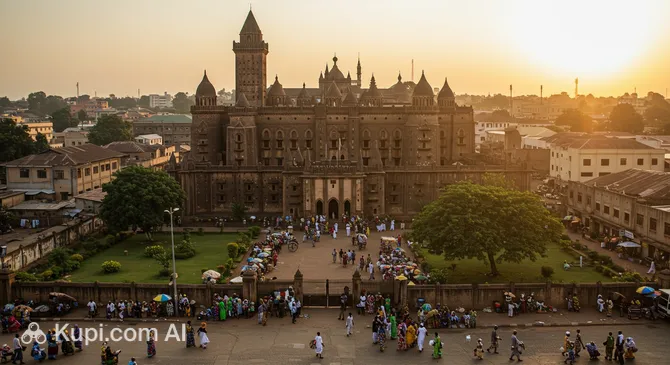
Benin City. Source: Kupi.Binoculars

Travelers looking to immerse themselves in local culture will find several compelling landmarks. The Oba's Palace, a historic National Monument found on the UNESCO Tentative List, remains the spiritual heart of the city and offers a rare glimpse into the traditional royal court. For art enthusiasts, Igun Street is an essential stop; here, members of the guild of bronze casters continue to create masterpieces using age-old techniques. Additionally, the Benin City National Museum houses a remarkable collection of artifacts, including terracotta, bronze, and cast iron pieces that narrate the region's storied past.

Whether you are exploring the remnants of the ancient city walls and moats or navigating the lively markets, Benin City promises a memorable experience. Its warm, humid climate and the hospitality of its people make it an inviting destination for anyone seeking to understand the true depth of Nigerian heritage.

Weather Overview

Benin City typically experiences a warm and humid tropical climate year-round. Temperatures are consistently high, with February marking the hottest period, where the average temperature rises to 29.7°C and daily highs can reach 35.1°C. The weather cools slightly during the middle of the year, with July and August seeing average temperatures dip to around 25.5°C.

Rainfall patterns define the seasons more than temperature changes. The city has a distinct wet season from March through October, where rain is very frequent, often occurring on up to 30 days in a month like September. Conversely, December and January offer a drier respite with significantly fewer wet days. For the most up-to-date forecast before your trip, check the weather in Benin City. Expect generally warm conditions with a high likelihood of rain if you are visiting between late spring and early autumn.

Interesting Facts

Beyond the main attractions, Benin City holds many fascinating secrets that reveal the sophistication of its pre-colonial civilization. The city's legacy goes far beyond its famous bronzes, hiding architectural and engineering marvels that once stunned early visitors.

  • The ancient Walls of Benin were once considered the largest man-made earthwork structure in the world. Archaeologists estimate that the complex network of ramparts and moats spanned over 16,000 kilometers in the surrounding area, consuming considerably more material than the Great Pyramid of Giza.

  • The city's original urban planning was based on fractal geometry, a complex mathematical concept where patterns repeat at different scales. This sophisticated layout was evident in the arrangement of family houses and courtyards, demonstrating an advanced understanding of mathematics long before the term was coined in the West.

  • Centuries ago, Benin City was one of the first cities in West Africa to feature a system of street lighting. Historical accounts describe huge metal lamps fueled by palm oil that were placed around the city and near the palace to illuminate the streets at night.

How to Get There

Reaching this historic metropolis is relatively straightforward, with air travel often being the most convenient choice for international and domestic visitors. For a comprehensive guide on all available transport options, including road routes, you can read more about how to get to Benin City.

The most direct way to arrive is by flying into Benin City Airport (BNI). Situated just 2.1 km from the heart of the city, it serves as the primary hub for travelers. Because the airport is located within the city limits, the transfer to the center is very quick; a taxi ride typically takes only about 20 to 25 minutes, depending on local traffic.

If flights to the local airport are unavailable, you can fly into Warri Airport (QRW), located in the city of Warri. This airport is approximately 85 km away from Benin City. A journey by taxi or bus from Warri to Benin City generally takes around 2.5 hours. Another viable alternative is Asaba Airport (ABB) in Asaba, which is roughly 118 km away, requiring a road trip of about 3 hours to reach your final destination.

For clarity, here is a summary of the main airports serving the region:

Airport Name City Passenger Traffic Km from City
Sam Mbakwe International Airport Owerri High 203.9
Benin City Airport Benin City Medium 2.1
Warri Warri Medium 85.1
Asaba Airport Asaba Medium 117.8
Ondo - Akure Airport Akure Low 106.2

While air travel is popular, many visitors also arrive by road. Benin City is a major transportation hub connecting western and eastern Nigeria. Several reputable transport companies operate daily bus services linking the city with Lagos, Abuja, and other major urban centers. The road network is extensive, though travel times can vary significantly based on traffic conditions.

Main Attractions

While the ancient history of Benin City is its primary draw, the modern metropolis offers a variety of contemporary venues where visitors can relax, shop, and experience the local lifestyle. Beyond the historic walls and museums, the city features several popular spots that cater to leisure, dining, and entertainment, providing a well-rounded travel experience.

For those seeking a serene environment or a place to enjoy social gatherings, Naomi Garden is a notable destination. This facility serves as a resort and event center, often hosting vibrant celebrations, outdoor parties, and cultural events. It is an excellent spot for tourists to witness the local social scene in a relaxed, well-maintained setting, offering a break from the hustle and bustle of the city center.

Naomi Garden. Source: Kupi.Binoculars

Travelers looking to indulge in some retail therapy or simply stock up on supplies will find Market Square to be the city's premier shopping hub. As a modern shopping mall, it provides a stark contrast to the traditional open-air markets. Here, visitors can find a wide array of goods, from fresh local produce and bakery items to international brands, making it a convenient and comfortable stop for all shopping needs.

Market Square. Source: Kupi.Binoculars

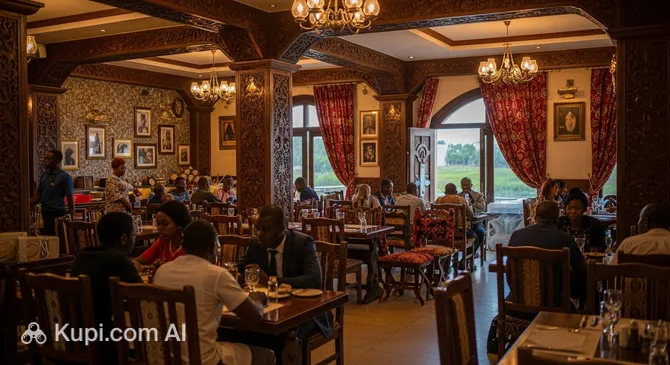
Dining and nightlife are also integral parts of the Benin City experience. The Tavern is a popular restaurant and lounge that attracts both locals and expatriates. Known for its welcoming atmosphere, it offers a diverse menu and a comfortable space to unwind after a day of sightseeing. Whether you are looking for a hearty meal or a place to enjoy a drink with friends, this venue captures the hospitable spirit of the city.

The Tavern. Source: Kupi.Binoculars

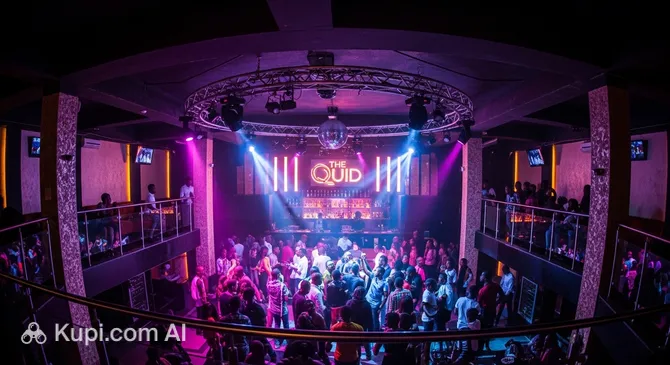
For those interested in the city's energetic nightlife, The Quid stands out as a vibrant night club. It is a go-to location for music lovers and those wanting to experience the rhythmic pulse of Benin City after dark. With its lively ambiance and modern setting, it offers a glimpse into the contemporary entertainment culture of southern Nigeria.

Local Cuisine

To create a truly immersive experience in Benin City, one must explore its rich culinary landscape. As the capital of Edo State, the city is a gastronomic hub where traditional Nigerian flavors are celebrated with deep pride. The local food culture revolves around hearty soups, fresh organic ingredients, and "swallows"—dough-like staples made from yam, cassava, or plantain—that serve as the foundation of almost every meal.

The undisputed star of the local menu is Black Soup, locally known as Omoebe. This nutritious delicacy gets its dark color and unique flavor from a blend of ground native vegetables, including bitter leaf, scent leaf, and uziza. It is typically enriched with an assortment of meats, smoked fish, and crayfish, creating a savory masterpiece that locals cherish. Another must-try is Owo Soup, a yellowish, creamy sauce usually prepared with palm oil and potash, often served with boiled yam or unripe plantain rather than the typical pounded yam.

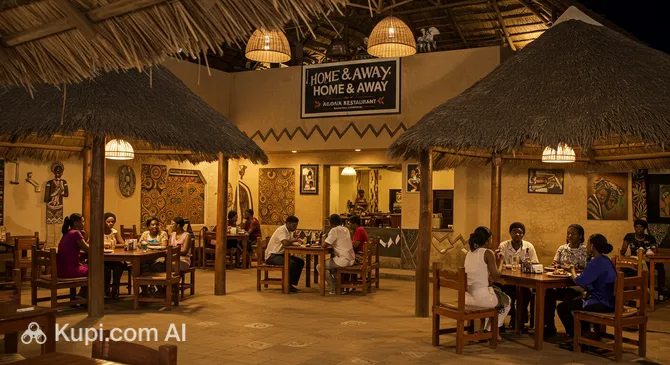
For those eager to sample authentic local dishes in a comfortable setting, Home & Away Restaurant is a well-regarded establishment. It is a popular choice for visitors wanting to taste properly prepared traditional meals, such as Pounded Yam with Egusi or the famous Edo Black Soup, in a welcoming environment that feels just like a home-cooked meal.

Home & Away Restaurant. Source: Kupi.Binoculars

Street food is also a vital part of the city's food culture. As the sun sets, the aroma of Suya—spicy, skewered beef grilled over open flames—fills the air. You will often find vendors at busy junctions serving this popular snack wrapped in old newspaper with onions and cabbage. Roasted plantain, known as Boli, paired with groundnuts or grilled fish, is another favorite quick bite that offers a delicious balance of sweet and savory flavors.

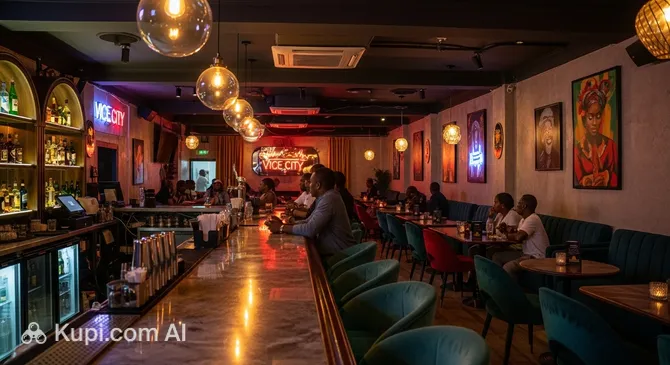
When it comes to drinks, the locals enjoy fresh Palm Wine, a natural alcoholic beverage tapped from palm trees, which is best enjoyed fresh in the evening. For a more modern social experience, you can visit Vice City. This bar offers a lively atmosphere where tourists can enjoy a cold beer, local bitters, or non-alcoholic cocktails like the fruity Chapman while soaking in the vibrant energy of Benin City's nightlife.

Vice City. Source: Kupi.Binoculars

Travel Tips

Welcome to Benin City, a destination where deep-rooted history meets the hustle of modern Nigerian life. To ensure your visit to this cultural capital is as smooth and enjoyable as possible, we have compiled a list of essential practical tips to help you navigate the city with confidence.

  1. Clothing and Gear: Given the tropical climate, lightweight and breathable fabrics like cotton or linen are your best friends here. The weather is generally hot and humid, so pack loose-fitting clothes. However, if you are visiting during the rainy season (roughly March to October), a sturdy umbrella or a light raincoat is indispensable. For footwear, comfortable walking shoes are a must, especially if you plan to explore the unpaved areas around historic sites. When visiting the Oba's Palace or other traditional grounds, modest attire is expected; avoid overly revealing clothing to show respect for local customs.
  2. Transportation: Getting around Benin City requires a bit of planning. While yellow minibuses and tricycles (known locally as Keke Napep) are ubiquitous and cheap, they can be crowded and confusing for first-time visitors. The most comfortable and secure option is to use ride-hailing apps like Bolt, which are active in the city, or to hire a private car with a local driver for the duration of your stay. This not only ensures air-conditioned comfort but also provides you with a knowledgeable local guide.
  3. Finances: The local currency is the Nigerian Naira (NGN). While major hotels and modern malls like Market Square accept debit and credit cards (Visa and Mastercard are most common), cash is still king in local markets, taxis, and smaller eateries. ATMs are widely available, particularly near banks on major roads like Akpakpava and Airport Road, but they can occasionally be out of service, so it is wise to carry enough cash for daily expenses. Tipping is not strictly mandatory but is highly appreciated for good service.
  4. Health and Safety: Malaria is a risk throughout Nigeria, so packing strong insect repellent and wearing long sleeves in the evenings is highly recommended. Always drink bottled water and avoid tap water or ice cubes of unknown origin to prevent stomach issues. Pharmacies are available in the city center, but for serious medical needs, head to a reputable private clinic or the University of Benin Teaching Hospital. As in any major city, stay aware of your surroundings, avoid walking alone in poorly lit areas at night, and keep valuables secure.
  5. Communication: English is the official language and is widely spoken, so you will have no trouble communicating. However, you will often hear Pidgin English, a colorful local creole. Learning a few phrases like "How far?" (How are you?) or "Wetin dey happen?" (What's up?) can be a great icebreaker. To stay connected, you can buy a SIM card from major providers like MTN, Glo, or Airtel at the airport or official stores; remember that you will need your passport for mandatory registration.
  6. Local Etiquette: Respect for elders and traditional authority is a pillar of Edo culture. It is polite to greet people properly before asking a question; a simple "Good morning" or "Good afternoon" goes a long way. When handing over money or an object to someone, always use your right hand. Using the left hand is considered culturally rude and unclean in traditional settings.
  7. What to Avoid: refrain from taking photographs of government buildings, military personnel, or police officers, as this is strictly prohibited and can lead to complications. Additionally, never take photos of the Oba's Palace or traditional shrines without explicit permission from the custodians, as these are sacred sites with strict protocols.
  8. Souvenir Tip: If you plan to buy the famous Benin bronze artworks, head directly to Igun Street. This is the home of the guild of bronze casters, a UNESCO Cultural Heritage site. Buying here ensures authenticity and supports the local artisans directly. Be prepared to bargain politely; it is part of the shopping experience and is done with a smile.

By keeping these tips in mind, you will be well-prepared to embrace the warmth and vibrancy of Benin City. Enjoy the rich heritage, the delicious cuisine, and the welcoming spirit of the Edo people!

Entertainment & Nightlife

As the sun sets over Edo State, Benin City transforms from a bustling historical hub into a vibrant center of entertainment. The nightlife here is energetic and deeply influenced by the Nigerian love for music and celebration. The city's social scene is dominated by open-air lounges, lively bars, and pulsing nightclubs where Afrobeats, Hip Hop, and Highlife music keep the atmosphere electric until the early hours of the morning.

The epicenter of nightlife in Benin City is undoubtedly the Government Reservation Area (GRA). This district, particularly around Ihama Road and Adesuwa Road, is densely packed with upscale venues and is considered the safest and most fashionable part of town for a night out. Here, the crowd is a mix of young professionals, expatriates, and stylish locals, creating a cosmopolitan vibe. Most venues do not have a strict dress code, but "smart casual" is the standard expectation—locals like to dress well, so leave the beachwear for the day.

For those looking to dive straight into the party scene, The Quid is a standout destination. Known for its modern lighting, thumping sound system, and energetic DJs, this nightclub offers a quintessential Nigerian clubbing experience. It is the perfect spot to dance the night away and mingle with the city's fun-loving crowd. The venue typically picks up steam after 10:00 PM and stays lively well into the night.

The Quid. Source: Kupi.Binoculars

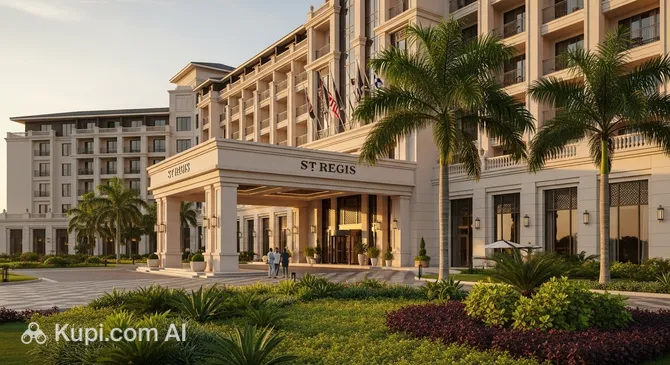
If you prefer a more relaxed evening that combines leisure with entertainment, St. Regis offers a sophisticated resort-style atmosphere. It is an excellent choice for travelers who want to enjoy a quiet drink by the poolside or a nice dinner in a serene environment before the night gets older. The venue often hosts events and provides a comfortable escape from the more chaotic street-side bars.

St. Regis. Source: Kupi.Binoculars

When planning your night out, safety and logistics should be top priorities. While the GRA is generally safe for evening activities, it is advisable to avoid walking alone on unlit streets at night. Public transportation like minibuses stops running late, so the best way to get around is by using ride-hailing apps like Bolt or hiring a private taxi from your hotel. Prices for drinks and entry fees in the GRA are higher than in other parts of the city but are still reasonable by international standards. Always carry some cash (Naira), as POS machines can occasionally be unreliable due to network issues.

While the nights are for partying, the daytime offers a different kind of entertainment focused on culture and lifestyle. Before the sun goes down, you can explore the city's rich heritage at the National Museum or enjoy a modern shopping experience at Phil HallMark Supermarket. This large shopping complex is a favorite among locals for browsing a wide variety of goods, offering a cool, air-conditioned break from the afternoon heat.

Parks & Museums

Benin City is a destination where history is not just preserved in books but is etched into the landscape and vibrant cultural institutions. While the metropolis is known for its bustling energy, it also houses significant spaces dedicated to preserving the legacy of the Great Benin Kingdom, as well as green pockets where visitors can connect with nature.

For those seeking to understand the artistic grandeur of the region, the Benin City National Museum is the premier stop. Located strategically at King's Square (Ring Road), right in the heart of the city, this institution is a treasure trove of Edo heritage. It houses an impressive array of artifacts, including the world-famous bronze sculptures, terracotta figures, and cast iron pieces that demonstrate the technical mastery of ancient craftsmen. The museum provides a comprehensive narrative of the Benin Empire, offering context to the traditions that are still practiced today.

Another unique cultural venue is Igun Street, often described as an open-air gallery. Recognized as a UNESCO Cultural Heritage site, this street is the ancestral home of the bronze casters' guild. Unlike a static museum, this is a living workspace where you can watch artisans fashion intricate sculptures using the ancient "lost-wax" method. It is the perfect place to appreciate the continuity of Benin's artistic traditions and perhaps acquire a piece of history directly from the creators.

When it comes to nature and outdoor recreation, the Ogba Zoo and Nature Park stands out as the city's primary green sanctuary. Located a short drive from the city center, this facility covers a vast area of land and serves as both a botanical garden and a zoological park. It is particularly known for its conservation efforts and houses a variety of animals, including primates, big cats, and antelopes. The park's landscaped gardens and picnic areas make it a favorite spot for families and anyone looking to escape the urban noise for a few hours.

History enthusiasts should also take note of the Benin Moat (or Iya), a monumental earthwork that encircles parts of the city. Although not a park in the conventional sense, this ancient defensive structure is one of the largest man-made earthworks in the world, surpassing the Great Wall of China in length if all its branches were laid out. While some sections are overgrown, guided tours can take you to preserved areas where you can appreciate the sheer scale of this pre-colonial engineering marvel.

For a truly authentic experience, try to visit the Victor Uwaifo Art Gallery if you have an interest in contemporary Nigerian art and music. Owned by the late legendary musician and artist Sir Victor Uwaifo, this private gallery showcases a fascinating collection of eclectic sculptures and paintings that reflect the folklore and mythology of the Edo people, offering a whimsical contrast to the solemn history of the National Museum.

Getting Around

Navigating Benin City is an experience defined by its bustling road-based network rather than a structured rail or metro system. There are no subways, trams, or trolleybuses here. Instead, the city relies on a dynamic, informal mix of minibuses, tricycles, and taxis that connect the central districts with the sprawling suburbs. For a visitor, the system might seem chaotic at first, but it is the lifeline of the city, offering a cheap and authentic way to move around.

The most ubiquitous form of transport is the minibus, locally known as "tuke-tuke" or simply "bus." These vehicles ply fixed routes along major arteries, such as Airport Road, Akpakpava, and Sapele Road, usually converging at the city center near Ring Road. For shorter distances or trips into residential neighborhoods where buses do not go, the yellow tricycle, widely called "Keke Napep," is the standard choice. They are nimble, breezy, and can navigate narrower streets that larger vehicles cannot access. While commercial motorcycles (Okada) were once common, they have been restricted in many parts of the metropolis to improve safety and security.

Payment across the public transport network is exclusively in cash. There are no electronic travel cards, passes, or mobile tapping systems for buses or tricycles. You simply pay the driver or the conductor (often referred to as the "motor boy") during the journey. Fares are generally very affordable and are fixed for specific drops, though prices may fluctuate slightly depending on fuel costs or the time of day. It is essential to carry smaller denominations of the local currency, as drivers often struggle to find change for high-value notes.

For tourists seeking more comfort and convenience, ride-hailing apps are a popular and reliable alternative. Bolt is widely active in the city and offers a safer, air-conditioned experience compared to public buses. These apps allow you to see the estimated fare upfront and pay via card or cash, eliminating the need to haggle. Traditional taxis are also available and can be hailed from the roadside or found at designated parks; however, they lack meters, so you must negotiate and agree on a fare with the driver before getting in.

If you choose to use public transport, operate within daylight hours, typically from 6:00 AM to around 9:00 PM. Late-night public transport can be scarce and is generally not recommended for visitors unfamiliar with the area. When boarding a bus, be prepared for a crowded environment and loud music, which is part of the local charm. Always keep your valuables secure and close to your body. Traffic congestion, locally known as "go-slow," is common during rush hours, so it is wise to add extra time to your schedule when planning to cross the city.

Accommodation

Finding the right place to stay in Benin City is relatively easy, as the city offers a broad spectrum of accommodation options to suit various preferences and budgets. The hospitality landscape ranges from modest, budget-friendly guesthouses and motels to mid-range hotels and more luxurious resorts. While you may not find global hotel chains in abundance, there are numerous locally run establishments that provide excellent service, comfortable amenities, and a taste of genuine Nigerian hospitality.

For tourists, the most recommended area to stay is the Government Reservation Area (GRA). This district is widely considered the safest and most upscale part of the city. It is characterized by well-paved roads, constant street lighting, and a quieter atmosphere compared to the bustling commercial centers. Staying in the GRA also places you conveniently close to the airport, major attractions like the National Museum, and the city's best restaurants and nightlife spots.

Among the notable establishments in the city, St. Regis is a prominent choice for travelers seeking comfort and style. As a resort hotel, it offers a relaxing environment that serves as a peaceful retreat after a day of exploration. Similarly, Naomi Garden provides a unique setting that combines accommodation with extensive outdoor space, making it a popular venue for those who appreciate a resort-style atmosphere within the city limits.

When planning your trip, it is advisable to book your accommodation in advance, especially if you are visiting during the festive season in December. This is when the city comes alive with the annual Igue Festival and numerous cultural events, leading to a high demand for rooms. While major hotels are listed on international booking platforms, many smaller but excellent guesthouses may require direct booking via phone or their specific websites.

Price ranges vary significantly depending on the location and facilities. Budget options are quite affordable and widely available, while luxury stays in the GRA command higher rates comparable to other major Nigerian cities. Regarding payment, while top-tier hotels readily accept credit and debit cards, it is always wise to have some cash on hand for smaller deposits or incidental services during your stay.

Nearby Cities

For those looking to explore the surroundings, Benin City serves as an excellent base for day trips to several interesting nearby locations:

Warri, situated approximately 89 kilometers south, is a major hub in Delta State known as the "Oil City." Beyond its industrial significance, it is famous for its unique cultural energy and is widely regarded as the home of Nigerian Pidgin English. A visit here offers a chance to experience the vibrant lifestyle of the Niger Delta region and explore local markets and palace grounds.

To the northwest lies Akure, the capital of Ondo State. This city is a fantastic destination for nature lovers and hikers, as it serves as the gateway to the breathtaking Idanre Hills. These ancient hills are a UNESCO World Heritage tentative site, featuring massive granite peaks and the remains of an ancient settlement, offering spectacular panoramic views and a deep dive into Yoruba history.

Asaba, located on the western bank of the majestic River Niger, is another compelling option. As the capital of Delta State, it combines rapid modern development with colonial history. Visitors can view the iconic Niger Bridge, which connects western and eastern Nigeria, and visit historical landmarks such as the Mungo Park House, a relic of the Royal Niger Company era.

City Population Distance (km)
Onitsha 1,483,000 133
Ikare 1,099,931 133
Akure 847,903 111
Warri 830,106 89
Asaba 802,000 122

These nearby destinations offer a glimpse into the diverse culture and landscapes of the region.

Shopping & Souvenirs

Shopping in Benin City offers a fascinating mix of ancient tradition and modern convenience, reflecting the city's dual character as a historic capital and a growing metropolis. Visitors can navigate between bustling open-air markets that have existed for centuries and air-conditioned department stores that offer contemporary goods. While the city is not a global fashion capital, it is an exceptional destination for acquiring authentic African art, cultural artifacts, and traditional textiles that are unique to the Edo people.

For those interested in the commercial pulse of the city, Mission Road and Akpakpava Road serve as the primary commercial arteries. These streets are lined with a multitude of shops selling electronics, fabrics, and household goods. However, for a truly unique experience, Igun Street is the most significant destination for tourists. Recognized as a UNESCO Cultural Heritage site, this street is the ancestral home of the bronze casters. It functions as an open-air gallery where you can walk from shop to shop, watching artisans at work and purchasing world-renowned bronze sculptures directly from the source.

If you prefer a modern retail environment, the city has several large shopping centers that provide a comfortable escape from the heat. Market Square is a popular choice, offering a one-stop experience for groceries, fresh bakery items, and household essentials in a clean, organized setting. It is a great place to pick up snacks or travel supplies.

Another notable establishment is Phil HallMark Supermarket. This is one of the largest department stores in the city, known for its wide variety of products ranging from clothing and accessories to electronics and gifts. It is a reliable spot for tourists looking for quality goods and fixed prices.

Phil HallMark Supermarket. Source: Kupi.Binoculars

To witness the local way of life, a visit to the traditional markets is essential. Oba Market, located near the King's Square, is the city's most famous trading hub. It is a sprawling labyrinth of stalls selling everything from local spices and bushmeat to colorful fabrics and beads. While it can be chaotic and crowded, it offers an authentic glimpse into the daily commerce of Edo State. New Benin Market is another major center, particularly known for its vast selection of foodstuffs and affordable clothing.

When it comes to souvenirs, Benin City is arguably the best place in Nigeria to buy bronze and brass castings. These intricate pieces, depicting royal heads and historical scenes, are the city's signature craft. Additionally, wood carvings and traditional coral beads—which hold significant status in Edo culture—make for meaningful keepsakes. Colorful Ankara fabrics are also widely available and can be tailored into custom outfits by local seamstresses within a few days.

Most shops and supermarkets typically open around 8:00 AM or 9:00 AM and close between 8:00 PM and 9:00 PM, Monday through Saturday. Sunday hours are often reduced, with some smaller shops remaining closed. regarding payment, cash is king in the open markets and smaller stalls, so it is essential to carry Nigerian Naira in smaller denominations. However, major supermarkets like Market Square and Phil HallMark, as well as upscale boutiques, readily accept debit and credit cards.

Tourists should be aware that Nigeria does not currently operate a tax-free shopping or VAT refund scheme for international visitors. The price displayed on items in supermarkets is generally the final price, inclusive of all applicable taxes. In open markets, prices are rarely fixed, and bargaining is an expected and spirited part of the shopping process.

Reached the end of the page?

That means the route is fully explored