Support

Ilorin

About

Welcome to Ilorin, the bustling capital of Kwara State and a city renowned for its peaceful atmosphere and cultural diversity. Often celebrated for its harmony, Ilorin offers a unique blend of traditional charm and modern development. It serves as a significant commercial and administrative hub, sitting at the geographic transition point between the savannahs of the north and the forests of the south.

Located in western Nigeria, the city is home to a growing population of approximately 847,000 people. Its strategic location facilitates a vibrant mix of cultures, making it a fascinating destination for travelers interested in experiencing the authentic heart of the country. The climate is generally tropical, characterized by distinct wet and dry seasons that shape the rhythm of local life.
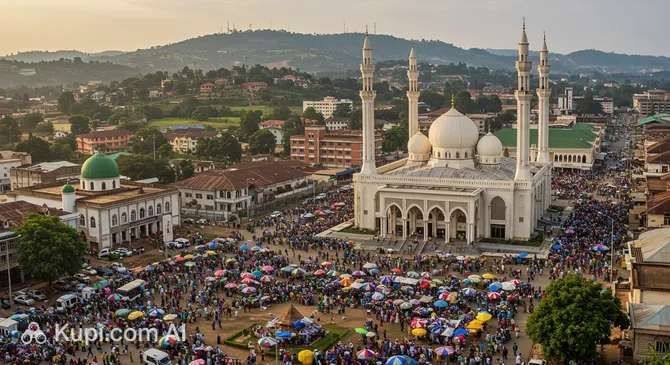
Ilorin. Source: Kupi.Binoculars

The rich history of Ilorin is evident in its architecture and social structure, which harmoniously blends Yoruba heritage with Islamic influences. This historical depth provides a compelling backdrop for exploration, offering visitors a glimpse into the traditions that have shaped the region over centuries.

Travelers will find plenty to admire, including the majestic Emir's Palace, which serves as a cultural focal point and a symbol of traditional authority. Another must-visit is the famous Dada Pottery workshop, where distinct traditional pottery-making skills have been passed down through generations of women. For those interested in local commerce and daily life, the vibrant markets offer a colorful array of textiles and crafts.

Whether you are passing through or planning a dedicated stay, Ilorin invites you to experience its warm hospitality and serene environment. It is a perfect spot to discover the true spirit of this dynamic region.

Weather Overview

Ilorin experiences a tropical climate defined by consistently warm temperatures and two distinct seasons. The hottest period of the year typically occurs in March, where the average temperature is around 31.2°C and daily highs can reach up to 37.6°C. In contrast, the coolest month is generally August, with average temperatures dipping to approximately 25.6°C.

Precipitation plays a major role in the local weather patterns. The wet season spans from April to October, with rainfall peaking in August and September, which can see more than 20 wet days each. The dry season, particularly from November to February, brings clear skies and almost no rainfall. For those planning a trip, checking the detailed weather in Ilorin is recommended to pack appropriately.

Travelers should expect hot, dry conditions during the winter months, while the summer and early autumn months offer cooler temperatures accompanied by frequent rain.

Interesting Facts

Beyond its reputation as a commercial hub, Ilorin holds fascinating secrets that speak to its deep historical roots and geography. Here are a few unique facts that make this city truly stand out.

  • The Iron Sharpener: The name "Ilorin" has a literal meaning derived from the Yoruba words for "iron" and "sharpening." It refers to the Okuta Ilorin, a legendary granite stone used by the city's early settlers to sharpen their metal weapons and tools, which can still be viewed today in the Idi-Ape quarters.

  • Sobi Hill's Sacred Views: Dominating the city's landscape is Sobi Hill, which offers more than just panoramic views. It is revered as a spiritual ground where many locals go for meditation, and its distinct light-colored rock formation makes it a recognizable natural landmark visible from many parts of the city.

  • A Hub for Aso Oke: While often associated with other Yoruba cities, Ilorin is a major, yet sometimes overlooked, producer of Aso Oke, the prestigious traditional hand-woven fabric. The city's weavers are celebrated for their skill in creating complex, colorful patterns that are highly sought after for weddings and festivals across Nigeria.

  • A University Giant: The University of Ilorin is noted not just for its academic standing but for its immense size. It possesses one of the largest landmasses of any university in the country, spanning tens of thousands of hectares, much of which remains preserved as natural savannah.

How to Get There

Reaching Ilorin is relatively convenient, with options suiting different travel preferences. Whether you are arriving from within Nigeria or from abroad, planning your journey in advance will ensure a smooth experience. For a complete guide on transport options, you can read more about how to get to Ilorin.

The city is directly served by Ilorin International Airport (IATA: ILR), which is the most convenient entry point. Located just 12.1 km from the city center, it handles domestic flights and connects the region to other parts of the country. A taxi ride from the airport to downtown typically takes around 38 minutes. Although it is a regional hub with moderate passenger traffic, flying directly here saves significant travel time compared to road transfers.

For international visitors, the major gateway is usually Murtala Muhammed International Airport (IATA: LOS) in the city of Lagos. It is the busiest airport in the country and welcomes flights from around the globe. However, it is situated approximately 255 km from Ilorin. Travelers landing here should be prepared for a road journey of about 6 hours and 45 minutes to reach Ilorin. Alternatively, you can fly into Ondo - Akure Airport (IATA: AKR) in Akure, which is about 165 km away, involving a transfer time of roughly 4.5 hours.

For clarity, here is a summary of the main airports:

Airport Name City Passenger Traffic Km from City
Murtala Muhammed International Airport Lagos Very High 255.4
Benin City Airport Benin City Medium 271.8
Ilorin International Airport Ilorin Medium 12.1
Ondo - Akure Airport Akure Small 165.3

Main Attractions

Exploring Ilorin offers a delightful journey through Nigerian history, traditional craftsmanship, and scenic landscapes. The city's attractions reflect its unique position as a cultural meeting point, providing visitors with meaningful experiences ranging from hiking ancient hills to witnessing age-old artistic traditions.

Emir's Palace

Situated in the very heart of the city, the Emir's Palace is one of the most significant historical landmarks in the region. It serves as the residence of the traditional ruler and stands as a symbol of the city's rich heritage. Tourists are often captivated by the palace's architecture, which blends traditional northern Nigerian designs with modern touches. It is a vibrant center for cultural festivals and a great place to learn about the administrative history and royal traditions of the Ilorin Emirate.

Dada Pottery

For art lovers and those interested in indigenous crafts, the Dada Pottery workshop is an essential stop. Located in the Oke-lele district, this is the largest traditional pottery center in the city. Here, you can watch skilled women mold clay into beautiful pots, jugs, and cooking vessels using techniques that have been preserved for centuries. It is not just a place to observe; visitors can purchase unique, hand-crafted souvenirs that represent the artistic soul of the community.

Sobi Hill

Rising approximately 394 meters above sea level, Sobi Hill is a favorite destination for nature enthusiasts and hikers. The hill is composed of light-colored reddish-brown rocks, offering a striking contrast to the surrounding greenery. A climb to the top rewards adventurers with a panoramic view of the entire city, making it a perfect spot for photography and picnics. The serene environment also attracts those looking for a quiet escape from the bustling city streets.

National Museum Ilorin

To gain a deeper understanding of the region's past, a visit to the National Museum is highly recommended. The museum houses a fascinating collection of archaeological and ethnographic artifacts, including ancient stone images, pottery, and ceremonial masks. It provides educational insights into the diverse cultures that inhabit Kwara State and is an excellent destination for families and history buffs alike.

Local Cuisine

The culinary landscape of Ilorin is a delightful reflection of its geographical position as a gateway between the northern and southern regions of Nigeria. This unique location has created a fusion of flavors, offering food lovers the best of Yoruba cuisine alongside savory dishes influenced by the Hausa and Fulani cultures. Exploring the local food scene is an essential part of experiencing the city's warm hospitality.

The absolute signature delicacy of Ilorin is Wara, a local soft cheese made from fresh cow's milk. Unlike the aged cheeses found in Europe, Wara is typically prepared fresh and has a firm yet tender texture. You will find it sold by street vendors throughout the city, either boiled or, more popularly, deep-fried until golden brown. It is often eaten as a snack on its own or dipped in a spicy pepper sauce, offering a savory taste that is synonymous with Kwara State.

For a hearty main meal, Amala served with Gbegiri and Ewedu soups is a staple that locals cherish. The Gbegiri (bean soup) and Ewedu (jute leaf soup) are often mixed to create a colorful and flavorful combination known as "Abula." Due to the city's northern influences, you will also frequently find Tuwo Shinkafa, a soft rice pudding served with rich vegetable soups like Miyan Kuka. Pounded Yam, known locally as Iyan, is another favorite, typically reserved for special occasions or a luxurious lunch.

To quench your thirst in the tropical heat, local non-alcoholic beverages are widely available and incredibly refreshing. Kunu, a milky drink made from millet or sorghum, is a popular choice for its sweet and spicy undertones. Another favorite is Zobo, a tangy drink made from dried hibiscus petals, often spiced with ginger and cloves. These drinks are usually sold chilled in bottles or tied in clear bags at markets and street corners.

The food culture in Ilorin is communal and unpretentious. While there are modern restaurants, the most authentic flavors are found in local "bukas" (casual eateries) and open-air markets. In the evenings, the aroma of Suya—spicy grilled skewered meat—fills the air as vendors set up their grills along the roadsides, creating a vibrant atmosphere where locals gather to enjoy meat, onions, and spice blends.

Travel Tips

Visiting Ilorin is a rewarding experience, offering a chance to immerse yourself in a city known for its peaceful coexistence and rich cultural heritage. To ensure your journey through the capital of Kwara State is as smooth and enjoyable as possible, we have compiled a list of practical advice to help you prepare.

  1. Clothing and Gear: Due to the tropical climate, lightweight and breathable fabrics like cotton or linen are essential to stay cool, especially during the hot dry season. Since Ilorin has a strong Islamic influence and traditional values, it is respectful to dress modestly; avoid overly revealing attire, and ensure shoulders and knees are covered when visiting religious sites or the Emir's Palace. Comfortable walking shoes are a must for exploring markets or hiking up Sobi Hill.

  2. Transportation: The most common ways to get around the city are by conventional taxis and tricycles, locally known as Keke Napep. While ride-hailing apps are becoming more popular in major Nigerian cities, they may be less reliable here than in Lagos or Abuja, so keeping the number of a trusted local taxi driver is a good idea. Always negotiate and agree on the fare before starting your journey if the vehicle does not use a meter.

  3. Finances: The official currency is the Nigerian Naira (NGN). While modern supermarkets and hotels accept debit cards, cash is king in local markets, smaller shops, and when buying street food like Wara. ATMs are widely available in the city center, but it is wise to carry enough cash for daily expenses in case of network downtime.

  4. Health and Safety: Ilorin is generally considered one of the more peaceful cities in the region, but standard travel precautions apply; avoid poorly lit areas at night. Malaria is a risk in tropical environments, so bring mosquito repellent and consider sleeping under a treated net. Pharmacies are available in the city, but always drink bottled water to avoid waterborne illnesses.

  5. Communication: English is the official language and is widely understood in hotels and business settings. However, the dominant local language is Yoruba. Learning a few basic phrases like "E ka aro" (Good morning) or "E se" (Thank you) will go a long way in building rapport with the locals. SIM cards from major providers like MTN or Airtel are easy to purchase, but you will need your passport for registration.

  6. Local Etiquette: Respect for elders is a cornerstone of the culture here. When greeting an older person, a simple nod is often insufficient; a polite bow or curtsy is appreciated. Always use your right hand for eating, giving, or receiving items, as using the left hand is considered culturally rude and unhygienic.

  7. What to Avoid: refrain from taking photographs of government buildings, military personnel, or the airport, as this can lead to uncomfortable situations with authorities. Additionally, avoid public displays of affection, which are generally frowned upon in this conservative society.

  8. Market Tip: If you plan to buy the famous Aso Oke fabric, visit the markets early in the morning for the best selection. Don't be afraid to haggle; bargaining is an expected and friendly part of the shopping experience in open-air markets.

By keeping these tips in mind, you will be well-equipped to navigate the city with confidence and respect. Ilorin is a welcoming destination, and a little cultural awareness will ensure you leave with fond memories of its warm hospitality and vibrant traditions.

Entertainment & Nightlife

While Ilorin is often celebrated for its tranquility and cultural heritage, the city offers a surprisingly vibrant nightlife scene that caters to both locals and visitors. Unlike the chaotic energy of larger metropolises, entertainment here is more about relaxed socializing, good music, and enjoying the company of friends in a secure environment. The nightlife strikes a pleasant balance, offering everything from energetic dance floors to laid-back outdoor lounges.

The heartbeat of the city's evening entertainment is undoubtedly the GRA (Government Reservation Area). This upscale district is home to the highest concentration of modern bars, lounges, and hotels, making it the safest and most popular destination for a night out. Another buzzing area is Tanke, which thrives on the energy of the student population from the nearby University of Ilorin. Here, you will find a more casual, youthful atmosphere with numerous spots to grab a drink and enjoy late-night snacks.

For those looking to experience the local clubbing scene, Soundbar Classy is a standout venue. Known for its lively DJ sets and energetic crowd, it is the place to go if you want to dance the night away. If you prefer a more relaxed setting to enjoy a conversation over cocktails or cold beer, Oxygen Lounge offers a stylish ambiance with comfortable seating and a good selection of drinks. Bekandims is another local favorite, functioning as a recreational hub that combines a hotel, outdoor bar, and restaurant, perfect for a mixed group looking for variety.

The atmosphere in Ilorin’s nightlife venues is generally welcoming and unpretentious. The crowd is a mix of university students, young professionals, and expatriates. The dress code is typically smart-casual; while you don't need to dress formally, looking neat is appreciated, especially in the lounges within the GRA. Most venues start filling up around 8:00 PM, with the peak energy hitting between 10:00 PM and midnight, particularly on Fridays and Saturdays.

Practicality is key when planning your night. Prices in Ilorin are relatively affordable compared to Lagos or Abuja. A bottle of beer or a cocktail is reasonably priced, allowing for a fun night without breaking the bank. However, transportation requires some planning. The popular yellow tricycles (Keke Napep) usually stop operating between 9:00 PM and 10:00 PM. For late-night movement, it is essential to have the number of a trusted taxi driver or arrange for a private drop-off, as ride-hailing services may be less frequent at night.

Safety is a priority, and Ilorin is considered one of the safer cities in Nigeria. The GRA is well-lit and patrolled, making it the best area for night walks or bar-hopping. However, it is always advisable to stay in groups, avoid unlit side streets in the outskirts, and keep your valuables secure.

Beyond the nightlife, Ilorin offers engaging daytime entertainment options. Viva Cinemas, located within the Palms Shopping Mall, is the go-to spot for catching the latest blockbuster movies in a modern setting. For families or those seeking lighthearted fun, Diamond Park provides a green space for relaxation and amusement. Whether you are catching a movie or sipping a drink in a lounge, Ilorin ensures your leisure time is well spent.

Parks & Museums

While Ilorin is primarily known as a commercial and administrative center, the city and its surroundings offer refreshing pockets of greenery and profound cultural repositories. For travelers looking to step away from the bustling markets, the city provides serene gardens, zoological parks, and museums that preserve the artistic and historical legacy of Kwara State.

Unilorin Zoo and Botanical Garden

Located within the vast campus of the University of Ilorin, this facility is one of the city's premier destinations for nature lovers and families. The zoo is home to a variety of animals, including lions, ostriches, and primates, offering an educational experience regarding local wildlife. Adjacent to the animal enclosures is a lush botanical garden, which serves as a peaceful retreat for picnics and leisurely walks. The abundance of indigenous trees and the canopy of green make it an excellent spot to escape the midday heat.

Diamond Park

Situated in the city center, Diamond Park is a modern recreational space that caters to those seeking relaxation without leaving the urban environment. It features well-maintained lawns, walking paths, and playgrounds, making it a favorite among locals for evening strolls and family outings. The park often hosts small events and provides a clean, safe atmosphere where visitors can sit back and enjoy the slower pace of life that Ilorin is famous for.

National Museum Ilorin

Although briefly mentioned as a landmark, the National Museum deserves specific attention for its role as a custodian of Nigerian heritage. The museum is renowned for its impressive collection of ethnographic artifacts, including traditional pottery, ceremonial masks, and ancient stone tools found in the region. It specifically highlights the cultural convergence of the Yoruba and Northern tribes, offering tourists a deeper intellectual dive into the customs and craftsmanship that shaped the Ilorin Emirate.

Esie Museum

While technically located about 45 minutes from Ilorin in the town of Esie, this museum is a crucial cultural site for anyone staying in the capital. It was the first museum established in Nigeria and houses the world's largest collection of soapstone images. The mysterious origin of these hundreds of stone figures remains a subject of fascination and legend. A day trip here is highly recommended for history enthusiasts who want to witness one of the country's most enigmatic archaeological treasures.

For a truly local experience, consider visiting the Unilorin Dam area. It is a lesser-known spot frequented mostly by students and residents for its scenic waterfront views and tranquil environment. It is an ideal location for a quiet sunset or birdwatching, offering a raw and unpolished connection with nature.

Getting Around

The public transport system in Ilorin is almost entirely road-based and informal, differing significantly from the structured networks found in many Western cities. There is no metro, tram, or train service for intra-city commuting. Instead, the city relies on a mix of tricycles, taxis, and minibuses that weave through the streets, providing a flexible and accessible way to navigate the area.

The most ubiquitous mode of transport is the commercial tricycle, locally known as Keke Napep. These yellow or green three-wheeled vehicles serve as the backbone of the city's transit, bridging the gap between main roads and residential neighborhoods. They are favored for their ability to maneuver through traffic and reach areas that larger vehicles cannot. For longer distances or travel between major districts, conventional taxis and minibuses (often referred to as "Korope") are the standard options. These vehicles typically operate on set routes, picking up and dropping off passengers along the way.

Payment for public transport is strictly cash-based. There are no travel passes, smart cards, or digital ticketing systems for the general bus or tricycle networks. Fares are generally low and affordable, paid directly to the driver or conductor upon boarding or alighting. It is essential to carry the local currency in smaller denominations, as drivers often struggle to find change for high-value banknotes. While prices for standard routes are relatively fixed and well-known to locals, they are not displayed on boards, so it is helpful to ask a fellow passenger what the standard rate is to avoid being overcharged.

For tourists seeking a more comfortable and private alternative, modern ride-hailing apps have established a presence in the city. Services like Bolt allow users to book rides via a smartphone, offering transparent pricing and the convenience of door-to-door service without the need to haggle. This is often the best choice for visitors unfamiliar with local landmarks or those traveling with luggage. Traditional car hire services are also available at the airport and major hotels for those who prefer a dedicated vehicle and driver for the day.

When using the local "shared" taxis or Keke, it is important to understand the difference between a "drop" and "town service." A "drop" effectively charters the vehicle for a private ride to your specific destination and costs significantly more, while "town service" involves sharing the ride with strangers and stopping frequently. Always clarify which service you are requesting before getting in to avoid confusion over the fare.

Public transport generally operates from the early morning, around 6:00 AM, until approximately 9:00 PM or 10:00 PM. Late-night services are scarce, and tricycles are often restricted from operating in certain areas after dark for security reasons. Visitors are advised to plan their movements during daylight hours or arrange for a trusted private taxi or ride-hailing service if they need to travel late at night.

Accommodation

Finding a place to stay in Ilorin is generally a hassle-free experience, as the city offers a welcoming mix of accommodation options to suit various budgets and preferences. The hospitality landscape ranges from modest, budget-friendly guesthouses and lodges to mid-range business hotels and a few establishments that offer a touch of luxury. Whether you are visiting for business, leisure, or to attend a university function, you will likely find a comfortable base that meets your needs.

When choosing where to stay, location is a key factor. The most sought-after neighborhood for tourists and business travelers is the Government Reservation Area (GRA). This district is known for its leafy streets, better security, and tranquility, making it the preferred location for higher-end hotels and short-let apartments. On the other hand, the Tanke area is vibrant and bustling, largely due to its proximity to the University of Ilorin. This neighborhood is ideal for those looking for budget accommodation, lively street food scenes, and a younger crowd.

For travelers seeking modern amenities such as swimming pools, fitness centers, and reliable Wi-Fi, the city boasts several reputable establishments. Well-known names like Princess Luxury Hotels and Wingate Exotic are often cited as top choices for their consistent service standards and comfortable facilities. Noktel Resort Hotel is another popular option that provides a resort-style atmosphere within the city. These hotels typically cater to international visitors and offer on-site dining options featuring both local and continental cuisine.

Booking Tip: While accommodation is generally available year-round, the city can get fully booked during major cultural events like the Durbar Festival or during the University of Ilorin's convocation ceremonies. If your trip coincides with these periods, it is highly recommended to secure your reservation at least a few weeks in advance.

In terms of cost, Ilorin is relatively affordable compared to major hubs like Lagos or Abuja. Budget travelers can find decent rooms for as low as $15 to $25 per night, while mid-range to premium options typically range from $40 to $100+ per night. While major hotels are listed on international booking platforms, many smaller guesthouses rely on direct bookings or walk-ins. It is also wise to carry some cash, as smaller establishments may not always have functioning card payment terminals.

Nearby Cities

For those looking to explore the surroundings, Ilorin serves as an excellent base for day trips to several interesting nearby locations. Just a short journey away lies Osogbo, a cultural sanctuary famous for the UNESCO-listed Osun-Osogbo Sacred Grove, where art and spirituality merge in a dense forest setting. Further south is Ile-Ife, widely regarded as the ancestral home of the Yoruba people, offering a deep dive into ancient history, bronze casting, and traditional royalty. For a more bustling experience, Ibadan presents a sprawling landscape of historic brown roofs and botanical gardens, representing one of the most significant urban centers in West Africa.

City Population Distance (km)
Ibadan 3,552,000 144
Ogbomoso 1,032,000 57
Akure 847,903 159
Osogbo 731,000 83
Ile-Ife 501,952 116

These nearby destinations offer a glimpse into the diverse culture and landscapes of the region.

Shopping & Souvenirs

Shopping in Ilorin offers a fascinating mix of the old and the new, reflecting the city's status as a cultural bridge between northern and southern Nigeria. Visitors can expect an experience that ranges from navigating bustling, centuries-old open-air markets to browsing in modern, air-conditioned retail centers. While it is not a high-end fashion capital, the city is an excellent destination for purchasing authentic cultural artifacts, traditional textiles, and locally produced goods at very reasonable prices.

Main Shopping Areas

The commercial heartbeat of the city is undoubtedly Taiwo Road (divided into Taiwo Oke and Taiwo Isale). This long stretch is lined with a variety of boutiques, electronics stores, banks, and plazas selling clothing and accessories. It is the go-to place for general shopping needs and window shopping. Unity Road is another significant commercial artery, known for its concentration of mobile phone vendors, computer accessories, and fabric stores. A walk down these streets offers a lively glimpse into the daily commerce of the city.

Shopping Malls

For a modern retail experience, The Palms Shopping Mall (often referred to locally as "Shoprite" due to its anchor tenant) on Fate Road is the premier destination. It is the largest mall in the city and provides a one-stop environment where you can find international grocery brands, fashion retailers, pharmacies, and fast-food outlets. It offers a comfortable, climate-controlled atmosphere that contrasts with the heat of the outdoor markets, making it a popular hangout spot for families and young people.

Markets

To truly experience the spirit of Ilorin, a visit to its traditional markets is essential. Oja Oba (The King’s Market) is the most historic and culturally significant market, located near the Emir’s Palace. It is the best place to find traditional fabrics, beads, and local spices. The atmosphere here is vibrant and can be chaotic, but it is authentic. Mandate Market is another major hub, particularly known for food items and agricultural produce, but also offering a section for general household goods. For those interested in textiles, these markets are treasure troves.

Souvenirs

Ilorin is famous for its craftsmanship, and there are several unique items worth bringing home. The top souvenir is undoubtedly Aso Oke, a prestigious hand-woven cloth created by local weavers; buying it here is often cheaper than in Lagos. Another excellent choice is traditional pottery from the Dada Pottery workshop, where you can buy beautifully crafted clay pots directly from the artisans. Additionally, Kwara State is a major producer of shea butter and cashew nuts, both of which make for practical and high-quality gifts.

Opening Hours and Payment

Modern shopping malls and supermarkets typically open from 9:00 AM to 9:00 PM daily, including weekends. Traditional markets and smaller street shops operate from around 8:00 AM until dusk (about 6:30 PM). While the mall and larger boutiques accept debit cards (Visa and Mastercard), cash is essential for transactions in open markets, taxis, and smaller souvenir stalls. ATMs are widely available, but it is wise to carry enough local currency for the day.

Tax-Free

Tourists should note that there is currently no tax-free shopping or VAT refund scheme available for international visitors in Ilorin. The prices displayed on goods are final, although bargaining is expected and encouraged in the open markets.

Reached the end of the page?

That means the route is fully explored