Support

Lagos

About

Welcome to Lagos, the pulsating economic heartbeat and the most populous city in Nigeria. Known for its boundless energy and vibrant culture, this sprawling metropolis offers an intense and unforgettable experience for every traveler. As a major financial center in Africa, Lagos is a city that never sleeps, constantly buzzing with creativity, music, and commerce.

Lagos. Source: Kupi.Binoculars

Geographically, the city is unique, spreading across islands separated by creeks and the Lagos Lagoon, which are connected to the mainland by iconic bridges. With a population exceeding 16 million people, it is one of the fastest-growing cities in the world. The climate is generally tropical, characterized by two rainy seasons and a warm, humid atmosphere that complements the spirited lifestyle of its residents.

While it stands today as a beacon of modernity and development, the history of Lagos is deeply rooted in its origins as a port city and a melting pot of diverse cultures. This rich heritage is reflected in the city's architecture, festivals, and the warm hospitality of the locals, known as Lagosians.

Visitors will find plenty to explore, from the serene canopy walks at the Lekki Conservation Centre to the immersive cultural displays at the Nike Art Gallery. For those seeking relaxation, the city's coastline offers beautiful escapes like Tarkwa Bay Beach, perfect for unwinding by the Atlantic Ocean. Whether you are visiting for business or leisure, Lagos invites you to dive into its dynamic rhythm and discover the magic of West Africa.

Weather Overview

Lagos experiences a consistently warm tropical climate, making it a destination suitable for visits year-round. Average temperatures remain relatively stable, typically fluctuating between 25.5°C in the cooler month of August and peaking at around 29.0°C in February and March. The city is known for its humidity, and daytime highs often reach into the low 30s, so light and breathable clothing is recommended.

Rainfall patterns play a significant role in the local climate, dividing the year into distinct wet and dry periods. To plan the best time for your activities, it is helpful to check the detailed forecast for the weather in Lagos before you travel. The wettest months, occurring roughly from May to October, can see rain on up to 29 days a month, while December and January are significantly drier, with fewer wet days and clearer skies.

Interesting Facts

Beyond the bustling markets and skyscrapers, Lagos holds many fascinating secrets that define its unique character. Here are a few intriguing facts to know before you explore this dynamic city.
  • Despite being the smallest state in Nigeria by land area, Lagos is the nation's economic powerhouse and most populous region, creating an incredibly vibrant and dense urban atmosphere.

  • The city is the birthplace and beating heart of Nollywood, the world's second-largest film industry by volume, where thousands of movies are produced annually to tell African stories.

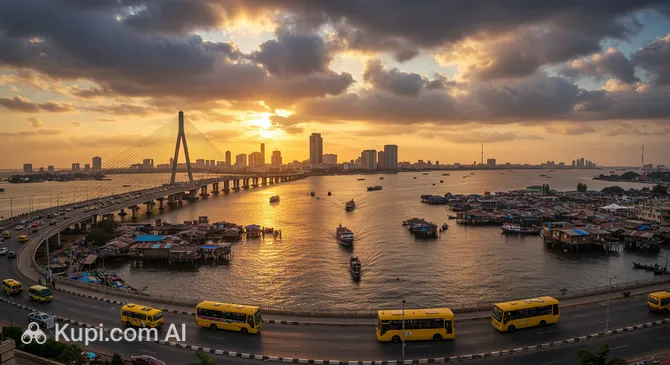
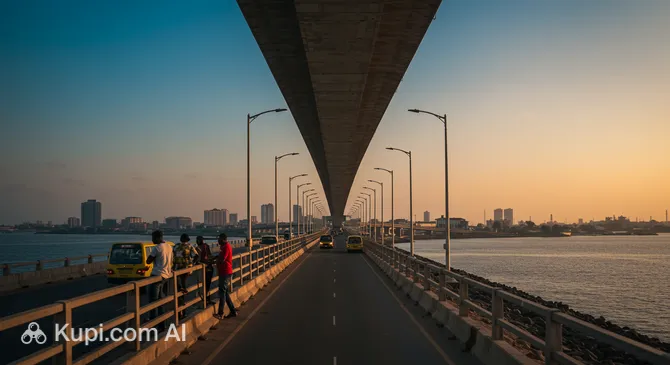
  • Connecting the mainland to the islands is the Third Mainland Bridge, a colossal engineering feat that spans over 11 kilometers and was once the longest bridge in Africa.

  • Music history runs deep here, as the legendary pioneer of Afrobeat, Fela Kuti, lived in the city; his former home is now the Kalakuta Museum, a must-visit for music lovers.

  • The city is geographically unique, consisting of a collection of islands and a mainland separated by the Lagos Lagoon, which means water transport is as vital to daily life as the roads.

Third Mainland Bridge. Source: Kupi.Binoculars

How to Get There

Reaching this bustling metropolis is an adventure in itself, with air travel being the most convenient method for international and distant domestic visitors. As a major economic hub in West Africa, the city is well-connected to the rest of the world. For a comprehensive overview of all transport options, including road networks and intercity buses, you can read more about how to get to Lagos.

The primary gateway to the city is Murtala Muhammed International Airport (LOS). Situated directly in Lagos, it is a bustling hub handling a large volume of passengers annually. The airport is located approximately 8.7 km from the city center. A taxi ride to the downtown area typically takes around 35 minutes, though it is wise to account for the city's famous traffic, which can extend travel time significantly.

Another option for travelers in the region is Cotonou Airport (COO), located in the city of Cotonou, Benin. While it is not in Nigeria, it sits about 111.6 km away from Lagos. This route involves a cross-border journey by road, which takes approximately 3 hours and 10 minutes by taxi or shuttle. It serves as an alternative entry point for those exploring the wider West African coast.

For those coming from further afield within the region, Lome Airport (LFW) in Lome, Togo, is another possibility, though it is significantly farther at roughly 238.4 km from Lagos. The ground transfer from Lome involves a longer journey of about 6 hours and 20 minutes. While less common for direct access to Lagos, it remains a regional connection point.

For clarity, here is a summary of the main airports:

Airport Name City Passenger Traffic Km from City
Murtala Muhammed International Airport Lagos Large 8.7
Lome Airport Lome Medium 238.4
Cotonou Airport Cotonou Medium 111.6
Ilorin International Airport Ilorin Small 245.0
Ondo - Akure Airport Akure Small 226.9

Besides air travel, Lagos is accessible by a vast network of roads connecting it to other parts of Nigeria and neighboring countries. Major highways, such as the Lagos-Ibadan Expressway, serve as vital arteries for buses and private vehicles entering the state. While there are ongoing developments in rail infrastructure, road transport remains the most common alternative to flying.

Main Attractions

Lagos offers a diverse array of attractions that cater to art lovers, history buffs, and beachgoers alike. From bustling cultural centers to serene coastal escapes, the city's landmarks provide a deep dive into its vibrant spirit and heritage. Whether you are interested in contemporary art, colonial history, or simply relaxing by the water, the city has something memorable to offer.

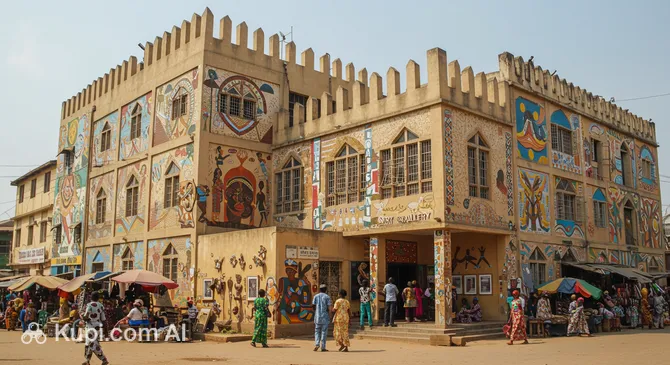
One of the most significant cultural landmarks is the Nike Art Gallery. Owned by the legendary artist Nike Davies-Okundaye, this five-story structure is renowned as one of the largest art galleries in West Africa. It houses an impressive collection of thousands of artworks, including paintings, textiles, and sculptures that celebrate Nigerian culture. Visitors can immerse themselves in the colorful exhibits and often have the chance to meet the artist herself or participate in traditional craft workshops.

Nike Art Gallery. Source: Kupi.Binoculars

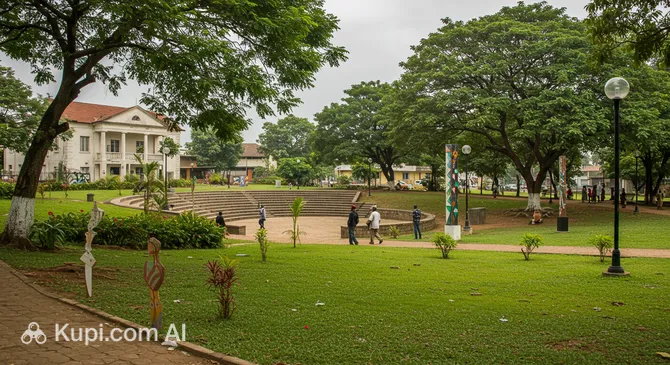
For a blend of history and leisure, Freedom Park Lagos is a must-visit destination on Lagos Island. Situated on the site of the former colonial prison on Broad Street, it has been transformed into a memorial and leisure park dedicated to preserving the city's history and cultural heritage. The park features open-air stages, museum complexes, and fountains, making it a popular venue for concerts, art festivals, and social gatherings while honoring the past.

Freedom Park Lagos. Source: Kupi.Binoculars

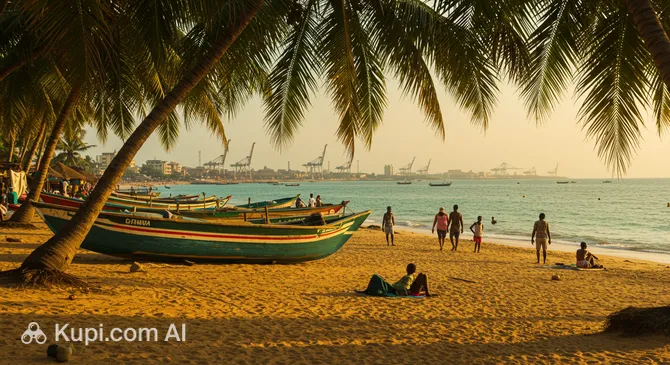
Those seeking a break from the city's hustle should head to Tarkwa Bay Beach. Unlike many other public beaches in the area, this sheltered oasis is accessible only by boat, adding a sense of adventure to the visit. It is a favorite spot for swimmers and water sports enthusiasts, offering a relatively calm and safe environment for surfing and jet skiing away from the noise of the metropolis.

Tarkwa Bay Beach. Source: Kupi.Binoculars

Music enthusiasts will find the Kalakuta Museum fascinating. This museum is the former home of the Afrobeat legend Fela Kuti and serves as a testament to his life, music, and activism. It preserves his personal belongings, instruments, and even his bedroom just as he left it, providing an intimate and powerful look into the life of one of Africa's most influential musicians.

Local Cuisine

The culinary landscape of Lagos is as vibrant and intense as the city itself, offering a gastronomic adventure that ranges from spicy street food to exquisite fine dining. At the heart of the local cuisine is the legendary Jollof Rice, a one-pot rice dish cooked in a rich tomato and pepper sauce that is a staple at every gathering. Another must-try delicacy is Amala, a dark yam flour dough typically served with a combination of Ewedu (jute leaf soup) and Gbegiri (bean soup), reflecting the deep roots of Yoruba culture in the region.

For a true taste of the city's street food culture, you cannot miss Suya. These spicy, skewered slices of grilled beef are marinated in a fiery blend of peanuts and spices, usually sold by vendors at night on street corners. It is more than just food; it is a social ritual often enjoyed with raw onions and cabbage. Seafood lovers will also delight in the fresh catches available, particularly the spicy Pepper Soup made with catfish, which packs a flavorful punch.

To quench your thirst, try a glass of Chapman, often referred to as Nigeria's signature cocktail. This fruity, reddish drink is a refreshing mix of soda, grenadine, cucumber, and citrus, widely available in both alcoholic and non-alcoholic versions. For something more traditional, Zobo is a popular non-alcoholic beverage made from dried hibiscus petals, often spiced with ginger and cloves, offering a tangy and healthy alternative to sugary sodas.

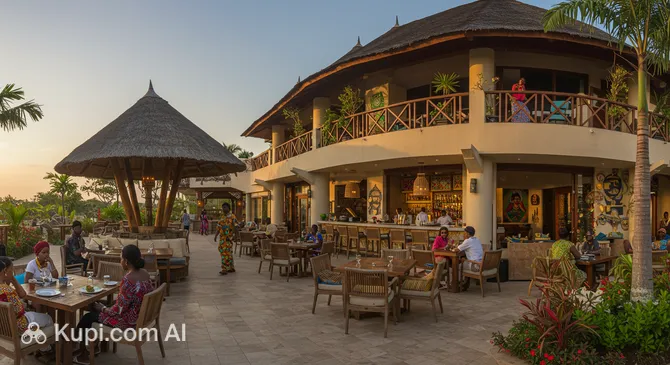
The dining scene in Lagos caters to all tastes, from humble "bukas" serving authentic local meals to upscale establishments. For a sophisticated dining experience with a view, you can visit Twinwaters, a premier entertainment center that houses restaurants offering a blend of international and local flavors. The city's cosmopolitan nature also means you can find excellent continental cuisine at places like RSVP, a modern restaurant and bar known for its chic ambiance and New American menu.

Twinwaters. Source: Kupi.Binoculars

Whether you are grabbing a quick bite at a roadside stall or enjoying a multi-course meal at a luxury hotel like The Wheatbaker, the food in Lagos is prepared with passion and bold spices. The city's food culture is a testament to its diversity, inviting visitors to explore new textures and heat levels that define the West African palate.

Travel Tips

Visiting Lagos is an adventure that rewards the prepared traveler with its dynamic energy and warm hospitality. To ensure your trip to this bustling metropolis in Nigeria is as smooth and enjoyable as possible, we have compiled a list of essential guidelines to help you navigate the city like a pro.

  1. Clothing and Gear: The weather is typically hot and humid, so pack lightweight, breathable fabrics like cotton or linen to stay cool. Comfortable walking shoes are a must for exploring, and while the city is cosmopolitan, it is respectful to dress modestly when visiting religious sites or traditional areas.
  2. Transportation: The most convenient and safe way for tourists to get around is by using ride-hailing apps like Uber or Bolt, which offer air-conditioned comfort and transparent pricing. While the yellow Danfo buses are iconic, they can be chaotic and confusing for newcomers; be prepared for heavy traffic, locally known as "go-slow," especially during rush hours on the bridges connecting the mainland and islands.
  3. Finances: The local currency is the Nigerian Naira (NGN), and while credit and debit cards are widely accepted in malls, hotels, and upscale restaurants, carrying cash is essential for street markets and smaller vendors. ATMs are plentiful across the city, but it is advisable to use machines located within banks or secure shopping centers to ensure safety.
  4. Health and Safety: Malaria is a concern in tropical regions, so bring effective insect repellent and consider sleeping under a mosquito net if your accommodation provides one. Stick to bottled water for drinking and brushing your teeth, and always prioritize safety by staying in well-lit, populated areas at night, particularly around Victoria Island and Ikoyi.
  5. Communication: English is the official language and is widely spoken, making communication relatively easy, though you will often hear Pidgin English, a colorful local creole. For mobile data and calls, you can purchase a SIM card from major providers like MTN or Airtel at the airport or official stores, provided you have your passport for registration.
  6. Local Etiquette: Nigerians place a high value on greetings; taking the time to ask about someone's well-being before starting a transaction or conversation is considered polite and builds rapport. Always use your right hand for giving or receiving items, eating, or shaking hands, as using the left hand is culturally regarded as disrespectful.
  7. What to Avoid: Refrain from taking photographs of government buildings, military personnel, or police officers, as this is strictly prohibited and can lead to confiscation of equipment or fines.
  8. Market Smarts: If you plan to visit local markets like the Lekki Arts and Crafts Market, be prepared to bargain, as it is a standard part of the shopping experience. Start with a friendly attitude and a lower offer, and enjoy the spirited negotiation process with the vendors.

By keeping these practical tips in mind, you can navigate Lagos with confidence and focus on the incredible experiences it has to offer. Embrace the vibrant atmosphere, connect with the locals, and enjoy every moment of your stay in this fascinating West African hub.

Entertainment & Nightlife

Entertainment and Nightlife:

Lagos is famous for its electrifying nightlife, often described as the city that never sleeps. As the sun sets, the metropolis transforms into a playground of pulsating beats, dazzling lights, and endless entertainment. The nightlife scene here is heavily influenced by the global phenomenon of Afrobeat, meaning music is central to almost every outing. From sophisticated rooftop lounges to energetic nightclubs, the options are vast and cater to a mix of locals, expats, and tourists.

The primary hubs for evening entertainment are Victoria Island and Lekki Phase 1. These districts are packed with upscale bars, beach clubs, and restaurants that turn into party spots late at night. For a more local and gritty experience, the mainland district of Ikeja offers a vibrant scene, particularly around Allen Avenue, though the island areas are generally more popular with international visitors looking for luxury and style.

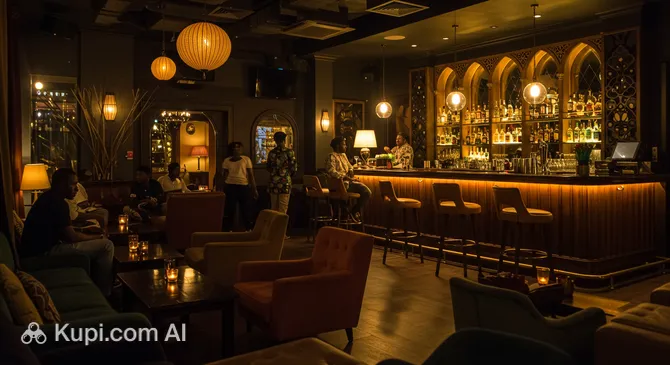
For a taste of the city's chic social scene, The House is a fantastic choice. It blends a homely atmosphere with a party vibe, offering great food and music in a stylish setting. If you prefer a waterfront view with your cocktails, W Bar Lounge in Ikoyi provides a sophisticated ambiance perfect for evening relaxation before the night heats up.

W Bar Lounge. Source: Kupi.Binoculars

Another notable venue for those seeking luxury is The Delborough Lagos, which offers a high-end clubbing experience. When planning a night out, keep in mind that the party starts late in Lagos. Bars may fill up around 9:00 PM, but nightclubs often don't peak until well after midnight. The dress code is generally "dress to impress," with many venues enforcing smart-casual or glamorous attire.

Safety and logistics are important. The best way to get around at night is by using ride-hailing services like Uber or Bolt, which allow you to track your ride and avoid price haggling. Avoid hailing taxis off the street at night and stick to well-lit, busy areas. Prices in upscale areas like Victoria Island can be comparable to major international cities, so it is wise to budget accordingly.

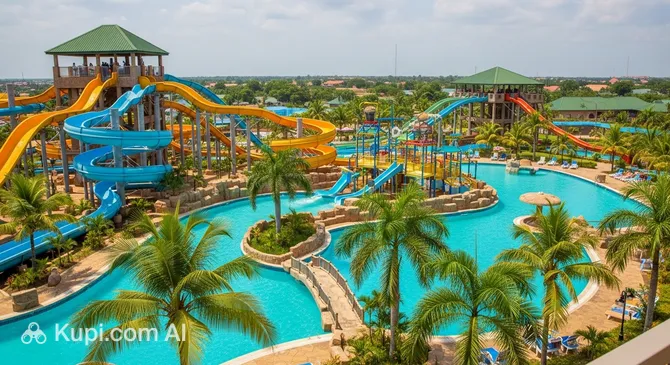
While the nights are for partying, the days offer their own excitement. Families and thrill-seekers can visit Giwa Gardens, a modern water park perfect for cooling off in the tropical heat. For a mix of shopping and entertainment, Ikeja City Mall is a bustling hub with a cinema and numerous dining options. Culture lovers can also catch a movie or enjoy a premium dining experience at EbonyLife Place, a resort and entertainment complex that celebrates African storytelling.

Giwa Gardens. Source: Kupi.Binoculars

Parks & Museums

While Lagos is often associated with its bustling urban energy, the city also offers refreshing green spaces and recreational centers where visitors can reconnect with nature or enjoy outdoor leisure. Beyond the well-known conservation centers, there are several parks and amusement areas that provide a welcome respite from the metropolis's fast pace, catering to families, nature lovers, and those seeking tranquility.

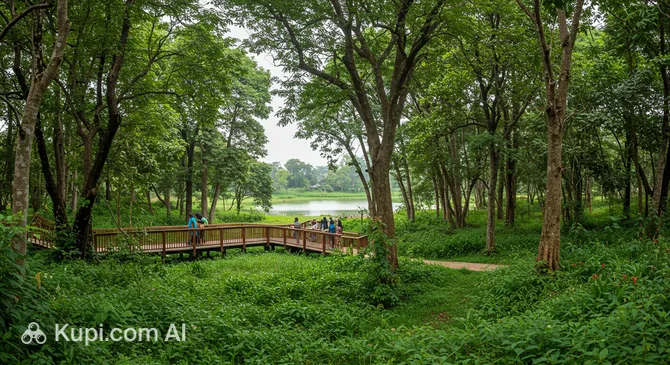
One of the city's hidden gems for biodiversity is the LUFASI Nature Park. Situated in the Lekki peninsula, this urban forest serves as a sanctuary for flora and fauna, including the threatened Ekki tree and the Hooded Vulture. It is an excellent spot for birdwatching, nature walks, and environmental education, offering a peaceful atmosphere that feels worlds away from the city center.

LUFASI Nature Park. Source: Kupi.Binoculars

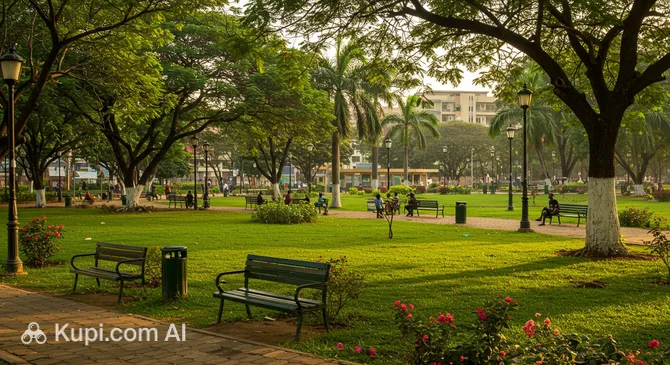
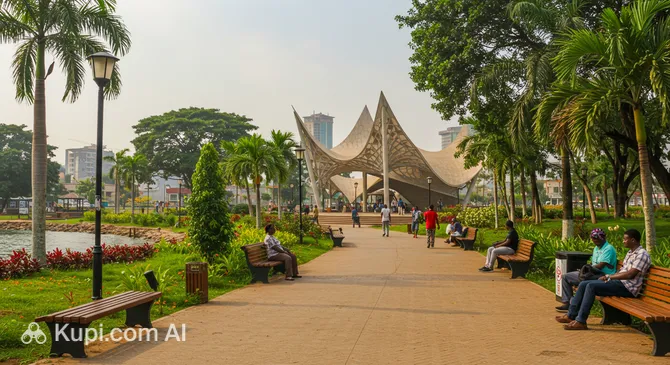
For those staying around Victoria Island, Muri Okunola Park provides a lush, manicured green space amidst the high-rises. It is a favorite location for cultural festivals, musical concerts, and outdoor yoga sessions. The park's well-maintained lawns and trees make it a perfect setting for a picnic or a quiet afternoon with a book, blending urban convenience with natural beauty.

Muri Okunola Park. Source: Kupi.Binoculars

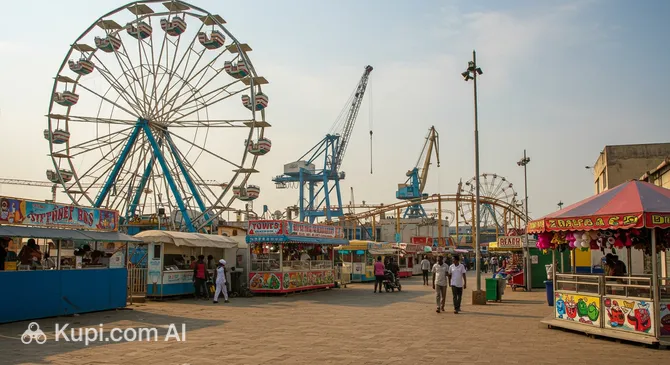
Families looking for excitement and entertainment should head to the Apapa Amusement Park. Once a premier leisure spot in the 1970s, it has been beautifully renovated with unique Arabian-style architecture. The park features a variety of rides, games, and indoor recreational facilities, making it a fantastic destination for children and adults alike to have fun and create lasting memories.

Apapa Amusement Park. Source: Kupi.Binoculars

Another significant recreational space is the Johnson Jakande Tinubu Park, commonly known as JJT Park, located in Ikeja. This public park is beautifully landscaped with a fountain, free Wi-Fi, and designated areas for relaxation. It is a popular gathering spot for locals and tourists, often bustling with activity during weekends and public holidays.

Johnson Jakande Tinubu Park. Source: Kupi.Binoculars

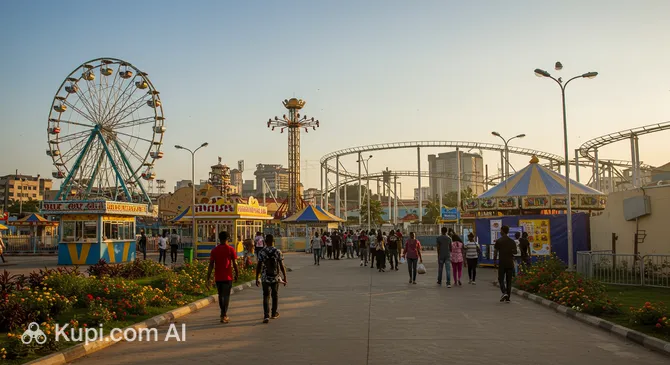
If you are willing to venture a bit further for a world-class theme park experience, Hi-Impact Planet offers thrilling rides and attractions. From animatronics to roller coasters, this amusement park is designed to provide global standard entertainment, ensuring a day full of adventure for visitors of all ages.

Hi-Impact Planet. Source: Kupi.Binoculars

Getting Around

Navigating the bustling metropolis of Lagos can be an adventure in itself, with a transport system that is as dynamic and energetic as the city. The primary mode of public transportation is the bus network, which is divided into two distinct categories. The Bus Rapid Transit (BRT) system operates blue, air-conditioned buses that run on dedicated lanes, offering a relatively comfortable and faster way to commute across major routes. In contrast, the iconic yellow minibuses, known locally as Danfos, dominate the streets. While Danfos reach every corner of the city, they are informal, often crowded, and do not follow fixed schedules, making them more suitable for short hops rather than long comfortable journeys for tourists.

A significant addition to the city's infrastructure is the Lagos Rail Mass Transit, specifically the recently launched Blue Line. This electric rail system connects the mainland to the island, providing a modern, clean, and efficient alternative to road traffic. Given the city's unique geography of islands and lagoons, water transportation is also a practical option. The state-run Lagferry and various private boat operators offer ferry services that bypass the notorious road congestion, shuttling passengers between key jetties like Ikorodu, Victoria Island, and Falomo.

For the formal transport sectors—including BRT buses, the Blue Line train, and state ferries—cash payments are generally not accepted. Instead, the city utilizes the Cowry Card, a contactless smart card that unifies payment across these modes. You can purchase and top up this card at major bus terminals, train stations, or through authorized agents. A mobile app is also available to manage your balance, though having the physical card is essential for tapping in and out at turnstiles and on buses. Fares are distance-based and are generally very affordable.

For "last-mile" connectivity, you will frequently see yellow tricycles called Keke Marwa. These are safer and more comfortable than motorcycles and operate on specific routes within neighborhoods. Commercial motorcycles, known as Okadas, were once ubiquitous but are now banned or heavily restricted in major business districts and residential areas due to safety concerns. For informal transport like Danfos and Kekes, you will need to pay with cash, so it is advisable to carry smaller denominations.

Tourists seeking comfort and convenience often prefer ride-hailing apps over public transport. Services like Uber and Bolt are widely available, reliable, and offer air-conditioned rides with transparent pricing, which eliminates the need to haggle. Traditional yellow taxis exist but are less common for visitors; if you choose one, be prepared to negotiate the fare before starting the journey.

When planning your travel, keep in mind that traffic congestion, locally called "go-slow," can be severe, especially during morning and evening rush hours (typically 6:00 AM to 9:00 AM and 4:00 PM to 8:00 PM). The BRT and trains operate from early morning until late evening, usually closing around 9:00 PM or 10:00 PM. To ensure a smooth experience, buy your Cowry Card upon arrival if you plan to use the trains or BRT, and always tap out at the end of your rail journey to avoid being charged the maximum fare.
Accommodation

Finding the perfect place to stay in Lagos is easy, as the city offers a wide spectrum of accommodation options to suit every preference and budget. From high-end luxury hotels and boutique resorts to comfortable mid-range suites and budget-friendly guesthouses, the hospitality landscape is vast. For those planning an extended stay, serviced apartments and short-let rentals are also becoming increasingly popular, providing a home-away-from-home experience.

When choosing where to base yourself, location is key. The city is broadly divided into the Island and the Mainland. Tourists and business travelers often prefer the Island districts of Victoria Island, Ikoyi, and Lekki. these areas are the hubs of luxury, fine dining, and nightlife, offering close proximity to beaches and major attractions. On the other hand, Ikeja on the Mainland is the state capital and a strategic choice for its closeness to the international airport, making it ideal for those with early flights or business in the government district.

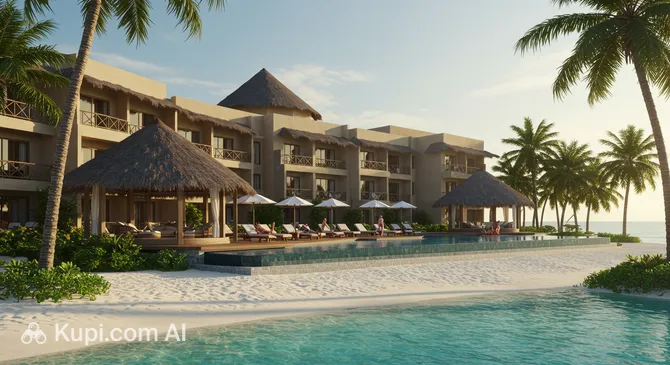
For travelers seeking a sophisticated blend of cinema, lifestyle, and hospitality, EbonyLife Place on Victoria Island is a standout destination. It is more than just a hotel; it is an entertainment resort that immerses guests in the vibrant world of African creativity. If you prefer a serene escape by the water, Ziba Beach Resort offers a relaxing coastal atmosphere within the city, perfect for unwinding after a day of exploration.

Ziba Beach Resort. Source: Kupi.Binoculars

Prices for accommodation vary significantly depending on the location. Hotels on the Island tend to be more upscale and priced higher, catering to the luxury market, while the Mainland offers more affordable and mid-range options. Most reputable hotels can be booked via major online travel platforms, but direct booking is also common and sometimes offers better rates.

Booking Tip: Lagos is a busy metropolis year-round, but December is particularly hectic due to the festive season known as "Detty December," when concerts and events take over the city. If you plan to visit during this period or for major business conferences, it is highly advisable to book your accommodation several weeks in advance to secure your preferred spot.

Nearby Cities

For those looking to explore the surroundings, Lagos serves as an excellent base for day trips to several interesting nearby locations:

One of the most rewarding excursions is to Abeokuta, the capital of Ogun State. Located just a short drive north, this historic city is famous for Olumo Rock, a massive granite outcrop that offers panoramic views and served as a natural fortress during 19th-century wars. Visitors can climb the rock, explore ancient caves, and visit the vibrant markets known for their authentic Adire (tie-dye) textiles.

Another fascinating destination is Ibadan, one of the largest cities in West Africa. Known for its rich history and sea of rust-brown roofs, it offers a glimpse into the region's past. Key attractions include the Bower’s Tower, which provides a bird's-eye view of the seven hills, and the Agodi Gardens, a peaceful park perfect for relaxation. Further afield, Osogbo is home to the UNESCO-listed Osun-Osogbo Sacred Grove, a dense forest dotted with sanctuaries and sculptures dedicated to the river goddess Osun.

City Population Distance (km)
Ibadan 3,552,000 113
Shagamu 1,132,270 44
Abeokuta 888,924 69
Ikeja 861,300 9
Osogbo 731,000 189

These nearby destinations offer a glimpse into the diverse culture and landscapes of the region.

Shopping & Souvenirs

Shopping in Lagos is a vibrant and diverse experience that mirrors the city's energetic spirit. The retail landscape offers a striking contrast between ultra-modern shopping complexes and sprawling, chaotic open-air markets that have served the community for generations. Whether you are looking for high-end international fashion brands, authentic African textiles, or unique handcrafted souvenirs, the city provides endless opportunities to find exactly what you need.

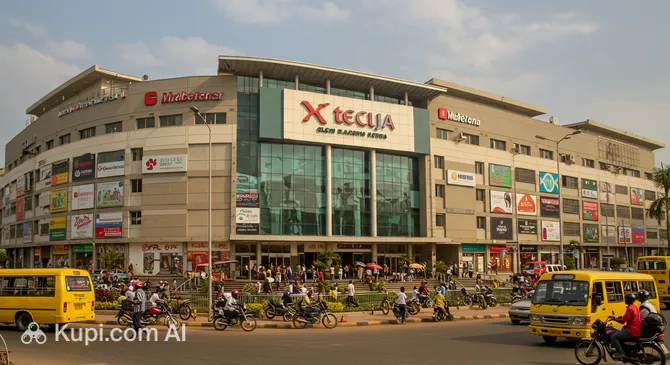
For a comfortable and contemporary shopping experience, the city boasts several world-class malls that serve as social hubs. One of the most popular destinations on the mainland is the Ikeja City Mall. Conveniently located near the government secretariat, this expansive complex features a wide array of international and local retailers, a cinema, and a diverse food court, making it a favorite spot for families and shoppers seeking air-conditioned comfort.

Ikeja City Mall. Source: Kupi.Binoculars

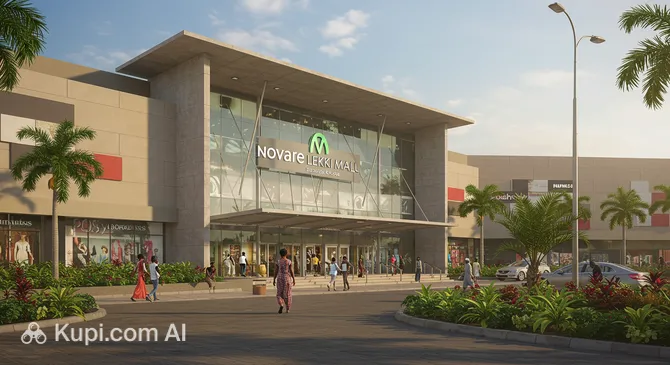
On the Lekki peninsula, visitors can explore the Sangotedo Shopping Mall, often referred to as Novare Lekki. It is one of the largest malls in the region, offering a spacious environment with major supermarkets, fashion boutiques, and entertainment zones. These malls are excellent places to purchase groceries, electronics, and clothing in a relaxed setting.

Sangotedo Shopping Mall. Source: Kupi.Binoculars

However, the true soul of Lagos commerce is found in its traditional markets. Balogun Market on Lagos Island is a legendary destination, famous across West Africa for its vast selection of fabrics, particularly colorful Ankara prints and lace. It is a sensory overload of sights and sounds where trading happens at a frenetic pace. For tourists specifically looking for gifts, the Lekki Arts and Crafts Market (often called Jakande Market) is a treasure trove. Here, you can browse through stalls filled with wood carvings, beadwork, paintings, and leather goods in a slightly more organized environment than the main street markets.

When hunting for souvenirs, keep an eye out for Adire, a traditional indigo-dyed cloth produced by the Yoruba people, which makes for beautiful scarves or clothing. Hand-carved wooden masks, talking drums, and beaded jewelry are also popular items that reflect the local culture. Nigerian leather bags and sandals are renowned for their durability and craftsmanship, serving as practical yet stylish mementos of your trip.

Most shopping malls operate daily from approximately 9:00 AM to 9:00 PM and accept major credit and debit cards. In contrast, local markets typically open early in the morning and close by sunset, around 6:00 PM. If you visit the markets, cash is king, so be sure to carry enough Nigerian Naira. Bargaining is an essential part of the culture in these open-air settings; vendors expect you to negotiate, so do not hesitate to haggle with a smile to get the best price.

Reached the end of the page?

That means the route is fully explored