Support

Cotonou

About

Cotonou is the vibrant economic heart of Benin, a bustling metropolis that offers a sensory overload in the best possible way. Although Porto-Novo is the official capital, Cotonou serves as the seat of government and the center of diplomacy and commerce. Located on the coastal strip between Lake Nokoué and the Atlantic Ocean, the city is defined by its energetic atmosphere, motorcycle taxis known as zémidjans, and a dynamic mix of urban life and seaside charm.

With a population of approximately 762,000 residents, this port city in the Littoral Department is a major gateway to West Africa. The name of the city is derived from the Fon language, meaning "by the river of death," a nod to its past. To understand how a small fishing village transformed into this sprawling urban center, exploring the history of Cotonou reveals fascinating insights into its colonial and post-independence evolution.

Cotonou. Source: Kupi.Binoculars

Travelers are often drawn to the famous Dantokpa Market, one of the largest open-air markets in West Africa, where you can find everything from colorful fabrics to local spices. Another architectural landmark is the Cotonou Cathedral (Notre Dame des Apotres), distinguishable by its unique red and white striped tiles. For art lovers, the Zinsou Foundation provides a contemporary space showcasing African art and culture.

Whether you are visiting for business or leisure, Cotonou promises an unforgettable experience. Its warm climate, lively streets, and proximity to the ocean make it a compelling destination for those looking to discover the authentic pulse of the region.

Weather Overview

Cotonou experiences a tropical climate characterized by consistent warmth and varying levels of humidity throughout the year. The city remains generally hot, with average temperatures ranging from a low of roughly 25.6°C in August to a high of 29.1°C in March. Travelers should expect warm conditions year-round, as daily maximums frequently exceed 30°C, particularly between January and April.

Rainfall patterns significantly define the seasons in this coastal metropolis. The weather in Cotonou becomes noticeably wetter from May through October, with June and October seeing the highest frequency of precipitation, recording up to 26 or 27 wet days per month. Conversely, December and January are the driest months, with fewer wet days and minimal precipitation, making this period a popular time for outdoor activities.

Interesting Facts

Beyond the busy port and lively avenues, Cotonou hides intriguing details that paint a vivid picture of its cultural and historical evolution. Discovering these lesser-known aspects offers a deeper understanding of this dynamic West African metropolis.

  • The yellow-shirted motorcycle taxis zipping through traffic are known as zémidjans, a Fon word that translates to "take me quickly." This efficient transport system is highly organized, with Cotonou's drivers specifically assigned the color yellow to distinguish them from those in neighboring cities like Porto-Novo.

  • The famous Dantokpa Market is not just a place for groceries and textiles; it houses a specialized section dedicated to the indigenous Vodun religion. Here, visitors can find a vast array of traditional items, from dried chameleons to cowrie shells, which are essential for local rituals and healing practices.

  • A prominent architectural feature of the city is Red Star Square, also known as Place de l'Étoile Rouge. The monument is a towering symbol of the country's socialist history in the 1970s, designed to represent the people's struggle and labor, and it remains a central landmark for orientation today.

  • Unbeknownst to many, the heart of the city functions somewhat like an artificial island. The Cotonou Lagoon canal was constructed during the colonial era to connect Lake Nokoué with the Atlantic Ocean, effectively separating the main commercial center from the mainland.

Red Star Square. Source: Kupi.Binoculars

How to Get There

Reaching this bustling coastal city is relatively straightforward, with air travel being the most convenient method for international visitors. The primary entry point is the local airport located directly within the city limits, ensuring a quick transfer to hotels and business districts. For travelers planning a multi-country trip or seeking alternative flight connections, major hubs in neighboring Nigeria and Togo also serve as viable gateways. You can find more about how to get to Cotonou and the various transport options available on our detailed page.

The most direct route is via Cotonou Airport (COO), also known as Cadjehoun Airport. It is situated just 4.8 km from the city center, making it an incredibly accessible hub with medium passenger traffic. A taxi ride from the terminal to downtown typically takes around 30 minutes, depending on traffic. This airport handles the majority of direct international flights into Benin.

Alternatively, some travelers choose to fly into Murtala Muhammed International Airport (LOS) in Lagos, Nigeria. This is a large international hub located approximately 102 km from Cotonou. While it offers numerous intercontinental connections, the journey to Cotonou requires crossing the border and takes about 3 hours by road. Another option is Lome Airport (LFW) in the city of Lome, Togo. Located about 131.5 km away, this medium-sized airport is another regional alternative, with a transfer time of approximately 3.5 to 4 hours by taxi or bus.

For clarity, here is a summary of the main airports:

Airport Name City Passenger Traffic Km from City
Murtala Muhammed International Airport Lagos High 101.8
Kotoka International Airport Accra High 299.0
Lome Airport Lome Medium 131.5
Cotonou Airport Cotonou Medium 4.8

Main Attractions

Cotonou is a city that pulses with energy, offering a mix of chaotic charm and historical depth. While it serves as the economic engine of Benin, it also houses several landmarks and spots that provide a window into the local culture and history. From bustling commercial hubs to solemn memorials, the attractions here are as diverse as the city itself.

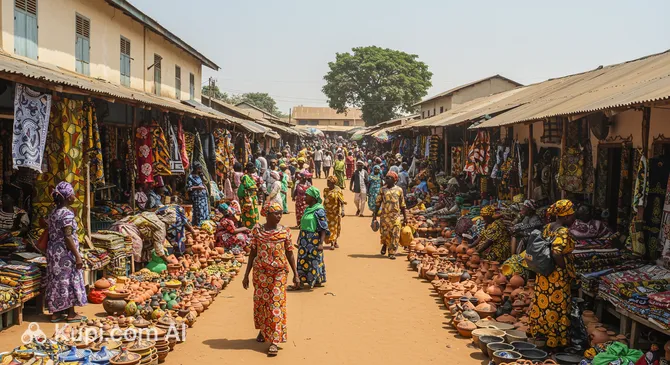
No visit to Cotonou is complete without experiencing the sensory whirlwind of Dantokpa Market. As one of the largest open-air markets in West Africa, it acts as the commercial lung of the region. Visitors can wander through a seemingly endless maze of stalls selling everything from vibrant Dutch wax prints and colorful textiles to fresh produce and electronics. It is also a place of deep cultural significance, featuring a section dedicated to traditional items and ingredients used in local rituals, offering a unique glimpse into the spiritual heritage of the country.

Dantokpa Market. Source: Kupi.Binoculars

For those interested in the nation's post-independence history, the Place of Remembrance is a key landmark. Formerly known as the Place of the Martyrs, this square is home to a prominent monument that honors the soldiers and civilians who defended the country during the mercenary aggression of 1977. It stands as a symbol of national resilience and sovereignty, providing a quiet space for reflection amidst the busy city streets.

After a day of exploration, experiencing the local dining scene is highly recommended. La Pirogue is a popular establishment that captures the welcoming spirit of Cotonou. Known for its relaxed atmosphere and quality cuisine, it is an excellent spot for tourists to unwind and enjoy a meal. Whether you are looking for local Beninese flavors or international dishes, this venue offers a comfortable setting to soak in the city's modern vibe.

Local Cuisine

The culinary landscape of Cotonou is a vibrant reflection of its coastal location and cultural diversity, offering a delightful mix of fresh seafood, spicy sauces, and hearty staples. Being a port city, fish is a central component of the local diet, often served grilled or fried straight from the ocean. One of the most beloved dishes to try is Moyo, a smoked or fried fish served with a zesty sauce made from fresh tomatoes, onions, and peppers, typically accompanied by pâte (a dough made from corn or cassava flour).

Another signature dish that travelers should look out for is Amiwo, often referred to as "red paste." Unlike the standard white corn dough found across West Africa, Amiwo is seasoned with tomato puree and spices, giving it a savory flavor and a reddish hue, usually served with chicken or mutton. Vegetarians and cheese lovers will appreciate Wagasi, a traditional soft cheese made from cow's milk. It is often fried to give it a firm texture and served in a rich, spicy sauce, making it a unique local delicacy.

When it comes to beverages, the local beer, La Béninoise, is a staple at almost every dining table, prized for its refreshing taste in the tropical heat. For those looking to try something stronger and more traditional, Sodabi is a potent palm liquor that plays a significant role in local customs and events. On the non-alcoholic side, bissap (hibiscus juice) and fresh baobab juice offer sweet and tangy refreshments that are perfect for cooling down during the day.

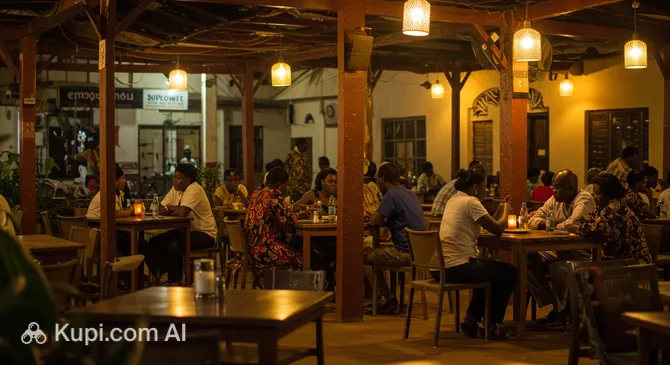
The food culture in Cotonou is best experienced in the city’s numerous "maquis"—informal, open-air eateries that serve authentic homemade meals at affordable prices. These spots are the social hubs of the city, where locals gather to eat and converse. For a more formal dining experience that still captures the essence of Beninese hospitality, you can visit the Diplomate Restaurant. It is a well-regarded establishment offering a variety of dishes that cater to both local and international palates.

Diplomate Restaurant. Source: Kupi.Binoculars

For those interested in the city's nightlife and a more relaxed atmosphere to enjoy drinks and grilled specialties, Chill n' Grill is a popular venue. Whether you are snacking on street food like aloko (fried plantains) or sitting down for a multi-course meal, Cotonou’s gastronomic scene promises a flavorful journey through West African cuisine.

Travel Tips

Visiting Cotonou is an exhilarating dive into West African culture, but the city's frantic pace and unique customs can be overwhelming for the unprepared traveler. To help you navigate the bustling streets and make the most of your stay in Benin's economic hub, we have compiled a set of essential practicalities.

  1. Clothing and Gear: Given the tropical climate, lightweight and breathable fabrics like cotton or linen are your best friends to handle the heat and humidity. Pack comfortable walking shoes for the uneven pavements and a pair of sturdy sandals. Don't forget a Type E power adapter (two round pins) for your electronics. While casual wear is generally acceptable, dress modestly when visiting religious sites or rural communities.
  2. Transportation: The most ubiquitous way to get around is by zémidjan (motorcycle taxi). Look for drivers in yellow shirts, but always agree on the fare before hopping on. For a safer and more comfortable alternative, standard taxis are available, though they are less agile in traffic. Ride-hailing apps like Gozem are becoming popular and offer a more transparent way to book both motorcycles and cars.
  3. Finances: The local currency is the West African CFA Franc (XOF). While upscale hotels and some major supermarkets accept credit cards (Visa is more common than Mastercard), cash is absolute king in Cotonou. You will need small denominations for markets, taxis, and street food. ATMs are widely available in the city center and near banks, but it is wise to withdraw money during the day.
  4. Health and Safety: Malaria is present in Benin, so packing insect repellent and taking prophylaxis is strongly recommended. Drink only bottled or filtered water, and avoid ice cubes in street stalls. Pharmacies are plentiful in Cotonou, and some operate 24/7 on a rotational basis (look for the "Pharmacie de Garde" signs). Generally, the city is safe, but exercise caution with valuables in crowded places like Dantokpa Market and avoid walking alone on the beach at night.
  5. Communication: The official language is French, and it is the primary mode of communication in shops and restaurants. English is not widely spoken outside of the tourism and high-level business sectors, so learning a few basic French phrases is invaluable. Local languages like Fon are also prevalent. For internet access, buying a local SIM card (MTN or Moov) is cheap and easy, offering reliable data coverage within the city.
  6. Local Etiquette: Greetings are taken very seriously in Beninese culture. Always say "Bonjour" (Good morning) or "Bonsoir" (Good evening) and ask how someone is doing before starting a transaction or asking for directions. Handshakes are common, but always wait for the other person to extend their hand. Showing respect to elders is non-negotiable; always address them politely and defer to them in social settings.
  7. What to Avoid: Never use your left hand to eat, shake hands, or exchange money, as it is considered unclean and disrespectful. Additionally, avoid taking photographs of government buildings, military installations, or the airport, as this is strictly prohibited and can lead to confiscation of your camera or legal trouble.
  8. Bargaining Skills: In markets and with taxi drivers (except for those on apps), fixed prices are a rarity. Bargaining is an expected part of the interaction. Approach it with a smile and a friendly attitude rather than aggression; it is meant to be a social exchange. Start by offering about half the quoted price and work your way to a mutually agreeable amount.

By keeping these tips in mind, you will be well-equipped to embrace the chaotic beauty of Cotonou with confidence. Respecting local customs and coming prepared will open doors to genuine interactions and a much deeper appreciation of this vibrant coastal city.

Entertainment & Nightlife

As the sun sets over the Atlantic, Cotonou transforms from a bustling commercial hub into a vibrant playground of music, dance, and social gatherings. The nightlife here is legendary in West Africa, characterized by an infectious energy that spills out from open-air bars onto the streets. The atmosphere is generally welcoming and unpretentious, with a mix of locals, expatriates, and tourists enjoying everything from laid-back jazz lounges to high-energy nightclubs playing the latest Afrobeats and Coupé-Décalé hits.

The epicenter of the city's nightlife is undoubtedly the Haie Vive district. This upscale neighborhood is lined with numerous bars, restaurants, and lounges that cater to a diverse crowd. It is a safe and walkable area where you can easily hop from one venue to another. For a more intense and authentic local experience, the Jonquet district is famous for its lively bars and music spots that stay open until dawn, though it is grittier and best visited with a local guide or in a group. On weekends, the action often shifts to the Fidjrossè beach area, where beach bars host parties with ocean breezes and live DJ sets.

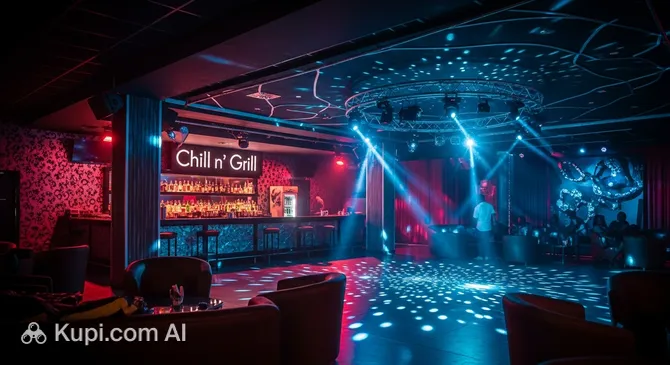
For those seeking a specific spot to enjoy the evening, Chill n' Grill is a fantastic option. While it serves food, it transitions seamlessly into a lively lounge at night, offering a great selection of drinks and a vibrant atmosphere perfect for socializing. It captures the modern spirit of Cotonou's entertainment scene, making it a popular choice for both starting the night and staying late.

Chill n' Grill. Source: Kupi.Binoculars

If you prefer a more refined and relaxed setting, the Benin Royal Hotel offers excellent facilities for an evening out. Its bar and lounge areas provide a sophisticated ambiance where you can enjoy cocktails and conversation away from the chaotic noise of the street. It is an ideal venue for a quiet drink or a business meeting in the evening, maintaining a smart-casual dress code that contrasts with the shorts-and-sandals vibe of the beach bars.

When planning a night out, keep in mind that the party starts late in Cotonou; most clubs don't fill up until after 11:00 PM. Dress codes are generally relaxed, but "smart casual" is the standard for indoor clubs and upscale bars. For safety, avoid walking long distances at night, especially in poorly lit areas. The best way to get around is by booking a private taxi or using a ride-hailing app, which is safer and more comfortable than taking a motorcycle taxi (zémidjan) after dark.

Beyond the nightlife, Cotonou offers engaging daytime entertainment as well. Culture enthusiasts should visit the Fondation Zinsou to see contemporary African art or explore the Centre de Promotion de l'Artisanat to watch local artisans at work and buy souvenirs. The city's beaches, particularly around Fidjrossè, are perfect for daytime relaxation, offering a breezy escape from the urban heat before the evening festivities begin.

Parks & Museums

While Cotonou is primarily known as a bustling commercial hub rather than a city of vast botanical gardens, it possesses distinct pockets of culture and open spaces that offer a respite from the urban energy. The city's charm lies in its coastal location and its growing art scene, which provides visitors with a unique blend of natural beauty and creative heritage.

For those seeking fresh air and a connection to nature, the coastline is the city's most significant natural asset. Fidjrossè Beach serves as the main recreational lung for locals and tourists alike. Lined with coconut palms and open-air bars, this expansive stretch of sand is perfect for long walks and enjoying the Atlantic breeze. On weekends, it transforms into a lively social hub where festivals and music events often take place, offering a vibrant atmosphere right by the ocean.

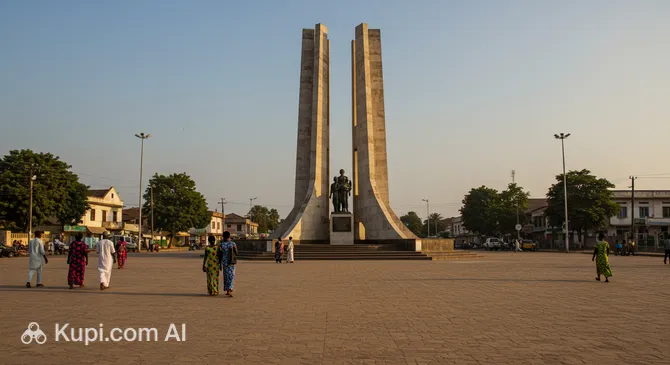
Another key open space is the Place of Remembrance. Situated near the Haie Vive district, this square acts as both a historical monument and a quiet park area. It is a solemn site dedicated to the memory of those who fell defending the nation, featuring a large central monument surrounded by well-maintained grounds. It offers a rare sense of spaciousness in the city center, making it a suitable spot for a reflective stroll.

Place of Remembrance (formerly Place of the Martyrs). Source: Kupi.Binoculars

In terms of culture, the Fondation Zinsou stands out as the premier destination for art lovers. This contemporary art museum and exhibition space is renowned across West Africa for its high-quality curation. Housed in a beautifully restored building, it showcases works by Beninese and African artists, ranging from photography to sculpture. Admission is typically free, reflecting the foundation's mission to make art accessible to everyone, and it includes a library and a boutique.

For a more traditional cultural experience, the Centre de Promotion de l'Artisanat functions as a living museum of Beninese craftsmanship. Unlike a static gallery, this village-like complex allows visitors to watch artisans at work, carving wood, weaving textiles, and creating jewelry. It is an excellent place to understand the local material culture and artistic traditions firsthand.

History enthusiasts should not miss the iconic Red Star Square (Place de l'Étoile Rouge). Dominating a major intersection, this massive plaza is a remnant of the country's Marxist-Leninist period. Its central monument, topped with a figure raising a weapon, is an imposing example of Cold War-era architecture and serves as one of the most recognizable landmarks in the city.

Another architectural highlight is the Cotonou Cathedral (Notre Dame des Apotres). Located near the Ancien Pont bridge, this Roman Catholic cathedral is famous for its striking burgundy and white striped ceramic tiles. Its unique design makes it a photographer's favorite and a peaceful sanctuary amidst the noise of the nearby markets.

For an insider experience, try visiting the Petit Musée de la Récade if you have time for a short trip to the outskirts. Although technically just outside the main city limits in Abomey-Calavi, it houses a fascinating collection of traditional royal scepters (récades) and offers a deep dive into the history of the Dahomey Kingdom in a modern, architecturally impressive setting.

Getting Around

Navigating Cotonou is an adventure in itself, as the city does not rely on a conventional European-style public transport system. There are no metros, trams, or trolleybuses here. Instead, the streets are dominated by a highly efficient, albeit informal, network of private operators. The pulse of the city's transport is undoubtedly the motorcycle taxi, which offers the fastest way to weave through the often heavy traffic.

The most iconic mode of transport is the Zémidjan (often shortened to "Zémi"), which translates to "take me quickly" in the local Fon language. In Cotonou, these drivers are easily instantly recognizable by their bright yellow shirts with registration numbers on the back. They are available on nearly every street corner, 24 hours a day. For longer distances or travel between specific districts, you can use the Tokpa-Tokpa, which are minibuses that operate on fixed routes, usually originating from or heading towards the major markets. These are cheaper than bikes but can be crowded and slower due to frequent stops.

Payment in Cotonou is almost exclusively cash-based. There are no travel cards, magnetic passes, or ticket machines for the Zémidjans or minibuses. You simply pay the driver directly at the end of the ride. The local currency, the West African CFA Franc (XOF), is required, and carrying small change is essential as drivers often lack sufficient funds to break large bills. Prices for motorcycle rides are not fixed and must be negotiated before you get on. A typical short ride might cost between 100 and 500 CFA, depending on the distance and your bargaining skills.

For tourists seeking a more modern and transparent alternative, the arrival of ride-hailing apps has changed the landscape. Gozem, often referred to as Africa's "Super App," operates widely in Cotonou. It allows you to book a motorcycle, a tricycle (tuk-tuk), or a comfortable air-conditioned car via your smartphone. The major advantage for visitors is that the price is fixed by the app, eliminating the need to haggle, and you can sometimes pay digitally, though cash is still the standard option.

If you prefer four wheels but do not want to use an app, standard yellow and green taxis are available, though they are less common than bikes. They can be hailed on the street or found at designated stands near hotels and the airport. Car rentals are also an option, but due to the chaotic nature of local driving habits, it is highly recommended to rent a vehicle with a driver. This service is widely available and provides a stress-free way to explore the city in air-conditioned comfort.

A few practical tips will ensure a smooth experience: always insist on a helmet when taking a Zémidjan—drivers are required by law to provide one for passengers, though hygiene can vary, so some travelers bring a light headscarf to wear underneath. While transport runs late into the night, availability decreases, and prices increase after dark. For safety, avoid taking random motorcycle taxis late at night in poorly lit areas; utilizing a hotel taxi or the Gozem app is a much safer choice for evening travel.

Accommodation

Finding the right place to stay in Cotonou is relatively easy, as the city offers a diverse spectrum of accommodation options to suit various needs and budgets. The hospitality landscape ranges from modest, locally-run guesthouses and budget-friendly hostels to mid-range establishments and upscale luxury resorts designed for international business travelers. Whether you are looking for a simple room to crash in after a day of exploring or a full-service hotel with a pool and conference facilities, Cotonou has you covered.

When choosing a location, the neighborhood of Haie Vive is a top choice for many tourists and expatriates. It is known as the "expat quarter" and is incredibly convenient due to its high concentration of restaurants, supermarkets, and bars, all within walking distance. For those traveling on business, the Ganhi district (the commercial center) is ideal, keeping you close to banks, government offices, and the port. Alternatively, if you prefer a more relaxed vibe with ocean views, the Fidjrossè area near the beach offers a breezier, vacation-like atmosphere, though it is a bit further from the city center.

For travelers seeking comfort and high-end amenities, the Benin Royal Hotel is a standout example of the city's modern hospitality. Located centrally, this 4-star establishment is well-regarded for its rooftop pool, spa services, and reliable Wi-Fi, making it a favorite for both leisure and corporate guests. It represents the upper tier of accommodation in Cotonou, providing a sanctuary of calm amidst the bustling city streets.

Benin Royal Hotel. Source: Kupi.Binoculars

Booking Tips: While Cotonou is generally not overrun with tourists, it is a major hub for regional conferences and business events. During these times, top-tier hotels can fill up quickly. It is advisable to book your accommodation at least a few weeks in advance, especially if you plan to visit during the dry season (December to March) when the weather is most favorable.

Price Range and Booking Methods: Prices in Cotonou are generally reasonable compared to Western standards, though they are higher than in rural Benin. Budget rooms can be found for as little as 15,000 to 25,000 XOF per night, while mid-range options typically fall between 40,000 and 70,000 XOF. Luxury stays can exceed 100,000 XOF. Major hotels can be easily booked via international online platforms and usually accept credit cards. However, for smaller guesthouses or "auberges," it is often better to contact them directly via phone or WhatsApp, and you should be prepared to pay in cash (CFA Francs) upon arrival.

Nearby Cities

For those looking to explore the surroundings, Cotonou serves as an excellent base for day trips to several interesting nearby locations:

One of the most compelling destinations is Porto-Novo, the official capital of Benin, located just a short drive to the east. Unlike the frenetic energy of Cotonou, Porto-Novo offers a more relaxed atmosphere rich in history and culture. Visitors can explore its unique Afro-Brazilian architecture, the Honmè Museum (former palace of King Toffa), and the Ethnographic Museum, making it a perfect spot for history buffs.

Another accessible option is Abomey-Calavi, situated immediately to the north. As a bustling university town and a major residential hub, it seamlessly blends into the metropolitan area of Cotonou. It is frequently visited as the primary gateway for boat trips to the famous stilt village of Ganvié on Lake Nokoué, offering a chance to witness traditional aquatic lifestyles.

City Population Distance (km)
Abomey-Calavi 655,965 14
Porto-Novo 300,000 25
Godomey 253,262 14
Avrankou 128,050 33
Misserete 127,249 29

These nearby destinations offer a glimpse into the diverse culture and landscapes of the region.

Shopping & Souvenirs

Shopping in Cotonou is a vivid reflection of the city's commercial spirit, ranging from the chaotic energy of sprawling open-air markets to the quiet sophistication of modern boutiques. As the economic capital of Benin, the city is a trading hub where goods from across West Africa and beyond converge. Visitors can expect to find everything from high-end electronics and imported French wines to traditional handicrafts and the vibrant textiles that the region is famous for.

The undisputed king of the shopping scene is the legendary Dantokpa Market. Situated on the banks of the lagoon, it is one of the largest markets in West Africa and an essential stop for any traveler. While it can be overwhelming, the "Tokpa" offers an unparalleled selection of goods. For shoppers, the main draw is the fabric section, where endless stalls display colorful Dutch wax prints (Ankara), bazin, and lace. It is the perfect place to buy high-quality textiles at competitive prices, which can then be taken to a local tailor to create custom-made clothing.

For a more relaxed market experience, the Marché Saint-Michel offers a cleaner and less crowded alternative. It is particularly well-regarded for its fabric shops and jewelry stalls. If you are looking for authentic souvenirs without the intensity of the general markets, the Centre de Promotion de l'Artisanat (CPA) is the place to go. This artisanal village allows you to buy directly from the creators. Here, you can find beautifully carved wooden masks, bronze statues, leather sandals, and traditional pottery. It is the best spot in the city to find unique gifts to take home.

While Cotonou does not have massive shopping malls in the Western sense, it does offer modern retail experiences. The most prominent is the Erevan Hypermarket located near the airport. It is a large, air-conditioned complex that houses a well-stocked supermarket selling imported international brands, along with several smaller boutiques, a pharmacy, and cafes. It is the go-to spot for travelers needing toiletries, familiar snacks, or a break from the heat. The Haie Vive neighborhood is another key area, lined with upscale boutiques, art galleries, and concept stores selling fashion and home decor that blends African aesthetics with modern design.

When it comes to souvenirs, the most popular items are undoubtedly the wax print fabrics. Brands like Vlisco and Woodin have official shops, but the markets offer a wider variety of patterns. Other worthwhile purchases include locally produced cashew nuts, honey, and sodabi (a local palm liquor), often sold in decorative bottles. Hand-carved wooden furniture and calabash bowls are also prized for their craftsmanship.

Store hours in Cotonou generally run from 9:00 AM to 7:00 PM, Monday through Saturday. Markets like Dantokpa operate from early morning until dusk, around 6:30 PM, and are busiest on Saturdays. Most shops are closed on Sundays, although major supermarkets like Erevan remain open. In terms of payment, cash is king. While supermarkets, hotels, and upscale boutiques in Haie Vive accept credit cards (Visa is preferred), vendors in markets and the Artisanal Center deal exclusively in West African CFA Francs (XOF). Bargaining is expected in markets and artisanal shops, so be prepared to negotiate politely.

Regarding tax-free shopping, Benin does not currently have a widely accessible VAT refund system for tourists at the airport. The prices you see on the shelf or negotiate with a vendor are final, inclusive of all local taxes. Therefore, travelers should not expect to claim tax back upon departure.

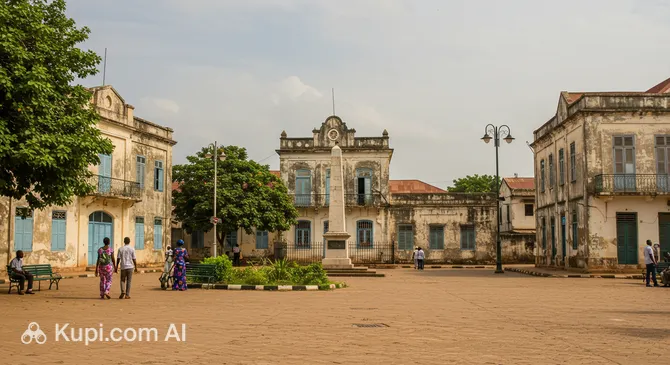
Nearby cities

Reached the end of the page?

That means the route is fully explored