Support

Ibadan

About

Ibadan stands as a prominent cultural and commercial hub in West Africa, renowned for its sprawling landscape of rust-brown roofs and a vibrant, welcoming atmosphere. As the capital of Oyo State, this ancient city seamlessly blends tradition with modernity, offering visitors a unique glimpse into the heart of the Yoruba heritage. It is widely recognized for its significant role in the region's trade and education sectors.

Located in the southwestern part of Nigeria, the city is situated on seven hills, which provide a distinctive topography and scenic views. With a population exceeding 3.5 million, it is one of the most populous cities in the country, buzzing with energy and activity. The climate is typically tropical, characterized by a wet season and a dry season, making it a lush and green destination for much of the year.
Ibadan. Source: Kupi.Binoculars

The history of Ibadan is deeply rooted in the 19th century, having evolved from a strategic war camp into a thriving metropolis. This rich past is reflected in its architecture and landmarks. Visitors are often drawn to the Cocoa House, which holds the title of the first skyscraper in West Africa, symbolizing the city's economic prowess during the cocoa boom. Another must-visit site is Bower’s Tower, located on Oke Aare hill, offering a panoramic view of the city's vast expanse.

Beyond its historical sites, the city is home to the prestigious University of Ibadan, the first university in the country, which adds a youthful and intellectual vibe to the area. Nature lovers can find tranquility at the Agodi Gardens, a beautiful park perfect for picnics and relaxation. Whether you are interested in exploring local markets or diving into historical narratives, Ibadan invites you to experience its warmth and charm firsthand.


Weather Overview

Ibadan experiences a tropical climate defined by consistently warm temperatures and two distinct seasons. For travelers wanting to understand the best time to visit, checking the weather in Ibadan is essential, as conditions shift significantly between the dry and rainy periods. The city remains generally hot and humid year-round, making lightweight clothing a practical choice for most months.

The warmest weather typically arrives in February, where average temperatures reach about 30°C and daily highs can climb to 36°C. Conversely, the climate cools down slightly in July and August, with averages settling around 25°C. Precipitation patterns are quite marked; December and January are notably dry with almost no rainfall, whereas the wet season peaks from June to September, bringing frequent showers and up to 28 wet days in July.

Interesting Facts

Beyond the main attractions and its reputation as an academic center, Ibadan holds many fascinating secrets that highlight its pioneering spirit. The city is a treasure trove of historical milestones and unique cultural systems that set it apart from other Nigerian metropolises.

  • Ibadan is home to the very first television station in Africa, the Western Nigeria Television (WNTV), which began broadcasting in 1959. This technological feat occurred even before many European nations had established their own television networks, earning the station the nickname "First in Africa."

  • The city's traditional political system is exceptionally rare; the title of the Olubadan (King) is not hereditary. Instead, potential rulers ascend through a long ladder of chieftaincy ranks on two distinct lines, ensuring that the king is chosen based on seniority and years of service rather than birthright alone.

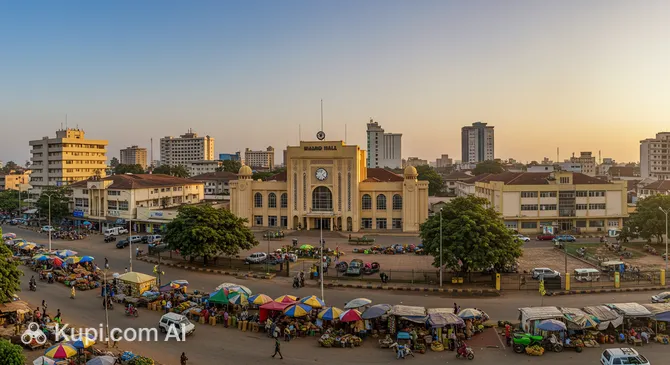
  • One of the most prominent architectural landmarks is Mapo Hall, a colonial edifice perched on a hill that offers commanding views of the city. Modeled after St George's Hall in Liverpool, this structure has served as the center of political and social life in the city since the colonial era.

  • The city's distinctive landscape of endless "brown roofs" was immortalized in literature by the renowned poet J.P. Clark. His poem describes the city as a "running splash of rust and gold," a vivid image that perfectly captures the charm of its older districts.

Mapo Hall. Source: Kupi.Binoculars

How to Get There

Reaching this vibrant Nigerian city is an adventure in itself, with several routes available depending on your starting point. Whether you are arriving from international destinations or traveling within the country, you can find more about how to get to Ibadan and choose the option that suits your itinerary best. The city is well-connected by road networks to neighboring regions, making it accessible for visitors.

For most international and long-distance travelers, the primary gateway is Murtala Muhammed International Airport (LOS). Travelers typically use this major hub located in Lagos, which is approximately 112 km from Ibadan, for their arrival. As a large international facility, it offers extensive connections. The journey from Lagos to Ibadan by taxi or bus typically takes around 3 hours, depending on traffic conditions.

Another option for regional travelers is Ilorin International Airport (ILR), situated in the city of Ilorin. It is located about 132 km from Ibadan. While it serves a smaller volume of passengers compared to the Lagos airport, it functions as a useful alternative entry point. A road trip from Ilorin to Ibadan generally takes approximately 3 hours and 40 minutes.

For clarity, here is a summary of the main airports:

Airport Name City Passenger Traffic Km from City
Murtala Muhammed International Airport Lagos High 112.3
Cotonou Airport Cotonou Medium 206.3
Benin City Airport Benin City Medium 217.1
Ilorin International Airport Ilorin Small 132.1
Ondo - Akure Airport Akure Small 150.2

Main Attractions

Ibadan offers a dynamic mix of leisure and entertainment options that cater to diverse tastes, ranging from modern shopping complexes to vibrant nightlife spots. While the city is steeped in history, its contemporary attractions provide excellent opportunities for relaxation, dining, and social experiences for visitors looking to unwind.

One of the city's premier destinations for retail and entertainment is The Palms Shopping Mall. Located on Ring Road, this sprawling complex is a favorite among locals and tourists alike. It features a wide array of international and local retail stores, a modern cinema for movie lovers, and a food court offering various culinary delights. It is the perfect spot to escape the heat and enjoy a day of shopping and fun with family or friends.

The Palms Shopping Mall. Source: Kupi.Binoculars

For those looking to experience the city's social scene in a sophisticated setting, the Mauve21 Hotel and Events Center is a standout choice. This architectural landmark is not just for accommodation; it serves as a major hub for high-profile events, conferences, and dining. Its strategic location and elegant design make it a recognizable point of interest, often bustling with cultural and social activities.

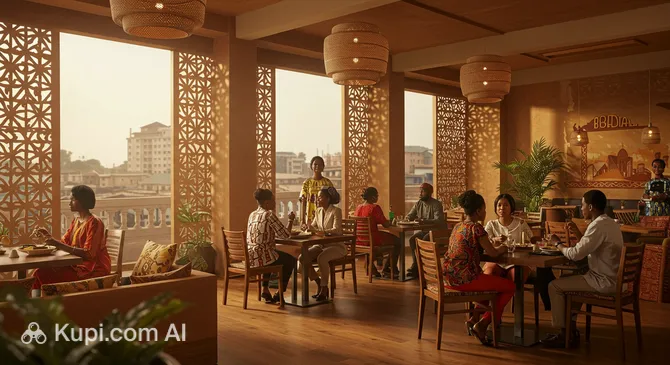
Food enthusiasts seeking a unique dining atmosphere should visit Tamberma Ibadan. This restaurant is celebrated for its distinctive rustic decor that pays homage to African aesthetics, creating a cozy and culturally rich environment. It is an excellent place to sample a variety of dishes while enjoying a relaxed vibe that feels miles away from the city's hustle.

Tamberma Ibadan. Source: Kupi.Binoculars

When the sun sets, the city comes alive with energy at places like Copacabana. Known as a popular bar and lounge, it draws a lively crowd looking to unwind with music, drinks, and good company. It captures the spirited essence of Ibadan's nightlife, making it a great stop for travelers wishing to experience the local party culture firsthand.

Local Cuisine

Ibadan is widely regarded as a culinary heavyweight in southwestern Nigeria, offering a food scene that is deeply rooted in traditional Yoruba culture. The city is famous for its rich, spicy flavors and hearty meals that reflect the agricultural abundance of Oyo State. For food lovers, a visit here is an opportunity to dive into authentic local gastronomy that has remained largely unchanged for generations.

The undisputed signature dish of the city is Amala, a swallow made from yam flour (elubo). While Amala is eaten throughout Yorubaland, Ibadan is often considered its spiritual home. It is traditionally served with a combination of soups known as "Abula," which consists of Gbegiri (made from beans) and Ewedu (made from jute leaves), topped with a spicy peppery stew. Eating this meal at a local canteen, often referred to as a "buka," is a quintessential experience for any visitor.

Beyond Amala, the city offers other delectable staples such as Iyan (pounded yam) served with Egusi or Efo Riro (vegetable soup). Street food culture is also vibrant, with vendors on many corners selling Akara, which are deep-fried bean cakes often eaten for breakfast or as a snack. These are best enjoyed hot and fresh, wrapped in paper or bread.

When it comes to drinks, the locals appreciate both traditional and modern options. Palm Wine, a natural alcoholic beverage tapped from palm trees, is a local favorite, often enjoyed fresh at social gatherings. For a non-alcoholic refresher, Zobo—a tangy drink made from dried hibiscus flowers—is widely available and perfect for cooling down on a hot afternoon.

The dining landscape in Ibadan is a mix of rustic charm and modern convenience. For those looking to explore local food retail or enjoy a meal in a specific setting, Dache Foods is a place of interest that highlights the city's evolving food sector. It offers a glimpse into how local culinary businesses are modernizing while keeping traditional flavors alive.

Dache Foods. Source: Kupi.Binoculars

For travelers seeking a more contemporary environment to enjoy drinks, light bites, or a vibrant evening atmosphere, the city has a growing number of lounges. Cruzer Lounge & Bistro is a popular spot where locals and tourists mingle over cocktails and music. Similarly, Latitude Café & Lounge offers a stylish setting for relaxation, making it an excellent choice for unwinding after a day of exploring the city's hills and historical sites.

Travel Tips

Welcome to Ibadan! To help you navigate the "city of brown roofs" with confidence and ease, we have compiled a set of essential travel tips. These practical insights will ensure your journey through the capital of Oyo State is not only enjoyable but also culturally respectful and safe.

  1. Clothing and Gear: Given the tropical climate, lightweight and breathable fabrics like cotton or linen are your best bet to stay cool. The sun can be intense, so bring sunglasses and a hat. While casual wear is generally acceptable, it is important to dress modestly when visiting religious sites or traditional palaces; avoid overly revealing outfits. Comfortable walking shoes are a must, especially if you plan to hike up to Bower’s Tower or explore the hilly terrain.
  2. Transportation: For the most comfortable and secure experience, use ride-hailing apps like Uber or Bolt, which operate efficiently within the city. If you are feeling adventurous, you can try the iconic "Micra" taxis—small, often crowded cars that are a staple of Ibadan's streets—but be prepared for a tight squeeze. Tricycles (Keke NAPEP) are also good for short distances, but always agree on the fare before hopping in if it’s not a standard route.
  3. Finances: The local currency is the Nigerian Naira (NGN). While major hotels and shopping malls like The Palms accept bank cards, cash is king in local markets and smaller eateries. ATMs are widely available, but they can occasionally experience network issues, so it is wise to carry enough cash for daily expenses. Tipping is not strictly mandatory but is appreciated for good service in restaurants.
  4. Health and Safety: Malaria is a risk in Nigeria, so pack a strong insect repellent and consider sleeping under a mosquito net if your accommodation provides one. Stick to drinking bottled water and avoid tap water. Pharmacies are easy to find in major areas, but for serious medical attention, private hospitals are generally recommended over public ones. As a precaution, avoid walking alone in poorly lit areas late at night.
  5. Communication: English is the official language and is widely spoken, so you will have no trouble communicating. However, the dominant local language is Yoruba. Locals will greatly appreciate it if you learn a few basic greetings like "E kaaro" (Good morning) or "E ku ise" (Well done/Good job). Wi-Fi is available in most hotels and cafes, but buying a local SIM card (MTN or Airtel) with data is reliable for staying connected on the go.
  6. Local Etiquette: In Yoruba culture, greetings are extremely important; skipping a greeting can be seen as rude. When interacting with elders, it is polite to show respect; while tourists are not expected to prostrate, a respectful nod or slight bow is well-received. Always ask for permission before taking photographs of people or their property.
  7. What to Avoid: Never use your left hand to give or receive items, exchange money, or eat. In local culture, the left hand is considered unclean, and using it for social interactions is viewed as a sign of disrespect. Always use your right hand, even if you are naturally left-handed.
  8. Additional Tip: If you plan to visit the famous Bodija or Dugbe markets, try to go early in the morning to avoid the midday heat and the thickest crowds. Also, bargaining is a standard part of the shopping experience in these open markets—start by offering a lower price than what is quoted and meet the vendor in the middle with a smile.

Ibadan is a city that rewards curiosity with warm hospitality and rich history. By keeping these practical tips in mind, you will be well-prepared to immerse yourself in the local rhythm and make the most of your adventure in this fascinating Nigerian metropolis.

Entertainment & Nightlife

Ibadan transforms as the sun goes down, offering a vibrant nightlife scene that reflects the city's energetic spirit. The primary hub for evening entertainment is Ring Road, a bustling district lined with an array of lounges, bars, and clubs that cater to diverse tastes. The Bodija area also hosts several upscale spots, making it a popular destination for those seeking a more relaxed yet sophisticated night out.

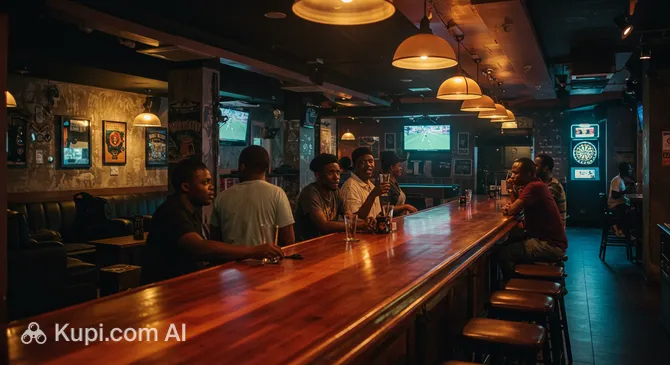
For sports enthusiasts and those looking for a lively atmosphere, Sluggers Sports Bar & Lounge is a top choice. It combines the excitement of live sports screenings with a vibrant club vibe, making it a great place to mingle with locals. The venue is known for its extensive drink menu and energetic music, often featuring popular Afrobeat tracks that keep the crowd moving.

Sluggers Sports Bar & Lounge. Source: Kupi.Binoculars

If you are looking for a chic setting to enjoy cocktails and conversation, Copacabana is a standout venue. It attracts a stylish crowd and is renowned for its modern decor and premium service. Another excellent option is Latitude Café & Lounge, located within the Ventura Mall. By day, it is a cozy café, but at night, it transitions into a buzzing lounge with karaoke nights and DJ performances, offering a versatile experience for visitors.

The nightlife atmosphere in the city is generally warm and welcoming, with a dress code that leans towards smart-casual. Most venues start to fill up around 9:00 PM and remain active well into the early morning hours, particularly on weekends. Prices for drinks and entry fees are reasonable compared to Lagos, offering great value for a fun night out.

When navigating the city at night, safety and convenience are paramount. It is highly recommended to use ride-hailing apps like Uber or Bolt rather than hailing random taxis on the street. These services provide a secure way to get from your hotel to the clubs and back. While the main entertainment districts are safe, it is always wise to stay in well-lit areas and avoid walking alone late at night.

Beyond the nightlife, the city offers engaging daytime entertainment options. Visitors can explore the National Museum of Unity to gain insights into Nigeria's diverse cultures or catch the latest blockbuster movies at the modern cinemas in the city's malls. For a breath of fresh air, the Agodi Gardens provide a scenic environment for leisure walks and picnics before the evening festivities begin.

Parks & Museums

Ibadan offers a fascinating blend of natural beauty and deep-rooted heritage, providing visitors with serene green escapes and rich cultural narratives. From lush gardens nestled within the city's hills to museums that preserve the legacy of the Yoruba people, the city presents a variety of spaces for relaxation and learning.

For nature lovers, Agodi Gardens is the premier urban recreational spot. Located near the government secretariat, this sprawling park serves as a lush oasis in the heart of the metropolis. It features a swimming pool, a small zoo, and extensive botanical gardens filled with tropical trees and flowers. It is an ideal location for picnics, leisurely walks, or simply escaping the city noise to enjoy the tranquility of nature.

Another significant green space is the University of Ibadan Zoological Garden. Situated within the campus of Nigeria's premier university, this zoo is one of the best-maintained in the country. It houses a diverse collection of animals, including lions, giraffes, and various primates, making it a favorite destination for families and wildlife enthusiasts. The surrounding botanical garden also offers a peaceful environment for studying flora and birdwatching.

To dive into the region's cultural history, the National Museum of Unity is a must-visit institution. Dedicated to fostering unity among Nigerians, the museum showcases an impressive collection of ethnographic artifacts from different parts of the country. Visitors can explore exhibits featuring traditional musical instruments, ancient pottery, ceremonial masks, and regalia that tell the story of Nigeria's diverse ethnic groups, with a special focus on Yoruba heritage.

In terms of historical landmarks, Bower’s Tower stands out as a significant monument. Erected in 1936 to honor Captain Robert Lister Bower, the first British Resident and Travelling Commissioner of Interior Yorubaland, the tower is located on the summit of Oke Aare. Climbing the spiral staircase to the top rewards tourists with a breathtaking 360-degree view of the city's famous "brown roofs," offering a perspective that is locally known as "Layipo."

The city's architectural grandeur is also epitomized by Mapo Hall, a colonial-style city hall built on Mapo Hill. While it serves as a venue for political and social events, its imposing columns and historical significance make it a key stop for anyone interested in the colonial era's influence on local architecture. It remains a symbol of authority and tradition in the heart of the ancient city.

For a truly authentic experience, consider visiting the Irefin Palace. This historical palace is one of the few remaining structures that offer a glimpse into the traditional way of life of Ibadan's warrior families. With its labyrinth of courtyards and over a hundred rooms, a guided tour here reveals the fascinating history of the Irefin lineage and the city's traditional chieftaincy system.

Getting Around

The public transport system in Ibadan is a vibrant and essential part of the city's daily rhythm, distinctively different from many Western metropolises. There is no underground metro or tram network here; instead, the streets are dominated by the iconic "Micra" taxis. These small, durable cars operate as shared vehicles, running on fixed routes throughout the city. They are the most popular way for locals to get around, supplemented by larger yellow buses known as "Danfo" and tricycles, locally called "Keke," which are perfect for navigating shorter distances and neighborhood roads.

Payment for these modes of transport is almost exclusively cash-based. There are no electronic travel cards, passes, or ticketing apps for the Micras, buses, or tricycles. Fares are generally very affordable but can fluctuate slightly depending on the time of day and traffic conditions. It is highly recommended to carry smaller denomination notes, as drivers often do not have change for large bills. You simply pay the driver or the conductor (known as the "motor boy") during the journey or upon alighting.

For tourists wishing to experience the local way of moving around, a bit of preparation goes a long way. Official bus stops exist, but in practice, vehicles can often be hailed from the side of the road or at major junctions. The "Micras" are known for being packed tightly, so be prepared for close quarters with fellow passengers. Transport services start very early in the morning, often before dawn, and run until late evening, though finding a ride becomes significantly harder after 9:00 PM. Always confirm the destination and the price before hopping in to avoid misunderstandings.

If you prefer a more comfortable and private travel experience, modern alternatives are readily available and widely used. Ride-hailing apps like Uber and Bolt operate efficiently across the city, offering air-conditioned rides with transparent pricing. This is often the best choice for visitors who are unfamiliar with the local routes. Additionally, traditional private taxis can be hired for specific trips or chartered by the hour, providing flexibility for sightseeing without the hustle of public transit.

While there is no inner-city train system, it is worth noting that the city is served by a modern standard gauge railway station at Moniya, which connects to other major regions. However, this station is located on the outskirts, so travelers arriving by train will need to arrange a taxi or ride-share to reach the city center. This mix of informal local transit and modern private options ensures that you can find a mode of travel that suits your comfort level and sense of adventure.

Accommodation

Accommodation in Ibadan caters to a wide spectrum of travelers, offering everything from budget-friendly guesthouses to mid-range hotels and a few upscale establishments. Unlike the steep prices often found in Lagos, the capital of Oyo State provides excellent value for money, with spacious rooms and warm hospitality being the norm. Whether you are visiting for business, leisure, or academic purposes, you will find suitable lodging that fits your needs and budget.

For those seeking a serene and secure environment, the Government Reservation Areas (GRAs) such as Iyaganku and Jericho are highly recommended. These neighborhoods are characterized by tree-lined streets, colonial-style architecture, and a quiet atmosphere, making them perfect for relaxation. Bodija is another popular district, offering a blend of residential comfort and accessibility to local markets and restaurants. If you prefer to be close to the city's commercial heartbeat and nightlife, looking for accommodation around Ring Road or Dugbe will place you right in the center of the action.

The price range for accommodation varies significantly but is generally affordable. Budget travelers can find decent guesthouses and smaller hotels for a modest fee, while mid-range options offer modern amenities like air conditioning and on-site dining at reasonable rates. Luxury seekers can expect premium services in the city's top-tier hotels, though these are fewer in number compared to larger commercial hubs. Booking can be done through major online travel platforms for well-known establishments, but for smaller, local hotels, direct booking via phone or a walk-in visit is often more effective.

A helpful tip for booking your stay is to confirm the availability of a backup power supply, such as a generator or inverter. While power stability has improved, it can still be intermittent, and ensuring 24-hour electricity will make your stay much more comfortable. Additionally, while many larger hotels accept card payments, it is wise to carry some cash for deposits or incidental expenses at smaller lodgings.

Nearby Cities

Situated in the heart of Oyo State, Ibadan serves as a strategic gateway to several other prominent destinations in southwestern Nigeria. Its central location allows travelers to easily explore neighboring regions, each offering its own unique blend of commerce, history, and culture. From the bustling coastal energy of Lagos to the historic rock formations of Abeokuta, these cities are accessible by road and provide excellent opportunities for day trips or extended excursions.

For visitors planning to expand their itinerary beyond the city limits, the following table provides a list of nearby major urban centers, including their distances and population estimates:

City Population Distance (km)
Abeokuta 888,924 69
Shagamu 1,132,270 70
Ogbomoso 1,032,000 89
Ikeja 861,300 108
Lagos 16,637,000 113

Traveling to these locations offers a deeper insight into the diversity of the region. Abeokuta, the capital of Ogun State, is particularly famous for the massive Olumo Rock, a historical fortress and tourist attraction. Meanwhile, Lagos and its capital district, Ikeja, represent the economic heartbeat of the nation, known for their vibrant nightlife, beaches, and extensive shopping districts.

Shopping & Souvenirs

Shopping in Ibadan offers a fascinating contrast between the ultra-modern and the deeply traditional, reflecting the city's dual identity as a historic Yoruba settlement and a growing metropolis. Visitors can spend their morning navigating the labyrinthine alleys of centuries-old open-air markets and their afternoon browsing international brands in air-conditioned shopping complexes. The retail scene here is generally more affordable than in Lagos, making it an excellent place to stock up on local crafts and fabrics.

The city's commercial life revolves around two primary districts: Dugbe and Ring Road. Dugbe serves as the central business district and the historic commercial heart of the city, home to banks, high-rise buildings, and major retail outlets. It is a busy, chaotic, and energetic area where you can find almost anything. Conversely, Ring Road (MKO Abiola Way) represents the modern face of the city, lined with contemporary plazas, entertainment centers, and some of the largest retail spaces in the state.

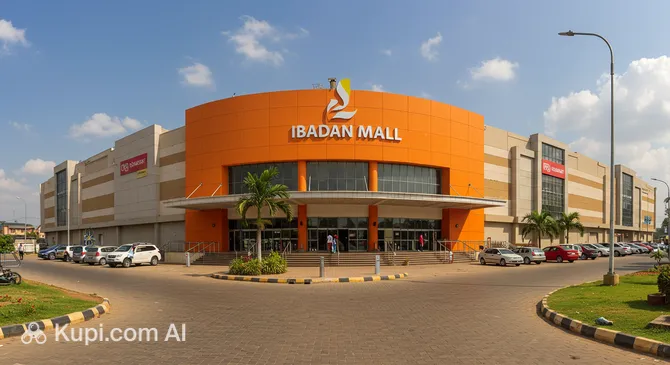
For those who prefer a comfortable and contemporary shopping experience, the city boasts several impressive malls. Situated within the iconic Cocoa House complex in Dugbe is Ibadan Mall (often referred to as Heritage Mall). This facility offers a relaxed environment with a cinema, supermarkets, and various clothing stores, making it a convenient stop for tourists exploring the city center.

Ibadan Mall. Source: Kupi.Binoculars

Another key destination for retail therapy is The Palms Shopping Mall on Ring Road. As one of the largest shopping centers in the city, it features a vast supermarket, numerous boutiques, and a food court. It is a popular hangout spot for locals and a safe, familiar environment for international visitors looking for Western-style goods and services.

However, the true spirit of commerce in Ibadan is found in its traditional markets. Bodija Market is the most famous, known for its sheer size and the variety of fresh produce, spices, and cattle available. It offers a sensory overload of sights and smells that is perfect for adventurous travelers. For a focus on textiles and general merchandise, Aleshinloye Market is a better choice, offering everything from jewelry to household items in a slightly more organized setting.

If you are looking for authentic souvenirs, the city is a treasure trove for traditional textiles. A visit to Oje Market is essential for anyone interested in Aso Oke, the prestigious hand-woven cloth of the Yoruba people. This market is the ancestral home of the fabric trade in the region. Additionally, Adire (tie-dye) fabrics are widely available and make for beautiful, lightweight gifts. Local beads and leatherwork are also popular items to bring back home.

Regarding practicalities, shopping hours vary by location. Modern malls typically operate from 9:00 AM to 9:00 PM daily. Traditional markets, on the other hand, start very early, often around 7:00 AM, and wind down by 6:00 PM. While malls and larger supermarkets accept debit and credit cards, cash is absolutely necessary for transactions in open-air markets and smaller shops. Tourists should note that Nigeria does not operate a VAT refund scheme for visitors, so the price you pay is final.

Reached the end of the page?

That means the route is fully explored