Support

Akure

About

Welcome to Akure, the vibrant capital of Ondo State and a significant economic hub in southwestern Nigeria. Known for its peaceful atmosphere and lush surroundings, the city serves as a major center for the region's cocoa, timber, and cotton trade. With a population of over 840,000 residents, Akure perfectly blends the hustle of a growing metropolis with the traditional warmth of Yoruba culture.
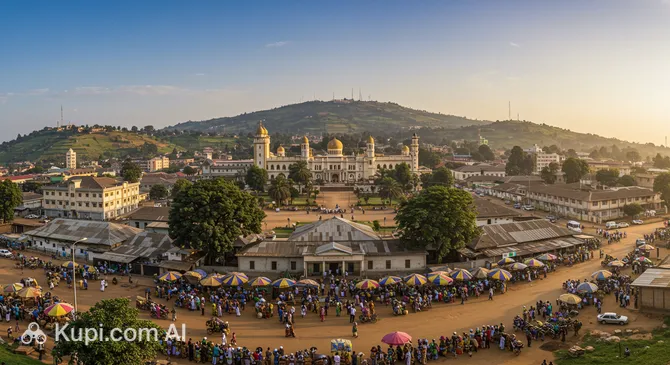
Akure. Source: Kupi.Binoculars

The city is situated in the tropical rainforest zone, offering a warm and humid climate that supports its rich agricultural heritage. For those interested in the past, the history of Akure offers a fascinating glimpse into the ancient kingdom, where the Deji of Akure serves as the traditional ruler and custodian of local customs. The city's layout still reflects this deep-rooted heritage, with the Oba's palace remaining a central landmark.

Travelers will find several points of interest to explore. The Deji’s Palace stands as a testament to the city's architectural and cultural legacy. While in the city, many visitors take the opportunity to visit the nearby Idanre Hills, a breathtaking UNESCO World Heritage tentative site located just a short drive away, known for its steep steps and ancient settlements. Within the city limits, the presence of the Federal University of Technology Akure adds a youthful energy to the local scene.

Whether you are passing through on business or looking to explore the natural beauty of Ondo State, Akure offers a welcoming environment. Its mix of historical significance, natural beauty, and friendly locals makes it a delightful stop on any Nigerian itinerary.
Weather Overview

The climate in Akure is typically tropical, featuring distinct wet and dry periods that influence the best time to visit. The dry season generally runs from November to February, bringing the warmest temperatures; February is often the hottest month with average highs reaching 35.3°C and almost no recorded rainfall.

In contrast, the wet season dominates from March through October. During this time, the weather becomes much more humid, with rain occurring on up to 28 days per month in July and September. Temperatures moderate during the rainy months, dipping to an average of around 25°C, offering a cooler but significantly wetter experience for visitors.

Interesting Facts

Beyond the main attractions and administrative bustle, Akure holds fascinating secrets that bridge its ancient past with modern life. The city's rich heritage offers a treasure trove of stories that often go unnoticed by the casual observer.
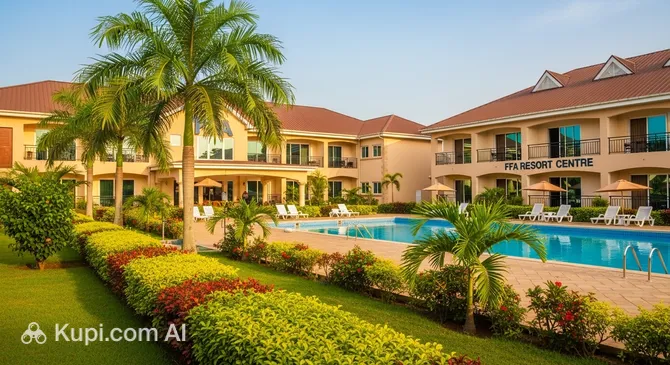
FFA Resort Centre. Source: Kupi.Binoculars
  • The city's name is steeped in royal legend. It is said to be derived from the Yoruba phrase Akun-re, meaning "the beads have snapped." This refers to a historical event where the heavy royal wrist beads of the founding prince, Omoremilekun, broke at this exact location, which he interpreted as a divine sign to settle and establish the kingdom.

  • The Deji of Akure’s Palace is more than just a residence; it is a designated National Monument. This architectural gem is celebrated for preserving traditional Yoruba building styles and contains numerous courtyards, each historically assigned for specific cultural ceremonies and administrative gatherings.

  • While deeply traditional, the city has quietly evolved into a center for modern relaxation. Venues like the FFA Resort Centre highlight a growing leisure culture, offering a contemporary contrast to the ancient customs that still permeate the city's daily life.

  • Akure is often hailed as a center of intellectual excellence in Nigeria. It is home to the Federal University of Technology, Akure (FUTA), which is frequently ranked as the country's best university of technology, drawing scholars and researchers from across the nation to this serene state capital.

How to Get There

Reaching Akure is relatively straightforward, with air travel being the fastest option for those coming from distant parts of Nigeria. For a complete overview of travel options, including road routes, you can read more about how to get to Akure on our detailed page.

The most convenient entry point is the local Ondo - Akure Airport (AKR), situated approximately 10.6 km from the city center. It is a domestic hub serving the region, and a taxi ride from the terminal to downtown Akure typically takes around 35 minutes. While it is a smaller airport with modest passenger traffic, it offers the distinct advantage of landing directly in the city, saving travelers from long road transfers.

If direct flights to Akure are unavailable, the next best alternative is Benin City Airport (BNI) in Benin City. Located about 113 km away, this airport handles a higher volume of traffic and may offer more flight connections. However, visitors should be prepared for a longer onward journey; the drive from Benin City to Akure by taxi or bus takes approximately 3 hours depending on road conditions.

For clarity, here is a summary of the main airports in the region:

Airport Name City Passenger Traffic Km from City
Benin City Airport Benin City Medium 112.8
Warri Warri Medium 195.8
Asaba Airport Asaba Medium 198.3
Ilorin International Airport Ilorin Small 152.6
Ondo - Akure Airport Akure Small 10.6

Akure does not currently have a functional railway station for passenger service. Consequently, most travelers who do not fly arrive by road. The city is well-connected by a network of highways to major Nigerian cities such as Lagos, Ibadan, and Abuja. Inter-state buses and private shuttles are popular and affordable means of transport, offering regular daily services to the state capital.

Main Attractions

While Akure is a bustling state capital, it also serves as a gateway to some of Nigeria's most impressive natural and modern attractions. Visitors will find a mix of leisure spots, shopping destinations, and vibrant social hubs that reflect the city's evolving character. From serene resorts to lively evening venues, there is something to engage every type of traveler.

One of the city's premier locations for relaxation is the FFA Resort Centre. This facility is a favorite among locals and tourists alike for its peaceful ambiance and recreational offerings. It provides a perfect setting for families or individuals seeking a break from the urban rush, offering well-maintained grounds where one can unwind and enjoy the warm Ondo climate.

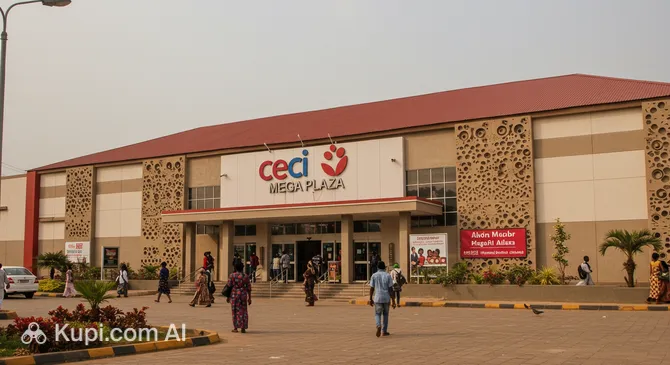
For those interested in the commercial pulse of the city, Ceci Mega Plaza stands out as a key destination. As a modern shopping mall, it offers a convenient and comfortable environment to browse for local goods, fashion, and travel essentials. It is an excellent place to observe the daily lifestyle of Akure's residents while picking up souvenirs or enjoying a quick snack.

Ceci Mega Plaza. Source: Kupi.Binoculars

Although situated just outside the immediate city limits, the majestic Idanre Hills are inextricably linked to tourism in Akure. A short drive takes you to this UNESCO World Heritage tentative site, where adventurous visitors can climb the legendary 660 steps. The summit offers breathtaking panoramic views and a chance to explore the ancient settlement, making it the region's most famous landmark.

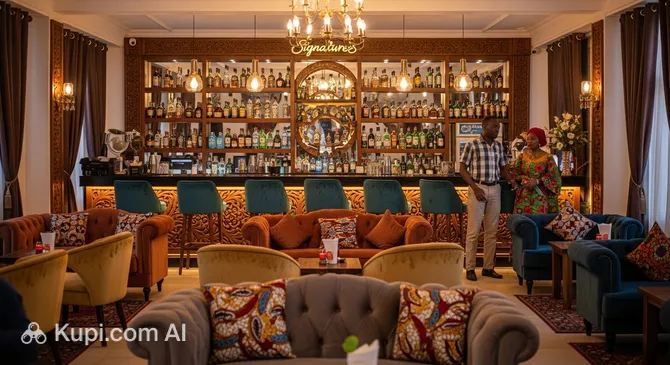
As the sun sets, the city's social scene comes alive at venues like Signatures. Known for its lively atmosphere, this bar is a popular spot to experience Akure's nightlife. It attracts a diverse crowd looking to socialize, enjoy music, and relax with drinks, offering a spirited end to a day of exploration.

Signatures. Source: Kupi.Binoculars

Local Cuisine

The culinary landscape of Akure is a delightful reflection of the wider Ondo State gastronomy, which is often celebrated for its freshness and rich flavors. The undisputed king of the local table is Pounded Yam, locally known as Iyan. In this part of Nigeria, Iyan is more than just food; it is a cultural staple often prepared with great effort and served steaming hot. It is typically paired with robust soups such as Efo Riro (a spicy vegetable soup mixed with fish or meat) or Egusi (melon seed soup), offering a hearty meal that locals enjoy at any time of the day.

For those who enjoy spicy food, Akure offers plenty of opportunities to test your palate. Asun, a spicy dish made from grilled goat meat chopped into bite-sized pieces, is a local specialty often found at social gatherings and street corners. Another street food favorite is Suya, skewered beef heavily seasoned with spicy peanut pepper, which is best enjoyed in the evenings. These dishes capture the essence of the city's love for bold and fiery tastes.

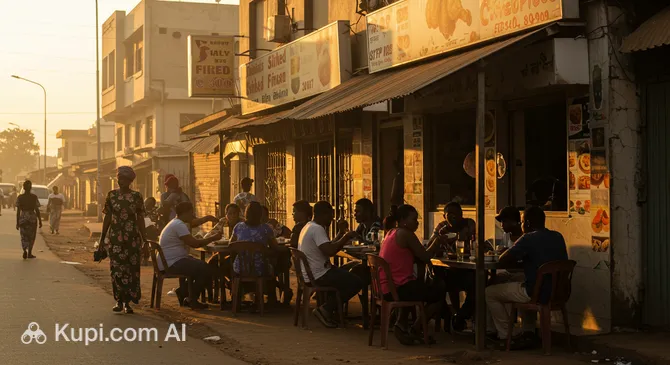
Fried Chicken Restaurant, Oyemekun Road, Akure. Source: Kupi.Binoculars

The dining scene in Akure ranges from traditional "bukkas"—informal roadside eateries serving authentic home-cooked meals—to more modern establishments. Travelers looking for familiar comfort food or a casual dining experience might visit the Fried Chicken Restaurant, Oyemekun Road, Akure. It represents the growing number of fast-food style eateries that cater to the city's bustling urban population while still maintaining a friendly local vibe.

When it comes to drinks, the local culture embraces both traditional and contemporary options. Fresh Palm Wine is a beloved local beverage tapped from palm trees, offering a sweet and natural taste, especially when enjoyed fresh at local bars. For a non-alcoholic alternative, the Chapman—a fruity, reddish cocktail made with a mix of sodas and citrus—is widely available. For a more vibrant evening atmosphere where you can enjoy these drinks, the Fourteen75 Lounge & Bar provides a modern setting to relax and unwind after a day of sightseeing.

Travel Tips

Visiting Akure is a wonderful opportunity to experience the warmth of Yoruba culture and the natural beauty of Ondo State, but like any travel destination, a little preparation goes a long way. To help you navigate the city with confidence and ease, we have compiled a set of practical tips designed to make your stay as enjoyable and smooth as possible.

  1. Clothing and Gear: Given the tropical climate, lightweight and breathable fabrics like cotton or linen are your best friends to handle the heat and humidity. Pack a light sweater or jacket, as evenings can sometimes feel cool, especially during the rainy season. If you plan to hike the famous Idanre Hills nearby, sturdy and comfortable walking shoes are an absolute must. While Akure is generally relaxed, it is respectful to dress modestly when visiting traditional sites like the Deji's Palace.

  2. Transportation: The most common way to get around Akure is by using local taxis, which are often painted in specific state colors. Motorcycle taxis, locally known as Okadas, are fast and ubiquitous for short distances, but always insist on a helmet and negotiate the fare before hopping on. Ride-hailing apps are becoming more present, but availability can vary compared to larger cities like Lagos; having the number of a reliable local taxi driver is often the safest bet for evening travel.

  3. Finances: The local currency is the Nigerian Naira (NGN). While modern establishments like Ceci Mega Plaza and major hotels accept debit cards, cash is still king in local markets, smaller eateries, and for transport. ATMs are widely available, but they can occasionally be out of service or out of cash, so it is wise to carry a sufficient amount of cash on you. Tipping is not mandatory but is always appreciated for good service.

  4. Health and Safety: Malaria is a risk in tropical regions, so packing strong insect repellent and sleeping under a mosquito net is highly recommended. strictly drink bottled water and avoid tap water or ice of unknown origin. Pharmacies are available in the city center, but it is best to bring any specific prescription medications you need from home. As a general safety precaution, avoid walking alone in poorly lit areas at night and keep your valuables secure.

  5. Communication: English is the official language and is widely spoken, often mixed with Nigerian Pidgin. The local language is Yoruba, and locals will be delighted if you try a few phrases. A simple "E ka aro" (Good morning) or "E se" (Thank you) can open many doors. To stay connected, you can buy a SIM card from major providers like MTN or Airtel, but remember that registration is mandatory and requires your passport.

  6. Local Etiquette: In Yoruba culture, greetings are extremely important; skipping a greeting can be seen as rude. When interacting with locals, especially elders, showing respect is key. Always use your right hand to give or receive items, shake hands, or eat, as using the left hand is considered culturally offensive and unclean.

  7. What to Avoid: Avoid traveling between cities at night. Road conditions and safety are significantly better during daylight hours. Additionally, try to avoid taking photos of people or government buildings without asking for permission first, as this can lead to misunderstandings.

  8. Smart Shopping Tip: If you visit the local markets, bargaining is expected and is part of the shopping experience. Vendors often start with a higher price for tourists, so maintain a friendly attitude and negotiate for a fair deal—it’s often done with a smile and a bit of humor.

By keeping these tips in mind, you will be well-equipped to embrace the authentic rhythm of life in Akure. The city's hospitable residents are known for their friendliness, so don't hesitate to ask for help or directions—you might just make a new friend along the way!

Entertainment & Nightlife

Entertainment in Akure has evolved significantly, transforming the city from a quiet state capital into a hub with a vibrant and growing nightlife scene. While it may not have the frenetic pace of Lagos, Akure offers a more relaxed yet spirited evening experience. The heartbeat of the city's nightlife is undoubtedly the Alagbaka district (Government Reservation Area). This area is considered the most upscale part of town and hosts the highest concentration of lounges, bars, and clubs, making it the primary destination for night owls.

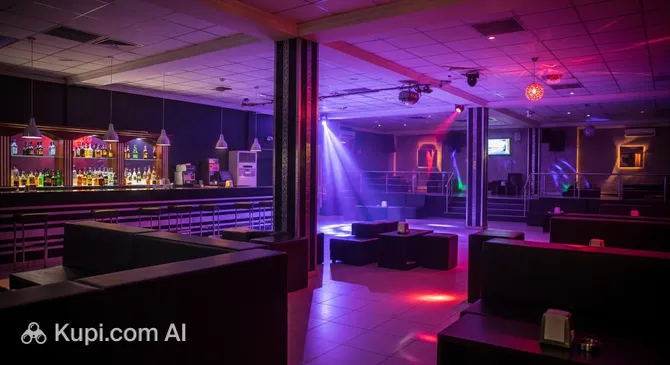
For those seeking a modern clubbing experience, Fourteen75 Lounge & Bar is a standout venue. It is well-regarded for its energetic atmosphere, contemporary decor, and a steady rotation of DJs spinning the latest Afrobeats and international tracks. It attracts a youthful and trendy crowd, making it an excellent spot to dance the night away or enjoy sophisticated cocktails with friends.

Fourteen75 Lounge & Bar. Source: Kupi.Binoculars

Another top-tier location that defines the local social scene is Signatures. This establishment strikes a balance between a high-energy club and a relaxed lounge, often featuring live band performances that add a soulful touch to the evening. The dress code in these venues is generally smart casual; while you don't need to be overly formal, looking sharp is part of the culture here. Most clubs and lounges start to fill up around 10:00 PM and stay lively well into the early morning hours, especially on Fridays and Saturdays.

When planning a night out, safety and logistics are important. The Alagbaka area is generally well-lit and safe for evening outings, but it is advisable to avoid walking long distances alone at night in less busy neighborhoods. Public transport becomes scarce after dark, so the best way to get around is by using private taxis or arranging a drop-off with a trusted driver. Prices for drinks and entry fees are moderate compared to larger Nigerian cities, offering good value for a premium experience.

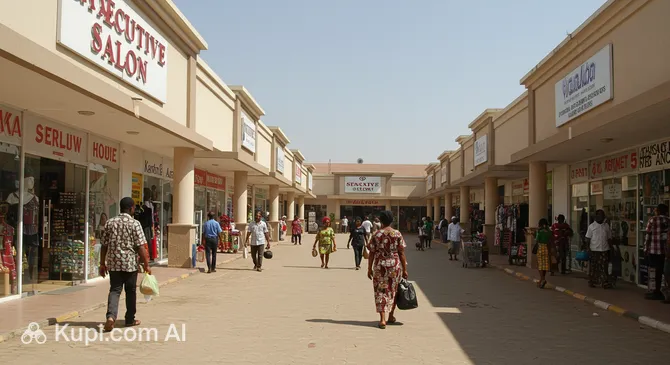
Beyond the nightlife, Akure offers pleasant daytime diversions. Visitors can explore the city's retail and leisure offerings at the Executive Salon Shopping Mall. This venue serves as a convenient spot for shopping, catching a movie, or enjoying a quiet afternoon before the evening festivities begin. Whether you are interested in cultural artifacts at a local museum or simply browsing modern stores, the city provides a balanced mix of activities to fill your day.

Executive Salon Shopping Mall. Source: Kupi.Binoculars

Parks & Museums

While Akure is primarily known as a commercial and administrative hub, it possesses a deep cultural soul and pockets of greenery that offer a refreshing escape for visitors. The city’s approach to leisure and heritage is deeply rooted in its history, offering a blend of traditional preservation and natural conservation that reflects the identity of Ondo State.

For those seeking to understand the region's royal history, the Deji of Akure’s Palace is the most significant cultural landmark in the city. Recognized as a National Monument, this sprawling complex is an architectural masterpiece of traditional Yoruba design. Unlike modern museums, the palace is a living institution that houses ancient artifacts, ceremonial courtyards, and artistic engravings that tell the story of the Akure kingdom. A guided visit here offers a rare insight into the customs and administrative history of the local monarchy.

Another focal point for arts and history is the Adegbemile Cultural Centre. Serving as the heartbeat of the city's creative scene, this venue frequently hosts art exhibitions, theatrical performances, and cultural displays. It is a great place to see local craftsmanship up close and occasionally features galleries showcasing the works of contemporary artists from Ondo State, bridging the gap between ancient traditions and modern expression.

Nature lovers will find a sanctuary at the FUTA Wildlife Park, located within the Federal University of Technology, Akure. This conservation area is one of the few protected green spaces within the city limits, designed to preserve indigenous flora and fauna. It provides a serene environment for bird watching, nature walks, and educational tours, making it a perfect spot for travelers looking to experience the region's biodiversity away from the city noise.

For a more manicured and leisurely outdoor experience, the grounds of the FFA Resort Centre offer a peaceful atmosphere. While primarily a hospitality venue, its well-maintained gardens and open spaces provide a relaxing setting for a quiet afternoon stroll, offering a contrast to the wilder nature found in the university park.

Insider Tip: If you are interested in architecture, pay close attention to the pillars and walls within the Deji's Palace. Many feature intricate mud carvings and murals that are unique to this part of Yorubaland and are slowly becoming a lost art form.

Getting Around

Public transport in Akure differs significantly from the complex networks found in major global capitals. The city does not have a metro, tram, or trolleybus system. Instead, the transportation network relies entirely on road-based vehicles, primarily consisting of shared taxis, tricycles, and motorcycles. This informal yet efficient system covers most neighborhoods and is the lifeline for daily commuting within the metropolis.

The most popular and comfortable mode of public transport is the shared taxi. These are standard sedan cars, often painted in specific state colors to distinguish them from private vehicles. Unlike private cabs that take you door-to-door for a high fee, these taxis ply fixed routes along major roads. You simply flag one down, tell the driver your destination, and if it aligns with their route, you hop in with other passengers. It is a cost-effective way to travel across the city, though it may lack the privacy of a hired car.

For shorter distances or navigating areas with narrower streets, tricycles (locally known as Keke NAPEP or just Keke) and motorcycle taxis (Okadas) are the go-to options. Kekes offer a slightly safer and more sheltered ride compared to bikes and are widely used for short hops between neighborhoods. Okadas are the fastest way to beat traffic but require a higher tolerance for risk; passengers are strongly advised to insist on a helmet, although safety compliance can vary.

The payment system across all forms of public transport in the city is strictly cash-based. There are no travel cards, digital passes, or mobile apps for paying bus or taxi fares. Passengers must pay the driver directly, usually at the start or end of the trip. Fares are generally low and affordable, often ranging from 100 to 500 Naira depending on the distance. It is crucial to carry small denominations of the local currency, as drivers frequently struggle to find change for high-value banknotes.

For tourists, navigating this system requires a bit of local know-how. Taxis and Kekes operate from early morning until late evening, but availability drops sharply after 9:00 PM. To catch a ride, stand at a designated bus stop or a busy junction and wave your hand. While prices for shared taxis on standard routes are fixed, fares for Okadas or "drop" (chartered) taxis must be negotiated before you get in. Always agree on the price upfront to avoid disagreements upon arrival.

If you prefer a more modern and private alternative, ride-hailing apps have established a presence in the city. Services like Bolt allow you to book a private car with a known price estimate, offering a safer and more comfortable experience than street-hailed vehicles. This is particularly recommended for evening travel or for visitors unfamiliar with the local routes. Traditional car rentals are also available but typically come with a driver, as self-driving can be challenging due to local traffic habits.

Accommodation

Accommodation in Akure caters to a variety of preferences and budgets, ranging from modest guesthouses to more upscale hotels and resorts. While the city may not feature the extensive array of international luxury chains found in Lagos or Abuja, it offers a solid selection of comfortable mid-range hotels and functional budget options. Most establishments prioritize hospitality and provide essential amenities, ensuring a pleasant stay for business travelers and tourists alike.

When choosing where to stay, location is a key factor. The Alagbaka district (Government Reservation Area) is widely considered the premier neighborhood for visitors. It is known for its security, well-paved roads, and proximity to major government offices and shopping centers. Staying here places you close to the city's nightlife and best restaurants. Alternatively, the city center around Oba Adesida Road offers easy access to local markets and the Deji's Palace, though it is significantly busier and noisier.

For travelers looking for a blend of leisure and comfort, the FFA Resort Centre is a notable option. As a resort hotel, it stands out for its serene environment and recreational facilities, making it a popular choice for families and those seeking a retreat from the urban bustle. It exemplifies the growing trend of modern hospitality venues in the city that offer more than just a place to sleep.

Regarding costs, accommodation in Akure is generally affordable compared to Nigeria's larger metropolitan areas. Prices typically range from budget-friendly rates for basic rooms to higher prices for suites in the Alagbaka area. While major hotels can often be booked via popular online platforms, many smaller local establishments rely on direct phone bookings or walk-ins. It is advisable to book in advance if you plan to visit during December or major local festivals, as the best rooms tend to fill up quickly.

Nearby Cities

For those looking to explore the surroundings, Akure serves as an excellent base for day trips to several interesting nearby locations:

One of the most culturally significant destinations is Ile-Ife, often revered as the ancestral home of the Yoruba people. It offers a profound connection to ancient history, featuring landmarks such as the Ooni’s Palace and the Ife Museum, which is renowned for its exquisite terracotta and bronze artifacts. Another compelling stop is Osogbo, famous for hosting the Osun-Osogbo Sacred Grove. This UNESCO World Heritage site is a unique blend of dense forest, river, and sacred art, attracting visitors interested in spirituality and culture. For those willing to travel a bit further, Benin City offers a glimpse into one of West Africa's most famous historical kingdoms, known for its ancient moats and the artistic legacy of the Benin Bronzes.

City Population Distance (km)
Benin City 1,147,188 111
Ikare 1,099,931 69
Osogbo 731,000 94
Ile-Ife 501,952 77
Ado Ekiti 446,749 39

These nearby destinations offer a glimpse into the diverse culture and landscapes of the region.

Shopping & Souvenirs

Shopping in Akure offers a fascinating blend of traditional Nigerian commerce and emerging modern retail experiences. While the city is not primarily known as a high-end fashion destination, it provides a genuine glimpse into the local lifestyle, ranging from bustling open-air markets to comfortable, air-conditioned plazas. Visitors can expect to find a wide array of goods, from fresh local produce and vibrant textiles to electronics and everyday household items.

The commercial heartbeat of the city is undoubtedly Oba Adesida Road. This major arterial road runs through the center of Akure and is lined with an endless variety of shops, banks, and roadside vendors. It is the busiest part of town where one can find almost anything, from fabrics and shoes to mobile phones. Walking along this street offers an energetic and immersive experience, though it can get quite crowded during peak hours.

For travelers seeking a more organized and modern shopping environment, the city has a few notable centers. Ceci Mega Plaza is one of the most popular destinations, featuring a large supermarket, boutique stores, and sections for electronics and cosmetics. It is a one-stop shop for travelers needing supplies or looking for fixed-price goods. Another key location is the Executive Salon Shopping Mall, which caters to those looking for fashion items, grooming services, and general retail in a relaxed setting.

To experience the authentic soul of Akure, a visit to the Erekesan Market, popularly known as Oja Oba (King's Market), is essential. Located right next to the Deji’s Palace, this is the city's largest traditional market. It is a sensory explosion of colors and sounds, where vendors sell everything from mounds of fresh yams and peppers to traditional herbs and cheap clothing. It is the best place to observe local trading culture up close.

When it comes to souvenirs, Akure is a great place to purchase traditional Nigerian textiles. Look for Adire (indigo-dyed cloth) or Aso-Oke (hand-woven fabric), which are often used for ceremonial attire in Yorubaland. Cultural artifacts such as beaded jewelry, particularly the red coral beads significant to local royalty, also make for meaningful keepsakes. These can typically be found in the stalls surrounding the King's Market or specialized craft shops.

Standard store hours in Akure generally run from 9:00 AM to 6:00 PM, although supermarkets and malls like Ceci Mega Plaza often stay open until 8:00 PM or later. Markets operate from early morning until dusk. In terms of payment, cash is king, especially in markets and smaller shops where electronic payments may not be accepted. However, major shopping malls and larger stores readily accept debit cards.

Tourists should be aware that Nigeria does not currently operate a VAT refund or tax-free shopping scheme for international visitors. The price you see on the shelf or negotiate with a vendor is the final price you pay.

Reached the end of the page?

That means the route is fully explored