Support

Minna

About

Welcome to Minna, the vibrant capital of Niger State. Situated in the west-central part of Nigeria, this city serves as a significant agricultural and administrative hub. Known for its warm hospitality and rich cultural tapestry, Minna offers travelers a unique glimpse into the heart of the country, acting as a bridge between the northern and southern regions.

The city is located approximately 150 kilometers northwest of Abuja, nestled in a region characterized by rolling hills and savanna vegetation. The climate is generally tropical, with distinct wet and dry seasons that shape the lush landscape surrounding the urban area. With a population exceeding 300,000 residents, it balances the energy of a growing city with a relatively relaxed and friendly atmosphere compared to the nation's larger metropolises.
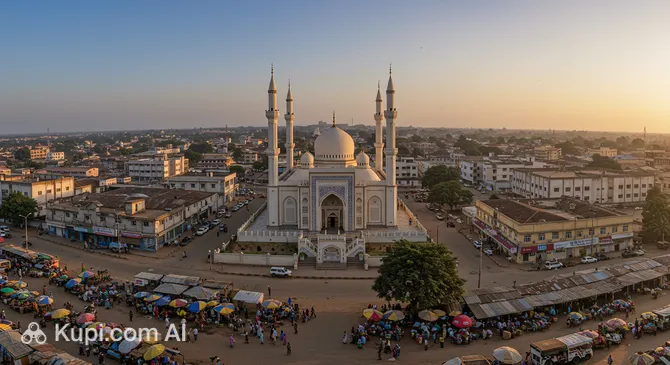
Minna. Source: Kupi.Binoculars

Minna has evolved significantly from its humble origins. Exploring the history of Minna reveals its pivotal transformation during the colonial era when it became a major railway junction. This development spurred its growth from a small settlement into a bustling commercial center, famous for the trade of crops such as yams, corn, and ginger.

Visitors are often drawn to the city's local markets, where traditional Gwari pottery and woven mats showcase the region's artistic heritage. While in the area, nature enthusiasts often use Minna as a base to visit the spectacular Gurara Waterfalls, located a drive away, which offers a stunning natural retreat. Within the city, the presence of the Federal University of Technology adds a youthful academic vibe to the streets.

Whether you are passing through on a journey across the country or stopping to explore the agricultural heartland of Niger State, Minna promises a memorable experience. Its blend of historical charm, local craftsmanship, and proximity to natural wonders makes it a worthwhile destination for any traveler seeking an authentic Nigerian experience.

Weather Overview

Minna experiences a tropical climate defined by two distinct periods: a hot, dry season and a humid, rainy season. Travelers planning a visit should be prepared for high temperatures, particularly from November through April, when rainfall is virtually non-existent. March is typically the hottest month, with average maximum temperatures climbing to around 37.8°C.

The wet season usually begins in May and lasts until October, bringing frequent showers and slightly cooler air. August is the peak of the rainy period, often seeing precipitation on most days of the month with average temperatures dipping to around 25.5°C. For a more detailed forecast before your trip, it is helpful to check the weather in Minna to decide between packing light, breathable clothing for the heat or waterproof gear for the wetter months.

Interesting Facts

Beyond its role as a state capital, Minna holds fascinating secrets that reveal its deep connection to ancient traditions and colonial history. The city is not just an administrative center but a place where folklore and unique cultural practices are woven into daily life.

  • The "Fire Spreading" Name: The name "Minna" is believed to be derived from the Gbagyi phrase Mi-na or Mi-ona, which translates to "fire spreading." This refers to an ancient tradition where indigenous people would gather on the rocky Paida Hill for a festival, lighting a new fire that would then be distributed to households across the valley to usher in the new planting season.

  • A Unique Carrying Tradition: Unlike in many other parts of Africa where loads are carried on the head, the indigenous Gbagyi women of Minna are famous for carrying heavy goods on their shoulders. This practice stems from a cultural belief that the head is the most sacred part of the body—the "king" that guides a person—and therefore should not be burdened with heavy labor.

  • Born from the Railway: Modern Minna owes its existence largely to the railway. It began as a labor camp and a critical junction where the Kano-Baro and Lagos-Jebba lines met in the early 20th century. History buffs can still visit the old railway station to see a preserved century-old steam locomotive, a silent witness to the city's transformation from a small settlement to a bustling trade hub.

  • A Literary Haven: Surprisingly, this quiet city is often regarded as a "City of Literature" in Nigeria. It has been home to some of the country's most celebrated writers and poets, including the renowned Cyprian Ekwensi and Ben Okri. The city frequently hosts literary festivals and colloquiums, fostering a vibrant community of artists that sets it apart from other commercial capitals.

How to Get There

Reaching Minna is an adventure through the scenic landscapes of central Nigeria. While the city is a key regional hub, most international and distant domestic travelers arrive via neighboring major cities and complete the journey by road. For a comprehensive guide on all transport options, you can read more about how to get to Minna.

The city of Minna does not host a major international aviation hub, so the primary gateway for most visitors is Nnamdi Azikiwe International Airport (ABV) located in Abuja. Situated approximately 101 km away, this is the busiest and most convenient airport for accessing the region. From Abuja, the journey to Minna typically takes about 3 hours by taxi or bus, offering a chance to see the transition from the capital's bustle to the serene hills of Niger State.

Another alternative is Kaduna Airport (KAD), located in the city of Kaduna, about 149 km from Minna. While it serves fewer passengers than Abuja, it remains a viable entry point for regional connections. The road trip from Kaduna to Minna takes roughly 4 hours, depending on traffic and road conditions.

For clarity, here is a summary of the main airports serving the region:

Airport Name City Passenger Traffic Km from City
Nnamdi Azikiwe International Airport Abuja Large 101.5
Kaduna Airport Kaduna Medium 149.4
Jos Airport Jos Small 255.0
Ilorin International Airport Ilorin Small 258.7
Ondo - Akure Airport Akure Small 292.6

Main Attractions

Gurara Waterfalls is arguably the most famous natural landmark in the region, drawing visitors from all over the country. Located a short drive from the city on the route to Suleja, this spectacular cascade spans approximately 300 meters across and drops 30 meters down. It is a favorite spot for picnics and photography, especially during the rainy season when the water volume is at its peak, creating a thunderous and misty spectacle. In the drier months, the pool at the bottom becomes calm enough for a refreshing swim, making it a versatile destination for nature lovers.

For those interested in history, the Lord Lugard Colonial Ruins in the nearby town of Zungeru offer a fascinating day trip. Just a short journey from Minna, this site was once the capital of Northern Nigeria and the place where the amalgamation of the Northern and Southern protectorates was signed in 1914. Visitors can explore the remnants of the colonial administrative buildings and the executioner's gallows, providing a tangible connection to the nation's formative years.

Within the city itself, the Minna Emir's Palace stands as a symbol of the area's rich cultural heritage. As the residence of the traditional ruler, the palace is an architectural highlight that blends traditional Hausa-Fulani designs with modern elements. While access to the inner chambers may be restricted, the exterior and the surrounding grounds often host colorful durbar festivals and cultural ceremonies that showcase the vibrant traditions, music, and horsemanship of the local people.

Murtala Park offers a serene escape right in the heart of the city. It is a popular recreational space for families and groups looking to relax amidst greenery. The park features well-maintained lawns and walking paths, making it an ideal location for a leisurely afternoon stroll or a quiet break from the bustling city streets. It frequently serves as a venue for local events and social gatherings, giving tourists a chance to mingle with residents in a laid-back atmosphere.

Another notable cultural venue is the U.K. Bello Arts Theatre, which serves as a hub for the creative arts in Minna. This facility is the go-to place for watching local drama performances, dance troupes, and other artistic expressions that reflect the stories and talents of Niger State. It plays a vital role in preserving and promoting the indigenous culture, offering visitors an entertaining way to understand the artistic soul of the city.

Local Cuisine

The local cuisine in Minna reflects its location in the agricultural heartland of Nigeria, offering a delightful blend of Northern and Middle Belt culinary traditions. The region is famous for its high-quality agricultural produce, particularly yams and grains, which form the foundation of many meals. Visitors should expect hearty, filling dishes that rely heavily on fresh, locally sourced ingredients rather than processed foods.

One of the most defining dishes to try is Tuwo Shinkafa, a soft, mashed rice pudding that serves as a "swallow" to accompany various rich soups. It is frequently paired with Miyan Kuka, a dark green soup made from powdered baobab leaves, or Miyan Taushe, a flavorful pumpkin soup often garnished with groundnuts and spices. Since Niger State is a major producer of yams, Pounded Yam (Iyan) with Egusi soup is another staple that offers a comforting taste of the local harvest.

For street food enthusiasts, Minna offers excellent options, particularly for meat lovers. Kilishi, a jerky-like snack made from thin sheets of spicy, dried beef, is widely available and makes for a tasty, portable treat. In the evenings, the aroma of Suya—spicy grilled meat skewers—fills the air around street corners. Another popular snack is Masa, a fermented rice cake that is pan-fried and often enjoyed with a dash of yaji (spiced pepper) or a light soup.

When it comes to beverages, the local selection is refreshing and diverse. Fura da Nono is a must-try traditional drink made from millet dough balls mixed with fermented cow's milk, offering a tart and creamy flavor. Kunu, a grain-based beverage made from millet, sorghum, or maize, is widely consumed for its soothing properties. Zobo, a bright red drink brewed from hibiscus leaves, is also a favorite refresher. For those interested in traditional alcoholic beverages, Burukutu, a local beer brewed from sorghum or millet, can be found in specific social spots known as "beer parlors" or local taverns.

The food culture in Minna is best experienced in local "bukkas" or roadside canteens, where the atmosphere is casual and the food is authentic. While there are standard restaurants in the city, the true flavor of Minna lies in these modest establishments and the bustling open-air markets. Here, communal dining is common, and the emphasis is always on the freshness of the day's preparation.

Travel Tips

Planning a trip to Minna requires a bit of preparation to ensure a smooth and enjoyable experience in this friendly city. Here is a practical guide to help you navigate local customs, logistics, and daily life in the capital of Niger State.

  1. Clothing and Gear: Due to the tropical climate, lightweight and breathable fabrics like cotton or linen are best for staying cool. However, Minna is a culturally conservative city, so it is important to dress modestly; women should generally cover their shoulders and knees, and men should dress neatly. A good pair of walking shoes is essential for navigating unpaved roads, and a universal power adapter is necessary for charging your electronics.

  2. Transportation: The most popular and affordable way to navigate the city is by Keke Napep (commercial tricycles) or motorcycle taxis, known locally as Okadas. While standard taxis are available, ride-hailing apps are not as widely used here as in Abuja or Lagos. For trips outside the city or for greater comfort, hiring a private car with a knowledgeable local driver is the safest and most convenient option.

  3. Finances: The local currency is the Nigerian Naira (NGN). While major hotels may accept cards, Minna is primarily a cash-based economy, especially in markets and local restaurants. ATMs are available, but network issues can occur, so it is wise to carry sufficient cash for daily expenses. Tipping is not strictly mandatory but is always appreciated as a gesture of goodwill.

  4. Health and Safety: Malaria is present in the region, so packing insect repellent and sleeping under treated nets is highly recommended. Stick to drinking bottled water and avoid tap water or ice from street vendors to prevent stomach issues. Regarding safety, it is best to avoid travelling on highways at night and to stay in well-lit, populated areas within the city after dark.

  5. Communication: English is the official language and is spoken in hotels and government offices. However, Hausa is the lingua franca of the streets; learning a few words like Sannu (Hello) or Nagode (Thank you) will earn you warm smiles from locals. Mobile networks like MTN and Airtel offer good coverage, and SIM cards can be purchased locally, though registration is required.

  6. Local Etiquette: Greetings are taken very seriously in Minna; it is considered rude to start a conversation or ask a question without first exchanging pleasantries about the person's well-being. Always use your right hand for eating, shaking hands, or passing money, as the left hand is culturally regarded as unclean for these tasks.

  7. What to Avoid: Strictly avoid taking photographs of government buildings, police stations, military checkpoints, or airports. This is considered a security violation and can lead to serious trouble with authorities. Also, avoid public displays of affection, which are not culturally acceptable in this region.

  8. Market Shopping: If you visit the local markets to buy traditional fabrics or the region's famous shea butter, be prepared to haggle. Bargaining is a standard part of the shopping experience and is expected by vendors. Approach it with a friendly attitude and a smile to get the best prices.

Minna is a welcoming city where visitors are often treated with great hospitality. By keeping these practical tips in mind and respecting local traditions, you will find it easy to connect with the community and enjoy the peaceful charm of this unique Nigerian destination.

Entertainment & Nightlife

Minna offers a nightlife experience that is distinctively more relaxed and communal than the high-energy clubbing scenes found in Lagos or Abuja. The city's evening entertainment revolves primarily around socializing in open-air gardens, hotel lounges, and local bars. The vibe here is laid-back and welcoming, focusing on good conversation, Afrobeat music, and enjoying the cool evening breeze after a hot day.

The most vibrant activity is often concentrated in the Tunga and Bosso districts. These areas are bustling with life, partly due to the presence of the Federal University of Technology, which injects a youthful energy into the local scene. In these neighborhoods, you will find clusters of eateries and social spots that remain active well into the night, serving both locals and visitors looking to unwind.

For those seeking specific venues to visit, Hydro Hotels is a staple of Minna's social life. Its poolside bar is a favorite location for evening gatherings, offering a serene atmosphere where guests can enjoy drinks and music. For a livelier night out, Club 923 is a verified hotspot known for its vibrant atmosphere, making it the go-to place for music lovers and those looking to dance. Additionally, the lounge at Doko International Hotel provides a more polished environment, featuring a VIP bar and outdoor seating for travelers who prefer a quiet drink in a secure and comfortable setting.

When planning a night out, keep in mind that the dress code is generally casual and modest. Most venues are liveliest between 8:00 PM and midnight, especially on weekends. Prices for drinks and food are very affordable compared to major metropolitan areas. For safety and convenience, it is highly recommended to arrange a private taxi or a trusted driver for your return trip, as public commercial tricycles (Keke Napep) stop operating late at night. Always stay in well-lit areas and avoid walking alone on quiet streets after dark.

Beyond the nightlife, Minna offers engaging daytime entertainment options. Sports enthusiasts can visit the Minna Cantonment Golf Club, a hidden gem located within the military cantonment that offers a peaceful and scenic course for players. The Minna Polo Club is another exciting venue, where thrilling polo matches occasionally take place, drawing large and enthusiastic crowds. For a dose of culture, the city's arts theatre and various cultural centers host performances and exhibitions that celebrate the rich artistic heritage of Niger State.

Parks & Museums

Minna offers a selection of cultural institutions and natural spaces that reflect the heritage of Niger State. While the city is primarily an administrative hub, travelers can find specific locations dedicated to history, the arts, and the region's geography, providing a deeper understanding of the local identity.

The National Museum Minna is the city's premier facility for historical exploration. It houses a collection of archaeological artifacts and ethnographic items that document the past of central Nigeria. The museum is especially noted for its displays related to the Nok culture, featuring ancient terracotta sculptures that are significant to the archaeological history of West Africa. It offers a comprehensive overview of the artistic and social development of the region's people.

A distinct feature of the city's cultural landscape is the Hill-Top Creative Arts Foundation, located on David Mark Road. As a celebrated center for literary and artistic mentorship, it highlights Minna's status as a hub for writers and poets. The facility provides a space for creative expression and often hosts literary events, allowing visitors to witness the contemporary intellectual life of the city firsthand.

The Niger State Council for Arts and Culture serves as another important venue for cultural preservation. This center focuses on promoting living traditions, frequently showcasing exhibitions of local crafts, textiles, and pottery. It acts as a repository for the state's artistic legacy, giving visitors the chance to see traditional skills that have been passed down through generations.

For those interested in outdoor activities and natural scenery, Paida Hill offers a rugged alternative to manicured gardens. This prominent hill is historically significant to the indigenous Gbagyi people and provides a setting for hiking and exploration. A climb to the summit rewards visitors with panoramic views of Minna’s sprawling layout and the surrounding savanna vegetation, making it an excellent spot for observing the city's geography.

Getting Around

Public transport in Minna is primarily informal and road-based, characterized by a lack of scheduled large-scale bus systems or rail networks for intra-city commuting. The most ubiquitous and convenient mode of transportation for getting around the city is the commercial tricycle, locally known as Keke Napep. These three-wheeled vehicles are painted yellow and are favored for their affordability and ability to navigate the city's streets with ease. They operate on shared routes, picking up and dropping off passengers along the way, making them the backbone of daily transit for residents.

Another common option for shorter distances or reaching areas less accessible to tricycles is the motorcycle taxi, referred to as the Okada. These are faster and more agile, allowing them to bypass traffic congestion, but they are generally considered less safe than tricycles. While they are widely used, tourists are advised to exercise caution and ensure the rider has a helmet. For longer trips or travel to the outskirts and neighboring towns, small minibuses and shared taxi cars are available, usually departing from designated motor parks rather than roaming the streets for passengers.

The payment system across all forms of public transport in Minna is strictly cash-based. There are no travel cards, passes, or mobile ticketing apps for the local transit system. Fares are generally very low, but it is essential to carry smaller denominations of the local currency, the Nigerian Naira, as drivers often struggle to find change for large bills. For shared rides in a Keke or minibus, the price is usually fixed for specific zones. However, if you opt for a "drop"—hiring the vehicle for a private, direct trip—you must negotiate and agree on the fare with the driver before stepping inside.

For tourists, navigating the system is relatively simple as there are no complex zones to memorize. To catch a ride, you simply stand by the roadside and wave down an empty or partially filled vehicle. However, visitors must be aware of the operating hours. Keke Napep and Okadas operate primarily during the day and often stop running in the early evening, typically around 6:00 PM or 8:00 PM, due to local security regulations or curfews. Consequently, it is strongly advised to plan your daily itinerary so that all travel is concluded before dark.

Alternatives to the public system include hiring a private taxi or a car with a driver for the day, which offers greater comfort and air conditioning. While global ride-sharing apps are not standard in Minna compared to Nigeria's larger metropolitan hubs, many local hotels can arrange reliable car charter services for guests. This is often the recommended option for tourists who wish to visit multiple attractions in one day without the hassle of constantly flagging down roadside vehicles.

Although Minna does not have a modern metro or tram system, it holds a significant place in the nation's transport history as a major railway junction. The city's historic railway station, while primarily serving inter-city routes rather than local traffic, remains a landmark. The sight of the old tracks and the occasional train passing through serves as a reminder of the colonial-era infrastructure that originally spurred the city's growth, adding a touch of historical charm to the transport landscape.

Accommodation

Accommodation in Minna is characterized by a range of functional and comfortable options, primarily catering to business travelers, government officials, and visiting academics. The city does not boast the ultra-luxury resorts found in Nigeria's larger metropolises; instead, it offers a solid selection of budget guesthouses and mid-range hotels. These establishments are known for their warm hospitality and generally spacious grounds, often providing a quiet retreat from the city's activities.

For those considering where to base themselves, the districts of Tunga and Bosso are the most popular choices. These areas are vibrant and central, offering easy access to the city's main roads, markets, and the Federal University of Technology. Staying here places you close to the heartbeat of the city, with plenty of restaurants and social spots nearby. Alternatively, the Government Reservation Area (GRA) offers a more serene and upscale environment, characterized by tree-lined streets and greater privacy, making it ideal for travelers seeking a peaceful stay.

Among the well-known establishments in the city, Hydro Hotels is a prominent name, often recognized for its hilltop location which provides scenic views of the surroundings. It is a long-standing favorite for both accommodation and social events. Another reputable option is Doko International Hotel, which is frequently chosen for its reliability and range of amenities, including conference facilities that cater to the city's business visitors.

When planning your stay, it is important to note that the booking culture in Minna is still transitioning to digital platforms. While some major hotels appear on international travel websites, many smaller guesthouses rely on direct bookings via phone or walk-ins. It is highly recommended to carry sufficient cash for deposits and payments, as Point of Sale (POS) terminals can sometimes be unreliable due to network fluctuations.

In terms of pricing, Minna is quite affordable compared to Abuja or Lagos. Travelers can expect to find decent budget rooms for a modest fee, while "luxury" suites in the top hotels remain reasonably priced. If you plan to visit during a university convocation or a major state event, it is a smart booking tip to secure your reservation weeks in advance, as the best rooms in the city sell out quickly during these peak periods.

Nearby Cities

Nearby Cities:

Minna's strategic location in the Middle Belt of Nigeria makes it an excellent jumping-off point for exploring some of the country's most significant urban centers. The city serves as a quiet, central hub from which travelers can easily reach the bustling political capital, historic northern trade routes, and the cultural gateways to the south.

The closest and most prominent neighbor is Abuja, the nation's federal capital, located approximately 120 kilometers to the southeast. As the primary entry point for international travelers, Abuja offers modern architecture, vast parks, and a cosmopolitan atmosphere that contrasts with Minna's more laid-back vibe. The road connecting the two cities allows for a relatively short journey, making it possible to enjoy the capital's amenities while staying in the quieter environment of Niger State.

To the north lies Kaduna, a major industrial and transportation hub situated about 141 kilometers away. Known for its colonial history and vibrant textile industry, Kaduna is a dynamic city that bridges the gap between the northern and central regions. Further north is the ancient city of Zaria, renowned for its traditional mud-walled architecture and as a center of learning. For those heading southwest, Ilorin serves as a cultural melting pot, while Ikare in Ondo State offers a scenic transition into the southwestern highlands.

Here is a summary of the nearby cities, their distances from Minna, and their estimated populations:

City Distance (km) Population
Abuja 120 3,770,000
Kaduna 141 760,084
Zaria 214 408,198
Ikare 243 1,099,931
Ilorin 249 847,582

Shopping & Souvenirs

Shopping in Minna offers an authentic glimpse into the commercial life of central Nigeria. Unlike the sprawling, glass-fronted malls found in larger metropolitan cities, the retail experience here is grounded in traditional open-air markets and bustling roadside commerce. The city serves as a major trading hub for agricultural produce and local craftsmanship, making it an excellent destination for travelers seeking fresh ingredients, indigenous fabrics, and unique handmade items rather than luxury international brands.

The primary destination for any shopper is the Kure Ultra Modern Market. This is the heartbeat of the city's commerce, a sprawling complex where hundreds of stalls are arranged in a relatively organized manner. Here, visitors can find almost anything, from vibrant Ankara textiles and ready-made clothing to electronics and household goods. It is also the best place to witness the region's agricultural bounty, with sections dedicated to heaps of yams, grains, and fresh vegetables that define Niger State's economy.

For those looking for a more modern retail environment, the city features several shopping plazas and supermarkets, particularly along the busy Bosso Road. While Minna does not host massive western-style shopping malls, these smaller commercial centers provide a comfortable, air-conditioned atmosphere where you can purchase groceries, toiletries, and imported goods. These spots are popular among the city's student population and expatriates for their convenience and fixed prices.

When searching for souvenirs, Minna has a few distinct treasures that reflect the local culture. The region is famous for its exquisite Gwari pottery. The indigenous Gbagyi people are renowned potters, and you can find beautifully crafted clay pots, pitchers, and bowls that make for artistic home decor. Additionally, woven mats made from raffia are a common local craft. For a consumable gift, look for high-quality Shea butter, as Niger State is a significant producer of this moisturizing natural product.

Business hours in Minna typically run from 8:00 AM to 6:00 PM, Monday through Saturday. While supermarkets and some shops may open on Sundays, the main markets are significantly quieter or closed. Payment is predominantly cash-based. While some modern supermarkets and hotels accept debit cards, vendors in the Kure Market and roadside stalls deal exclusively in the Nigerian Naira (NGN). Travelers should ensure they carry sufficient cash in smaller denominations to facilitate easier transactions.

Visitors should be aware that bargaining is an essential part of the shopping culture in markets and independent stalls. Prices are rarely fixed, and engaging in a friendly negotiation is expected. Regarding taxes, Nigeria does not currently operate a Value Added Tax (VAT) refund scheme for international tourists, so the price you pay at the counter is final.

Reached the end of the page?

That means the route is fully explored