Support

Gusau

About

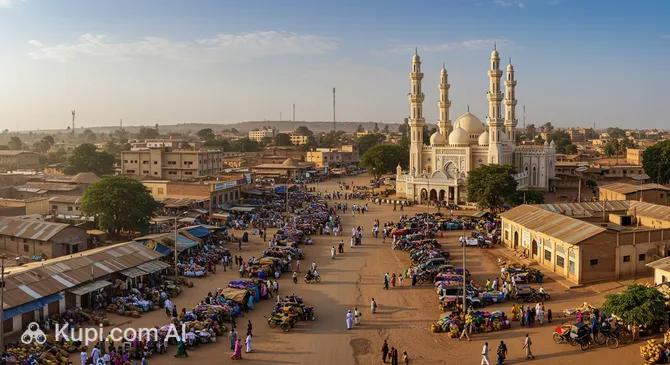
Gusau is the vibrant capital of Zamfara State and a significant administrative center located in northwestern Nigeria. Strategically situated on the banks of the Sokoto River, the city serves as a vital hub for trade and agriculture in the region. With a population exceeding 380,000, it combines the energy of a growing urban center with the traditional rhythms of local life, offering visitors a unique glimpse into the area's character.

Gusau. Source: Kupi.Binoculars

Those interested in the history of Gusau will discover its roots as a settlement that has evolved over time while maintaining its deep cultural identity. The city is deeply connected to the Hausa traditions of the region, which is reflected in the local lifestyle, architecture, and the warm hospitality of its residents. It stands as a testament to the development of the state, bridging the past with modern commerce.

Travelers can explore the city's bustling markets, which are the heartbeat of the local economy, filled with fresh produce, cotton, and colorful textiles that highlight the area's agricultural prominence. The scenic views along the river and the energetic atmosphere of the streets make Gusau an interesting stop for those looking to experience the authentic culture of the northern region. It is a welcoming destination for anyone wishing to explore the diverse landscapes and traditions of the country.

Weather Overview

The climate in Gusau is characterized by a tropical environment with distinct wet and dry seasons. Throughout the year, visitors will encounter generally warm conditions, though the heat intensity varies significantly depending on the month. For a more detailed forecast and historical data to help plan your visit, you can check the current weather in Gusau.

The hottest period typically occurs from March to May, with April being the peak, seeing average temperatures of 32.3°C and highs reaching a sweltering 39.0°C. In contrast, the months of December and January offer the coolest weather, particularly during the nights when temperatures can drop to around 16.2°C. The rainy season becomes prominent from June to September, peaking in August with up to 24 wet days, which helps moderate the daily heat. Expect scorching temperatures in the spring, frequent rainfall during the mid-year months, and dry, pleasant conditions during the winter period.

Interesting Facts

Beyond the main attractions, Gusau holds fascinating secrets that reveal its historical significance and developmental journey. This city is more than just an administrative center; it possesses a rich legacy shaped by trade, geography, and infrastructure.

  • The Railway Catalyst: The city's rapid expansion was historically driven by the arrival of the railway line connecting to the coast. This strategic infrastructure transformed Gusau into a pivotal collection center for cash crops, particularly cotton and groundnuts, cementing its status as a commercial powerhouse in northern Nigeria.

  • A Lifeline on the River: The Gusau Dam, situated on the Sokoto River, is a critical landmark that sustains the city. It not only provides the primary water supply for the inhabitants but also supports the irrigation needed for the region's extensive farming activities during the dry season.

  • Diverse Urban Layout: The city is an interesting tapestry of the old and the new, featuring distinct districts like the traditional quarters and "Sabon Gari" (New Town). This division historically allowed for the accommodation of traders and settlers from different cultural backgrounds, fostering a diverse community.

  • The Cotton Hub: Living up to the region's agricultural reputation, the city was once home to one of the most significant cotton ginneries in the area. This industrial heritage highlights its long-standing role in the textile supply chain, extending far beyond simple subsistence farming.

How to Get There

Reaching this part of Zamfara State requires a bit of planning, as direct commercial air travel to the city is not currently available. Visitors typically fly into neighboring regional hubs and complete the journey by road. For a comprehensive overview of routes and transport modes, you can read more about how to get to Gusau.

The city of Gusau does not have its own airport, but you can fly into Kaduna Airport (IATA: KAD) in the city of Kaduna, which is about 177 km from Gusau. This domestic hub serves as a convenient entry point for many travelers. From there, you can get a taxi or bus, which takes approximately 3 hours depending on traffic conditions. Another nearby option is the Sokoto airport (IATA: SKO), located in Sokoto, roughly 180 km away. The drive from this terminal is similar in duration, taking about 3 hours.

For those arriving from further afield, the Mallam Aminu Kano International Airport (IATA: KAN) in Kano is a major alternative. It is the busiest airport in the region and handles a significant volume of international and domestic flights. Although it is located about 202 km from Gusau, the wider range of flight connections makes it a popular choice. The road transfer from Kano typically takes around 3.5 hours.

For clarity, here is a summary of the main airports:

Airport Name City Passenger Traffic Km from City
Mallam Aminu Kano International Airport Kano High 201.8
Kaduna Airport Kaduna Medium 176.9
Sokoto Sokoto Moderate 179.9

Main Attractions

Kwatarkwashi Rock is undoubtedly one of the most striking natural landmarks located just a short distance from the city. This massive granitic rock formation rises impressively from the surrounding landscape and holds deep historical and spiritual significance for the local people. Legend has it that the rock was once a site for ancient worship and the traditional "Daukar Maiki" ceremony, where eagles were caught from the heights. Today, it attracts visitors who come to admire its sheer size, explore the surrounding caves, and see the natural spring that is said to never run dry.

For a peaceful escape by the water, the Gusau Dam offers a serene environment along the Sokoto River. It serves as a vital reservoir for the region but also functions as a scenic spot where locals and visitors can relax. The area around the dam is perfect for a quiet afternoon picnic or simply watching the calm waters, offering a refreshing contrast to the bustling city streets. It is an excellent location to appreciate the agricultural landscape that defines this part of the country.

The Emir of Gusau’s Palace stands as a symbol of the city's rich cultural heritage and traditional leadership. While access to the interior may be restricted, the exterior of the palace displays classic Northern Nigerian architectural elements that reflect the history of the emirate. It is a focal point for major cultural events and festivals, serving as a reminder of the enduring customs and the organized social structure that has shaped the community for generations.

To experience the daily rhythm of the city, a visit to the Gusau Central Market is essential. This vibrant commercial hub is where the heartbeat of the city is most palpable, filled with traders selling everything from fresh agricultural produce to colorful textiles and local crafts. It offers tourists a genuine glimpse into the local economy and is the perfect place to engage with friendly residents while shopping for unique souvenirs that represent the craftsmanship of Zamfara State.

Local Cuisine

The culinary landscape of Gusau offers a delightful journey into the heart of Northern Nigerian cuisine, characterized by rich flavors, hearty grains, and an abundance of locally sourced ingredients. The food culture here is deeply influenced by Hausa and Fulani traditions, focusing on meals that are filling and communal. Visitors will find that the local diet revolves heavily around "swallows"—soft, dough-like dishes made from grains—served with a variety of savory and often spicy soups.

One of the most iconic dishes to try is Tuwo Shinkafa, a soft rice pudding that is a staple in the region. It is typically paired with Miyan Kuka, a dark green soup made from powdered baobab leaves, or Miyan Taushe, a rich pumpkin soup often garnished with groundnuts and spices. For meat lovers, the street food scene is dominated by Suya, spicy skewered meat grilled over open flames, and Kilishi, a dried, jerky-like meat coated in a peanut and chili paste, which makes for a perfect savory snack to carry while exploring.

When it comes to beverages, the city favors natural and refreshing non-alcoholic drinks, reflecting the local customs and religious norms of Zamfara State. Fura da Nono is a must-try local specialty; it is a nutritious drink made from millet dough balls (Fura) mixed with fermented cow's milk (Nono), often sold by Fulani women in calabash bowls. Another popular choice is Zobo, a tangy hibiscus flower drink, and Kunu, a grain-based beverage that is both sweet and soothing. Due to the strict implementation of Sharia law in the state, alcohol is generally prohibited and not part of the public dining experience.

The best way to experience the authentic flavors of Gusau is to visit the local "bukas" (roadside eateries) and the bustling areas around the markets. Unlike formal high-end dining, the food culture here is unpretentious and accessible, with vendors often preparing fresh meals right in front of you. Exploring the stalls near the central market offers not just a taste of the food, but also a glimpse into the warm hospitality and daily life of the residents.

Travel Tips

Visiting Gusau offers a unique immersion into the culture of Northern Nigeria, but a trip here requires some specific preparation to ensure a smooth experience. These practical tips will help you navigate the local customs, logistics, and climate with ease, allowing you to focus on the city's rich heritage.

  1. Clothing and Gear: Given the hot tropical climate, lightweight and breathable fabrics like cotton are essential. However, modesty is paramount in Gusau due to local religious customs. Women should wear loose-fitting clothing that covers the shoulders and knees, and carrying a scarf is highly recommended. Men should avoid wearing shorts in public and opt for trousers instead. Don't forget a universal power adapter and sturdy, comfortable shoes for walking in the markets.

  2. Transportation: The most common way to get around the city is by using yellow tricycles, locally known as Keke NAPEP. They are affordable and run on specific routes. Taxis are available but less frequent than in major metropolises, and ride-hailing apps are generally not operational here. For a tourist, the safest and most convenient option is to hire a private car with a knowledgeable local driver for the duration of your stay.

  3. Finances: The local currency is the Nigerian Naira (NGN). Cash is king in Gusau, especially in markets and smaller shops where card terminals may not be available. While there are ATMs in the city center, they can occasionally be out of service or crowded, so it is wise to carry a sufficient amount of cash. International cards are rarely accepted outside of major banks or top-tier hotels.

  4. Health and Safety: Malaria is a concern in the region, so packing strong insect repellent and sleeping under treated nets is crucial. Always drink bottled water and avoid tap water or ice in drinks to prevent stomach issues. Pharmacies are available for basic needs, but you should bring a personal supply of any prescription medications. Stick to well-lit, populated areas and avoid traveling on highways at night.

  5. Communication: While English is the official language, Hausa is the dominant language of daily life. Learning a few basic phrases like "Sannu" (Hello) or "Na gode" (Thank you) will go a long way in building rapport with locals. To stay connected, purchase a local SIM card (networks like MTN or Airtel are reliable) upon arrival, as public Wi-Fi is scarce.

  6. Local Etiquette: Greetings are taken very seriously here; it is polite to ask about a person's health and family before discussing business. Always use your right hand for eating, exchanging money, or shaking hands, as the left hand is considered unclean in local culture. Public behavior should be reserved and respectful, particularly near religious sites.

  7. What to Avoid: Strictly avoid possessing or consuming alcohol. Gusau is located in a state that observes Sharia law, and alcohol is prohibited. Additionally, avoid taking photographs of government buildings, military personnel, or local residents without their explicit permission, as this can be seen as intrusive or suspicious.

  8. Friday Schedule: Be aware that Friday is a holy day for the majority Muslim population. Many shops, markets, and businesses may close or pause operations for several hours in the early afternoon for Juma'at prayers. Plan your shopping or errands for the morning or late afternoon on this day.

By keeping these practical points in mind, you will be well-equipped to enjoy the warm hospitality and distinct character of Gusau. Respecting the local way of life not only ensures a hassle-free trip but also opens the door to more authentic and friendly interactions with the residents.

Entertainment & Nightlife

Entertainment and nightlife in Gusau differ significantly from what travelers might expect in major cosmopolitan cities or southern parts of Nigeria. Due to the strict observance of Sharia law in Zamfara State, there are no nightclubs, bars, or concert venues serving alcohol. Instead, the evening atmosphere is defined by a relaxed, community-focused vibe where socializing revolves around dining, late-night markets, and conversation. The city winds down relatively early, and the "nightlife" is best experienced as a culinary adventure under the stars rather than a party scene.

The heart of evening activity can be found in the bustling culinary districts rather than dance floors. Canteen Daji is one of the most popular areas where the city comes alive after dark. It is a hub for local gastronomy where residents gather to enjoy freshly prepared meals. The atmosphere here is casual and energetic, filled with the aroma of spices and grilled meats. It is a great place to immerse yourself in the local culture, observing the friendly interactions of the crowd while enjoying affordable and authentic dishes.

Another staple of the evening culture in Gusau is the tradition of the Mai Shayi (tea seller). You will find these open-air tea spots dotted around neighborhoods like Tudun Wada. These venues serve as informal social clubs where men gather to drink hot tea, eat bread and fried eggs, and discuss current affairs. For a more formal evening meal, the restaurants within major hospitality establishments, such as the City King Hotel, offer a quiet and secure environment for dining. These venues provide a comfortable setting to unwind after a day of exploration, serving both local and continental dishes.

Street food is the true highlight of the night. As the sun sets, vendors set up grills to prepare Suya (spicy skewered meat), which is the undisputed king of Nigerian night snacks. The best time to head out for these treats is between 7:00 PM and 9:00 PM. Prices are very reasonable, and it is common to see people buying large portions to share with friends. When visiting these spots, dress modestly to respect local customs; for men, trousers are preferred over shorts, and women should ensure their shoulders and knees are covered.

Safety is a primary consideration for nightlife in Gusau. It is highly advisable to avoid walking alone late at night, especially in poorly lit areas. Public transport, such as the yellow tricycles (Keke NAPEP), stops running relatively early in the evening. Therefore, the best way to get around at night is by arranging a private taxi or having a driver on standby. Stick to popular, well-lit zones like the market areas or hotel precincts, and always carry some cash, as electronic payments may not be available at street stalls.

Regarding daytime entertainment, the city offers a slower pace suited for cultural immersion. While there are no large-scale amusement parks, visitors can explore local landmarks or visit the Zamfara State History Bureau to learn about the region's past. The daytime is best spent exploring the architecture and natural surroundings before settling in for a peaceful, food-focused evening.

Parks & Museums

While the city is often celebrated for its commercial vitality, Gusau also harbors cultural and recreational institutions that offer a deeper understanding of the region's heritage. Visitors looking to explore the artistic and historical dimensions of the state will find dedicated venues that preserve the legacy of the Hausa people and provide pleasant spaces for relaxation within the urban environment.

To understand the rich heritage of the region, a visit to the Zamfara State History Bureau Museum is essential. Housed within the J.B. Yakubu Secretariat, this facility acts as the custodian of the state's collective memory. The museum displays a fascinating collection of artifacts, including relics from the ancient Zamfara Kingdom, traditional royal regalia, manuscripts, and historical maps. It offers tourists a structured narrative of how the emirate evolved and the significant role it played in historical trade routes.

Art lovers should make time for the National Gallery of Art, located on Canteen Road. As a branch of the federal institution, this gallery focuses on the preservation and promotion of contemporary visual arts. It showcases works by talented local artists, ranging from paintings to sculptures that reflect the social and cultural realities of Northern Nigeria. It is an excellent venue for appreciating the artistic expression that flourishes alongside the state's deep-rooted traditions.

For families and those seeking a leisurely afternoon, the Gusau Amusement Park offers a dedicated recreational space within the city. Unlike the rugged natural landscapes found on the outskirts, this park features well-maintained grounds and a serene atmosphere suitable for relaxation and exercise. It serves as a popular gathering spot for residents, providing a safe and green environment where children can play and adults can unwind away from the bustle of the markets.

For a truly authentic experience, look beyond the formal museums and visit the Sokoto Road Artisans' Village. Here, you can watch skilled craftsmen work with leather and metal, creating intricate goods that have been part of the local economy for centuries. It is a living museum of sorts, where the vibrant culture of Gusau is practiced daily, offering a perfect opportunity to engage with locals and purchase unique, handmade souvenirs.

Getting Around

The public transport system in Gusau is primarily road-based and informal, differing significantly from the structured networks found in major global capitals. Visitors should not expect to find metro lines, trams, or trolleybuses here. Instead, the city relies on a functional network of tricycles, taxis, and minibuses that serve as the lifeline for daily commuting, connecting the various neighborhoods, markets, and administrative centers.

The most ubiquitous and convenient mode of transport is the yellow tricycle, locally referred to as Keke NAPEP. These three-wheeled vehicles are the preferred choice for short to medium distances because they are affordable, airy, and capable of navigating the city's sometimes busy streets with ease. They typically operate on a shared model, picking up multiple passengers heading in the same general direction, but they can also be hired for a "drop" (a private charter) which takes you directly to your destination without stops.

For longer journeys or trips to the outskirts of the city, minibuses are the standard option. These vehicles usually congregate at designated motor parks and depart only when they are fully loaded with passengers, rather than adhering to a strict timetable. Traditional taxis are also available, though they are less numerous than tricycles. These are often older sedan cars that do not use meters; instead, they operate on negotiated fares or standard rates for specific routes.

The payment system is entirely cash-based. There are no electronic travel cards, ticket machines, or transport apps currently in use. Fares are generally very low, making transport accessible to everyone. It is highly practical to carry small denominations of the local currency, as drivers frequently do not have change for high-value notes. When using a shared Keke, the price is usually a standard fixed rate, but if you opt for a private charter or a taxi, you must negotiate and agree on the price with the driver before starting the trip.

Regarding alternatives, modern ride-hailing apps like Uber or Bolt are not operational in this area. Consequently, car-sharing and bike rentals are not standard options for tourists. The most recommended alternative for visitors prioritizing comfort and flexibility is to hire a private car with a local driver for the duration of the stay. This service can typically be arranged through hotels and provides a reliable way to explore the city without the hassle of flagging down vehicles in the heat.

Travelers should be aware that public transport operates mainly during daylight hours, typically from dawn until dusk. The availability of tricycles and taxis drops sharply after sunset, and it is difficult to find public transport late at night. For safety and convenience, it is advisable to plan all movements during the day. Always use official motor parks or flag down vehicles in busy, well-lit areas, and avoid boarding empty buses or unmarked cars on lonely roads.

Accommodation

Accommodation in Gusau is primarily designed to serve government officials, business travelers, and visiting traders, reflecting its status as an administrative and commercial capital. Visitors will not find ultra-luxury resorts or international 5-star chains here. Instead, the city offers a range of functional and comfortable options, spanning from basic budget guesthouses to decent mid-range hotels that provide essential amenities for a pleasant stay.

The most convenient and popular areas for tourists to stay are typically within the Government Reservation Area (GRA) and the city center. The GRA is generally quieter, greener, and considered more secure, making it a preferred choice for those seeking a relaxed environment. Staying near the city center or along the main arterial roads offers easier access to the Gusau Central Market and transport hubs, though these areas can be bustling and noisier during the day.

Hotels in the city focus on practicality. Standard rooms usually come equipped with air conditioning—a necessity in the hot climate—and private bathrooms. Many of the better establishments also feature on-site restaurants serving local Nigerian dishes, and some may have backup generators to ensure a steady power supply, which is a critical feature to look for when choosing your lodging. While specific amenities like swimming pools or high-speed Wi-Fi are less common in budget options, the hospitality is warm and welcoming.

When it comes to booking, the process is often more traditional than in major global cities. While a few top-tier local hotels may have a web presence, most accommodation in Gusau is best booked by phone or in person upon arrival. Prices are generally very affordable compared to Lagos or Abuja, falling into the budget to mid-range categories. It is highly advisable to carry sufficient cash for payment, as Point of Sale (POS) terminals may not always be reliable, and to book in advance if you are visiting during major religious festivals or state events.

Nearby Cities

For those looking to explore the surroundings, Gusau serves as an excellent base for day trips to several interesting nearby locations:

City Population Distance (km)
Kano 3848885 210
Abuja 3770000 355
Kaduna 760084 201
Jos 622802 346
Sokoto 427760 181

One of the most culturally significant destinations nearby is Sokoto, located just a few hours away. As the seat of the Sokoto Caliphate, it is a city of great historical importance. Visitors can explore the Sultan’s Palace, which stands as a symbol of traditional leadership, or visit the Sokoto Museum to learn about the region's past. The city is also famous for its high-quality leather crafts, particularly the "Moroccan leather" which actually originates from this area.

Another excellent option for a visit is Kaduna, a major industrial and administrative center situated on the banks of the Kaduna River. It offers a blend of colonial history and modern Nigerian life. Travelers can visit the National Museum to see archaeological artifacts, including the famous Nok terracotta heads, or explore the bustling markets that showcase the diversity of the state. Its relatively central location makes it a vibrant meeting point of cultures.

For those willing to travel slightly further, Kano offers an unforgettable experience as one of the oldest commercial hubs in West Africa. Known for its ancient city walls and the historic Kurmi Market, it is a place where centuries-old traditions are still very much alive. A visit to the Kofar Mata Dye Pits, which have been in use for over 500 years, provides a unique insight into the traditional indigo dyeing techniques that the city is renowned for.

These nearby destinations offer a glimpse into the diverse culture and landscapes of the region.

Shopping & Souvenirs

Shopping in Gusau offers a distinctively authentic experience that centers on traditional trade rather than modern retail therapy. As the commercial nerve center of Zamfara State, the city is a hub for agricultural produce and local craftsmanship. Visitors will not find sprawling luxury shopping malls or high-end designer boutiques here. Instead, the shopping scene is dominated by bustling open-air markets, roadside stalls, and small independent shops where the transaction is often accompanied by a friendly exchange and a bit of bargaining.

The primary commercial activity is concentrated along the main arterial roads and the central districts. Canteen Daji is one of the most active areas, lined with a variety of shops selling electronics, fabrics, and household goods. Walking down these streets provides a sensory immersion into the local commerce, where traders display their wares on sidewalks and in small kiosks. It is the best place to find everyday essentials and engage with the local business community.

While Gusau does not feature large-scale western-style shopping malls, there are several smaller shopping complexes and supermarkets catering to modern needs. These establishments offer a more curated selection of groceries, toiletries, and packaged goods in an air-conditioned environment. They are reliable stops for travelers needing bottled water, snacks, or specific travel supplies that might be harder to find in the open markets.

The heartbeat of the city's trade is undoubtedly the Gusau Central Market. This expansive marketplace is where the true spirit of the city resides. It is organized into sections, with areas dedicated to fresh grains, vegetables, and the region's famous cotton. For a tourist, navigating the narrow pathways between stalls is an adventure in itself. The market is also a good place to observe the local textile trade, with vendors selling colorful yards of fabric that are essential to Northern Nigerian fashion.

For those seeking souvenirs to take home, the region is renowned for its leatherwork and craftsmanship. You can find beautifully handmade leather sandals, bags, and wallets that rival those found in Morocco, often at a fraction of the price. Additionally, intricately woven Hausa caps and hand-dyed fabrics make for lightweight and meaningful gifts. Calabash bowls, often decorated with geometric patterns, are another unique item that reflects the artistic heritage of the Fulani culture prevalent in the area.

Business hours in Gusau typically run from around 8:00 AM to 6:00 PM, Monday through Saturday. However, it is important to note that Friday is a significant day for religious observance. Many shops and market stalls will close or pause operations between 1:00 PM and 3:00 PM for Juma'at prayers. Regarding payment, cash is the absolute standard for almost all transactions. While a few major supermarkets might accept debit cards, the vast majority of vendors in markets and small shops deal exclusively in Nigerian Naira. Ensure you have sufficient cash in smaller denominations to make purchasing easier.

Tourists should be aware that tax-free shopping or VAT refund schemes are not available in Gusau. The price you agree upon is the final price. Bargaining is a common and expected part of the shopping culture, especially in markets and when buying souvenirs from street vendors. Approach it with a smile and a sense of humor to get the best deal.

Reached the end of the page?

That means the route is fully explored