Support

Katsina

About

Welcome to Katsina, a captivating city that serves as a vibrant cultural and historical hub in the northern region of Nigeria. As the capital of Katsina State, this city sits near the border with Niger and offers a fascinating glimpse into the rich heritage of the Hausa people. With a population of over 300,000 residents, it balances its role as a bustling administrative center with a deeply rooted traditional atmosphere that charms visitors from around the globe.
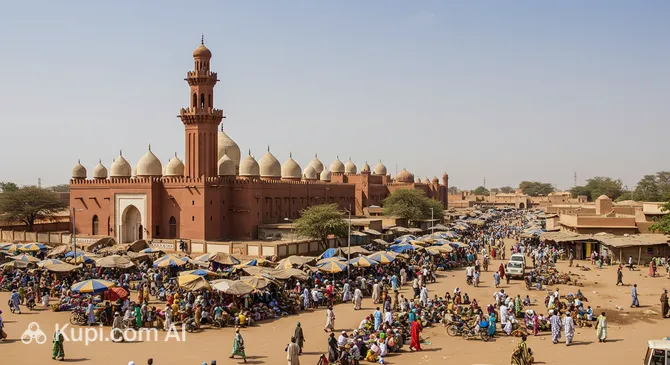
Katsina. Source: Kupi.Binoculars

The city is renowned for its significant contribution to Islamic learning and trans-Saharan trade routes dating back centuries. Those interested in the past will find the history of Katsina truly absorbing, as it was one of the original seven Hausa Bakwai city-states. Today, the climate is typically semi-arid, offering warm days that are perfect for exploring the ancient architecture and bustling local markets that define the cityscape.

Travelers are often drawn to the iconic Gobarau Minaret, a striking example of traditional earth-building techniques and a symbol of the city's spiritual legacy. Another highlight is the majestic Emir's Palace, which showcases colorful designs and intricate craftsmanship. The city is also famous for its ancient walls and gates, which whisper tales of a bygone era. Whether you are observing the daily life of the locals or admiring the mud-brick architecture, there is a sense of timelessness here.

Whether you are a history buff or a traveler seeking authentic cultural experiences, Katsina welcomes you with open arms. Its blend of scholarly tradition, architectural marvels, and warm hospitality makes it a unique destination worth adding to your travel itinerary.

Weather Overview

Katsina typically experiences a semi-arid climate, characterized by distinct seasonal shifts that significantly shape the local environment. The year is clearly divided into a long dry period and a shorter, intense rainy season. To help you plan your trip effectively, checking the detailed forecast for the weather in Katsina is recommended before your arrival.

Temperatures in the city can vary considerably depending on the time of year. The hottest period generally occurs between March and May, with May seeing average temperatures around 32.5°C and daily highs often approaching 39°C. In contrast, the months of December and January are much cooler, with average temperatures dipping to approximately 21.8°C and nighttime lows reaching a brisk 14.4°C.

Precipitation patterns are concentrated in the middle of the year, while the rest of the calendar remains arid. The wet season spans from June to September, peaking in August with about 22 wet days. Conversely, travelers visiting from November through April can expect dry conditions with clear skies, as these months typically record zero precipitation.

Interesting Facts

Beyond its prominent landmarks, Katsina hides a wealth of historical secrets and cultural traditions that offer a deeper understanding of its legacy. From ancient architectural feats to its status as a pioneer in sports and education, the city has played a pivotal role in shaping the region's identity.

  • The famous Gobarau Minaret was not designed solely for religious calls to prayer; historical accounts suggest its towering height originally allowed it to serve as a surveillance post for spotting invading armies across the surrounding plains.

  • Katsina is widely regarded as a cradle of Western education in Northern Nigeria, having hosted the region's first middle school, Katsina College, which was founded in 1921 and educated many of the nation's future leaders.

  • The city holds a surprising distinction as a major hub for polo, boasting one of the oldest polo clubs in the country with a passionate following that dates back to the colonial era and continues to enjoy royal patronage.

  • Historically, the city was encased by massive defensive walls known as "Ganuwa," which spanned roughly 24 kilometers and were punctuated by seven original gates to regulate the bustling trans-Saharan trade traffic.

How to Get There

Planning a trip to this historic city involves arranging travel through one of the major regional transportation hubs, as direct international connections to the city itself are limited. Most visitors fly into a neighboring city and complete the journey by road, enjoying the scenic landscapes of northern Nigeria along the way. You can find detailed information and all ways to reach the city on our dedicated page.

The city of Katsina does not have its own major commercial airport for international arrivals, so the most common entry point is Mallam Aminu Kano International Airport (KAN) located in the city of Kano. It is situated approximately 142 km from Katsina. This airport is a significant hub in the region, and the subsequent drive by taxi or bus takes approximately 4 hours. Alternatively, travelers can fly into Kaduna Airport (KAD) in Kaduna, which is about 255 km away. The ground transfer from Kaduna is longer, typically requiring around 6.5 to 7 hours.

For clarity, here is a summary of the main airports:

Airport Name City Passenger Traffic Km from City
Mallam Aminu Kano International Airport Kano High 142.5
Kaduna Airport Kaduna Medium 255.0
Sokoto Sokoto Low 262.2

Main Attractions

Katsina is a city steeped in history, offering visitors a chance to step back in time and explore the roots of the Hausa civilization. Its attractions are not just monuments; they are living testaments to the region's architectural ingenuity, religious heritage, and educational legacy. From towering mud-brick structures to royal residences, the city provides a unique window into Northern Nigeria's cultural soul.

One of the most iconic landmarks in the city is the Gobarau Minaret. Standing at approximately 15 meters, this architectural marvel dates back several centuries and is a classic example of traditional craftsmanship using baked clay and mud. Originally part of a central mosque, it is renowned for its dual purpose in history: serving as a place for the muezzin to call the faithful to prayer and acting as a watchtower to spot approaching caravans or potential threats. Tourists can climb the interior staircase for a panoramic view of the city, offering a perspective that blends the ancient and the modern.

Another site of immense significance is the Emir's Palace (Gidan Korau). This sprawling complex is the heart of the Katsina Emirate and a masterpiece of Hausa architecture. The palace features intricate designs, brightly colored engravings, and traditional "tubali" (mud-brick) construction. It is not merely a museum piece but a functioning residence and administrative center where traditional durbars and ceremonies are held. Visitors are often captivated by the grandeur of the entrance and the palpable sense of history that permeates the courtyards.

For those interested in the intellectual history of the nation, the Katsina National Museum is a must-visit. It is housed within the historic premises of the Old Katsina College, which was the first institution of higher learning in Northern Nigeria. The building itself is a national monument, constructed in 1921. Inside, the museum displays a wide array of artifacts, including archaeological finds from the region, traditional musical instruments, and exhibits detailing the colonial and pre-colonial history of the state. It serves as a bridge connecting the educational strides of the past with the cultural preservation of today.

Finally, exploring the remnants of the City Gates and Walls (Ganuwa) offers a glimpse into the city's defensive past. While much of the original wall has eroded over time, several gates, such as Kofar Sauri and Kofar Yandaka, have been restored or maintained. These gates were historically the control points for trade and movement in and out of the city. Walking near these gates allows travelers to appreciate the scale of the ancient fortifications that once protected this bustling trade hub.

Local Cuisine

The culinary landscape of Katsina offers a delicious immersion into the rich flavors of Northern Nigeria, deeply rooted in the traditions of the Hausa and Fulani people. The local cuisine is hearty and savory, characterized by the extensive use of grains, locally grown vegetables, and high-quality meat. Visitors will find that food here is not just sustenance but a warm expression of hospitality, with meals often centered around communal sharing and bold, earthy spices.

At the heart of a typical meal is Tuwo, a thick, dough-like swallow that serves as the canvas for various rich soups. Tuwo Shinkafa, made from soft rice, is a local favorite, usually paired with Miyan Kuka (powdered baobab leaf soup) or Miyan Taushe (pumpkin soup). These soups are often enriched with dried fish, spices, and tender chunks of beef or mutton. Another must-try delicacy is Dan Wake, delicious bean flour dumplings served with ground cayenne pepper, oil, and sometimes a splash of vegetable broth, offering a simple yet satisfying flavor profile.

Street food plays a massive role in the city's gastronomic life, with the aroma of grilled meats wafting through the evening air. Katsina is renowned for its Suya, spicy skewered meat grilled over open flames and coated in a peanut-spice blend known as Yaji. For a snack that travels well, look for Kilishi, a jerky-like dried meat that originated in this region. It is thinly sliced, seasoned with a spicy paste, and sun-dried to perfection, making it a popular souvenir for food lovers.

When it comes to beverages, the city's offerings are predominantly non-alcoholic, reflecting the local Islamic culture and traditions. The most iconic drink is Fura da Nono, a refreshing mixture of fermented milk and millet balls, often sold by Fulani women in calabash bowls. It is a nutritious and cooling drink perfect for the warm climate. You will also find Kunu, a sweet grain-based beverage, and Zobo, a tangy drink made from hibiscus leaves. Alcohol is not part of the traditional diet and is generally restricted in the city, so the social drinking culture revolves around tea spots known as "Mai Shai," where locals gather to sip hot, sweet tea and discuss daily affairs.

Dining in Katsina is less about fancy sit-down restaurants and more about authentic, informal experiences. While there are standard eateries, the true taste of the city is found in local "Bukkas" and roadside stalls. Here, the atmosphere is unpretentious and lively. Breakfast often consists of Koko and Kosai (pap and bean cakes), served fresh from large frying pans on street corners. Exploring these local food hubs offers tourists a genuine taste of the city's daily rhythm and culinary heritage.

Travel Tips

Visiting Katsina offers a unique opportunity to immerse yourself in the deep-rooted traditions of Northern Nigeria, but a little preparation goes a long way. To ensure your journey through this historic city is smooth and enjoyable, here are some essential practical tips to keep in mind.

  1. Clothing and Gear: Given the conservative nature of the region and the semi-arid climate, modest and loose-fitting clothing is essential. Women should wear long skirts or trousers and keep their shoulders covered, while carrying a scarf is highly recommended for visiting religious sites. Men should also dress modestly; lightweight cotton fabrics are best to handle the heat, and comfortable walking shoes are a must for exploring the sandy streets.

  2. Transportation: The most common and convenient way to navigate the city is by using yellow tricycles, locally known as Keke NAPEP. They are affordable and readily available, though you should always agree on the fare before starting your journey. While taxis exist, they are less frequent than in larger hubs; for greater comfort and reliability, consider hiring a private car with a driver through your hotel.

  3. Finances: The local currency is the Nigerian Naira (NGN), and cash is definitely king in Katsina. While some major hotels may accept cards, most markets, local eateries, and small shops trade strictly in cash. It is advisable to withdraw sufficient funds from ATMs in the city center during the day and carry smaller denominations for easy transactions and tipping.

  4. Health and Safety: Pharmacies are available in the city center, but it is wise to bring a personal supply of essential medications. The sun can be intense, so staying hydrated with bottled water is crucial; avoid drinking tap water to prevent stomach issues. As a general precaution, stick to well-lit, populated areas and avoid walking alone at night.

  5. Communication: While English is the official language of Nigeria, Hausa is the dominant language of daily life in Katsina. Learning a few basic phrases like "Sannu" (Hello) or "Na gode" (Thank you) will go a long way in building rapport with locals. For mobile connectivity, purchasing a local SIM card (such as MTN or Airtel) is easy, but remember that registration requires a passport.

  6. Local Etiquette: Greetings are a significant part of the culture here and should not be rushed; it is polite to ask about a person's well-being before discussing business. Always use your right hand for eating, shaking hands, or passing items, as the left hand is considered unclean. When visiting homes, remove your shoes before entering unless told otherwise.

  7. What to Avoid: Public displays of affection are culturally frowned upon and should be avoided to respect local norms. Additionally, do not take photographs of government buildings, military personnel, or local residents without explicitly asking for their permission first, as this can be considered offensive or intrusive.

  8. Local Rhythm: Be aware that Friday is a holy day in this predominantly Muslim city. Many shops and businesses may close briefly in the early afternoon for Juma'at prayers. Planning your schedule around this pause will help you avoid disappointment and allow you to observe the peaceful atmosphere that descends on the city during this time.

By following these simple guidelines, you will find it easy to connect with the warm and welcoming people of Katsina. Embrace the slower pace of life, respect the rich cultural heritage, and enjoy a truly authentic travel experience in this historic northern gem.

Entertainment & Nightlife

Nightlife in Katsina is a reflection of its deep cultural and religious heritage, offering a distinct experience from the high-energy club scenes found in southern Nigeria. As a city that upholds Sharia law, the evening entertainment is conservative and does not feature Western-style nightclubs, dance bars, or public alcohol consumption. Instead, the night is defined by a relaxed atmosphere centered around social dining, late-night conversations, and the vibrant street food culture that comes alive after sunset.

For visitors, the primary hubs for a comfortable evening out are the city's major hotels. Liyafa Palace Hotel is a popular choice, offering a secure and serene environment where guests can enjoy a leisurely dinner and unwind by the poolside restaurant. It serves as a social meeting point for international travelers and business professionals. Another notable venue is the Katsina Motel, which provides a quiet setting for evening meals and relaxation. These establishments offer the most consistent service and are the safest places for tourists to spend their evenings.

To experience the authentic local vibe, head to the bustling street corners near the city gates or major intersections. Here, the nightlife revolves around "Mai Shai" spots—open-air tea stalls where locals gather to sip hot, sweet tea and discuss daily affairs. This is best accompanied by Suya, the famous spicy grilled meat, which is prepared on open flames throughout the city. The atmosphere is communal and friendly, though it is much quieter than the nightlife in Lagos or Abuja.

When planning a night out, it is important to respect local customs. The dress code remains conservative even in the evening; men should wear long trousers, and women should dress modestly. Most social activities wind down relatively early, typically by 10:00 PM or 11:00 PM. In terms of safety, it is highly recommended to avoid walking alone in secluded areas at night. The best way to get around is by using a private taxi arranged by your hotel, as this ensures reliability and security.

While the nights are peaceful, daytime entertainment in Katsina offers a different pace. History enthusiasts can revisit the Katsina National Museum, while sports fans might catch a local football match or witness the city's prestigious polo tournaments, which are a major part of the local social calendar during the season.

Parks & Museums

While Katsina is primarily celebrated for its deep historical roots and architectural marvels, the city also offers serene spaces for relaxation and cultural immersion. The local approach to leisure often blends open-air gatherings with an appreciation for heritage, meaning that many of the city's "green spaces" are closely tied to its royal and sporting traditions. Visitors will find that exploring these areas provides a well-rounded view of life in this ancient emirate.

One of the premier recreational spots in the city is Maryam Park. As a modern addition to Katsina's leisure landscape, this park serves as a vibrant family-friendly destination. It features well-maintained gardens and paved walkways that are perfect for a casual evening stroll. For tourists traveling with children or those simply looking to unwind, the park offers a refreshing break from the bustling city streets, often hosting small events and providing a safe, enclosed environment for relaxation.

Another significant open space is the Katsina Polo Ground. While technically a sporting venue, this expansive green area functions as a central lung for the city. Surrounded by trees and often filled with the energy of locals, it is a fantastic place to witness the region's equestrian culture. When matches are not in session, the grounds offer a peaceful expanse where the breeze cools the semi-arid air, making it a unique spot to observe the intersection of nature and tradition.

For a deep dive into the region's past, the Katsina National Museum is the city's cultural crown jewel. It is housed within the historic Old Katsina Training College, a building declared a national monument in its own right. The museum fascinates visitors with its extensive collection of archaeological artifacts, traditional Hausa musical instruments, and exhibits detailing the evolution of the Nigerian military. It is particularly interesting for history buffs, as the building itself—constructed in 1921—represents the cradle of Western education in Northern Nigeria.

In addition to the main museum, the Gobarau Minaret serves as an open-air architectural museum. Rising above the city skyline, this ancient structure allows tourists to inspect the ingenuity of traditional mud-brick engineering up close. It is more than just a tower; it is a gallery of Hausa craftsmanship, offering insight into the religious and defensive strategies of the 14th century. Climbing its stairs provides not only a lesson in history but also the best panoramic views of the city's layout.

For a truly authentic experience, take a walk around the restored City Gates (Kofar Sauri or Kofar Yandaka) in the late afternoon. These areas often transform into informal community gathering spots where you can see the ancient defensive walls blending with modern daily life, offering a perfect backdrop for photography and quiet reflection.

Getting Around

Navigating Katsina is a relatively straightforward experience, though it differs significantly from the structured public transport systems found in major global metropolises. The city does not rely on metros, trams, or large municipal bus networks. Instead, the transportation system is informal, decentralized, and dominated by road-based vehicles that offer a flexible way to move between neighborhoods and attractions.

The most ubiquitous and convenient form of transport is the commercial tricycle, locally known as Keke NAPEP. These yellow, three-wheeled vehicles are the heartbeat of the city's daily commute. They are preferred for their ability to navigate narrow streets and their affordability. You will see them buzzing around every major road and market area. While motorcycle taxis were once common, they are frequently restricted in certain areas for safety reasons, making the Keke the primary and safest choice for short to medium distances.

For payment, the system operates entirely on cash. There are no electronic travel cards, mobile apps, or ticket machines for local transit. Fares are generally very low, but they are not always fixed. It is standard practice to pay the driver directly at the end of the trip or upon entering. For tourists, it is crucial to carry small denominations of the local currency, as drivers often struggle to find change for large bills.

Travelers should be aware of the etiquette regarding fares. Since there are no meters, it is highly recommended to agree on the price with the driver before you board, especially if you are chartering the vehicle for a "drop" (a direct private trip) rather than sharing it with other passengers. Shared rides are cheaper but involve frequent stops. Operating hours are generally from dawn until early evening. Transport availability drops sharply after sunset, so it is wise to complete your journeys before dark.

Standard taxis are less common on the streets compared to tricycles and are often indistinguishable from private cars unless they are painted in commercial colors. If you prefer the comfort of a car, it is better to arrange a private hire or a taxi through your hotel or a reputable local contact. This option provides air conditioning and greater security, which can be a relief during the hotter months.

Walking is a viable alternative for exploring the immediate city center, particularly around the Emir's Palace and the markets, where distances are manageable. However, for reaching the outskirts or the airport, relying on a pre-arranged vehicle is the most practical solution. There are no established bike-sharing schemes or self-drive car rental agencies catering to short-term tourists in the city; hiring a car with a local driver is the standard alternative for those seeking independence.

Accommodation

Accommodation in Katsina caters primarily to business travelers, government officials, and visitors exploring the state's rich history. The hospitality landscape here is modest but welcoming, consisting mainly of mid-range hotels, state-run motels, and budget-friendly guest houses. Travelers should not expect ultra-luxury international chains; instead, the city offers functional and comfortable establishments that pride themselves on traditional Nigerian hospitality.

The most convenient and popular areas to stay are typically located within the Government Reservation Area (GRA) and along the major access roads, such as the Kano-Katsina Road. These neighborhoods are generally quieter, leafier, and more secure than the bustling, high-density quarters of the ancient walled city. staying in these areas also provides easier access to administrative offices and key tourist sites like the Emir's Palace and the museum.

For those seeking the most comfortable amenities, the Liyafa Palace Hotel is widely regarded as the premier option in the city. It is a hub for dignitaries and business guests, offering facilities such as conference rooms, a swimming pool, and reliable dining services. Another notable establishment is the Katsina Motel, which offers a sprawling, serene environment with chalet-style rooms that provide a bit more privacy. These venues represent the upper tier of local accommodation and are the safest bets for international visitors.

When it comes to booking, the process can be more traditional than in larger cosmopolitan centers. While a few top hotels may appear on major online booking platforms, many establishments rely on direct phone reservations or walk-ins. It is highly advisable to book in advance if you are visiting during major cultural events, such as the Durbar festival, when the city fills up quickly.

Price-wise, accommodation in Katsina is generally very affordable compared to cities like Lagos or Abuja. Most options fall into the budget to mid-range categories. A crucial tip for travelers is to carry sufficient cash in the local currency (Naira), as Point of Sale (POS) machines can be unreliable, and many smaller guest houses may not accept credit cards for payment.

Nearby Cities

For those looking to explore the surroundings, Katsina serves as an excellent base for day trips to several interesting nearby locations:

Kano is undoubtedly the most popular destination for a day trip, located just a few hours' drive away. As the commercial and historical nerve center of Northern Nigeria, it offers a bustling contrast to the quieter atmosphere of Katsina. Visitors can explore the ancient Kurmi Market, one of the oldest in Africa, or witness the centuries-old tradition of indigo dyeing at the Kofar Mata Dye Pits. The city is also home to the Gidan Makama Museum, which provides a deep dive into the region's royal history and architecture.

Further afield lies Sokoto, the seat of the Sultan and the spiritual capital of Nigerian Muslims. While the journey is longer, it is a rewarding destination for those interested in the history of the Sokoto Caliphate. The city is known for the Sultan's Palace and the Museum of the Caliphate, offering a profound insight into the pre-colonial administration and religious heritage of the area.

Another option for a short visit is Kaduna, a major political and industrial hub that bridges the northern and central regions of the country. Travelers can visit the National Museum Kaduna, which houses the famous Nok terracotta sculptures, or admire the colonial architecture of Lugard Hall. Its cosmopolitan vibe and diverse markets make it a fascinating stop for travelers seeking a different perspective on the region.

City Population Distance (km)
Kano 3,848,885 151
Kaduna 760,084 275
Bauchi 693,700 382
Jos 622,802 367
Sokoto 427,760 258

These nearby destinations offer a glimpse into the diverse culture and landscapes of the region, allowing travelers to experience the broader historical context of Northern Nigeria.

Shopping & Souvenirs

Shopping in Katsina is a vibrant and authentic experience that leans heavily towards traditional commerce rather than modern retail therapy. The city is not defined by glistening high-rise malls or luxury boutiques; instead, it offers a bustling atmosphere of open-air markets and roadside stalls where the local culture is on full display. For tourists, this provides a unique opportunity to engage directly with artisans and traders, purchasing goods that reflect the rich heritage of Northern Nigeria.

The primary shopping districts are concentrated around the city center, particularly near the major gates and the roads leading to the Emir's Palace. This area is a hive of activity where small shops and vendors line the streets, selling everything from everyday household items to intricate local crafts. Walking through these busy thoroughfares allows visitors to soak in the sights and sounds of daily life in the emirate.

While Katsina does not boast the massive, western-style shopping malls found in Lagos or Abuja, there are several smaller shopping plazas and supermarkets that cater to modern needs. These establishments offer imported goods, groceries, and electronics in a more air-conditioned and structured environment. They are good stops for travelers looking to restock on travel essentials or purchase fixed-price items without the need for bargaining.

The true heart of the city's commercial life beats in its markets, with the Katsina Central Market being the most prominent. This sprawling marketplace is the go-to destination for locals and visitors alike. Here, you can navigate through a maze of stalls selling colorful textiles, grains, spices, and livestock. It is a sensory overload in the best possible way, offering a glimpse into the region's trade traditions that have existed for centuries.

For those seeking souvenirs, Katsina is an excellent place to find high-quality traditional handicrafts. The city and its surrounding state are renowned for their skilled leatherwork, including handmade sandals, bags, and equestrian gear. Additionally, the region is famous for its pottery and beautifully carved calabashes, which make for unique decorative pieces. Don't forget to look for locally woven fabrics, which are often dyed in vibrant patterns and can be tailored into stunning outfits.

Most shops and market stalls operate from around 8:00 AM to 6:00 PM, Monday through Saturday. However, it is important to note that on Fridays, many businesses close for a few hours in the early afternoon to observe Juma'at prayers, reopening later in the day. Sunday hours may be reduced, especially for smaller shops.

When it comes to payment, cash is the absolute standard in Katsina. While a few modern supermarkets or hotels might accept debit cards, the vast majority of transactions in markets and small shops are conducted in Nigerian Naira (NGN). It is essential to carry sufficient cash in smaller denominations to facilitate easier bargaining and payment. Tax-free shopping or VAT refunds are generally not available for tourists in local markets or standard retail outlets.

Reached the end of the page?

That means the route is fully explored