Support

Bauchi

About

Welcome to Bauchi, a captivating city that serves as a vibrant cultural and administrative hub in the northern region of the country. Known as the "Pearl of Tourism," this city offers a unique blend of traditional charm and modern Nigerian life. As the capital of Bauchi State, it sits on the northern edge of the Jos Plateau, providing a gateway to some of the most spectacular natural landscapes in Nigeria. With a population of approximately 693,700 residents, the city buzzes with energy while maintaining a welcoming and distinctively relaxed atmosphere compared to the nation's busier metropolises.

The city is renowned for its rich heritage and architectural landmarks. Those eager to delve into the past can explore the fascinating history of Bauchi, which was founded in the early 19th century and has since evolved into a significant center for commerce and culture. The city's climate is generally characterized by two distinct seasons, with the dry season offering sunny days perfect for sightseeing and the rainy season transforming the surrounding landscape into lush greenery.
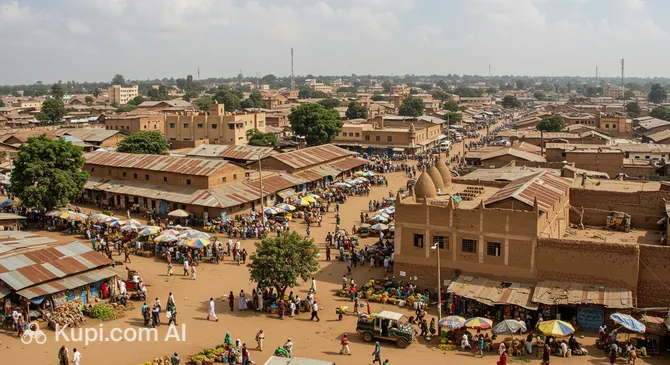
Travelers are often drawn to Bauchi for its proximity to the famous Yankari National Park, the country's premier wildlife destination known for its elephants and the crystal-clear Wikki Warm Springs. Within the city limits, the Tomb of Sir Abubakar Tafawa Balewa stands as a monumental tribute to Nigeria's first Prime Minister, attracting visitors with its impressive architecture and historical significance. Additionally, the local markets and the majestic Emir's Palace offer a glimpse into the enduring traditions and daily life of the local people.

Whether you are a nature enthusiast heading to the game reserves or a history buff interested in the legacy of the region, Bauchi promises a memorable experience. Its combination of historical depth, friendly locals, and access to natural wonders makes it a destination well worth adding to your travel itinerary.

Weather Overview

Understanding the local climate is essential for planning a visit, as the city experiences distinct dry and wet seasons. The weather in Bauchi is generally warm year-round, but conditions vary significantly depending on the month. The dry season, which typically runs from November to April, is characterized by clear skies and virtually no rainfall, creating stable conditions for sightseeing and wildlife viewing in nearby reserves.

During the dry season, temperatures can fluctuate noticeably. The coolest period occurs in December and January, where average temperatures sit around 21°C to 22°C, and nights can be surprisingly crisp with lows dipping to 13.4°C. Conversely, the heat intensifies as the season progresses, peaking in April with an average temperature of 30.8°C and daily highs that can reach a sweltering 38.0°C.

The wet season brings a transformation from May through October, turning the landscape lush and green. July and August are the wettest months, experiencing up to 27 rainy days each. During this period, temperatures moderate to a comfortable average of approximately 25°C, though humidity is higher. Expect warm, sunny spells interspersed with regular showers during the rainy season, while the dry months offer hot days and cooler, pleasant evenings.

Interesting Facts

Beyond the main attractions and bustling markets, Bauchi holds many fascinating secrets that reveal the depth of its cultural heritage. Digging a little deeper into the city's past uncovers unique stories that add a rich layer of context to your visit.

  • A Hunter's Namesake: Unlike many cities named after their founders or geographical features, Bauchi is said to be named after a hunter named Baushe. According to local oral history, Baushe advised the city's founder, Yakubu, on the strategic location for the citadel. In a gesture of gratitude and respect for this wise counsel, Yakubu named the new settlement after him.

  • Symbolism in Stone: The tomb of Sir Abubakar Tafawa Balewa is not just a monument to the first Prime Minister of Nigeria; its design is deeply metaphorical. The structure was built to represent the "darkness" of oppression transitioning into the "light" of freedom, with the tomb itself situated at the bottom of a hollow shaft that opens up to the sky, symbolizing the journey of the nation.

  • The Ancient Ganuwa: Like several historic cities in the region, Bauchi was originally fortified by massive earthen walls known as "Ganuwa." These walls were constructed in the early 19th century to protect the emirate. While modern development has overtaken much of the old perimeter, the history of these fortifications remains a point of pride and defines the layout of the traditional city center.

  • A Railway Hub: In the early 20th century, the city became a pivotal point on the narrow-gauge railway line connecting the tin mines of the Jos Plateau to the coast. This infrastructure boom transformed Bauchi into a melting pot of diverse ethnic groups who came for trade and work, shaping the multicultural atmosphere that persists today.

How to Get There

Reaching this northern Nigerian destination is an adventure in itself, with air travel being the most efficient method for most visitors. For a detailed breakdown of routes and transport modes, you can read more about how to get to Bauchi. While road networks connect the state to the rest of the country, flying into the city or a nearby hub is often preferred for comfort and speed.

The most direct way to arrive is via Bauchi Airport (BCU), located conveniently within the city limits. It sits just about 2.9 km from the center, making the transfer very quick; a taxi ride typically takes around 25 minutes. However, flight schedules to this local hub can be limited. As an alternative, travelers often use Gombe Lawanti International Airport (GMO) in the neighboring city of Gombe. Situated approximately 116 km away, the journey by taxi or bus from Gombe to Bauchi generally takes about 3 hours and 15 minutes. Another viable option is Jos Airport (JOS) in Jos, roughly 130 km from Bauchi, with a travel time of approximately 3 hours and 35 minutes.

For clarity, here is a summary of the main airports serving the region:

Airport Name City Passenger Traffic Km from City
Mallam Aminu Kano International Airport Kano Medium 240.3
Kaduna Airport Kaduna Medium 279.2
Jos Airport Jos Small 129.5
Gombe Lawanti International Airport Gombe Small 115.9
Bauchi Airport Bauchi Small 2.9

Main Attractions

Bauchi is often celebrated as a gateway to some of Nigeria's most treasured natural and historical sites. While the city itself offers a peaceful atmosphere, it serves as the primary base for exploring the renowned wildlife reserves and cultural monuments that define the region's tourism appeal. From architectural marvels to pristine nature, the area offers a diverse range of experiences for every traveler.

Undoubtedly the most famous attraction in the region is the Yankari Game Reserve. Located a short drive from the city, this is Nigeria's premier wildlife destination and a must-visit for nature lovers. It is home to the largest remaining elephant population in the country, along with roan antelopes, western hartebeests, and baboons. The reserve offers a unique opportunity to see West African wildlife in a protected savannah environment, making it a perfect spot for a safari adventure.

Nestled within the Yankari Game Reserve are the enchanting Wikki Warm Springs. These natural springs are famous for their crystal-clear water, which maintains a constant, soothing temperature of 31°C year-round. The water is so pure that it appears blue against the sandy bottom, creating an inviting natural swimming pool. It is the ideal place to relax and unwind after a day of game viewing, surrounded by lush vegetation and the sounds of nature.

Back within the city limits, the Tomb of Sir Abubakar Tafawa Balewa stands as a significant national monument. This architectural masterpiece is the final resting place of the first Prime Minister of independent Nigeria. The complex includes a library and a museum that house personal effects and historical documents, offering deep insight into the nation's journey to independence. The tomb's unique design and towering structure make it a prominent landmark and a place of reflection.

For a glimpse into the traditional heritage of the area, the Bauchi Emir's Palace is a fascinating stop. This historic structure showcases the traditional architectural style of the region, characterized by intricate mud walls and high vaulted ceilings. It serves as the residence of the Emir of Bauchi and remains a center for cultural ceremonies and local administration. Visitors can admire the craftsmanship and learn about the long-standing traditions of the Bauchi Emirate.

Local Cuisine

The culinary landscape of Bauchi offers a delightful journey into the heart of Northern Nigerian flavors. Heavily influenced by Hausa and Fulani traditions, the local cuisine is characterized by hearty, grain-based meals, rich soups, and an abundance of high-quality meat. For food lovers, dining here is an exploration of texture and spice, where recipes passed down through generations provide a comforting and authentic taste of the region.

One dish that stands out as a local favorite is Masa (also known as Waina). These fermented rice cakes are pan-fried in a special clay pot until they are golden and crispy on the outside while remaining soft and sour-sweet on the inside. They are typically enjoyed for breakfast or as a snack, served with a dusting of spicy pepper blend (yaji) or a side of vegetable soup. Another staple is Tuwo, a thick, swallow-style dish made from rice (Tuwo Shinkafa) or maize (Tuwo Masara). It is traditionally eaten by hand, dipped into flavorful soups like Miyar Kuka (made from powdered baobab leaves) or Miyar Taushe (a savory pumpkin stew), which are rich in nutrients and deep in flavor.

Meat plays a central role in the local diet, and the street food scene is dominated by it. Suya is the most famous export of the region—spicy, skewered beef grilled over open flames and served with onions and tomatoes. It is a quintessential evening treat that brings locals together. For a more portable delicacy, try Kilishi, a jerky-like snack made from thin sheets of meat that are sun-dried, coated in a spicy peanut paste, and roasted. It has a long shelf life, making it an excellent edible souvenir to take home.

When it comes to drinks, the choices are predominantly non-alcoholic and made from natural ingredients, reflecting the local culture and climate. A must-try is Fura da Nono, a traditional Fulani drink made from fermented cow's milk mixed with millet balls. It is thick, creamy, and incredibly refreshing on a hot day. Kunu is another popular beverage, a milky drink made from grains like millet or sorghum, often spiced with ginger. You will also frequently encounter Zobo, a tangy, deep-red drink made from dried hibiscus flowers. Alcohol is generally not part of the traditional food culture here and is restricted to specific locations, such as hotel bars or private clubs.

The food culture in Bauchi is unpretentious and welcoming. While there are modern restaurants in the city, the most authentic experiences are often found in local "bukas" (canteens) and open-air markets. Eating is often a communal affair, and the prices are generally very affordable. Visiting a Suya spot at night, surrounded by the smoky aroma of grilling meat and the chatter of friendly residents, offers a perfect glimpse into the relaxed and social lifestyle of the city.

Travel Tips

Traveling to Bauchi is an exciting journey into the cultural heart of Northern Nigeria, offering a unique blend of wildlife and tradition. To help you navigate the local customs and logistics smoothly, here are some practical tips to ensure your visit to the "Pearl of Tourism" is as enjoyable and hassle-free as possible.

  1. Clothing and Gear: Due to the generally hot climate, pack lightweight, breathable fabrics like cotton or linen. However, the region is socially conservative, so it is important to dress modestly; both men and women should avoid shorts and sleeveless tops in public. Always carry a scarf or shawl if you plan to visit religious sites, and bring a sweater for the cooler evenings during the harmattan season (December to January).
  2. Transportation: Within the city, the most common and affordable way to get around is by Keke NAPEP (commercial tricycles). Taxis are available but less frequent on the streets; it is often better to hire a car with a driver for the day, especially if you plan to visit Yankari Game Reserve, which is about an hour and a half away from the city center.
  3. Finances: The local currency is the Nigerian Naira (NGN). While some major hotels may accept card payments, cash is king in Bauchi, especially in local markets and smaller eateries. ATMs are available within the city metropolis, but they can be unreliable or crowded, so it is wise to withdraw sufficient cash when you have the chance.
  4. Health and Safety: Malaria is a risk, so bring mosquito repellent and consider taking prophylaxis. Stick to drinking bottled water to avoid stomach issues. Pharmacies are available in the city center for basic needs. As in any travel destination, stay aware of your surroundings and avoid traveling on highways late at night.
  5. Communication: English is the official language and is spoken in hotels and government offices, but Hausa is the dominant language of the streets. Learning a few phrases like "Sannu" (Hello) and "Na gode" (Thank you) will go a long way in earning smiles from the locals. MTN and Airtel are the most reliable mobile networks for buying a SIM card.
  6. Local Etiquette: Greetings are taken very seriously here; skipping a proper greeting is considered rude. When interacting with locals, always use your right hand for eating, shaking hands, or passing money, as using the left hand is culturally considered unclean.
  7. What to Avoid: Public displays of affection between couples are frowned upon and should be avoided. Additionally, do not take photographs of people, especially women or government buildings, without asking for explicit permission first.
  8. Best Time for Wildlife: If your primary goal is to see the elephants at Yankari, plan your trip during the peak of the dry season (February to April). During this time, the vegetation is thinner, and animals are forced to congregate around the Gaji River, making sightings almost guaranteed.

By keeping these tips in mind, you will be well-prepared to embrace the warm hospitality and relaxed pace of Bauchi. Whether you are bargaining in the market or watching wildlife at the reserve, a little local knowledge will make your adventure truly unforgettable.

Entertainment & Nightlife

Entertainment and nightlife in Bauchi differ significantly from the high-energy club scenes found in Nigeria's southern metropolises like Lagos. Reflecting the city's conservative and cultural values, the evening atmosphere here is much more laid-back and centered around socialization, dining, and relaxation rather than loud music and dancing. The nightlife is quiet, safe, and generally concludes earlier than in other major cities, making it perfect for travelers seeking a peaceful end to their day.

The hub of social activity in the evenings is primarily located within the Government Reservation Area (GRA). This district is well-lit, secure, and home to the city's major hotels, which serve as the main venues for nightlife. Since the sale and consumption of alcohol are restricted in many parts of the city due to local Sharia customs, hotel bars and specific guest houses in the GRA are the designated spots where visitors can enjoy a drink in a comfortable setting.

For those looking to unwind, the Zaranda Hotel is a cornerstone of Bauchi's social scene. It features a spacious garden and a poolside bar where locals and expatriates gather to enjoy cold beverages and grilled food in an open-air environment. Another popular venue is the Awala Hotel, which offers a restaurant and bar known for its friendly service and relaxed vibe. It is a great place to engage in conversation without the noise of a booming nightclub. Additionally, the Command Guest House often attracts a crowd looking for a secure environment to socialize and enjoy evening entertainment.

Night markets and street food stalls also play a vital role in the city's evening culture. Areas around Wunti Market and major junctions come alive after dark with the aroma of grilling meat. While not "nightclubs," these spots are bustling with energy as residents gather to eat spicy Suya and chat under the stars. The atmosphere is communal and welcoming, offering a genuine taste of local life.

When planning a night out, timing is important. Most venues are liveliest between 7:00 PM and 10:00 PM, and things tend to wind down by midnight. The dress code is generally smart casual; however, modesty is highly valued, so it is best to avoid overly revealing clothing even in hotel bars. Prices are very reasonable compared to Abuja, with drinks and meals costing a fraction of what you would pay in the capital.

Safety and Transport: Bauchi is relatively safe for evening outings, especially within the GRA, but it is advisable to avoid walking alone in unlit areas on the outskirts. The popular yellow tricycles (Keke NAPEP) usually stop operating around 9:30 PM or 10:00 PM. If you plan to stay out later, ensure you have arranged a taxi or a private car drop-off with your hotel beforehand, as finding public transport late at night can be difficult.

During the day, the city offers more culturally oriented entertainment. Visitors can explore the Bauchi State Museum, which houses a collection of artifacts ranging from Stone Age tools to traditional regalia, providing a comprehensive look at the region's ethnography. For those interested in performing arts, the Open Air Theatre occasionally hosts cultural festivals and drama performances that showcase the rich artistic heritage of the state.

Parks & Museums

For travelers interested in the convergence of natural beauty and historical preservation, Bauchi offers a compelling selection of parks and museums. As a region celebrated for its eco-tourism, the city and its surroundings provide spaces where visitors can connect with the diverse wildlife of West Africa and delve into the rich cultural tapestry of Nigeria.

The Bauchi State Museum is a primary destination for those looking to understand the ethnographic history of the area. Located conveniently within the city, this institution houses a wide array of artifacts that span from prehistoric Stone Age tools to traditional regalia used in local durbars and festivals. Visitors can explore galleries dedicated to pottery, musical instruments, and weaponry, offering a comprehensive insight into the customs and craftsmanship of the various ethnic groups that inhabit the state.

Another significant site is the museum within the Tomb of Sir Abubakar Tafawa Balewa complex. While the tomb itself is an architectural landmark, the attached museum serves as an intimate archive of the life of Nigeria’s first Prime Minister. The collection includes his personal library, handwritten speeches, and cherished belongings, such as his radio and trademark cap. These items provide a personal narrative that complements the grandeur of the mausoleum, making it a moving experience for history enthusiasts.

Beyond the city limits, the Yankari Game Reserve remains the crown jewel of the region's natural parks. While famous for its wildlife, the reserve is also a geological and archaeological wonder. It protects the Wikki Warm Springs, a natural spa with constant warm water, and the historic Marshall Caves, which were once used as settlements by early humans. The park’s museum, located at the camp, further educates visitors on the local flora and fauna, including the conservation efforts for the resident elephant population.

For a different wilderness experience, the Sumu Wildlife Park in the Ganjuwa Local Government Area is an excellent alternative. Distinct from Yankari, this park is known for its open savannah landscape and specific wildlife species. It was stocked with animals from Namibia, making it one of the few places in the region where you can spot herds of giraffes, zebras, and wildebeests roaming freely. The park offers a serene environment for game viewing and photography, often with fewer crowds than its more famous counterpart.

Getting Around

Navigating Bauchi is a straightforward experience, though the city lacks the complex rail or metro systems found in larger global capitals. The public transport network here is entirely road-based and informal, relying heavily on tricycles, motorcycles, and buses. For a visitor, this system offers an authentic and interactive way to see the city, with vehicles that weave through the streets offering door-to-door convenience at very affordable rates.

The undisputed king of the road in this city is the Keke NAPEP. These yellow commercial tricycles are ubiquitous and serve as the primary means of getting around for the vast majority of residents. They operate on a shared basis, picking up and dropping off passengers along the way, but they can also be hired for a "drop" (private charter) to take you directly to your destination. For shorter, quicker trips, Achaba (commercial motorcycles) are also available. While they are faster and can navigate traffic easily, they are generally considered less safe than tricycles and offer less protection from the sun and dust.

When it comes to payment, cash is the only accepted method. There are no travel cards, electronic passes, or mobile ticketing apps for public transit here. Fares are generally very low, usually requiring small denominations of the local currency. For shared rides in a Keke, there is often a fixed standard price for short distances, but if you are chartering the vehicle for a private ride, you must negotiate and agree on the price with the driver before you board. It is essential to carry plenty of smaller notes, as drivers frequently do not have change for large bills.

For tourists who prioritize comfort or need to travel further afield, such as to the Yankari Game Reserve, standard street taxis are less common to hail directly. Instead, the best alternative is to hire a car with a driver for the day. This service can usually be arranged through your hotel or at major transport parks. While ride-hailing apps are popular in other parts of the region, they are not yet a reliable option in Bauchi, so relying on arranged private transport is often the most stress-free choice for a full day of sightseeing.

A few practical tips will help you navigate the system smoothly. Public transport operates primarily during daylight hours, with Keke NAPEPs typically winding down operations around 9:30 PM to 10:00 PM. After this time, finding a ride on the street becomes difficult. Always greet the driver before negotiating a fare, as courtesy is highly valued. Additionally, if you are carrying luggage, expect to pay a little extra for the space it occupies in the vehicle.

Accommodation

Finding the perfect place to stay in Bauchi is relatively straightforward, as the city offers a concentrated selection of accommodation options that cater primarily to business travelers, government officials, and tourists visiting the nearby game reserves. The hospitality landscape here is dominated by functional mid-range hotels and budget-friendly guest houses. While you will not find the ultra-luxury international hotel chains present in Lagos or Abuja, the available options are generally comfortable, clean, and known for their warm local hospitality.

For the most convenient and secure experience, travelers are highly advised to look for accommodation within the Government Reservation Area (GRA). This district is the most developed part of the city, characterized by tree-lined streets, better infrastructure, and a quieter atmosphere. Staying in the GRA places you close to major administrative buildings and ensures easier access to reliable amenities like constant power supply and security, which are standard in the better establishments.

Among the most well-known establishments in the city is the Zaranda Hotel. Standing as one of the largest and most prominent hotels in the state, it is a common landmark and a hub for social activities, offering facilities that often include a swimming pool and conference halls. Another reputable option is the Awala Hotel, which is favored by visitors for its decent restaurant and reliable service. These hotels serve as excellent bases for exploring the city before heading out to the wilderness.

If your primary reason for visiting is the Yankari Game Reserve, it is worth noting that the reserve itself offers accommodation at the Wikki Camp. Staying there allows you to wake up right in the heart of the park, though facilities can be rustic. For stays within Bauchi city, a helpful booking tip is to contact hotels directly by phone if online booking platforms show limited availability, as many local establishments manage reservations manually and may not have a robust online presence.

In terms of cost, accommodation in Bauchi is generally very affordable compared to Nigeria's major commercial hubs. Prices typically range from budget to mid-range. While major hotels may accept debit cards, it is essential to carry sufficient cash for deposits or smaller guest houses. Booking in advance is recommended if you are visiting during public holidays or major local festivals, but for most of the year, finding a room upon arrival is usually possible.

Nearby Cities

Situated in a key position within northeastern Nigeria, Bauchi serves as an excellent base for travelers wishing to extend their journey to neighboring states and major urban centers. The city is surrounded by several prominent destinations, ranging from bustling commercial hubs to the nation's capital, all within a reasonable driving distance.

The closest major city is Jos, located approximately 117 km to the southwest. Known for its cool climate and scenic plateau, it is a popular getaway that can be reached in just a few hours by road. For those interested in history and commerce, the ancient city of Kano lies to the north, about 232 km away. As one of the most historic cities in West Africa, it offers a deep dive into the region's heritage and trade traditions.

To the west, travelers can visit Kaduna, situated roughly 264 km from Bauchi. It is a major industrial center and transportation hub connecting the north to the rest of the country. Further southwest is Abuja, the Federal Capital Territory. At a distance of approximately 292 km, the nation's planned capital is accessible for those looking to experience the administrative heart of Nigeria. Additionally, Jalingo, the capital of Taraba State, is located about 230 km to the southeast, serving as a gateway to the eastern highlands.

Shopping & Souvenirs

General Overview: Shopping in Bauchi is an immersive experience that leans heavily towards traditional commerce and local craftsmanship rather than high-end luxury retail. The city does not boast the massive shopping malls found in larger metropolises, but it offers a vibrant array of open-air markets and smaller commercial plazas. Visitors will find that the shopping scene is deeply integrated with the local culture, providing an excellent opportunity to interact with residents and discover authentic Nigerian products, from fresh produce to handmade goods.

Main Shopping Areas: The commercial heartbeat of the city is concentrated around the central districts where major roads intersect. The area surrounding the Wunti roundabout is particularly lively, lined with shops selling textiles, electronics, and household items. Another key commercial zone is found along Ran Road, where a variety of smaller boutiques and traders offer everything from clothing to general merchandise. Walking through these districts offers a sensory mix of sights and sounds characteristic of a bustling northern Nigerian city.

Shopping Malls: While you will not find sprawling modern mall complexes here, the city has several shopping plazas and supermarkets that cater to modern needs. Places like the Bauchi Investment Corporation Plaza and various independent supermarkets provide a more conventional retail environment. These establishments are ideal for travelers looking to purchase toiletries, packaged foods, and other travel essentials in a clean, air-conditioned setting.

Markets: The true spirit of commerce in Bauchi is found in its traditional markets. Wunti Market is the most central and accessible for tourists, situated right in the heart of the city. It is a great place to find fabrics, jewelry, and local snacks. For a larger and more extensive experience, Muda Lawal Market serves as the main trading hub for the state. It is a sprawling expanse where one can find almost anything, from grains and livestock to pottery and vintage clothing. Navigating these markets requires a bit of patience, but they offer the most authentic glimpse into daily life.

Souvenirs: For those looking to take a piece of the region home, the city is famous for its intricate leatherwork, a craft that has been perfected over generations in Northern Nigeria. You can find beautifully crafted bags, sandals, and belts at very reasonable prices. Additionally, locally woven mats and colorful fabrics, such as the vibrant Ankara prints, make for excellent gifts. Don't forget to look for decorated calabashes (gourds), which are both functional and artistic.

Opening Hours and Payment: Most shops and market stalls open around 8:00 AM or 9:00 AM and close by 6:00 PM. Supermarkets may stay open slightly later, until around 8:00 PM. It is important to note that cash is the primary method of payment throughout the city. While a few larger supermarkets and hotels may accept debit cards, vendors in markets and smaller shops deal exclusively in Nigerian Naira. Travelers should ensure they carry sufficient cash in smaller denominations for easier transactions.

Tax-Free: Tax-free shopping or VAT refund schemes for tourists are generally not available in Bauchi. The prices displayed or negotiated are final, and visitors should not expect to reclaim taxes upon departure.

Reached the end of the page?

That means the route is fully explored