Welcome to Kano, a city that pulses with energy, commerce, and tradition. As the capital of Kano State and the second-largest city in Nigeria, it serves as a vital economic and cultural hub in the northern part of the country. Known for its ancient roots and bustling atmosphere, Kano offers a unique glimpse into the soul of the Sahel, blending a deep respect for heritage with the dynamic pace of modern life.
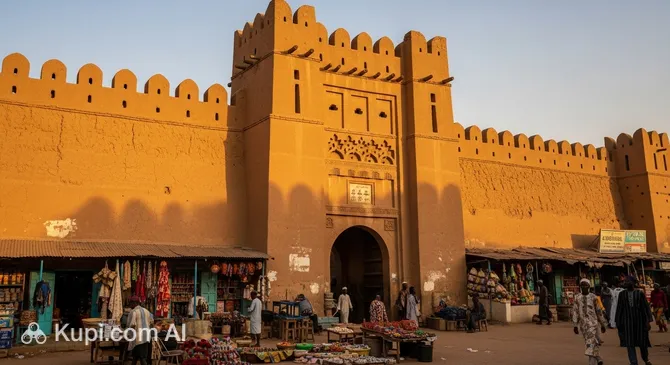
Geographically situated in the Sahelian savanna, the city experiences a hot semi-arid climate that shapes its landscape and lifestyle. With a population of over 3.8 million people, it is a thriving metropolis where diverse communities coexist. The city's layout creates a fascinating contrast, with the ancient walled city at its heart surrounded by expanding modern districts.
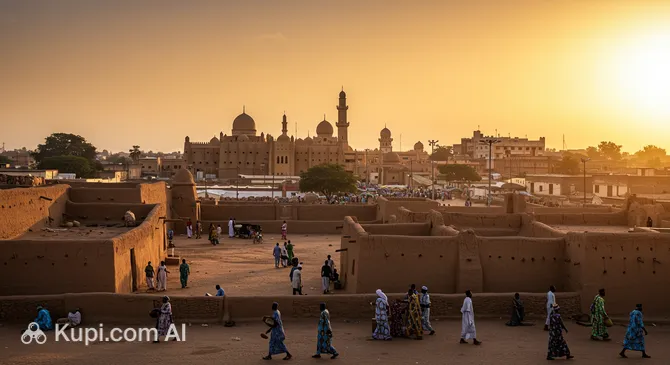
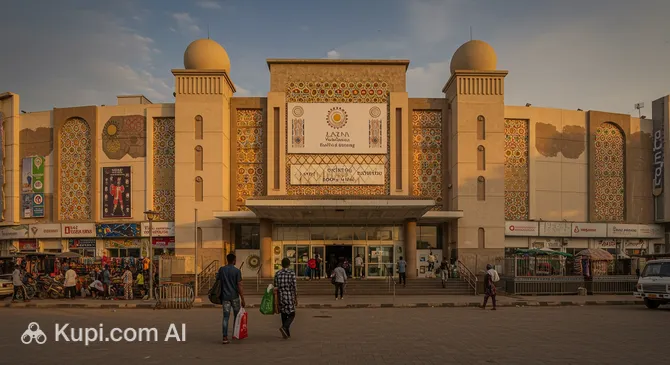
The history of Kano is deeply woven into the fabric of the trans-Saharan trade routes. For nearly a millennium, merchants have flocked here to exchange goods, ideas, and culture. This legacy is best experienced at the Kurmi Market, one of the oldest and largest markets in Africa, where the scents of spices and the vibrant colors of textiles create an unforgettable sensory experience.
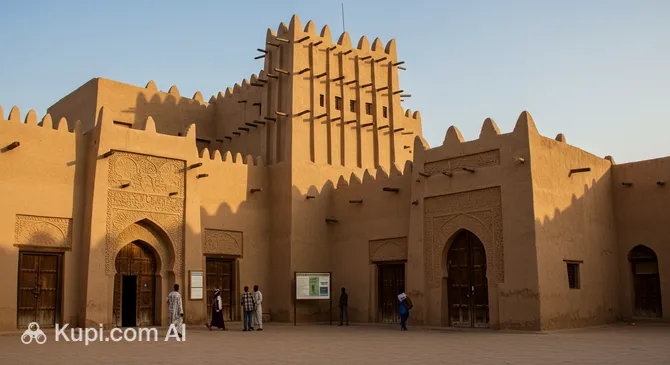
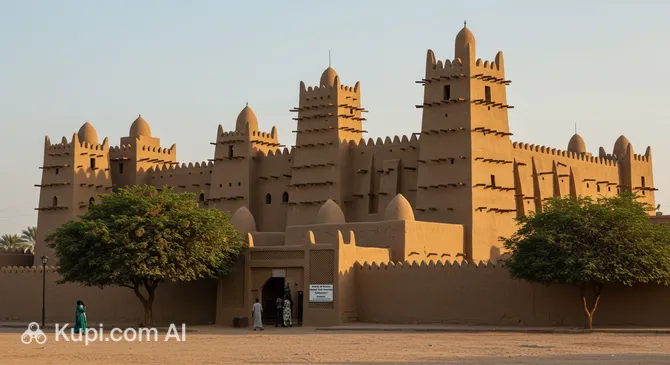
Visitors are often captivated by the Kofar Mata Dye Pits, founded in 1498 and still in use today. Here, artisans continue to use traditional methods to create the famous indigo cloth that the region is renowned for. Another architectural highlight is the Gidan Rumfa, the Emir's Palace, which stands as a magnificent example of Hausa architecture and a symbol of the city's enduring royal heritage.
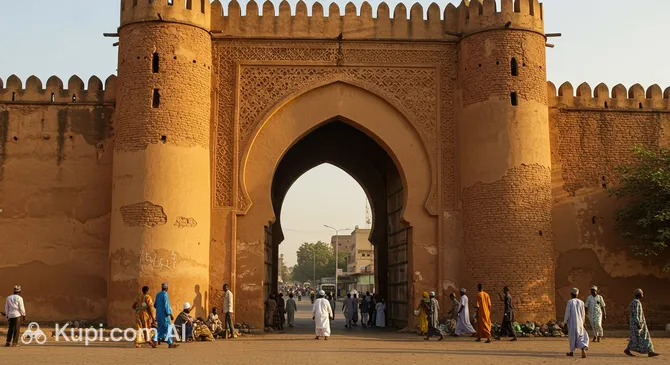
Whether you are exploring the remnants of the ancient city walls or engaging with the friendly locals, Kano promises a journey filled with discovery. It is a destination that invites travelers to immerse themselves in a rich cultural tapestry and witness the enduring spirit of West Africa.