Support

Kaduna

About

Kaduna. Source: Kupi.Binoculars

Welcome to Kaduna, a bustling metropolis that serves as the capital of Kaduna State and stands as one of the most important industrial and cultural centers in northern Nigeria. Known for its vibrant atmosphere and strategic importance, the city derives its name from the Hausa word for "crocodiles," referencing the reptiles that once lived in the local river. It offers a fascinating blend of traditional heritage and modern development, making it a unique destination for travelers seeking an authentic experience.

Geographically, the city is situated on the banks of the Kaduna River, acting as a major trade center and transportation hub for the surrounding agricultural regions. With a population of over 760,000 inhabitants, it is a lively urban environment. The climate is typically tropical savanna, characterized by distinct wet and dry seasons that shape the rhythm of local life and commerce.

The city's origins as a modern settlement date back to the early 20th century, and its development has been heavily influenced by its role as a former administrative headquarters. Visitors interested in how the city evolved from a river crossing to a regional powerhouse can delve deeper into the history of Kaduna. The architecture often reflects this past, particularly in the government district where colonial-era designs are still visible.

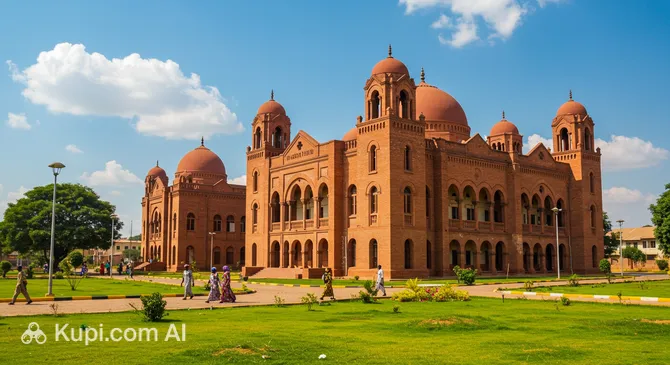
Tourists will find several intriguing sites to explore within and around the city. The National Museum Kaduna is a highlight, housing a significant collection of archaeological and ethnographic artifacts, including the famous Nok terracottas. Another architectural gem is Lugard Hall, a legislative building that features a distinctive dome and mimics the style of the British House of Commons. For those willing to venture a short distance from the city center, the stunning Kajuru Castle offers a fairytale-like escape with its medieval-style architecture set atop a rocky hill.

Whether you are visiting for business or leisure, Kaduna invites you to discover its charm. From its bustling markets to its historical landmarks, the city promises a memorable journey into the heart of the region.

Weather Overview

The climate in this region is defined by distinct wet and dry periods, offering visitors a predictable pattern for planning their trips. Generally, the weather in Kaduna remains warm throughout the year, though temperatures and humidity levels fluctuate significantly between seasons.

The dry season typically runs from November to March. During these months, rainfall is virtually non-existent, and the days are sunny. January is often the coolest month, with average temperatures around 23.7°C and nighttime lows dipping to 16.6°C, making for pleasant evenings. As the season progresses, the heat intensifies, reaching its peak in March and April when daily maximums can soar up to 36°C.

The wet season usually begins in May and extends through October. August is the peak of this period, featuring about 27 wet days, bringing cooler average temperatures of roughly 23.8°C. While the rain brings relief from the intense heat of the preceding months, travelers should expect frequent showers during this time. By November, the skies clear up again, marking the return of drier conditions.

Interesting Facts

Beyond the main attractions, Kaduna holds many fascinating secrets that reveal its depth as a cultural and historical powerhouse. The city is not just an administrative center but a place where sporting history, industrial heritage, and culinary traditions converge.
Taraba Special Suya. Source: Kupi.Binoculars
  • Kaduna was once famously known as the "Manchester of Nigeria" due to its status as a booming textile hub, with numerous factories that drove the industrial economy of the entire region for decades.

  • Sports enthusiasts might be surprised to learn that the city is home to one of the oldest golf courses in the country; the Kaduna Golf Club was established in 1921, long before the sport became widely popular in West Africa.

  • The city is widely regarded as the polo capital of the region, hosting prestigious international tournaments at the Fifth Chukker Polo and Country Club, which attracts professional players and royalty from around the world.

  • Arewa House, the center for historical documentation and research, is located here in the former residence of Sir Ahmadu Bello, serving as a crucial archive for preserving the political and social history of Northern Nigeria.

  • The local culinary scene is legendary for its spicy grilled meat, and the city is considered one of the best places to try authentic Suya, a tradition kept alive by popular spots like Taraba Special Suya.

How to Get There

Reaching this northern Nigerian metropolis is relatively straightforward due to its strategic location and transport infrastructure. Whether you are arriving from within the country or from abroad, there are several convenient options to consider. For a detailed breakdown of routes and tips, you can read more about how to get to Kaduna to help plan your journey effectively.

The most convenient entry point for many travelers is Kaduna Airport (IATA: KAD), which is located directly in the city, approximately 24.6 km from the center. It handles a significant number of domestic flights, making it a quick option for those connecting from other Nigerian cities. Upon arrival, a taxi ride to the downtown area typically takes around 55 minutes.

For international visitors, the Nnamdi Azikiwe International Airport (IATA: ABV) in Abuja is often the primary gateway. Although it is situated in Abuja, about 166.6 km away, it offers a much wider range of flight connections. The city of Kaduna does not have its own major international hub, so flying into Abuja and continuing by road is a common choice. The transfer by taxi or bus from Abuja usually takes approximately 4.5 hours.

Another alternative is the Mallam Aminu Kano International Airport (IATA: KAN) located in Kano. It is situated about 208.2 km from Kaduna and serves as another key regional hub. Travelers landing here can expect a road journey of roughly 5.5 hours to reach their destination.

For clarity, here is a summary of the main airports:

Airport Name City Passenger Traffic Km from City
Nnamdi Azikiwe International Airport Abuja High 166.6
Mallam Aminu Kano International Airport Kano Medium 208.2
Kaduna Airport Kaduna Medium 24.6
Jos Airport Jos Small 184.1
Bauchi Airport Bauchi Small 262.0

Main Attractions

There is no shortage of things to see and do in this vibrant city, where history, commerce, and leisure come together. From architectural marvels to bustling shopping districts, the main attractions offer a glimpse into the diverse lifestyle of the region.

One of the most iconic landmarks in the area is Kajuru Castle. Although located about 45 kilometers from the city center, it is a must-visit for anyone in the region. Built in a medieval European style, this stunning villa sits atop a rocky hill and features turrets, an armory, and a dungeon. It serves as a luxury resort and a popular venue for tours, offering a surreal experience that feels like stepping into a fairytale in the heart of Nigeria.

Makarfi Plaza. Source: Kupi.Binoculars

For those interested in the local commercial pulse, Makarfi Plaza is a key destination. Situated in the heart of the city, this complex is a hive of activity where visitors can find everything from fashion and electronics to local souvenirs. It is an excellent place to observe the daily rhythm of the city, interact with local vendors, and pick up unique items to remember your trip by.

History enthusiasts should not miss the National Museum Kaduna. This institution is renowned for its collection of archaeological and ethnographic exhibits, including the famous terracotta figurines from the Nok culture. The museum provides a deep dive into the artistic and historical heritage of Northern Nigeria, making it an educational stop for tourists of all ages.

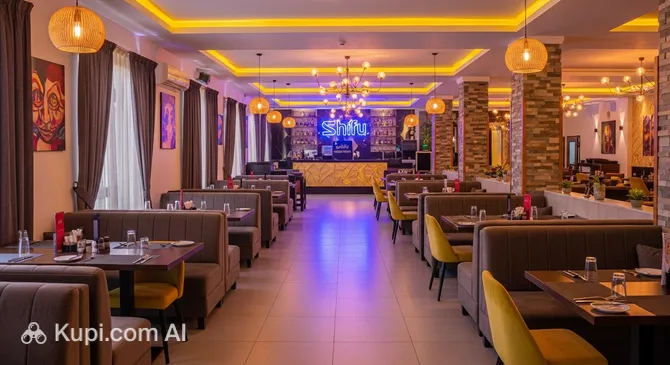
Shifu Restaurant and Lounge. Source: Kupi.Binoculars

After a day of sightseeing, visitors often look for a place to relax and enjoy the local social scene. Shifu Restaurant and Lounge offers a modern atmosphere perfect for dining and unwinding. Whether you are looking to sample diverse cuisines or simply enjoy a comfortable evening out, this spot is a popular choice among locals and travelers alike for its welcoming ambiance.

Local Cuisine

The culinary landscape of Kaduna is a vibrant reflection of Northern Nigerian culture, offering a rich tapestry of flavors that are both hearty and spicy. The local cuisine is heavily influenced by the Hausa and Fulani traditions, characterized by an abundant use of grains, fresh vegetables, and high-quality beef. For food lovers, the city presents an opportunity to taste authentic dishes that are prepared with generations-old recipes and locally sourced ingredients.

One of the most staple meals to try is Tuwo Shinkafa, a soft, mashed rice pudding that serves as a "swallow" to accompany various soups. It is best enjoyed with Miyan Kuka, a dark green soup made from powdered baobab leaves and dried fish, or Miyan Taushe, a savory pumpkin soup. Another beloved dish is Masa, delicious fermented rice cakes that are fried in a pan and typically eaten for breakfast or as a snack, often dipped in a spicy vegetable sauce or served with yaji spice.

Meat plays a central role in the local diet, and the city is famous for its grilling culture. Suya, spicy skewered meat coated in a peanut-based spice blend, is the undisputed king of street food here. The aroma of grilling meat fills the air in the evenings, drawing locals and visitors alike. For a taste of this iconic delicacy, many head to popular spots like Taraba Special Suya, where the preparation is considered an art form. Another meat snack to look out for is Kilishi, a dried, jerky-like version of Suya that makes for an excellent souvenir.

When it comes to beverages, the traditional drink Fura da Nono is a must-try. It is a refreshing mixture of fermented cow's milk (Nono) and millet dough balls (Fura), offering a unique taste of the region's pastoral heritage. Other popular non-alcoholic drinks include Zobo, a tangy hibiscus flower drink, and Kunu, a nourishing grain-based beverage. While traditional drinks dominate the street scene, those looking for a modern dining atmosphere or a wider variety of beverages can visit establishments like Shifu Restaurant and Lounge, which offers a contemporary setting to unwind.

The food culture in Kaduna is communal and welcoming. While street food stalls and open-air markets provide the most authentic and energetic experiences, the city also boasts a growing number of sit-down restaurants. Whether you are grabbing a quick bite of Masa by the roadside or enjoying a leisurely dinner, the bold flavors and warm hospitality define the gastronomic experience in this northern metropolis.

Travel Tips

To ensure your visit to Kaduna is as smooth and enjoyable as possible, it is helpful to understand the local customs and practicalities of this vibrant northern city. These tips will help you navigate the streets with confidence, respect local traditions, and make the most of your time in the "Crocodile City."

  1. Clothing and Gear: Due to the region's conservative culture and warm climate, modest dressing is highly recommended. Women should opt for loose-fitting clothing that covers the shoulders and knees, while men should avoid very short shorts in public areas. Lightweight, breathable fabrics like cotton or linen are best for the heat. Don't forget to bring a universal Type G power adapter and comfortable walking shoes for exploring the markets.
  2. Transportation: For short distances within the city, the yellow tricycles known locally as Keke Napep are the most popular and affordable way to get around. For longer journeys or more comfort, conventional taxis are widely available. While ride-hailing apps are growing in popularity in major Nigerian cities, their availability can fluctuate here, so having the number of a reliable local taxi driver is often a good strategy.
  3. Finances: The local currency is the Nigerian Naira (NGN). While upscale hotels and modern shopping centers like Makarfi Plaza may accept debit and credit cards, cash is king in local markets and smaller eateries. It is advisable to carry sufficient cash in lower denominations for everyday purchases. ATMs are available in the city center, but it is wise to withdraw money during the day in secure locations.
  4. Health and Safety: Always drink bottled water rather than tap water to stay healthy. Malaria is a risk in tropical regions, so packing insect repellent and sleeping under treated nets is crucial. Pharmacies are available in the city, but for any serious medical needs, head to major facilities like the specialized hospitals in the city center. As a general precaution, avoid walking alone in poorly lit areas at night.
  5. Communication: English is the official language and is widely understood, but Hausa is the dominant language of the streets. Learning a few basic phrases like "Sannu" (Hello) or "Nagode" (Thank you) will go a long way in building rapport with locals. SIM cards from major providers like MTN or Airtel are easy to buy and register, ensuring you stay connected with good data coverage.
  6. Local Etiquette: Greetings are a fundamental part of the culture here; it is polite to exchange pleasantries before asking a question or starting a transaction. When shaking hands, eating, or passing an object to someone, always use your right hand. Using the left hand for these interactions is considered culturally rude and unclean.
  7. What to Avoid: Refrain from taking photographs of government buildings, military installations, or police checkpoints, as this is strictly prohibited and can lead to unnecessary trouble. Additionally, avoid public displays of affection, which are frowned upon in this conservative society.
  8. Market Wisdom: If you plan to shop for souvenirs or fabrics in the local markets, be prepared to bargain. It is a standard part of the buying process, and vendors often expect a friendly negotiation before settling on a final price.

By keeping these practical tips in mind, you will be well-prepared to experience the warm hospitality and rich heritage that Kaduna has to offer. Embrace the local rhythm, interact with the friendly residents, and enjoy a safe and memorable journey.

Entertainment & Nightlife

Entertainment in Kaduna strikes a balance between laid-back social gatherings and vibrant cultural experiences. While the city may not have the frenetic energy of Lagos, its nightlife has a unique charm, centered largely around open-air lounges, hotel bars, and bustling night markets. The atmosphere is generally welcoming and communal, with locals often gathering to enjoy music, conversation, and good food well into the evening.

The districts of Barnawa and Malali are often considered the heart of the city's social scene after dark. These areas are dotted with various recreational centers and lounges where the mood ranges from quiet and romantic to lively and energetic. Visitors will find that the dress code is typically smart casual; while it is not overly formal, appearing neat and modest is appreciated in line with local customs. Most venues begin to fill up around 8:00 PM, with Friday and Saturday nights being the busiest times to venture out.

For those seeking a modern and comfortable setting to unwind, Shifu Restaurant and Lounge is a standout venue. It serves as a perfect spot for travelers to enjoy a drink and a meal in a sophisticated environment. The venue often attracts a mix of expatriates and local professionals, making it a great place to socialize. Meanwhile, the city's love for grilled meat comes alive at night. Spots like Taraba Special Suya transform into buzzing hubs where the aroma of spicy beef fills the air, offering a truly authentic taste of Nigerian nightlife.

Safety is an important consideration when enjoying the city at night. It is highly advisable to stick to well-lit, popular areas and avoid walking alone on quiet streets. For transportation, relying on trusted hotel taxis or arranged private drivers is the safest option, as hailing cabs off the street late at night is not recommended. Prices for drinks and entry fees are generally affordable compared to other major cities, making a night out accessible for most travelers.

Beyond the nightlife, the city offers pleasant daytime diversions. Families and groups often visit places like Makarfi Plaza, which is not only a shopping destination but also a social hub that may host cinemas or family entertainment centers. Additionally, parks such as the Gamji Gate amusement park provide green spaces for relaxation and recreational activities before the sun goes down.

Parks & Museums

Beyond its bustling markets and industrial landmarks, the city offers a refreshing array of green spaces and cultural institutions that preserve the heritage of the region. Visitors looking to escape the urban energy or dive deeper into the history of Northern Nigeria will find well-maintained parks and fascinating museums that showcase the artistic and political legacy of the area.

Gamji Gate Park is perhaps the most beloved recreational space in the city. Located along the banks of the Kaduna River, this sprawling park is a favorite among locals for picnics and leisure walks. It features lush gardens, a mini-zoo, and amusement facilities, making it an excellent spot for families. The park's proximity to the river provides a cool, breezy atmosphere, offering a scenic respite from the heat of the city center.

Another significant green area is Murtala Muhammed Square. Situated in the heart of the city, this vast open space serves as a central hub for sports, major events, and public gatherings. While it is often buzzing with activity, its wide avenues and open grounds are perfect for an evening jog or a casual stroll. The square is surrounded by important government buildings, giving visitors a sense of the city's administrative importance while enjoying the outdoors.

For culture enthusiasts, the National Museum is an essential stop. While it acts as a repository for artifacts from across the country, it is most famous for its extensive collection of Nok terracotta sculptures. These ancient artworks, dating back as far as 1500 BC, are some of the earliest known sculptures in sub-Saharan Africa. The museum also displays ethnographic exhibits that explain the crafts, architecture, and daily life of various Nigerian ethnic groups.

Equally important is Arewa House, the center for historical documentation and research. Housed in the former residence of Sir Ahmadu Bello, the first Premier of Northern Nigeria, it serves as both a museum and a research library. Visitors can explore the personal artifacts of the late leader and view exhibitions that trace the political history of the north. The complex is surrounded by peaceful gardens, making it a place of both education and reflection.

Architecturally, Lugard Hall stands out as a monument to the city's colonial past. Built to house the Northern House of Assembly, its design was inspired by the British House of Commons. The building features a central dome and intricate detailing that reflects the grandeur of the era. It remains a working government building but is a significant landmark for sightseeing from the outside.

For a truly authentic experience, take a quiet walk through the grounds of Arewa House on a weekday afternoon. It is one of the few places in the city where you can enjoy near-total silence, surrounded by history and old trees, offering a unique connection to the past leaders who shaped the region.

Getting Around

Navigating Kaduna is largely a road-based experience, as the city does not currently have a metro, tram, or public rail network for intra-city transit. The public transport system is informal but extensive, relying primarily on tricycles, minibuses, and taxis to move residents and visitors across the metropolis. Understanding how these different modes operate is key to getting around efficiently.

The most ubiquitous form of transport is the Keke Napep (commercial tricycle). Painted in yellow or green, these three-wheeled vehicles are the backbone of local mobility, offering a balance between the affordability of a bus and the convenience of a taxi. They are ideal for short to medium distances and can navigate the city's streets with agility. For longer journeys along major arterial roads, minibuses (often referred to as "buses") are the standard. They ply fixed routes and are the most budget-friendly option, though they can be crowded and make frequent stops.

Regarding payment, cash is king. There are no electronic travel passes, smart cards, or integrated ticketing systems for public transit here. Passengers are expected to pay the driver or conductor directly in the local currency. It is highly advisable to carry smaller denominations, as drivers often struggle to find change for large notes. Prices for Keke and bus rides are generally fixed for specific routes, but they are very affordable.

For those seeking more comfort or privacy, traditional taxis are widely available. Unlike the shared transport options, taxis do not always have meters, so the fare is typically a matter of negotiation before the journey begins. Recently, ride-hailing apps like Bolt have established a presence in the city, offering a more modern alternative where prices are estimated upfront and payments can sometimes be made digitally, though cash is still often preferred by drivers.

Tourists should be aware that public transport operates mainly during daylight hours. While Keke Napep and buses start running early in the morning, their availability drops significantly after dark. For safety and convenience, it is best to complete your movements by early evening. If you need to travel at night, relying on a trusted private taxi service or a ride-hailing app is the recommended approach rather than flagging down vehicles on the street.

Car rental services are available for those who prefer to drive themselves, but hiring a car with a local driver is a popular alternative. This option eliminates the stress of navigating unfamiliar traffic patterns and provides the added benefit of a local guide who knows the best routes. Commercial motorcycles (Okada) have faced various restrictions in the city center for security reasons, so tourists are advised to stick to tricycles and cars for their daily commutes.

Accommodation

Finding the right place to stay in Kaduna is relatively easy, as the city offers a variety of accommodation options tailored to different needs and budgets. The hospitality sector here is largely driven by business travelers and government officials, meaning that visitors will find a good selection of mid-range hotels and functional guest houses. While the city may not have an abundance of ultra-luxury international resorts, it boasts several reputable establishments that provide comfortable amenities, secure environments, and reliable services.

For those prioritizing safety and tranquility, the Government Reservation Area (GRA) is the most recommended location. This district is characterized by tree-lined streets and colonial-era architecture, offering a quiet atmosphere that is removed from the hustle and bustle of the main markets. Staying here places you close to key administrative landmarks like Lugard Hall and the National Museum, making it convenient for sightseeing. Many of the city's most established hotels are situated in this area, often featuring ample parking, on-site dining, and conference facilities.

Travelers looking to be closer to the social heartbeat of the city might prefer accommodation in districts like Barnawa or Malali. These areas are known for their vibrant nightlife and proximity to popular dining spots and lounges. Staying here allows for easy access to evening entertainment and interactions with the local community, although the environment can be a bit livelier compared to the serene GRA.

Booking Tips: It is advisable to book your accommodation in advance, particularly if your visit coincides with major events such as the international polo tournaments, which attract visitors from across the region. While major hotels can often be booked via international online platforms, many smaller guesthouses and mid-range hotels operate more effectively through direct phone reservations or upon arrival.

Price Range and Payment: Accommodation prices in the city are generally affordable compared to Lagos or Abuja. Budget travelers can find basic but decent rooms for a modest fee, while "luxury" in the local context typically refers to business-class standards with air conditioning and backup power generators. When it comes to payment, cash is widely preferred, especially in smaller establishments. However, the larger, well-known hotels in the city center usually accept debit and credit cards.

Nearby Cities

For those looking to explore the surroundings, Kaduna serves as an excellent base for day trips to several interesting nearby locations:

One of the most accessible and historically rich destinations is Zaria. Located less than an hour's drive away, it is one of the original seven Hausa states and a major center of education and tradition. Visitors can explore the ancient city walls, the Emir's Palace, and the prestigious Ahmadu Bello University. It offers a fascinating glimpse into the traditional architecture and the enduring legacy of the Zazzau Emirate.

For a complete change of pace, a trip to Abuja, the nation's capital, is well within reach. Known for its modern infrastructure and organized layout, the city is dominated by the massive Aso Rock monolith. Travelers can visit the stunning National Mosque or the National Christian Centre, and enjoy the amenities of a planned modern city, offering a stark contrast to the historic charm of the northern towns.

Another captivating option is Jos, situated on the Jos Plateau. Famous for its cooler climate and unique geography, it is often referred to as the "Home of Peace and Tourism." The city is surrounded by dramatic rock formations, such as the Shere Hills, and offers a refreshing escape with its scenic landscapes and museums dedicated to the tin mining history of the region.

City Population Distance (km)
Kano 3,848,885 208
Abuja 3,770,000 160
Bauchi 693,700 264
Jos 622,802 170
Zaria 408,198 76

These nearby destinations offer a glimpse into the diverse culture and landscapes of the region.

Shopping & Souvenirs

Shopping in Kaduna offers a vibrant mix of traditional open-air commerce and modern retail convenience. As a major trade hub in Northern Nigeria, the city is an excellent destination for travelers looking to purchase authentic local goods, particularly textiles, for which the region has long been celebrated.

The city is famous for its bustling markets, with the Sheikh Gumi Market (Central Market) serving as the commercial heartbeat. This sprawling area is a sensory delight where visitors can find an array of items ranging from fresh spices and grains to colorful fabrics. The textile section is particularly noteworthy, offering high-quality Ankara, lace, and other materials that reflect the city's heritage as a center for textile production.

For those preferring a more contemporary shopping environment, Makarfi Plaza is a popular choice. Situated in the city center, this multi-story complex houses numerous boutiques, electronics shops, and business centers. It provides a comfortable, air-conditioned atmosphere where you can browse for fashion, gadgets, and accessories away from the heat and crowds of the open markets.

Travelers seeking unique souvenirs should look out for leather goods, hand-woven mats, and pottery, which are crafted by skilled local artisans. When shopping in the traditional markets, keep in mind that bargaining is an essential part of the culture. Engaging in a friendly negotiation with vendors is expected and is often the best way to secure a fair price for your purchases.

Reached the end of the page?

That means the route is fully explored