Support

Abuja

About

Welcome to Abuja, the purpose-built capital city that stands as a symbol of unity and modernity in the heart of Nigeria. Unlike the coastal bustle of the former capital, Lagos, Abuja offers a more serene and organized atmosphere, characterized by wide avenues, green parks, and impressive architecture. As the seat of power and the administrative center of the country, it is a city where business, politics, and culture seamlessly intersect against a backdrop of stunning natural geography.
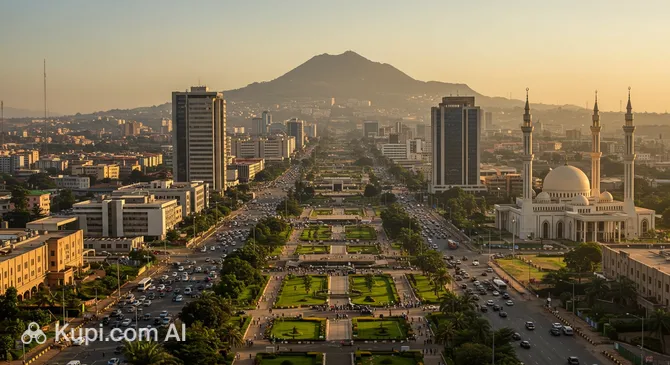
Abuja. Source: Kupi.Binoculars

Geographically, the city is situated in the Federal Capital Territory, chosen specifically for its central location to ensure equal accessibility for all citizens. The skyline is dominated by the majestic Aso Rock, a massive monolith that rises dramatically behind the presidential complex, defining the city's visual identity. With a population of over 3.7 million residents, it is one of the fastest-growing cities in Africa, yet it maintains a sense of spaciousness. The climate here is tropical, with a distinct rainy season and a dry, dusty harmattan season, making it a year-round destination for travelers.

Although it is a relatively young metropolis, the history of Abuja is fascinating, marking a pivotal shift in the nation's development when construction began in the 1980s. Today, visitors can admire architectural marvels such as the golden-domed Nigerian National Mosque and the striking neo-gothic National Christian Centre, which face each other in the city center. For those seeking relaxation, Jabi Lake offers a refreshing escape with opportunities for boat rides and picnics by the water.

Whether you are visiting for business or leisure, Abuja promises a unique experience that blends modern urban living with the warmth of Nigerian hospitality. It is a destination that invites you to explore its well-planned districts, enjoy its vibrant culinary scene, and witness the dynamic spirit of a nation on the rise.

Weather Overview

Abuja experiences a tropical climate characterized by two distinct seasons: a scorching dry season and a cooler, humid rainy season. To help plan your activities around these patterns, you can consult the detailed guide to the weather in Abuja. Generally, the city remains warm throughout the year, though the intensity of the heat and the likelihood of rain vary significantly depending on the month.

The dry season typically spans from November to March. During this period, rainfall is virtually non-existent, with December and January often recording 0 wet days. Temperatures climb steadily, peaking in February and March when average highs can reach up to 36.1°C. This is the hottest time of the year, ideal for those who prefer arid conditions, though travelers should stay hydrated.

Conversely, the rainy season sets in around April and lasts through October, bringing relief from the intense heat. By August, the average temperature drops to a milder 24.4°C, making the air feel much cooler. However, this comes with frequent precipitation; the peak months of July, August, and September can experience up to 28 wet days each. Expect hot, dry conditions early in the year and cooler, frequent showers during the summer months.

Interesting Facts

Beyond the main attractions, Abuja holds many fascinating secrets and unique features that often go unnoticed by casual visitors. Here are some intriguing facts that reveal the deeper character of Nigeria's capital:

IBB International Golf and Country Club. Source: Kupi.Binoculars
  • The city's master plan was designed by the renowned Japanese architect Kenzo Tange. He envisioned a modern metropolis with a central district, selected specifically for its location to symbolize neutrality and unity among the country's diverse ethnic groups.

  • Just on the outskirts of the city stands Zuma Rock, a massive monolith often referred to as the "Gateway to Abuja." It is famous for the natural contours on its surface, which distinctly resemble a human face looking over the landscape.

  • While it serves as a scenic backdrop for leisure, the water bordering Jabi Park is actually man-made. Jabi Lake is an artificial reservoir created by a dam, originally designed to supply water to the city's residents before evolving into the recreational hub it is today.

  • The IBB International Golf and Country Club is known for more than just its fairways. The course is famous for its ecological diversity, and it is a well-known local fact that crocodiles inhabit the water hazards, adding a wild twist to the game.

How to Get There

Reaching the Nigerian capital is most conveniently done by air, as the city is served by a major international hub that connects it to the rest of the world and other parts of the country. For a detailed overview of all available transport options, including road networks, you can read more about how to get to Abuja.

The principal entry point for most travelers is Nnamdi Azikiwe International Airport (ABV). Located approximately 26 km from the city center, this international airport is the second busiest in Nigeria, handling millions of passengers annually. It features modern terminals and serves as a base for numerous domestic and international carriers. The journey from the airport to the central district by taxi or shuttle generally takes about 60 minutes, depending on traffic conditions.

If your travel plans involve regional connections, you might consider Kaduna Airport (KAD). However, it is important to note that this airport is located in the city of Kaduna, roughly 182 km away from Abuja. While it is a smaller regional hub, it provides an alternative route for those exploring the northern parts of the country. Transferring from Kaduna to Abuja by road is a significant journey, taking approximately 5 hours.

Another regional option is Jos Airport (JOS), situated in the city of Jos, about 164 km from the capital. This facility sees much lighter traffic and is primarily used for specific domestic routes. Travelers arriving here should be prepared for a road trip of roughly 4.5 hours to reach Abuja.

For clarity, here is a summary of the main airports:

Airport Name City Passenger Traffic Km from City
Nnamdi Azikiwe International Airport Abuja Large 26.3
Kaduna Airport Kaduna Medium 182.4
Enugu Airport Enugu Medium 285.6
Jos Airport Jos Small 163.8
Bauchi Airport Bauchi Small 288.9

Main Attractions

While often recognized primarily as a diplomatic and administrative hub, the Nigerian capital offers a surprising array of leisure and cultural experiences. From architectural marvels to green spaces teeming with life, the city provides visitors with a mix of serenity and excitement. Exploring these landmarks is the best way to understand the diverse spirit of the Federal Capital Territory.

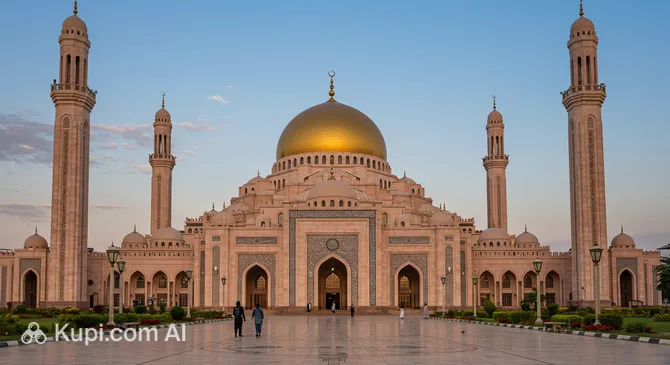
One of the most iconic symbols of the city is the Abuja National Mosque. Built in the 1980s, this magnificent structure is renowned for its golden dome and four towering minarets that dominate the skyline. It is situated on Independence Avenue, right across from the National Christian Centre, symbolizing religious harmony. Tourists are often captivated by its intricate architecture and the library within the complex. While it is an active place of worship, the grounds are generally open to the public, allowing visitors to admire its grandeur up close.

Abuja National Mosque. Source: Kupi.Binoculars

For art enthusiasts, the Thought Pyramid Art Centre is a must-visit destination. This gallery is dedicated to promoting contemporary African art and serves as a vibrant cultural hub. It regularly hosts exhibitions, workshops, and literary events that showcase the creativity of Nigerian artists. The architecture of the building itself is unique, featuring a pyramid-like structure that stands out in the Wuse district. It is an inspiring place to discover local talent and purchase unique artworks.

Thought Pyramid Art Centre. Source: Kupi.Binoculars

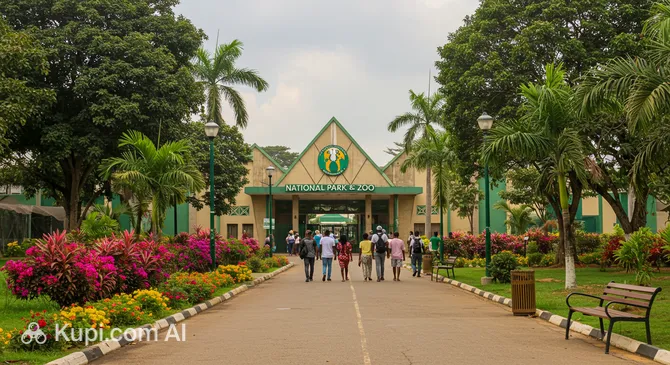
Families and nature lovers will find a perfect escape at the National Children's Park and Zoo Abuja. Located in the Asokoro district near the majestic Aso Rock, this spacious park combines a botanical garden with a wildlife enclosure. Visitors can see a variety of animals, including lions, zebras, and giraffes, or simply enjoy a picnic by the lake. The park offers a tranquil environment away from the city's traffic, making it an excellent spot for a relaxing afternoon walk or educational trips for children.

National Children's Park and Zoo Abuja. Source: Kupi.Binoculars

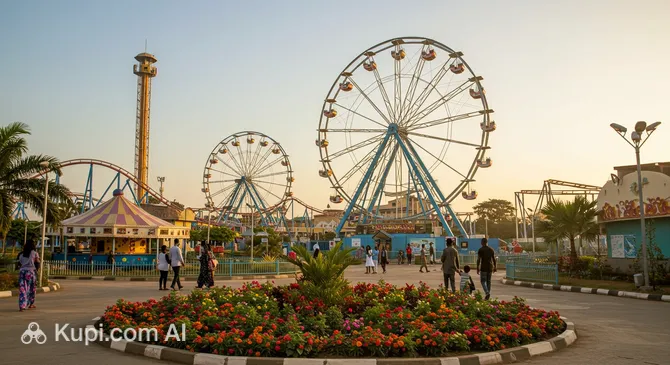
If you are looking for pure entertainment and fun, Magic Land is the city's premier amusement park. Formerly known as Wonderland, this park is a favorite among locals and tourists alike, offering a wide range of rides and games suitable for all ages. From thrilling roller coasters to bumper cars and arcade games, there is plenty to keep everyone engaged. The park is also known for its lively atmosphere, often hosting events and featuring diverse food stalls, making it a great place to unwind and enjoy the energetic side of the city.

Magic Land. Source: Kupi.Binoculars

Local Cuisine

The culinary landscape of Abuja is as diverse as its population, offering a delightful fusion of flavors from across Nigeria and beyond. As a melting pot of cultures, the city provides an excellent opportunity to sample authentic dishes from both the northern and southern regions of the country. Whether you are dining in a high-end establishment or grabbing a quick bite from a street vendor, the local food scene is defined by rich spices, hearty portions, and fresh ingredients.

One dish you simply cannot leave without trying is Suya. This spicy, skewered meat, typically beef or ram, is marinated in a peanut-based spice blend called yaji and grilled to perfection over open flames. It is a staple of Abuja's nightlife and street food culture. Another local specialty, particularly popular in the north, is Kilishi. Often described as the Nigerian version of beef jerky, it is dried meat coated in a fiery paste of groundnut and spices, making it an addictive snack that travelers often buy in bulk to take home.

For a heavier meal, the concept of "swallow" soups is central to the dining experience. Pounded Yam served with Egusi soup—a rich stew made from ground melon seeds, spinach, and assorted meats or fish—is a comforting classic found in almost every local restaurant. Rice dishes also reign supreme, with the legendary Jollof Rice being a ubiquitous favorite, known for its vibrant red color and smoky tomato flavor.

To wash down these flavorful meals, locals often turn to refreshing traditional drinks. Zobo is a popular non-alcoholic beverage made from dried hibiscus flowers, often flavored with ginger and cloves. Another favorite is Kunu, a creamy drink made from millet or sorghum, widely consumed in the northern regions. For those looking for something with a kick, Palm Wine is a traditional alcoholic drink tapped from palm trees, while the Chapman—a fruity, reddish cocktail made with soft drinks, grenadine, and bitters—is a beloved staple at social gatherings.

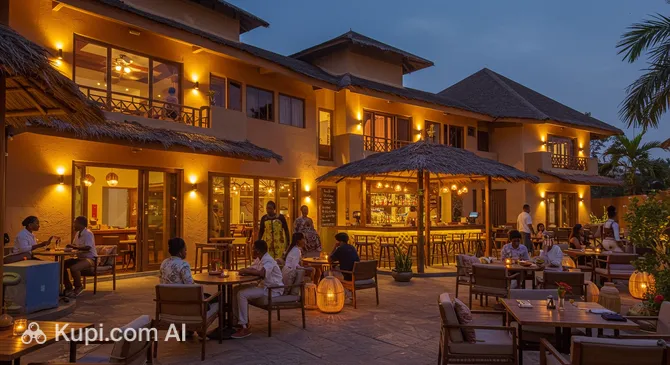
The dining culture in Abuja is unique, often revolving around "gardens"—open-air parks where friends gather in the evenings to enjoy grilled fish and cold drinks. However, the city also boasts a sophisticated international dining scene. Places like BluCabana Restaurant & Cafe offer a modern atmosphere where visitors can enjoy a mix of global cuisines, showcasing the cosmopolitan side of the capital. Whether you prefer the rustic charm of a local buka or the elegance of a fine dining restaurant, Abuja's gastronomic offerings are sure to satisfy every palate.

BluCabana Restaurant & Cafe. Source: Kupi.Binoculars

Travel Tips

Planning a trip to Abuja is an exciting venture, as the city offers a more relaxed and organized pace compared to other Nigerian metropolises. To help you navigate the capital with ease and confidence, here are some essential practical tips designed to ensure your visit is smooth, safe, and enjoyable.

  1. Clothing and Gear: Given the tropical climate, pack lightweight, breathable fabrics like cotton or linen to stay cool during the heat. However, if you are visiting during the rainy season (April to October), a sturdy umbrella and waterproof shoes are must-haves. When visiting religious sites like the National Mosque, modest dress is strictly observed; women should bring a scarf to cover their heads and wear loose-fitting clothing that covers arms and legs.

  2. Transportation: The most convenient and safe way for tourists to get around is by using ride-hailing apps like Uber or Bolt. These services are widely available, offer tracked journeys, and eliminate the need to haggle over fares. While traditional green-painted taxis exist, they often require vigorous price negotiation. Car rental is an option but is best enjoyed with a hired local driver who knows the roads and driving style.

  3. Finances: The local currency is the Nigerian Naira (NGN). While major hotels, malls, and upscale restaurants accept international Visa and Mastercard, cash is absolute king in local markets, smaller shops, and for street vendors. ATMs are plentiful across the city, but it is wise to withdraw cash in safe, well-lit areas like shopping malls. Tipping is not mandatory but is widely appreciated for good service.

  4. Health and Safety: Malaria is a risk in Nigeria, so bring mosquito repellent and consider taking prophylaxis after consulting your doctor. Always drink bottled water and avoid tap water to prevent stomach issues. Pharmacies like HealthPlus are common in major districts and shopping centers. In terms of safety, Abuja is generally secure, but it is best to avoid walking alone in isolated areas at night and to stay aware of your surroundings.

  5. Communication: English is the official language and is widely spoken, making communication easy for most travelers. You will also hear Nigerian Pidgin, a colorful local creole; a friendly "How far?" essentially means "How are you?". To stay online, you can buy a SIM card from providers like MTN or Airtel, but be prepared to present your passport for mandatory biometric registration at an official store.

  6. Local Etiquette: Greetings are a crucial part of Nigerian culture; taking the time to ask about someone's well-being is considered polite before starting a transaction or query. A critical rule of etiquette is to never use your left hand to give or receive items, eat, or shake hands, as it is considered unclean and disrespectful. Always use your right hand.

  7. What to Avoid: Be extremely cautious about photography. Do not take photos of government buildings, military personnel, police checkpoints, or the Presidential Complex (Aso Rock). This is strictly prohibited and can lead to the confiscation of your camera or questioning by authorities.

  8. Shopping Insight: If you plan to visit local markets like Wuse Market or the Arts and Crafts Village, bargaining is expected. Vendors will often quote a higher starting price for tourists, so maintain a friendly attitude and negotiate for a fair deal—it is part of the local commerce culture.

Armed with this local knowledge, you are well-prepared to immerse yourself in the vibrant life of Abuja. Respecting these local customs and staying practical with your logistics will allow you to focus on the beauty, culture, and warm hospitality that the Nigerian capital has to offer.

Entertainment & Nightlife

While Abuja is known for its administrative calm during the day, the city transforms after sunset, offering a vibrant and sophisticated nightlife scene that rivals other major African capitals. The energy here is distinct—less chaotic than Lagos but equally lively, characterized by upscale lounges, open-air gardens, and pulsing nightclubs. The epicenter of this nocturnal activity is undoubtedly Wuse II, particularly around Adetokunbo Ademola Crescent and Aminu Kano Crescent, where the streets come alive with music and neon lights. The affluent district of Maitama also hosts exclusive venues, catering to a more high-end crowd.

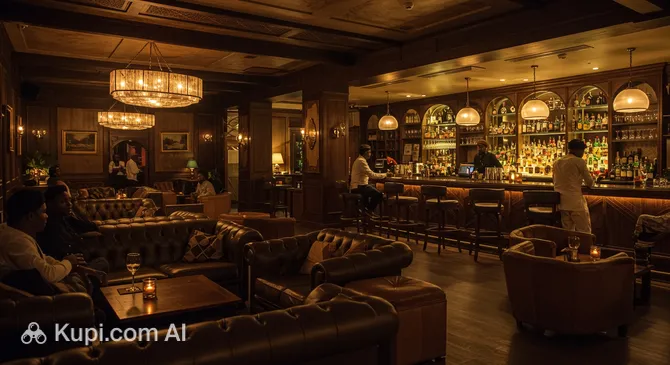
For those looking to start the evening with a relaxed vibe and excellent cocktails, the city offers numerous chic bars. Cue Bar in Wuse II is a favorite among locals and expatriates alike. It is known for its cozy ambiance, creative drink menu, and billiards tables, making it a perfect spot for pre-drinks or a laid-back night out with friends. The atmosphere in such venues is generally smart-casual, and they often feature live bands or DJ sets playing a mix of Afrobeats and international hits.

Cue Bar. Source: Kupi.Binoculars

If you are ready to dance until the early hours, Abuja's clubbing scene does not disappoint. The clubs here typically open their doors around 10:00 PM, but the real action begins well after midnight. The Destination is one of the city's premier nightclubs, renowned for its futuristic lighting, state-of-the-art sound system, and energetic crowd. It is the place to be if you want to experience the intensity of Nigerian nightlife. For a more opulent experience, Imperial Lounge offers a luxurious setting where the city's elite gather to enjoy premium service and exclusive bottle service.

The Destination. Source: Kupi.Binoculars

When planning a night out, it is important to note that dress codes are taken seriously at top-tier venues; men are expected to wear trousers and shoes (no shorts or sandals), while women often dress to impress in glamorous attire. Prices in Wuse II and Maitama can be on the higher side, comparable to international standards, so budget accordingly. Regarding safety, Abuja is relatively secure at night, but it is strictly advised to avoid walking long distances in dark or isolated areas. The safest and most convenient way to get around is by using ride-hailing apps like Uber or Bolt, which provide reliable door-to-door service.

Beyond the nightlife, Abuja offers plenty of daytime entertainment options for families and leisure seekers. The city is home to modern shopping complexes like the Jabi Lake Mall, which features a cinema, a variety of retail stores, and a food court with a view of the water. For a splash of fun, Splash Waterpark provides a refreshing escape from the heat with its pools and slides. Whether you prefer a quiet movie afternoon or a high-energy night on the dance floor, Abuja has something to entertain every traveler.

Parks & Museums

Parks and Museums:

Abuja is frequently heralded as "The Garden City" of Nigeria, a reputation earned through its meticulously planned layout that prioritizes open green spaces alongside modern infrastructure. Unlike many bustling metropolises, the capital offers a breath of fresh air with its abundance of parks, botanical gardens, and cultural centers. Visitors will find that exploring these serene environments and historical institutions provides a deeper understanding of the city's soul, balancing its political significance with leisure and artistic heritage.

One of the city's most beloved outdoor destinations is Jabi Park. Located along the banks of Jabi Lake, this sprawling recreational area is a favorite for both locals and tourists seeking a respite from the urban grind. The park offers lush lawns perfect for picnics, paved pathways for jogging, and the soothing presence of the water. It is a vibrant social hub, especially on weekends, where you can watch impromptu football matches or simply enjoy the cool breeze coming off the lake.

Jabi Park. Source: Kupi.Binoculars

For a more manicured and centrally located green space, City Park Abuja in the Wuse II district is an excellent choice. This well-maintained facility is known for its neat landscaping and variety of amenities. It serves as a versatile venue that combines nature with leisure, featuring sports facilities like tennis courts and a range of food vendors. It is an ideal spot for families who want a safe and clean environment for children to play while adults relax in the garden setting.

Delving into the history and political culture of the nation, the Shehu Musa Yar'Adua Foundation stands as a significant landmark. This center houses an exhibition hall and library dedicated to the life and legacy of Shehu Musa Yar'Adua, a prominent Nigerian general and politician. The facility serves as a modern museum and research center, offering visitors a poignant insight into Nigeria's journey towards democracy through photographs, artifacts, and historical documents. The architecture itself is striking, making it a key stop for those interested in the country's political evolution.

Shehu Musa Yar'Adua Foundation. Source: Kupi.Binoculars

To experience the artistic pulse of the city, a visit to the Jabi African Art and Craft Market is essential. While not a traditional museum, this open-air gallery is a living exhibition of Nigerian creativity. Here, you can wander through stalls displaying intricate wood carvings, colorful textiles, leatherwork, and handmade jewelry. It offers a unique opportunity to interact directly with artisans, learn about the cultural significance of their designs, and purchase authentic souvenirs that represent the diverse ethnic heritage of the country.

For an insider tip, consider visiting Tobix Recreational Park and Garden if you prefer a quieter atmosphere. Often less crowded than the major parks, it features beautiful gazebos and walkways, making it a hidden gem for couples or anyone seeking a peaceful corner to read or meditate surrounded by nature.

Getting Around

Public transport in Abuja is evolving, though the city is primarily designed with wide avenues that favor motorists. The most notable modern addition to the system is the Abuja Light Rail (Abuja Rail Mass Transit). This service is particularly valuable for visitors arriving by air, as it provides a direct rail link between Nnamdi Azikiwe International Airport and the Abuja Metro Station in the Central Business District. The trains are modern, air-conditioned, and offer a scenic, traffic-free journey into the heart of the city, operating on a fixed schedule during the day.

For daily movement within the metropolis, taxis are the most common and flexible option. You can easily identify the official city taxis by their distinct green and white color scheme, often referred to locally as "Green Cabs." It is important to know that these taxis typically do not use meters. The standard procedure is to flag one down and negotiate the fare with the driver before getting in. Prices are generally reasonable, but having a rough idea of the distance can help you agree on a fair price.

A highly recommended alternative for tourists is the use of ride-hailing apps such as Uber and Bolt. These services are widely available and offer a higher level of convenience and security compared to street-hailed taxis. The apps provide upfront pricing, eliminating the need to haggle, and allow you to pay via a linked bank card or in cash. Drivers are usually professional, and the cars are often newer and air-conditioned, making this the most stress-free way to navigate the city's districts.

The bus network comprises a mix of high-capacity public buses and smaller, informal minibuses. The larger buses run on major routes and offer very cheap fares, but schedules can be unpredictable. There is also a system of "shared taxis" where passengers pay for a single seat and share the ride with others going in the same direction. While this is an authentic local experience and very economical, it can be confusing for a first-time visitor to understand the specific routes and stops.

Regarding payment, cash is the absolute standard for almost all forms of public transport, with the exception of ride-hailing apps. You should always carry the local currency in smaller denominations, as drivers and conductors frequently do not have change for large notes. Tickets for the Light Rail must be purchased at the station counters before boarding. Additionally, travelers should note that commercial motorcycles (Okadas) and tricycles (Keke Napep) are banned from operating in the central business districts and major highways, so do not rely on them for transport around the main city attractions.

Accommodation

Finding the perfect place to stay in Abuja is relatively easy, as the city is well-equipped to host diplomats, business leaders, and international tourists. The accommodation landscape is diverse, ranging from opulent luxury hotels and secure serviced apartments to mid-range guesthouses and budget-friendly lodgings. Because the city was purpose-built with distinct districts, your choice of location will significantly shape your experience, whether you prioritize quiet luxury or easy access to the city's vibrant social scene.

For travelers seeking exclusivity and tranquility, the districts of Maitama and Asokoro are the most prestigious areas. These neighborhoods are home to diplomatic missions and government officials, offering high-end hotels with top-tier security and amenities. If you prefer to be in the center of the action, Wuse II is an excellent choice. This bustling district places you within walking distance of the city's best restaurants, clubs, and shopping centers, making it ideal for those who want to explore the nightlife without long commutes. The Central Business District is naturally the go-to for corporate travelers, providing easy access to government offices and major corporate headquarters.

Among the unique accommodation options in the city is The Dome. Far more than just a place to sleep, this resort-style establishment is a comprehensive entertainment hub. It combines accommodation with bowling alleys, dining venues, and fitness facilities, offering a "one-stop" experience for guests who want leisure activities right at their doorstep.

The Dome. Source: Kupi.Binoculars

When planning your stay, it is important to consider the timing of your visit. As the political capital, Abuja frequently hosts major government conferences and international summits. During these events, room rates can spike, and availability in the top hotels can disappear quickly. Therefore, it is highly recommended to book your accommodation well in advance to secure your preferred location and rate.

In terms of pricing, Abuja is generally more expensive than other Nigerian cities. Luxury hotels in Maitama and Asokoro charge international standard rates, often payable in US dollars or at the official exchange rate. Mid-range options in districts like Garki or Jabi offer better value for money while still maintaining good standards of comfort and security. While major hotels can be booked via popular international online platforms, smaller guesthouses may require direct contact or booking through local agents. Most reputable establishments accept card payments, but carrying some cash for deposits or minor services is always a good strategy.

Nearby Cities

For those looking to explore the surroundings, Abuja serves as an excellent base for day trips to several interesting nearby locations:

City Population Distance (km)
Ikare 1,099,931 255
Kaduna 760,084 160
Jos 622,802 176
Zaria 408,198 230
Lafia 330,712 128

Among these options, Jos stands out as a particularly unique destination due to its geography. Located on the Jos Plateau, it enjoys a significantly cooler, temperate climate compared to the rest of Nigeria, making it a refreshing escape from the heat of the capital. The city is renowned for its stunning rock formations, rolling hills, and scenic waterfalls, attracting nature lovers and hikers who wish to experience the diverse topography of the Middle Belt region.

Another fascinating stop is Kaduna, a major industrial and cultural hub located just a few hours' drive away. It serves as an important trade center and offers visitors a mix of colonial history and modern Nigerian life. Further north lies Zaria, an ancient city known for its traditional architecture and the historic walls of the Zazzau Emirate. It is a center of learning and heritage, providing a deep dive into the rich history of Northern Nigeria.

These nearby destinations offer a glimpse into the diverse culture and landscapes of the region, allowing travelers to expand their itinerary beyond the capital's borders.

Shopping & Souvenirs

Shopping in Abuja offers a delightful blend of modern convenience and traditional charm, reflecting the city's status as a melting pot of cultures. Unlike the frenetic energy of Lagos, the retail experience here is more relaxed and organized, ranging from air-conditioned mega-malls to vibrant open-air markets. Whether you are looking for high-end international fashion, authentic Nigerian artifacts, or everyday essentials, the capital provides diverse options to suit every budget and taste.

For those seeking a cosmopolitan shopping experience, the district of Wuse II serves as the city's high street. This area is packed with boutiques, supermarkets, and plazas where you can find everything from designer clothing to electronics. It is a bustling commercial hub that stays lively well into the evening. Another key area is the Central Business District, which hosts several upscale stores and serves as a convenient stop for business travelers looking for quick purchases.

The crown jewel of the city's modern retail scene is undoubtedly Jabi Lake Mall. Situated on the scenic waterfront, this massive complex is the first destination for leisure shopping. It houses a wide array of international brands, a cinema, and a food court with views of the lake. It is a perfect spot to escape the heat, enjoy some window shopping, and grab a meal in a comfortable, climate-controlled environment. For a more neighborhood-focused experience, the 4th Avenue Shopping Mall in Gwarinpa offers a selection of local stores and services tailored to residents.

Jabi Lake Mall. Source: Kupi.Binoculars

To truly immerse yourself in the local culture, a visit to the traditional markets is essential. Wuse Market is the city's main trading hub, a sprawling labyrinth of stalls selling fresh produce, colorful textiles, and household goods. It is a sensory explosion of sights and sounds where bargaining is the norm. For tourists specifically interested in souvenirs, the Jabi African Art and Craft Market is a treasure trove. Here, artisans display handmade goods ranging from intricate jewelry to leather bags, allowing you to buy directly from the creators.

Jabi African Art and Craft Market. Source: Kupi.Binoculars

When hunting for souvenirs, keep an eye out for leather goods, a specialty of Northern Nigeria. You can find beautifully crafted sandals, bags, and poufs. Another popular item is Adire or Ankara fabric, known for their vibrant patterns and bold colors. Wood carvings, pottery, and beadwork also make for excellent gifts that carry the artistic heritage of the region back home with you.

Most formal shops and malls operate from around 9:00 AM to 9:00 PM, while open-air markets typically open early in the morning and close at dusk, with Sundays being significantly quieter. In terms of payment, major malls and supermarkets readily accept credit and debit cards (Visa and Mastercard). However, if you are visiting local markets or buying from street vendors, cash is king, so ensure you have enough Nigerian Naira on hand. Tax-free shopping or VAT refunds for tourists are not standard practice in Nigeria, so the price you see (or negotiate) is generally the final price.

Reached the end of the page?

That means the route is fully explored