Support

Enugu

About

Welcome to Enugu, the vibrant capital of Enugu State located in southeastern Nigeria. Often affectionately referred to as the "Coal City" due to its rich mining heritage, this bustling metropolis offers a unique blend of urban energy and scenic natural beauty. With a population exceeding 700,000 residents, it serves as a significant economic and cultural hub in the region, known for its friendly atmosphere and orderly layout.

The city is geographically defined by its rolling topography, sitting comfortably at the foot of the magnificent Udi Hills. This elevation gifts Enugu with a relatively pleasant tropical climate, making it an inviting destination for travelers throughout the year. The landscape is dotted with lush greenery and striking hills that provide a picturesque backdrop to the city's daily life.

Enugu. Source: Kupi.Binoculars

For those keen on understanding how this settlement transformed from a collection of rural villages into a major industrial center, diving into the history of Enugu is highly recommended. The discovery of coal in the early 20th century was a pivotal moment that spurred rapid development, leaving behind a legacy that is still visible in the city's architecture and identity today.

Travelers will find plenty to explore, from the serene Ngwo Pine Forest with its enchanting cave and waterfall to the panoramic views offered by Milken Hill. The National Museum of Unity is another highlight, established to foster peace and showcasing a vast collection of Nigerian art and artifacts. Whether you are seeking outdoor adventure or cultural immersion, Enugu promises a memorable and welcoming experience for every visitor.

Weather Overview

Enugu generally enjoys a tropical climate marked by consistently warm weather and two distinct seasons: a dry period and a rainy season. The temperatures remain high throughout the year, rarely dropping below 22°C at night, ensuring a balmy atmosphere regardless of when you visit.

The dry season, lasting roughly from November to March, is characterized by sunshine and very little rain, with December often seeing no wet days at all. This period is also the hottest, particularly in February, when maximum temperatures can climb to 36.5°C. In contrast, the wet season from April to October brings frequent rainfall, peaking in July and September with nearly daily showers. During these months, the heat softens slightly, with average temperatures dipping to around 26°C.

Travelers planning a trip should pack accordingly for the season. Expect warm temperatures year-round with a distinct rainy season from April to October and a dry, hotter period from November to March. For precise forecasts and monthly averages to help you pack, consult the detailed guide to the weather in Enugu.

Interesting Facts

Beyond its scenic hills and industrial heritage, Enugu holds many fascinating secrets that surprise even seasoned travelers. From its cinematic connections to its unique culinary delights, the city offers a depth of culture that goes far deeper than its coal mines.
  • The "Hollywood" of the East: Enugu is widely recognized as a major hub for the Nigerian film industry, Nollywood. Its diverse landscapes, from colonial architecture to lush greenery, make it a preferred filming location for directors, earning it a reputation as a creative sanctuary for filmmakers.

  • A City by Design: Unlike many other urban centers in the region that expanded organically, Enugu was developed as a carefully planned European-style township in the early 20th century. This historic urban planning is still evident today in its structured layout and organized street network.

  • Literal High Ground: The name "Enugu" is derived from the Igbo words Enu Ugwu, which translate literally to "Hill Top." This is a direct reference to the city's geography, sitting at the foot of the imposing Udi Hills that dominate the landscape.

  • Culinary Fame: The city is the undisputed home of Okpa, a savory pudding made from Bambara nut flour that is a beloved staple across the region. For a true taste of this and other local favorites, residents and visitors alike often head to iconic eateries like Ntachi Osa, which has become a landmark for authentic cuisine.

Oakland Park. Source: Kupi.Binoculars

How to Get There

Reaching Enugu is a convenient and straightforward experience, thanks to its status as a key regional hub in southeastern Nigeria. Whether you prefer the speed of air travel or the scenic routes by road, there are several options available to suit your schedule. For a detailed overview of all transport possibilities, you can read more about how to get to Enugu.

The most direct way to arrive is via Enugu Airport (ENU), locally known as Akanu Ibiam International Airport. Located just 6 km from the city center, it offers the quickest access to your destination. A taxi or shuttle ride from the terminal typically takes around 30 minutes. This airport serves as the primary gateway for the state, handling a significant volume of domestic traffic.

If you are unable to fly directly into the city, Asaba Airport (ABB) in Asaba is a viable alternative, situated approximately 98 km away. The journey by road from Asaba involves a drive of about 2 hours and 50 minutes. Another option is Sam Mbakwe International Airport (QOW) in Owerri, which is about 118 km from Enugu. The transfer from Owerri generally takes around 3 hours and 20 minutes by car.

For clarity, here is a summary of the main airports:

Airport Name City Passenger Traffic Km from City
Port Harcourt International AirportPort HarcourtHigh170.3
Akwa Ibom AirportUyoMedium185.0
Sam Mbakwe International AirportOwerriMedium118.0
Enugu AirportEnuguMedium6.0
Asaba AirportAsabaLow98.0

While the city is historically connected to the railway network, reliable passenger train services can be intermittent. Consequently, most travelers who do not fly choose to arrive by road. Enugu is well-connected by a network of highways to major cities like Port Harcourt, Abuja, and Lagos. Numerous transport companies operate comfortable buses and shuttles, making road travel a popular and practical method for reaching the "Coal City."

Main Attractions

Enugu offers a delightful mix of leisure, culinary, and commercial experiences that reflect the city's welcoming spirit. One of the most popular destinations for families and thrill-seekers is Oakland Park. This amusement park serves as a perfect getaway from the hustle and bustle, featuring a variety of rides and games that cater to children and adults alike. It is an excellent spot for an afternoon of fun, offering a lively atmosphere where visitors can relax and enjoy the vibrant energy of the city's recreational scene.

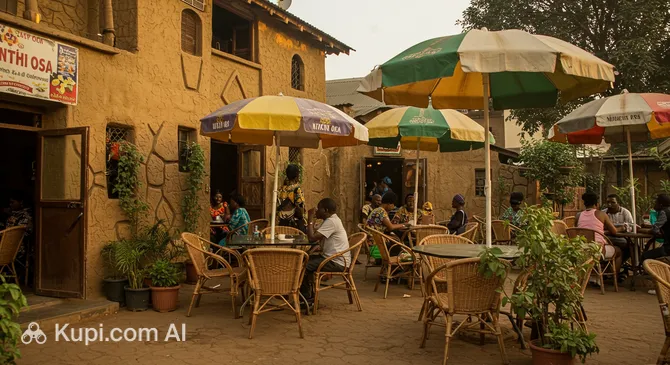
For a deep dive into the local culinary culture, a visit to Ntachi Osa is essential. This restaurant has earned legendary status in the city, particularly for serving authentic Nigerian dishes that are both delicious and affordable. It is widely considered the best place to taste the region's famous Okpa and other traditional meals in a setting that is always buzzing with locals. Eating here provides a genuine taste of Enugu's hospitality and gastronomic heritage.

Ntachi Osa. Source: Kupi.Binoculars

Travelers looking to experience the commercial heartbeat of the city should head to Market Enugu. As a central shopping hub, it offers a window into the daily lives of residents, with stalls selling everything from colorful fabrics and clothing to fresh produce and household goods. It is a vibrant place to practice your bargaining skills, pick up unique souvenirs, and immerse yourself in the sights and sounds of a busy Nigerian marketplace.

Market Enugu. Source: Kupi.Binoculars

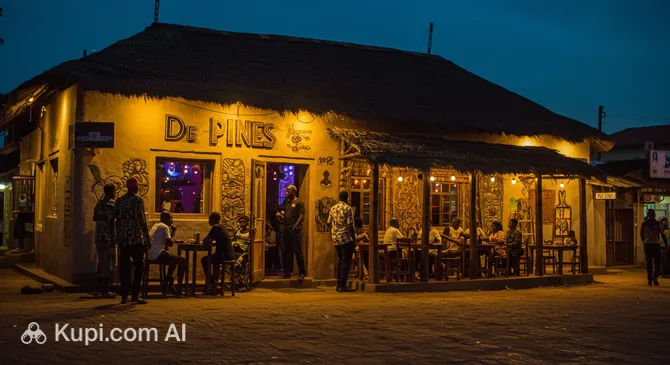
When the sun sets and you are looking for a place to unwind, De Pines offers a relaxed environment to enjoy the evening. Known as a popular bar and social spot, it is ideal for grabbing a drink, listening to music, and mingling with friendly locals. Whether you want to cap off a day of sightseeing with a cold beverage or experience the city's nightlife in a laid-back setting, this venue provides a comfortable and entertaining escape.

Local Cuisine

The culinary landscape of Enugu is a delightful reflection of its rich Igbo heritage, offering a gastronomic adventure that is both robust and flavorful. The city is celebrated as the undisputed home of Okpa, a savory pudding made from Bambara nut flour, palm oil, and spices. Unlike other variations found across Nigeria, the Enugu version is revered for its unique texture and rich taste, making it a "must-try" breakfast staple wrapped in banana leaves and sold steaming hot on street corners.

Beyond Okpa, the local diet is heavily centered around hearty soups and "swallow" meals. Oha soup, prepared with the tender leaves of the Oha tree and thickened with cocoyam, is a regional specialty that pairs perfectly with fufu or pounded yam. Another favorite is Abacha, often called "African Salad." This dish consists of shredded dried cassava rehydrated and tossed with palm oil, garden eggs, chopped onions, and fried fish, creating a crunchy and spicy meal that is perfect for lunch or a light dinner.

For travelers eager to experience these authentic flavors in a comfortable setting, Ntachi Osa is the place to go. While it is a popular restaurant, it operates with the soul of a traditional local eatery, serving high-quality versions of classic dishes like spicy rice, soups, and, of course, the city's famous Okpa. It is a fantastic spot to observe the local dining culture, where people from all walks of life gather to enjoy good food.

If you are interested in the raw ingredients that go into these meals, a trip to Market Enugu is an eye-opening experience. Here, food enthusiasts can explore rows of stalls stacked high with fresh vegetables, red palm oil, crayfish, and local spices. It is the beating heart of the city's food supply chain and a great place to buy fresh fruits like bananas, oranges, and pineapples.

The drinking culture in Enugu is equally vibrant, ranging from traditional options to modern social hubs. Palm wine, a sweet and milky alcoholic beverage tapped from palm trees, is a local favorite, often enjoyed fresh in "bush bars" on the city's outskirts. For a more contemporary night out, De Pines offers a relaxed atmosphere where you can unwind with a cold beer or a non-alcoholic Chapman cocktail. It is a prime example of the city's social scene, blending good music with a selection of drinks and grilled snacks.

De Pines. Source: Kupi.Binoculars

Travel Tips

Visiting the "Coal City" is often a highlight for travelers exploring southeastern Nigeria, thanks to its relaxed pace and scenic geography. To help you navigate Enugu with ease and make the most of your stay, here are some practical tips to keep in mind before you pack your bags.

  1. Clothing and Gear: Given the tropical climate, lightweight and breathable fabrics like cotton or linen are your best bet for staying cool. If you are visiting during the rainy season (April to October), a sturdy umbrella and water-resistant shoes are essential. While the city is relatively modern, modest dress is appreciated when visiting religious sites or traditional villages on the outskirts.

  2. Transportation: For short distances within the city, the ubiquitous yellow tricycles, locally known as Keke Napep, are the most common and affordable way to get around. For a more comfortable and private ride, ride-hailing apps like Bolt are active in Enugu and are generally safer than hailing random taxis. If you plan to explore the surrounding Udi Hills, hiring a car with a local driver is highly recommended.

  3. Finances: The local currency is the Nigerian Naira (NGN). While upscale hotels and restaurants like Ntachi Osa may accept cards, cash is king for most transactions, especially in local markets and for transport. ATMs are widely available, but they can occasionally be out of service, so it is wise to carry enough cash for your daily needs.

  4. Health and Safety: Enugu is considered one of the safer cities in the region, but standard precautions apply; avoid walking alone in poorly lit areas at night. Malaria is a risk, so bring insect repellent and sleep under treated nets if provided. Always drink bottled water rather than tap water, and ensure the seal is intact before purchasing.

  5. Communication: English is the official language and is widely spoken, making communication easy for most international visitors. You will also hear Nigerian Pidgin and Igbo. Learning a simple local greeting like "Kedu" (How are you?) will go a long way in warming up the locals. SIM cards from major networks like MTN or Airtel are easy to buy, but you will need your passport for registration.

  6. Local Etiquette: Nigerians place a high value on greetings. It is polite to greet people properly before asking a question or starting a transaction. Always use your right hand for giving or receiving items, shaking hands, or eating, as using the left hand is considered culturally disrespectful.

  7. What to Avoid: Do not take photographs of government buildings, military personnel, or police checkpoints, as this is strictly prohibited and can lead to trouble. Also, avoid public displays of anger or frustration; staying calm and polite is much more effective in resolving any issues.

  8. Power Supply: Like many parts of the country, power outages can occur. It is a smart idea to carry a portable power bank to keep your phone charged while you are out exploring the city's parks and museums.

By keeping these practicalities in mind, you can focus less on logistics and more on enjoying the warm hospitality and beautiful landscapes that Enugu has to offer. A little preparation ensures that your journey through this historic city will be as smooth and enjoyable as possible.

Entertainment & Nightlife

Enugu's nightlife is characterized by a blend of vibrant energy and the city's signature laid-back charm. Unlike the frantic pace of some other major Nigerian cities, the "Coal City" offers a more relaxed yet thoroughly enjoyable evening scene. The action typically centers around popular districts like New Haven and Independence Layout, where the streets are lined with lounges, open-air bars, and nightclubs. Here, locals and visitors gather to unwind, enjoying the cool evening breeze that descends from the surrounding hills.

For those seeking a classic night out, De Pines is a standout destination. This venue is well-regarded for its welcoming atmosphere, making it an excellent spot to enjoy cold drinks, grilled fish, and the pulsating rhythms of Nigerian music. The crowd here is usually a mix of young professionals and tourists, and the dress code leans towards smart-casual. It is a perfect example of the city's social culture, where the focus is on good conversation and relaxation without the need for excessive formality.

Food is an integral part of the nightlife experience in Enugu. Before heading out for drinks, many start their evening with a satisfying meal. Ntachi Osa is a local favorite that often stays busy into the evening, serving authentic dishes that provide the necessary fuel for a night out. The "bush bar" culture is also prevalent throughout the city, offering rustic, open-air settings where you can enjoy fresh palm wine and spicy local delicacies like nkwobi (spicy cow foot) under the stars.

While the nights are for socializing, daytime entertainment in Enugu offers its own set of attractions. Families and thrill-seekers often flock to Oakland Park, a premier amusement center featuring rides and games that provide hours of fun. For a quieter afternoon, cultural enthusiasts can explore the city's museums or take scenic walks, but recreational centers remain the hub for active leisure before the sun goes down.

Practicality and safety are key to enjoying your time after dark. The best time to head out is typically after 8:00 PM, and the party often continues until the early hours of the morning, especially on weekends. Prices for drinks and cover charges are generally affordable. For transportation, it is highly recommended to use ride-hailing apps like Bolt rather than flagging down random taxis at night. Stick to well-lit, populated areas and avoid walking alone late at night to ensure a safe and memorable experience.

Parks & Museums

Enugu’s reputation as the "Coal City" is balanced by its surprising abundance of greenery and a deep respect for cultural heritage. The city’s unique topography, nestled against the Udi Hills, provides a natural canvas for scenic parks, while its institutions preserve the artistic and historical legacy of southeastern Nigeria. Visitors will find that the city offers a refreshing mix of outdoor relaxation and intellectual enrichment.

For those seeking leisure and entertainment in a green setting, Oakland Park is a primary destination. While it is widely known for its amusement rides, the park also serves as a recreational space where families can enjoy the outdoors in a secure environment. It is a lively spot that contrasts well with the city's quieter natural reserves, offering fun activities alongside areas for relaxation.

Nature enthusiasts should not miss the Ngwo Pine Forest, a serene escape located just a short drive from the city center. This unique forest is characterized by its organized rows of pine trees that create a canopy of shade, perfect for picnics and meditation. The site is also the gateway to a stunning limestone cave and a cascading waterfall, making it a favorite spot for hikers and photographers looking to capture the raw beauty of the region.

In terms of cultural preservation, the National Museum of Unity stands out as a significant institution. Established to foster harmony after the Nigerian Civil War, this museum houses a diverse collection of artifacts representing various ethnic groups across the country. Visitors can explore exhibits featuring traditional Igbo masquerades, musical instruments, and pottery, offering a comprehensive insight into the artistic traditions that shape the local identity.

Another landmark of note is Michael Okpara Square. While it functions primarily as a venue for major government ceremonies and events, its spacious layout and monumental architecture make it a prominent feature of the city's landscape. Flanked by statues and well-maintained grounds, it is a testament to the region's political history and a popular location for evening walks among locals.

For a blend of history and scenic views, a drive or hike up Milken Hill is essential. Constructed in the early 20th century, this winding road offers breathtaking panoramic views of Enugu metropolis sprawling below. It is not just a vantage point but a historical route that connects the city to its coal-mining past in the Iva Valley, providing a tangible link to the industry that built the city.

Insider Tip: For a truly authentic experience, try to visit the Ngwo Pine Forest on a weekday morning. You will likely have the trails and the waterfall almost entirely to yourself, allowing for a peaceful connection with nature that can be harder to find during the busy weekends.

Getting Around

Navigating Enugu is relatively straightforward compared to many other bustling urban centers in the region. The city does not have a metro, tram, or train system for intra-city commuting; instead, the public transport network relies entirely on road-based vehicles. The most iconic and ubiquitous mode of transport is the yellow tricycle, locally known as Keke Napep. These three-wheeled vehicles are the backbone of local mobility, perfect for short to medium trips. They are agile enough to weave through traffic and are generally safer and more comfortable than motorcycles, which are restricted in certain parts of the city.

For longer distances or commuting between major districts, white minibuses are the standard option. These buses follow specific routes along main roads and are a very affordable way to get around. Unlike in some Western cities, there are no fixed timetables. Buses and tricycles operate on a "fill-up and go" basis or pick up passengers along the road. To catch one, you simply stand by the roadside and wave; the driver or conductor will usually signal their direction or destination.

The payment system in Enugu is strictly cash-based. There are no travel cards, passes, or mobile tapping systems for public buses and tricycles. Fares are low, typically amounting to a small sum in the local currency. It is highly advisable to carry smaller denominations of cash, as drivers often do not have change for large banknotes. You pay the driver directly, either upon entering or just before you reach your stop.

For tourists, a few practical tips ensure a smooth experience. Public transport generally operates from early morning, around 6:00 AM, until about 9:00 PM or 10:00 PM. Late at night, finding a Keke or bus becomes difficult and is less advisable for safety reasons. If you are taking a Keke as a private charter (a "drop") rather than sharing it with others, you must negotiate and agree on the price before getting in to avoid disputes at your destination. Shared routes have fixed prices that are generally known by the locals, so you can watch what others pay.

If you prefer comfort and air-conditioning, especially during the heat of the day, ride-hailing apps are a popular alternative. Services like Bolt are active in the city and offer a convenient way to book a ride with a transparent fee structure, eliminating the need to haggle. This is often the best choice for visitors unfamiliar with the local geography. Car rentals are also available, though it is common practice to hire a vehicle that comes with a local driver, allowing you to relax and enjoy the scenic views of the rolling hills without worrying about navigation.

Accommodation

Accommodation in Enugu caters to a wide spectrum of travelers, ranging from budget-conscious backpackers to business executives seeking comfort and luxury. The city offers a variety of options, including modest guesthouses, functional mid-range hotels, and upscale resorts. Unlike the frenetic pace of larger Nigerian cities, the hospitality scene here is known for its relaxed ambiance and friendly service, ensuring a restful stay regardless of your budget.

When choosing where to stay, location is key to experiencing the best of the "Coal City." The Independence Layout is widely regarded as the premier district for visitors. It is a serene and well-planned area, housing government buildings and many of the city's top-tier hotels, making it ideal for those prioritizing security and quiet. Another popular neighborhood is the Government Reservation Area (GRA), known for its leafy streets, colonial-style architecture, and proximity to major transport routes.

For travelers who want to be closer to the social heartbeat of the city, New Haven is an excellent choice. This district is vibrant and bustling, teeming with restaurants, supermarkets, and nightlife spots. Staying here puts you within walking distance of popular venues like De Pines, allowing you to easily enjoy the local entertainment scene without a long commute back to your room.

Booking and Prices: Generally, accommodation prices in Enugu are more affordable compared to Lagos or Abuja. Budget options can be quite inexpensive, while mid-range and luxury hotels offer competitive rates for the quality of amenities provided. While major hotels are listed on international booking platforms, many smaller, locally-run establishments rely on direct phone bookings or walk-ins. It is highly recommended to book your accommodation in advance, especially if you are visiting during the festive month of December or during major cultural festivals, as the best rooms tend to fill up quickly.

Payment methods vary by establishment. Upscale hotels typically accept credit and debit cards, but smaller guesthouses often prefer cash. It is always a good idea to confirm the payment options before you arrive or carry enough local currency to cover your initial deposit.

Nearby Cities

For those looking to explore the surroundings, Enugu serves as an excellent base for day trips to several interesting nearby locations:

One of the most prominent neighbors is Onitsha, a bustling commercial powerhouse located on the banks of the majestic River Niger. Famous for hosting the Onitsha Main Market, one of the largest in West Africa, it offers a vibrant and energetic atmosphere that contrasts with the more relaxed pace of Enugu. Just across the Niger Bridge lies Asaba, the capital of Delta State. It provides a serene riverside environment and is becoming increasingly known for its role in the Nigerian film industry and its developing hospitality sector.

Another fantastic option for a short trip is Owerri, often celebrated as the entertainment capital of the southeast. Known for its high concentration of hotels, street statues, and lively social scene, it is the perfect destination for travelers seeking good food and nightlife. For those interested in industry and craftsmanship, Aba is a major hub renowned for its manufacturing and bustling trade centers.

City Population Distance (km)
Aba 1,530,000 148
Onitsha 1,483,000 87
Owerri 908,109 116
Asaba 802,000 94
Uyo 429,900 162

These nearby destinations offer a glimpse into the diverse culture and landscapes of the region, allowing visitors to experience the commercial, social, and scenic variety of southeastern Nigeria.

Shopping & Souvenirs

Shopping in Enugu presents a fascinating contrast between the traditional and the contemporary, offering visitors a chance to engage with the city's commercial culture. While it may not be a global fashion capital, the "Coal City" provides a genuine retail experience where you can find everything from high-end boutiques to bustling open-air stalls. The shopping scene is defined by its friendly atmosphere, where vendors are often willing to chat and haggle, making every purchase a small social interaction.

For those seeking a modern retail environment, the city boasts several shopping complexes that rival those in larger metropolises. The most prominent among them is the Polo Park Mall, a sprawling center that serves as a primary gathering spot for locals. Here, you can browse through international brands, visit the cinema, or shop at large supermarkets. It is the ideal destination for travelers looking for familiar conveniences, air-conditioned comfort, and a wide variety of goods under one roof.

However, to truly understand the local way of life, a visit to the traditional markets is essential. The heartbeat of the city's commerce is Market Enugu, often referred to locally as Ogbete Main Market. This vast commercial hub is organized into sections selling textiles, electronics, fresh produce, and household items. It is a sensory experience filled with vibrant colors and sounds, where you can purchase authentic Nigerian fabrics and fresh local ingredients. Another notable spot is the New Market, known for its extensive selection of foodstuffs and livestock, offering a deeper dive into the region's agricultural bounty.

When it comes to souvenirs, Enugu offers unique items that reflect the rich Igbo heritage. The most popular keepsakes are locally woven fabrics, particularly the colorful Ankara prints which can be tailored into custom clothing. Handcrafted beads, traditional caps, and wood carvings are also excellent choices. For a culinary souvenir, bags of "Okpa" flour (Bambara nut flour) are a fantastic gift for foodies who want to recreate the city's signature dish at home.

Most shops and markets in the city operate from around 8:00 AM to 6:00 PM, Monday through Saturday. While Sundays are generally quiet with many markets closed, major malls and supermarkets remain open. In terms of payment, cash is the preferred method in traditional markets and smaller shops, so it is wise to carry smaller denominations of Naira. Modern malls and larger supermarkets, however, readily accept debit cards. Tax-free shopping or VAT refunds are not standard practice for tourists in Nigeria, so the price you see (or negotiate) is typically the final price.

Reached the end of the page?

That means the route is fully explored