Navigating Port Harcourt offers a glimpse into the authentic rhythm of daily life in the Niger Delta. Unlike many European or North American cities, the public transport system here is largely informal and decentralized. There is no metro, tram, or large-scale municipal bus network. Instead, the city relies on a mix of privately owned vehicles that serve as the backbone of urban mobility. For a visitor, understanding these local modes of transit is key to getting around efficiently.
The most common form of transport for longer distances across the city is the minibus. These vehicles ply specific routes and stop to pick up or drop off passengers along the way. They are an affordable way to travel but can be crowded and often lack air conditioning. For shorter trips within neighborhoods, the Keke Napep (auto-rickshaw) is the king of the road. These yellow tricycles are nimble, breezy, and can navigate smaller streets that larger vehicles cannot access. They are a favorite among locals for quick "drops" from main roads to specific destinations.
Traditional taxis are also widely available, typically painted in blue and white colors. These operate somewhat differently from taxis in other parts of the world; they often run on a "shared" basis, picking up multiple passengers heading in the same general direction. If you prefer a private ride in one of these, you must negotiate a "charter" price before getting in. It is worth noting that commercial motorcycles, locally known as Okada, have been banned in many major parts of the city and the Government Reservation Area (GRA) for safety and security reasons, so they are not a viable option for tourists in the city center.
When it comes to payment, cash is the only accepted method for minibuses, Kekes, and traditional taxis. There are no travel cards, passes, or digital ticketing systems for these modes of transport. Fares are generally very low, but you must carry smaller denominations of the local currency (Naira) to avoid issues with change. For shared taxis and Kekes, the price is usually fixed for standard distances, but if you are chartering a vehicle, bargaining is expected. Always agree on the fare before the journey begins to prevent misunderstandings.
For tourists, the most recommended alternative is the use of ride-hailing apps like Uber and Bolt. These services are active in Port Harcourt and offer a much higher level of comfort, safety, and transparency regarding pricing. You can pay via the app or with cash, and the vehicles are typically modern and air-conditioned. Another popular option for visitors planning a full day of exploration is to hire a car with a private driver. This provides the ultimate convenience and local expertise, allowing you to move between attractions without the stress of navigating traffic yourself.
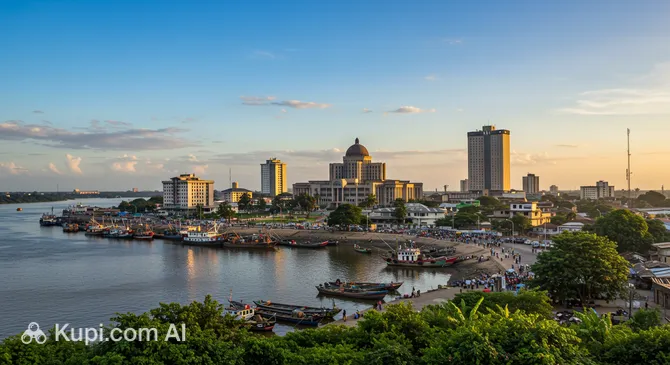
A unique feature of transport in Port Harcourt, given its location in the riverine Niger Delta, is water transport. For trips to nearby islands or communities across the creeks, speedboats and ferries are the standard mode of travel. Major jetties, such as the Abonnema Wharf or the Tourist Beach jetty, serve as hubs for these water taxis. While primarily used by locals for commuting to riverine villages, taking a boat ride can be a scenic adventure for a tourist wishing to see the city from the water.
Public transport generally operates from early morning, around 6:00 AM, until late evening. However, availability drops significantly after dark, around 8:00 PM or 9:00 PM. For safety and convenience, it is advisable for visitors to rely on ride-hailing apps or private drivers for any travel during the night.