Support

Owerri

About

Owerri, the capital of Imo State, is often affectionately referred to as the Heartland. Situated in the southeastern part of Nigeria, this bustling city is renowned for its vibrant social life and welcoming atmosphere. With a population of over 900,000 residents, it serves as a major trade and administrative center, blending traditional Igbo culture with modern urban energy.

Owerri. Source: Kupi.Binoculars

The city is famous for its thriving hospitality industry, earning it the nickname the Entertainment Capital of Nigeria. Visitors will find an impressive array of hotels, nightclubs, and restaurants serving delicious local cuisine, such as the famous Ofe Owerri soup. For those interested in the past, the history of Owerri offers fascinating insights into the region's development and cultural roots.

Among its key attractions are the majestic Assumpta Cathedral, known for its stunning architecture, and the Mbari Cultural Centre, which showcases traditional art and sculpture. Whether you are here for business or leisure, Owerri promises a lively and memorable experience filled with warmth and excitement.

Weather Overview

Owerri enjoys a tropical climate characterized by consistently warm temperatures and distinct seasonal changes in rainfall. To plan your activities accordingly, it is best to consult the detailed forecast for the weather in Owerri, especially if you are visiting during the wetter months.

The year typically begins with a dry and hot period; January and December are the driest months with almost no precipitation, while February is generally the hottest month with average temperatures around 30.0°C and highs reaching 36.1°C. From May through October, the region experiences its rainy season, where visitors should expect frequent showers and up to 30 wet days per month. Despite the rain, the climate remains warm, with average temperatures rarely dropping below 25.5°C even in the cooler months of July and August.

Interesting Facts

Beyond its reputation for nightlife, Owerri holds a collection of unique cultural nuances and modern developments that define its true character. From culinary legends to academic achievements, there is much more to this city than meets the eye.

  • The city's signature dish is so revered that a popular local saying asserts, "He who does not have money does not eat Ofe Owerri," referring to the high-quality and expensive ingredients required to prepare this "king of soups."

  • Owerri is recognized as a significant educational hub in the region, boasting an unusually high concentration of tertiary institutions, which fosters a dynamic, youthful energy and a highly literate local population.

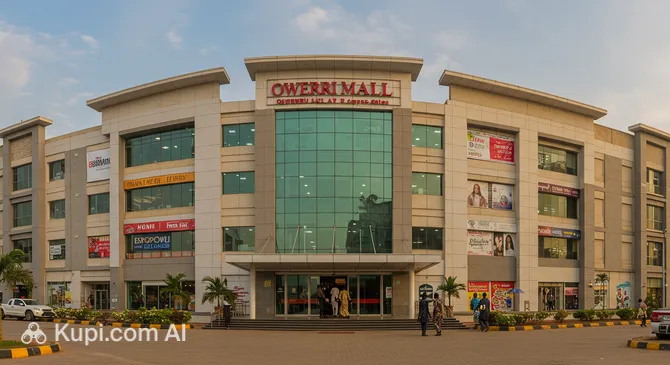
  • While traditional markets remain vital, the city has embraced modernity with major structures like the Owerri Mall, which has become a central landmark for social gatherings and contemporary shopping experiences in the state.

  • Historically, the area is known for the unique "Mbari" cultural practice, where elaborate art houses were built as offerings to deities and intentionally left to decay, symbolizing the natural cycle of life and return to the earth.

Owerri Mall. Source: Kupi.Binoculars

How to Get There

Reaching the "Heartland" of Nigeria is relatively straightforward, with air travel being the most convenient option for visitors coming from a distance. The city is well-connected to major hubs across the country, and road networks link it to neighboring states. For a complete guide on planning your journey, you can read more about how to get to Owerri.

The primary gateway to the city is Sam Mbakwe International Airport (IATA: QOW), also known as Imo State Cargo Airport. Located directly in Owerri, it is approximately 20.6 km from the city center. A taxi or shuttle ride from this airport typically takes about 50 minutes, depending on traffic conditions. It handles a significant volume of travelers, classified as a medium-traffic hub, and offers regular connections to cities like Lagos and Abuja.

Alternatively, travelers can fly into Port Harcourt International Airport (IATA: PHC), which is located in the city of Port Harcourt. This is a larger facility with high passenger traffic and more international connections. It is situated about 55.5 km from Owerri. The journey by road from Port Harcourt to Owerri usually takes around 1 hour and 45 minutes.

Another option is Asaba Airport (IATA: ABB), located in the city of Asaba. It is approximately 88 km away from Owerri. While it sees lower passenger volumes compared to Port Harcourt, it serves as a viable entry point for those exploring the wider region. The drive from Asaba to Owerri generally takes about 2.5 hours.

For clarity, here is a summary of the main airports serving the region:

Airport Name City Passenger Traffic Km from City
Port Harcourt International AirportPort HarcourtHigh55.5
Akwa Ibom AirportUyoMedium135.5
Sam Mbakwe International AirportOwerriMedium20.6
Enugu AirportEnuguMedium121.4
Asaba AirportAsabaLow87.9

For those preferring ground transport, Owerri is accessible via major highways connecting it to Port Harcourt, Onitsha, and Enugu. Several transport companies operate daily bus services from major cities across the country. While there is no railway station directly serving Owerri, the road network remains the primary mode of overland entry.

Main Attractions

Owerri is widely celebrated as a city of leisure and hospitality, where the main appeal lies in its vibrant social life, modern entertainment centers, and exceptional culinary scene. While it may not be packed with ancient monuments, the city offers a relaxed atmosphere perfect for travelers looking to unwind and enjoy the local culture.

One of the most popular modern landmarks in the city is the Owerri Mall. This sprawling complex serves as a one-stop destination for shopping, dining, and entertainment. Visitors can explore a variety of retail stores, catch a movie at the cinema, or simply enjoy the lively ambiance. It is a favorite gathering spot for locals and tourists alike, offering a comfortable, air-conditioned escape and a taste of the city's contemporary lifestyle.

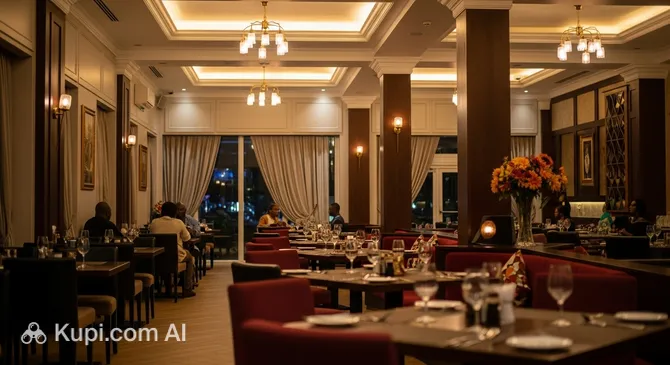
For food enthusiasts, Owerri is a paradise, and Joseph's Pot is a standout location to experience authentic Nigerian flavors. Known for its welcoming environment, this restaurant is an excellent place to try local delicacies, including the city's signature soups and spicy dishes. It offers a genuine culinary journey, allowing visitors to savor the rich tastes that make Imo State's cuisine famous across the country.

Joseph's Pot. Source: Kupi.Binoculars

Another notable dining establishment is Satiate Restaurant, which caters to a diverse range of palates. Whether you are looking for a quick meal or a more relaxed dining experience, this spot is appreciated for its service and quality food. Exploring venues like this provides a deeper connection to the city's reputation as the entertainment capital, where good food and good company are always the order of the day.

Local Cuisine

Owerri is a city where food is taken very seriously, serving as a major draw for visitors who flock to the "Entertainment Capital" of Nigeria. The local culinary scene is characterized by rich, spicy flavors and an abundance of fresh ingredients, particularly vegetables and assorted meats. Eating out is a significant part of the social culture here, with options ranging from open-air joints to elegant dining establishments.

The crown jewel of the local gastronomy is undoubtedly Ofe Owerri. This rich vegetable soup is so revered in the region that it serves as a symbol of affluence and good taste. It is traditionally prepared with a generous amount of stockfish, dried fish, snails, and assorted meats, all simmered in a flavorful broth thickened with cocoyam. The soup is distinguished by the use of two specific vegetables: ugu (fluted pumpkin leaves) and okazi (wild spinach), giving it a unique texture and aroma. It is typically enjoyed with fufu or pounded yam.

Another culinary experience you must try is the famous "Point and Kill" pepper soup culture. At many local relaxation spots, guests can select a live catfish from a tank, which is then prepared fresh with aromatic spices, scent leaves, and chili. This spicy delicacy is a favorite evening treat, often accompanied by boiled yams or plantains. For a quick snack, Ugba (oil bean salad) mixed with stockfish and garden egg leaves offers a savory taste of traditional Igbo recipes.

Satiate Restaurant. Source: Kupi.Binoculars

To experience the diversity of the city's food offerings, travelers can visit places like Satiate Restaurant. Whether you are looking for traditional Nigerian swallows or continental dishes, the city's restaurants cater to all preferences, reflecting the cosmopolitan nature of Owerri's hospitality sector.

No meal in Owerri is complete without the appropriate beverage. Fresh Palm Wine, locally known as Nkwu Elu, is a popular traditional drink tapped from palm trees and is best enjoyed fresh in the evening. For those who prefer something more modern, the city's numerous bars and lounges offer a wide selection of chilled lagers and stouts, which are the standard accompaniment to the vibrant nightlife and spicy food.

Travel Tips

Welcome to Owerri, a city that thrives on hospitality and social energy. To help you navigate the "Heartland" of Nigeria with ease and enjoy every moment of your stay, we have compiled a set of essential practical tips for your journey.

  1. Clothing and Gear: Due to the tropical climate, lightweight and breathable fabrics like cotton or linen are your best bet to stay cool. If you are visiting during the rainy season (May to October), a sturdy umbrella and waterproof shoes are indispensable. While casual wear is generally acceptable, remember to dress modestly if you plan to visit religious sites, covering your shoulders and knees.
  2. Transportation: The most popular and convenient way to get around the city for short distances is by using the yellow tricycles known locally as Keke Napep. They are affordable and can navigate traffic easily. For greater comfort or longer distances, unbranded taxis are available; always negotiate the fare before starting your trip as meters are rarely used. Ride-hailing apps are present but may have longer wait times than in larger metropolises.
  3. Finances: The local currency is the Nigerian Naira (NGN). While upscale hotels, the Owerri Mall, and major restaurants accept debit and credit cards, cash remains king for local markets, street food, and transport. ATMs are widely available, but it is wise to carry some cash as a backup. "POS agents" (Point of Sale kiosks) are also common on street corners for withdrawing cash if ATMs are offline.
  4. Health and Safety: Malaria is a risk in tropical regions, so packing a strong insect repellent and sleeping under a mosquito net is highly recommended. strictly avoid drinking tap water; always opt for sealed bottled water, which is cheap and readily available. Pharmacies are easy to find, but for serious medical issues, head to the Federal Medical Centre or a reputable private hospital.
  5. Communication: English is the official language and is widely spoken, though you will often hear Pidgin English used in casual settings. The local language is Igbo; learning a simple greeting like "Kedu?" (How are you?) will earn you warm smiles from the locals. To stay connected, you can buy a SIM card from providers like MTN or Airtel at the airport or local stores, provided you have your passport for registration.
  6. Local Etiquette: Owerri culture places a high value on respect. It is customary to greet people when entering a room, and special deference is shown to elders. Always use your right hand when giving or receiving items, eating, or shaking hands, as using the left hand is considered culturally rude.
  7. What to Avoid: Avoid taking photographs of government buildings, police checkpoints, or military personnel, as this is strictly prohibited and can lead to confiscation of your camera or questioning. Also, avoid walking alone in poorly lit or isolated areas late at night; stick to the lively, well-populated zones where the nightlife is active.
  8. Local Insight: Owerri is known as the "Entertainment Capital" for a reason—the city comes alive at night. Don't be surprised if shops and restaurants stay open much later than in other cities. Fridays are often treated as the start of a long weekend, so plan your business meetings for earlier in the week and reserve your weekends for relaxation and enjoying the famous local hospitality.

By keeping these practical tips in mind, you will be well-prepared to immerse yourself in the vibrant rhythm of Owerri. Embrace the warmth of the locals, savor the food, and enjoy a safe and memorable trip to this dynamic Nigerian city.

Entertainment & Nightlife

Owerri is widely celebrated as the "Entertainment Capital of Nigeria," a title it earns every evening as the sun sets and the city transforms into a vibrant hub of music, dance, and social gatherings. The nightlife here is legendary, characterized by an infectious energy known locally as "Ngwori"—a spirit of enjoyment that permeates the air. From open-air bars to sophisticated lounges, the city offers diverse options for night owls looking to unwind and experience the local rhythm.

The heartbeat of Owerri’s nightlife is undoubtedly found in the New Owerri district and the bustling Ikenegbu Layout. These areas are densely packed with hotels, nightclubs, and lounges that stay open well into the early hours of the morning. The "World Bank" area is another hotspot where the streets come alive with music and the aroma of grilled spicy meats. The atmosphere is generally relaxed but lively, with a dress code that leans towards smart casual for clubs and casual comfort for open-air spots.

A great way to start your evening is at the Owerri Mall. While primarily a shopping destination, it serves as a central meeting point and a modern entertainment hub where you can catch a late movie or enjoy a relaxed evening in a secure environment. It is a favorite among locals for kicking off the weekend before heading to more intense nightlife venues.

For those who believe that a good night out begins with a great meal, the city's dining scene does not disappoint. Joseph's Pot is an excellent venue to fuel up with authentic local dishes. Its welcoming ambiance makes it a perfect spot for a late dinner with friends. Similarly, Satiate Restaurant offers a delightful culinary experience that complements the city's social vibe, allowing you to savor delicious flavors before hitting the dance floors.

When planning your night out, keep in mind that the action typically peaks on Friday and Saturday nights. Prices are generally moderate compared to Lagos or Abuja, making it affordable to enjoy premium drinks and food. For transportation, it is safer and more convenient to use hotel taxis or recognized car-hire services rather than hailing random cabs on the street late at night. While the city is welcoming, it is always wise to stay in well-lit, populated areas and avoid walking alone after dark.

Beyond the nocturnal excitement, Owerri offers pleasant daytime diversions for a slower pace. You can visit the Nekede Zoo to see local wildlife or explore the quiet grounds of the Freedom Square. These daytime activities provide a nice balance, allowing you to recharge before another exciting evening in the heart of Imo State.

Parks & Museums

While Owerri is celebrated for its nightlife, the city also possesses a serene side defined by lush green spaces and deep-rooted cultural heritage. For travelers looking to step away from the bustling streets and immerse themselves in nature or history, the "Heartland" offers several noteworthy spots that reflect the artistic and environmental richness of Imo State.

One of the most prominent natural attractions in the area is the Nekede Biological Gardens, often referred to as the Nekede Zoo. Located in Owerri West, this facility serves as a conservation center and a recreational park. It is home to a variety of animals, including primates, crocodiles, and various bird species, set within a preserved natural forest. For tourists, it provides a rare opportunity to experience the region's diverse flora and fauna in a tranquil environment, making it an excellent spot for picnics and nature walks.

Another significant open space is Freedom Square. Situated in the city center, this landscaped area is a popular venue for public gatherings and leisure. With its open layout and greenery, it offers a breathing space amidst the urban development. It is a good place to observe local life, enjoy a casual stroll, or simply relax in the open air, contrasting with the busy markets and commercial districts nearby.

For a deep dive into the local culture, the Mbari Cultural Centre is an essential stop. This open-air museum is dedicated to the preservation of the Igbo "Mbari" art tradition, which involves the creation of elaborate clay sculptures and houses as offerings to deities. Visitors can explore vivid statues depicting various gods, goddesses, and animals, providing a tangible connection to the spiritual and artistic history of the Owerri people. It is a fascinating site for art enthusiasts and history buffs alike.

Architecturally, the city is dominated by the imposing Maria Assumpta Cathedral. As the seat of the Roman Catholic Archdiocese of Owerri, it is one of the largest and most beautiful cathedrals in Nigeria. The structure is renowned for its intricate design and sheer size. Even for non-religious visitors, the cathedral stands as a monumental landmark worth admiring for its aesthetic value and the sense of peace it commands.

If you have a bit more time to explore, consider a short trip just outside the city limits to Oguta Lake. Although technically a short drive away, it is the premier natural attraction for anyone staying in Owerri. The "Blue Lake of Treasure" is famous for its clean waters and the unique confluence where it meets the muddy Urashi River without mixing. It offers boat rides and a resort experience that perfectly complements a cultural tour of the city.

Getting Around

The public transport system in Owerri is almost entirely road-based and informal, differing significantly from the structured networks found in many Western cities. There is no metro, tram, or train service within the city limits. Instead, residents and visitors rely on a mix of tricycles, mini-buses, and taxis to navigate the streets. Understanding how these distinct modes operate is key to getting around efficiently.

The most ubiquitous and popular form of transport is the yellow tricycle, locally known as Keke Napep or simply "Keke." These three-wheeled vehicles are the backbone of intra-city mobility, offering a balance between the agility of a motorcycle and the comfort of a car. They operate on specific routes but can also be chartered for "drop-off" services to a specific doorstep. They are ideal for short to medium distances and are allowed in most parts of the city where motorcycles might be restricted.

For longer distances or travel along major arterial roads, mini-buses are the standard option. These buses usually follow fixed routes and pick up or drop off passengers at designated stops, which are often just popular landmarks or junctions rather than marked bus shelters. They are generally the most affordable way to travel, though they can be crowded and may wait to fill up with passengers before departing from a terminal.

The payment system across all forms of public transport in the city is strictly cash-based. There are no travel cards, electronic passes, or tap-to-pay systems for buses or tricycles. Fares are usually fixed for standard routes, but if you are chartering a vehicle or going off-route, you must negotiate the price before getting in. It is essential to carry smaller denominations of the local currency, as drivers often struggle to find change for high-value banknotes.

For tourists seeking more comfort or privacy, taxis are a viable alternative. Traditional unpainted taxis operate throughout the city, but they do not use meters; you must agree on a fare with the driver beforehand. Alternatively, modern ride-hailing apps like Bolt have a presence in the city, allowing users to book rides with upfront pricing and the option to pay via the app or cash. This is often recommended for visitors unfamiliar with local routes and pricing norms.

Transport services generally operate from early morning, around 6:00 AM, until late evening. However, the frequency of tricycles and buses drops significantly after 9:00 PM. If you plan to be out late enjoying the nightlife, it is advisable to arrange for a private taxi or use a ride-hailing app rather than relying on public transit. Always ensure you board vehicles at recognized parks or busy junctions for safety.

Accommodation

As the "Entertainment Capital" of Nigeria, Owerri boasts a remarkably high density of accommodation options to suit every preference and budget. The city's hospitality sector is well-developed, ranging from modest budget inns and guest houses to upscale luxury hotels and resorts. Whether you are visiting for a quick business trip or a weekend of leisure, you will find that the city offers a welcoming and comfortable selection of places to stay.

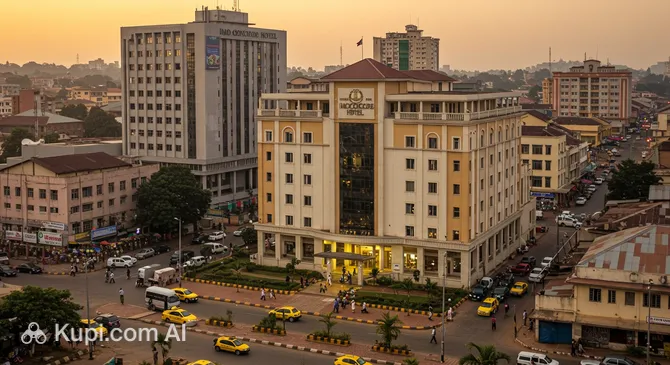
When choosing a location, the district of New Owerri is widely considered the premier area for tourists. This planned section of the city is home to many of the top-rated hotels and offers a slightly quieter environment while remaining just a stone's throw away from the major nightlife spots and restaurants. For those who prefer to be in the center of the action, the Ikenegbu Layout and areas around Wetheral Road are excellent choices, placing you within walking distance of bustling markets and vibrant social hubs.

The standard of accommodation in Owerri is generally high, with many mid-range and luxury establishments providing modern amenities such as swimming pools, fitness centers, and 24-hour power supply—a crucial feature for a comfortable stay. While international chains are present, the city is particularly known for its independently owned boutique hotels that offer personalized service and a touch of local charm.

Regarding costs, Owerri is often more affordable than other major Nigerian cities like Lagos or Abuja. Budget travelers can find decent lodging at very reasonable rates, while mid-range options offer excellent value for money. Luxury stays are available for those willing to spend more, providing world-class facilities at competitive prices. Booking can be done through major online travel platforms, but it is also common and effective to book directly with the hotel via phone or email.

Travel Tip: Since Owerri is a popular destination for weekend getaways and social events, hotels can fill up quickly from Friday to Sunday. It is highly recommended to book your accommodation in advance if you plan to visit during the weekend or around major holidays to secure your preferred choice.

Nearby Cities

For those looking to explore the surroundings, Owerri serves as an excellent base for day trips to several interesting nearby locations. The region is densely populated and commercially active, offering travelers a chance to experience different facets of southeastern Nigeria within a short drive.

One of the closest major cities is Aba, often referred to as the "Japan of Africa" due to its industrious spirit and massive manufacturing output. It is famous for its bustling markets where visitors can find locally made textiles, shoes, and leather goods. Another significant destination is Port Harcourt, the "Garden City," which serves as a major industrial hub and offers a coastal atmosphere with a vibrant social scene. For those interested in commerce and river views, Onitsha is home to one of the largest markets in West Africa and sits majestically on the banks of the River Niger.

City Population Distance (km)
Port Harcourt 1,865,000 74
Aba 1,530,000 57
Onitsha 1,483,000 74
Asaba 802,000 86
Enugu 715,774 116

These nearby destinations offer a glimpse into the diverse culture and landscapes of the region, making them perfect for short excursions to complement your stay in Owerri.

Shopping & Souvenirs

Shopping in Owerri offers a dynamic blend of traditional commerce and modern retail experiences. As a major trading hub in southeastern Nigeria, the city caters to a wide range of tastes, from those seeking high-end fashion and electronics to visitors looking for authentic local crafts and fresh produce. The shopping scene here is vibrant and often serves as a social activity, reflecting the city's energetic character.

For a concentration of boutiques, plazas, and specialty stores, Ikenegbu Layout is one of the most prominent districts to explore. This area is lined with shops selling imported clothing, accessories, and gadgets, making it a favorite destination for fashion-conscious locals. Another key commercial artery is Douglas Road, which is always buzzing with activity and offers a more chaotic but authentic street shopping experience where you can find almost anything.

The city's retail landscape was significantly modernized with the arrival of the Owerri Mall. Located on Egbu Road, this is the premier destination for a contemporary shopping experience. It houses a large supermarket, a cinema, and various international and local retail brands. It provides a comfortable, air-conditioned environment where tourists can shop for groceries, clothing, and lifestyle products all under one roof.

To truly understand the local culture, a visit to one of the traditional markets is essential. The Relief Market is a major trading center known for its vast array of food items and provisions. Here, the atmosphere is lively and loud, with vendors selling fresh vegetables, spices, and local staples. It is an excellent place to observe the daily rhythm of life in Owerri and to practice your bargaining skills.

When looking for souvenirs to take home, Owerri offers unique items that reflect Igbo heritage. Local fabrics, such as vibrant Ankara prints or the more ceremonial George fabric, make for excellent gifts. You can also find beautifully handcrafted beads and traditional carvings in smaller artisan shops. For a culinary souvenir, consider buying dried spices or "ogbono" seeds, which are essential for recreating Nigerian dishes back home.

Most shops and malls in Owerri typically open around 9:00 AM and close by 9:00 PM, although markets operate from as early as 7:00 AM and wind down by 6:00 PM. While the Owerri Mall and upscale boutiques accept debit and credit cards, cash is essential for transactions in open markets, street stalls, and smaller shops. Visitors should note that Nigeria does not currently operate a standard VAT refund scheme for tourists, so the price you see is generally the final price.
Reached the end of the page?

That means the route is fully explored