Support

Warri

About

Welcome to Warri, a vibrant and bustling metropolis that serves as the commercial capital of Delta State. Situated in the southern part of Nigeria, this city is a major hub of the oil and gas industry, but it offers much more than just industrial prowess. With a population of over 830,000 residents, Warri pulses with a unique energy, characterized by its lively markets, rich cultural diversity, and the famous "Waffi" spirit that locals are proud of.

Warri. Source: Kupi.Binoculars

Geographically, the city is located on the banks of the Warri River within the Niger Delta wetlands, giving it a distinct tropical atmosphere. For travelers interested in the past, the history of Warri provides a fascinating glimpse into the traditional Kingdom of Warri and the enduring legacy of the Itsekiri monarchy. The city is an interesting blend of the old and the new, where traditional customs coexist with modern urban life.

Visitors can explore several key landmarks, such as the Palace of the Olu of Warri, which stands as a symbol of the area's royal heritage. The city is also a gateway to the intricate network of creeks and mangrove swamps typical of the region, offering opportunities for eco-tourism. Additionally, the local social scene is vibrant, with numerous spots to enjoy local delicacies like Banga soup and fresh seafood. Whether you are here for business or leisure, Warri invites you to experience its dynamic rhythm and warm hospitality.

Weather Overview

Warri experiences a tropical climate characterized by consistent warmth and distinct seasonal changes in rainfall. Before packing for your trip, it is helpful to review the current weather in Warri to understand what to expect during your stay. Generally, the city remains hot and humid year-round, making lightweight and breathable clothing a must for travelers.

Temperatures in the city are quite stable but tend to peak early in the year. February is typically the hottest month, with an average temperature of 29.2°C and daily highs reaching up to 33.7°C. The weather cools down slightly towards the middle of the year, with July seeing the lowest average temperatures around 25.5°C. Even during these cooler months, the climate remains tropical and warm.

Precipitation patterns are a major factor to consider, as Warri sees a significant number of wet days for most of the year. From March through November, rain is very frequent, with wet days often ranging between 26 and 30 days per month. The driest period usually occurs in December and January, where the number of wet days drops to around 11 to 13, offering the best window for outdoor activities without frequent interruptions from rain.

Interesting Facts

Beyond the main attractions, Warri holds many fascinating secrets and cultural nuances that define its unique character in the region.

  • Warri is widely celebrated as the unofficial capital of Nigerian Pidgin English. The local variation, affectionately known as "Waffi," is distinct, fast-paced, and incredibly creative, serving as a major influence on the country's comedy and entertainment sectors.

  • The city has a surprising historical connection to Europe that dates back centuries. The Kingdom of Warri was one of the first in West Africa to establish diplomatic ties with Portugal in the 15th century, and historical records show that early monarchs even sent princes to study in Lisbon.

  • While the region is famous for its soups, the traditional accompaniment known as "Starch" (or Usi) is a unique culinary art form here. Unlike other Nigerian "swallow" foods, this orange-yellow delicacy made from cassava has a stretchy, sticky texture that requires a specific technique to eat elegantly with one's fingers.

  • The city seamlessly blends tradition with modern lifestyle trends. Contemporary establishments like the TM Lewin Shopping Mall offer residents and visitors a sophisticated retail experience, contrasting with the bustling open-air markets found elsewhere in the metropolis.

TM Lewin Shopping Mall. Source: Kupi.Binoculars

How to Get There

Reaching this bustling oil city is relatively straightforward, with air travel being the most convenient method for most visitors. Whether you are traveling for business or leisure, you can read more about how to get to Warri and the various transport options available to suit your itinerary.

The most direct way to arrive is via the local Warri airport (QRW), commonly known as Osubi Airstrip. Located just outside the main urban area, it is the primary gateway for travelers. The airport is situated approximately 7.6 km from the city center, making the commute very short; a taxi ride typically takes around 30 minutes depending on traffic. Although it is a smaller hub with annual traffic of around 250,000 passengers, it efficiently serves domestic connections, particularly from major Nigerian cities like Lagos and Abuja.

If you cannot find a direct flight to Osubi, the Benin City Airport (BNI) in neighboring Benin City is a viable alternative. It is located about 87 km from Warri. The journey by road from Benin City to Warri usually takes about 2.5 hours by taxi or shuttle bus. For international travelers, the Port Harcourt International Airport (PHC) is a significant option. While it is further away—approximately 144 km from Warri—it handles a much larger volume of passengers and offers a wider range of flight connections. Expect the road trip from Port Harcourt to take roughly 4 hours.

For clarity, here is a summary of the main airports serving the region:

Airport Name City Passenger Traffic Km from City
Port Harcourt International Airport Port Harcourt High 143.8
Sam Mbakwe International Airport Owerri Medium 160.1
Benin City Airport Benin City Medium 86.8
Warri Warri Medium 7.6
Asaba Airport Asaba Medium 123.0

Regarding ground transportation, rail travel has become a convenient option with the operation of the Warri-Itakpe standard gauge railway line. The modern Ujevwu station serves as the main rail hub for the city, connecting passengers to Itakpe in Kogi State and facilitating smoother travel from the central parts of the country. Additionally, the city is well-connected by road, with several major transport companies operating daily bus services linking Warri to key locations such as Lagos, Port Harcourt, and Abuja. Traveling by road offers a scenic view of the Niger Delta's lush landscapes, though travel times can vary depending on road conditions.

Main Attractions

Warri offers a dynamic mix of experiences for travelers, blending its industrial energy with a vibrant social scene. While the city is deeply rooted in tradition, its modern attractions provide excellent opportunities for relaxation, dining, and experiencing the local lifestyle. Visitors will find that the city comes alive particularly in the evenings, with numerous spots designed for leisure and entertainment.

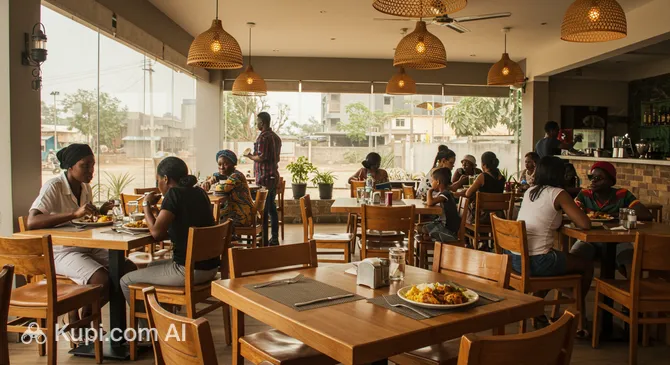
One of the popular destinations for those looking to enjoy the city's nightlife and culinary offerings is the Temple Grill. This establishment is well-regarded by both locals and tourists for its lively atmosphere and delicious menu. It is an excellent place to sample grilled delicacies, including fresh fish and spicy meats that reflect the rich flavors of the Niger Delta. The venue often serves as a social hub where visitors can unwind with music and drinks after a day of exploration.

Temple Grill. Source: Kupi.Binoculars

For a more relaxed evening, the K16 Lounge offers a stylish setting to sit back and enjoy the local vibe. It is a favorite spot for socializing, known for its comfortable ambiance and a wide selection of beverages. Whether you are looking to meet locals or simply enjoy a quiet drink in a sophisticated environment, this lounge provides a welcoming escape from the bustling city streets.

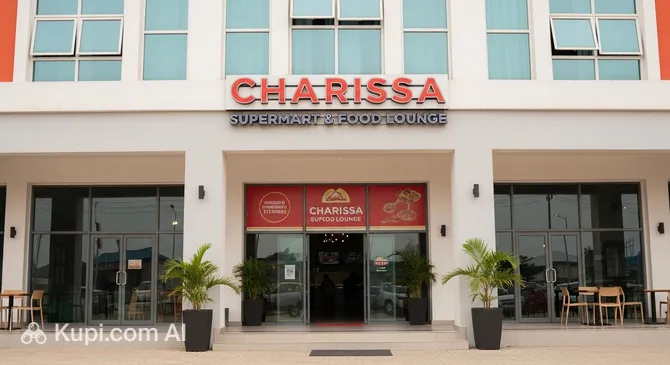
Travelers seeking convenience mixed with dining should visit the Charissa Supermart and Food Lounge. This multi-purpose facility is perfect for tourists who need to pick up supplies or groceries while also grabbing a quick, tasty meal. It represents the modern commercial side of Warri, offering a clean and organized environment where you can shop for essentials and enjoy freshly prepared food all in one location.

Local Cuisine

The culinary landscape of Warri is as bold and spirited as its people, heavily influenced by its location in the Niger Delta. The cuisine is dominated by fresh seafood, rich palm oil, and aromatic spices, creating flavors that are distinct to this region of Nigeria. For any visitor, the food here is not just sustenance; it is an exploration of the deep cultural heritage of the Itsekiri, Urhobo, and Ijaw communities.

At the heart of the local diet is the legendary Banga soup. Prepared from the extract of palm nut fruit, this savory soup is typically seasoned with local spices like beletete and served with fresh catfish, dried fish, or meat. It is almost always accompanied by Starch (Usi), a gelatinous, orange-yellow dough made from cassava that is favored over other "swallow" foods in this region. Another must-try delicacy is Owo soup, a yellowish, creamy dish made with palm oil and potash, often eaten with yam or unripe plantain. For a hearty breakfast, locals often turn to Ukodo, a spicy yam and pepper soup cooked with goat meat or fish, known for its comforting and restorative properties.

Charissa Supermart and Food Lounge. Source: Kupi.Binoculars

The food culture in Warri ranges from vibrant street stalls to comfortable modern eateries. In the evenings, the streets come alive with the aroma of Suya (spicy grilled meat skewers) and roasted fish served with plantains, a popular choice for a casual dinner. For those who prefer a more structured dining experience, places like the Charissa Supermart and Food Lounge offer a convenient spot to enjoy well-prepared local and continental dishes in a relaxed setting.

When it comes to drinks, the local experience is incomplete without tasting fresh Palm Wine, a natural alcoholic beverage tapped from palm trees. It is best enjoyed fresh and is a staple at social gatherings. For a more modern nightlife experience, visitors can head to establishments like the K16 Lounge, where one can relax with a cold beer or a cocktail while soaking in the city's energetic atmosphere.

Travel Tips

Planning a trip to Warri requires a bit of local know-how to navigate the city's energetic pace and unique cultural landscape comfortably. These practical tips will help you embrace the "Waffi" spirit while ensuring your visit to this bustling Delta State metropolis is smooth and enjoyable.

  1. Clothing and Gear: Warri is hot and humid year-round, so pack lightweight, breathable fabrics like cotton or linen to stay cool. Since rain is frequent in the Delta region, especially between March and November, a sturdy umbrella and water-resistant shoes are essential. While the city is relatively modern, it is best to dress modestly when visiting traditional areas or religious sites; avoid overly revealing attire to show respect for local customs.
  2. Transportation: The most common way to get around for short distances is by using the yellow tricycles locally known as Keke Napep. They are affordable and navigate traffic well. For a more comfortable and secure experience, especially for tourists, it is highly recommended to hire a private taxi or rent a car with a local driver who knows the routes. Ride-hailing apps are available but may have varying availability compared to Lagos or Abuja.
  3. Finances: The official currency is the Nigerian Naira (NGN). While major hotels and modern malls like the TM Lewin Shopping Mall accept debit cards, cash is still king in local markets and smaller eateries. ATMs are widely available, but it is wise to carry enough cash for daily expenses in case of network downtime. Tipping is not mandatory but is appreciated for good service in restaurants and by hotel staff.
  4. Health and Safety: As Warri is in a tropical zone, protecting yourself against mosquitoes is crucial to prevent malaria; bring strong insect repellent and consider sleeping under a net. Always drink bottled water and avoid tap water. Pharmacies are available in the city center, but for any serious medical issues, stick to reputable private clinics. Exercise standard safety precautions: avoid walking alone in poorly lit areas at night and keep your valuables secure.
  5. Communication: English is the official language and is widely understood, but the true language of the streets is Nigerian Pidgin. Warri is famous for its unique dialect of Pidgin, which is fast and expressive. Learning a few phrases like "How far?" (How are you?) will endear you to locals. You can buy a SIM card from major providers like MTN or Glo at official stores, but remember to bring your passport for the mandatory registration process.
  6. Local Etiquette: Greetings are a significant part of the culture here; ignoring a greeting can be seen as rude. When interacting with elders or people in authority, a polite and respectful tone is expected. It is also culturally important to use your right hand when giving or receiving items, eating, or shaking hands, as the left hand is considered unclean for these actions.
  7. What to Avoid: Avoid taking photographs of government buildings, military personnel, or police officers, as this is strictly prohibited and can lead to legal trouble. Additionally, refrain from engaging in heated debates about local politics or sensitive community issues; it is best to stay a neutral observer and enjoy the hospitality.
  8. Local Insight: Embrace the "Waffi" attitude! The locals are known for being sharp, humorous, and resilient. If you visit a local market, be prepared to bargain good-naturedly; it is part of the shopping experience and often leads to friendly banter with the vendors.

By keeping these tips in mind, you will be well-prepared to dive into the vibrant life of Warri. Whether you are here for business or to explore the Niger Delta, a little preparation goes a long way in making your stay memorable and hassle-free.

Entertainment & Nightlife

As the sun sets over the Delta, Warri transforms from a bustling industrial hub into a lively city with a distinct nocturnal energy. The nightlife here is driven by the spirited "Waffi" attitude, offering a mix of sophisticated lounges, energetic dance clubs, and open-air bars. The atmosphere is generally welcoming and unpretentious, where locals and visitors mingle freely to the sounds of Afrobeats and Highlife music. The most vibrant nightlife scenes are typically found in the Government Reservation Area (GRA) and along the busy corridors of Effurun, where the concentration of entertainment venues is highest.

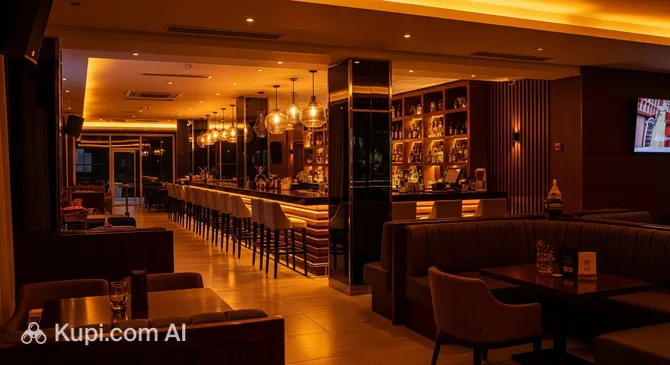
For those seeking a refined setting to unwind, the K16 Lounge is a premier destination. Known for its stylish decor and relaxed ambiance, it attracts a trendy crowd looking for well-crafted cocktails and a comfortable place to socialize. It is an ideal spot to start the evening, offering a blend of good music and conversation before the night gets busier. The dress code in such establishments is usually smart casual, so it is best to leave the beachwear at home.

K16 Lounge. Source: Kupi.Binoculars

Dining and nightlife often merge seamlessly in Warri. The Temple Grill is a favorite among those who want to combine a hearty meal with their evening entertainment. As the night progresses, the venue often buzzes with energy, making it a great place to enjoy grilled specialties while soaking in the local vibe. For a more casual experience, the city's numerous "beer parlors" and street-side spots offer cold drinks and spicy Suya well into the night, providing an authentic taste of the local social culture.

Practicality is key when enjoying a night out in Warri. Most clubs and bars pick up momentum around 10:00 PM and stay open late, especially on weekends. Prices are generally moderate compared to Lagos, but it is advisable to carry some cash for smaller vendors. When it comes to transportation, safety should be your priority. While tricycles (Keke) are ubiquitous during the day, they are not recommended for late-night travel. Instead, arrange for a private taxi or a "drop" with a trusted driver to take you door-to-door. Stick to well-lit, populated areas in the GRA or near major hotels, and avoid walking alone on dark streets.

Beyond the nightlife, Warri offers modest daytime entertainment options for travelers. While the city is not packed with amusement parks, modern developments like the TM Lewin Shopping Mall area provide leisure opportunities, including shopping and access to cinemas for movie enthusiasts. For those interested in culture, daytime is the best time to explore local heritage sites or visit the vibrant markets, as museums and traditional theaters are less common in the immediate city center.

Parks & Museums

While Warri is primarily known as an industrial powerhouse, the city and its surroundings offer surprising pockets of greenery and deep historical significance for those willing to look closer. Beyond the busy streets and commercial districts, visitors can find serene spots for relaxation and cultural venues that tell the fascinating story of the Niger Delta's royal heritage.

Effurun Garden Park is one of the most popular green spaces serving the metropolis. Located in the Effurun district, this park provides a much-needed escape from the city's hustle. It features well-maintained lawns and shaded areas, making it a favorite spot for picnics, outdoor workouts, and family gatherings. The atmosphere here is tranquil, offering a stark contrast to the energetic rhythm of the main town, and it serves as a communal hub where locals come to unwind on weekends.

For a unique blend of nature and history, the Warri Kingdom Royal Cemetery in Ijala is a site of immense cultural value. Situated in a sacred forest grove, this is the final resting place of the past Olus (Kings) of Warri. According to tradition, a tree is planted over the grave of each monarch, creating a living forest of royal history. It is a solemn and atmospheric destination that offers visitors a chance to walk through centuries of Itsekiri heritage while surrounded by the dense vegetation typical of the Delta region.

When it comes to museums, the Nana Living History Museum is the region's premier historical attraction. Although located in the nearby town of Koko (a short drive from Warri), it is an essential stop for cultural tourists. The museum is housed in the magnificent palace of Chief Nana Olomu, a powerful 19th-century merchant prince and governor. Designated as a National Monument, the residence displays original artifacts, including documents from trade with the British, period furniture, and personal items that provide a vivid window into the colonial era and the coastal trade history of Nigeria.

The Palace of the Olu of Warri stands as another cornerstone of the city's cultural landscape. While access to the inner chambers may be restricted depending on traditional schedules, the palace architecture itself is a modern symbol of the ancient Itsekiri monarchy. It serves as the administrative and spiritual heart of the kingdom, hosting major cultural festivals and royal ceremonies that attract visitors from across the globe.

For a truly authentic experience, consider arranging a boat cruise through the mangrove creeks. The waterways surrounding Warri are not just transport routes but are teeming with biodiversity. A guided trip offers a glimpse into the riverine lifestyle that has defined this region for centuries, allowing you to see the lush red mangroves and sleepy fishing communities up close.

Getting Around

Navigating Warri is an experience in itself, characterized by an informal yet efficient network of road-based options rather than a structured public transit system found in Western capitals. The city does not possess a metro, tram, or scheduled municipal bus service. Instead, the transportation landscape is dominated by privately owned vehicles that operate on flexible routes, providing coverage to almost every corner of the metropolis.

The most ubiquitous form of transport is the commercial tricycle, locally known as Keke Napep or simply Keke. Painted in the state's signature colors (often yellow and blue), these three-wheeled vehicles are the heartbeat of the city's daily commute. They are agile enough to navigate through traffic and narrow streets, making them the preferred choice for short to medium distances. You can hail them from the roadside or find them queuing at designated junctions. For longer journeys along major arterial roads, minibuses are commonly used. These buses follow more specific routes and are generally cheaper than tricycles, though they can be crowded and stop frequently to pick up passengers.

Regarding payment, cash is the absolute standard for all forms of public transport in the city. There are no electronic travel cards, passes, or ticketing apps for the local Kekes or buses. Fares are usually fixed for specific distances, but they are not displayed on any board. It is essential to carry cash in smaller denominations (Nigerian Naira), as drivers often struggle to find change for high-value notes. For tricycles and buses, you simply pay the driver or the conductor once you board or before you alight.

For tourists seeking more comfort or privacy, taxis are a viable alternative. Traditional taxis are available, but they do not use meters. You can opt for a "Town Service" (shared ride) which is cheaper, or a "Drop" (charter), where you hire the vehicle for a specific trip. If you choose a "Drop," you must negotiate and agree on the fare with the driver before getting into the car. Recently, ride-hailing apps like Bolt have gained popularity in the city, offering a more secure and price-transparent option for visitors who prefer not to haggle.

Given the city's location in the Niger Delta, water transport is a unique and vital feature of the local system. For travel to riverine communities or across the creeks, speedboats and ferries operate from various jetties, such as the one near the Warri Club. While this is often more of a necessity for locals living in creek areas, it can be an interesting mode of travel for visitors looking to see the city from the water. Always ensure you are provided with a life jacket before embarking on any boat journey.

Practical advice for travelers includes operating within daylight hours. Public transport, particularly Kekes and minibuses, becomes scarce late at night, and it is generally safer for tourists to use private taxis or ride-hailing services after dark. When using a Keke, state your destination clearly before boarding to ensure the driver is heading in that direction. Finally, while the system may seem chaotic at first glance, the drivers are usually helpful; do not hesitate to ask a local or the driver for guidance on which vehicle to take for your destination.

Accommodation

Accommodation in Warri primarily caters to the influx of business travelers and expatriates visiting for the oil and gas industry. As a result, the city offers a functional range of lodging options, spanning from affordable guesthouses to comfortable mid-range hotels and serviced apartments. While you may not find ultra-luxury resorts comparable to those in major global capitals, there are several reputable establishments that provide high standards of comfort, security, and hospitality suitable for international visitors.

When choosing where to stay, location is a key factor. The Government Reservation Area (GRA) is widely considered the premier district for tourists and business travelers. It is a quieter, well-planned neighborhood that hosts many of the city's best hotels, offering a serene environment away from the commercial bustle. Another popular area is Effurun, which is strategically located near the airport and major transport routes. Staying in Effurun offers convenient access to shopping malls and entertainment centers, making it a practical choice for those who want to be close to the action.

For travelers, a crucial tip when booking accommodation in Warri—or anywhere in Nigeria—is to confirm the availability of 24/7 power supply. Many top-tier and mid-range hotels operate reliable generators to ensure uninterrupted electricity, which is essential for air conditioning and internet access. Additionally, look for hotels that offer secure, gated parking and in-house dining options, as these amenities add a significant layer of convenience and safety to your trip.

In terms of pricing, options are generally more affordable than in Lagos or Abuja. Budget-friendly rooms can be found for a modest price, while well-appointed business suites fall into the mid-range category. Booking methods are becoming increasingly digital; the larger, more established hotels are listed on major international booking platforms, allowing for easy online reservations. However, for smaller guesthouses, it is often effective to book directly via phone or email. While credit cards are accepted at major hotels, it is always advisable to have some cash on hand for incidental expenses or deposits.

Nearby Cities

Nearby Cities:

Situated in the heart of the Niger Delta, Warri serves as an excellent starting point for exploring the wider region. Several major Nigerian cities are located within a convenient driving distance, offering travelers the chance to experience the diverse cultures, bustling markets, and historical landmarks of southern Nigeria.

City Population Distance (km)
Benin City 1,147,188 89
Asaba 802,000 126
Onitsha 1,483,000 131
Owerri 908,109 141
Port Harcourt 1,865,000 155

Whether you are planning a day trip or continuing your journey across the country, these neighboring urban centers are easily accessible by road, making Warri a strategic hub for your travels.

Shopping & Souvenirs

Shopping in Warri offers a vibrant mix of experiences that reflect the city's dual character as a traditional cultural hub and a modern commercial center. Visitors can expect a dynamic contrast between the air-conditioned comfort of contemporary plazas and the energetic chaos of open-air markets. While the city is not primarily known as a high-end fashion destination, it excels in offering local textiles, fresh produce, and everyday essentials, providing a genuine glimpse into the lifestyle of the Niger Delta people.

For those looking to explore the main commercial arteries, Warri-Sapele Road serves as the city's primary shopping spine. This bustling stretch is lined with a variety of standalone shops, boutiques, and electronics stores, making it a go-to destination for general merchandise. Another key area is Airport Road in Effurun, which has developed rapidly into a modern commercial district featuring supermarkets, pharmacies, and fashion outlets that cater to a more upscale clientele.

In terms of modern retail therapy, the city has seen significant growth. The TM Lewin Shopping Mall is a notable establishment where visitors can find quality clothing and accessories in a refined environment. Additionally, the Delta Mall (often referred to as Shoprite by locals) located at the Effurun roundabout is the largest and most popular modern shopping complex in the area. It houses a large cinema, a food court, and numerous international and local retail brands, serving as a one-stop destination for entertainment and shopping.

To truly experience the local commerce, a visit to the city's markets is essential. Igbudu Market is the most famous and arguably the largest market in Warri. It is a sprawling, energetic hub where you can find everything from fresh seafood and local spices to colorful fabrics. It can be quite crowded and intense, so it is best visited with a local guide. For a slightly more organized experience focused on groceries and household items, the Charissa Supermart and Food Lounge offers a convenient alternative where you can shop for daily needs in a clean, modern setting.

When searching for souvenirs, the best items to bring back from Warri are deeply rooted in the local culture. The region is renowned for its traditional attire, particularly the George wrappers and high-quality lace fabrics favored by the Itsekiri and Urhobo people. Another excellent keepsake is coral beads, which are significant in local royalty and weddings; you can find authentic, handcrafted sets in specialized shops or the main markets. These items are not just beautiful but carry the rich heritage of the Delta State.

Most shops and malls in Warri operate from around 9:00 AM to 8:00 PM, Monday through Saturday, with reduced hours on Sundays. Traditional markets, however, start much earlier, often buzzing with activity by 7:00 AM, and wind down by evening. While modern malls and supermarkets accept debit cards (Visa and Mastercard), cash is essential for transactions in open-air markets and smaller stalls. It is advisable to carry smaller denominations of Naira to make bargaining easier.

Travelers should note that Nigeria does not currently operate a VAT refund or tax-free shopping scheme for tourists. The price you see on the tag or the price you negotiate in the market is the final amount you will pay. Therefore, visitors should not expect to claim taxes back at the airport upon departure.


Reached the end of the page?

That means the route is fully explored