Support

Asaba

About

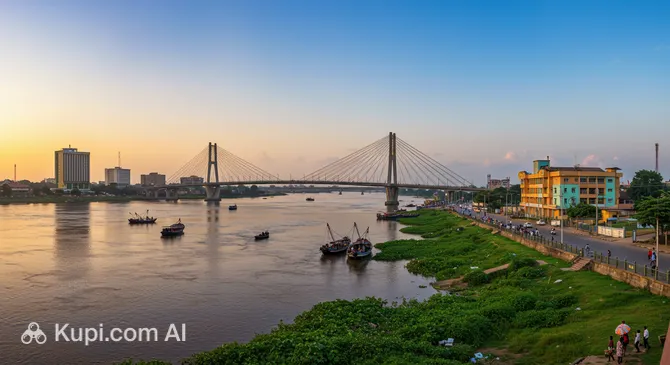
Asaba is the vibrant capital of Delta State, strategically situated on a hill overlooking the majestic River Niger. It serves as a significant gateway connecting the western and eastern regions of Nigeria. Known for its peaceful atmosphere and rapid urban development, the city blends traditional culture with modern amenities, making it an intriguing destination for travelers seeking both relaxation and cultural insight.

Asaba. Source: Kupi.Binoculars

With a population of approximately 802,000 residents, Asaba is a bustling hub of commerce and administration. The city's location on the western bank of the Niger River provides it with scenic waterfronts and a tropical climate that supports lush vegetation. Exploring the history of Asaba reveals its deep roots as a former colonial administrative center and a key trading post, a heritage that is still reflected in some of its surviving architecture and institutions.

Visitors are often drawn to the iconic River Niger Bridge, an architectural landmark that links Asaba to the bustling commercial city of Onitsha. Another highlight is the Lander Brothers Anchorage, a museum and memorial complex dedicated to the explorers who navigated the river, offering a fascinating glimpse into the past. Whether you are visiting to experience the local "Nollywood" film scene or simply to enjoy the riverside breeze, Asaba offers a warm welcome and a memorable stay.

Weather Overview

Asaba experiences a tropical climate with temperatures that remain warm to hot throughout the year. The warmest weather generally occurs in February, with average temperatures around 30.5°C and highs reaching up to 36.4°C. The coolest month is typically July, where the average temperature dips to 25.9°C, offering a slight respite from the heat.

Rainfall is a significant factor to consider when planning a trip. The city has a distinct wet season that peaks between June and September, often featuring up to 28 wet days per month. In contrast, December and January are markedly dry, usually recording almost no precipitation. For precise forecasts and seasonal averages, you can check the weather in Asaba before your journey.

Expect hot, dry conditions during the winter months and a long, humid rainy season characterized by frequent showers and moderate temperatures for the rest of the year.

Interesting Facts

Beyond the main attractions, Asaba holds many fascinating secrets that reveal its depth as a cultural and historical powerhouse. From its cinematic connections to its unique textile heritage, the city offers more than meets the eye.
  • Asaba is widely recognized as a primary production hub for Nollywood, the Nigerian film industry. Its picturesque streets and hotels are frequently used as sets, making it a bustling center for creativity where visitors might stumble upon a movie in the making.

  • The city holds a pivotal place in history as the former administrative headquarters of the Royal Niger Company. This status in the late 19th century effectively made it an early capital for British administrative activities in Southern Nigeria before the center of power shifted.

  • The local Anioma culture is famous for "Akwa Ocha," or "white cloth," a dazzling hand-woven fabric. Wearing this attire is a profound statement of identity and dignity, reserved for significant ceremonies and titles within the community.

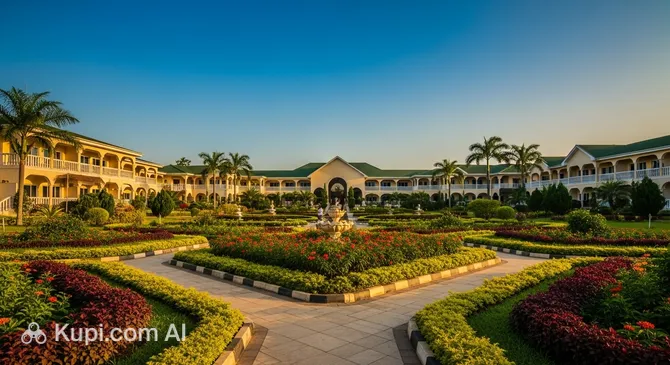
  • Among its modern leisure spots, the Nelson Mandela Gardens and Resort stands out as a tribute to the African icon. This sprawling park is a favorite for relaxation, featuring lush greenery and amenities that attract families and tourists alike.

Nelson Mandela Gardens and Resort. Source: Kupi.Binoculars

How to Get There

Reaching Asaba is convenient thanks to its growing transport infrastructure and strategic location. Whether you are flying directly into the city or arriving via neighboring transport hubs, there are several options to suit your itinerary. For a comprehensive overview of all travel methods, you can read more about how to get to Asaba.

The most direct way to arrive is through Asaba Airport (ABB). Located just 3.9 km from the city center, it offers the easiest access for travelers. A taxi ride from the terminal to the heart of the city typically takes about 25 minutes, making it a stress-free option for those prioritizing convenience.

If direct flights are unavailable, you can fly into Enugu Airport (ENU) in the city of Enugu, which is approximately 100 km away. The journey by road from Enugu to Asaba takes roughly 3 hours. Another viable alternative is Sam Mbakwe International Airport (QOW), situated in Owerri, about 103 km from Asaba. Travelers landing here should also plan for a road transfer of approximately 3 hours to reach their final destination.

For clarity, here is a summary of the main airports:

Airport Name City Passenger Traffic Km from City
Sam Mbakwe International Airport Owerri High 103.0
Enugu Airport Enugu Medium 100.3
Benin City Airport Benin City Medium 121.9
Warri Warri Medium 118.3
Asaba Airport Asaba Medium 3.9

Main Attractions

Asaba offers a delightful mix of leisure, modern development, and culinary experiences for visitors. While the city is a hub for business and administration, it also boasts several spots where tourists can relax, admire local infrastructure, or indulge in authentic Nigerian cuisine.

One of the most prominent recreational centers in the city is the Nelson Mandela Gardens and Resort. Located within the Asaba International Airport premises, this expansive park is designed for relaxation and family fun. It serves as a tribute to the legendary African leader and features lush green lawns, swimming pools, and various amusement facilities. It is an ideal escape for travelers looking to unwind in a serene environment or enjoy a picnic away from the city center's hustle.

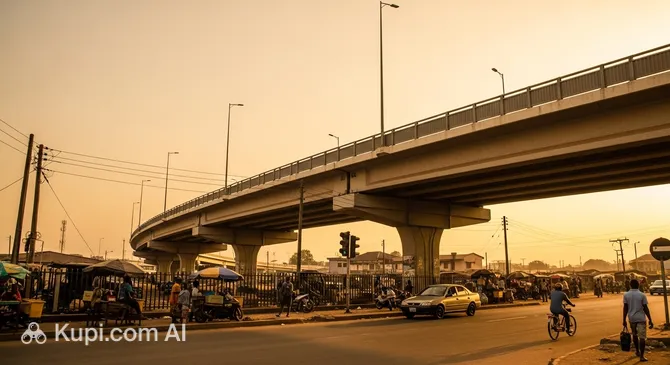
For those interested in the city's rapid modernization, the Koka Junction Flyover stands as a significant landmark. Although primarily a transport infrastructure project, it has become a symbol of Asaba's urban growth. The area is bustling with activity and offers a glimpse into the daily rhythm of the city. At night, the flyover is often illuminated, creating a striking visual that highlights the developing skyline of the state capital.

Koka Junction Flyover. Source: Kupi.Binoculars

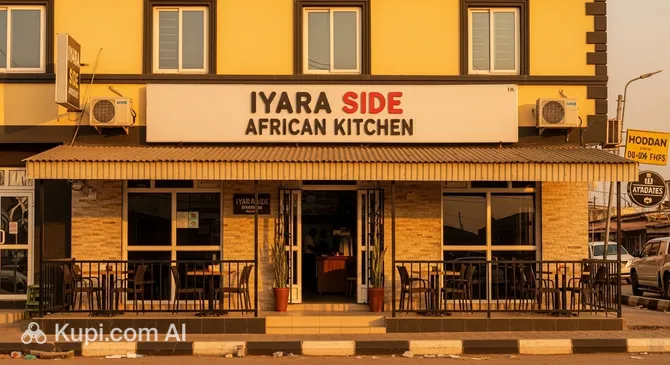
To truly experience the local culture, a visit to Iyara Side African Kitchen is highly recommended. This restaurant provides a deep dive into the culinary heritage of Delta State. Visitors can savor traditional dishes prepared with authentic spices and local ingredients. It is a perfect stop for food enthusiasts eager to taste popular Nigerian staples, such as pounded yam with egusi or ogbono soup, in a welcoming and unpretentious setting.

Iyara Side African Kitchen. Source: Kupi.Binoculars

Local Cuisine

Asaba's culinary landscape is heavily influenced by its proximity to the River Niger, resulting in a rich tradition of seafood-based delicacies. The city is a haven for food lovers, particularly those who appreciate robust, spicy flavors and fresh ingredients. A standout dish that every visitor must try is Banga Soup (Ofe Akwu), a savory soup made from palm nut extract, typically seasoned with local spices, fresh fish, or assorted meats. In Delta State, this is traditionally paired with "Starch" (Usi), a yellow, gelatinous dough made from cassava, creating a unique textural experience that defines the region's palate.

Another signature experience in Asaba is indulging in Fresh Fish Pepper Soup. Thanks to the nearby river, local eateries serve catfish or tilapia that is incredibly fresh, simmered in a spicy, aromatic broth infused with scent leaves and indigenous spices. This dish is a popular choice for evening relaxation and is often referred to as "Point and Kill" at local joints, where you can select your fish before it is prepared. For a hearty meal, look for Ukodo, a comforting yam and unripe plantain pepper soup often served at celebrations or as a special breakfast.

To accompany these rich meals, the local culture offers unique beverages. Palm Wine is a traditional favorite, a natural alcoholic drink tapped from palm trees that is best enjoyed fresh. It plays a significant role in social gatherings and traditional ceremonies. For a refreshing non-alcoholic option, Zobo is widely available; this tangy drink made from dried hibiscus flowers is often sweetened and served cold, providing perfect relief from the tropical heat.

The food culture in Asaba is a blend of informal street dining and established restaurants. In the evenings, the streets often come alive with vendors selling Suya—spicy grilled meat skewers—and roasted plantains (Bole), which are local staples for a quick bite. For travelers seeking a comfortable setting to explore these authentic flavors, Iyara Side African Kitchen is a notable spot. It offers a hygienic and welcoming environment to taste the best of Delta State's cuisine without straying too far from the city center.

Travel Tips

To ensure your visit to Asaba is as smooth and enjoyable as possible, it helps to be prepared with some local know-how. These practical tips will help you navigate the city's customs, climate, and daily life with confidence.

  1. Clothing and Gear: Given the tropical climate, pack lightweight, breathable fabrics like cotton or linen to stay cool. A hat and sunglasses are essential for sun protection. If you are visiting during the rainy season (June to September), a sturdy umbrella or a light raincoat is a must. While casual wear is generally acceptable, always dress modestly when visiting religious sites or traditional communities.
  2. Transportation: The most common way to get around Asaba for short distances is by Keke Napep (commercial tricycles), which are affordable and readily available. For a more comfortable ride, ride-hailing apps like Bolt operate in the city, offering a safer and price-transparent alternative to street taxis. If you plan to explore surrounding areas, hiring a car with a local driver is highly recommended for convenience and navigation.
  3. Finances: The local currency is the Nigerian Naira (NGN). While major hotels and supermarkets accept Visa and Mastercard, cash is still king for local markets, tricycles, and smaller eateries. ATMs are widely available, but it is wise to carry enough cash for the day in case of network downtime. Tipping is not mandatory but is appreciated for good service in restaurants and hotels.
  4. Health and Safety: Asaba is generally peaceful, but standard travel precautions apply. Avoid walking alone in poorly lit areas late at night. Malaria is a risk in tropical regions, so bring mosquito repellent and consider sleeping under a treated net. Pharmacies are available in the city center, but for serious medical issues, stick to reputable private clinics or the Federal Medical Centre. Always drink bottled water and avoid tap water.
  5. Communication: English is the official language and is widely spoken, so communication is rarely a barrier. However, you will often hear Pidgin English, a colorful local creole, and Igbo, the native language of the region. Buying a local SIM card (MTN, Glo, or Airtel) is easy at official stores, but you will need your passport for registration to access mobile data.
  6. Local Etiquette: Greetings are a vital part of the culture in Asaba. A friendly "Good morning" or "Good afternoon" to strangers, hotel staff, or shopkeepers goes a long way. Always use your right hand for giving or receiving items, eating, and shaking hands, as using the left hand is considered culturally disrespectful.
  7. What to Avoid: Avoid taking photographs of government buildings, military personnel, or police checkpoints, as this is strictly prohibited and can lead to confiscation of your camera. Also, try not to express impatience aggressively; things may move at a more relaxed pace than you are used to, and staying calm yields better results.
  8. Additional Tip: Keep an eye out for the famous Akwa Ocha (white cloth) weavers. Asaba is the home of this traditional textile, and buying a piece directly from a local market not only makes for a unique souvenir but also supports the local artisans who keep this heritage alive.

By keeping these tips in mind, you will be well-equipped to embrace the warmth and vibrancy of Asaba. Enjoy the blend of history, culture, and hospitality that makes this riverside city so special!

Entertainment & Nightlife

Asaba comes alive when the sun sets, offering a nightlife experience that is vibrant yet significantly more relaxed than the frenetic energy of larger Nigerian cities like Lagos. The city’s entertainment scene is centered around socializing, good music, and open-air dining, making it a perfect destination for those who enjoy unwinding with a cold drink and local rhythms. The nightlife is largely concentrated along Nnebisi Road and Summit Road, where a high density of hotels, lounges, and bars creates a bustling corridor of activity that runs late into the night.

A quintessential part of an evening in Asaba is the "Point and Kill" culture, which serves as both a dining experience and a social event. At these open-air joints, patrons select live catfish from a tank to be freshly prepared into a spicy pepper soup. For a more formal start to your night, you can enjoy a hearty dinner at Iyara Side African Kitchen, which offers a great atmosphere for evening meals before you head out to the clubs. The vibe in most venues is casual and welcoming, with Afrobeat and Highlife music setting the tone.

For those looking to dance or enjoy a sophisticated lounge setting, Rodinia Restaurant and Bar is a local favorite. It transitions seamlessly from a dining spot to a lively lounge in the evenings, often featuring a poolside ambiance that attracts a trendy crowd. Another popular option is the GQ Lounge, known for its energetic DJ sets and modern decor. If you prefer a more laid-back evening watching the latest blockbuster movies, Genesis Cinemas located within the Asaba Mall offers a modern theater experience perfect for couples and families.

When planning a night out, it is best to head out around 8:00 PM when the city cools down and the venues start to fill up. Dress codes are generally smart-casual; while you don't need to be overly formal, looking neat is appreciated at upscale lounges. Prices are relatively affordable compared to other state capitals, with a beer or cocktail costing significantly less than in Abuja or Lagos. For transportation, it is highly recommended to use ride-hailing apps like Bolt or arrange for a private taxi drop-off and pick-up, as finding a reliable ride on the street late at night can be challenging.

While the nights are for socializing, daytime entertainment in Asaba offers its own charm. Visitors can explore the Nelson Mandela Gardens and Resort, which provides a serene environment for picnics and leisure walks during the day. Additionally, the city boasts several shopping centers and cultural landmarks that are best visited while the sun is up. Regarding safety, Asaba is generally safe for nightlife, but it is wise to stick to well-lit, populated areas like Nnebisi Road and avoid walking alone in quiet neighborhoods after dark.

Parks & Museums

Asaba offers a refreshing mix of natural beauty and deep-rooted heritage, providing travelers with serene green spaces and fascinating historical institutions. While the city is rapidly modernizing, it has preserved significant pockets of nature and monuments that tell the story of its role as a colonial administrative center and a gateway to the River Niger.

For those seeking tranquility amidst lush surroundings, the Nelson Mandela Gardens and Resort is the premier destination in the city. This expansive park is meticulously landscaped with exotic trees and manicured lawns, offering a peaceful escape for nature lovers. It is designed to be a family-friendly environment where visitors can enjoy picnics, leisurely walks, or simply sit and admire the greenery. The garden stands as a symbol of relaxation and is a stark contrast to the busy commercial streets of the capital.

Another natural highlight is the scenic River Niger Waterfront. While not a formal park, the banks of the river offer a breezy, open-air environment that attracts locals and tourists alike. During the dry season, receding water levels often reveal sandy stretches that function as makeshift beaches. It is an excellent spot for watching the sunset over the water and observing the traditional wooden canoes that still navigate this historic waterway.

Immersing yourself in the city's history is best done at the Mungo Park House, which effectively serves as the National Museum of Asaba. Built in 1886 by the Royal Niger Company, this wooden architectural marvel was the first government house in Nigeria. Today, it houses a collection of artifacts and photographs that chronicle the colonial era and the early administration of the Southern Nigeria Protectorate. The building itself is a preserved national monument, constructed from treated wood that has withstood the elements for over a century.

Close by is the Lander Brothers Anchorage, a cultural complex dedicated to the Richard and John Lander expedition. This site functions as both a museum and a memorial, celebrating the explorers who followed the River Niger to its confluence. The museum features a replica of the boat used by the brothers, alongside various artworks and historical exhibits. The anchorage also offers a commanding view of the river, making it a dual-purpose destination for history buffs and sightseers.

Beyond the museums, the Old Colonial Secretariat remains a significant historical landmark. As the former administrative headquarters of the British colonial government, the building showcases the classic colonial architectural style of the late 19th century. Walking around these grounds gives visitors a tangible sense of the city's past importance as a seat of power before the capital was moved to Lagos.

For a truly authentic experience, seek out the local weaving centers in the traditional quarters of Asaba. Here, you can watch artisans craft the famous "Akwa Ocha" (white cloth) on upright looms. It is a mesmerizing process that results in the stunning, intricate fabrics worn by the Anioma people for special occasions, offering a living museum experience that connects you directly with the local culture.

Getting Around

The public transport system in Asaba differs significantly from the structured networks found in many European or North American cities. There is no metro, tram, or extensive municipal bus service. Instead, the city relies on a decentralized and informal network of road-based transport that is both affordable and efficient for short commutes. The most common and convenient way to navigate the streets is by using tricycles, locally known as Keke Napep. These yellow or green three-wheeled vehicles are ubiquitous and can navigate traffic with ease, making them the backbone of local mobility.

In addition to tricycles, small minibuses operate along major arterial roads, such as Nnebisi Road and Summit Road. These buses typically follow fixed routes and stop at designated junctions or popular landmarks to pick up and drop off passengers. While they are cheaper than tricycles, they can be less comfortable and offer less flexibility regarding drop-off points. Commercial motorcycles, often called Okada, have been restricted in many parts of the city center to improve safety and reduce accidents, so they are less frequently seen as a transport option for tourists within the main districts.

Payment for public transport is strictly cash-based. There are no travel cards, electronic passes, or tap-to-pay systems for buses or tricycles. Fares are generally very low, but it is essential to carry small denominations of the local currency, as drivers often struggle to find change for large bills. For minibuses, the price is usually fixed per seat. For Keke Napep, you can either pay for a single seat in a shared ride or charter the entire vehicle for a "drop," which serves as a private taxi ride. If you choose to charter, you must negotiate and agree on the fare with the driver before stepping in.

For tourists seeking more comfort and security, ride-hailing apps are a popular alternative. Services like Bolt operate in the city, allowing you to book a car with a transparent, upfront price and the option to pay via card through the app or in cash. This is often the recommended choice for visitors unfamiliar with local routes or those traveling at night. Traditional taxis are also available but are less commonly hailed from the street compared to tricycles; they are usually found at designated parks or outside major hotels.

Public transport typically operates from around 6:00 AM to 10:00 PM. Late-night transport can be scarce, so it is advisable to arrange your return journey in advance if you plan to be out late. When using public transport, always prioritize safety: avoid boarding empty buses at night and keep your valuables secure. For a hassle-free experience exploring the city and its surroundings for a full day, consider hiring a car with a local driver. This option provides the ultimate convenience and air-conditioned comfort, shielding you from the tropical heat.

Accommodation

As a rapidly developing state capital, Asaba offers a diverse range of accommodation options that cater to various budgets and preferences. The city's hospitality sector has expanded significantly, providing everything from budget-friendly guesthouses and functional business hotels to more luxurious resorts with modern amenities. Whether you are visiting for a quick business trip or a leisurely exploration of the River Niger, you will find suitable lodging that ensures a comfortable stay in Nigeria.

For travelers seeking convenience and accessibility, the areas along Nnebisi Road are highly recommended. This is the city's main arterial road, bustling with activity and offering easy access to supermarkets, restaurants, and transport links. Staying here puts you in the heart of the action, making it simple to hail a tricycle or find a place to eat. Alternatively, for those prioritizing tranquility and security, the Government Reservation Area (GRA) is the ideal choice. This neighborhood is characterized by tree-lined streets, upscale residences, and a quieter atmosphere, hosting many of the city’s premium hotels and lodges.

The cost of accommodation in Asaba is generally more affordable than in major commercial hubs like Lagos or Abuja. Budget travelers can find decent, clean rooms in smaller hotels or guest houses, while mid-range options often include amenities such as air conditioning, backup power generators, and on-site restaurants. Luxury accommodations in the city typically feature swimming pools, gyms, and conference facilities, catering largely to government officials and business executives.

Booking Tip: While many established hotels in Asaba are listed on major international booking platforms, some smaller or locally-run establishments may not have a strong online presence. For these, it is often effective to book directly by phone or upon arrival. However, if you plan to visit during December or when the city is hosting major political or cultural events, it is strongly advised to secure your reservation well in advance, as the best rooms tend to sell out quickly.

Nearby Cities

Asaba is situated in Delta State, serving as a key gateway between the western and eastern parts of Nigeria. Its strategic position on the banks of the River Niger places it within easy reach of several major urban centers. The closest neighboring city is Onitsha, located just across the famous River Niger Bridge, making it a quick trip for commerce and trade. Other significant cities like Owerri and Benin City are also accessible by road, offering opportunities for day trips or further exploration of the region's diverse culture and history.

For those planning to explore the surrounding region, here is a list of nearby cities, their populations, and distances from Asaba:

City Name Population Distance (km)
Onitsha 1,483,000 13
Owerri 908,109 86
Benin City 1,147,188 122
Warri 830,106 126
Aba 1,530,000 141

Shopping & Souvenirs

Shopping:

Shopping in Asaba offers a fascinating blend of traditional Nigerian commerce and modern retail experiences. As a bustling state capital and a gateway city, it serves as a major trading hub where visitors can find everything from fresh local produce and indigenous textiles to contemporary fashion and electronics. The city's shopping scene is characterized by vibrant open-air markets that pulse with energy, alongside growing numbers of modern supermarkets and plazas that offer a more relaxed, air-conditioned environment.

The commercial heartbeat of the city is undoubtedly Nnebisi Road. This major arterial road runs through the center of Asaba and is lined with a multitude of shops, boutiques, banks, and plazas. Walking or driving along this strip, tourists will find a variety of stores selling clothing, shoes, phones, and household goods. It is the primary destination for general shopping needs and offers a glimpse into the daily commercial life of the residents.

For a modern shopping experience, the Asaba Mall is the premier destination. Located strategically within the city, this mall houses a large branch of Shoprite, which is popular for groceries and general merchandise. Beyond the supermarket, the mall features a selection of smaller boutiques, pharmacies, and eateries. It provides a comfortable, one-stop location for travelers looking to buy supplies, browse international brands, or enjoy a quick meal in a clean, climate-controlled setting.

To truly immerse yourself in the local culture, a visit to the Ogbeogonogo Modern Market is essential. Situated along Nnebisi Road near the waterfront, this is the largest and most famous market in the city. It is a sprawling complex where vendors sell an array of goods, including fresh foodstuffs, colorful fabrics, jewelry, and livestock. The market is organized and relatively easier to navigate than many other traditional markets in Nigeria, making it a great spot for tourists to observe local trading dynamics.

When it comes to souvenirs, the most prized item to take home from Asaba is Akwa Ocha (White Cloth). This traditional hand-woven fabric is native to the Anioma people of Delta State and is worn during significant cultural ceremonies. You can purchase authentic pieces directly from weavers or specialized stalls in the local markets. Other popular keepsakes include locally crafted coral beads, leather goods, and traditional carvings that reflect the rich heritage of the region.

Store hours in Asaba typically follow standard business schedules. Major shops and malls usually operate from 9:00 AM to 9:00 PM daily, while traditional markets like Ogbeogonogo open as early as 7:00 AM and wind down by 6:00 PM. Markets are generally closed or operate with skeletal services on Sundays.

Regarding payment, cash is king in the open markets and smaller street shops, so it is advisable to carry sufficient Nigerian Naira in smaller denominations. However, the Asaba Mall, supermarkets, and larger boutiques readily accept debit and credit cards (Visa and Mastercard). Tax-free shopping or VAT refunds are not typically available for tourists in Asaba, so visitors should expect to pay the shelf price, which is final in supermarkets but often negotiable in open markets.
Reached the end of the page?

That means the route is fully explored