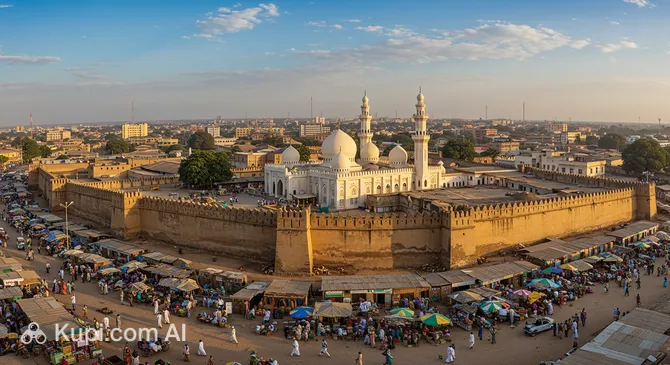
Shopping in Zaria offers a vibrant immersion into the traditional commercial life of Northern Nigeria. Unlike the modern, air-conditioned retail experiences found in Lagos or Abuja, the shopping scene here is dominated by bustling open-air markets and street-side commerce. Visitors will find that the city serves as a major agricultural and trading hub, meaning that fresh produce, local crafts, and textiles are abundant. The experience is less about browsing high-end luxury brands and more about discovering authentic local goods, engaging with friendly traders, and soaking in the energetic atmosphere of the Hausa marketplace.
The commercial heartbeat of the city is undoubtedly the district of Sabon Gari. This area is lined with a multitude of shops selling everything from electronics and clothing to household items. The streets here are always alive with activity, making it the primary destination for general shopping needs. For a different vibe, the Samaru area, located across from Ahmadu Bello University, offers a unique mix of student-focused retail. Here, you can find bookstores, computer accessories, and affordable fashion boutiques catering to the large academic population.
While Zaria is not known for massive modern shopping malls, it does feature several smaller shopping plazas and supermarkets that provide a more conventional retail experience. These establishments are mostly found in the Government Reservation Area (GRA) and parts of Sabon Gari. They are the best places to purchase packaged foods, toiletries, and imported goods in a more relaxed, climate-controlled environment.
The true essence of shopping in Zaria, however, lies in its markets. The Sabon Gari Market is the largest and most popular, a sprawling labyrinth of stalls where you can find virtually anything. It is an excellent place to see the variety of grains and spices that fuel the local cuisine. Another significant trading center is the Tudun Wada Market, which serves the older parts of the city. For visitors, these markets are not just places to buy goods but venues to witness the daily rhythm of local life and the traditional art of bargaining.
When looking for souvenirs, Zaria offers distinct items that reflect the region's culture. Leather goods are a top choice; the region is famous for its tanneries, and you can find high-quality handmade sandals, bags, and wallets at very reasonable prices. Textiles are another highlight, particularly locally dyed fabrics and traditional Hausa caps, known as Hula. Additionally, given the city's artistic reputation, you may find unique pottery or artworks near the university, as well as packs of Kilishi for those wishing to take a local specialty home.
Business hours in Zaria typically run from around 8:00 AM to 6:00 PM. However, it is important to note that on Fridays, many shops and market stalls may close or take a long break between 1:00 PM and 2:00 PM for Juma'at prayers. In terms of payment, cash is king. While some supermarkets and larger hotels accept debit cards, the vast majority of market vendors and small shopkeepers deal exclusively in Nigerian Naira. It is advisable to carry sufficient cash in smaller denominations to facilitate easier transactions and bargaining.