Support

Jos

About

Welcome to Jos, a captivating destination often referred to as "J-Town" by locals. Situated in the heart of Plateau State, this city offers a unique atmosphere that distinguishes it from many other urban centers in West Africa. With a population of approximately 600,000 residents, it serves as a bustling hub of commerce and culture while maintaining a relaxed and welcoming vibe that draws travelers seeking a refreshing change of pace.

One of the most defining features of the city is its geography. Perched at a high altitude on the Jos Plateau, the city enjoys a temperate climate that is significantly cooler than the rest of Nigeria. This "European" weather, characterized by pleasant temperatures and occasional mists, makes it a favorite retreat for tourists looking to escape the tropical heat. The surrounding landscape is dotted with dramatic rock formations and rolling hills, creating a scenic backdrop for your adventures.
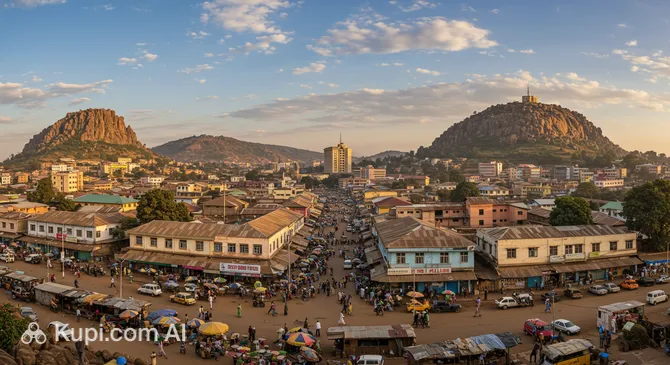
Jos. Source: Kupi.Binoculars

The history of Jos is deeply rooted in its evolution from a small village to a cosmopolitan center, largely driven by the tin mining industry in the early 20th century. Today, visitors can explore this heritage at the renowned National Museum of Jos, which houses an impressive collection of Nok terracotta heads and traditional pottery. It is considered one of the best museums in the country and offers a fascinating glimpse into the region's artistic past.

Nature enthusiasts will find plenty to admire here. The majestic Shere Hills offer challenging trails and breathtaking panoramic views, making them a top spot for hikers and rock climbers. For a more leisurely experience, the Jos Wildlife Park provides an opportunity to see exotic animals and enjoy a picnic in a lush, natural setting. Whether you are interested in cultural artifacts or outdoor exploration, Jos promises a memorable and scenic journey.

Weather Overview

Jos enjoys a mild, temperate climate that is quite distinct from many other parts of the region due to its elevation. The weather in Jos is generally characterized by two primary seasons: a crisp dry period and a lush rainy season, offering visitors a pleasant atmosphere year-round. Unlike the sweltering heat often found elsewhere in the country, this city maintains a refreshing coolness that travelers often find delightful.

Temperatures remain relatively stable and comfortable throughout the year. The warmest time is typically during March and April, when average temperatures hover around 26°C to 27°C, with daytime highs occasionally reaching 32.5°C. In contrast, the coolest months are December and January. During this time, daily averages drop to approximately 21°C, and nights can feel quite chilly with lows dipping to around 14°C, so packing a light jacket is recommended.

Rainfall patterns are clearly defined, splitting the year into starkly different experiences. The dry season stretches from November to March, featuring almost zero precipitation and clear, sunny skies. Conversely, the wet season begins in April and intensifies significantly by mid-year. July and August are the peak of the rainy season, often experiencing rain nearly every day, while the months of May, June, and September also see frequent showers.

Interesting Facts

Beyond the main attractions, Jos holds many fascinating secrets that reveal its unique character and heritage. Here are a few intriguing details that make this city truly special:
  • The Birthplace of Nigerian Golf: Jos is home to the oldest golf course in the entire country. The Rayfield Golf Club was established in 1913, taking advantage of the region's unique topography to create a course that has hosted golfers for over a century.

  • A Berry Unique Climate: Thanks to its high altitude, Jos is the strawberry capital of Nigeria. It is one of the few places in the region where exotic crops like strawberries, apples, and grapes thrive, offering visitors the rare treat of buying fresh, locally grown berries right from roadside vendors.

  • The Hollywood of Nigeria: The city serves as a major hub for the country's entertainment industry. It houses the headquarters of the Nigerian Film Corporation and the National Film Institute, playing a pivotal role in training filmmakers and preserving the cinematic history of the nation.

  • The "Tin City" Legacy: While the industrial boom has passed, the city retains the nickname "Tin City" from its days as a global tin mining powerhouse. This heritage is still celebrated locally and reflected in the names of modern establishments, such as the Tin City Cafe, which pays homage to the industry that originally put the town on the map.

Tin City Cafe. Source: Kupi.Binoculars

How to Get There

Reaching this scenic destination on the Plateau is the first step of your adventure. While the journey offers beautiful views of the surrounding hills, planning your arrival is key to a smooth trip. You can read more about how to get to Jos to explore all the specific routes and transport details available for travelers.

The most direct way to arrive is via Jos Airport (IATA: JOS), which serves the city directly. It is a small regional facility located approximately 28 km from the city center. Travelers landing here can expect a taxi or shuttle ride to the downtown area to take about an hour. While convenient, flight schedules to this airport can be less frequent compared to major hubs.

For international visitors or those seeking more flight options, Nnamdi Azikiwe International Airport (IATA: ABV) in the city of Abuja is the primary gateway. It is a large international airport located about 201 km from Jos. From Abuja, you can hire a taxi or take a bus, with the road journey taking around 5.5 hours. Another regional alternative is Bauchi Airport (IATA: BCU) in Bauchi, roughly 114 km away, which requires a ground transfer of approximately 3 hours.

For clarity, here is a summary of the main airports:

Airport Name City Passenger Traffic Km from City
Nnamdi Azikiwe International Airport Abuja Large 200.8
Kaduna Airport Kaduna Medium 190.3
Jos Airport Jos Small 28.4
Gombe Lawanti International Airport Gombe Small 228.0
Bauchi Airport Bauchi Small 113.9

Main Attractions

While the city is known for its cool climate, the true charm of Jos lies in its spectacular natural and cultural landmarks. From ancient geological formations to centers of artistic heritage, the area offers a diverse range of experiences for every type of traveler. Whether you are a history buff, an adventure seeker, or a food lover, the city has something unique to explore.

For a deep dive into the region's heritage, the National Museum Jos is an essential stop. Beyond its famous gallery of Nok terracotta figures, the complex features the fascinating Museum of Traditional Nigerian Architecture (MOTNA). This open-air section showcases life-size replicas of traditional buildings from across the country, allowing you to walk through Nigeria's architectural history in one place. It serves as a guardian of the nation's diverse building styles, making it a culturally enriching experience.

Adventure awaits at the majestic Shere Hills, a rugged range that dominates the skyline just east of the city. These hills are a training ground for climbers and hikers, offering some of the most challenging terrains in the region. The highest peaks, known locally as "Gog and Magog," provide thrilling ascents and reward intrepid visitors with incomparable panoramic views of the plateau. It is also the site of the Citizenship and Leadership Training Centre, highlighting its importance for outdoor education.

A short drive from the city center will take you to the breathtaking Assop Waterfalls, a natural oasis located about 64 kilometers away. This scenic cascade is a favorite picnic spot for both locals and tourists, nestled within a lush gallery forest. The sight of the water tumbling over the rocky escarpment is mesmerizing, and the surrounding area offers a peaceful retreat for nature lovers. Its beauty has made it a popular location for filming local soap operas and advertisements.

Another geological wonder is the Riyom Rock Formation, often called the "Three Rocks." Located roughly 25 kilometers from Jos, this striking natural sculpture features massive boulders balanced precariously on top of one another. Uniquely, the arrangement is said to resemble the map of Plateau State when viewed from a specific angle. It stands as a testament to the unique erosion patterns of the Jos Plateau and is a must-see for photographers.

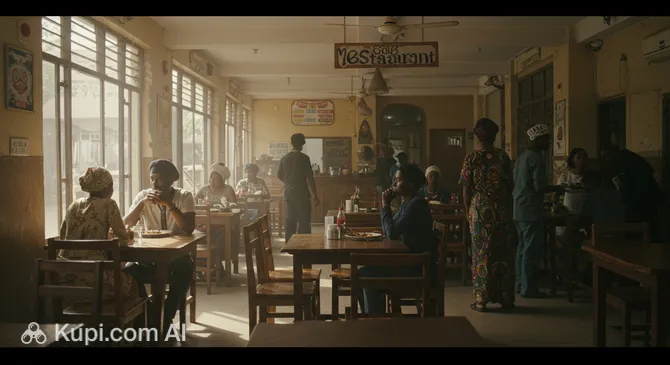
After a day of exploration, you can indulge in the local culinary scene at Ask Me Restaurant. This dining spot has earned a reputation for serving authentic Nigerian dishes in a welcoming atmosphere. It is an excellent place to recharge and sample local flavors, offering a taste of the city's vibrant hospitality to round off your tour.

Ask Me Restaurant. Source: Kupi.Binoculars

Local Cuisine

The culinary landscape of Jos is as unique as its geography. Thanks to the temperate climate on the plateau, the region is often celebrated for producing crops that are difficult to grow elsewhere in the country, such as Irish potatoes, strawberries, and crisp vegetables like carrots and green beans. This agricultural abundance means that the local food is exceptionally fresh, with many dishes featuring garden-to-table ingredients that give the cuisine a distinct and vibrant flavor profile.

A true staple of the region is Acha (fonio), a nutritious "hungry rice" grain that flourishes in the rocky soil of the plateau. Visitors should make it a priority to try Gwate, a savory porridge made from acha. It is traditionally cooked with a rich mix of vegetables, such as garden eggs, spinach, and onions, making it a hearty comfort food that perfectly complements the city's cool weather. Another popular delicacy is Masa, delicious fermented rice cakes that are pan-fried and typically served with a spicy vegetable soup or a dusting of yaji (pepper spice).

The local drinking culture offers its own set of unique tastes. Fura da Nono is a refreshing traditional beverage made from fermented cow milk (Nono) mixed with spiced millet balls (Fura), often enjoyed as a midday snack. For a non-dairy option, Kunu is a sweet and spicy grain drink that is widely loved. Travelers interested in traditional spirits might encounter Burukutu, a local alcoholic brew made from sorghum or guinea corn, which is often shared at social gatherings and local taverns.

Dining in the city offers a mix of casual street food experiences and relaxed restaurants. In the evenings, the aroma of Suya—spicy grilled meat skewers—fills the air around busy intersections and markets. For a sit-down meal where you can enjoy local and intercontinental flavors, Tin City Cafe is a well-known spot that reflects the city's modern yet historical vibe. Similarly, Ask Me Restaurant provides a welcoming environment for tourists to sample authentic Nigerian dishes prepared with a home-cooked touch.

Travel Tips

Planning a visit to the "Home of Peace and Tourism" requires a bit of specific preparation, as Jos offers a distinct experience compared to other Nigerian cities. To help you navigate the local lifestyle and make the most of your stay on the Plateau, here are some essential practical tips to keep in mind.

  1. Pack for the "Chill": Unlike the tropical heat typical of the region, the high altitude here means temperatures can drop significantly, especially in the evenings and during the rainy season. Bring a warm sweater, light jacket, or cardigan to stay comfortable at night. While casual wear is acceptable, it is best to dress modestly—covering shoulders and knees—particularly when visiting religious sites or traditional communities.

  2. Getting Around: For short distances within the city, the most popular and affordable mode of transport is the tricycle, locally known as Keke Napep. They are abundant and can weave through traffic easily. For longer trips or exploring attractions like Shere Hills, it is highly recommended to hire a private taxi or a car with a driver for the day. This offers more comfort, safety, and the flexibility to stop at scenic viewpoints.

  3. Cash is King: The local currency is the Nigerian Naira (NGN). While modern hotels and supermarkets in the city center accept debit cards, cash is essential for paying Keke drivers, buying fresh fruit from roadside vendors, or shopping in local markets. ATMs are widely available in commercial areas, but it is wise to withdraw enough cash before heading to more remote tourist sites where machines may be scarce.

  4. Health and Safety: Pharmacies are available in the city center, but you should pack a basic first-aid kit and any personal prescription medications. Despite the cooler climate, mosquitoes are still present, so carrying insect repellent and taking malaria prophylaxis is advisable. As a general safety precaution, stick to well-lit, busy areas and avoid traveling alone on the outskirts of the city late at night.

  5. Communication and Connectivity: English is the official language and is widely spoken, making communication relatively easy for tourists. However, learning a few phrases in Hausa, which serves as a regional lingua franca, goes a long way; a simple "Sannu" (Hello) will earn you warm smiles. Mobile networks like MTN and Airtel have good coverage; you can purchase and register a SIM card at official stores with your passport.

  6. Respect Local Etiquette: Greetings are a crucial part of the social culture here. It is polite to exchange pleasantries and ask about a person's well-being before jumping into a transaction or question. Always use your right hand when passing money, eating, or shaking hands, as using the left hand is considered culturally rude and unclean in many parts of the country.

  7. What to Avoid: Avoid taking photographs of government buildings, military checkpoints, or police officers, as this is strictly prohibited and can lead to confiscation of your camera. Additionally, refrain from discussing sensitive political or religious topics with strangers; the city is diverse, and it is best to keep conversations neutral and friendly.

  8. Bonus Tip - The Fruit Basket: Do not leave without trying the local produce! Jos is one of the few places where you can buy fresh, locally grown strawberries, blackberries, and grapes. Look for vendors along the roads leading into the city or near the markets—the fruit is incredibly fresh and much cheaper than in supermarkets elsewhere.

By keeping these practical pointers in mind, you will be well-equipped to enjoy the cool breeze, the stunning landscapes, and the warm hospitality that define this unique city. Have a safe and wonderful journey exploring the gems of the Plateau!

Entertainment & Nightlife

Entertainment in Jos offers a refreshing departure from the chaotic energy often found in other Nigerian cities. Thanks to its high altitude and temperate climate, the nightlife here is characterized by a "chill" vibe—literally and figuratively. Evenings are often spent in cozy open-air lounges, garden bars, or vibrant restaurants where the cool breeze complements the relaxed social atmosphere. Whether you are looking for a quiet place to sip a cocktail or a lively spot to enjoy music, the city has a growing number of venues that cater to diverse tastes.

The undisputed hub of upscale nightlife is the Rayfield district. This area is considered the most secure and sophisticated part of town, home to a high concentration of lounges, clubs, and hotels. Here, you will find a mix of expatriates, tourists, and locals enjoying the night. Venues like Skyline Lounge are popular for their rooftop views, allowing guests to take in the glittering city lights while enjoying grilled chops and drinks. Another favorite in this district is Varlaine Lounge, known for its classy ambiance and exclusive feel, making it a perfect spot for those who prefer a more polished evening out.

For a more casual or cultural experience, the city center around Ahmadu Bello Way offers a different rhythm. This area is bustling with activity and is a great place to start your evening with a hearty meal. Ask Me Restaurant is a fantastic choice for dinner, serving authentic local dishes that provide a solid foundation before a night of exploration. If you prefer a lighter, more bohemian vibe, Tin City Cafe is an excellent spot to relax with friends, offering a blend of modern café culture and local history that transitions well into the early evening.

Beyond bars and dining, Mees Palace Event Centre stands out as a premier entertainment destination. It houses one of the best cinemas in the region, making it the go-to place for catching the latest Nollywood and Hollywood blockbusters. The complex also hosts major concerts, comedy shows, and festivals, so it is always worth checking their schedule to see if your visit coincides with a live event. It serves as a comprehensive entertainment hub where families and groups can enjoy a safe and fun night out.

When planning a night out, keep in mind that the "J-Town" weather can get surprisingly cold after sunset. The best advice is to dress warmly; a jacket or sweater is essential, even if the day was warm. The dress code is generally smart-casual—jeans and a nice shirt will fit in almost anywhere, though some upscale lounges in Rayfield appreciate a sharper look. Prices are relatively affordable compared to Lagos or Abuja, with beers and cocktails reasonably priced, making it easy to enjoy a full night without breaking the bank.

Safety and transport are important considerations. While Jos is welcoming, it is advisable to stick to well-lit, popular areas like Rayfield and avoid walking alone on quiet streets late at night. Public tricycles (Keke Napep) often stop running early in the evening, so for nightlife, you should rely on private taxis or car hire services. Arranging a drop-off and pick-up with a trusted driver is the safest and most convenient way to navigate the city after dark, ensuring you get back to your accommodation comfortably.

Parks & Museums

Jos is widely celebrated as one of the greenest and most culturally rich cities in the country, offering a refreshing blend of natural beauty and historical depth. The city's unique topography on the plateau allows for lush gardens and parks that are rare in other parts of the region, while its institutions preserve some of the most significant artistic treasures in West Africa.

Jos Wildlife Park is perhaps the most prominent natural attraction within the city limits. Spanning several square kilometers of pine forest and savannah, it offers a cool, shaded retreat that feels worlds away from the urban bustle. Visitors can explore winding nature trails, enjoy picnics under the canopy of exotic trees, and observe a variety of animals, including lions, elephants, and primates. The park also features a viewing tower that provides a sweeping panorama of the city and the surrounding undulating landscape.

For a more manicured experience, the Solomon Lar Amusement Park serves as a popular recreational spot right in the heart of the city. Known for its tall trees and serene atmosphere, it is a favorite destination for families and groups looking to relax on the grass or enjoy a quiet afternoon walk. Another scenic gem is the Rayfield Resort, a leisure center built around the beautiful man-made lakes created by former tin mining activities. It offers opportunities for boating and fishing, making it a picturesque location for sunset views.

Culturally, the city is anchored by the National Museum Jos, which is among the most important museums in Nigeria. Founded in 1952, it is world-renowned for its extensive collection of Nok terracotta figures, which date back to 500 BC and represent some of the earliest known sculptures in sub-Saharan Africa. The museum also houses a pottery hall that displays traditional earthenware from across the nation, showcasing the incredible craftsmanship of various Nigerian ethnic groups.

Within the museum complex lies the Museum of Traditional Nigerian Architecture (MOTNA), a fascinating open-air exhibit that architectural enthusiasts will adore. This unique section features life-size replicas of iconic Nigerian structures, such as the Walls of Kano, the Zaria Mosque, and the Palace of the Ooni of Ife. It serves as a preservation centre, allowing tourists to walk through the country's diverse architectural history in a single visit.

For an authentic local experience, try visiting the Naraguta Leather Works, located just outside the main city area. While not a traditional museum, it functions as a living gallery where you can watch skilled artisans cure leather and craft shoes, bags, and mats using centuries-old techniques. It is an excellent place to understand the region's craftsmanship and pick up a high-quality, handmade souvenir.

Getting Around

Navigating the city is an experience quite distinct from the structured transit systems found in many international capitals, as there are no metros, trams, or trains operating for inner-city passenger travel. Instead, the public transport network is informal and road-based, relying on a mix of privately owned vehicles that serve the population. This decentralized system is effective and affordable, though it requires a bit of local knowledge to use efficiently.

The most common and convenient mode of transport for short to medium distances is the tricycle, locally referred to as Keke Napep. These three-wheeled vehicles are ubiquitous, painted in yellow and green, and are favored for their ability to weave through traffic and navigate the hilly terrain. They typically carry up to three passengers and operate on a shared basis, dropping people off along the way. For longer commutes across town, small commercial minibuses are the standard, running on set routes between major terminals and key intersections.

The payment system is strictly cash-based. There are no travel passes, smart cards, or mobile ticketing apps available for public transit. Fares are generally fixed for specific routes when using shared transport, but it is essential to carry small denominations of the local currency, as drivers often struggle to find change for large bills. If you opt for a "drop"—which means chartering a taxi or tricycle for a private ride directly to your destination—you must negotiate the fare with the driver before getting into the vehicle.

For tourists, relying on shared public transport can be an adventure, but safety and timing are important considerations. Transport services are most reliable during daylight hours, roughly from 6:00 AM to 7:00 PM. Availability decreases sharply after dark, and it is advisable to avoid public transit late at night. Additionally, while commercial motorcycles (Okada) are popular in other regions, they are largely restricted or banned in major parts of the city center for security reasons, so do not expect to find them as a transport option downtown.

Given that modern ride-hailing apps are not widely established or reliable here compared to larger metropolises, the best alternative for a stress-free visit is to hire a private car with a driver. This service can typically be arranged through hotels or local travel agencies. Renting a car with a driver ensures comfort, provides a secure place to leave your belongings while sightseeing, and offers the flexibility to explore remote attractions like the waterfalls and hills without the hassle of constantly flagging down vehicles.

Accommodation

Where to Stay:

Finding the right place to stay in Jos is relatively straightforward, as the city offers a welcoming range of accommodation options that cater to different preferences and budgets. While it may not have the ultra-luxury skyscrapers found in Nigeria's largest metropolises, the city prides itself on providing comfortable, clean, and secure lodgings. The selection spans from affordable guesthouses and functional mid-range hotels to more upscale resorts that take advantage of the region's scenic beauty and cool climate.

For tourists, the location is key to a relaxing experience. The most popular and recommended area for visitors is Rayfield. Known as the affluent and secure district of the city, Rayfield hosts many of the top-rated hotels and offers a serene environment away from the city center's noise. Another excellent choice is the Government Reservation Area (GRA). This neighborhood is characterized by its tree-lined streets and colonial-era architecture, offering a quiet and atmospheric setting that is still convenient for reaching major attractions like the museum.

In terms of pricing, accommodation in Jos is generally more affordable than in Abuja or Lagos. Budget travelers can find basic but decent rooms in the city center, while mid-range and luxury options in Rayfield or GRA provide amenities such as Wi-Fi, restaurants, and secure parking. When it comes to booking, while some major establishments are listed on international travel websites, many local hotels operate more traditionally. It is often effective to book directly by phone or upon arrival, although using online platforms is becoming increasingly reliable for the larger hotels.

Travel Tip: If you plan to visit during major local events or the peak holiday season in December, it is highly advisable to book your accommodation well in advance. The city is a favorite getaway for domestic tourists seeking the cool weather, and the best rooms in prime locations like Rayfield tend to fill up quickly during these periods.

Nearby Cities

For those looking to explore the surroundings, Jos serves as an excellent base for day trips to several interesting nearby locations:

Bauchi is the closest major city and serves as a significant cultural gateway to the northeastern region. Located just a few hours away, it is historically renowned as the home of Nigeria's first Prime Minister, Sir Abubakar Tafawa Balewa, whose tomb is a major landmark. The city offers a transition from the rocky plateau to the savannah plains and is often the starting point for travelers heading towards the famous Yankari Game Reserve, making it an exciting stop for history and nature lovers alike.

To the southwest lies Abuja, the nation's capital and a stark contrast to the ancient rock formations of Jos. Known for its modern architecture, well-planned road network, and the imposing Aso Rock, Abuja represents the contemporary face of the country. A visit here allows tourists to explore impressive national monuments, such as the National Mosque and the National Christian Centre, or enjoy the serene beauty of Millennium Park before returning to the cooler climate of the Plateau.

Kaduna offers another compelling option for a short excursion. As a former political capital of Northern Nigeria, it is a bustling hub of commerce and history. The city is bisected by the Kaduna River and features interesting colonial-era bridges and busy markets. It provides a deeper insight into the industrial and political heritage of the region, offering a lively urban atmosphere that complements the more laid-back vibe of Jos.

City Population Distance (km)
Kano 3,848,885 235
Abuja 3,770,000 176
Kaduna 760,084 170
Bauchi 693,700 117
Jalingo 660,213 298

These nearby destinations offer a glimpse into the diverse culture and landscapes of the region.

Shopping & Souvenirs

Shopping in Jos is a vibrant and authentic experience that centers more on local craftsmanship and agricultural bounty than on high-end luxury retail. The city is known as a commercial hub for the Plateau, offering a unique variety of goods that reflect its cultural diversity and cool climate. Visitors will find that the shopping scene is dominated by bustling open-air markets and specialty workshops rather than sprawling modern shopping complexes, making it an excellent destination for finding one-of-a-kind handmade items and fresh, organic produce.

The heartbeat of the city's commerce is undoubtedly the Terminus area. Located in the city center, this district is a hive of activity where traders sell everything from textiles and electronics to household goods. While the original ultra-modern market structure was affected by fire years ago, the surrounding streets remain the primary commercial destination for locals. Ahmadu Bello Way is another major artery lined with banks, boutiques, and plazas, offering a more organized shopping environment for those looking for clothing, fabrics, and general supplies.

While Jos does not boast the massive mega-malls found in Lagos or Abuja, it has several smaller shopping plazas and supermarkets that cater to modern needs. These establishments provide a comfortable, air-conditioned experience where you can purchase groceries, toiletries, and imported goods. They are mostly located in the business districts and serve as convenient stops for travelers needing essential supplies during their stay.

The true charm of shopping here lies in the specialized markets. Given the region's reputation as the "Food Basket of Nigeria," visiting a local food market is a must. Farin Gada Market is renowned for its wholesale vegetables, particularly tomatoes and potatoes, while roadside stalls throughout the city offer baskets of fresh strawberries, carrots, and garden eggs that are incredibly cheap and fresh. For those interested in thrift shopping, Katako Market is a well-known spot for second-hand clothing and vintage finds, often referred to locally as "Okrika."

When it comes to souvenirs, Naraguta Leather Works is the premier destination. Here, you can purchase high-quality handmade leather goods, including sandals, bags, and mats, directly from the artisans who craft them. Another excellent keepsake is local pottery; the shop at the National Museum offers beautifully crafted ceramic pots and traditional wares. Additionally, due to the region's mining history, you may find vendors selling semi-precious stones like aquamarine and topaz, though it is important to buy these from reputable dealers.

Most shops and markets operate from around 8:00 AM to 6:00 PM, Monday through Saturday. Sundays are generally quiet, with many businesses closed for religious observance. Cash is the primary method of payment, especially in open markets, roadside stalls, and smaller shops. While larger supermarkets and hotels accept debit cards, it is essential to carry sufficient Nigerian Naira (NGN) in smaller denominations for everyday purchases and bargaining, which is a standard practice in the markets.

Tax-free shopping or VAT refund schemes are not typically available for tourists in local markets or standard retail stores in Jos. The price you negotiate or see on the shelf is the final price you pay. Travelers should focus on the value obtained through bargaining and the low cost of locally produced goods rather than expecting formal tax refunds at the airport.

Reached the end of the page?

That means the route is fully explored