Support

Gombe

About

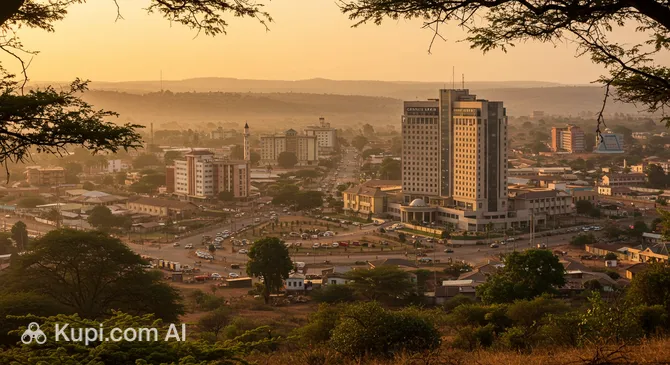
Welcome to Gombe, a vibrant and rapidly developing city often affectionately known as the "Jewel in the Savannah." Located in the northeastern region of Nigeria, it serves as the capital of Gombe State and stands as a significant commercial and administrative hub. With a population of over 270,000 residents, the city offers a unique blend of urban energy and the serene, open landscapes characteristic of the savannah belt.

Gombe. Source: Kupi.Binoculars

The city is renowned for its welcoming atmosphere and rich cultural heritage. To truly appreciate its significance, visitors should delve into the history of Gombe, which is deeply rooted in the legacy of the Gombe Emirate. The city has evolved from a traditional settlement into a modern center while preserving its historical identity, visible in its local customs and community life.

Travelers exploring the area will find several points of interest. The majestic Emir's Palace is a central landmark, showcasing traditional architecture and serving as the heart of the city's cultural festivities. Nearby, the bustling local markets offer a glimpse into the daily life and commerce of the region. For those interested in nature and engineering, the Dadin Kowa Dam, located just a short distance from the city, provides picturesque views and is a testament to the region's development.

Whether you are passing through on business or seeking to explore the cultural tapestry of the north, Gombe invites you to experience its warm hospitality and distinct charm. It is a destination that promises a peaceful and engaging stop on your journey.

Weather Overview

Travelers planning a visit to this region should prepare for a tropical climate defined by distinct wet and dry seasons. To pack appropriately, it is helpful to check the current weather in Gombe, as conditions vary significantly throughout the year. Generally, the city remains warm, with average monthly temperatures ranging from approximately 23.5°C in the cooler months to highs of 32.0°C during the hottest period.

The dry season, which spans from November to April, is characterized by arid conditions and virtually no rainfall. This is also when the temperatures fluctuate the most; April is typically the hottest month, with scorching highs reaching up to 38.5°C. Conversely, the months of December and January offer the most comfortable weather, with cooler average temperatures around 24°C and pleasant nights where the minimum can drop to 16.1°C.

From May to October, the wet season takes over, bringing frequent precipitation and slightly lower daily temperatures. August is the peak of this season, experiencing rain on about 24 days of the month. While the humidity rises during this time, the rains transform the surrounding savannah landscape into lush greenery, offering a different perspective of the state.

Interesting Facts

Beyond the main attractions, Gombe holds many fascinating secrets that reveal its depth as a cultural and geographic hub. From unique wildlife encounters to significant historical shifts, the city offers more than meets the eye.

  • A Tale of Two Capitals: The city known as Gombe today was not always the seat of power. The original headquarters of the Gombe Emirate was Gombe Abba, located about 85 kilometers away. The capital was moved to its current location in the early 20th century to benefit from the newly constructed railway and better trade accessibility.

  • Home to Hippos: While the Dadin Kowa Dam is celebrated for providing electricity and water, it also creates a unique ecosystem. The reservoir serves as a habitat for a population of hippopotamuses, making it a surprising spot for wildlife enthusiasts visiting the region.

  • The Legend of Bima Hill: Just a short distance from the city stands Bima Hill, a striking geological formation believed to be an ancient volcanic plug. It figures prominently in local folklore and serves as a majestic natural landmark visible from various points in the state.

  • A Cotton Stronghold: Historically, the city flourished as a key center for the cotton trade in Nigeria. Its strategic position turned it into a vital hub for agricultural commerce, a legacy that continues to influence its bustling markets and economy today.

How to Get There

Reaching this part of the country is relatively straightforward, with air travel being the most convenient option for most visitors. For a complete guide on travel options and routes, you can read more about how to get to Gombe to help plan your journey effectively.

The primary gateway to the city is Gombe Lawanti International Airport (GMO), which is strategically situated to serve the state. Located approximately 30 km from the city center, the airport handles domestic flights and connects the region to major hubs like Abuja. A trip from the airport to the downtown area by taxi or shuttle typically takes approximately 30 to 45 minutes.

Alternatively, travelers can consider flying into Bauchi Airport (BCU) in the neighboring city of Bauchi. This airport is about 149 km away from Gombe. While it is further afield, it serves as a viable backup option. The journey by road from Bauchi to Gombe usually takes around 2.5 to 3 hours via taxi or bus, allowing visitors to see more of the surrounding landscapes.

For clarity, here is a summary of the main airports:

Airport Name City Passenger Traffic Km from City
Yola Airport Yola Medium 178.3
Garoua Airport Garoua Medium 262.6
Jos Airport Jos Medium 262.3
Gombe Lawanti International Airport Gombe Medium 30.1
Bauchi Airport Bauchi Small 148.6

While the region was historically connected by rail, current train services may be limited or irregular. Visitors who prefer land travel often rely on the extensive road network connecting Gombe to neighboring states. Inter-city buses and private taxis are readily available, offering a practical alternative for those traveling from nearby cities where flight connections might be less frequent.

Main Attractions

Visitors to Gombe will find a compelling mix of cultural landmarks and breathtaking natural scenery. The city and its surroundings offer a variety of sites that cater to history buffs, nature lovers, and adventure seekers alike. From the regal atmosphere of traditional institutions to the serenity of vast landscapes, the attractions here paint a vivid picture of the region's diversity.

Gombe Emir's Palace stands as the architectural and cultural centerpiece of the city. More than just a residence for the traditional ruler, it is a symbol of the area's heritage. The palace complex displays a fascinating blend of traditional and modern architectural styles, often serving as the venue for colorful festivals and community gatherings. A visit here provides deep insight into the customs and administrative history of the region.

For those seeking outdoor recreation, the Dadin Kowa Dam is a must-visit destination located just outside the city limits. This massive reservoir is not only vital for power and irrigation but also serves as a leisure hub. The calm waters are ideal for relaxation, and the surrounding area is perfect for picnics. It is also a known habitat for wildlife, offering a rare chance to observe nature in a tranquil setting.

A short drive from the capital leads to the spectacular Tula Highlands. Often admired for their temperate climate and rugged terrain, the highlands are famous for the winding road that cuts through the hills, offering a thrilling drive. The area provides panoramic views, unique rock formations, and a chance to experience the distinct culture of the local communities residing in the mountains.

Another significant natural landmark is Bima Hill. Rising majestically from the plains, this dormant volcanic plug is steeped in local folklore and history. It is a popular spot for hiking enthusiasts who want to enjoy sweeping views of the savannah. The hill's imposing presence makes it one of the most photogenic sites in the state.

Local Cuisine

Exploring the culinary landscape of Gombe offers a delicious insight into the rich traditions of Northern Nigeria. The local cuisine is characterized by hearty, grain-based meals, savory soups, and an abundance of fresh meat and produce. Visitors will find that the food here is not just about sustenance but is a vibrant part of the daily culture, deeply rooted in the agricultural prosperity of the region.

One of the staples you must try is Tuwo Shinkafa, a soft, mashed rice dish served as a "swallow" to accompany various soups. It is frequently paired with Miyar Kuka, a dark green soup made from powdered baobab leaves, which is a signature dish in this part of the country. Another breakfast favorite is Masa (or Waina), which are soft, fermented rice cakes fried in a custom pan. These are typically enjoyed with a spicy pepper sauce or a rich peanut-based soup, offering a unique texture and tangy flavor.

For meat lovers, the street food scene is dominated by Suya and Kilishi. Suya consists of spicy, skewered beef grilled over an open flame, often served with sliced onions and tomatoes. Kilishi is its dried counterpart—a jerky-like delicacy seasoned with a paste of peanuts and spices, making it an excellent souvenir or travel snack. The aroma of grilling meat is a common feature of the city's evening atmosphere.

When it comes to drinks, the region is famous for Fura da Nono, a traditional beverage made from millet balls (Fura) mixed with fermented cow’s milk (Nono). It is a refreshing, nutritious drink often sold by local vendors. Kunu, a grain-based drink made from millet, sorghum, or maize, is another popular non-alcoholic option. While alcohol is not a prominent part of the traditional diet due to local customs, it is available for tourists in hotel bars and specific restaurants.

Dining in Gombe is a casual and communal affair. While there are modern restaurants, the most authentic flavors are often found in local "bukas" and open-air markets. These spots offer a welcoming environment where you can observe the preparation of dishes and enjoy fresh, locally sourced fruits like mangoes and oranges, which thrive in the state's fertile soil.

Travel Tips

Visiting Gombe offers a unique opportunity to experience the warmth and culture of Northern Nigeria. To make your journey as comfortable and culturally respectful as possible, keep these practical tips in mind while packing and planning your daily itinerary.

  1. Clothing and Gear: Given the warm, tropical climate, lightweight and breathable fabrics like cotton are essential. However, modesty is highly valued in this region; both men and women should avoid revealing clothing. Women are advised to wear loose-fitting clothes that cover the shoulders and knees, and carrying a scarf is useful for visiting cultural or religious sites. Don't forget sunglasses, a wide-brimmed hat, and sturdy walking shoes for exploring the terrain.
  2. Transportation: The most popular and convenient way to get around the city is by tricycle, locally known as Keke NAPEP. They are affordable and readily available. Taxis are also an option, particularly for longer distances or airport transfers. Ride-hailing apps are not widely established here, so it is best to arrange car rentals with a driver through your hotel or a reputable local agency for convenience and safety.
  3. Finances: The official currency is the Nigerian Naira (NGN). While major hotels and some modern supermarkets accept debit cards (Visa and Mastercard), cash is the primary mode of payment for local transport, markets, and smaller eateries. ATMs are available within the city, particularly near bank branches, but it is wise to carry sufficient cash in smaller denominations for daily expenses.
  4. Health and Safety: Gombe is generally peaceful, but standard travel precautions apply. Avoid walking alone in poorly lit areas at night and keep your valuables secure. Pharmacies are available in the city center for basic needs, but for any serious medical issues, seek advice from your hotel or visit the Federal Teaching Hospital. Always drink bottled water rather than tap water to stay healthy.
  5. Communication: English is the official language and is spoken in business and government settings. However, Hausa is the dominant language on the streets. Learning a few basic greetings like "Sannu" (Hello) or "Na gode" (Thank you) goes a long way in building rapport with locals. Major mobile networks like MTN and Airtel offer good coverage; buying a local SIM card with a data plan is recommended for reliable internet access.
  6. Local Etiquette: Greetings are a vital part of the social fabric; it is polite to ask about a person’s well-being before starting a transaction or conversation. Always use your right hand for eating, giving, or receiving items, as using the left hand is considered culturally rude. When taking photos of people, especially elders, always ask for permission first.
  7. What to Avoid: Public displays of affection are frowned upon and should be avoided. Additionally, refrain from wearing very short skirts or sleeveless tops in public markets or residential areas, as this can be seen as disrespectful to local conservative norms.
  8. Shopping Tip: If you visit the Gombe Main Market, be prepared to haggle. Bargaining is a friendly and expected part of the shopping experience. Also, keep in mind that many shops may close briefly on Friday afternoons for Juma'at prayers, so plan your shopping schedule accordingly.

By respecting these local customs and preparing for the climate, you will find the people of Gombe to be incredibly hospitable and welcoming. Embrace the slower pace of life and enjoy the authentic experiences this "Jewel in the Savannah" has to offer.

Entertainment & Nightlife

Entertainment in Gombe is deeply rooted in the region's rich cultural heritage and community-spirited lifestyle. Unlike the bustling nightlife found in some cosmopolitan centers, leisure activities here revolve around traditional festivities, spirited sports events, and social gatherings. Visitors will find that the city's charm lies in its vibrant daily interactions and the colorful celebrations that bring the community together.

One of the most spectacular cultural experiences is the Durbar festival, typically held during the major Eid celebrations. This grand equestrian parade features the Emir and his entourage dressed in elaborate, colorful regalia, riding adorned horses through the streets. It is a mesmerizing display of tradition, accompanied by the rhythmic beating of drums, singing, and dancing, offering a captivating spectacle for any traveler lucky enough to visit during the festive season.

For sports enthusiasts, the Pantami Stadium is the heartbeat of the city's modern entertainment. As the home ground of Gombe United F.C., known affectionately as the "Savannah Scorpions," the stadium draws passionate crowds on match days. Attending a local football game here is a thrilling way to experience the energy of the residents and witness the intense love for the sport that pervades Nigeria.

Those seeking a more relaxed pace can explore the bustling Gombe Main Market. While primarily a commercial hub, it offers a sensory adventure where visitors can immerse themselves in the local atmosphere. Browsing through stalls of vibrant fabrics, handcrafted goods, and spices is not just about shopping; it is an opportunity to engage with friendly locals and observe the city's dynamic social fabric up close.

In the evenings, the social scene often centers around traditional tea spots, known locally as Mai Shayi joints. These open-air gathering places are where residents come together to sip hot tea, enjoy fresh bread or fried eggs, and discuss the day's events. Joining the locals at one of these spots provides an authentic and welcoming insight into the peaceful, communal way of life in Gombe.

Parks & Museums

While Gombe is primarily known as a commercial and administrative center, it offers pockets of serenity and deep cultural reservoirs for those who know where to look. The city's approach to leisure often blends natural landscapes with educational experiences, while its historical sites provide a tangible link to the powerful emirates of the past.

One of the most prominent green spaces in the city is the Gombe State University Zoo and Gardens. Located within the university campus, this facility serves as both a conservation center and a recreational spot for families and nature enthusiasts. It houses a variety of indigenous animal species, including lions, hyenas, and various primates, set amidst well-maintained botanical gardens. It is an excellent place for a quiet afternoon walk, offering a refreshing break from the city's hustle while providing an opportunity to learn about the region's wildlife.

Although the Dadin Kowa Dam is a major infrastructure project, its banks function as a de facto recreational park for the community. The waterfront area is a favorite for locals seeking fresh air and scenic beauty. Visitors can enjoy picnics by the water or take boat rides to explore the reservoir. The lush vegetation surrounding the water body contrasts sharply with the typical savannah terrain, creating a cool, relaxing microclimate that attracts birdwatchers and photographers alike.

For a dive into the region's history, the Bubayero Museum, often accessible through the Emir's Palace, is a significant cultural repository. The museum is dedicated to preserving the legacy of the Gombe Emirate, showcasing a collection of royal regalia, ancient weaponry, and traditional musical instruments. Visitors can view historical manuscripts and artifacts that tell the story of Buba Yero, the founder of the emirate, providing context to the traditions that still influence the city today.

History buffs should also consider a trip to Gombe Abba, the historical original capital of the emirate located about 85 kilometers from the modern city. While not a museum in the traditional sense, this site functions as an open-air historical landmark. It houses the Tomb of Buba Yero and other significant figures. The ruins and the preserved burial sites offer a solemn and atmospheric glimpse into the 19th-century history of the region, making it a worthwhile pilgrimage for those interested in the Fulani Jihad era and colonial history.

For a truly authentic experience, explore the smaller community gardens often found near the major mosques or government quarters in the evenings. These unpretentious spots are where the local "tea culture" thrives. Sitting on a mat, sipping hot tea, and listening to local stories in the cool evening breeze offers a genuine connection to the city's social rhythm that no formal museum can replicate.

Getting Around

The public transport system in Gombe is primarily road-based and informal, characteristic of many cities in this region. Visitors should not expect to find complex subway networks, trams, or trolleybuses. Instead, the city relies on a network of tricycles, motorcycles, and taxis that provide flexible and accessible mobility across the urban area. The system is decentralized, meaning there are no strict timetables or official route maps, but vehicles are abundant and easy to find.

The most popular and ubiquitous mode of transport is the yellow tricycle, locally known as Keke NAPEP. These vehicles serve as the backbone of intra-city travel, offering a balance between affordability and comfort. They typically seat up to three passengers behind the driver and are ideal for short to medium distances. For faster, albeit riskier, travel, motorcycle taxis known as Achaba are also available. They can navigate traffic quickly but are generally less safe than tricycles; tourists are advised to use them with caution and always request a helmet.

Payment for all forms of public transport is strictly cash-based. There are no travel cards, electronic passes, or mobile ticketing apps currently in use for local transit. Passengers must pay the driver directly in the local currency. Fares are generally low but are often subject to negotiation, especially for visitors who may not know the standard rates. It is highly recommended to carry smaller denominations of cash, as drivers may struggle to find change for large bills.

For a hassle-free experience, it is crucial to agree on the fare before starting your journey. While Keke riders often have standard charges for specific zones, clarifying the price upfront prevents misunderstandings. Transport services are most reliable during daylight hours, typically running from early morning until around 9:00 PM. Late-night public transport can be scarce and is generally not recommended for tourists due to safety concerns; it is better to arrange private transport after dark.

If you prefer more comfort or privacy, standard taxis are available, though they are less common than tricycles for short hops. They can often be found at designated motor parks or major landmarks. For those planning to explore the city extensively or visit surrounding attractions like the Dadin Kowa Dam, the best alternative is hiring a car with a driver. This service can usually be arranged through hotels or local travel agencies, providing a safe, air-conditioned, and convenient way to navigate the area at your own pace.

Accommodation

Finding a place to stay in Gombe is a relatively straightforward experience, with options catering primarily to business travelers and visitors exploring the northeastern region. The accommodation landscape is dominated by budget-friendly guest houses and mid-range hotels. While the city does not feature extensive luxury resorts or international hotel chains, the local establishments are known for their warm hospitality, decency, and essential amenities suitable for a comfortable stay.

The most popular area for tourists and business guests is the Government Reservation Area (GRA). This neighborhood is generally considered the most secure and well-developed part of the city, offering a tranquil environment away from the noise of the commercial districts. Staying in the GRA or along the major arterial roads, such as the Bauchi-Gombe Road, places you within easy reach of key administrative centers and provides better access to reliable infrastructure like power and water supply.

When it comes to securing a room, the process is slightly different from major tourist hubs. While a few of the top-tier local hotels may have a presence on international booking websites, many establishments in Gombe operate offline. It is often most effective to book directly by calling the hotel or arranging a stay through a local contact. If you are visiting during major cultural events like the Eid Durbar festival, it is highly advisable to book well in advance, as the best rooms tend to sell out quickly.

Price-wise, accommodation in Gombe is very affordable compared to cities like Abuja or Lagos. Travelers can expect budget and mid-range prices that offer good value, typically including air conditioning and on-site restaurants serving local cuisine. Be prepared to pay in cash or via local bank transfer upon arrival, as card payment facilities (POS) can sometimes be unreliable due to network issues.

Nearby Cities

For those looking to explore the surroundings, Gombe serves as an excellent base for day trips to several interesting nearby locations. The region is dotted with historic towns and scenic capitals that provide a deeper understanding of Northern Nigeria's diversity.

One of the most accessible destinations is Bauchi, located to the west. As a neighboring state capital, it is rich in history and serves as a gateway to the famous Yankari Game Reserve. The city itself is known for the tomb of Sir Abubakar Tafawa Balewa, a significant national monument, and its welcoming atmosphere makes it a worthwhile stop for culture seekers.

Further afield lies Jos, often referred to as the "Home of Peace and Tourism." Famous for its uniquely cool climate and spectacular rock formations, the city offers a refreshing escape from the heat of the savannah. Visitors are drawn to its dramatic landscapes, including the Shere Hills, and its vibrant artistic community.

To the east sits Yola, the capital of Adamawa State. Nestled along the Benue River, it is celebrated for its scenic beauty and the rolling hills that surround it. It is a center of Fula culture and offers a tranquil environment for those looking to experience the riverine landscapes and traditional emirate architecture.

City Population Distance (km)
Maiduguri 1,197,497 276
Bauchi 693,700 146
Jalingo 660,213 155
Jos 622,802 257
Yola 392,854 188

These nearby destinations offer a glimpse into the diverse culture and landscapes of the region, making them excellent options for extending your travel itinerary.

Shopping & Souvenirs

Shopping in Gombe offers travelers an authentic glimpse into the commercial soul of Northern Nigeria. Unlike the polished, high-end retail experiences found in major global capitals, the shopping scene here is vibrant, informal, and deeply rooted in traditional trade. The city serves as a regional economic hub, meaning visitors can find a wide array of goods ranging from agricultural produce to locally crafted items. The experience is less about browsing luxury brands and more about discovering unique local treasures and engaging with the friendly community.

The primary destination for any shopper is the Gombe Main Market (often referred to as the Central Market). Located in the heart of the city, this sprawling marketplace is the epicenter of daily life. It is organized into various sections, with specific areas dedicated to textiles, foodstuffs, electronics, and household goods. The atmosphere is energetic and can be noisy, but it provides the best opportunity to see the variety of products that drive the local economy.

While Gombe does not boast massive, western-style shopping malls, there are several smaller shopping plazas and complexes scattered throughout the city center. These modern establishments offer a more relaxed environment where you can purchase everyday essentials, fashion, and electronics. They are good alternatives for travelers looking for fixed prices and air-conditioned comfort, contrasting with the hustle of the open-air markets.

For those interested in specialized local products, the Old Market (Tsohon Kasuwa) is another spot worth visiting. It is particularly known for traditional items and serves as a trading ground for goods coming in from the surrounding rural areas. If you are interested in the region's agricultural fame, visiting the grain sections of the markets reveals why Gombe is a key player in the nation's food supply, with mountains of beans, maize, and groundnuts on display.

When looking for souvenirs, the best buys are undoubtedly locally produced handicrafts. Northern Nigeria is famous for its leatherwork, so look out for handmade sandals, bags, and wallets, which are often of high quality and durability. Additionally, vibrant textiles and fabrics are a great choice; you can find beautiful Ankara prints or traditional woven materials that make for excellent gifts or keepsakes. Hand-carved calabashes and woven mats are also popular, reflecting the artistic heritage of the state.

Business hours generally run from around 8:00 AM to 6:00 PM, Monday through Saturday. However, it is important to note that many shops and market stalls may close briefly or operate with reduced staff on Friday afternoons to observe Juma'at prayers. Sunday hours can be shorter or more relaxed.

Regarding payment, cash is king in Gombe. While some modern supermarkets and hotels in the city center may accept debit cards, the vast majority of vendors in markets and smaller shops deal exclusively in Nigerian Naira. It is advisable to carry sufficient cash in smaller denominations. Furthermore, bargaining is an essential skill here; prices in the markets are rarely fixed, and negotiating with a smile is part of the cultural interaction that is expected and enjoyed by locals.
Reached the end of the page?

That means the route is fully explored