Support

Garoua

About

Welcome to Garoua, a vibrant and strategically important city located in the northern part of Cameroon, United Republic Of. As the capital of the North Region, it serves as a bustling hub of commerce and culture, sitting gracefully on the banks of the Benoué River. With a population of approximately 600,000 inhabitants, it is one of the country's major urban centers, known for its lively atmosphere and welcoming locals.

The city is renowned for its hot, semi-arid climate and distinctive landscape, which transitions into lush greenery during the rainy season. Garoua has long been a center for the textile industry and river trade, playing a vital role in the regional economy. Visitors interested in the past can explore the fascinating history of Garoua, which reveals its development from a traditional settlement into a modern economic powerhouse.
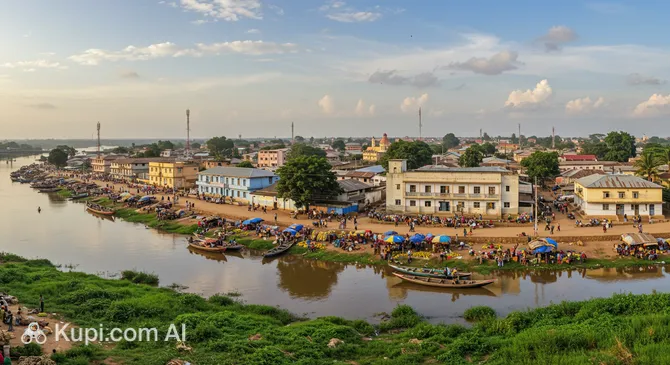
Garoua. Source: Kupi.Binoculars

Travelers often use Garoua as a gateway to some of the region's most spectacular natural attractions. It is an excellent starting point for safaris to the nearby Benoué National Park, a haven for wildlife enthusiasts hoping to spot hippos, antelopes, and various bird species. Within the city itself, the artisanal markets offer a chance to admire and purchase locally made crafts, leather goods, and textiles that reflect the rich cultural heritage of the area.

Whether you are passing through on your way to a wildlife adventure or staying to experience the local urban life, Garoua offers a unique blend of authentic Cameroonian culture and natural beauty. It is a destination that promises memorable encounters and a warm introduction to the northern provinces.

Weather Overview

The climate in this region is generally hot and distinct, characterized by a long dry season and a shorter, intense rainy period. Travelers planning a trip should be prepared for high temperatures year-round, as the weather in Garoua often sees daily highs climbing well above 30°C. The heat is most intense in March and April, where average temperatures hover around 34°C and maximums can exceed 40°C.

Precipitation patterns are sharply divided throughout the year. From November to March, the city experiences a completely dry spell with 0mm of rainfall and no wet days, making it an ideal time for outdoor activities if you can handle the heat. In contrast, the rainy season begins in May and peaks in August, which sees about 22 wet days, bringing slightly cooler average temperatures of roughly 26.8°C and lush transformations to the landscape.

Interesting Facts

Beyond the main attractions and bustling markets, Garoua holds many fascinating secrets that reveal its unique character and historical significance. This northern hub is not just an administrative center but a city with a distinct identity shaped by its geography and prominent figures.

  • Presidential Hometown: Garoua is famous as the birthplace of Ahmadou Ahidjo, the first president of Cameroon. His connection to the city significantly influenced its development, leading to the construction of major infrastructure, including an international airport that is surprisingly large and well-equipped for a regional capital.

  • A Football Powerhouse: The city is the proud home of Coton Sport FC de Garoua, one of the most successful football clubs in the nation's history. Unlike many other top teams based in the capital or coastal cities, this club has dominated the national league for decades and frequently represents the country in prestigious continental competitions.

  • The Green City of the North: Despite its location in the hot, semi-arid Sahel region, Garoua is notably greener than many of its neighbors. It is often called a "garden city" thanks to the thousands of neem trees planted along its avenues, which provide essential shade and create a refreshing microclimate during the intense dry season.

  • A Seasonal Port: The city sits on the Benoué River, which serves as a vital commercial link to Nigeria. However, the river port operates on a strictly seasonal basis; it is navigable for barges only during the rainy season when water levels rise sufficiently, making the timing of trade heavily dependent on the weather.

How to Get There

Reaching this northern hub is relatively straightforward, with air travel being the most efficient method for most visitors. For a comprehensive overview of all transport options, you can read more about how to get to Garoua. The city is served directly by Garoua Airport (IATA: GOU), which is conveniently located just 3 km from the center. This proximity makes arrival very easy, with a taxi or bus ride taking approximately 5-10 minutes. The airport handles a moderate volume of regional traffic, serving as a key gateway to the North Region.

Travelers may also consider airports in neighboring cities, though this involves a longer transfer by road. Yola Airport (IATA: YOL) is situated about 106 km away, and Maiduguri Airport (IATA: MIU) is approximately 282 km away. It is important to note that both Yola and Maiduguri are located in Nigeria; therefore, choosing these options requires crossing an international border to reach Garoua. For a domestic alternative within Cameroon, Salam (IATA: MVR) in the city of Maroua is located approximately 157 km away, with a ground transfer taking roughly 4 hours and 15 minutes.

For clarity, here is a summary of the main airports:

Airport Name City Passenger Traffic Km from City
Maiduguri Airport Maiduguri (Nigeria) Medium 282.2
Yola Airport Yola (Nigeria) Medium 106.0
Garoua Airport Garoua Small 3.0
Salam Maroua Small 156.7
Ngaoundéré Ngaoundere Small 217.9

Main Attractions

Benoué National Park is undoubtedly one of the most significant draws for visitors to the region. Located a short distance south of the city, this UNESCO Biosphere Reserve offers a classic safari experience. It is famous for its diverse wildlife, including hippos, lions, and the majestic Lord Derby eland, which is the largest antelope in Africa. The park's landscape is defined by the river that runs through it, creating lush habitats that attract herds of elephants and buffaloes, especially during the dry season.

For those interested in local culture and craftsmanship, the Garoua Artisanal Center is a must-visit destination. This vibrant hub showcases the region's rich artistic heritage, particularly its renowned leatherwork and textiles. Visitors can watch skilled artisans creating intricate bags, shoes, and woven fabrics, making it the perfect place to find unique souvenirs. The center also supports the local economy, allowing travelers to purchase authentic goods directly from the makers.

The Grande Mosquée de Garoua stands as a magnificent symbol of the city's spiritual and architectural identity. Recently renovated, this imposing structure dominates the skyline with its elegant minarets and spacious courtyards. It serves not only as a place of worship for the city's large Muslim community but also as a landmark that reflects the peaceful and traditional atmosphere of northern Cameroon. Its design blends modern techniques with traditional Sahelian influences.

A trip to the Lagdo Reservoir offers a refreshing escape from the city's heat. Created by the construction of a dam on the Benoué River, this vast artificial lake is surrounded by picturesque hills and greenery. It is a popular spot for fishing, boat rides, and picnics, offering stunning panoramic views of the water against the backdrop of the rugged landscape. The area is also a haven for birdwatchers, as the wetlands attract numerous species of waterbirds.

Finally, the banks of the Benoué River itself provide a scenic setting for leisurely walks and wildlife observation right near the city. Known for its "hippo pools," the river allows visitors to safely observe hippopotamuses in their natural habitat. In the late afternoon, the riverside becomes a tranquil spot to watch the sunset, observing the local fishermen returning with their catch in traditional wooden canoes.

Local Cuisine

The culinary scene in Garoua offers a fascinating taste of northern Cameroon, heavily influenced by the Sahelian climate and the traditions of the Fulani people. The local diet is rich in grains like millet, sorghum, and maize, which form the base of many meals, alongside a generous use of beef and dairy products due to the region's strong cattle-herding heritage. For food lovers, the city presents an authentic opportunity to explore robust flavors that are distinct from the cuisine found in the southern tropical regions.

One of the absolute must-try specialties in Garoua is Kilishi. This famous delicacy consists of thin strips of beef that are seasoned with a spicy peanut paste and dried in the hot sun. It is not just a snack but a culinary icon of the north, often purchased by visitors as a savory souvenir. Another staple is the Boule de Mil, a firm millet porridge typically eaten by hand and dipped into various rich sauces made from okra, baobab leaves, or peanuts. In the evenings, the aroma of Soya—spicy grilled meat skewers—fills the air, serving as a popular street food that brings locals together.

To quench your thirst in the sweltering heat, the city offers refreshing local beverages. Jus de Foléré (hibiscus juice) is a sweet, ruby-red drink found everywhere, known for its cooling properties. For those interested in traditional alcohol, Bil-bil is a locally brewed millet beer served in calabashes, playing a central role in social gatherings. Additionally, thanks to the abundance of cattle, fresh sweetened yogurt and Lait Caillé (curdled milk) are widely available and beloved by residents for breakfast or as a dessert.

Dining in Garoua is often a casual and communal affair. While there are standard restaurants, the true heart of the food culture beats in the open-air eateries and street stalls known locally as "tourne-dos." Here, you can enjoy fresh fish, particularly the Capitaine caught daily from the Benoué River, grilled to perfection over charcoal. The bustling markets are also excellent places to observe the daily rhythm of life and sample fresh fruits like mangoes and watermelons when in season.

Travel Tips

Visiting Garoua is a rewarding experience that offers a deep dive into the culture of northern Cameroon, but the region's distinct climate and customs require some preparation. To help you navigate the city with ease and respect for local traditions, here are some essential practical tips for your journey.

  1. Clothing and Gear: Due to the hot, semi-arid climate, pack lightweight, breathable fabrics like cotton or linen to stay cool. Since Garoua is a predominantly Muslim city, modesty is highly valued; both men and women should avoid revealing clothing. Always cover your shoulders and knees when exploring the city. A wide-brimmed hat, sunglasses, and high-SPF sunscreen are non-negotiable essentials to protect against the intense sun.

  2. Transportation: The most common and convenient way to get around is by moto-taxi, locally known as "benskin." They are affordable and can navigate traffic easily, but ensure you agree on the fare before hopping on. Shared yellow taxis are also available for longer distances. Car rentals are rare and typically come with a driver, which is a safer option if you are unfamiliar with the local driving style.

  3. Finances: The official currency is the Central African CFA franc (XAF). Cash is king in Garoua; credit cards are rarely accepted outside of major hotels or airline offices. ATMs are available in the city center but can occasionally be out of service, so it is wise to carry enough cash for your daily needs. Tipping is not mandatory but is appreciated for good service—leaving small change is a kind gesture.

  4. Health and Safety: The heat can be overwhelming, so staying hydrated is crucial; always drink bottled or filtered water and avoid tap water. Malaria is a risk throughout the region, so bring appropriate medication and use insect repellent, especially in the evenings. Pharmacies are available in the city center, but for serious medical issues, the Regional Hospital of Garoua is the main facility. Generally, the city is safe, but avoid walking alone in poorly lit areas at night.

  5. Communication: French is the primary language for administration and business. While English is one of the country's official languages, it is less commonly spoken in the North Region compared to other parts of Cameroon. Learning a few basic phrases in Fulfulde, the local trade language, will greatly endear you to the locals. Mobile networks like MTN and Orange offer good coverage, and buying a local SIM card is the best way to stay connected.

  6. Local Etiquette: Greetings are a vital part of social interaction here; skipping a greeting is considered rude. A handshake is common, but wait for a woman to extend her hand first if you are a man. Always use your right hand for eating, greeting, or exchanging money, as the left hand is considered unclean. If you are invited to a local home, remove your shoes before entering unless told otherwise.

  7. What to Avoid: Strictly avoid taking photographs of government buildings, military installations, airports, or police officers, as this can lead to serious legal trouble and confiscation of your equipment. Additionally, never take photos of locals without asking for their explicit permission first—respecting privacy is paramount.

  8. Respect the "Siesta": Life in Garoua often slows down significantly during the hottest part of the day, typically between 12:00 PM and 3:00 PM. Many shops may close, and the streets become quieter as people seek shade. Plan your outdoor activities for the cooler mornings or late afternoons to match the local rhythm and avoid heat exhaustion.

By keeping these tips in mind, you will be well-equipped to enjoy the unique charm and hospitality of Garoua. Embracing the local pace of life and showing respect for the culture will ensure your visit is not only comfortable but also full of genuine and positive connections.

Entertainment & Nightlife

As the sun sets and the intense heat of the day begins to fade, Garoua transforms into a cooler, more relaxed city where socializing takes center stage. The nightlife here is less about neon-lit mega-clubs and more about vibrant, open-air gatherings where locals and visitors mix freely. The atmosphere is authentically Cameroonian: warm, welcoming, and filled with the rhythms of local music and the scent of grilled spices.

The heart of the city's evening entertainment can often be found in the Plateau district, which serves as the administrative and commercial core. Here, you will find a variety of venues ranging from sophisticated hotel bars to casual street-side terraces. Another bustling area is the Yelwa neighborhood, known for its lively energy and higher concentration of local spots where the party often continues late into the night. For a more scenic experience, the areas near the river offer a breezy escape with picturesque views.

For those looking to experience the local scene, La Casa in the Plateau district is a popular choice. It functions as a "guinguette"—an open-air tavern that offers a friendly mix of dining and drinking, making it perfect for starting your evening with a meal and staying for the music. If you prefer a venue with a dance floor, Lounge Caïman First in the Yelwa district is a well-known spot where DJs spin a mix of international hits and local Afropop. Alternatively, Safaria Night Life is another excellent option for enjoying a drink and soaking up the energetic local vibe.

A night out in Garoua is incomplete without tasting the local flavors. Street food vendors, or "tourne-dos," line the busy streets, serving spicy Soya (grilled meat skewers) and fresh fish, which are the perfect accompaniment to a cold "33 Export" or Castel beer. Prices are generally very affordable compared to the capital, with a beer often costing less than a dollar in local bars. The dress code is typically casual, but it is respectful to dress neatly; avoid overly revealing clothing due to the conservative local culture.

When it comes to safety and logistics, it is best to avoid walking alone in poorly lit areas or on the outskirts of the city at night. The most reliable way to get around is by taxi or "benskin" (moto-taxi). However, for night travel, it is safer to use a trusted taxi service recommended by your hotel or the venue you are visiting. Always agree on the fare before starting your journey.

Parks & Museums

Garoua is frequently celebrated as the "Garden City" of the north, a title it earns through its surprisingly lush avenues and distinct atmosphere. While the city may not possess a vast array of formal museums, it serves as a living exhibition of Sahelian culture in Cameroon, where history is preserved in its architecture, royal palaces, and the enduring traditions of its people.

In terms of cultural heritage, the Lamidat of Garoua stands as the most significant historical institution. As the seat of the traditional ruler, the Lamido, this palace complex is a stunning example of Fulani architecture, characterized by high walls, vibrant colors, and intricate designs. It functions effectively as a living museum, acting as a custodian of local history. Visitors are often captivated by the grandeur of the entrance and the opportunity to learn about the hierarchical structure and customs that have governed the region for centuries.

For a truly authentic experience of the city's "park-like" environment, take a quiet stroll near the Place des Fêtes. This area, along with many of the city's main avenues, is shaded by thousands of signature neem trees. These trees were planted decades ago to combat desertification and now create a refreshing microclimate, making the city feel like a large garden. It is a great spot to observe local life and enjoy the shade that sets Garoua apart from other cities in the Sahel.

The Garoua Artisanal Center acts as the city's primary gallery for traditional arts and crafts. It is more than just a market; it is a showcase of the region's artistic soul, displaying masterfully crafted leather goods, pottery, and textiles. For those interested in culture, this is the best place to observe the techniques passed down through generations, offering a deep appreciation for the local craftsmanship that defines the city's identity.

While the massive Benoué National Park and the scenic Lagdo Reservoir remain the definitive natural treasures located just outside the city boundaries, the urban center itself offers a unique blend of culture and greenery. The combination of the historic Lamidat and the tree-lined streets provides a distinct sense of place, allowing visitors to immerse themselves in the heritage and natural beauty of the North Region without leaving the city limits.

Getting Around

The public transport system in Garoua differs significantly from the structured networks found in many Western cities. There is no metro, tram, or large-scale municipal bus service operating within the city limits. Instead, the transportation network is informal, decentralized, and relies heavily on small-scale private operators. For a tourist, getting around is relatively easy and affordable once you understand the local customs, but it requires a willingness to adapt to a more flexible and negotiation-based style of travel.

The most ubiquitous form of transport is the moto-taxi, locally referred to as a "benskin." These motorcycle taxis are the heartbeat of the city's mobility, capable of navigating narrow streets and reaching areas that cars cannot. They are available on almost every street corner and are the fastest way to get from one point to another. While they offer a breezy ride that helps with the heat, safety standards can vary. It is advisable to look for drivers who appear cautious and, if possible, wear a helmet, though this is not always common practice.

Yellow taxis are the primary alternative to motorcycles and offer a more comfortable experience, especially during the hottest parts of the day. These operate on two distinct models. The most common is "ramassage" (shared taxi), where the driver picks up multiple passengers going in the same general direction. This is the cheapest option, but it may involve detours and stops. Alternatively, you can request a "dépôt" (private hire), where you pay a higher fee to have the vehicle to yourself and go directly to your destination without stopping for others.

The payment system is entirely cash-based; there are no travel cards, passes, or mobile ticketing apps for intra-city transport. You must pay the driver directly in the local currency. Small denominations are essential, as drivers frequently do not have change for large bills. For shared taxis, there is often a standard flat rate for short trips within the city center, but for longer distances or moto-taxi rides, the price is not fixed.

Practical advice for using this system centers on negotiation. You must always agree on the fare before the journey begins. If you hop on a bike or into a taxi without settling the price, you may be charged a higher "tourist rate" upon arrival. Flagging down a vehicle is simple: just stand by the side of the road and wave. For moto-taxis, you can often just signal your direction. Transport is available from early morning until late at night, though the availability of taxis decreases significantly after dark, whereas moto-taxis remain active.

For those who prefer not to use public transport, car rentals are available but typically come with a hired driver. Self-driving is less common due to the chaotic nature of local traffic and the lack of clear signage. Walking is a feasible option for short distances within the commercial center, particularly in the mornings or evenings. However, due to the intense midday heat, walking long distances is rarely recommended for visitors unaccustomed to the climate.

Accommodation

Finding accommodation in Garoua is generally a straightforward experience, offering a range of options that cater primarily to business travelers, government officials, and tourists heading to the nearby national parks. As the commercial and administrative capital of the North Region, the city does not feature ultra-luxury international resort chains. Instead, visitors will find a solid selection of functional and comfortable establishments, ranging from well-equipped mid-range hotels to modest, budget-friendly guesthouses known locally as "auberges."

The most popular and convenient area for travelers to stay is the Plateau district. This is the city's administrative heart, characterized by quieter streets, better security, and proximity to major government buildings and banks. Hotels here are typically the most modern in town, often featuring amenities such as swimming pools—an essential feature given the region's intense heat—and air-conditioned rooms. For those seeking a livelier atmosphere, the Yelwa neighborhood offers a more vibrant setting with easier access to local nightlife and markets, though the accommodation here tends to be simpler.

Another scenic option is to look for lodgings near the banks of the Benoué River. Staying in this area provides a tranquil escape from the dusty city center and offers beautiful views, especially at sunset. These locations are particularly favored by tourists passing through on their way to Benoué National Park, as they offer a "safari lodge" feel within the city limits.

Booking Tips: While accommodation is generally available year-round, it is highly advisable to book in advance if you are traveling during the peak dry season (November to March). This is the prime time for wildlife tourism in the region, and the better hotels can fill up quickly with tour groups and safari enthusiasts. Additionally, if the local football team, Coton Sport, is playing a major continental match, rooms in the city can become scarce.

Prices and Payment: The cost of staying in Garoua is generally lower than in the major southern cities like Douala or Yaoundé.

  • Budget: Simple guesthouses can be very affordable, often costing between 10,000 to 20,000 XAF per night.
  • Mid-Range: Reputable hotels with air conditioning, Wi-Fi, and a pool typically range from 30,000 to 60,000 XAF.
It is important to note that while the top-tier hotels may accept credit cards, the vast majority of establishments operate on a cash-only basis. Travelers should ensure they have sufficient local currency upon arrival to cover their stay.

Nearby Cities

For those looking to explore the surroundings, Garoua serves as an excellent base for day trips to several interesting nearby locations:

The closest option for a convenient excursion is Bibemi, situated just 53 km away. This town offers a peaceful retreat into the rural landscapes of the North Region, allowing visitors to experience local life along the Mayo Kébi valley. For a more extensive adventure, Maroua is a significant cultural center located to the north. Although it requires a longer journey, it is renowned for its distinct red-clay architecture, vibrant craft markets, and proximity to the stunning Mandara Mountains, making it well worth the trip for those interested in the diverse heritage of northern Cameroon.

City Population Distance (km)
Maroua 319,941 173
Ngaoundere 189,800 220
Bibemi 133,191 53
Kumbo 125,486 455
Kousseri 101,246 353

These nearby destinations offer a glimpse into the diverse culture and landscapes of the region.

Shopping & Souvenirs

Shopping in Garoua offers a distinct experience that reflects its status as a commercial crossroads in northern Cameroon. While you will not find sprawling luxury shopping complexes or high-end international fashion chains, the city boasts a vibrant trade scene centered around traditional markets and exceptional artisanal craftsmanship. For tourists, the appeal lies in discovering locally made products and immersing themselves in the bustling atmosphere of the local bazaars.

The primary commercial activity is concentrated in the Plateau district and along the main avenues radiating from the city center. This area hosts a variety of independent boutiques, electronics shops, and pharmacies interspersed with administrative buildings. Walking down these streets, you will find stores selling fabric, shoes, and everyday essentials, offering a more relaxed shopping environment compared to the crowded markets.

Travelers should be aware that Garoua does not feature large, Western-style shopping malls. Instead, there are several modern supermarkets and smaller shopping centers where visitors can purchase imported groceries, toiletries, and general supplies. These establishments provide a comfortable, air-conditioned alternative for buying water, snacks, and travel necessities, accepting a more formal style of commerce than the open-air stalls.

The Grand Marché (Central Market) is the undisputed hub of local commerce and a must-visit for the adventurous shopper. It is a colorful and chaotic labyrinth where you can find everything from mounds of aromatic spices and fresh produce to vibrant wax prints and household goods. For a more specialized and tourist-friendly experience, the Centre Artisanal is the premier destination. This government-supported center gathers the region's best craftsmen, allowing you to browse high-quality goods in a calmer setting.

When it comes to souvenirs, Garoua is most famous for its exquisite leatherwork. The region's artisans are renowned for creating high-quality sandals, bags, belts, and even traditional saddles, often decorated with intricate patterns. Textiles are another highlight, particularly the locally grown and woven cotton. You can find beautiful embroidered tunics (boubous) and fabric lengths that make for unique gifts. Additionally, locally made jewelry, pottery, and calabashes are popular items to take home.

Shops typically open around 8:00 AM and close by 6:00 PM from Monday to Saturday. However, it is important to remember the local custom of the "siesta"; many smaller shops and market stalls may close or have limited staff between 12:00 PM and 3:00 PM to avoid the peak heat. Cash is the only reliable payment method in markets and most independent shops. While supermarkets may accept credit cards, it is always safer to carry sufficient Central African CFA francs (XAF). Bargaining is expected and essential in the markets, but prices in supermarkets are fixed.

Tax-free shopping or VAT refund schemes are generally not available or practical for tourists in Garoua. Visitors should expect the price paid at the counter or agreed upon during negotiation to be the final cost, with no formal mechanism for reclaiming taxes at the airport upon departure.

Reached the end of the page?

That means the route is fully explored