Support

Ngaoundere

About

Welcome to Ngaoundere, the vibrant capital of the Adamawa Region in Cameroon, United Republic Of. Often referred to as the "water tower" of the country due to its high altitude, this bustling city serves as a crucial crossroads between the tropical forest of the south and the savanna of the north. Its unique position gives it a distinct atmosphere, blending diverse cultures and traditions in a lively urban setting.

Situated on the Adamawa Plateau, the city enjoys a relatively cool and pleasant climate, which is a refreshing change for travelers arriving from the hotter coastal regions. With a population of approximately 189,800 residents, Ngaoundere is a significant economic hub, primarily because it marks the northern terminus of the famous Trans-Cameroon Railway connecting it to the capital, Yaoundé.
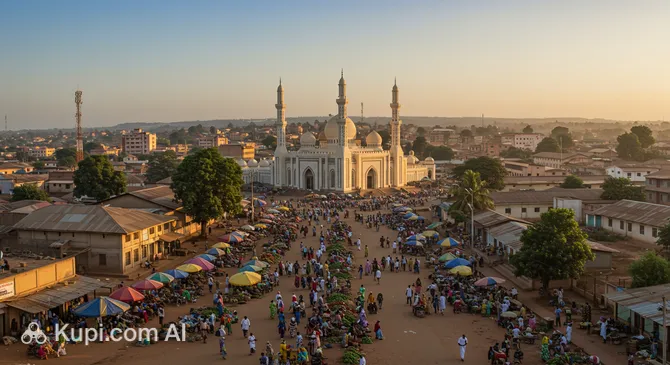
Ngaoundere. Source: Kupi.Binoculars

The cultural heart of the city beats at the Lamidat of Ngaoundere, the palace of the traditional ruler, or Lamido. Those interested in the history of Ngaoundere will find this site captivating, as it showcases the region's rich Islamic heritage and traditional Fulani architecture. The palace is not just a museum but an active center of local governance and ceremony.

Beyond its historical significance, the city offers natural beauty for outdoor enthusiasts. A hike up Mount Ngaoundere provides stunning panoramic views of the city layout and the surrounding plateau, making it a perfect spot for photography. The local markets are also a highlight, offering a colorful array of local crafts, textiles, and fresh produce from the fertile volcanic soil of the region.

Whether you are arriving by train or exploring the Adamawa region by road, Ngaoundere offers a warm welcome and a fascinating glimpse into the diversity of the country. It is a destination that perfectly combines the convenience of a transport hub with the charm of authentic traditional culture.

Weather Overview

Due to its location on the Adamawa Plateau, Ngaoundere enjoys a relatively moderate climate characterized by distinct wet and dry seasons. The dry season typically runs from November to March, offering sunny days and clear skies. During this period, rainfall is virtually non-existent, particularly in December and January. Travelers can expect warm afternoons with maximum temperatures reaching up to 33.7°C in March, while evenings can be pleasantly cool, with lows dipping to around 15.8°C in January.

The wet season transforms the region from April through October, bringing frequent rainfall and lush greenery. Precipitation peaks between July and September, often seeing rain almost every day. Interestingly, the increased cloud cover and rain bring cooler daytime temperatures, which average around 21.8°C in July and August. For a detailed forecast and monthly averages to help plan your trip, you can view the weather in Ngaoundere page.

Interesting Facts

Beyond its role as a transportation hub, Ngaoundere holds fascinating secrets that reveal the region's deep connection to its landscape and traditions.

  • The city's name has a quite literal and descriptive origin in the local Mbum language. It translates to "Navel Mountain", derived from "Ngaou" meaning mountain and "Ndere" meaning navel. This unique moniker refers to the nearby Mount Ngaoundere, which has a distinctive shape resembling a navel, symbolizing its central importance to the area.

  • For nature enthusiasts, the Vina Waterfalls (Chutes de la Vina) are a must-see attraction located just a short drive from the city. Cascading from a height of approximately 45 meters, these falls offer a powerful display of nature's force and are a favorite spot for picnics and photography in this part of Cameroon.

  • Just a few kilometers from the city center lies Lac Tison, a crater lake that serves as a reminder of the Adamawa Plateau's volcanic origins. Surrounded by legends, this serene body of water is a popular spot for locals, and it is often said that the water changes color depending on the time of day and the weather.

  • The city is one of the best places to witness the Fantasia, a spectacular traditional equestrian display. During major Islamic festivals or special celebrations at the Lamidat, horsemen dressed in elaborate, colorful robes perform thrilling charges and synchronized maneuvers, showcasing the region's proud heritage of horsemanship.

How to Get There

Reaching Ngaoundere is a key part of the adventure when exploring the Adamawa Region. Whether you prefer the speed of air travel or the scenic routes by land, there are several ways to approach this central hub. For a detailed breakdown of all available routes and tips, you can read more about how to get to Ngaoundere before planning your itinerary.

The most direct and convenient option for most travelers is Ngaoundéré Airport (IATA: NGE). Located just 2.4 km from the city center, it offers unparalleled access to the town. The short distance means that a transfer by taxi or car is very quick, typically taking only about 5 to 10 minutes. This airport serves as the primary aerial gateway, connecting the city with other major hubs in Cameroon.

If flights to the local airport are unavailable, you might consider arriving via Garoua Airport (IATA: GOU), which is situated in the city of Garoua. It is important to note that this airport is approximately 222 km away from Ngaoundere. Choosing this route involves a subsequent overland journey, which can take around 6 hours by bus or taxi. While it requires more travel time, it remains a significant regional entry point.

Beyond air travel, Ngaoundere is widely known as the northern terminus of the Trans-Cameroon Railway. The overnight train from Yaoundé is a classic and popular method for tourists to reach the city, offering a unique opportunity to witness the country's diverse landscapes transition from the southern forests to the northern savanna.

For clarity, here is a summary of the main airports in the vicinity:

Airport Name City Passenger Traffic Km from City
Yola Airport Yola Medium 246.4
Garoua Airport Garoua Small 222.0
Ngaoundéré Ngaoundere 2.4

Main Attractions

The Lamidat of Ngaoundere is arguably the most significant cultural site in the city. While it serves as the residence of the Lamido, the traditional ruler, large parts of the complex are open to visitors. The architecture is a striking example of the region's style, featuring a majestic thatched entrance hall with intricate designs. Inside, you will find a small museum displaying royal artifacts, ancient weapons, musical instruments, and gifts received by the dynasty over the centuries. It offers a deep dive into the history and customs of the Fulani people.

For a peaceful escape into nature, the Ranch de Ngaoundaba is a highly recommended excursion located roughly an hour's drive from the city. This attraction is centered around a stunning crater lake, much like Lac Tison but set within a private and well-preserved estate. The ranch is famous for its rich biodiversity, particularly its birdlife, making it a paradise for birdwatchers and nature photographers. The lush surroundings and the calm waters of the crater lake provide a tranquil contrast to the bustling city center.

In the heart of the city stands the Grand Mosque of Ngaoundere, a spiritual landmark that dominates the skyline near the Lamidat. The mosque is not only a place of worship but also a center of community life. Its architecture complements the traditional style of the nearby palace, and the area becomes especially vibrant during Friday prayers and religious festivals. For tourists, it offers a glimpse into the spiritual devotion that shapes the daily rhythm of the local population.

Another notable religious and architectural site is the Notre-Dame des Apôtres Cathedral. Situated in the administrative district, this cathedral serves the city's Catholic community. The building is appreciated for its modern yet modest design and its serene atmosphere. It stands as a symbol of the religious diversity in the Adamawa Region and provides a quiet space for reflection amidst the city's activity.

Local Cuisine

The culinary landscape of Ngaoundere is deeply influenced by its location on the Adamawa Plateau, a region renowned for cattle herding. As a result, beef and dairy products play a central role in the local diet, offering a distinct flavor profile compared to the southern parts of the country. Visitors will find that the food here is hearty, flavorful, and often centered around fresh, locally sourced ingredients.

One of the most iconic foods to try in Ngaoundere is Kilishi. This is a form of beef jerky that is thinly sliced, seasoned with a spicy peanut paste, and dried in the hot sun. It is not only a delicious snack but also a popular souvenir for travelers to take home. Another staple is Soya, spicy grilled meat skewers found on street corners throughout the city. For a more substantial meal, locals often enjoy Couscous de Maïs (corn fufu) or millet cakes served with rich sauces made from peanuts, okra, or vegetable leaves.

When it comes to beverages, the region's pastoral heritage shines through with Kossam, a fresh or curdled milk often sweetened and sometimes mixed with millet balls to create a dish called Dakere. It is a refreshing and nutritious staple, particularly in the mornings. For those looking for something non-dairy, Jus de Foléré (hibiscus juice) is a sweet, ruby-red drink that is widely available. On the alcoholic side, adventurous travelers might try Bili-Bili, a traditional opaque beer brewed from millet or sorghum, which is culturally significant in many local communities.

The food culture in Ngaoundere is communal and accessible. While there are standard restaurants, the true authentic experience is often found at the open-air stalls and small roadside eateries known locally as "Tourne-dos". Here, you can rub shoulders with residents and enjoy freshly prepared meals at very affordable prices. The bustling markets are also excellent places to sample street food and observe the daily rhythm of life in this highland city.

Travel Tips

Visiting the "water tower" of Cameroon offers a unique experience, but the Adamawa Region has its own specific rhythm and requirements that differ from the coast. To help you navigate the local customs and logistics of Ngaoundere smoothly, here are some essential practicalities to keep in mind for your journey.

  1. Clothing and Gear: Due to the city's altitude, the weather can be surprisingly cool in the evenings, so packing a light jacket or sweater is highly recommended. Since Ngaoundere has a significant Muslim population, it is respectful to dress modestly; both men and women should avoid very short shorts or revealing tops, especially when visiting the Lamidat or markets. Comfortable walking shoes are a must if you plan to hike Mount Ngaoundere.
  2. Transportation: The most common way to get around is by moto-taxi, locally known as "benskins." They are fast and affordable, but always agree on the fare before hopping on. Shared yellow taxis are also available for travel within the city center. Ride-hailing apps are not operational here, so you will need to flag down vehicles on the street.
  3. Finances: The local currency is the Central African CFA franc (XAF). Credit cards are rarely accepted outside of a few top-tier hotels, so carrying cash is essential. ATMs are available at major bank branches in the city center, but they can occasionally be out of service, so it is wise to have a backup reserve of cash. Tipping is not mandatory but is appreciated for good service.
  4. Health and Safety: Always drink bottled or filtered water, as tap water is not generally safe for tourists. Pharmacies are available in the city center, often near the regional hospital, but it is best to bring your own supply of specific prescription medications. While the city is generally safe, avoid walking alone in poorly lit areas at night and keep valuables secure in crowded markets.
  5. Communication: French is the primary language of administration and commerce; English is not widely spoken in this region. Learning a few basic phrases in French will be incredibly helpful. The local trade language is Fulfulde; a simple greeting like "Jam na?" (How are you?) will earn you warm smiles. SIM cards from providers like MTN or Orange are easy to buy with a passport for data access.
  6. Local Etiquette: Greetings are taken seriously here; it is polite to greet people properly before asking a question. When eating with your hands or exchanging money, always use your right hand, as using the left is considered unclean in local culture. Always ask for permission before taking photos of people, especially elders.
  7. What to Avoid: Strictly avoid taking photographs of government buildings, military installations, police stations, or airports, as this is prohibited and can lead to serious trouble with authorities. Also, avoid public displays of affection, which are culturally frowned upon in this conservative society.
  8. Train Travel Tip: If you plan to leave Ngaoundere by train to head south, buy your tickets at least a day or two in advance. The station is the starting point for the journey to Yaoundé, and trains can get fully booked very quickly, especially during holidays or weekends.

With these tips in hand, you are well-prepared to immerse yourself in the warm hospitality and rich traditions of the Adamawa Region. Enjoy the vibrant culture and stunning landscapes that make a visit to this highland city so memorable.

Entertainment & Nightlife

As the sun sets over the Adamawa Plateau and the air cools, Ngaoundere transitions from a busy commercial hub into a city with a relaxed and welcoming social scene. The nightlife here is distinct from the frantic energy of Cameroon's coastal metropolises; it is friendlier, more intimate, and deeply rooted in conversation, music, and local hospitality. The atmosphere is generally laid-back, with locals gathering to unwind after a day of work in a setting that feels authentic and unpretentious.

The pulse of the evening is often strongest around the Quartier Gare (Station District) and the main commercial avenues. This area, historically the gateway to the city for train travelers, buzzes with activity well into the night. You will find a variety of "ventes à emporter" (off-licenses with seating) and open-air bars where the music is lively and the mood is festive. The crowd is a mix of travelers, railway workers, and students from the nearby university, creating a diverse and energetic vibe.

For those looking to experience the local clubbing scene, Le Pentagone is a well-known venue in the city where DJs spin an eclectic mix of Cameroonian Bikutsi, Makossa, and international Afrobeats. Another popular spot for a vibrant night out is Temple d'Or, a nightclub that attracts a spirited crowd ready to dance until the early hours. If you prefer a quieter setting with a touch of history, the bar at the Hotel Transcam offers a more classic atmosphere. It is an excellent place to enjoy a cocktail or a quiet conversation in a venue that has been a landmark of the city for decades.

Nightlife in Ngaoundere is inextricably linked with street food. The experience is not complete without stopping at a roadside stall for Soya (spicy grilled meat skewers) or grilled fish. These spots often serve as impromptu meeting points where the party continues in the open air. The dress code for most venues is casual, but visitors should remain mindful of the region's conservative cultural norms; it is best to dress smartly but modestly.

From a practical standpoint, evening entertainment in Ngaoundere is very budget-friendly compared to Yaoundé or Douala. However, safety should always be a priority. While the city is generally safe, it is advisable to avoid walking alone in poorly lit areas late at night. The best way to get around is by using the yellow shared taxis or trusted moto-taxis, which are readily available. Always negotiate your fare in advance if it is late.

During the daylight hours, entertainment shifts towards cultural and educational pursuits. While you won't find large amusement parks, the city offers enriching experiences for the curious traveler. The Alliance Franco-Camerounaise is a cultural hub that frequently hosts theater performances, concerts, and art exhibitions, providing a stage for local talent. Additionally, spending time at the city's museums or exploring the vibrant markets offers a fulfilling way to pass the day before the evening festivities begin.

Parks & Museums

While the dramatic waterfalls and crater lakes of the surrounding countryside often steal the spotlight, Ngaoundere possesses its own distinct green spaces and cultural centers that offer a quieter, yet equally enriching experience for visitors within the city limits.

A favorite local retreat is the Bois de Mardock (Mardock Woods), located on the outskirts of the city near the airport and the Collège de Mazenod. This extensive man-made forest is a surprising and delightful patch of greenery featuring towering pine and eucalyptus trees, which thrive in the cool climate of the Adamawa Plateau. It serves as a significant public park for leisure, where families gather for weekend picnics and fitness enthusiasts enjoy jogging along the shaded trails. The scent of pine needles and the fresh highland breeze create a unique atmosphere that feels almost alpine, providing a perfect, tranquil respite from the bustle of the commercial districts.

For those interested in the living heritage of the region, the Centre Artisanal (Handicraft Center) is an essential stop that functions as a dynamic cultural museum. Unlike static displays, this facility is a hub of creativity where the area's celebrated craftsmanship comes to life. Visitors can observe skilled artisans working on intricate leather goods, traditional weaving, and the carving of calabashes—a signature art form of northern Cameroon. It acts as an open gallery where you can appreciate the techniques passed down through generations and engage directly with the creators.

Additionally, the city's layout itself often feels like a garden, with many avenues lined with mature trees that provide shade and beauty. This abundance of greenery within the urban landscape complements the surrounding savanna, ensuring that a walk through the town center remains pleasant even during the warmer hours of the day, further cementing the city's reputation as a refreshing highland sanctuary.

Getting Around

The public transport system in Ngaoundere differs significantly from the structured networks found in many large international cities. There is no metro, tram, or large municipal bus service operating on fixed schedules within the urban area. Instead, the city relies on an informal, flexible network of private operators. This system is highly effective for the local context, offering point-to-point convenient access to almost every neighborhood, regardless of road conditions.

The most popular and ubiquitous mode of transport is the motorcycle taxi, locally referred to as a "benskin." These are agile, affordable, and available on nearly every street corner, making them the fastest way to navigate the city. For those who prefer four wheels, shared yellow taxis are the standard alternative. These operate on a collective basis, known as "ramassage," picking up and dropping off multiple passengers along a general route. You can also hire a taxi for a "dépôt" or "course," which is a private ride that takes you directly to your destination without other stops.

Payment for all local transport is strictly cash-based. There are no travel cards, monthly passes, or mobile ticketing apps available. Transactions are conducted in the local currency at the end of the trip or upon entering a shared taxi. Fares for shared rides are generally standard and very low, while private hires require negotiation. It is essential for travelers to carry small change and coins, as drivers frequently struggle to break large banknotes.

For tourists, navigating this system requires a bit of interaction. When hailing a taxi or motorcycle, state your destination clearly and confirm the price before getting in or hopping on. If you are unsure of the standard rate, ask a local or your hotel receptionist beforehand to avoid being overcharged. Transport is available from early morning until late at night, though the frequency of taxis drops significantly after dark. For safety and convenience, it is advisable to use moto-taxis primarily during daylight hours and rely on trusted taxi drivers or hotel transfers at night.

Alternatives to public transit are somewhat limited. Self-drive car rentals are not standard; instead, "car rental" usually implies hiring a vehicle with a local driver for the day, which is a safe and comfortable option for visiting surrounding attractions. Within the city center, walking is a practical and pleasant alternative, especially given the city's cooler climate compared to the coast. The central districts are relatively compact, allowing visitors to explore markets and landmarks on foot with ease.

While the city lacks a historic metro or cable car, the transport hub at the Railway Station serves as a unique feature in itself. As the terminus of the railway line from the south, the station area becomes a vibrant theater of logistics whenever a train arrives. The sudden convergence of hundreds of yellow taxis and motorcycles to meet passengers creates a lively atmosphere that perfectly encapsulates the energetic and functional nature of transport in the region.

Accommodation

Accommodation in Ngaoundere reflects the city's status as a major transit hub and a regional capital. While you will not find ultra-modern skyscrapers or international luxury chains, the city offers a decent selection of lodgings that are clean, comfortable, and full of character. The options generally range from budget-friendly guesthouses and mission lodgings to mid-range hotels that possess a certain retro charm. The hospitality here is warm, often managed by locals who are eager to make your stay in the Adamawa Region pleasant.

When choosing where to stay, location is a key factor. The Quartier Gare (Station District) is a convenient choice for travelers arriving or departing by train. This area is lively and ensures you are close to the railway station, which is ideal for early morning departures. Alternatively, staying in the city center places you within walking distance of the Grand Market and the Lamidat, immersing you in the daily bustle of the town. For those seeking peace and quiet, the areas on the outskirts towards the administrative plateau offer more tranquil surroundings.

One of the most iconic establishments in the city is the Hotel Transcam. Built to serve the railway, this hotel is a piece of local history. While it may show its age, it retains a colonial-era atmosphere and offers spacious grounds that are popular with travelers who appreciate a sense of nostalgia. Another excellent and highly recommended option for tourists is the Procure des Missions (Catholic Mission). Known for its cleanliness, safety, and reliable water and electricity supply, it provides a simple but very comfortable standard of accommodation that is often preferred by expatriates and independent travelers.

Booking Tips: It is important to note that very few hotels in Ngaoundere have a robust online presence. While some larger establishments might be listed on booking platforms, many of the best local guesthouses operate offline. It is often best to call ahead if you can, or simply arrive early in the day to secure a room. During the peak dry season or major festivals, finding a room can be competitive, so having a reservation at the Mission or the main hotels is advisable.

Prices and Payment: Accommodation in Ngaoundere is generally very affordable compared to the larger cities of Douala or Yaoundé. Prices typically fall into the budget to lower mid-range category. Be prepared to pay in cash (CFA Francs), as credit card facilities are rare and often unreliable. Keep small bills handy, as reception desks may not always have large amounts of change.

Nearby Cities

For those looking to explore the surroundings, Ngaoundere serves as an excellent base for day trips to several interesting nearby locations:

City Population Distance (km)
Garoua 600000 220
Bibemi 133191 221
Kumbo 125486 342
Foumban 92673 345
Bertoua 88462 305

While the distances in this vast region often make a "day trip" an ambitious endeavor, several of these cities are perfect for a short visit or a weekend getaway to experience the diversity of Cameroon.

Garoua is the bustling capital of the North Region and a significant commercial hub. Located about 220 km north of Ngaoundere, it offers a distinct change in climate and atmosphere. Known as the gateway to the famous Waza National Park, the city itself is celebrated for its textile industry and vibrant river port on the Benue River. It provides a lively urban contrast to the highlands and is a great place to experience the culture of the northern plains.

Further afield lies Foumban, often referred to as the "City of Arts." Although the distance makes it better suited for an overnight trip, it is a cultural jewel worth the journey. As the historic capital of the Bamoun Kingdom, it is home to the stunning Royal Palace and a museum filled with royal regalia and traditional artifacts. The city is renowned for its skilled artisans, particularly in wood carving and bronze casting, making it a paradise for history buffs and art collectors.

These nearby destinations offer a glimpse into the diverse culture and landscapes of the region.

Shopping & Souvenirs

Shopping in Ngaoundere is an authentic and vibrant experience that revolves far more around bustling traditional markets and independent boutiques than modern retail complexes. For visitors, the city offers a unique opportunity to engage directly with local artisans and traders. The shopping scene here is a reflection of the Adamawa Region's cultural heritage, with a strong emphasis on locally produced handicrafts, textiles, and agricultural products. It is the perfect place to find goods that are distinct to northern Cameroon, rather than generic international brands.

The primary commercial activity is concentrated in the city center, particularly along the main avenues radiating from the central roundabout and the areas surrounding the Grand Market. This district is a hive of activity where you can find a variety of shops selling fabrics, electronics, hardware, and clothing. Walking down these streets allows travelers to browse through small stalls and brick-and-mortar stores that line the road, offering everything from everyday necessities to colorful local attire.

Travelers accustomed to large, Western-style shopping malls will not find them in Ngaoundere. The retail landscape is dominated by smaller establishments and "alimentations" (grocery stores). However, there are several well-stocked supermarkets in the town center where you can purchase imported goods, toiletries, and snacks. These stores provide a more familiar shopping environment with fixed prices, making them convenient for stocking up on travel supplies or bottled water.

The heartbeat of the city's commerce is undoubtedly the Grand Marché (Central Market). This sprawling marketplace is an essential stop for any tourist. It is a sensory overload of sights, sounds, and smells, where vendors sell mounds of aromatic spices, fresh fruits, vegetables, and grains. The market is also a hub for textiles, where you can buy vibrant "pagnes" (wax print fabrics) that local tailors can quickly fashion into custom-made clothing. Exploring the narrow aisles of the market offers a fascinating glimpse into the daily lives of the local population.

When it comes to souvenirs, Ngaoundere is famous for its high-quality leather goods. The region's cattle herding heritage supports a thriving tannery industry, and you can find beautifully crafted sandals, bags, and belts at very reasonable prices. Another signature item is the decorated calabash, often intricately carved or pyro-engraved by local artisans. Foodies should definitely look for Adamawa honey, which is renowned throughout the country for its purity and flavor, as well as locally produced cheese, a rare specialty in other parts of the country.

Most shops and markets typically open around 8:00 AM and close between 6:00 PM and 7:00 PM. Sunday is generally a quiet day, with many shops closed or operating with reduced hours, although the main market remains active. Cash is king in Ngaoundere; credit cards are almost never accepted in markets or small shops. While prices in supermarkets are fixed, bargaining is expected and necessary in the markets and when buying handicrafts from street vendors. It is polite to negotiate, but always do so with a smile.

Visitors should be aware that tax-free shopping or VAT refund schemes for tourists are not available in Ngaoundere. The price you agree upon or see on the shelf is the final price you pay. It is advisable to carry sufficient cash in small denominations to make transactions smoother, as vendors often struggle to find change for large banknotes.

Nearby cities

Reached the end of the page?

That means the route is fully explored