Support

Yola

About

Yola is a captivating destination located in the eastern part of Nigeria, serving as the administrative capital and political heart of Adamawa State. Situated on the banks of the majestic Benue River, the city offers a unique blend of traditional culture and modern development. It is actually comprised of two distinct parts: the historic Yola town, which is the seat of the traditional ruler, and Jimeta, the modern administrative and commercial centre. This dual structure gives the city a fascinating character, where ancient customs coexist with contemporary life.

Geographically, the city is characterized by a warm climate and scenic river views. With a population of approximately 392,000 residents, it is a significant urban hub in the region without being overwhelmingly crowded. The landscape is marked by the riverine environment and the nearby undulating hills, providing a picturesque backdrop for visitors. The city is also known as a major educational centre, hosting several prominent institutions including the prestigious American University of Nigeria.
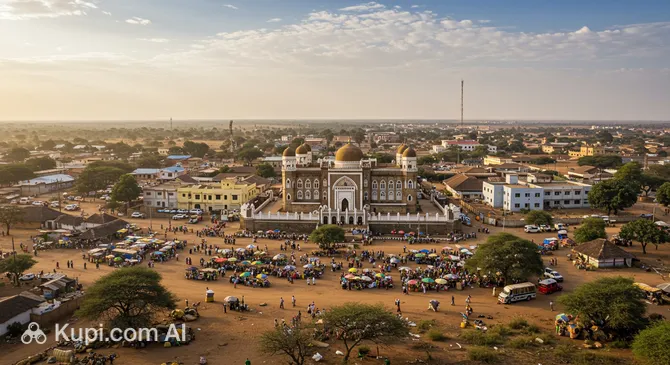
Yola. Source: Kupi.Binoculars

Travelers interested in the past will find the history of Yola particularly intriguing, as it was founded in 1841 and served as the capital of a historic Fulani state. A key attraction reflecting this heritage is the Lamido's Palace, a significant cultural landmark that remains central to the local community. Beyond the city limits, Yola acts as a gateway to natural wonders, such as the rugged Mandara Mountains and the expansive Gashaka-Gumti National Park, attracting eco-tourists and adventurers alike.

Whether you are visiting to experience the serene atmosphere of the Benue River or to explore the rich cultural tapestry of Adamawa State, Yola welcomes guests with hospitality and charm. It is a destination that invites you to slow down and appreciate the unique rhythms of life in this part of the country.

Weather Overview

Yola experiences a tropical climate defined by two main seasons: a hot, dry period and a humid, rainy season. Temperatures generally remain high throughout the year, making it a warm destination regardless of when you visit. The hottest months are typically March and April, where average temperatures exceed 32°C and daily highs can reach nearly 40°C.

The dry season runs from November to April, characterized by clear skies and virtually no rainfall. During the cooler months of December and January, the heat is more manageable, with minimum temperatures dipping to around 19°C or 20°C at night. This is often considered a comfortable time for outdoor exploration.

From May to October, the city transitions into the wet season. Rainfall peaks in August and September, which can see up to 21 wet days per month. Although the rain brings humidity, it also cools the air slightly, bringing average temperatures down to about 27°C. To help you pack appropriately for these seasonal shifts, checking the current weather in Yola is highly recommended.

Interesting Facts

Beyond the main attractions, Yola holds many fascinating secrets that reveal the depth of its character and heritage. The city is not just an administrative center but a place where history, geography, and tradition intersect in surprising ways.

  • The name "Yola" is deeply significant, derived from a Fulfulde word meaning "Great Plain" or "Settlement on the rising ground." This etymology perfectly describes its original strategic location established on an elevation to avoid the seasonal floods of the Benue River.

  • While the Durbar festival is famous throughout the north, Yola also hosts the vibrant Njuwa Fishing Festival. Held annually at Lake Njuwa, this event is a spirited celebration where local fishermen compete to make the biggest catch, honoring the region's riverine traditions.

  • The city's cultural influence historically extended far beyond the modern borders of Nigeria. The ancient Adamawa Emirate, with Yola as its capital, once encompassed parts of present-day Cameroon, creating lasting cross-border family ties and shared cultural practices that are still evident today.

  • Yola is home to a groundbreaking educational landmark: the library at the American University of Nigeria. It is recognized as one of the first and most advanced digital libraries in Sub-Saharan Africa, symbolizing a striking contrast between high-tech innovation and the city's ancient customs.

How to Get There

Reaching this part of Adamawa State is an adventure in itself, with air travel being the most convenient method for most visitors. Whether you are arriving from within Nigeria or from abroad, understanding the available transport hubs will help streamline your journey. For a comprehensive overview of all travel options, you can read more about how to get to Yola.

The primary gateway to the city is Yola Airport (IATA: YOL), which is conveniently located within Yola itself, just 9.3 km from the city center. As the main hub for the region, it handles a moderate volume of passengers and connects the state to major Nigerian cities like Abuja and Lagos. Travelers landing here can expect a quick and easy transfer to the downtown area; a taxi or bus ride typically takes around 35 minutes.

Another option for travelers in the wider region is Garoua Airport (IATA: GOU). It is important to note that this airport is located in the city of Garoua, which is approximately 97 km away from Yola. Since Garoua is across the border in Cameroon, this route would involve international travel protocols. If you choose this point of entry, the journey by road to Yola would take approximately 2 hours and 45 minutes.

For those exploring other parts of northeastern Nigeria, Gombe Lawanti International Airport (IATA: GMO) serves as an alternative regional hub. Situated in the city of Gombe, it is about 213 km from Yola. While it is further away, it provides another access point to the general area. The ground transfer from Gombe to Yola is quite long, taking roughly 5 hours and 40 minutes by taxi or bus.

For clarity, here is a summary of the main airports:

Airport Name City Passenger Traffic Km from City
Yola Airport Yola Medium 9.3
Garoua Airport Garoua Small 97.2
Gombe Lawanti International Airport Gombe Small 212.9
Salam Maroua Small 237.5
Ngaoundéré Ngaoundere 235.3

Main Attractions

One of the most significant cultural landmarks in the city is Lamido's Palace, the seat of the traditional ruler of the Adamawa Emirate. Located in the historic Yola town, this architectural masterpiece offers visitors a glimpse into the region's royal heritage and Fulani traditions. Inside the palace complex, there is a museum housing a collection of artifacts, royal regalia, and historical documents that narrate the story of the emirate's founding and its evolution over the centuries. It is an essential stop for anyone wishing to understand the deep-rooted customs that shape the local identity.

For nature lovers and adventure seekers, the Three Sisters Rock is a captivating geological formation located in the nearby Song Local Government Area, a short drive from the city center. Standing majestically side by side, these three massive rock formations are a wonder of nature and offer a stunning backdrop for photography. The site is surrounded by scenic landscapes, making it a popular destination for picnics and sightseeing tours, allowing travelers to appreciate the rugged beauty of the Adamawa terrain.

To experience the vibrant daily life of the locals, a visit to the Jimeta Modern Market is highly recommended. As the commercial pulse of the city, this bustling market is filled with vendors selling everything from fresh local produce and spices to colorful traditional fabrics and handcrafted leather goods. It is an excellent place to interact with friendly residents, purchase unique souvenirs, and immerse yourself in the energetic atmosphere that defines the modern side of the city.

The city's location along the River Benue provides ample opportunities for relaxation and scenic views. The Jimeta Bridge, which spans the river, offers a picturesque vantage point, especially during sunrise or sunset when the light reflects off the water. Visitors can often see local fishermen in their wooden canoes, a timeless scene that highlights the river's importance to the community. For a closer experience, boat rides can sometimes be arranged, offering a peaceful escape from the urban hustle.

Local Cuisine

The cuisine in Yola reflects the rich cultural heritage of Adamawa State, blending Northern Nigerian staples with fresh flavors from the riverine environment. As a city situated along the Benue River, fish plays a significant role in the local diet, often prepared fresh and seasoned with aromatic spices. Visitors can expect hearty meals centered around grains, soups, and grilled meats, all served with the warm hospitality the region is known for.

One of the dishes you simply must try is Tuwo, a dense swallow made from rice (Tuwo Shinkafa) or maize (Tuwo Masara). It is typically paired with rich, flavorful soups such as Miyan Kuka (made from powdered baobab leaves) or Miyan Taushe (pumpkin soup). Given the city's location, fresh fish pepper soup is another culinary highlight. The catch is often sourced daily from the Benue River and cooked in a spicy broth that is perfect for those who enjoy a robust kick of flavor.

For a taste of the local street food culture, look out for Masa, delicious fermented rice cakes that are fried until golden and slightly crisp on the outside. They are often enjoyed as breakfast or a snack, sometimes served with a sprinkle of sugar or a spicy dip. Of course, no trip to this part of the country is complete without trying Suya, spicy skewered meat grilled over an open flame, or Kilishi, its dried, jerky-like counterpart which makes for an excellent edible souvenir.

To quench your thirst, the traditional drink Fura da Nono is an essential experience. This nutritious beverage combines millet dough balls (Fura) with fermented cow's milk (Nono), reflecting the strong Fulani influence in the area. For a non-dairy option, Zobo, a refreshing ruby-red drink made from hibiscus flowers, and Kunu, a grain-based beverage, are widely available and perfect for cooling down in the Yola heat.

Dining in Yola ranges from casual street-side stalls to more formal eateries, particularly in the Jimeta district which serves as the commercial hub. Local "bukas" offer the most authentic experience, where you can eat like a local and enjoy generous portions at affordable prices. The atmosphere is generally relaxed and communal, making mealtime a great opportunity to observe the daily rhythm of the city and interact with residents.

Travel Tips

Visiting Yola offers a unique glimpse into the heart of Adamawa State, but like any destination with deep cultural roots and a tropical climate, a little preparation goes a long way. To help you navigate the city with ease and respect local customs, here are some essential practical tips for your journey.

  1. Dress for the Heat and Culture. Given the high temperatures, lightweight and breathable fabrics like cotton or linen are your best friends. However, Yola is a conservative city with strong Islamic traditions, especially in the historic Yola Town area. It is respectful to dress modestly; women should avoid short skirts or sleeveless tops, and men should generally wear long trousers. A light scarf is a versatile accessory for women to cover their heads if visiting religious sites or the palace.

  2. Mastering Local Transport. The most common and convenient way to get around the city, particularly in the Jimeta district, is by yellow tricycles known locally as Keke Napep. They are affordable and can navigate traffic easily. Taxis are also available for longer distances or airport transfers. Note that ride-hailing apps are not widely established here, so you will likely need to flag down a vehicle or arrange one through your hotel. Always agree on the fare before starting your journey.

  3. Cash is King. While some major hotels and supermarkets in Jimeta accept debit cards, cash is essential for daily transactions, local markets, and transport fares. ATMs are available, mostly concentrated in the commercial areas of Jimeta, but network reliability can sometimes be an issue. It is wise to carry enough Nigerian Naira (NGN) in smaller denominations to cover your immediate needs.

  4. Health and Hydration. The sun in Yola can be intense, so staying hydrated is crucial. Stick to sealed bottled water and avoid drinking from the tap. Malaria is a risk in tropical regions, so bring a good insect repellent and consider sleeping under a mosquito net. Pharmacies are available in the city center, but it is best to travel with a basic first-aid kit and any personal prescription medications you might need.

  5. Communication Basics. English is the official language and is widely spoken in business and government circles. However, in markets and on the street, you will hear a lot of Hausa and Fulfulde. Learning a few basic greetings will endear you to the locals. A simple "Sannu" (Hello) or "Ina kwana?" (Good morning) can open many doors and bring a smile to people's faces.

  6. Etiquette and Greetings. Social interaction is highly valued here. Greetings are often lengthy and involve inquiring about one's family and health; do not rush this process. Always use your right hand for eating, shaking hands, or passing items to others, as the left hand is considered unclean in local culture. Showing respect to elders is paramount, regardless of their social status.

  7. Photography Precautions. Always ask for permission before taking photos of people, especially elders or women. Locals are generally friendly, but snapping pictures without consent can be seen as intrusive. Additionally, avoid photographing government buildings, military checkpoints, or the airport to prevent any misunderstandings with security personnel.

  8. Prepare for the Harmattan. If you are visiting between December and February, be aware of the Harmattan season. This period brings dry, dusty winds from the Sahara. While it provides relief from the heat, the air becomes very dry. Pack plenty of moisturizer, lip balm, and perhaps a pair of sunglasses to protect your eyes from the dust haze.

By keeping these tips in mind, you will be well-equipped to enjoy the warm hospitality and vibrant culture of Yola. Embrace the slower pace of life, interact with the friendly residents, and your visit to the "Land of Beauty" is sure to be a memorable experience.

Entertainment & Nightlife

Entertainment and nightlife in Yola offer a relaxed and distinct experience compared to the high-energy bustle of Nigeria's larger metropolises. The city's social scene is primarily concentrated in Jimeta, the administrative and commercial heart of the state. Here, the nightlife is less about rowdy nightclubs and more about open-air lounges, hotel bars, and vibrant recreational gardens where locals gather to unwind, listen to music, and enjoy good conversation under the stars.

The atmosphere in Yola is generally laid-back and welcoming. Evenings often revolve around "sit-outs"—outdoor venues where you can enjoy cold drinks, grilled meats, and the cool night breeze. While the historic Yola Town remains quite conservative with limited nightlife, the streets of Jimeta, particularly around the Bekaji and Karewa areas, come alive after dark. Visitors should expect a casual dress code, though it is always wise to dress neatly and modestly out of respect for the local culture.

For those looking to experience the local social scene, hotel bars are often the most popular and secure options. Venues like the City Green Hotel are well-regarded spots where residents and visitors mingle. It offers a comfortable environment to enjoy a drink and is often buzzing with activity on weekends. Another notable mention is Jokems Airport View Hotel, which frequently hosts guests looking for a serene evening by the poolside or a meal in a lively setting. These establishments typically operate until late, providing a safe haven for night owls.

A crucial part of the evening culture in Yola is the food. Night markets and street corners in Jimeta are famous for their Suya spots. These are not just places to eat but social hubs where people congregate while waiting for their spicy grilled meat. The aroma of roasting beef and chicken fills the air, creating a sensory experience that defines the local nightlife. It is the perfect way to start or end an evening out.

Practical planning is essential for a night out in Yola. Public transport, specifically the ubiquitous "Keke Napep" (tricycles), usually stops running between 9:00 PM and 10:00 PM. If you plan to stay out later, you must arrange a private taxi or a drop-off with a trusted driver beforehand. Prices are generally affordable, but it is standard practice to negotiate the fare before getting into the vehicle.

Regarding safety, Yola is relatively calm, but it is important to remain vigilant. Stick to well-lit, populated areas in Jimeta and avoid wandering alone in quiet neighborhoods late at night. It is advisable to go out in groups and always carry a form of identification. Police checkpoints are common at night; they are there for security, so simply be polite and cooperative if stopped.

During the day, entertainment shifts towards nature and relaxation. The Yola Zoo is a notable daytime attraction, offering families and nature enthusiasts a chance to see regional wildlife in a protected environment. For those seeking a quiet afternoon, the gardens within the American University of Nigeria campus or the various recreational parks in the city provide peaceful green spaces to read, picnic, or simply escape the midday heat.

Parks & Museums

While Yola serves as a bustling administrative center, it is also the gateway to some of Nigeria's most significant natural and cultural treasures. The region is home to UNESCO World Heritage sites, vast national parks, and local recreational spots that offer a deep dive into the biodiversity and history of Adamawa State.

One of the most important cultural sites in the wider region is the Sukur Cultural Landscape. Located in the Madagali Local Government Area, this UNESCO World Heritage site is a testament to the enduring heritage of the region. Perched on the Mandara Mountains, it features the palace of the Hidi (chief), ancient dry-stone architecture, and remarkable terraced fields that have been cultivated for centuries. Although it requires a journey from Yola, it is an essential destination for those interested in archaeology and the spiritual traditions of the Adamawa people.

For wildlife enthusiasts, the city serves as a primary access point to the Gashaka-Gumti National Park. As the largest national park in Nigeria, it spans across Adamawa and Taraba states, offering a diverse ecosystem that ranges from savannahs to mountainous rainforests. The park is famous for housing the largest population of chimpanzees in West Africa and is home to Chappal Waddi, the highest peak in the country. It is a haven for eco-tourists seeking to spot rare primates, antelopes, and hundreds of bird species in their natural habitat.

Closer to the city center, the Yola Zoo provides a recreational escape for families and nature lovers. Located in Jimeta, the zoo houses a variety of animals, including lions, crocodiles, and hyenas, offering a chance to see local wildlife without venturing far into the wilderness. The facility also features green spaces that are popular for picnics and leisurely walks, making it a favorite weekend spot for residents.

Within Yola itself, the museum inside Lamido's Palace remains the custodian of the emirate's history. Beyond the architecture mentioned in other sections, the museum collection specifically focuses on the preservation of Fulani heritage. Visitors can view ancient manuscripts, traditional weaponry, and elaborate royal regalia that date back to the 19th century. It serves as an educational resource, providing context to the customs and social structures that still influence daily life in the city today.

Getting Around

Navigating the city of Yola is a straightforward experience, though it differs significantly from the complex transit networks found in larger global metropolises. The public transport system here is entirely road-based and informal, lacking heavy infrastructure like metros, trams, or trains. Instead, the city relies on a fleet of smaller vehicles that provide flexible and accessible mobility for residents and visitors alike. Understanding how these operate is key to moving around the twin districts of Jimeta and Yola Town efficiently.

The most iconic and ubiquitous mode of transport is the yellow tricycle, locally known as Keke Napep. These three-wheeled vehicles are the heartbeat of the city's daily commute, weaving through traffic to connect neighborhoods, markets, and offices. They are ideal for short to medium distances and offer a breezy way to see the sights. You can easily hail one from the side of the road; simply wave your hand, and a driver will likely stop. They are generally safe and are the preferred choice for most travelers moving within the Jimeta commercial area.

For longer journeys, particularly those connecting the modern administrative center of Jimeta with the historic Yola Town, shared taxis and minibuses are the standard options. These vehicles typically operate on set routes, picking up and dropping off passengers along the way. You will often find them congregating at designated "motor parks" or major intersections. While they are less private than a chartered ride, they offer an authentic glimpse into local life and are an economical way to travel between the two main poles of the city.

The payment system in Yola is exclusively cash-based. There are no travel cards, digital passes, or ticketing apps for public transit. Fares are generally low and fixed for standard routes, but it is crucial to carry the local currency in smaller denominations to avoid issues with change. If you are chartering a taxi for a specific "drop" (a private ride to a destination off the standard route), you must negotiate and agree on the price with the driver before you get into the vehicle. Haggling is a normal part of the transaction for private hires.

Tourists should be aware that public transport operating hours are somewhat limited compared to 24-hour cities. Keke Napep and buses typically start running as early as 6:00 AM but begin to wind down around 9:00 PM or 10:00 PM. In some areas, restrictions on tricycles may be enforced late at night for security reasons. If you plan to be out late, it is highly advisable to arrange a private taxi pick-up in advance or ask your hotel to recommend a trusted driver.

While global ride-hailing apps are not widely established or reliable in Yola, traditional car hire services are a popular alternative for visitors seeking comfort. Many hotels can arrange a car rental, which almost always comes with a local driver. This is often the most stress-free option for tourists, as the driver will be familiar with the roads and local driving customs, allowing you to explore the region at your own pace without the hassle of navigating traffic yourself.

Accommodation

Accommodation in Yola primarily caters to business travelers, government officials, and visitors to the local universities. The city offers a functional range of lodging options, spanning from basic budget guest houses to comfortable mid-range hotels. While you will not find ultra-luxury international resorts here, the hospitality is warm, and the best establishments provide reliable amenities such as air conditioning, backup power generators, and on-site dining.

When choosing where to stay, location is a key factor. The vast majority of travelers prefer the Jimeta district, which serves as the modern administrative and commercial heart of the city. Staying in Jimeta places you within easy reach of the Yola Airport, major markets, and the most active social spots. In contrast, the historic Yola Town is quieter and more traditional, making it less convenient for the average tourist seeking quick access to transport and restaurants.

For those visiting the prestigious American University of Nigeria (AUN), staying at the university's conference hotel or nearby establishments is highly recommended. These venues often offer some of the highest standards of service and security in the city. Other reliable hotels can be found along the main roads in Jimeta, particularly around the Bekaji and Karewa areas, which are considered safe and accessible.

Booking Tip: Accommodation can fill up quickly during major events, particularly during university graduation ceremonies or the annual Njuwa Fishing Festival. It is advisable to book your room well in advance if your travel dates coincide with these busy periods to ensure you secure your preferred choice.

Regarding costs and payments, prices in Yola are generally more affordable than in major Nigerian hubs like Lagos or Abuja. Options range from budget-friendly inns to moderately priced hotels. While some of the top-tier establishments accept debit cards and may be bookable via major online platforms, many smaller guest houses rely on direct telephone bookings and cash payments. It is always wise to carry sufficient local currency to cover your stay or any incidental deposits required upon arrival.

Nearby Cities

For those looking to explore the surroundings, Yola serves as an excellent base for day trips to several interesting nearby locations:
City Population Distance (km)
Maiduguri 1,197,497 299
Bauchi 693,700 316
Jalingo 660,213 128
Jos 622,802 407
Gwoza 388,600 246

Among the most accessible destinations is Jalingo, the capital of neighboring Taraba State. Located approximately 128 km from Yola, it is a feasible option for a long day trip or an overnight stay. Jalingo is often referred to as "Nature's Gift to the Nation" due to its lush surroundings and agricultural richness. Visitors here can explore local markets filled with fresh produce and experience the diverse cultural heritage of the Mumuye and other local ethnic groups. It also serves as the primary gateway for those venturing further towards the famous Mambilla Plateau.

For travelers willing to undertake a longer journey, Maiduguri offers a deep dive into the history of the Kanem-Borno Empire. Situated about 299 km north of Yola, it is a major regional hub best suited for a short visit rather than a quick day trip. Key attractions include the Shehu's Palace, which reflects the traditional architectural style of the region, and Kyarimi Park, one of the oldest zoos in Nigeria. The city provides a distinct contrast to the riverine geography of Yola, showcasing the Sahelian landscape and culture.

Another notable mention is Gwoza, known for its dramatic rocky landscape and hills that attract hikers and geology enthusiasts. While it is a smaller town compared to the state capitals, its rugged terrain offers scenic views of the Mandara Mountains range, which forms a natural border in the region. The area is culturally rich and provides a unique perspective on the communities living in these highland areas.

These nearby destinations offer a glimpse into the diverse culture and landscapes of the region.

Shopping & Souvenirs

Shopping in Yola offers a distinct experience that leans heavily towards traditional commerce and local craftsmanship rather than sprawling luxury complexes. The city provides a genuine glimpse into the economic life of Adamawa State, where buzzing open-air markets coexist with smaller, modern retail outlets. For tourists, the appeal lies in discovering authentic local products, from fresh produce to handcrafted items, all while interacting with the friendly local community.

The primary commercial hub of the city is Jimeta. This district is where the pulse of Yola's trade beats strongest, particularly along the main thoroughfares like Mohammed Mustapha Way and Galadima Aminu Way. These streets are lined with a variety of shops selling electronics, fabrics, and household goods. It is a lively area where you can find almost anything you need, and it serves as the best starting point for a shopping excursion in the city.

While Yola does not feature massive international-style shopping malls, it is home to several modern shopping plazas and supermarkets that cater to contemporary needs. Places like the AUN Community Cooperative Society (often accessible to the public) and various plazas in the Jimeta area offer a more curated shopping environment. Here, you can find imported groceries, toiletries, and sometimes clothing in air-conditioned comfort, providing a contrast to the heat and hustle of the outdoor markets.

The true highlight of the local shopping scene is the Jimeta Modern Market. It is the largest and most vibrant market in the state, drawing traders and buyers from all over the region. Walking through its crowded aisles is a sensory adventure filled with the aroma of spices and the bright colors of textiles. It is the perfect place to buy fresh local fruits, grains, and everyday items. For a more traditional atmosphere, the Yola Town Market offers a quieter, more historic setting closer to the Lamido's Palace.

For those looking to take a piece of Yola home, the region is famous for its exquisite leatherwork, a craft deeply rooted in the local Fulani culture. You can find beautifully crafted sandals, bags, and wallets that make for durable and unique gifts. Additionally, the city is a great place to purchase calabashes (decorated gourds) and vibrant local fabrics, such as Ankara or Guinea brocade, which can be tailored into custom outfits by local seamstresses.

Shops and markets typically open around 8:00 AM or 9:00 AM and close by 6:00 PM. While some supermarkets in Jimeta may stay open a bit later, the traditional markets wind down as the sun sets. Cash is the absolute standard for transactions, especially in markets and smaller shops. While some larger hotels and supermarkets may accept debit cards, it is essential to carry enough Nigerian Naira (NGN) in smaller denominations for bargaining and daily purchases.

Visitors should note that tax-free shopping or VAT refund schemes for tourists are not available in Yola. The prices you see or negotiate are final, so it is best to plan your budget accordingly without expecting a tax return at the airport.

Reached the end of the page?

That means the route is fully explored