Support

San Antonio de Palé

About

San Antonio de Palé is the charming provincial capital of Annobón, a remote and ruggedly beautiful volcanic island in the South Atlantic Ocean. As the main settlement on the island, this town serves as the gateway to a world of pristine nature and quiet isolation. Located well south of the equator, it offers a distinct atmosphere compared to the mainland region of Equatorial Guinea, characterized by its slow pace of life and the welcoming spirit of the local community.

The town is situated on the northern coast of the island, overlooking the vast ocean expanse. With a population of approximately 5,000 residents, San Antonio de Palé feels intimate and approachable, allowing visitors to easily explore its streets on foot. The climate here is tropical, ensuring warm temperatures year-round, which perfectly complements the lush greenery and coastal breeze that define the area.
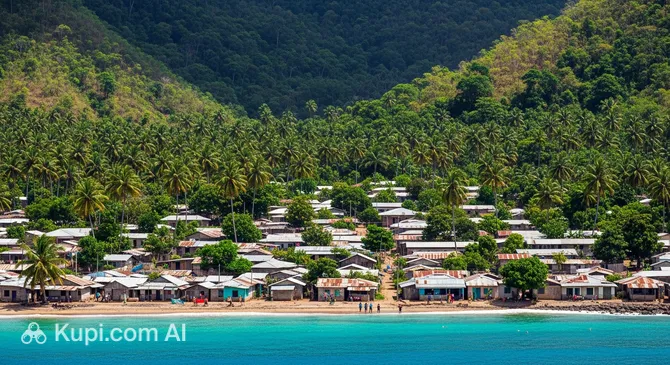
San Antonio de Palé. Source: Kupi.Binoculars

Those who delve into the history of San Antonio de Palé will discover a fascinating blend of cultural influences, from its discovery by Portuguese navigators to its Spanish colonial era. This heritage is visible in the town's architecture, including the modest yet significant church that stands as a testament to the island's past. The local culture is a unique mix, with the Annobonese language—a Portuguese-based creole—being widely spoken alongside Spanish.

For nature enthusiasts, the town is the perfect base for exploring the island's geological wonders. A short journey from the city leads to the breathtaking Lago A Pot, a crater lake nestled in the center of the island, often shrouded in mist and surrounded by dense vegetation. Closer to town, visitors can enjoy untouched white sandy beaches where local fishermen bring in their daily catch, offering a glimpse into the traditional livelihood of the islanders.

If you are looking for an off-the-beaten-path destination that promises tranquility and a genuine connection with nature, San Antonio de Palé is an exceptional choice. It is a place to disconnect from the modern rush and experience the raw beauty of one of Africa's most unique island communities.

Weather Overview

San Antonio de Palé enjoys a tropical climate characterized by consistent warmth and distinct seasonal variations. The weather remains generally comfortable year-round, though travelers should plan their activities according to the island's rainfall patterns.

The warmest months typically occur early in the year, particularly in March, when average temperatures peak around 27.6°C. This period is often accompanied by frequent precipitation, with December and January seeing the highest number of wet days. Conversely, the middle of the year offers a cooler and much drier experience; from June to September, average temperatures dip to approximately 23.3°C, and rainfall becomes almost non-existent. For specific forecasts and monthly averages, you can consult the guide to weather in San Antonio de Palé.

Overall, expect warm, humid conditions with regular rainfall from November through May, while the months of June through September bring cooler temperatures and clear, dry skies.

Interesting Facts

Beyond its scenic shores and volcanic landscapes, San Antonio de Palé harbors intriguing details that define its unique identity. This remote provincial capital is not just a geographical outlier but a cultural enclave with a history distinct from the rest of the nation.

  • A Linguistic Island: Although located in a Spanish-speaking country, the primary language spoken by locals in their daily lives is Fa d'Ambô. This is a Portuguese-based creole that survived centuries of change, reflecting the island's original discovery by Portuguese navigators long before it became part of Equatorial Guinea.

  • Crossing the Line: San Antonio de Palé gives the country a unique geographical distinction. It is the only provincial capital in the nation located in the Southern Hemisphere. While the mainland and the capital city of Malabo lie north of the equator, this city sits quietly in the south, making the country one of the few in the world with territory in both hemispheres.

  • New Year's Legacy: The island on which the city stands was discovered on January 1, 1473. Its name, Annobón, is derived from the Portuguese phrase Ano Bom, meaning "Good Year." The city serves as the living guardian of this festive historical origin, celebrating a heritage that dates back to the Age of Discovery.

  • Volcanic Foundation: The city is built upon the remains of an ancient geological giant. The entire island is essentially the tip of a massive volcano rising from the deep Atlantic floor, with the city resting on its northern flank, separated from the African continental shelf by deep ocean trenches.

How to Get There

Reaching San Antonio de Palé is an adventure in itself, given its location on the remote island of Annobón in the South Atlantic. Due to its isolation from the mainland of Equatorial Guinea and the African continent, air travel is the most practical and common method for visitors. For a comprehensive guide on planning your journey, you can read more about how to get to San Antonio de Palé.

The city is served directly by Annobon Airport (NBN), which is conveniently located just 1.1 km from the city center. This small regional hub is the primary lifeline for the island, connecting it to the capital, Malabo. Upon arrival, the transfer to the town is very quick; a taxi or transfer typically takes around 20 minutes, including the short drive and time for logistics. While the airport is small, with an annual traffic of approximately 7,000 passengers, it is essential for accessing this secluded destination.

Travelers might also note the proximity of Sao Tome Island Airport (TMS), located in the neighboring country of Sao Tome and Principe. It is situated about 231 km away from San Antonio de Palé. However, because this airport is on a different island nation, you cannot reach San Antonio de Palé directly by road. Using this airport would require arranging a connecting flight or maritime transport, making it a less direct option compared to flying in from Malabo.

For clarity, here is a summary of the main airports:

Airport Name City Passenger Traffic Km from City
Annobon San Antonio de Palé Small 1.1
Sao Tome Island Airport Sao Tome Large 231.1

There are no railway services on the island of Annobón. The rugged volcanic terrain and the small size of the island make train travel unnecessary and nonexistent. Visitors rely exclusively on walking, local taxis, or boats to navigate the area once they have arrived by plane.

Main Attractions

While San Antonio de Palé is a small and remote settlement, it serves as the gateway to some of the most pristine and untouched attractions in West Africa. The town and its immediate surroundings offer a blend of colonial history, volcanic landscapes, and breathtaking coastal beauty that rewards the few travelers who make the journey.

One of the most significant natural landmarks is Lago A Pot. Located in the heart of the island, this stunning crater lake sits within the caldera of an extinct volcano. It is often shrouded in mist and surrounded by dense, lush rainforest, creating a mystical and serene atmosphere. For nature lovers, the trek to the lake provides a unique opportunity to observe the island's rich biodiversity and enjoy the tranquility of a landscape that has remained largely unchanged for centuries.

For those seeking relaxation by the ocean, Playa del Palmar is a must-visit. Situated conveniently close to the town, this beach is renowned for its fine white sands and crystal-clear turquoise waters. It is an idyllic spot for swimming, sunbathing, or simply watching the local fishermen head out to sea in their traditional canoes. The beach offers a peaceful escape where the rhythm of the waves sets the pace for the day.

In the center of the town stands the Church of San Antonio, a key historical and cultural site. This modest yet charming church reflects the island's colonial heritage and serves as a focal point for the local community. Visitors interested in history will appreciate the simple architectural style and the insight it offers into the religious traditions that have been preserved on the island for generations.

Adventure enthusiasts should not miss the chance to explore Pico Quioveo. As the highest peak on Annobón, rising nearly 600 meters above sea level, it offers challenging hiking trails through verdant vegetation. Reaching the summit rewards hikers with spectacular panoramic views of the entire island, the glittering Atlantic Ocean, and the town of San Antonio de Palé far below.

Local Cuisine

The culinary landscape of San Antonio de Palé is a direct reflection of its isolated, oceanic location. Gastronomy here is defined by freshness and simplicity, with the Atlantic Ocean serving as the primary pantry for the local population. For visitors, dining on Annobón is less about fine dining establishments and more about experiencing the authentic, organic flavors of ingredients that travel straight from the source to the plate.

Seafood is the undisputed star of the local diet. The waters surrounding the island are teeming with life, making fresh fish a daily staple. You can expect to taste high-quality tuna, wahoo, and flying fish, often grilled simply over open fires to preserve their natural taste. A dish worth seeking out is Pepesup, a spicy fish soup that is considered a national delicacy in Equatorial Guinea. It is typically prepared with fresh catch, hot peppers, and local herbs, offering a fiery and flavorful warming meal.

Accompanying these protein-rich mains are locally grown staples nurtured in the island's volcanic soil. Meals are frequently served with generous portions of plantains, cassava (yucca), and malanga. These hearty tubers are boiled, fried, or pounded and serve as the perfect vessel for soaking up savory sauces. Tropical fruits like coconuts, pineapples, and bananas are also abundant, often enjoyed as fresh snacks or desserts.

When it comes to beverages, the island offers a taste of tradition with Topé, a locally produced palm wine. This natural drink is tapped directly from palm trees and is a central part of social gatherings and celebrations. For something stronger, you might encounter Malamba, a distillate made from sugar cane. These drinks provide a unique insight into the island's heritage and are best enjoyed while mingling with locals.

The dining scene in San Antonio de Palé is informal and intimate. You will not find large commercial restaurant chains here; instead, the town relies on small, family-run eateries known as comedores and the kitchens of local guesthouses. Eating here feels like being invited into a home, where the menu depends on the catch of the day and the harvest of the season. This communal approach to food ensures that every meal is prepared with care and offers a genuine connection to the Annobonese way of life.

Travel Tips

Visiting San Antonio de Palé offers a rare opportunity to experience genuine isolation and untouched natural beauty, but traveling to such a remote island requires careful preparation. These practical tips will help you navigate the unique logistics of Annobón and ensure your stay is as comfortable and enjoyable as possible.

  1. Pack for the Tropics and Terrain: The climate is warm and humid, so bring lightweight, breathable clothing made of natural fabrics like cotton or linen. Since sudden tropical showers are common, a durable raincoat or poncho is essential. If you plan to hike up Pico Quioveo or to Lago A Pot, pack sturdy, broken-in hiking boots. While beachwear is fine by the water, it is respectful to dress modestly when walking through the town streets.

  2. Getting Around on Foot: San Antonio de Palé is a compact town where almost everything is within walking distance. There is no public transport system like buses or metros, and car rental agencies do not exist here. For longer distances, you may be able to negotiate a ride with a local resident who owns a vehicle or a motorbike, but be prepared to explore the island primarily on foot.

  3. Cash is King: This is perhaps the most critical tip: bring all the cash you will need for your entire stay. The local currency is the Central African CFA franc (XAF). Credit cards are virtually useless, and there are no reliable ATMs on the island. You should exchange money in Malabo before flying to Annobón. Budget for meals, accommodation, and small purchases, and bring extra for emergencies.

  4. Health and Essentials: Medical facilities on the island are very basic. You must bring a well-stocked personal first-aid kit, including any prescription medications, painkillers, motion sickness pills, and ample insect repellent to protect against mosquitoes. Drink only bottled or purified water to avoid stomach issues, and always carry a bottle with you due to the heat.

  5. Language and Connectivity: Spanish is the official language and the best way to communicate with locals, as English is not widely spoken. Learning a few basic phrases in Spanish will be incredibly helpful. Mobile coverage can be sporadic and internet access is often slow or unavailable. It is best to view your trip as a digital detox; download offline maps and translation apps before you arrive.

  6. Respect Local Etiquette: The community is small and tight-knit. It is customary and polite to greet people you pass on the street with a simple "Buenos días" or "Buenas tardes." Always ask for permission before taking photographs of locals, as many value their privacy. The pace of life is slow (island time), so patience and a smile will get you much further than rushing.

  7. Photography Restrictions: Be extremely cautious about what you photograph. Avoid taking pictures of any government buildings, military personnel, police stations, or the airport infrastructure. This is a strict rule throughout Equatorial Guinea, and violating it can lead to serious legal trouble or the confiscation of your camera.

  8. Prepare for Limited Electricity: Power supply on the island can be intermittent or rationed to specific hours of the day. It is highly recommended to bring a high-capacity power bank to keep your devices charged. A reliable flashlight or headlamp is also indispensable for navigating unlit streets or your accommodation after dark.

By packing the right essentials and embracing the island's slow, traditional rhythm, you will be well-equipped to enjoy the magic of San Antonio de Palé. This is a place to disconnect from the modern world and immerse yourself in the warmth and simplicity of life on Annobón.

Entertainment & Nightlife

To experience the nightlife of San Antonio de Palé is to embrace the slow, rhythmic pace of island life. Unlike the bustling clubs of the mainland capital, Malabo, entertainment here is intimate, informal, and deeply connected to the local community. The "nightlife" scene is not defined by neon lights or ticketed events but by starlit gatherings, the sound of the ocean, and shared stories over locally brewed drinks.

The evening activity is concentrated in the heart of the town, particularly along the main streets near the Church of San Antonio and the waterfront area by the pier. The atmosphere is incredibly laid-back and welcoming. You will not find dress codes, cover charges, or long queues; instead, the vibe is casual, with locals and visitors mingling in open-air spots. The music is a mix of Spanish hits, African rhythms, and local island tunes, often playing from small speakers in family-run establishments.

Expect a rustic setting where plastic chairs are set up on the sand or pavement, and the lighting is provided by the moon or faint streetlamps. Since electricity can be intermittent on the island, evenings often take on a cozy, low-light ambiance that adds to the charm.

Due to the small size of the town and its remote nature, formal nightlife venues are scarce. However, a few key spots serve as social hubs for the community and visitors:

Hotel Annobón Bar
As the island's primary accommodation facility, the hotel's bar is the most established venue in town. It serves as the central meeting point for travelers, visiting officials, and locals looking for a cold beer or a glass of wine. The terrace here offers a reliable place to relax, enjoy the sea breeze, and chat with other visitors in a comfortable setting. It is the best place to start your evening with a view of the ocean.

Local Comedores
Scattered throughout the town center are small, often unnamed family-run eateries known as comedores that transition into social spots in the evening. These are the best places to try Topé (fresh palm wine) or Malamba (sugar cane spirit). Just follow the sound of laughter or music to find one; the owners are typically very hospitable to respectful strangers. These spots offer the most authentic glimpse into island culture.

Playa del Palmar Gatherings
While not a constructed venue, the main beach frequently serves as a natural open-air lounge. On weekends and warm evenings, it is common to find groups gathering here with drinks and music. It is a spontaneous form of nightlife where the entertainment is the company, the stars, and the rhythmic sound of the Atlantic waves crashing against the shore.

For those planning a night out, keep these practical tips in mind:

  • Timing: The town generally goes to sleep early. Socializing usually starts around sunset (approx. 6:00 PM) and winds down by 10:00 PM or 11:00 PM.
  • Currency: Cash is absolute king. Credit cards are not accepted anywhere. Ensure you have enough Central African CFA francs (XAF) in small denominations, as change can be hard to come by.
  • Transport: There are no night taxis or ride-sharing services. Everything in San Antonio de Palé is walkable. If your accommodation is slightly further out, you will be walking home.
  • Safety: The town is extremely safe, with virtually no violent crime. However, street lighting is minimal. Always carry a flashlight or use your phone's torch to avoid tripping on uneven volcanic paths.

Before the sun sets, entertainment in San Antonio de Palé is entirely nature-based. There are no cinemas, theaters, or amusement parks. Instead, visitors spend their days exploring the dramatic landscape. You can hike to the mist-covered crater lake of Lago A Pot, swim in the pristine waters, or watch the local fishermen bring in their catch at the port. The "entertainment" here is the raw, untouched beauty of the island and the genuine warmth of its people.

Parks & Museums

San Antonio de Palé is not a city of manicured botanical gardens or glass-walled museums; rather, it is an open-air sanctuary where the boundaries between the town and the wild are beautifully blurred. Instead of urban parks, visitors are treated to raw, prehistoric landscapes, and in place of formal galleries, the streets themselves serve as a living museum of colonial history and unique island culture.

The most spectacular natural area, functioning as the island's premier "park," is the area surrounding Lago A Pot. Located in the crater of the extinct volcano that formed the island, this lake is a protected natural treasure. The trek from the town to the crater rim takes you through lush, verdant vegetation that feels like a prehistoric garden. It is a place of profound silence and mist, offering a stark, beautiful contrast to the sunny coast and serving as the perfect spot for eco-tourists to observe the island's endemic flora.

For a more recreational natural space, the coastline itself acts as the town's main gathering place. Playa del Palmar is effectively the town's public square and park combined. Here, the "green space" is replaced by white sand and turquoise waters. It is where families gather, children play, and the community relaxes under the shade of swaying palm trees. The beach offers a pristine environment for walking and swimming, free from the crowds and commercialization found in larger tourist destinations.

When it comes to museums, San Antonio de Palé does not possess dedicated exhibition halls or art galleries. However, the Church of San Antonio stands as the most significant cultural and historical monument in the city. Built during the colonial era, this modest yet striking structure preserves the religious and architectural heritage of the island. Its simple facade and well-maintained interior offer a quiet space to reflect on the centuries of Spanish and Portuguese influence that have shaped the local identity.

The town's architecture also serves as an informal gallery of history. Walking through the streets, you will encounter remnants of the colonial past, including the ruins of old warehouses and administrative buildings that hint at the island's former role as a trading post. These structures, often weathered by the salty Atlantic air, tell the story of Annobón's resilience and isolation better than any curated exhibit could.

For an authentic experience, take a walk towards the outskirts of the town to find the Old Lighthouse. While not a museum, this site offers a tangible connection to the maritime history of the island. It provides a vantage point that not only offers history enthusiasts a glimpse into the past but also rewards hikers with one of the best panoramic views of San Antonio de Palé and the endless ocean beyond.

Getting Around

Public transport in San Antonio de Palé is defined by the town's remote location and intimate size. Visitors should be aware that there is no formal public transportation network such as buses, trams, or a metro system. The infrastructure is basic, and the town is small enough that most daily activities and sightseeing can be comfortably accomplished without the need for a vehicle.

The primary mode of getting around for both locals and tourists is walking. The town center is compact, with the main church, the beach, and most guesthouses located within a short distance of one another. The streets are generally quiet and safe, making pedestrian travel the most practical and enjoyable way to soak in the local atmosphere. There are no designated bike lanes, but the low volume of traffic makes cycling a possibility if you can find a bicycle to borrow, though formal rental shops are non-existent.

For longer distances, such as the trip from the airport or an excursion to the crater lake, motorized transport is available but informal. There is no official fleet of marked taxis with meters. Instead, transportation is typically provided by private individuals who use their cars or motorbikes to offer rides. These informal taxis do not have fixed operating hours and are usually found near the airport during flight arrivals or arranged through your accommodation.

Regarding payment, digital solutions like travel cards, apps, or passes are not used on the island. All transport transactions are conducted exclusively in cash using the Central African CFA franc (XAF). Prices are not fixed and must be negotiated with the driver before you begin your journey. It is highly recommended to carry small denominations, as drivers often do not have ample change for large bills.

Since car rental agencies and ride-sharing apps like Uber are unavailable, planning is key. The most important piece of advice for tourists is to coordinate your airport transfer in advance with your hotel or guesthouse. For day trips to the interior of the island, ask your host to help you hire a reliable local driver for the day. This arrangement ensures you have a guaranteed ride and a local guide who knows the terrain.

Accommodation

Accommodation in San Antonio de Palé reflects the island's remote and untouched character. Visitors should not expect the variety of options found on the mainland or in international tourist hubs. Instead, the choices are limited to a single main hotel establishment and a handful of informal guesthouses. The standard of living is simple, and lodging options focus on providing basic necessities rather than luxury amenities.

Because the settlement is small and compact, location is rarely an issue for tourists. Most accommodation options are situated in or near the town, offering easy walking access to the Church of San Antonio and the pristine Playa del Palmar. Staying in this area ensures you are close to the few shops and local eateries available, as well as the refreshing ocean breeze.

The primary lodging facility is widely known as Hotel Annobón. Strategically located near the airport and just a short distance from the town center, it provides the most standard hotel experience on the island. Typically featuring air-conditioned rooms and an on-site restaurant, the hotel offers essential comforts like private bathrooms. However, travelers should be aware that amenities are modest compared to international standards, and power may be rationed at certain times of the day. Aside from this, visitors may find rooms in small, family-run residences (residencias), which offer a much more rustic and immersive experience with local families.

Booking Tip: Do not rely on major online booking platforms, as properties on Annobón are rarely listed on the internet. It is strongly advised to secure your accommodation well before you arrive, typically by making arrangements through contacts in Malabo or via a specialized travel operator in Equatorial Guinea.

Price Range and Booking: Prices are generally moderate but can be relatively high given the simple amenities, largely due to the high cost of transporting goods to the island. Payment is almost exclusively in cash (XAF). Credit cards are not accepted at hotels or guesthouses, so it is critical to bring sufficient funds to cover your entire stay, including room and board.

Nearby Cities

For those looking to explore the surroundings, San Antonio de Palé serves as an excellent base for day trips to several interesting nearby locations: though given the island's remote location in the South Atlantic, "nearby" effectively refers to the major urban hubs accessible via the local airport for a short visit, or excursions to the island's own natural landmarks.

Malabo is the country's capital and a fascinating destination for history and architecture enthusiasts. Located on Bioko Island, it is known for its well-preserved Spanish colonial buildings, such as the Cathedral of Santa Isabel, and its vibrant street life. A visit here offers a stark contrast to the quiet isolation of Annobón, bustling with administrative activity and cultural institutions.

Bata, situated on the mainland coast, serves as the economic heart of the nation. It is a lively port city characterized by wide boulevards, busy markets, and a long stretch of coastline. Travelers often stop here to experience the modern pulse of the country and to access the diverse landscapes of the continental region, making it a worthwhile addition to a travel itinerary.

City Population Distance (km)
Bata 250,770 586
Malabo 187,302 670
Ebebiyin 36,565 746
Santiago de Baney 29,366 672
Anisoc 16,626 673

These nearby destinations offer a glimpse into the diverse culture and landscapes of the region, providing a broader perspective of the country beyond the shores of Annobón.

Shopping & Souvenirs

Shopping in San Antonio de Palé is an experience defined by simplicity and necessity rather than luxury or variety. As a remote island settlement, the town does not offer the commercial retail therapy found in major cities. Instead, visitors will find a small selection of modest shops and stalls primarily catering to the daily needs of the local population. The charm of shopping here lies in the interaction with the friendly community and the opportunity to purchase fresh, organic produce directly from the source.

There are no designated shopping districts or bustling commercial avenues in the traditional sense. The main commercial activity is concentrated along the central streets near the Church of San Antonio and the waterfront. Here, scattered among the residential houses, you will find small, family-run kiosks known as tiendas. These little shops sell basic provisions such as bottled water, canned goods, toiletries, and snacks. Walking through this area offers a glimpse into the slow-paced island lifestyle, where commerce is informal and personal.

Travelers should be aware that there are no shopping malls or department stores in San Antonio de Palé. The infrastructure is not designed for large-scale retail, and the isolation of Annobón means that imported goods are limited. If you require specific items such as electronics, specialized clothing, or photography equipment, it is essential to purchase them in Malabo or bring them with you before arriving on the island.

The most authentic shopping experience can be found at the local market. This is not a large, permanent structure but rather a gathering of vendors, often near the shore or in the town center. The market is the heart of the island's food supply, where fishermen sell their daily catch of tuna and wahoo, and farmers offer freshly harvested plantains, cassava, and tropical fruits. It is a vibrant, colorful spot to observe daily life, though the selection is strictly limited to food and basic household items.

For those looking for souvenirs, options are scarce but meaningful. There are no dedicated souvenir shops, so finding a keepsake requires a bit of exploration. You may find local artisans selling hand-carved wooden figures, woven baskets, or simple jewelry made from shells found on the beaches. The best approach is to ask at your accommodation or speak to locals; they can often direct you to someone in the community who creates traditional handicrafts.

Opening hours in San Antonio de Palé are flexible and often dictated by the sun and the owner's schedule. Most small shops open early in the morning, around 8:00 AM, but typically close for a long break during the hottest part of the day (siesta time) from 1:00 PM to 4:00 PM, reopening in the evening until sunset. Regarding payment, cash is the only option. Credit cards and foreign currencies are not accepted anywhere. Ensure you have sufficient Central African CFA francs (XAF) in small denominations to pay for your purchases.

Tax-free shopping or VAT refund schemes are not available in San Antonio de Palé. The remote nature of the location and the informal economy mean that such tourist incentives do not exist here.

Nearby cities

Reached the end of the page?

That means the route is fully explored