Support

Central African Republic

Cities in the country

About the Country

The Central African Republic, often called the CAR, is a landlocked country located in the very heart of the African continent. It attracts travellers with its authenticity and amazing nature. The nation's capital and largest city is Bangui, which sprawls on the banks of the Ubangi River and serves as the main gateway to this enigmatic corner of Africa.
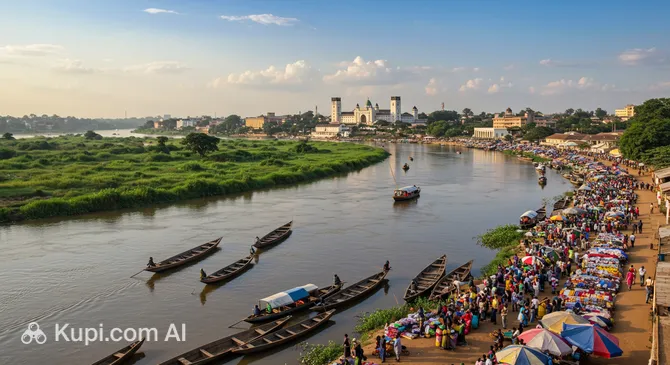
Bangui. Source: Kupi.com Binoculars

The CAR has a rich cultural heritage, shaped by numerous ethnic groups, each with its own unique traditions and customs. The country's nature is strikingly diverse: from the dense tropical forests in the south, which are home to rare animal species such as forest elephants and gorillas, to the vast savannahs in the north. One of the most picturesque spots is Boali, famous for its impressive waterfalls. The climate is predominantly equatorial—hot and humid, with distinct dry and rainy seasons.

A trip to the CAR is an opportunity to immerse yourself in the world of wild nature, get acquainted with a distinctive culture, and experience a true adventure far from the well-trodden tourist paths. This country offers a unique experience for those who seek unexplored horizons and are ready to encounter the real Africa.

Currency

The official currency of the Central African Republic is the Central African CFA franc, with the international code XAF. This currency is also used in several other countries in Central Africa. Banknotes in circulation include denominations of 500, 1,000, 2,000, 5,000, and 10,000 francs, which are often decorated with images reflecting local culture and nature. Coins are also used.

It is recommended to exchange foreign currency for CFA francs at official banks or exchange offices found in the capital, Bangui. For the most favourable rates, it is best to bring major international currencies such as the Euro (EUR) or US Dollar (USD), as the CFA franc is pegged to the Euro. You should avoid exchanging money with street vendors due to the risk of fraud and receiving an unfavourable rate. The use of credit cards in the CAR is extremely limited and generally only possible in a few large hotels in the capital. Furthermore, ATMs are very scarce and should not be relied upon. Therefore, it is strongly advised to carry a sufficient amount of cash for your daily expenses throughout your trip.

Visa Requirements

Thanks to a mutual visa waiver agreement, UAE citizens holding ordinary, diplomatic, or special passports do not require a visa to visit the Central African Republic (CAR) for stays of up to 90 days. This agreement has been in effect since 8th October 2019, simplifying travel for UAE nationals.

Despite the visa exemption, all travellers must hold a passport with at least six months of remaining validity from their intended date of departure from the CAR. Border officials may also ask for proof of return or onward travel, hotel booking confirmations, and valid medical insurance. As travel regulations can change, it is strongly recommended to confirm the latest entry requirements with the relevant authorities before your trip.

We'll tell you if you need a visa

Specify where you are going, or
Your citizenship
Destination

Time Zones

When planning a trip to the Central African Republic, you will not have to worry about changing time zones within the country. The entire nation observes a single time zone – WAT (West Africa Time), which is UTC+1. This means the time in the capital, Bangui, is the same as in any other part of the country. For travellers from the UAE, it is useful to know that the Central African Republic is three hours behind the UAE's Gulf Standard Time (UTC+4).

How to Get There

The most convenient way to get to the CAR (Central African Republic) is by air. The country's main international transport hub is Bangui M'Poko International Airport (BGF), located in the capital, Bangui. Direct air connections to the CAR are quite limited. For travellers from the UAE, reaching Bangui will require at least one connection, typically through another African capital.

Although the CAR has extensive land borders with neighbouring countries, there are virtually no international bus or rail routes that are widely used or recommended for tourists. Overland travel can present significant difficulties and security concerns, making air transport the preferred method of entry into the country. When planning your trip, it is highly recommended to book flights well in advance, especially if your travel dates coincide with peak periods. It is also crucial to check the latest visa requirements and familiarise yourself with current travel advisories for visiting the CAR. As of October 2019, UAE citizens can travel to the Central African Republic without a pre-entry visa for stays of up to 90 days.

For your reference, here is a summary of the main airport:

Airport Name City Passenger Traffic
Bangui M'Poko International AirportBanguiMedium

The Central African Republic, a country in the very heart of Africa, offers travellers unique experiences far from the beaten tourist track. Instead of traditional resorts, here you will find cities that serve as gateways to exploring a rich natural world and discovering a distinctive local culture. The main settlements are administrative, commercial, and cultural centres, each with its own unique character.

Bangui. Source: Kupi.com Binoculars

The foremost of these centres is, of course, the capital — Bangui. Situated on the banks of the Ubangi River, this city is the economic and cultural heart of the CAR, where you can immerse yourself in the daily life of the local people, visit colourful markets and feel the energy of an African city. For lovers of natural wonders, a trip to Boali is an essential part of any itinerary, famous for its picturesque waterfalls where powerful torrents of water create a breathtaking spectacle. The town of Nola serves as a starting point for those who dream of exploring the country's unique tropical forests and national parks, such as Dzanga-Sangha. It is also worth noting Berberati, one of the country's significant towns that plays an important role in the life of the region.

Each of these destinations offers its own unique perspective on the Central African Republic, opening up opportunities for an enriching and eventful trip. By exploring these cities in more detail, you can plan an unforgettable adventure, whether it is immersing yourself in urban culture or discovering the amazing natural world.

Top Attractions

The Central African Republic is a country with a rich natural and cultural heritage, which reveals itself to the most inquisitive travellers. An introduction to its treasures often begins in the capital, Bangui, situated on the banks of the Ubangi River. However, the main wonders of the CAR lie beyond the city, in the very heart of African nature and ancient history.

One of the most famous natural attractions is the Boali Waterfalls. Located on the M'bari River, these powerful cascades of water reach 250 metres in width and drop from a height of about 50 metres. The waterfalls are particularly impressive during the rainy season, when the water flow is at its fullest. The picturesque surroundings make this an ideal place to experience the full power and beauty of Central African nature.

For wildlife enthusiasts, a visit to the Dzanga-Sangha National Park is a must. This reserve, located in the southwest of the country, is part of a UNESCO World Heritage Site and is famous for its untouched tropical forests. It is home to rare forest elephants, western lowland gorillas, chimpanzees, and many other animal species. The park offers a unique opportunity to observe wildlife in its natural habitat.

In addition to its natural wonders, the CAR also holds the secrets of ancient civilisations. A prime example is the Bouar Megaliths, located in the west of the country. These mysterious stone structures, created thousands of years ago, are a candidate for inclusion on the UNESCO World Heritage list. The groups of vertically standing stones continue to intrigue historians and archaeologists, serving as a reminder of the region's prehistoric past.

Best Time to Visit

When planning a trip to the Central African Republic, it is important to consider the two main climate seasons: dry and wet. The timing of your visit will significantly affect your experience and travel opportunities in a country known for its national parks and unique nature.

High season in the CAR typically falls during the dry period, which lasts from approximately December to April-May. During this time, sunny and dry weather prevails, which makes getting around much easier, especially on the dirt roads that become more passable. This is also the optimal time for safaris and wildlife viewing, as animals tend to gather around the remaining water sources and the vegetation is less dense. A possible downside could be the intense heat, particularly at the end of the dry season (March-April), and an increase in dust. Although the country's tourism infrastructure is not highly developed, a slight increase in activity may be observed during this period.

The low season, or rainy season, covers the period from May-June to October-November. It is characterised by frequent, sometimes heavy, tropical downpours and high humidity. The advantages of this time of year include more lush green vegetation that turns the landscapes into an emerald carpet, and fewer other travellers. However, moving around the country becomes significantly more difficult, as many roads are washed out and some areas may become temporarily inaccessible. Mosquito activity also increases. An important event to consider if your trip falls at the beginning of the dry season is Republic Day (1st December) – the main national holiday, which may be accompanied by celebrations, especially in the capital, Bangui.

Traditions

The culture of the Central African Republic is rich in tradition, and showing respect for local customs will make your journey more pleasant. Greetings play an important role; they usually involve a handshake accompanied by sincere questions about health and family. Eye contact during a conversation is valued as a sign of respect and attention. Hospitality is a key concept for the people of the CAR. If you are invited into a home, be prepared to be offered refreshments, as refusing them is considered impolite. A small gift for the hosts, such as fruit, sugar, or tea, will be gratefully accepted, although it is not a strict requirement for every visit.

In daily life and when visiting public places, it is advisable to adhere to a modest style of dress. This is particularly true for women, who are advised to cover their shoulders and knees, especially outside the capital, Bangui. When visiting religious sites, such as churches or mosques, dress code requirements can be stricter; women may be expected to cover their hair when entering a mosque. At the table, especially if the meal is served in a traditional style, it is customary to eat with the right hand (if cutlery is not used) and to always wash your hands before eating. This is an important local and Islamic custom, as the left hand is often considered unclean. Show respect for elders and always ask for permission before photographing local residents. This will help avoid misunderstandings and demonstrate your respect for their personal boundaries.

Among the most significant national holidays that offer a deeper insight into the country's culture are Republic Day on 1st December, which marks the proclamation of autonomy, and Independence Day on 13th August. These days are celebrated with parades and public festivities. In general, to ensure your interactions with local residents are comfortable, avoid public displays of strong emotion or loud arguments. Patience and an openness to dialogue will be your best companions in discovering the unique traditions of the CAR.

Entertainment

The Central African Republic (CAR) offers travellers unique opportunities for immersion into authentic culture and encounters with wildlife, although the choice of entertainment has its own specific character. Active recreation in the CAR is centred around exploring its national parks and reserves. Here, you can go hiking, observe rare species of animals and birds in their natural habitat, and enjoy the beauty of rivers and waterfalls. One of the country's main natural attractions is the Dzanga-Sangha National Reserve, which provides an opportunity to see forest elephants and track western lowland gorillas. Cultural entertainment is represented by opportunities to experience traditional music, dances, and crafts. Visiting local villages and markets, such as those of the Ba'Aka people, will allow for a deeper understanding of the way of life and customs of the peoples of the CAR.

Nightlife in the country is not widely developed and is mainly concentrated in the capital, Bangui. Here you can find several restaurants offering local cuisine and venues where African music is played. While it is always advisable to inquire about halal food options, some establishments are noted for their diverse menus. Large-scale, modern nightclubs or entertainment complexes are few. When it comes to shopping, tourists usually bring back items from local artisans: these can include wooden sculptures, masks, woven goods, traditional fabrics, and jewellery. The main places to buy souvenirs are the markets in major cities, such as the Marché Central in Bangui.

There are no specialised family entertainment centres in the CAR, such as theme parks or water parks. However, for families with children, especially those interested in nature and ethnography, the trip itself can become a fascinating adventure. Observing animals, learning about a different culture, and participating in simple village activities can leave a lasting impression. It is important to bear in mind that infrastructure for young children may be limited, so a family trip requires more thorough and careful planning.

Currency rates

Planning a trip? Wonderful! To ensure the financial aspects of your journey do not come as a surprise, it is important to remember that currency exchange rates are constantly changing. Therefore, we strongly advise monitoring the latest rates both before your departure and throughout your trip. You can use the data provided below for this purpose — we monitor currency rates 24/7 and strive to provide the most up-to-date information.

XAF currency exchange rate as of 02.01.2026

1 AED
~ 151.31 XAF
1 AMD
~ 1.46 XAF
1 AUD
~ 370.86 XAF
1 AZN
~ 326.88 XAF
1 BYN
~ 189.02 XAF
1 CAD
~ 404.81 XAF
1 EUR
~ 652.90 XAF
1 GBP
~ 748.70 XAF
1 HUF
~ 1.70 XAF
1 INR
~ 6.17 XAF
1 KGS
~ 6.35 XAF
2.60 KRW
~ 1 XAF
1 KZT
~ 1.10 XAF
1 PLN
~ 154.80 XAF
1 RUB
~ 7.05 XAF
1 SAR
~ 148.16 XAF
1 SGD
~ 432.24 XAF
1 TRY
~ 12.94 XAF
1 UAH
~ 13.14 XAF
1 USD
~ 555.57 XAF
21.62 UZS
~ 1 XAF

Reached the end of the page?

That means the route is fully explored