Support

Bangui

About

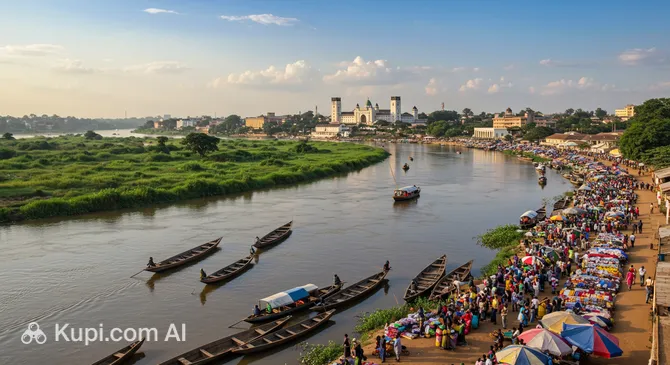
Welcome to Bangui, the vibrant capital and largest city of the Central African Republic. Nestled on the northern banks of the majestic Ubangi River, this city serves as the administrative, trade, and commercial center of the nation. Often referred to as "La Coquette" (The Beautiful One), Bangui offers a unique blend of bustling urban energy and the serene natural beauty of the surrounding lush landscapes.

Geographically, the city is situated in the southern part of the country, enjoying a tropical climate that keeps the vegetation rich and green throughout the year. With a population of approximately 890,000 residents, it is a lively hub where diverse cultures meet. The river not only defines the city's border but also plays a crucial role in daily life and transportation, providing picturesque views that are particularly stunning at sunset.

Bangui. Source: Kupi.Binoculars

Exploring the history of Bangui reveals a fascinating narrative of its development from a river outpost to a modern capital. Visitors can observe this heritage in the city's architecture, which includes the striking Notre-Dame of Bangui Cathedral, a prominent landmark built with distinctive red brick. Another key attraction is the Boganda National Museum, which houses traditional musical instruments, cultural artifacts, and art that offer deep insight into the country's traditions.

For those seeking to experience the local atmosphere, the Central Market is a must-visit destination. Here, travelers can immerse themselves in the sights and sounds of daily commerce, finding everything from fresh produce to local crafts. Whether you are strolling along the riverbanks or discovering the city's cultural heritage, Bangui invites you to experience the warm hospitality and distinct character of the heart of Africa.

Weather Overview

Bangui experiences a tropical climate characterized by consistent warmth and distinct wet and dry seasons. The city remains hot throughout the year, with average temperatures generally hovering between 25°C and 30°C. The hottest period typically occurs from January to March, where daily highs can reach up to 35.9°C, making it essential for travelers to pack lightweight and breathable clothing.

Rainfall patterns vary significantly depending on the time of year. The months of December, January, and February constitute the dry season, often seeing little to no precipitation and very few wet days. Conversely, the wet season ramps up from May through October, with September and October being particularly rainy, featuring up to 24 wet days per month. For a more comprehensive overview of what to expect during your specific travel dates, you can check the detailed report on the weather in Bangui.

Overall, visitors can expect hot, dry conditions if arriving around the turn of the year, while the mid-year months bring slightly cooler average temperatures accompanied by frequent showers. Even during the cooler months of July and August, minimum temperatures rarely drop below 22°C, ensuring that the evenings remain pleasantly warm.

Interesting Facts

Beyond the main attractions, Bangui holds many fascinating secrets that go far deeper than its colonial architecture. This riverside capital is not just a political center but a place of geological mysteries and unique geographical significance.

  • A Magnetic Mystery: Bangui sits directly at the center of the "Bangui Magnetic Anomaly," one of the largest and most intense crustal magnetic anomalies on Earth. This massive variation in the planet's magnetic field is so strong that it can significantly affect compass readings in the region. Scientists still debate its origin, with theories ranging from a massive ancient meteorite impact to a unique geological intrusion deep beneath the crust.

  • Named After the Rapids: The city's name is deeply connected to the river that sustains it. "Bangui" is derived from a local word meaning "rapids," referring to the cataracts on the Ubangi River that historically prevented boats from sailing further upstream. This natural barrier made the location the definitive terminus for river trade, effectively dictating where the city would be founded.

  • The "Coquette" of Africa: The city has long held the affectionate nickname "La Coquette" (The Beautiful One). This title emerged during the mid-20th century to describe the city's charm, characterized by its wide, tree-lined avenues and vibrant atmosphere. Today, the nickname is still used by locals as a testament to the city's enduring spirit and its picturesque setting amidst lush tropical hills.

  • The Heart of the Continent: Bangui is one of the closest capital cities to the geographical center of the African continent. Because of this unique inland location, it is often cited as one of the most remote capitals from any ocean coastline, creating a distinct tropical environment that is entirely influenced by the Congo Basin rather than coastal weather patterns.

How to Get There

Reaching the capital of the Central African Republic is most conveniently achieved by air, as overland travel can be challenging due to distance and infrastructure. For travelers planning their itinerary, you can find more about how to get to Bangui and the specific transport options available in our detailed guide.

The city is served by Bangui Airport (IATA: BGF), also known as M'Poko International Airport. This is the primary gateway for international arrivals and is conveniently located just 8.2 km from the city center. The airport handles a moderate volume of passengers annually, connecting the capital with several regional hubs. A journey from the terminal to the downtown area by taxi or shuttle typically takes approximately 35 minutes, though this can vary depending on traffic conditions.

For clarity, here is a summary of the main airport:

Airport Name City Passenger Traffic Km from City
Bangui Airport Bangui Moderate 8.2

Main Attractions

Bangui offers a fascinating mix of colonial history, vibrant local culture, and stunning natural scenery. While the city is the administrative heart of the Central African Republic, it retains a laid-back riverside atmosphere that invites exploration. From architectural landmarks to bustling markets, here are the main attractions to discover.

Notre-Dame of Bangui Cathedral is perhaps the most iconic structure in the capital. Built in the early 20th century, this striking cathedral is renowned for its distinctive red brick facade and French colonial architecture. The building features a symmetrical design with two towers and a white plaster statue of the Virgin Mary above the entrance. Inside, visitors can admire beautiful stained glass windows that blend biblical themes with local cultural elements. It serves not only as a place of worship but also as a symbol of peace and resilience for the nation.

For a deep dive into the country's rich heritage, the Boganda National Museum is an essential stop. Housed in a charming colonial-style villa, the museum is named after Barthélemy Boganda, the father of the nation. Its collection offers a comprehensive look at the diverse ethnic groups of the region, featuring traditional musical instruments, pottery, ancient coins, and hunting tools. One of the highlights is the section dedicated to the culture and lifestyle of the Pygmy peoples, providing unique insights into their traditions and artistry.

No visit to Bangui is complete without experiencing the energy of the Central Market. Located in the heart of the city, this sprawling marketplace is a sensory delight, filled with the sounds of bargaining and the aroma of local spices. It is the perfect place to find authentic souvenirs, particularly the famous malachite necklaces and intricate ebony wood carvings that the country is known for. Strolling through the stalls offers a genuine glimpse into the daily life of the locals.

Located about 100 kilometers from the city, the Boali Waterfalls are a popular day trip and are widely considered the premier tourist attraction for anyone staying in Bangui. The majestic falls cascade over a width of 250 meters, creating a spectacular curtain of water that plunges 50 meters down. The site is surrounded by lush greenery, making it an ideal spot for a picnic and nature photography. Visitors can view the falls from the top or take a path down to the bottom to feel the mist and power of the river up close.

Local Cuisine

The culinary scene in Bangui is a flavorful reflection of the country's rich natural resources and diverse cultural influences. Dining here offers a unique opportunity to taste authentic Central African cuisine, which relies heavily on fresh, locally sourced ingredients like cassava, plantains, peanuts, and river fish. The food culture is a blend of traditional African cooking methods and lingering French colonial touches, creating a gastronomic experience that is both hearty and distinct.

One of the most celebrated dishes you must try is Maboké. This traditional delicacy consists of fish—often the succulent capitaine fish caught fresh from the Ubangi River—marinated with onions, tomatoes, and a blend of spices. The mixture is then wrapped in banana leaves and steamed or grilled over an open fire. The leaves lock in the moisture and flavor, resulting in a tender and aromatic dish that is a staple of the local diet.

Meat lovers should look for Kanda, which are savory meatballs typically made from beef. What makes Kanda special is the sauce; the meat is cooked in a rich, creamy gravy made from ground pumpkin seeds (graine de courge). This dish is usually served with Gozo, a thick, dough-like paste made from cassava flour. Gozo acts as the primary carbohydrate and is used to scoop up sauces and stews, replacing utensils in a traditional dining setting. Another common side is Saka-Saka, a nutritious stew made from cassava leaves, often enriched with peanut butter or palm oil.

To quench your thirst, the local beverage of choice is often Mocaf, the national beer of the Central African Republic. It is widely available and enjoyed by locals and tourists alike as a refreshing counter to the tropical heat. For a non-alcoholic option, try the fiery and sweet ginger juice, locally known as tangawisi, which is sold fresh on many street corners. Adventurous travelers might also sample palm wine, a traditional alcoholic drink tapped directly from palm trees, though it is best consumed fresh in the villages or local markets.

The dining atmosphere in Bangui ranges from casual street food stalls to more formal establishments. You will find numerous French-style bakeries and patisseries throughout the city, offering fresh baguettes and croissants that rival those in Europe. For a quintessential Bangui experience, visit the open-air eateries known as "maquis" or choose a restaurant along the banks of the Ubangi River. Here, you can enjoy your meal with a stunning view of the water, watching the pirogues glide by as the sun sets over the horizon.

Travel Tips

Planning a trip to Bangui offers a chance to explore the heart of Africa, but like any unique destination, it requires a bit of local know-how to ensure a smooth journey. To help you make the most of your visit, here are some essential practical tips designed to keep you safe, comfortable, and culturally connected.

  1. Clothing and Essentials: Due to the hot and humid tropical climate, pack lightweight, breathable fabrics like cotton or linen. A sturdy umbrella or raincoat is essential if you are visiting during the wet season from May to October. Dress modestly, especially when visiting religious sites or traditional neighborhoods. It is also wise to bring a universal adapter (Type C or E plugs are standard) and a portable power bank, as electricity can be intermittent.

  2. Transportation: The most reliable and safe way to explore the city is by hiring a private car with a local driver or using the official green-and-yellow taxis. While shared taxis and motorcycle taxis (moto-taxis) are common, they are not always recommended for tourists due to safety concerns. Avoid walking long distances at night; always opt for a vehicle to move between locations after dark.

  3. Finances: The official currency is the Central African CFA Franc (XAF). Bangui is primarily a cash-based economy, and credit cards are rarely accepted outside of major hotels and a few upscale restaurants. ATMs are available but can be unreliable or out of service, so it is highly recommended to carry sufficient cash (Euros are the easiest to exchange) and change money at banks or your hotel.

  4. Health and Safety: Medical facilities in the city are limited; the Institut Pasteur is often cited as a reliable location for basic medical needs. Malaria is prevalent, so bring strong insect repellent and consider taking prophylaxis. Drink only bottled water and avoid ice in drinks unless you are sure it was made from purified water. As a general precaution, keep valuables hidden and stay in well-lit, populated areas.

  5. Communication: French is the official language, while Sango is the national language spoken by the majority of the population. English is not widely understood, so having a translation app or learning basic French phrases is crucial for daily interactions. For internet access, purchase a local SIM card (providers like Orange or Telecel) upon arrival, as Wi-Fi in public places can be slow.

  6. Local Etiquette: Greetings are very important in Central African culture. Always say "Bonjour" (Good morning) or "Bonsoir" (Good evening) and shake hands when meeting someone. It is considered impolite to start a conversation or ask a question without greeting the person first. When taking photos of people, always ask for permission beforehand to show respect.

  7. What to Avoid: Strictly avoid photographing government buildings, military installations, police officers, or the airport. This is a sensitive issue, and doing so can lead to the confiscation of your camera or legal trouble. Be very observant of signs prohibiting photography.

  8. Market Wisdom: When shopping at the Central Market or buying souvenirs like wood carvings, bargaining is expected. It is done in a friendly manner; start by offering a lower price than asked and work your way to a compromise. However, do not bargain if you have no intention of buying, as this is considered rude.

By keeping these tips in mind, you will be well-prepared to navigate Bangui with ease and respect for the local customs. Enjoy the warm hospitality of the Central African people and the vibrant rhythm of this riverside capital.

Entertainment & Nightlife

As the sun sets over the Ubangi River, Bangui transforms from a bustling administrative hub into a city with a lively and rhythmic pulse. While the nightlife scene here is not as expansive as in some larger African capitals, it offers a distinct charm characterized by vibrant music, open-air venues, and a welcoming atmosphere. The nightlife is primarily concentrated in the city center and along the major avenues, where locals and expatriates gather to unwind, dance, and enjoy the cool evening breeze.

The atmosphere in Bangui’s entertainment spots is generally relaxed yet energetic. Music is the heartbeat of the night, with venues playing a mix of Congolese Rumba, Soukous, Ndombolo, and contemporary Afrobeats, often accompanied by French pop hits. The dress code is typically casual to smart-casual; locals appreciate looking good for a night out, so dressing neatly is recommended. Most bars and restaurants stay open late, especially on weekends, with nightclubs often picking up momentum after 11:00 PM and continuing until the early hours of the morning.

For a relaxed evening starting with food and transitioning into drinks, Le Grand Café is a staple of Bangui's social scene. Located centrally, it serves as a popular meeting point for both business and leisure, offering a terrace where you can enjoy a cold Mocaf beer while watching the city life go by. Another favorite is La Braise, known for its friendly ambiance and excellent grilled dishes. It is a great spot to start the night with a hearty meal before heading to livelier venues.

Those looking to dance can explore the city's clubs, which range from air-conditioned indoor discos to open-air dance floors. Le 3615 is one of the well-known nightclubs in the city, frequently attracting a diverse crowd ready to dance the night away. The vibe here is electric, often fueled by local DJs who know exactly how to keep the energy high. For a more laid-back riverside experience, the bar at the Oubangui Hotel offers stunning views of the river at night, providing a quieter setting for cocktails and conversation.

Practicality and safety are paramount when enjoying nightlife in Bangui. The average price for drinks and cover charges is moderate, but credit cards are rarely accepted, so always carry sufficient cash (CFA Francs). Safety is a crucial consideration: walking around the city at night is strongly discouraged for tourists. Always arrange for transportation in advance. The most reliable way to get around after dark is by using a private taxi or a trusted driver recommended by your hotel. Stick to well-known and populated venues, and avoid venturing into unlit or peripheral neighborhoods.

During the daylight hours, entertainment in Bangui takes a more cultural turn. While the city lacks large amusement parks, it offers enriching experiences for culture enthusiasts. The Alliance Française de Bangui is a key cultural hub, regularly hosting theater performances, film screenings, art exhibitions, and concerts. It is an excellent place to engage with the local artistic community. Additionally, visitors can explore the city's history at the national museum or enjoy a peaceful afternoon at the artisan markets, which offer a colorful glimpse into the local craftsmanship.

Parks & Museums

While Bangui may not feature vast botanical gardens in the traditional sense, the capital of the Central African Republic offers a refreshing blend of natural riverside beauty and cultural depth. The city's charm lies in its lush tropical setting, where the greenery of the Congo Basin meets the urban environment, creating unique spaces for relaxation and discovery.

The Ubangi Riverbanks act as the city's primary open-air recreational zone. Often referred to as "La Corniche," this scenic stretch provides a peaceful escape from the bustling streets. It is the perfect vantage point to admire the rolling hills of the neighboring Democratic Republic of the Congo across the water. Locals frequently gather here to enjoy the cooling breeze, watch traditional wooden pirogues navigate the currents, and witness spectacular sunsets that paint the sky in vivid hues.

In the heart of the city, Place de la République serves as a significant landmark and green space. Dominated by the white triumphal arch, this landscaped square is a focal point for national events and civic life. The surrounding area, lined with mango trees and lush vegetation, reflects the city's nickname, "La Coquette," offering a shaded environment where visitors can observe the daily rhythm of the capital.

For cultural exploration, the Boganda National Museum stands as the custodian of the nation's heritage. Housed in a preserved colonial villa, this institution effectively serves as the museum of popular arts and traditions, consolidating the country's ethnographic history under one roof. The collections provide a comprehensive look at the diverse lifestyles of the region's ethnic groups, showcasing everything from ritual masks and pottery to hunting tools. It is particularly renowned for its exhibits dedicated to the Pygmy culture, offering valuable insights into their ancient traditions and forest-dwelling existence.

To experience the country's artistic traditions in action, a visit to the Village Artisanal is highly recommended. Functioning as a living gallery, this space allows travelers to watch skilled artisans shape ebony wood, craft leather goods, and create unique artworks using butterfly wings. It is an immersive alternative to a static museum, providing a direct connection to the creative spirit and craftsmanship that defines the local culture.

Getting Around

Navigating Bangui, the capital of the Central African Republic, requires a bit of local knowledge, as the city does not have a formal public transport system like a metro or large municipal bus network. Instead, the streets are bustling with a mix of taxis, minibuses, and motorcycles, which serve as the primary means of getting around for the local population.

The most reliable and safe option for visitors is the taxi. These cars are easily recognizable by their distinctive green and yellow color scheme. Taxis operate on two systems: "shared" (collectif), where the driver picks up multiple passengers going in the same direction, and "private hire" (course). For tourists, hiring a taxi for a private course is highly recommended for comfort and security. Since taxis rarely use meters, it is essential to negotiate the fare with the driver before starting your journey.

For quicker trips, motorcycle taxis, known locally as "motos," are a very common sight. They are often faster than cars, capable of weaving through traffic and navigating the city's sometimes uneven roads. While they are a cheap and popular way to travel, they are generally less safe due to the lack of helmets and aggressive driving. Travelers are advised to use them with caution, preferably for short distances during the day.

Car rental is available but is almost exclusively arranged with a hired driver. Self-driving can be challenging due to variable road conditions, which range from paved avenues in the city center to unpaved, potholed streets in the suburbs. Hiring a car with a local driver is the most stress-free way to explore, and most major hotels can assist in making these arrangements.

Minibuses serve as the main form of mass transit, running on fixed routes throughout the city. These are typically crowded and may not be comfortable for travelers with luggage, but they offer a very affordable way to move around. Stops are often informal, and you may need to ask locals for the best place to catch one for your specific destination.

Walking is feasible and pleasant in the central administrative areas and along the riverfront corniche during daylight hours. However, sidewalks are not always present or well-maintained. As a safety precaution, it is advisable to avoid walking long distances after dark due to limited street lighting; instead, opt for a taxi or a pre-arranged vehicle for your evening travels.

Accommodation

Where to Stay:

Accommodation in Bangui is primarily tailored to meet the needs of business travelers, diplomats, and international organization staff. While the city does not have an extensive network of tourist-focused hostels or vacation rentals, it offers a selection of reliable hotels that provide comfort, security, and essential amenities. The range typically spans from upscale international-standard hotels to more modest mid-range guesthouses and local inns.

The most convenient and popular area to stay is the City Center, particularly along the banks of the Ubangi River and near the administrative district. Staying in this zone places you close to major government buildings, foreign embassies, and the few available restaurants and supermarkets. This area is generally considered the most secure and accessible part of the capital for visitors, offering easy access to the riverside corniche for evening relaxation.

For those seeking luxury and comprehensive services, the city features a few standout establishments. The Ledger Plaza Bangui is widely regarded as the premier hotel in the country, offering high-standard amenities including a swimming pool, gym, and reliable internet access, making it a top choice for international visitors. Another well-known option is the Oubangui Hotel, which is celebrated for its stunning location right on the riverbank, allowing guests to enjoy breakfast with a view of the pirogues gliding across the water.

When planning your stay, it is highly advisable to book your accommodation well in advance. Due to the limited number of high-quality rooms and the steady influx of professional visitors, hotels can fill up quickly, especially during major conferences or events. Relying on last-minute walk-ins is not recommended.

Regarding costs, travelers should be prepared for prices that may be higher than expected for the region. Accommodation in Bangui is relatively expensive due to the high operating costs and the reliance on generators for electricity. While major hotels usually accept credit cards, it is prudent to carry enough cash (CFA Francs) for deposits or extras. Booking is best done through major online platforms for the larger hotels, while smaller guesthouses may require direct contact via phone or email to confirm your reservation.

Nearby Cities

For travelers interested in exploring beyond the capital, the region surrounding Bangui offers a variety of destinations ranging from bustling satellite towns to gateways for wilderness adventures. Whether you are looking for a quick day trip to experience local market life or planning a journey further afield to discover the country's natural heritage, there are several key locations accessible from the city.

City Population Distance (km)
Bimbo 267,859 8
Mambéré-Kadéï 233,666 204
Berberati 76,918 310
Carnot 45,421 307
Nola 41,462 296

Among these destinations, Bimbo is the most convenient to visit; located just southwest of the capital, it is often considered part of the greater metropolitan area and features vibrant markets. For those willing to travel longer distances, Nola is situated at the confluence of two rivers and serves as the primary access point for the pristine rainforests of the Dzanga-Sangha Special Reserve. To the west, Berberati stands as a significant urban center, offering visitors a glimpse into the region's history and its diamond-mining heritage.

Shopping & Souvenirs

Shopping in Bangui offers travelers a distinct experience that contrasts sharply with the polished retail environments of major global metropolises. Instead of vast luxury avenues, the city provides a genuine immersion into Central African culture through its bustling marketplaces and specialized artisan centers. While you can find imported goods and modern conveniences, the true joy of shopping here lies in discovering unique local handicrafts and interacting with the friendly, albeit spirited, vendors.

The primary commercial activity is concentrated in the City Center (Centre Ville), particularly around the area of the Place de la République and along the main avenues such as Avenue Barthélemy Boganda. This district serves as the economic heartbeat where administrative buildings sit alongside various shops selling electronics, fabrics, and general merchandise. A stroll through these streets reveals a mix of formal storefronts and informal street vendors, creating a lively atmosphere that defines the capital's daily rhythm.

For those seeking a more modern retail experience or looking to stock up on familiar supplies, the city features a few shopping complexes that offer air-conditioned comfort. Bangui Mall is one of the prominent modern establishments, housing a well-stocked supermarket, clothing boutiques, and a food court. It is a popular spot for both expatriates and locals to purchase imported foods, toiletries, and household items. Additionally, supermarkets like Rayan and Corail provide a reliable selection of western-style goods, making them essential stops for travelers needing specific amenities.

However, the soul of Bangui's trade is found in its traditional markets. The Central Market (Marché Central) is the largest and most vibrant marketplace in the city. It is a sensory maze of stalls piled high with colorful fruits, vegetables, spices, and the vibrant printed fabrics known as pagnes. It is an excellent place to observe local life, but visitors should be prepared for crowds and a fast-paced environment. For a more relaxed and tourist-focused experience, the Village Artisanal is the premier destination. Here, you can watch artisans at work and purchase high-quality crafts directly from the creators.

When it comes to souvenirs, Bangui is famous for its exceptional craftsmanship. The most unique items to bring back are the intricate butterfly wing pictures (tableaux d'ailes de papillons). Artists meticulously arrange thousands of real butterfly wings to create stunning landscapes and portraits, a craft that is specific to the Central African Republic. Other popular keepsakes include hand-carved ebony wood sculptures, leather goods, and jewelry made from locally sourced malachite. These items are not only beautiful but also support the local artisan community.

Practicality is key when planning a shopping trip. Most shops generally open around 8:00 AM or 9:00 AM and close by 5:00 PM or 6:00 PM, with many smaller businesses closing for a lunch break in the afternoon. Sunday is typically a quiet day with limited options.

Regarding payment, Bangui is overwhelmingly a cash-based economy. While the modern supermarkets and larger hotels may accept credit cards, they are the exception rather than the rule. You will need Central African CFA Francs (XAF) for almost all transactions, especially in markets and smaller shops. Bargaining is an essential part of the culture in the markets and with street vendors; it is expected that you negotiate the price with a smile to reach a fair deal.
Reached the end of the page?

That means the route is fully explored