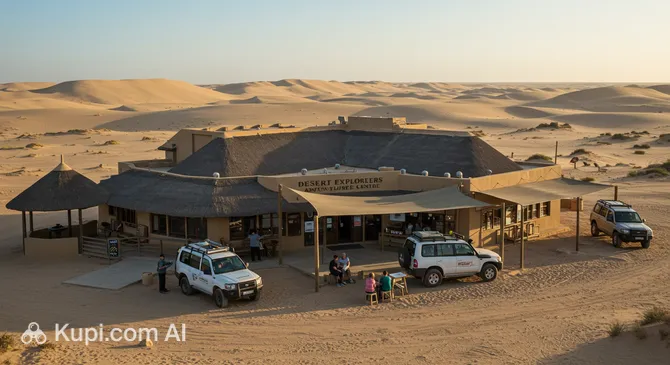
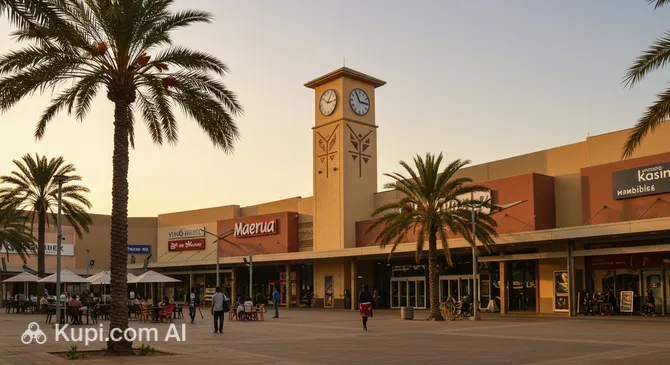
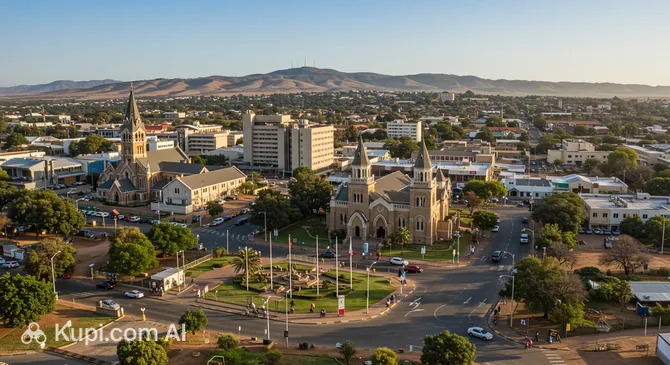
Namibia is a country of amazing contrasts and vast open spaces, located in the southwest of Africa. It is one of the least populated nations in the world, which offers a sense of pristine wilderness and freedom. Its uniqueness lies in its incredible desert landscapes, rich wildlife, and a distinctive culture formed at the crossroads of African traditions and European heritage. The nation's capital, Windhoek, serves as the starting point for most journeys and provides an introduction to its colonial architecture and local colour.
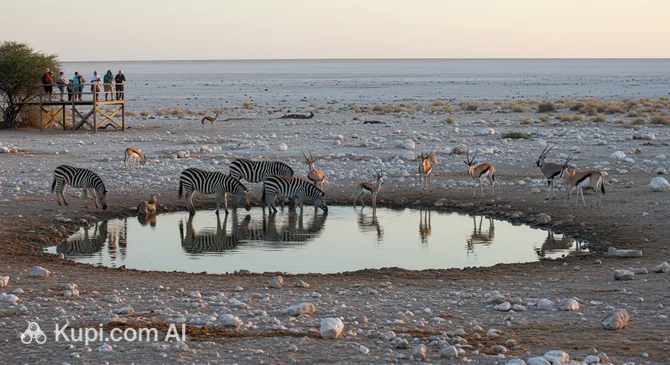
Namibia's greatest treasure is its nature. The ancient Namib Desert, with its famous orange dunes in the Sesriem area, including the renowned Sossusvlei and Deadvlei (the Dead Vlei), captures the imagination. Etosha National Park in the north of the country is one of Africa's best locations for wildlife viewing, where elephants, lions, giraffes, and antelopes gather at waterholes such as the Okaukuejo Waterhole. Namibia's climate is predominantly arid, with many sunny days throughout the year, making it an attractive destination to visit at almost any time.
Beyond its natural wonders, Namibia offers an introduction to a fascinating culture. It is home to various ethnic groups, each with its own traditions and language. In cities such as the colourful Swakopmund on the Atlantic coast, a German colonial influence can be felt in the architecture and cuisine. While halal food requires some planning, options can be found in larger cities like Windhoek and Swakopmund. The overall impression of Namibia is that of a country for adventurers, photographers, and anyone who appreciates untouched nature and the opportunity to be alone with majestic landscapes.