Support

Ondangwa

About

Welcome to Ondangwa, a vibrant and bustling town located in the northern part of Namibia. Known as a significant commercial and industrial hub within the Oshana Region, this city offers a unique blend of modern development and traditional Ovambo culture. As a key gateway to the north, Ondangwa possesses a lively atmosphere that captures the energetic spirit of the region, making it an essential stop for travelers exploring the upper reaches of the country.

Geographically, the city sits on a flat landscape characteristic of the area, approximately 80 kilometers from the Angolan border. The climate here is semi-arid, featuring hot summers and mild winters, which influences the local lifestyle and architecture. With a population of approximately 22,822 people, Ondangwa serves as a central meeting point for trade and social interaction, providing a distinct contrast to the sparsely populated desert regions found elsewhere in the nation.

The town has deep roots that date back to its founding in 1890, originally established as a mission station. Visitors interested in the past will find that the history of Ondangwa is rich with stories of cultural resilience and development. This heritage is palpable in the surrounding areas, where historical landmarks and traditional homesteads offer a glimpse into the lives of the local communities over the last century.

For tourists, Ondangwa offers several compelling attractions. A highlight for many is the nearby Nakambale Museum in Olukonda, which preserves the legacy of the early Finnish missionaries and local cultural artifacts. Within the town itself, the Ondangwa Open Market is a must-visit spot to experience local commerce, taste traditional cuisine like kapana, and buy handmade crafts. Additionally, the city serves as a convenient base for day trips to the world-famous Etosha National Park, allowing nature lovers to easily access one of Africa's premier wildlife sanctuaries.
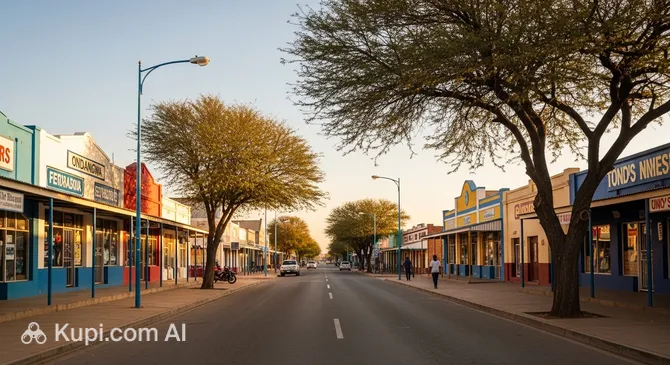
Ondangwa. Source: Kupi.Binoculars

Whether you are passing through on your way to the border or planning to explore the cultural heart of Owamboland, Ondangwa invites you to experience its warm hospitality. We recommend spending a few days here to truly appreciate the rhythm of daily life and the friendly spirit of its residents.

Weather Overview

Ondangwa experiences a semi-arid climate characterized by distinct seasonal shifts, making it important to pack accordingly. The region generally enjoys plenty of sunshine throughout the year, but travelers should be prepared for significant temperature variations depending on when they visit. For a comprehensive look at what to expect during your specific travel dates, you can consult the detailed guide to the weather in Ondangwa.

The summer months, particularly from October to March, are quite hot. Temperatures peak around October and November, where daily highs can reach an intense 35.0°C. This period also marks the arrival of the rainy season, with January seeing the highest frequency of precipitation, recording about 14 wet days. However, even during these wetter months, the total rainfall volume often remains modest.

In contrast, the winter season from May to September offers drier conditions and milder heat. June and July are the coolest months, with average daytime temperatures hovering around 26.7°C and nights dropping significantly to lows of approximately 11.3°C. Expect warm summers with frequent wet days and mild, dry winters characterized by crisp, cool evenings.

Interesting Facts

Beyond the main attractions, Ondangwa holds many fascinating secrets that reveal its deep historical and cultural significance. These lesser-known details offer a glimpse into the unique heritage that shaped this northern hub.

  • The "End" of the Kingdom: The name "Ondangwa" is widely believed to translate to "the end of the Ondonga area." This designation historically marked the western boundary of the traditional Ondonga Kingdom, distinguishing it from the neighboring territories in the region.

  • An Accidental Administrative Center: In 1915, when the colonial administration sought a base in the north, they selected Ondangwa primarily for convenience rather than strategy. They occupied an abandoned Finnish mission station, which became the administrative headquarters simply because the buildings were already standing and available.

  • Home to the "Hat Wearer": The nearby village of Olukonda is home to the Nakambale Museum, dedicated to the Finnish missionary Martti Rautanen. He was affectionately nicknamed "Nakambale" by the locals because of the hat he always wore, and his mission station houses the oldest church building in northern Namibia.

  • A Long-Awaited Arrival: Although railways existed elsewhere in the country for a century, the train line only reached Ondangwa in 2006. The arrival of the first passenger train, the "Omugulugwombashe Star," was a massive celebratory event, symbolizing the physical reconnection of the northern regions with the rest of the nation.

How to Get There

Reaching this northern hub is relatively straightforward, with air travel being the most efficient method for most visitors. For a comprehensive overview of travel options, including road routes, you can read more about how to get to Ondangwa.

The most convenient entry point is the local Ondangwa Airport (IATA: OND). Located directly in Ondangwa, it is situated just 4.1 km from the town center. This proximity makes it an excellent choice for travelers, with a quick transfer by taxi or shuttle taking only a few minutes. It serves as a key regional hub, facilitating connections to the capital and other destinations.

Alternatively, travelers can consider Ondjiva (IATA: VPE), located in the city of Ondjiva. This airport is about 100.3 km away from Ondangwa. While it is an option, the ground transfer involves a significantly longer journey by car. Travelers choosing this route should plan for the additional travel time required to reach their final destination.

For clarity, here is a summary of the main airports:

Airport Name City Type Km from City
Ondangwa Airport Ondangwa Regional 4.1
Ondjiva Ondjiva Regional 100.3

Main Attractions

While Ondangwa is primarily known as a commercial hub, it offers several fascinating attractions that provide deep insights into the history and culture of Northern Namibia. Visitors can explore a mix of historical landmarks, vibrant local markets, and natural wonders that define this unique region. Whether you are interested in the legacy of early missionaries or the daily life of the Ovambo people, the town has something meaningful to offer.

One of the most significant cultural sites is the Nakambale Museum, located just a short drive away in the village of Olukonda. This national monument is housed in a former Finnish mission station established in the late 19th century. The museum is named after the missionary Martti Rautanen, affectionately known as "Nakambale" by the locals because of the hat he always wore. Tourists can tour the old mission house and the historic church, viewing exhibits that chronicle the interaction between Finnish missionaries and the local community, as well as artifacts representing traditional Ovambo life.

For those looking to experience the energetic pulse of the city, the Ondangwa Open Market is an unmissable stop. This bustling marketplace is the heart of local commerce, where vendors sell everything from fresh agricultural produce to traditional delicacies like kapana (grilled meat) and mopane worms. It is an excellent place to interact with friendly residents, observe the local trading culture, and perhaps pick up some handmade baskets or pottery.

Travelers seeking authentic souvenirs should visit the Ondangwa Craft Market. This center showcases the artistic talents of the region, featuring a variety of wood carvings, woven textiles, and traditional jewelry. It provides a wonderful opportunity to support local artisans while finding unique gifts that reflect the artistic heritage of the Oshana Region.

Although it lies outside the town limits, Ondangwa serves as a strategic gateway to the world-renowned Etosha National Park. Many visitors use the city as a base to access the park via the King Nehale Gate, which is located to the south. This proximity allows nature enthusiasts to easily plan day trips or onward journeys to witness Namibia's spectacular wildlife, including elephants, lions, and rhinos, in their natural habitat.

Local Cuisine

The culinary scene in Ondangwa offers a deep dive into the traditional flavors of the Ovambo people, providing an authentic taste of northern Namibia. Unlike the more westernized menus found in the capital, the food here is hearty, organic, and deeply rooted in local agriculture. For travelers, dining here is not just about sustenance; it is a cultural experience that centers around communal meals and locally sourced ingredients.

At the heart of almost every meal is Mahangu (pearl millet). It is typically ground into flour and cooked into a stiff porridge known as Oshifima, which serves as the staple starch. Locals traditionally eat this with their right hand, using it to scoop up various accompaniments. One of the most iconic pairings is Ondjuhwa, often referred to as "marathon chicken." These free-range chickens are known for their firm texture and rich flavor, usually cooked in a simple but delicious stew with marula oil or butter.

For the adventurous eater, Ondangwa is the perfect place to try Omagungu, or mopane worms. These caterpillars are a vital source of protein in the region and are harvested from Mopane trees. They can be dried for a crispy snack or rehydrated and cooked in a sauce with onions and tomatoes. Another must-try is Kapana, the country's famous street food. In the local markets, vendors grill fresh beef over open fires, cutting it into bite-sized strips that are dipped in chili spice and salsa, offering a spicy and savory treat that is best enjoyed socially while standing around the fire.

To wash down these rich meals, visitors should sample Oshikundu, a traditional fermented drink made from millet and sorghum. It is nutritious, refreshing, and has a very low alcohol content, making it a common household beverage. For something stronger, there is Ombike, a potent home-distilled spirit often made from the fruit of the Makalani palm. It is a clear liquor with a distinct kick, usually reserved for special occasions or social gatherings.

The best places to experience this food culture are not fine dining restaurants, but the bustling open markets and local "Cuca shops" (informal bars). The Ondangwa Open Market is the gastronomic hub of the town, where the aroma of grilled meat fills the air and women sell fresh wild spinach (Ombidi) and dried fish. Eating here allows tourists to mingle with residents and witness the warm, hospitable spirit that defines the Oshana Region.

Travel Tips

To ensure your visit to Ondangwa is as enjoyable and hassle-free as possible, we have compiled a set of practical recommendations. These tips will help you navigate the local customs, climate, and daily life in this energetic northern hub, allowing you to focus on exploring the rich culture of the region.

  1. Clothing and Gear: Given the semi-arid climate, lightweight and breathable fabrics like cotton or linen are your best friends, especially during the hot summer months. A wide-brimmed hat, high-quality sunglasses, and strong sunscreen are essential to protect against the intense sun. Since you might be walking through sandy areas or markets, comfortable closed-toe shoes or sturdy sandals are recommended. While the dress code is generally casual, it is respectful to dress modestly when visiting rural villages or churches.

  2. Transportation: Inside the town, shared taxis are the most common and affordable way to get around; they follow specific routes and are easily hailed from the roadside. There are no metros or trams here. If you plan to explore the surrounding regions or visit Etosha National Park, renting a car is highly advisable. A 4x4 vehicle is often preferred for comfort and safety on gravel roads outside the main town.

  3. Finances: The local currency is the Namibian Dollar (NAD), which is pegged 1:1 to the South African Rand (ZAR); both are accepted freely. While major supermarkets and lodges accept credit cards, cash is absolute king at the Ondangwa Open Market, fuel stations, and smaller shops. ATMs are readily available at shopping centers, but it is wise to carry smaller denominations for tips and minor purchases.

  4. Health and Safety: Ondangwa is located in a malaria-risk area, particularly during the rainy season (November to April). Consult your doctor about prophylaxis before traveling and carry effective insect repellent. Pharmacies are available in the town center for basic needs. As in any busy town, keep an eye on your belongings in crowded areas, but generally, the town is safe for tourists during the day. Tap water is usually safe in urban areas, but bottled water is recommended for short-term visitors to avoid stomach upsets.

  5. Communication: English is the official language of Namibia and is widely understood in shops and businesses. However, the primary local language is Oshiwambo. Learning a simple greeting like "Walelepo?" (Good morning/How are you?) will go a long way in breaking the ice with locals. Mobile coverage is good; you can easily buy a SIM card from MTC or TN Mobile at the airport or local stores to stay connected.

  6. Local Etiquette: Greetings are extremely important in Ovambo culture. It is considered rude to ask a question or start a transaction without first exchanging pleasantries. When shaking hands, it is polite to touch your right elbow with your left hand as a sign of respect, especially when greeting elders or officials. Patience is a virtue here; service may be more relaxed than what you are used to, so embrace the slower pace.

  7. What to Avoid: Do not take photographs of people, their homesteads, or government buildings without asking for explicit permission first. Locals are generally friendly, but they value their privacy. Also, avoid public displays of anger or raising your voice; keeping a calm and friendly demeanor will resolve issues much faster than confrontation.

  8. Market Insight: If you visit the open markets, don't be afraid to try the "kapana" (grilled meat) fresh from the fire, but look for a stall that is busy with locals—that is usually where the meat is freshest and tastiest. Also, most market vendors operate on a cash-only basis and do not follow strict opening hours, so mid-morning is usually the liveliest time to visit.

By keeping these practical tips in mind, you will be well-prepared to immerse yourself in the unique rhythm of Ondangwa. Embrace the warmth of the people and the vibrant atmosphere, and you are sure to have an unforgettable experience in northern Namibia.

Entertainment & Nightlife

Nightlife in Ondangwa offers a unique window into the social fabric of northern Namibia. Unlike the neon-lit districts of larger capital cities, the evening scene here is driven by a pulsating energy centered around community, music, and conversation. As the heat of the day subsides, the town comes alive with a laid-back yet vibrant atmosphere where locals gather to unwind, creating an environment that is welcoming, loud, and distinctly African.

For the most authentic experience, you must visit the local Cuca shops (informal bars or shebeens). These venues are the heartbeat of the region's social life, often located along the main roads and in residential areas. Expect to hear popular Kwaito, Afro-pop, and Ovambo music blasting from speakers while patrons enjoy cold beers and spirited conversation. The vibe is unpretentious and the dress code is strictly casual, making it easy to blend in, though visiting with a local guide is recommended for the best experience.

If you prefer a more relaxed or upscale environment, the town's major hospitality venues serve as excellent nightlife hubs. Ekamuti Town Lodge is a well-known spot that attracts a mix of travelers and local professionals. It is often the center of social gatherings and events, offering a lively bar area where you can enjoy a drink by the pool. Another reliable option is the bar at the Protea Hotel Ondangwa, which provides a comfortable and quieter setting, perfect for a sunset cocktail or a nightcap away from the bustling streets.

When planning your evening, keep in mind that the nightlife peaks on Friday and Saturday nights. Prices in Ondangwa are generally very affordable, particularly for local beverages. However, safety is a priority. Public transport is scarce at night, so it is essential to arrange a private taxi in advance. Avoid walking alone in unlit areas or residential backstreets after dark; stick to the main commercial areas and ask your accommodation to call a trusted driver for you.

During the daylight hours, entertainment tends to be more low-key. Apart from exploring cultural sites, visitors often head to the Ondangwa Shopping Mall for a modern retail experience, coffee, and casual dining. For a break from the northern heat, many tourists spend their afternoons at the swimming pools of the larger lodges, which often welcome day visitors for a small fee, offering a refreshing way to relax before the evening festivities begin.

Parks & Museums

While Ondangwa is primarily a commercial hub, it serves as a gateway to some of Namibia's most striking natural landscapes and holds a treasure trove of cultural history. The town may not be filled with manicured city gardens, but its surroundings offer a raw, authentic connection to the environment, while its museums provide a profound look into the heritage of the Ovambo people and the early missionary era.

Although strictly speaking a short drive from the town, Etosha National Park is the region's premier natural attraction. Accessible via the King Nehale Gate to the southeast, this vast saline desert and wildlife sanctuary is one of Africa's most significant preserves. Visitors staying in Ondangwa often take day trips here to witness the abundance of elephants, lions, and antelopes gathering around the waterholes, offering a stark and beautiful contrast to the bustling town life.

Closer to the town center, the landscape itself serves as a natural park. The area is defined by the seasonal Oshanas, shallow depressions that fill with water during the rainy season. These temporary wetlands transform the semi-arid terrain into a lush environment teeming with birdlife, including flamingos and pelicans. Walking near these water bodies, especially under the shade of the iconic Makalani palm trees, provides a peaceful escape and a chance to observe the local ecosystem in action.

For culture enthusiasts, the Nakambale Museum in the nearby village of Olukonda is an essential stop. Housed in the former Finnish mission station founded in the late 1800s, this museum offers a fascinating glimpse into the convergence of European and Ovambo cultures. The exhibits include traditional tools, clothing, and musical instruments, alongside personal items belonging to the missionary Martti Rautanen. It is a place of storytelling, where visitors can learn about the introduction of Christianity and its impact on the northern regions.

The museum complex is also home to significant architectural landmarks. The Old Mission Church, situated on the same grounds, is believed to be the oldest church building in northern Namibia. Its thick white walls and simple design stand as a testament to the durability of early colonial architecture in the region. Adjacent to it is a traditional Ovambo homestead, or "kraal," which has been reconstructed to show tourists the intricate layout of huts and palisades that characterize local family life.

For a truly authentic experience, look beyond the formal institutions and visit a working Traditional Homestead. While the museum offers a static view, some local families welcome guided visits to their homes. Here, you can watch the processing of Mahangu (pearl millet), learn about the social hierarchy of the household, and perhaps even see how traditional baskets are woven, offering an intimate perspective that no guidebook can provide.

Getting Around

Navigating Ondangwa is a straightforward experience, though it differs significantly from the structured public transport systems found in major global metropolises. The town does not have a metro, tram, or formal municipal bus network. Instead, the primary mode of public transportation consists of shared taxis and minibuses. These vehicles are the lifeline of local mobility, ferrying residents between residential areas, the open markets, and commercial centers. The taxis are typically standard sedans that operate on a shared basis, meaning you pay for a single seat and travel with other passengers heading in the same general direction.

The payment system here is entirely cash-based and informal. There are no travel cards, digital passes, or mobile ticketing apps for local transport. Fares are generally standard and regulated by the local taxi association, but they are not always displayed inside the vehicle. It is essential to carry the local currency in small denominations, as drivers often do not have change for large notes. You simply pay the driver directly, usually upon entering or just before reaching your destination.

For tourists, using these shared taxis requires a bit of local know-how. To catch a ride, you can simply stand by the side of the road and raise your hand; drivers often honk their horns to signal they have empty seats. Before getting in, it is wise to quickly confirm the price and your destination with the driver. While the system is efficient during the day, public transport becomes scarce after sunset. It is highly advisable to complete your travels during daylight hours or arrange for a private transfer through your accommodation if you need to move around at night.

Given the town's compact nature and its role as a gateway to the wider region, many visitors find that car rental is the most practical alternative. Having your own 4x4 vehicle is popular among tourists as it provides the freedom to explore the surrounding areas and nearby national parks at your own pace. Within the town center itself, distances are often short enough to cover on foot, allowing you to easily walk between shops and markets during the cooler parts of the day.

A unique feature of the local transport landscape is the presence of the Ondangwa Railway Station. While not a method for getting around the city itself, it represents a significant engineering achievement, connecting the northern regions to the central and southern parts of the nation. The passenger train service, known as the StarLine, offers a slow but scenic long-distance journey, providing an adventurous alternative for travelers arriving from or departing to the capital, rather than serving as a daily commuter option.

Accommodation

Accommodation in Ondangwa largely reflects its dual role as a busy commercial center and a transit gateway to northern Namibia. Visitors will not find ultra-luxury resorts here; instead, the town offers a selection of practical, comfortable, and reliable lodging options designed to cater to business travelers and tourists heading towards Etosha National Park. Whether you are looking for international standards or a more local experience, the hospitality sector here is well-equipped to ensure a restful stay.

For those seeking familiar comforts and high standards, the town features reputable hotels that provide a full range of amenities. The Protea Hotel by Marriott Ondangwa is a top choice for many international visitors. Centrally located, it offers modern rooms, reliable Wi-Fi, and an on-site restaurant, making it a convenient base for exploring the region. Another prominent establishment is the Ekamuti Town Lodge, known for its sprawling gardens and thatched-roof architecture. It provides a more atmospheric setting with conference facilities and a relaxing ambiance, ideal for unwinding after a long journey.

Given the semi-arid climate and high temperatures, particularly in summer, choosing accommodation with air conditioning is essential. Most reputable hotels and lodges in Ondangwa consider this a standard amenity. Additionally, many properties, including the major hotels, feature swimming pools. A refreshing dip is often the highlight of the day for travelers returning from dusty excursions or business meetings.

Travelers on a tighter budget or those seeking a more authentic connection to the town can explore the various guesthouses and bed-and-breakfasts scattered throughout the residential areas. These smaller, family-run establishments often offer a warmer, more personal service and a chance to interact with local residents. While they may lack the extensive facilities of larger hotels, they provide clean and affordable sleeping quarters, often with secure parking included.

Location is a key factor when booking your stay. Because Ondangwa is a logistics hub, many travelers prefer hotels located near Ondangwa Airport or along the main B1 road for easy access. If you are visiting during the peak dry season (May to October), it is advisable to book your room well in advance. As the town serves as a stopover for tours heading to Etosha and the Angolan border, preferred accommodations can fill up quickly with transit groups and business delegations.

Finally, dining is an important consideration. While there are local eateries in town, many visitors prefer to dine at their hotel's restaurant, especially in the evenings. The larger lodges typically offer extensive buffet breakfasts and dinner menus featuring a mix of international cuisine and local game meat, providing a safe and convenient culinary experience right at your doorstep.

Nearby Cities

Ondangwa is strategically positioned in the Oshana Region, acting as a pivotal hub that connects the northern territories of Namibia. Its location allows for convenient travel to several other important towns and cities, ranging from immediate neighbors to key regional centers. Whether you are looking to explore more of the Ovambo culture or are in transit to the southern parts of the country, these destinations are accessible by road.

The following table lists the nearby cities, sorted by their distance from Ondangwa, to help you plan your itinerary:

City Population Distance (km)
Oshakati 39,679 31
Grootfontein 24,099 291
Otjiwarongo 28,249 292
Rundu 63,431 400
Okahandja 22,639 461

The closest urban center is Oshakati, located just a short drive to the west. Due to their proximity, the two towns often function as a twin-city economic zone, offering visitors a wider range of services, markets, and entertainment options within a very small radius.

Shopping & Souvenirs

Shopping in Ondangwa presents a fascinating mix of modern convenience and traditional African commerce. As a major commercial hub in northern Namibia, the city serves as a vital trading point for the Oshana Region and travelers heading towards the Angolan border. Visitors can expect to find everything from well-stocked supermarkets and fashion chains to vibrant open-air stalls selling locally made crafts and fresh produce.

The town's retail activity is largely concentrated along the B1 main road, which runs through the center of the city. This busy strip is lined with various businesses, banks, and service centers, making it the primary destination for general shopping. Walking along this route offers a glimpse into the daily commercial life of the town, where formal establishments sit side-by-side with smaller, informal vendors.

For a modern retail experience, the Ondangwa Shopping Mall is the premier destination. This complex provides a cool, air-conditioned escape from the northern heat and features a variety of familiar South African chain stores, grocery supermarkets, and clothing boutiques. It is the best place to stock up on camping supplies, toiletries, and bottled water before venturing into the more remote areas of Etosha or Kaokoland.

To truly experience the local culture, a visit to the Ondangwa Open Market (often referred to as Omatala) is essential. This bustling marketplace is the heartbeat of the town's informal economy. Here, you will find rows of vendors selling fresh fruit, vegetables, dried fish, and traditional delicacies like mopane worms. It is a sensory experience filled with vivid colors and lively bargaining, offering a stark contrast to the quiet aisles of the shopping malls.

When it comes to souvenirs, Ondangwa is an excellent place to purchase authentic Ovambo handicrafts. The region is famous for its intricate woven baskets, made from the leaves of the Makalani palm. These baskets are both functional and decorative, often featuring geometric patterns dyed with natural pigments. Another unique buy is the Odelela fabric, a distinctive pink-striped material used for traditional dresses, as well as wooden carvings and clay pottery crafted by local artisans.

Store opening hours in Ondangwa generally follow standard Namibian business times. Most shops and the main mall are open from 08:00 to 17:00 on weekdays. On Saturdays, trading hours are often shorter, typically closing around 13:00, though major supermarkets remain open until late afternoon. Sundays are generally quiet, with most specialty shops closed, although grocery stores usually operate with reduced hours. Cash is the preferred payment method at markets and smaller stalls, while credit and debit cards are widely accepted at malls, hotels, and larger retailers.

Tourists visiting Namibia are eligible for a VAT refund on goods purchased for export. The Value Added Tax is currently set at 15%. To claim this, you must shop at stores that are registered for tax refunds and request a tax invoice (not just a till slip) for purchases exceeding a certain value. You can then present your goods and invoices to customs officials at the airport or border post upon leaving the country to process your refund.

Nearby cities

Reached the end of the page?

That means the route is fully explored