Support

Otavi

About

Welcome to Otavi, a small but significant town nestled in the Otjozondjupa Region. Often described as a green oasis, this charming destination forms one corner of the famous "Maize Triangle," an area renowned for its fertile soil and agricultural abundance. Unlike the arid landscapes typical of much of Namibia, Otavi offers visitors a refreshing change of scenery with its lush surroundings and generally pleasant climate.

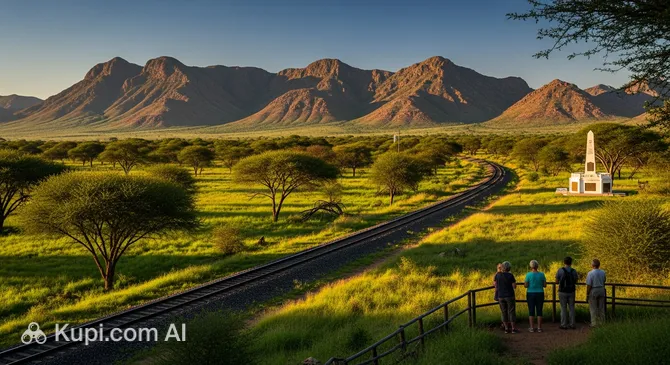
Otavi. Source: Kupi.Binoculars

With a modest population of around 5,000 residents, the town retains a peaceful and friendly atmosphere. While it serves as an important agricultural hub, it also holds a unique place in the nation's past. Travelers interested in the history of Otavi will find it fascinating that this area was the site of the Khorab Peace Treaty in 1915, marking a pivotal moment during World War I in Southern Africa.

For tourists, Otavi is an excellent base for exploring some of the region's most intriguing sights. Just a short drive away lies the famous Hoba Meteorite, the largest known meteorite on Earth, which draws visitors from around the globe. Additionally, the Khorab Memorial stands nearby as a testament to local heritage, while outdoor enthusiasts can explore the fascinating Ghaub Caves. Whether you are passing through on your way to the north or looking for a quiet stopover, Otavi welcomes you with open arms and unique discoveries.

Weather Overview

The climate in this region is generally pleasant, characterized by distinct wet and dry seasons. The summer months, spanning from November to March, are typically warm, with average temperatures ranging between 24°C and 27°C. October and November are often the hottest months, where daily highs can reach up to 34°C. This period also marks the rainy season, particularly in January and February, which can experience up to 18 wet days per month.

Conversely, the winter season from June to August brings cooler and drier conditions. During these months, average temperatures drop to around 17°C, and nights can be crisp with lows near 10°C. Rainfall is virtually non-existent from May through September, offering clear skies for exploration. For a more detailed forecast to help plan your activities, you can view the current weather in Otavi. Overall, visitors can expect warm summers with occasional rain and mild, dry winters.

Interesting Facts

Beyond the main attractions, Otavi holds fascinating secrets that trace back to pivotal moments in the nation's past. From engineering marvels to historic turning points, there is much more to this quiet town than its agricultural reputation suggests.

  • A Record-Breaking Railway: In the early 20th century, the town was a central hub for the Otavi Mining and Railway Company (OMEG). This organization constructed what was, at the time, the longest 600mm narrow-gauge railway network in the world, an impressive engineering feat designed to transport copper ore from the interior mines to the coast.

  • The "Kilometre 500" Marker: The local Khorab Memorial is not placed randomly; it stands at a precise geographic location known as "Kilometre 500." This spot marks exactly 500 kilometers by rail from Swakopmund and is where the German colonial forces surrendered in 1915, effectively ending the German administration in Namibia.

  • The Water Connection: Despite being in a country known for its deserts, the town's existence is owed to a natural spring. The name "Otavi" is widely believed to be derived from a local word meaning "fountain" or "dripping water," referencing the vital water source that allowed the settlement to flourish as a green oasis.

How to Get There

Reaching this charming agricultural hub is an adventure through the scenic landscapes of northern Namibia. While the town itself is small, it is well-connected by the country's major road networks, particularly the B1 highway. For travelers looking for detailed logistics and route planning, you can read more about how to get to Otavi to ensure a smooth journey.

The city of Otavi does not have its own commercial airport, so most visitors arriving by air will fly into a regional hub first. The closest option listed is Ondangwa Airport (OND), located in the city of Ondangwa, which is about 243 km from Otavi. This facility generally handles regional flights and serves as a gateway to the north. From the airport, you can rent a car or arrange a private transfer; the drive south to Otavi typically takes approximately 3 hours on the open road.

For clarity, here is a summary of the main airport:

Airport Name City Passenger Traffic Km from City
Ondangwa Airport Ondangwa Small 242.8

Main Attractions

While this quiet town is often viewed merely as a stopover, the main attractions of Otavi offer surprising depth for travelers interested in history, geology, and unique local flavors. The area is distinct from the rest of the country due to its fertile soil and mountainous terrain, allowing for activities and sights that are quite rare in Namibia.

For history enthusiasts, the Khorab Memorial is an essential stop located just a few kilometers north of the town. This site marks a pivotal moment in Southern African history: the spot where the German colonial forces surrendered to the South African Union troops on July 9, 1915. The monument stands at "Kilometre 500" on the railway line and commemorates the signing of the Khorab Peace Treaty, which effectively ended the German administration in the region. It is a peaceful place for reflection on the area's past.

Nature lovers and adventurers should not miss the Ghaub Caves, situated on a farm in the nearby Otavi Mountains. As a National Monument, this extensive cave system is renowned for its impressive stalactites and petrified waterfalls. Exploring the caves offers a thrilling underground experience, and the surrounding farm is also historically significant, having served as a mission station in the early 20th century. The lush mountain setting provides a stark contrast to the arid plains found elsewhere in the region.

One of the most unexpected attractions in the area is the Thonningii Wine Cellar. Taking advantage of the unique microclimate and water abundance, this boutique winery produces genuine wine, a rarity in a desert nation. Visitors can enjoy tastings of their "Katholischer" range of wines and schnapps, often paired with delicious local platters. It provides a delightful culinary detour and showcases the agricultural potential of the "Maize Triangle."

For those seeking an immersive wilderness experience, the Mundulea Nature Reserve offers a distinct approach to wildlife viewing. Unlike traditional game drives, this reserve specializes in guided walking safaris. Led by expert guides, visitors can track game on foot, learning about the medicinal uses of plants and spotting elusive species like pangolins and rhinos in the dense bush of the Otavi Mountains. It is a pristine example of conservation and eco-tourism.

Local Cuisine

The culinary scene in Otavi reflects its status as a key part of Namibia's "Maize Triangle." Thanks to the fertile soil and agricultural heritage, food here is often hearty, fresh, and deeply rooted in farming traditions. Visitors can expect a delightful mix of traditional African staples and robust German influences, with a heavy emphasis on high-quality meat and locally grown produce.

When it comes to main dishes, the Braai (barbecue) is a quintessential experience. Local guesthouses often serve generous portions of game meat, such as Oryx, Kudu, or Springbok, grilled to perfection over open flames. Another must-try is Potjiekos, a slow-cooked stew prepared in a round cast-iron pot, typically featuring tender meat and vegetables. For those seeking European flavors, the German legacy is evident in dishes like Schnitzel and Eisbein, which are commonly found on menus in the area.

Beverages in Otavi offer a unique surprise for a semi-arid country. The town is home to a rare Namibian vineyard, where you can taste locally produced wine and schnapps. This makes for a distinct tasting experience that contrasts with the rest of the region. For a more widespread local drink, try a refreshing Rock Shandy, a popular non-alcoholic mix of lemonade, soda water, and bitters, or enjoy a cold Namibian beer, which is renowned for its purity and quality.

Dining in Otavi is less about bustling street markets and more about the warm hospitality of lodges and guest farms. Most tourists enjoy their meals at their accommodation, where home-cooked style dinners are the norm. However, travelers passing through should keep an eye out for local farm stalls or "padstals" selling Biltong (dried cured meat) and Droëwors (dried sausage), which make for excellent savory snacks during a road trip.

Travel Tips

Visiting Otavi offers a chance to experience the authentic pace of life in Namibia’s "Maize Triangle," but being prepared for the specifics of a small agricultural town will make your trip much smoother. These practical tips are designed to help you navigate local logistics, respect community norms, and enjoy the natural beauty of the region without hassle.

  1. Clothing and Gear: Since the weather varies significantly by season, layers are essential. In summer (November to March), bring lightweight, breathable clothing and a raincoat for occasional showers. If you visit during winter (June to August), pack a warm fleece or jacket, as nights can drop to a chilly 10°C. Comfortable, closed-toe walking shoes are a must if you plan to explore the Ghaub Caves or hike in the Otavi Mountains.

  2. Transportation: Public transport within the town is virtually non-existent, and there are no ride-hailing apps like Uber. The best way to get around is by renting a car, preferably a vehicle with high clearance or a 4x4 if you intend to visit guest farms or the Mundulea Nature Reserve. Remember that traffic drives on the left side of the road in Namibia.

  3. Finances: The local currency is the Namibian Dollar (NAD), which is pegged 1:1 to the South African Rand (ZAR); both are accepted freely. While lodges and the local grocery store may accept credit cards (Visa and Mastercard), it is crucial to carry cash for fuel stops, small shops, and tips. There is an ATM in town, but it is wise to withdraw money in larger cities like Otjiwarongo or Tsumeb before arriving, just in case of technical issues.

  4. Health and Safety: Otavi lies near the transition zone for malaria risk, especially during the rainy season, so consult a doctor about prophylaxis and carry effective insect repellent. A basic pharmacy is available in town for minor needs, but for serious medical emergencies, you may need to travel to larger centers. Always stay hydrated, and while tap water is generally clean, bottled water is recommended for short-term visitors to avoid stomach upsets.

  5. Communication: English is the official language and is widely understood at tourist establishments, though you will often hear Afrikaans, German, and local dialects spoken by residents. To stay connected, buy an MTC SIM card (available at the airport or local supermarkets) for mobile data, as Wi-Fi is usually limited to guesthouses and may be slower than what you are used to.

  6. Local Etiquette: Namibians value politeness and greetings. It is customary to greet people with a friendly "Hello" or "Good morning" and a handshake before asking a question or starting a transaction. When visiting farms or private reserves, always respect the property boundaries and follow the host's rules regarding gates and livestock.

  7. What to Avoid: Do not drive at night on the highways surrounding Otavi. Warthogs, kudus, and other wildlife frequently cross the roads after dusk, posing a severe danger to vehicles. Plan your travel so that you arrive at your destination before sunset.

  8. Shopping Tip: Shops in small towns like Otavi often close early on Saturdays (around 1:00 PM) and remain closed on Sundays. If you need supplies, food, or fuel for the next leg of your journey, plan your shopping for weekday mornings to avoid being caught out.

By keeping these practicalities in mind, you can focus on the unique history and lush landscapes that make Otavi special. A little preparation goes a long way in this quiet corner of the country, ensuring your adventure is safe, respectful, and truly memorable.

Entertainment & Nightlife

Entertainment and nightlife in Otavi reflect the town’s character: quiet, intimate, and centered around community connection rather than bustling dance floors. Travelers expecting neon-lit districts or thumping nightclubs will find a different kind of charm here. The evening scene is dominated by the cozy bars and restaurants attached to local lodges and guest farms, where the atmosphere is relaxed and the focus is on good conversation, hearty food, and enjoying the starry Namibian sky.

For a typical evening out, visitors usually head to the establishments along the main roads or on the outskirts of town. Zum Potjie is a well-known local stop that serves as a social hub. It offers a rustic, welcoming environment where you can enjoy a cold beer and traditional meals while mingling with local farmers and passing travelers. Another excellent spot is the bar at Khorab Safari Lodge, located just a few kilometers north of town. Here, the vibe is more serene, allowing guests to sip a "sundowner" cocktail on a terrace overlooking the bushveld, often accompanied by the sounds of nature rather than loud music.

The atmosphere in these venues is decidedly casual. There is no strict dress code; comfortable travel gear or smart-casual attire is perfectly acceptable. Opening hours can be somewhat flexible but generally align with dinner service, winding down around 10:00 PM or 11:00 PM. Since Otavi is a small agricultural community, the "nightlife" is less about partying until dawn and more about unwinding after a long day of driving or exploration.

Practicality is key when planning a night out in Otavi. Public transport and ride-hailing services are non-existent at night. If you plan to drink, it is best to dine where you are sleeping or arrange a designated driver, as walking between venues after dark is not recommended due to poor lighting and the presence of wildlife. Always carry some cash, as smaller establishments might not always have functioning card machines. In terms of safety, the town is generally peaceful, but avoiding unlit areas and sticking to your vehicle or the lodge grounds is the wisest course of action.

Before the sun sets, the entertainment options are rooted in the region's history and geography. Daytime hours are best spent exploring the famous Hoba Meteorite or taking a guided tour through the Ghaub Caves. These daytime adventures provide a perfect contrast to the slow, restful evenings, creating a balanced travel experience in this unique corner of the "Maize Triangle."

Parks & Museums

Unlike larger cities with manicured botanical gardens and sprawling museum complexes, Otavi offers a more organic approach to culture and nature. The town's "green spaces" are the wild, rugged landscapes of the surrounding mountains, while its history is etched directly into the terrain rather than preserved behind glass cases. Visitors here step into a living museum of colonial history and geology.

Mundulea Nature Reserve stands out as the premier natural area in the vicinity. While it functions as a private reserve rather than a public municipal park, it is the ecological heart of the region. The reserve is dedicated to rewilding and conservation, offering a landscape of dolomite hills and bushveld that remains largely untouched. It is particularly interesting for tourists who appreciate botany, as the area is rich in diverse plant species that thrive in the unique limestone soil, providing a habitat for pangolins and leopards.

The Otavi Mountains themselves serve as a vast, open-air recreational area. This mountain range creates a dramatic backdrop to the town and offers a greener, more topographic environment than much of the rest of the country. For hikers and nature photographers, the slopes provide excellent vantage points and a chance to explore the "Maize Triangle's" fertile ecosystem. The rugged terrain is dotted with natural springs and caves, making it a playground for those who prefer raw nature over paved pathways.

In terms of cultural heritage, the Khorab Memorial serves as the area's most significant historical landmark. Located just a few kilometers north of the town, this site functions as an open-air museum commemorating the end of the German South West Africa campaign in 1915. The monument marks the specific location where the capitulation was signed. It is a quiet, contemplative spot that allows visitors to stand on the very ground where a major chapter of Namibian history concluded, offering a tangible connection to the past that textbooks cannot provide.

While Otavi does not have a dedicated indoor museum building, the Ghaub Nature Reserve & Farm offers a glimpse into the region's mission history. Originally established as a mission station in 1895, the site retains historical buildings and a cemetery that reflect the early European influence in the area. It acts as a cultural heritage site where tourists can learn about the intersection of agriculture, religion, and colonial expansion in northern Namibia while exploring the property.

For an authentic local experience, look for the remnants of the narrow-gauge railway infrastructure near the town center. Although not a formal museum, the old railway lines and station structures are relics of the Otavi Mining and Railway Company (OMEG) era. Rail enthusiasts often find these silent giants fascinating, as they represent the engineering feats that originally put this small town on the map.

Getting Around

Public transport in Otavi is quite different from what you might find in large metropolitan areas. Due to the town's small population and compact size, there is no formal municipal transport network such as a metro, tram, or large city bus system. Instead, the local transit landscape relies heavily on informal shared transport methods, primarily minibuses and shared taxis, which are used by residents for daily commuting and travel to neighboring towns.

The most common form of transport for locals is the shared taxi or minibus. These vehicles do not follow a strict timetable or fixed routes with designated stops. Instead, they operate on a fill-up-and-go basis, often gathering at specific landmarks like gas stations or general dealers in the town center. For travel within the town itself, these taxis can be hailed from the roadside, but they are more frequently used for longer distances to nearby regional hubs rather than for short hops across town.

The payment system is strictly cash-based. There are no travel cards, digital passes, or mobile ticketing apps available for local transport here. You will need to pay the driver directly, usually upon boarding or arriving at your destination. It is essential to carry small denominations of currency, as drivers often do not have large amounts of change. Prices are generally fixed for specific routes, but for custom drops or short distances, it is wise to confirm the fare with the driver before getting into the vehicle.

For tourists, relying solely on public transport can be challenging and limiting. Since attractions like the Hoba Meteorite and Ghaub Caves are located outside the town limits, renting a car is the most practical advice for getting around. Having your own vehicle gives you the freedom to explore the surrounding "Maize Triangle" at your own pace without waiting for a minibus to fill up. If you do not have a car, arranging a private transfer through your lodge or guesthouse is a reliable alternative to trying to flag down a taxi on the street.

Walking is also a viable option for navigating the town center itself. Otavi is small enough that most shops, banks, and services are within a comfortable walking distance of each other. While there is a historic railway station in town, it is important to note that passenger train services are not a standard mode of daily urban commuting. The railway is primarily used for freight or occasional long-distance services, so you should not plan on using trains for getting around the city locally.

Accommodation

Accommodation in Otavi is primarily centered around the concept of traditional guest farms and countryside lodges. Unlike larger cities that feature international hotel chains or high-rise luxury resorts, this agricultural hub offers a more intimate and authentic experience. The lodging landscape is dominated by owner-run establishments that blend comfort with the rustic charm of the "Maize Triangle," ranging from affordable stopovers to comfortable mid-range retreats set in nature.

When choosing where to stay, location plays a key role in the experience. For travelers simply passing through on the B1 highway, there are functional bed-and-breakfasts and guesthouses located within the town limits or on its immediate periphery. These offer convenience and quick access to the road network. However, the most popular area for tourists is the surrounding farmland and the foothills of the Otavi Mountains. Staying a few kilometers outside of town allows visitors to immerse themselves in the region's lush scenery, often with opportunities for hiking and birdwatching right on the property.

A prime example of the local accommodation style is the Khorab Safari Lodge, located just a few kilometers north of the town. It is a well-known stopover that features individual thatched bungalows and a tropical garden, providing a cool respite from the heat. Another notable option is the Ghaub Nature Reserve & Farm, which offers a historical setting in renovated mission buildings surrounded by rugged mountains. These establishments typically provide more than just a bed; they offer a full hospitality experience including home-cooked meals and local tours.

Booking Tip: Since many of these guest farms and lodges have a limited number of rooms, they can fill up quickly during the peak dry season (July to October) and South African school holidays. It is highly advisable to book your accommodation in advance to secure your preferred spot, especially if you are traveling in a larger group.

In terms of cost, Otavi is generally considered affordable to mid-range. You will find that prices here are often more reasonable than in the prime tourist hotspots near Etosha National Park. Most lodges and guesthouses can be booked via major online travel platforms, though some smaller farmstays may prefer direct inquiries via email or phone. Payment is usually straightforward, but it is always wise to confirm if your chosen farm accepts credit cards before arrival.

Nearby Cities

For those looking to explore the surroundings, Otavi serves as an excellent base for day trips to several interesting nearby locations. The region offers a mix of historic towns and conservation hubs that are easily accessible by car.

One of the closest options is Grootfontein, located about an hour's drive to the east. As the third corner of the "Maize Triangle," this town is known for its lush, tree-lined streets and colonial-era architecture. Visitors can explore the Das Alte Fort Museum, which provides a fascinating look into the area's history, or stop here for lunch after visiting the nearby meteorite site.

Heading south, Otjiwarongo is another fantastic destination for a day trip. Often referred to as the "Cheetah Capital of the World," it is a vibrant town with excellent amenities and a strong focus on wildlife conservation. It houses a popular crocodile ranch and serves as a convenient gateway for those interested in the region's big cat sanctuaries.

City Population Distance (km)
Windhoek 322500 326
Rundu 63431 318
Oshakati 39679 267
Otjiwarongo 28249 116
Grootfontein 24099 82

These nearby destinations offer a glimpse into the diverse culture and landscapes of the region.

Shopping & Souvenirs

Shopping in Otavi is a practical and low-key affair, reflecting its nature as a small agricultural service center rather than a retail destination. Visitors should not expect sprawling shopping malls, high-end fashion boutiques, or extensive pedestrian promenades. Instead, the town offers functional retail options designed primarily to serve the local farming community and travelers passing through on the B1 highway. It is an excellent place to restock on essential supplies, groceries, and camping gear before heading further north or into the bush.

The main commercial activity is concentrated along the central road running through the town and the immediate streets surrounding the railway station. Here, you will find a cluster of general dealers, a well-stocked supermarket, a pharmacy, and several banks. This compact district is easy to navigate on foot, allowing you to quickly find what you need. For those driving, there is usually ample parking available directly in front of the shops.

There are no large shopping malls in Otavi. The retail landscape is dominated by standalone stores and small commercial complexes that typically house a grocery anchor store—such as a SPAR or a similar local supermarket—alongside a bottle store and perhaps a hardware shop. These supermarkets are surprisingly well-equipped, offering fresh produce, meat, bakery items, and a decent selection of beverages, making them the go-to stop for self-catering tourists.

While there are no formal craft markets, the informal economy is vibrant. You will often find street vendors and roadside stalls setup near the main service stations or along the highway entrance. These vendors typically sell seasonal produce, such as citrus fruits or maize, as well as firewood and telephone recharge vouchers. It is a great way to support the local community directly, though the selection of handicrafts is usually limited compared to larger tourist hubs like Okahandja.

When it comes to souvenirs, the best items to bring back from Otavi are edible treats that reflect the region's agricultural heritage. Biltong (seasoned dried meat) and Droëwors (dried sausage) are local specialties and are widely considered some of the best snacks for a Namibian road trip. Additionally, if you visit the local winery, purchasing a bottle of Namibian wine or schnapps makes for a unique and rare gift, as wine production is quite uncommon in the rest of the country.

Opening hours generally follow standard Namibian business times. Shops typically open around 8:00 AM and close by 5:00 PM or 6:00 PM on weekdays. On Saturdays, most businesses close early, usually by 1:00 PM, and the town is very quiet on Sundays, with only the main supermarket or gas station convenience stores remaining open. Regarding payment, major supermarkets and fuel stations accept Visa and Mastercard, but smaller vendors and roadside stalls deal exclusively in cash. It is advisable to keep some Namibian Dollars handy for these smaller transactions.

For international tourists, Namibia offers a Tax Refund system. If you purchase goods exceeding a certain value (usually NAD 250.00) at a registered tax-free retailer, you can claim back the VAT (Value Added Tax) upon departure at the international airport or border post. However, since most shops in Otavi are grocery or general supply stores, this is less likely to be applicable here than in Windhoek's luxury stores. Always ask for a tax invoice if you plan to make a significant purchase.
Nearby cities

Reached the end of the page?

That means the route is fully explored