Support

Windhoek

About

Windhoek serves as the vibrant heart and capital city of Namibia, offering a unique blend of African energy and European-style architecture. As the country's largest city and main point of entry for international travelers, it provides a comfortable and orderly introduction to the vast landscapes that define this fascinating nation. The city is renowned for its cleanliness, well-maintained infrastructure, and a relaxed atmosphere that is quite distinct from other bustling African capitals.
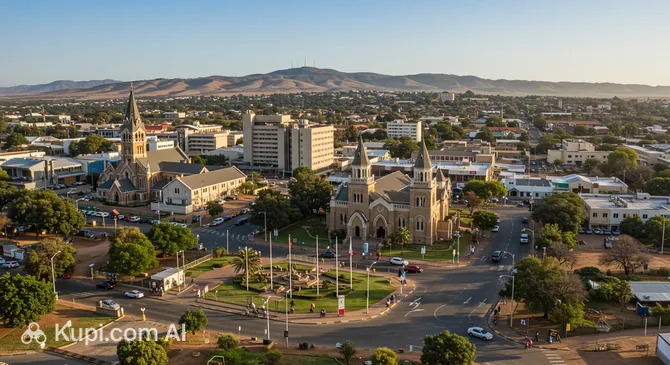
Windhoek. Source: Kupi.Binoculars

Geographically, Windhoek is situated in the central Khomas Region, nestled within a picturesque valley of the Khomas Highland plateau. Its elevation of approximately 1,700 meters above sea level gifts the city with a moderate climate, characterized by warm days and cool nights, making it a pleasant destination year-round. With a population of around 322,500 residents, it maintains a cosmopolitan feel without being overwhelming.

The history of Windhoek has left a lasting imprint on its streets, where German colonial buildings stand side-by-side with modern glass skyscrapers. Visitors are often drawn to the iconic Christuskirche, a Lutheran church that combines neo-Romanesque and Art Nouveau styles, serving as a major landmark. Another highlight is the bustling Namibia Craft Centre, where tourists can find authentic local handicrafts, jewelry, and textiles.

Whether you are stopping by for a few days or just passing through on your way to a safari, Windhoek offers excellent dining, shopping, and cultural experiences. It is a charming destination that perfectly balances urban conveniences with the rugged beauty of the surrounding hills, inviting every traveler to explore its many hidden gems.
Weather Overview

The local climate is semi-arid, characterized by distinct seasonal changes that make the city a year-round destination. Generally, you can expect warm summers with occasional rain and cold, dry winters. For a more detailed breakdown of what to pack and when to visit, you can check the full guide to the weather in Windhoek.

During the summer months, particularly from November to February, temperatures rise significantly. Average daytime highs often reach around 30°C to 31°C, creating a hot environment that is sometimes tempered by afternoon showers. January and February are typically the wettest months, with about 11 to 12 days recording some precipitation, although the overall rainfall volume remains relatively low.

In contrast, the winter season from June to August brings much cooler conditions and clear, sunny skies. While daytime temperatures are pleasant, averaging around 20°C, the nights can get quite chilly. Minimum temperatures frequently drop to between 5°C and 7°C, and rainfall is virtually non-existent during this period, with months like June, July, and August often seeing zero wet days.

Interesting Facts

Beyond the well-known landmarks, Windhoek holds fascinating secrets that reveal its quirky character and resilience. From extraterrestrial relics to pioneering sustainability, the city offers curious travelers much more than meets the eye.
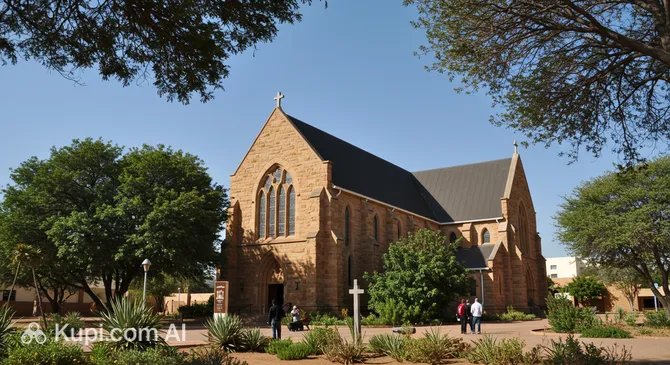
Christ Church. Source: Kupi.Binoculars
  • Ancient Space Visitors: The pedestrian-friendly Post Street Mall displays over 30 fragments of the Gibeon Meteorite, a shower of extraterrestrial iron that hit Namibia in prehistoric times. Before these heavy metallic rocks were "discovered" by explorers, local people had used them for generations to fashion durable tools and weapons.

  • The Three Castles: Surprisingly, the city skyline features three European-style castles—Heinitzburg, Schwerinsburg, and Sanderburg—all designed by the same architect, Wilhelm Sander, in the early 20th century. While they look like medieval fortresses, one now serves as a luxury hotel, and Schwerinsburg is the private residence of the Italian Ambassador.

  • A World Pioneer in Water: Windhoek is famous in the scientific community for being one of the first cities in the world to produce drinking water directly from treated wastewater. This innovative reclamation system, established decades ago, has been crucial for the city's survival in its arid environment.

  • A City of Hot Springs: Before it was named Windhoek, the area was known as Ai-Gams by the Nama people and Otjomuise by the Herero, both translating to "Fire Water" or "Place of Steam." These names refer to the natural hot springs that once bubbled freely in the area, which were the original reason for human settlement here.

  • An Imported Portal: The iconic Christ Church, which stands on a traffic island in the city center, was built using local sandstone. Uniquely, its portico was constructed from Italian marble, while the stained glass windows and clock were imported from Germany. It remains a striking mix of neo-Romanesque and Art Nouveau styles.

How to Get There

Reaching the Namibian capital is a straightforward experience for most travelers, with air travel being the most common method of entry. While the city is tucked away in the central highlands, it is well-connected to the region. You can find more about how to get to Windhoek and the various transport options available on our detailed page.

The most significant gateway for international tourists is Hosea Kutako International Airport (WDH). Situated approximately 40 km east of the city, this airport handles the vast majority of long-haul and regional international flights. The journey from the airport to the city center typically takes about 45 minutes to an hour by taxi or shuttle bus. It is a modern facility that serves as the first point of contact for most visitors exploring the country.

For those flying domestically or from select neighboring countries, Eros Airport (ERS) is a convenient alternative. It is located just 5 km south of the city center, making it an extremely accessible hub for smaller aircraft. The transfer time from here is very short, often taking just 15 to 20 minutes to reach downtown hotels.

Another option for travelers planning a broader itinerary is Rooikop Airport (WVB), located in the city of Walvis Bay. While it is about 255 km away from Windhoek, it is a key entry point for the coast. Visitors often fly here to visit the dunes and ocean before driving inland to the capital, a journey that takes approximately 3 to 4 hours by road.

For clarity, here is a summary of the main airports:

Airport Name City Passenger Traffic Km from City
Hosea Kutako International Airport Windhoek High 40.4
Rooikop Airport Walvis Bay Medium 254.6
Eros Airport Windhoek Medium 4.7

Main Attractions

Windhoek offers a compelling mix of historical landmarks and modern culture, making it an interesting stop for travelers. The city's compact center allows for easy exploration of its most significant sites, ranging from architectural icons to vibrant local markets.

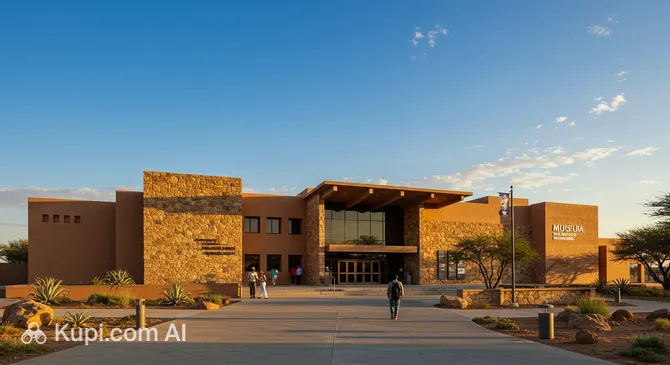
Standing tall in the city center, the Independence Museum is hard to miss with its imposing modern design. It offers visitors a deep dive into the nation's history and the journey toward self-determination. Besides the educational exhibits, the building features a glass-fronted elevator that whisks you to the top floor, providing one of the best panoramic views of the city skyline.

Independence Museum. Source: Kupi.Binoculars

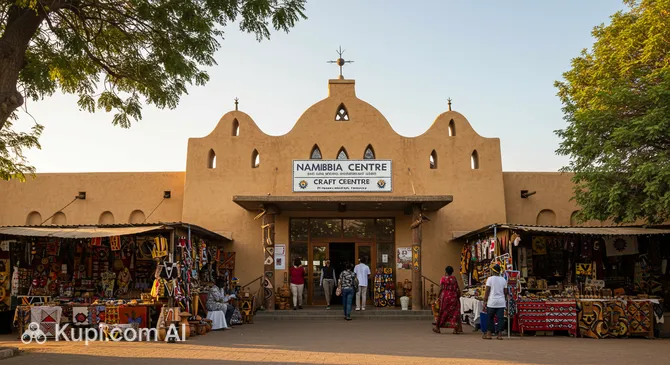
For those looking to take a piece of the country home, the Namibia Craft Centre is the premier destination for authentic souvenirs. Located within the historic Old Breweries Complex, this vibrant market supports local communities and artisans. You can browse through a wide array of handmade goods, including woven baskets, carved makalani nuts, jewelry, and colorful textiles, all while enjoying a relaxed atmosphere.

Namibia Craft Centre. Source: Kupi.Binoculars

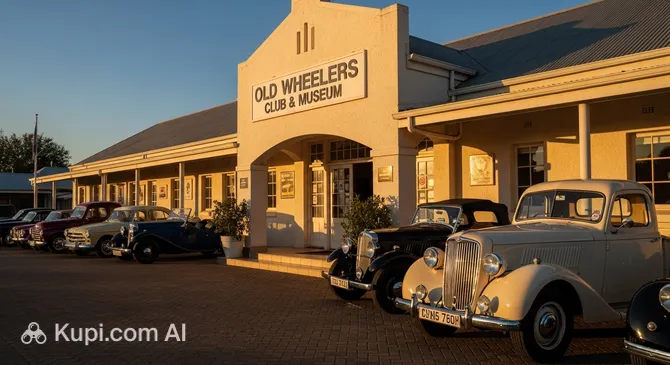
Car enthusiasts will find a hidden gem in the Old Wheelers Club & Museum. This fascinating collection showcases a variety of vintage automobiles and engines, lovingly restored and maintained by local members. It serves as a nostalgic walk through automotive history and is a delightful stop for anyone appreciating classic mechanics and design.

Old Wheelers Club & Museum. Source: Kupi.Binoculars

No tour of the city is complete without admiring Christ Church. This architectural icon, blending Art Nouveau and neo-Romanesque styles, sits at the heart of the city on a traffic island. While it is a historic place of worship, its unique fairytale-like appearance makes it the most photographed landmark in Windhoek and a convenient starting point for exploring the city center.

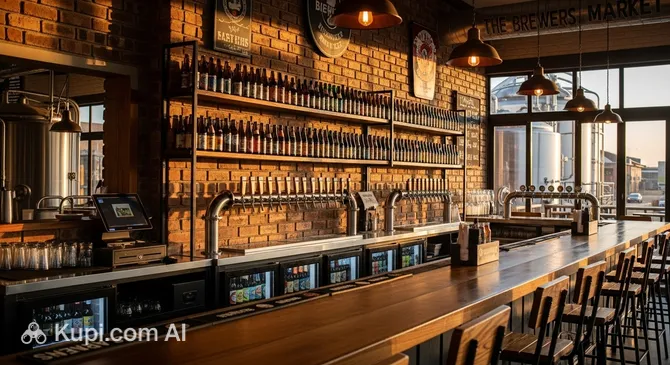
After a day of sightseeing, travelers can unwind at The Brewers Market. This social hub offers a lively setting to enjoy food and drinks, reflecting the city's modern urban culture. It is a great spot to mingle with locals and experience the friendly vibe of the capital's nightlife scene.

The Brewers Market. Source: Kupi.Binoculars

Local Cuisine

The culinary landscape of Windhoek is a fascinating reflection of its history, blending hearty German traditions with authentic African flavors. It is widely considered a paradise for meat lovers, with high-quality, organic cuts available at very reasonable prices. Visitors should definitely try the local game meat, which often includes steaks or fillets of oryx, kudu, and springbok. These meats are lean, flavorful, and typically served with generous portions of vegetables or fries.

For a truly local street food experience, you must taste Kapana. This involves strips of red meat grilled over an open fire, chopped into bite-sized pieces, and seasoned with a spicy chili powder mix. It is usually enjoyed with a salsa of onions and tomatoes and fresh "fat cakes" (vetkoek). Sharing Kapana at a market stand is not just a meal; it is a social event where locals gather to chat and eat.

The German influence is unmistakable in the city's love for bakeries and breweries. You will find excellent schnitzels, bratwurst, and pretzels on many menus. To wash it down, the local beer is legendary; brewed according to the German purity law (Reinheitsgebot), Windhoek Lager is a crisp and refreshing staple. For a non-alcoholic alternative, the Rock Shandy—a mix of lemonade, soda water, and Angostura bitters—is the go-to drink for cooling down on a hot afternoon.

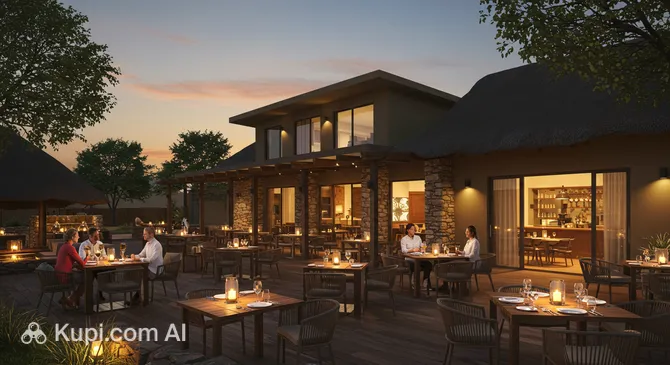
Dining out in the capital is generally relaxed and unpretentious. Locals love open-air settings that take advantage of the mild weather. A perfect example of this laid-back vibe is UrbanCamp, a popular spot known for its casual garden atmosphere and hearty meals, making it a favorite for both travelers and residents.

UrbanCamp. Source: Kupi.Binoculars

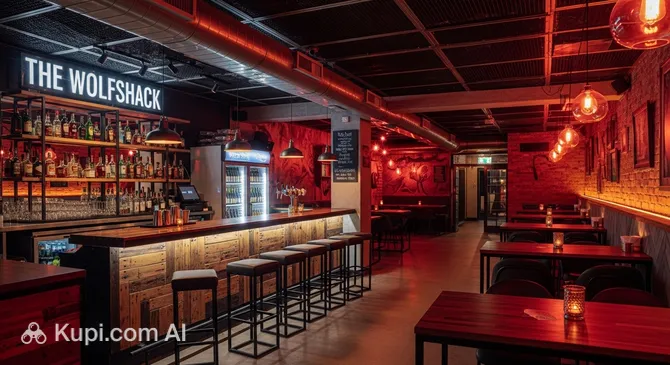
If you are looking for a more sophisticated evening or a place to enjoy fine wines and craft beverages, The Wolfshack offers a cozy and trendy environment. For those seeking an upscale dining experience with a touch of historic charm, the restaurants within The Weinberg Hotel provide elegant dishes in a refined setting.

The Wolfshack. Source: Kupi.Binoculars

Travel Tips

Windhoek is a welcoming and orderly gateway to Namibia, but a few local insights can make your visit even more comfortable. These practical tips are designed to help you navigate the city’s unique pace and logistics with the ease of a seasoned traveler.

  1. Smart Packing Strategy: The semi-arid climate brings significant temperature fluctuations, so layering is essential. Pack lightweight clothing for hot days, but bring a warm fleece or jacket for the cool evenings and early mornings. Comfortable walking shoes are a must for exploring the city center, and a universal power adapter (Type D or M) is often needed for electronics.

  2. Getting Around: Public transport like metros or trams does not exist here; the city relies on a network of taxis and private vehicles. For tourists, it is best to use dial-a-cab services or ride-hailing apps rather than flagging down shared taxis, which can be confusing. Renting a car is highly recommended if you plan to explore the surrounding regions, as the roads are generally excellent.

  3. Currency and Payments: The Namibian Dollar (NAD) is the local currency, but the South African Rand (ZAR) is also legal tender and accepted at a 1:1 ratio. Major credit cards are widely used in hotels, restaurants, and malls, but you should always carry some cash for street markets, gas stations, or small tips. A tip of around 10% is customary for good service in restaurants.

  4. Health and Safety: Windhoek is one of the few capitals where tap water is generally safe to drink, thanks to advanced reclamation systems, though bottled water is readily available if you prefer. Medical facilities, such as private hospitals, are world-class. While the city is safe during the day, avoid walking alone after dark and keep valuables like cameras and phones tucked away to prevent petty theft.

  5. Staying Connected: English is the official language, making communication effortless, though you will also hear German, Afrikaans, and Oshiwambo. To stay online, purchase a local SIM card from providers like MTC or TN Mobile at the airport or local shops upon arrival, as data is affordable and coverage in the city is good.

  6. Local Etiquette: Namibians are polite and value proper greetings; a friendly "Hello, how are you?" is expected before asking a question or ordering food. Handshakes are common, often accompanied by a warm smile. When visiting markets, bargaining is acceptable but should always be done with respect and good humor.

  7. What to Avoid: Do not take photographs of government buildings, police stations, or military personnel, as this is strictly prohibited. Additionally, avoid leaving bags or items visible on the seats of your car, even when parked in guarded areas, to discourage break-ins.

  8. Sunday Slowdown: Be aware that Windhoek follows a traditional schedule where most shops and businesses close by 1:00 PM on Saturdays and remain closed on Sundays. Plan your shopping and errands for weekdays, and use the quiet weekends to enjoy nature walks or relaxing brunches at local lodges.

By keeping these simple tips in mind, you will find Windhoek to be a hassle-free and hospitable starting point for your Namibian adventure. Embrace the slower pace, enjoy the clean air, and let the city's unique charm set the tone for an unforgettable journey.

Entertainment & Nightlife

Windhoek’s nightlife reflects the city’s overall character: relaxed, friendly, and unpretentious. While it may not have the frenetic energy of some larger global capitals, the city comes alive after dark with a distinct charm that centers around socializing, good music, and excellent local beverages. The evening entertainment scene is largely dominated by open-air beer gardens, trendy wine bars, and restaurant-bars where the line between dining and partying is pleasantly blurred.

For a lively start to the evening, the Central Business District and the area around Independence Avenue are popular hubs. A standout venue here is The Brewers Market, which serves as a social anchor for locals and tourists alike. It offers a vibrant atmosphere where you can sample craft beers and enjoy the buzz of the city in a safe, communal setting. If you prefer a more intimate and artistic vibe, The Wolfshack in the Southern Industrial Area is a must-visit. Known for its eclectic decor and excellent selection of wines and craft brews, it attracts a creative crowd looking for good conversation and chill beats.

Most nightlife activity takes place in the suburbs of Klein Windhoek and Eros, as well as the city center. The dress code is generally casual to smart-casual; you will rarely need formal attire unless attending a gala at a high-end hotel. Bars typically close around midnight during the week, while weekends can see venues staying open later. However, "late" in Windhoek is often earlier than in Europe, so it is best to start your evening around 7:00 PM or 8:00 PM to make the most of the night.

Safety is a crucial consideration when enjoying a night out. While the venues themselves are secure, walking between them after dark is strongly discouraged. Public transport is limited at night, so reliable transportation is key. The best advice is to use a dial-a-cab service or a ride-hailing app rather than hailing a taxi on the street. Most restaurants and bars will happily call a trusted taxi for you if you ask.

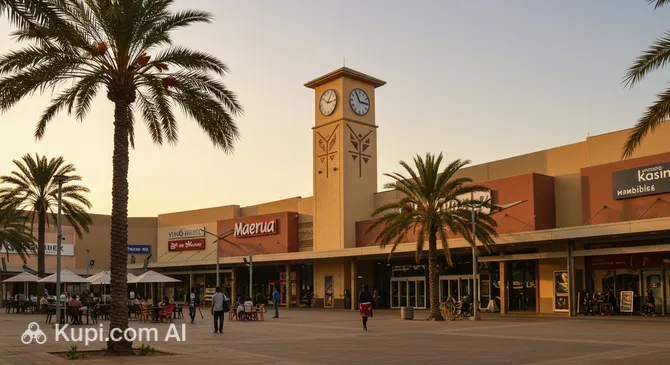
For those seeking entertainment beyond bars and clubs, or looking for daytime diversions, the city offers several modern shopping complexes with leisure facilities. Maerua Mall is a major destination, housing not only a wide array of shops but also a cinema complex and an indoor swimming pool, making it a great spot for families or those wanting a break from the heat.

Maerua Mall. Source: Kupi.Binoculars

Whether you are catching a movie, sipping a rock shandy under the stars, or mingling with locals at a bustling bar, Windhoek offers a safe and enjoyable evening experience. Just remember to plan your transport in advance and embrace the laid-back pace of the Namibian capital.

Parks & Museums

While Windhoek is often celebrated for its clean streets and architecture, the city also boasts a surprising array of green spaces and cultural institutions that offer a deeper look into Namibian heritage. For travelers seeking a break from the urban bustle or a lesson in local history, the capital provides several serene parks and educational venues worth exploring.

One of the city's most fascinating natural treasures is the National Botanic Garden of Namibia. Located right in the heart of Windhoek, this 12-hectare reserve is not a typical manicured garden but rather a preserved piece of natural veld. It showcases Namibia's unique indigenous flora, including the iconic quiver trees and bottle trees. It offers hiking trails that provide a sense of being in the wild without leaving the city, making it a perfect spot for nature enthusiasts interested in the country's arid biodiversity.

For a more relaxed afternoon, the Parliament Gardens offer a lush, green oasis next to the Tintenpalast (Ink Palace), which houses the Namibian parliament. The gardens are beautifully maintained, with shaded lawns and colorful flower beds that attract locals for lunchtime picnics. Just a short walk away is Zoo Park, a historical public space on Independence Avenue. Once a prehistoric elephant hunt site, it is now a social hub with a pond and playground, ideal for people-watching in the city center.

When it comes to culture, the National Art Gallery of Namibia is a premier venue for appreciating local creativity. It features a permanent collection of Namibian art as well as rotating exhibitions that highlight contemporary works by local artists, ranging from painting and sculpture to photography. It serves as a vital platform for the nation's visual arts scene and offers visitors a glimpse into the modern cultural identity of the country.

Another intriguing stop is the Trans-Namib Transport Museum, located within the historic Windhoek Railway Station. This museum chronicles the development of Namibia's railway system, displaying old locomotives, telecommunication equipment, and memorabilia that date back to the colonial era. It provides a specific but captivating angle on how infrastructure shaped the nation's history.

Of course, no cultural tour is complete without acknowledging the city's major museums. Visitors looking for a comprehensive overview of the struggle for freedom should visit the Independence Museum, which dominates the skyline with its imposing structure. Meanwhile, classic car lovers will find their paradise at the Old Wheelers Club & Museum, which houses an impressive collection of vintage vehicles.

Insider Tip: For a true escape into nature, head to the Avis Dam Nature Reserve on the eastern outskirts of the city. It is a favorite spot among locals for dog walking and bird watching. The trails around the dam offer beautiful views, especially at sunset when the light hits the surrounding Auas Mountains.

Getting Around

Navigating Windhoek requires a shift in expectations for travelers accustomed to extensive European or Asian public transit networks. The city does not have a metro, tram, or trolleybus system, and there is no comprehensive scheduled public bus network designed for tourism purposes. Instead, the public transport system relies almost entirely on road-based vehicles, primarily consisting of a vast fleet of taxis and a developing market for ride-hailing applications.

The most common form of transport for locals is the shared taxi. These are standard sedan cars, usually distinguishable by large identification numbers plastered on their sides and rear windows. Unlike private cabs in other cities, these vehicles operate on a shared basis, picking up and dropping off multiple passengers along a general route. Drivers often honk their horns to solicit potential customers standing by the roadside. To use one, you simply signal the driver, state your destination, and if it aligns with their route, you hop in.

For tourists, however, using shared taxis can be somewhat daunting due to the lack of fixed stops and the communal nature of the ride. A more comfortable and increasingly popular alternative is the use of ride-hailing apps. Services like LEFA and Yango have gained significant traction in the city. These apps function similarly to international counterparts like Uber, allowing you to book a private ride with a tracked driver, see the estimated fare upfront, and pay via the app or with cash. This option is generally recommended for visitors as it offers a higher standard of safety and convenience.

Payment methods in Windhoek are predominantly cash-based, especially when dealing with traditional shared taxis. There are no travel cards, magnetic passes, or tap-to-pay systems for general public transport. If you choose to take a street taxi, you must carry small denominations of the local currency. Fares are regulated and based on zones, but for a foreigner unfamiliar with the zoning system, the price is often standard for short trips within the city limits. Always confirm the price with the driver before entering the vehicle to avoid misunderstandings.

The municipal bus service is primarily designed for the local workforce commuting between the suburbs and the city center during peak hours. These buses are infrequent, do not follow a schedule that is easily accessible to short-term visitors, and are generally not a practical option for sightseeing. Consequently, most tourists rely on renting a car. Self-driving is a very popular choice here, as the roads are well-maintained, traffic is manageable compared to other capitals, and it provides the freedom to explore at your own pace.

Operating hours for transport vary by type. Shared taxis run throughout the day and into the evening, but availability drops significantly late at night. For safety reasons, it is strongly advised to avoid flagging down random taxis on the street after dark. If you need to travel at night, always use a ride-hailing app, arrange a transfer through your hotel, or call a reputable "radio taxi" company. Walking is pleasant in the city center during daylight hours, but distances between attractions can be long, and walking at night is discouraged.

Accommodation

As the primary gateway to the country, Windhoek offers a surprisingly diverse range of accommodation options that cater to every type of traveler. Whether you are a backpacker looking for a social atmosphere, a family seeking comfort, or a luxury traveler desiring privacy, the city has something to suit your needs. The hospitality standards are generally high, with many establishments priding themselves on cleanliness, safety, and a welcoming atmosphere.

The accommodation landscape is broadly divided into three main categories. For budget-conscious travelers, there are numerous backpackers and hostels, often featuring lively bars, swimming pools, and camping facilities. The mid-range market is dominated by charming guesthouses and Bed & Breakfasts. Many of these are family-run businesses located in converted colonial-style homes, offering a personalized touch and hearty German-style breakfasts. At the top end, you will find modern luxury hotels and boutique lodges that provide world-class amenities, often situated on hillsides with commanding views of the city.

When choosing where to stay, location is a key factor. The City Center (Central Business District) is the most convenient area for those without a vehicle or those visiting for business. staying here puts you within walking distance of major museums, malls, and administrative offices. However, the hustle and bustle of the center quiets down significantly after business hours.

For a more scenic and relaxed experience, the suburbs of Klein Windhoek and Eros are highly recommended. Located just a short drive from the center, these areas are nestled among the hills and are known for their leafy streets and upscale vibe. They are home to many of the city's best restaurants and offer a quieter retreat after a day of exploration. Alternatively, travelers seeking tranquility can look for lodges on the outskirts of the city, where the accommodation often feels like a bush retreat, complete with wildlife sightings, despite being only 20 minutes from downtown.

Booking Tip: Windhoek is a year-round destination, but accommodation can fill up quickly during the peak dry season from July to October. It is advisable to book your stay at least a few months in advance if you plan to visit during this period. Most establishments can be booked easily via major online platforms or direct inquiries.

In terms of pricing, the city offers excellent value for money compared to many European or North American capitals. Budget camping and dorms are very affordable, while mid-range guesthouses offer significant comfort at reasonable rates. Even the luxury sector is competitively priced, allowing travelers to enjoy high-end facilities without an exorbitant price tag.

Nearby Cities

For those looking to explore the surroundings, Windhoek serves as an excellent base for day trips to several interesting nearby locations. Whether you are interested in history, nature, or local craftsmanship, the region offers diverse experiences just a short drive from the capital.

Located approximately 90 kilometers south of the city, Rehoboth is a fascinating town rich in history. It is the traditional home of the Baster community and is famous for its hot springs. A major draw for day-trippers is the nearby Lake Oanob Resort, a picturesque dam surrounded by mountains. It is a perfect spot for a relaxing day of swimming, boating, or enjoying a picnic by the water's edge, offering a refreshing escape from the city heat.

Heading north for about 70 kilometers brings you to Okahandja, often referred to as the "Garden Town of Namibia." It is widely known for its large open-air woodcarvers markets, where artisans from the northern regions sell beautiful hand-carved statues and souvenirs. The town also holds deep historical significance for the Herero people and is the resting place of several great chiefs, making it a compelling stop for those interested in culture and heritage.

Although it requires a longer drive of about three to four hours, the coastal city of Swakopmund is a favorite destination for a weekend getaway or an extended day trip. Nestled between the Atlantic Ocean and the Namib Desert dunes, it offers a dramatic change in scenery and climate. Visitors are charmed by its distinct German colonial architecture, seaside promenades, and adventure activities, ranging from quad biking to dolphin cruises.

City Population Distance (km)
Walvis Bay 85000 269
Swakopmund 34300 263
Rehoboth 28843 84
Otjiwarongo 28249 237
Grootfontein 24099 348

These nearby destinations offer a glimpse into the diverse culture and landscapes of the region, providing memorable experiences just beyond the city limits.

Shopping & Souvenirs

Shopping in Windhoek is a delightful mix of modern convenience and traditional African artistry. As the commercial hub of Namibia, the city offers everything from air-conditioned malls with international brands to bustling street markets where you can find unique handmade treasures. Whether you are looking to stock up on camping gear for a safari or hunt for the perfect souvenir, the capital provides a relaxed and safe environment to explore.

For those seeking authentic local crafts, the Namibia Craft Centre is the undisputed highlight. Located in the historic Old Breweries Complex, this venue brings together high-quality works from artisans across the country. It is the ideal place to purchase woven baskets from the northern regions, intricate wood carvings, San ostrich eggshell jewelry, and locally embroidered textiles. By shopping here, you are directly supporting rural communities and ensuring the preservation of traditional skills.

If you enjoy the energy of open-air trading, the pedestrian-friendly Post Street Mall in the city center offers a vibrant alternative. Here, street vendors display their wares on the pavement, ranging from wooden giraffes and masks to personalized keychains. Bargaining is expected and welcomed in this setting, allowing for friendly interaction with the sellers. Be sure to look out for "makalani" nuts, which are carved into small, detailed charms right before your eyes.

For a more contemporary retail experience, the city is served by several large shopping complexes. Maerua Mall is a popular destination that combines shopping with leisure. It houses a wide variety of fashion boutiques, outdoor adventure stores, and supermarkets, making it a convenient one-stop location for travelers. Its central location makes it easily accessible for a quick shopping trip.

Another excellent option, particularly for those staying in the southern parts of the city, is the Auas Valley Shopping Mall. This modern facility offers a relaxed atmosphere with a good selection of specialty stores, including pharmacies, upscale grocery shops, and outdoor outfitters. It is a favorite among locals for its convenience and ample parking.

Auas Valley Shopping Mall. Source: Kupi.Binoculars

Visitors interested in high-value purchases should consider Namibia’s famous gemstones. The country is renowned for its diamonds, tourmalines, and aquamarines. There are several reputable jewelers in the city center, particularly along Independence Avenue, where you can buy certified loose stones or custom-made jewelry. Another local specialty is Swakara wool (Karakul sheep wool) and high-quality leather goods, such as the durable "Veldskoen" walking shoes.

Practical Tips:

  • Opening Hours: Most shops operate from 8:30 AM to 5:00 PM on weekdays. On Saturdays, many businesses in the city center close by 1:00 PM, although the major malls usually stay open until 5:00 PM or later. Sunday shopping is generally limited to supermarkets and essential stores in the malls.

  • Payment: Major credit cards are widely accepted in malls and established shops. However, if you are visiting street markets or buying from small vendors, you will need cash (Namibian Dollars or South African Rand).

  • Bargaining: While haggling is part of the experience at street markets like Post Street Mall, it is not appropriate in formal shops, malls, or the Namibia Craft Centre, where prices are fixed.

Nearby cities

Reached the end of the page?

That means the route is fully explored