Support

Walvis Bay

About

Walvis Bay is a captivating blend of industrial energy and natural beauty, situated where the golden dunes of the Namib Desert tumble into the cold Atlantic Ocean. As the principal port of Namibia, this city in the Erongo Region is not only an economic powerhouse but also a haven for wildlife enthusiasts and adventure seekers. With a population of approximately 85,000 residents, it offers a friendly and welcoming atmosphere for travelers looking to explore the Skeleton Coast.

The city's strategic location has made it a coveted prize throughout the centuries. Visitors interested in the past can delve into the history of Walvis Bay to understand how its maritime roots and colonial legacy have influenced its development. Today, it stands as a modern gateway to some of the country's most spectacular coastal treasures.

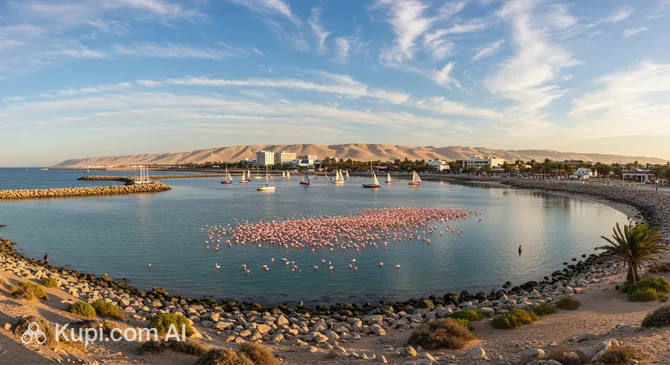
Nature lovers will be enchanted by the Walvis Bay Lagoon, a Ramsar wetland site that teems with birdlife, including vast flocks of vibrant flamingos and pelicans. For those seeking a thrill, the towering Dune 7 offers a challenging climb and panoramic views, while the nearby Sandwich Harbour provides a dramatic landscape where giant dunes meet the sea. Whether you are embarking on a dolphin cruise or exploring the desert, Walvis Bay invites you to experience its unique coastal magic.

Weather Overview

Walvis Bay benefits from a mild desert climate that makes it a year-round destination, heavily influenced by the cold Benguela Current of the Atlantic Ocean. Unlike the scorching heat often found inland, the coastal temperatures here remain moderate and comfortable. To help pack for your trip, you can consult the detailed forecast for the weather in Walvis Bay, though conditions are generally stable and predictable.

The warmest months are typically January and February, where average temperatures hover around 20°C, with daily highs reaching up to 24°C. The cooler period settles in around August and September, with average temperatures dropping to approximately 15.5°C and nighttime lows dipping to near 10°C. Rainfall is exceptionally rare in this arid region; expect dry conditions almost all year, with precipitation levels staying at 0mm for most months and only a rare wet day or two occurring between January and March.

Interesting Facts

Beyond the main attractions and scenic views, Walvis Bay holds many fascinating secrets that surprise even seasoned travelers. From its unusual political timeline to its vibrant industrial landscapes, there is much more to this coastal city than meets the eye.

  • A Delayed Homecoming: Unlike the rest of the country, which gained independence in 1990, Walvis Bay remained an enclave of South Africa for an additional four years. It was only officially reintegrated into Namibia on March 1, 1994, making its political history distinct from the surrounding regions.

  • The Pink Salt Pans: The city is home to a massive salt evaporation plant that produces huge quantities of salt annually. The water in these pans often turns a vivid, brilliant pink color due to microscopic algae, creating a surreal and photogenic contrast against the white salt crystals and blue sky.

  • What's in a Name: The name "Walvis Bay" is derived from the Dutch "Walvisch Baye," which translates to "Whale Bay." This title dates back to the early days of exploration when the bay was teeming with Southern Right Whales, attracting whalers from across the globe.

  • A Growing Peninsula: Pelican Point, the sand spit that protects the harbor from the Atlantic's swells, is a dynamic geological feature. Driven by the wind and currents, the sand spit continues to grow and shift, constantly reshaping the bay's natural geography over time.

How to Get There

Reaching this coastal hub is the start of your Namibian adventure, offering a transition from the desert interior to the cool Atlantic breeze. Whether you are flying in from a neighboring city or embarking on a road trip across the dunes, the journey is scenic and memorable. You can find detailed information on how to get to Walvis Bay, covering the various routes and transport modes available to travelers.

The most direct air route is via Rooikop Airport (IATA: WVB), which is conveniently situated within the city limits. Located just 14.7 km from the center, it serves as the primary gateway for visitors. A transfer by taxi or shuttle is a short and convenient trip, allowing you to quickly settle in and start exploring. Although it is a smaller facility with regional traffic, it provides essential connections for those looking to save travel time.

Alternatively, some travelers may choose to fly into Eros Airport (IATA: ERS), located in the capital city of Windhoek. It is important to note that this airport is about 267.3 km away from Walvis Bay. The overland journey from Windhoek to the coast is a significant trip, but it offers a chance to see the changing landscapes of the country as you travel towards the ocean.

For clarity, here is a summary of the main airports:

Airport Name City Passenger Traffic Km from City
Rooikop Airport Walvis Bay Medium 14.7
Eros Airport Windhoek Medium 267.3

For those preferring ground transport, Walvis Bay is well-connected by a network of tarred roads, making it a popular destination for self-drive tours. The B2 highway links the coast to the interior, providing a smooth drive through the Namib Desert. Additionally, the TransNamib railway offers train services that connect the harbor town to the capital and other inland destinations, providing a slower but scenic alternative for moving between cities.

Main Attractions

Main Attractions:

While Walvis Bay is famous for its natural wonders, the city also offers delightful spots for dining and leisure that allow visitors to relax and soak in the local atmosphere. From waterfront dining to modern conveniences, these locations provide a perfect counterbalance to the outdoor adventures of the Namib coast.

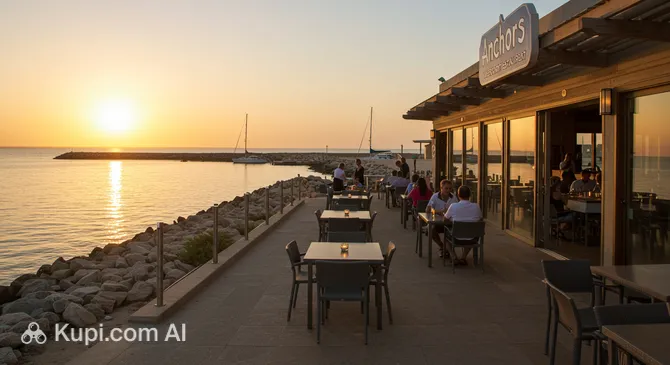
Anchors Waterfront Restaurant. Source: Kupi.Binoculars

For a meal with a view, Anchors Waterfront Restaurant is a top choice among locals and tourists alike. Situated directly on the water's edge, this establishment is renowned for its fresh seafood platters and lively atmosphere. It is an excellent place to watch pelicans and seals in the harbor while enjoying a sunset dinner, offering a true taste of the city's maritime culture.

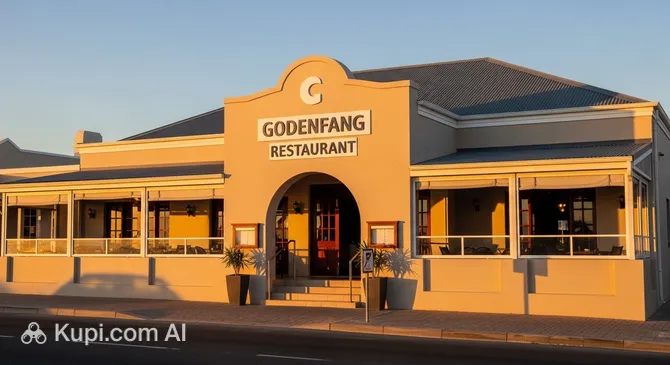
Another culinary highlight is Godenfang Restaurant, which is celebrated for its cozy ambiance and creative menu. This venue focuses on high-quality ingredients and friendly service, making it a welcoming stop for travelers looking to experience authentic hospitality. Whether you are in the mood for a hearty meal or a light snack, it provides a charming setting to unwind after a day of exploration.

Godenfang Restaurant. Source: Kupi.Binoculars

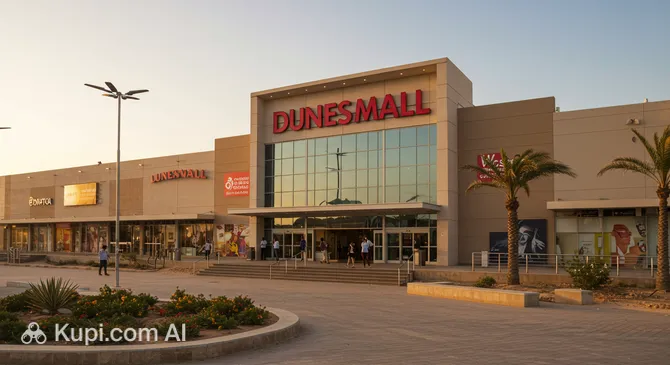
For those seeking a break from the elements or a spot of retail therapy, Dunes Mall serves as the region's modern shopping hub. It features a wide variety of stores, essential services, and entertainment options, catering to all practical needs. It is a convenient destination for families to restock supplies or simply enjoy a comfortable, climate-controlled environment in the heart of the city.

Dunes Mall. Source: Kupi.Binoculars

Local Cuisine

The culinary scene in Walvis Bay is deeply connected to the cold, nutrient-rich waters of the Atlantic Ocean, making it a true paradise for seafood lovers. The city's location on the coast ensures that restaurants have access to the freshest catch, and the local diet is heavily centered around maritime bounty. Dining here is often a relaxed affair, where the focus is on high-quality ingredients and simple, flavorful preparation methods that highlight the natural taste of the food.

Undoubtedly, the city's signature delicacy is the Walvis Bay Oyster. Cultivated in the plankton-rich lagoon, these oysters are famous worldwide for their fleshy texture and distinct, slightly nutty flavor. They are a must-try for any visitor, typically served fresh on ice with just a squeeze of lemon or a dash of hot sauce. Beyond shellfish, locally caught fish such as Kabeljou (Cob) and West Coast Steenbras are staples on dinner menus, often grilled over open flames or fried in a light batter to preserve their delicate texture.

When it comes to beverages, the German influence on Namibia is evident in the local beer culture. Beers are brewed according to strict purity laws, with Windhoek Lager and Tafel Lager being the crisp, refreshing favorites found at almost every social gathering. For a popular non-alcoholic option, you should try a Rock Shandy. This refreshing mix of lemonade, soda water, and a few dashes of Angostura bitters is the perfect drink to cool down after a day of exploring the dunes.

The food culture in Walvis Bay offers a delightful mix of waterfront dining and European-style cafe traditions. The waterfront area is the heart of the social scene, where visitors can enjoy seafood platters while watching seals and pelicans in the harbor. Popular spots like Anchors Waterfront Restaurant provide this quintessential experience, combining ocean views with hearty portions. In the mornings, the city's colonial legacy shines through in local bakeries, where fresh Brötchen (bread rolls) and traditional Apfelstrudel are enjoyed with strong coffee.

Travel Tips

To help you make the most of your adventure where the desert meets the ocean, we have compiled a set of essential travel tips. These practical insights will ensure your visit to Walvis Bay is as smooth and enjoyable as the calm waters of its famous lagoon.

  1. Clothing and Gear: Despite being in a desert, Walvis Bay is often cool and breezy due to the cold Atlantic current. You should pack layers, including a warm fleece and a high-quality windbreaker, as mornings and evenings can be surprisingly chilly. Comfortable closed shoes are best for walking on sand, and don't forget sunglasses and high-SPF sunscreen; the sun is intense even when the air feels cool.

  2. Transportation: There is no formal public transport system like buses or trains within the city. The best way to get around is by renting a car, preferably a 4x4 if you plan to explore the surrounding dunes or Sandwich Harbour independently. For short trips within town, dial-a-cab services and local taxis are available, but agree on the fare before hopping in.

  3. Finances: The local currency is the Namibian Dollar (NAD), which is pegged 1:1 to the South African Rand (ZAR); both currencies are accepted freely. Credit cards are widely used in hotels, restaurants, and malls like Dunes Mall, but it is wise to carry some cash for craft markets or small tips. ATMs are plentiful, and a tip of around 10% is standard for good service.

  4. Health and Safety: Walvis Bay is generally safe, but you should practice standard precautions like keeping valuables out of sight and avoiding unlit areas at night. Pharmacies are well-stocked and easy to find in the town center. The tap water here is desalinated and safe to drink, though the taste might be slightly different from what you are used to, so bottled water is a popular alternative.

  5. Communication: English is the official language and is widely understood, making communication easy for most travelers. However, you will often hear Afrikaans and German spoken by locals. To stay connected, you can buy a local SIM card from MTC or Telecom Namibia at the airport or in town; Wi-Fi is standard in most guesthouses and cafes.

  6. Local Etiquette: Namibians are polite and value greetings. A friendly handshake and a genuine "How are you?" are expected when entering a shop or meeting someone. Time can be a bit more relaxed here, often referred to as "Namibian time," so patience and a smile go a long way in service interactions.

  7. What to Avoid: Do not attempt to drive on the dunes or salt pans unless you have a permit, a 4x4 vehicle, and experience in off-road driving; getting stuck in the soft sand or rising tide is a common and expensive mishap for tourists. Also, avoid disturbing the wildlife; keep a respectful distance from the seals and flamingos at the lagoon.

  8. Shopping Hours: Be aware that many shops and businesses close early on Saturdays (often by 1:00 PM) and remain closed on Sundays. Plan your grocery shopping or souvenir hunting for weekdays to avoid disappointment.

Armed with these tips, you are ready to embrace the unique charm and laid-back rhythm of this coastal gem. Whether you are climbing Dune 7 or enjoying fresh oysters by the waterfront, a little preparation will ensure your Walvis Bay experience is unforgettable.

Entertainment & Nightlife

Nightlife in Walvis Bay is characterized by a relaxed and convivial atmosphere rather than a high-energy club scene. The city tends to wind down relatively early, with the focus shifting towards social dining, sunset drinks, and casual gatherings. For tourists, the evening entertainment centers primarily around the Waterfront and the city center, where the cool Atlantic breeze complements a laid-back night out. The vibe is welcoming and unpretentious, making it easy to strike up a conversation with locals or fellow travelers.

The most popular area for an evening out is undoubtedly the Walvis Bay Waterfront. Here, the experience often begins with "sundowners"—a cherished local tradition of enjoying a drink while watching the sun dip below the horizon. Venues like Anchors Waterfront Restaurant are perfect for this, transitioning from a daytime eatery into a lively spot for dinner and drinks. The crowd is a mix of tourists and locals, and the dress code is generally smart-casual; you will feel comfortable in jeans and a warm jacket, which is essential given the cool coastal evenings.

For those seeking a cozy ambiance away from the water, the town center offers several gems. Godenfang Restaurant is a standout location that offers a warm, inviting setting suitable for a long, relaxed evening meal paired with good wine. While not a rowdy nightclub, it captures the essence of Walvis Bay's nightlife: good food, excellent company, and a serene environment. If you are looking for more conventional entertainment, Dunes Mall provides a modern escape. It is home to the city's cinema complex, where you can catch the latest international movies, making it a great option for families or those wanting a quiet night indoors.

When planning a night out, it is best to start early. Many kitchens close by 9:00 PM or 10:00 PM, though bars may stay open a bit longer on weekends. Prices are generally affordable compared to European or North American standards, with a beer or glass of wine costing significantly less than in major international cities. Since public transport is virtually non-existent at night, getting around requires a bit of planning. It is highly recommended to use a dial-a-cab service or arrange transport through your hotel, as hailing a taxi on the street at night is not common practice.

Safety is an important consideration. While the main tourist areas like the Waterfront are generally safe, the streets can become very quiet and deserted after dark. Avoid walking long distances alone at night, even in the city center. Stick to well-lit areas and always have a reliable taxi number saved on your phone. If you are driving, parking is usually readily available and guarded at major venues, but ensure you do not leave valuables in plain sight.

Beyond the evening allure, Walvis Bay offers interesting daytime cultural entertainment. The Walvis Bay Museum, located in the civic center, is a small but fascinating institution that showcases the maritime and natural history of the region. While the city lacks large amusement parks, the waterfront promenade serves as a hub for leisure, and the local cinema offers a break from the outdoor elements. For most visitors, however, the true entertainment remains the spectacular natural playground that surrounds the city.

Parks & Museums

While Walvis Bay may not possess the lush, manicured botanical gardens found in wetter climates, it redefines the concept of public space with its spectacular natural surroundings and open-air recreational areas. The city's "green" spaces are often golden or blue, dominated by the desert and the ocean, while its cultural venues offer a focused and fascinating glimpse into the region's maritime heritage and colonial past.

The primary outdoor gathering spot for locals and visitors is the Walvis Bay Esplanade. Stretching along the edge of the lagoon, this landscaped promenade offers paved walkways, patches of green lawn, and shaded seating areas. It serves as the city's front porch, where you can enjoy a leisurely stroll while observing the famous flocks of flamingos just meters away. It is an ideal location for a morning jog or a sunset picnic, providing a clean and accessible environment to connect with the unique wetland ecosystem right on the city's doorstep.

For a more adventurous day out, the Dune 7 Recreational Area is a must-visit. Located just outside the town, this site is managed by the Ministry of Environment and Tourism. At the base of the massive dune, you will find a cluster of palm trees providing welcome shade, along with designated braai (barbecue) facilities and concrete tables. It acts as a desert park where families gather on weekends to relax, play in the sand, and enjoy the contrast between the lush oasis-like picnic spots and the towering wall of sand behind them.

Cultural exploration in the city is anchored by the Walvis Bay Museum, located within the Civic Center complex on Nangolo Mbumba Drive. Although modest in size, it is highly regarded for its well-curated collection. The museum focuses on the archaeology of the Namib coast, the history of the indigenous Topnaar people, and the city's development as a strategic port. Exhibits also cover the local guano industry and maritime history, offering visitors a deeper understanding of the economic forces that shaped the town.

Art enthusiasts will find that the creative scene is often integrated into smaller venues and markets rather than large galleries. However, various local craft centers and souvenir shops near the waterfront display works by local artists, including wood carvings, jewelry made from ostrich eggshells, and paintings depicting the stark beauty of the Namib Desert. These smaller hubs reflect the artistic spirit of the community and offer a chance to purchase authentic Namibian craftsmanship.

History buffs should make a point to visit the Rhenish Mission Church. Built in 1880, it is the oldest building in Walvis Bay and a significant architectural landmark. Constructed from timber imported from Hamburg, Germany, the church has withstood the harsh coastal elements for over a century. Its simple yet resilient structure stands as a testament to the early missionary era. Nearby, you can view the Hope Locomotive, a narrow-gauge steam engine declared a national monument, which stands as a silent reminder of the early railway history that connected the harbor to the interior.

For a truly authentic experience, take a drive to the salt pans just south of the lagoon. While not a park in the traditional sense, this industrial landscape offers a surreal, gallery-like experience of nature's colors, ranging from bright pink to vivid turquoise. An insider tip for museum-goers: The Walvis Bay Museum is typically open only on weekdays, so plan your cultural visits accordingly to avoid finding the doors locked on a Saturday or Sunday.
Getting Around

Navigating Walvis Bay is relatively straightforward, though it is important for visitors to understand that the city does not possess the complex public transport networks found in larger international metropolises. There is no metro, tram, or scheduled municipal bus service operating within the city limits. Instead, the local transport system relies almost entirely on a network of taxis, ride-hailing services, and private shuttles, which serve as the primary means of mobility for residents and visitors alike.

The most ubiquitous form of transport is the shared taxi. These standard sedans drive around the city, frequently honking their horns to attract passengers, and will stop to pick up or drop off multiple people along the way. While this is an affordable and authentic way to travel short distances during the day, it can be confusing for first-time visitors as there are no fixed routes or timetables. For a more comfortable and direct experience, traditional "dial-a-cab" services are highly recommended. These private taxis offer door-to-door service and are generally considered safer and more reliable, especially for tourists.

In recent years, the transport landscape has modernized with the introduction of ride-hailing apps like Yango. These platforms allow visitors to book rides via their smartphones, offering the convenience of upfront pricing and the ability to track the vehicle. Using an app eliminates the need to flag down a car on the street and provides a familiar interface for international travelers. However, availability can still fluctuate, so it is wise to have the number of a local taxi company saved as a backup.

When it comes to payment, cash remains the standard for most transport services, particularly for shared taxis which do not accept cards. You will need to pay the driver directly in Namibian Dollars (NAD) or South African Rand (ZAR). While app-based services may offer the option to link a bank card for payment, many drivers still prefer or require cash, so carrying small denominations is always advisable to avoid issues with change. Shared taxi fares are regulated and very cheap, whereas private cabs and app-based rides command higher rates based on distance.

Given the wide, open nature of the city and the distance to major attractions like Dune 7 or the salt pans, renting a car is the most popular alternative for visitors. Self-driving is safe and easy, with well-maintained roads and ample parking available at most hotels and shopping centers. Walking is a pleasant option for exploring the immediate Waterfront area or the Esplanade, but the distances between the town center, the lagoon, and the industrial areas are too great to cover comfortably on foot.

Finally, for travel between Walvis Bay and the nearby town of Swakopmund, private shuttle buses are available. These shuttles offer a convenient link between the two coastal hubs, often catering specifically to tourists and business travelers. While there are no historic cable cars or trains for inner-city transit, the drive along the coast offers its own scenic reward, making the journey part of the experience.

Accommodation

Travelers visiting Walvis Bay will find a diverse array of accommodation options suited to both business trips and leisure holidays. The city offers a welcoming mix that ranges from functional, modern hotels in the town center to charming, family-run guesthouses and bed-and-breakfasts. For those seeking more privacy or traveling in groups, self-catering apartments and holiday homes are also widely available, providing a home-away-from-home experience near the coast.

The most desirable location for tourists is undoubtedly the Lagoon Area. Staying here offers the unique advantage of waking up to serene views of the wetland and its resident flamingos, with the Esplanade providing a scenic route for morning walks just outside your door. Another popular zone is the Waterfront, which places you within walking distance of the harbor departure points for dolphin cruises and a selection of dining venues. For a true beach resort atmosphere, many visitors choose Langstrand (Long Beach), a holiday settlement located approximately 15 km north of the city. Nestled between the dunes and the ocean on the road to Swakopmund, it is a favorite spot for families and those with their own transport.

When planning your stay, it is important to consider the timing of your visit. During the peak holiday seasons, particularly in December and January, the city becomes a bustling hub for both local and international tourists. It is highly recommended to book your accommodation well in advance during these months, as the properties with the best views of the lagoon tend to fill up very quickly.

In terms of cost, Walvis Bay is generally considered to offer good value for money. The market is dominated by mid-range options that provide excellent comfort and hospitality without the premium price tag often associated with exclusive safari lodges elsewhere in Namibia. While luxury options exist, they remain relatively affordable compared to international standards. Reservations can be easily made through major online booking platforms, although contacting smaller guesthouses directly is also a common practice and can sometimes help secure a specific room preference.

Nearby Cities

For those looking to explore the surroundings, Walvis Bay serves as an excellent base for day trips to several interesting nearby locations. The most prominent and accessible destination is undoubtedly Swakopmund, located just a short drive north along the scenic coastal road. Known as the adventure capital of the country, it offers a delightful contrast with its German colonial architecture, bustling cafes, and wide range of adrenaline-fueled activities, from quad biking to skydiving.

While the coast is the main attraction, travelers planning further exploration often look towards the interior. The capital city, Windhoek, serves as the central hub for the nation, offering museums, craft markets, and historical sites. Although it requires a longer journey than the immediate coastal neighbors, it remains a key connection for those traversing the region. Below is a list of nearby cities and towns that are accessible for visits or as next stops on your itinerary:

City Population Distance (km)
Windhoek 322,500 269
Swakopmund 34,300 31
Rehoboth 28,843 268
Otjiwarongo 28,249 355
Grootfontein 24,099 529

These nearby destinations offer a glimpse into the diverse culture and landscapes of the region, ranging from the cool Atlantic seaboard to the vibrant heart of the Namibian interior.

Shopping & Souvenirs

Shopping in Walvis Bay offers a mix of modern convenience and local charm, catering primarily to the practical needs of residents and travelers preparing for desert expeditions. While it may not be a sprawling retail metropolis, the city provides a reliable selection of stores ranging from well-stocked supermarkets to specialized boutiques. Visitors can easily find camping gear, fresh supplies, and unique regional products without having to travel far from the coast.

The city's retail landscape has been significantly modernized by the addition of Dunes Mall, which stands as the premier shopping destination in the region. Located on the main road leading into town, this extensive complex houses major South African retail chains, fashion outlets, and outdoor equipment stores. It is the perfect one-stop location for tourists to stock up on groceries, buy SIM cards, or purchase clothing suitable for the variable coastal weather.

For a more traditional street-side experience, the central business district along Sam Nujoma Avenue serves as the commercial heartbeat of the town. This bustling thoroughfare is lined with banks, pharmacies, and smaller independent shops selling everything from electronics to fishing tackle. Walking down this avenue offers a glimpse into the daily life of the locals and provides access to essential services that may not be found in the larger mall.

Travelers looking for authentic Namibian keepsakes should explore the informal markets and craft stalls often found near the Waterfront and the Esplanade. Here, local artisans display hand-carved wooden makalani nuts, woven baskets, and intricate beadwork. These open-air spots are excellent for finding small, portable gifts that directly support the local community.

When it comes to souvenirs, the region is famous for its high-quality leather goods, particularly "vellies" (traditional leather field shoes) which are both durable and stylish. Additionally, Namibia is renowned for its semi-precious stones; you can find beautiful jewelry pieces featuring tourmaline or topaz in specialized jewelry stores in town. Don't forget to pick up some biltong (seasoned dried meat), a beloved local snack that is perfect for long road trips.

Store hours in Walvis Bay generally follow a standard schedule, with most businesses opening around 8:00 AM or 9:00 AM and closing by 5:00 PM or 6:00 PM on weekdays. It is important to note that many smaller shops in the town center close by 1:00 PM on Saturdays and remain closed on Sundays. However, the larger shopping malls typically operate with extended hours throughout the weekend, ensuring access to essentials seven days a week.

Payment methods are modern and convenient, with major credit and debit cards (Visa and Mastercard) widely accepted at malls, restaurants, and established stores. However, cash is king when dealing with street vendors or craft markets, so it is advisable to carry some Namibian Dollars (NAD) or South African Rand (ZAR). For international visitors, a Value Added Tax (VAT) refund of 15% is available on goods exceeding a certain value; be sure to ask for a tax invoice and present your purchases at the customs office at the airport upon departure.

Nearby cities

Reached the end of the page?

That means the route is fully explored