Support

Ondjiva

About

Ondjiva is the administrative capital of the Cunene Province and a significant urban center in southern Angola. Known for its strategic location and vibrant atmosphere, the city serves as a vital gateway between the country and neighboring Namibia. It offers travelers a unique glimpse into the local culture and the dynamic daily life of the region.
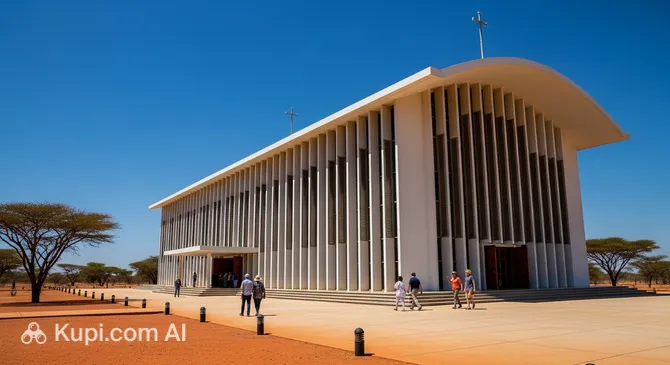
Ondjiva. Source: Kupi.Binoculars

Geographically, the city is situated just a few kilometers from the border, making it a bustling hub for trade and commerce. With a population of approximately 120,000 residents, Ondjiva has grown into a lively community adapted to the semi-arid climate of the area. Its position makes it an important stopover for those traveling overland through southern Africa, providing essential services and a welcoming environment.

The history of Ondjiva is deeply rooted in the traditions of the Kwanhama people. One of the most significant landmarks in the area is the Memorial of King Mandume ya Ndemufayo. This site is dedicated to the last king of the Kwanhama and stands as a testament to the region's rich heritage, attracting visitors interested in learning about the local past and paying respects to a celebrated historical figure.

Beyond its historical sites, the city features the Cathedral of Ondjiva, which serves as a central gathering point for the community and showcases modern architectural resilience. The local markets are also worth exploring, offering a variety of goods that reflect the cross-border cultural exchange. Whether you are passing through on a cross-country adventure or looking to explore the southern provinces, Ondjiva provides a meaningful and interesting stop.

Weather Overview

Travelers visiting this southern region should be prepared for a semi-arid climate with distinct seasonal variations. The weather in Ondjiva is generally warm throughout the year, though temperatures fluctuate significantly between the dry and wet periods. The hottest months are typically September and October, where daily maximums can soar above 35°C, creating a dry and intense heat before the rains arrive.

Precipitation is concentrated in the summer months, roughly from November through April. January is usually the wettest month in terms of frequency, featuring about 16 rainy days. Conversely, the winter period from May to September is extremely dry with almost no rainfall. During these cooler months, average temperatures dip to around 20°C, and nights can feel quite fresh with lows near 13°C.

Interesting Facts

Beyond the main attractions, Ondjiva holds many fascinating details related to its heritage and development. Visitors are often impressed by how this city balances its deep-rooted traditions with a drive for modern progress.

  • For much of the 20th century, the city was known by a different name. During the colonial era, it was called Vila Pereira d'Eça, named after a Portuguese general. It was only after Angola gained independence that the city reclaimed its indigenous name, reflecting its true local identity.

  • Since the early 2000s, Ondjiva has experienced a remarkable era of rapid modernization. The city has transformed into a vibrant commercial hub, characterized by new infrastructure, bustling activity, and a dynamic atmosphere. This period of intense growth has established it as a thriving metropolis and a symbol of progress in the southern region.

  • The city sits at the heart of the ancient Oukwanyama Kingdom, which was historically divided by colonial borders. The boundary between Angola and Namibia cuts directly through this traditional territory, meaning that the local people on both sides share the same language, royal lineage, and customs, effectively maintaining a cultural unity that transcends the political line.

How to Get There

Reaching this southern strategic hub is relatively straightforward, primarily due to its proximity to the border and its own transport facilities. For a comprehensive guide on all travel options, including road routes and border crossings, you can read more about how to get to Ondjiva.

The most direct way to arrive by air is via the local Ondjiva airport (IATA: VPE). Located just 2.9 km from the city center, it offers the quickest access to the region. A taxi or shuttle ride from the terminal to the downtown area is just a short drive. Although it is a smaller hub, it is vital for connecting the province with the rest of the country.

Alternatively, travelers may consider flying into Ondangwa Airport (IATA: OND), situated in the city of Ondangwa. This airport is approximately 94.2 km from Ondjiva. Since Ondangwa is located across the border in Namibia, this option is often used by those exploring the wider region. The journey by road from there, including the border crossing, can take approximately 2-3 hours depending on traffic and customs procedures.

For clarity, here is a summary of the main airports:

Airport Name City Passenger Traffic Km from City
Ondangwa Airport Ondangwa Light 94.2
Ondjiva Ondjiva Light 2.9

Main Attractions

While Ondjiva is primarily a commercial and administrative hub, it serves as the custodian of the region's deep cultural heritage. Visitors to the city will find that the main points of interest revolve around the proud history of the Kwanhama people and the city's role as a resilient modern community. The attractions here offer a meaningful connection to the traditions of southern Angola.

The most prominent site for any visitor is the King Mandume Memorial Complex. Although situated in the nearby locality of Oihole, it is intrinsically linked to Ondjiva's identity and is the primary reason for cultural tourism in the area. This site honors Mandume ya Ndemufayo, the last monarch of the Oukwanyama kingdom, who is celebrated for his resistance against colonial forces. Tourists are drawn here to pay their respects at the king's grave and to view the historic baobab tree that marks the site, offering a profound insight into the local spirit and history.

In the heart of the city stands the Cathedral of Ondjiva (Sé Catedral de Ondjiva). This religious landmark is not only a place of worship but also a symbol of the city's reconstruction and peace. The architecture is distinct, often characterized by its modern yet simple design that stands out against the semi-arid landscape. It is an interesting stop for those who appreciate architectural resilience and want to experience the tranquil atmosphere where the local community gathers.

For a taste of contemporary life, the local markets of Ondjiva provide a vibrant experience. Due to the city's proximity to the Namibian border, these markets are bustling centers of cross-border trade. Visitors can explore stalls filled with colorful textiles, traditional crafts, and fresh produce. It is a fascinating spot to observe the daily rhythm of the city, interact with friendly locals, and perhaps find unique souvenirs that reflect the blend of Angolan and Namibian cultures.

Local Cuisine

The culinary scene in Ondjiva offers a hearty and authentic taste of southern Angola, deeply influenced by the region's pastoral traditions. As the capital of a province renowned for cattle herding, the local diet is heavily centered around high-quality, organic meats and grains. Visitors will find that the food here is robust, flavorful, and prepared with a focus on fresh, locally sourced ingredients.

A staple on almost every table is Funge, a thick porridge that serves as the base for most meals. In this southern region, it is often made from corn (milho) or millet (massango) rather than the cassava flour found in the north, giving it a distinctive texture and flavor. It is typically served with Carne Seca (dried beef) or a rich stew of Galinha Caipira (free-range chicken). The beef in Cunene is widely considered some of the best in the country, often grilled to perfection or slow-cooked to tenderness.

For those feeling adventurous, the local markets offer a chance to try regional specialties like Macau (mopane worms), which are a protein-rich delicacy harvested from the surrounding mopane trees. They are usually fried with onions, tomatoes, and spices, offering a crunchy texture and a unique, savory taste that is highly prized by the local Kwanhama people.

To quench your thirst, you must try Kissangua, a traditional non-alcoholic drink made from corn flour and water. It has a sweet, slightly fermented flavor and is incredibly refreshing in the semi-arid heat. For something stronger, the local beer culture is vibrant, with national brands like Cuca and the southern-brewed N'gola being the beverages of choice to accompany a sunset meal.

Dining in Ondjiva is often a communal and informal affair. While there are a few sit-down restaurants in the city center and within hotels, the most authentic experiences are found in the open-air eateries and backyard restaurants known locally as quintais. Here, tourists can mingle with residents, enjoying generous portions of grilled meats and lively conversation in a relaxed, welcoming atmosphere.

Travel Tips

Welcome to Ondjiva! As the bustling southern gateway to the country, this city offers a unique blend of cross-border energy and local tradition. To help you navigate your stay smoothly and enjoy the warm hospitality of the Cunene Province, here are some practical tips for your trip.

  1. Clothing and Gear: Given the semi-arid climate, lightweight and breathable fabrics like cotton or linen are essential to handle the daytime heat. A wide-brimmed hat and good sunglasses are must-haves to protect against the intense sun. However, if you are visiting during the dry season (May to August), bring a warm jacket or sweater, as temperatures can drop significantly in the evenings. Comfortable, closed-toe shoes are recommended for walking around the dusty streets and markets.

  2. Transportation: Public transport within the city mainly consists of blue and white shared taxis known as candongueiros and motorbike taxis called kupapatas. The latter are the fastest way to get around for short distances, but always ensure the driver provides a helmet. Ride-hailing apps are not available here. For exploring the wider province or visiting memorials, renting a 4x4 vehicle is highly advisable due to road conditions.

  3. Finances: The local currency is the Kwanza (AOA). While some larger hotels and supermarkets may accept Visa cards, the system can be unreliable. It is crucial to carry sufficient cash for daily expenses, markets, and smaller eateries. ATMs are available in the city center but may occasionally run out of bills. Exchange your foreign currency (USD or EUR) at official banks or exchange bureaus rather than on the street.

  4. Health and Safety: Ondjiva is generally safe, but standard precautions apply; avoid walking alone in poorly lit areas at night. Malaria is a risk in this region, so carry mosquito repellent and consider taking prophylaxis before your trip. Pharmacies are available in the town center, but it is wise to bring a personal kit with essential medicines. Always drink bottled water and avoid tap water to prevent stomach issues.

  5. Communication: Portuguese is the official language and is used for all business and government interactions. English is not widely spoken outside of major business circles, so learning a few basic phrases like "Bom dia" (Good morning) and "Obrigado" (Thank you) will be very helpful. Local SIM cards from providers like Unitel are easy to buy and offer decent 4G coverage in the city for maps and translation apps.

  6. Local Etiquette: Greetings are very important in Angolan culture. It is polite to greet people with a handshake and a smile before asking a question or starting a transaction. In this region, respect for elders is paramount. If you are visiting a village or a traditional site, ask for permission before taking photographs of people, as some may prefer not to be captured on camera.

  7. What to Avoid: Strictly avoid taking photographs of government buildings, police stations, military personnel, or the border post facilities. This is considered a serious security breach and can lead to confiscation of your camera or legal trouble. Also, avoid public displays of frustration; patience is a virtue here, especially when dealing with bureaucracy or service speeds.

  8. Market Tip: If you plan to visit the local markets for souvenirs or textiles, try to go in the morning when the temperature is cooler and the stalls are fully stocked. Bargaining is acceptable and expected in the markets, but do so with a smile and a friendly attitude—it is seen as a social interaction rather than a conflict.

By keeping these practicalities in mind, you will be well-prepared to experience the vibrant culture and history of Ondjiva. Enjoy the unique atmosphere of this southern city and the warm welcome of its people!

Entertainment & Nightlife

As the sun sets over the semi-arid plains of Cunene, the energy in Ondjiva shifts from bustling cross-border trade to a more relaxed and social rhythm. While the city does not boast the high-tech nightclubs found in the capital, its nightlife is defined by a warm, community-centered atmosphere where locals and visitors gather to unwind. The evenings here are typically warm, encouraging an open-air culture where music, food, and conversation flow freely under the starry southern sky.

The nightlife scene is primarily concentrated in the central districts and the neighborhoods surrounding the airport, such as Naipalala. Here, you will find a mix of "quintais" (backyard bars), hotel lounges, and local eateries that stay open late. The vibe is decidedly casual and unpretentious; there is no strict dress code, though a smart-casual look is appreciated if you are dining at one of the hotel restaurants. Music is the heartbeat of the night, with the rhythmic beats of Kizomba and Semba filling the air, often inviting spontaneous dancing among patrons.

For those looking to experience the local social scene, Novo Bar in the Kafitu II area is a popular spot. It offers a genuine glimpse into the local lifestyle, serving cold drinks and playing vibrant Angolan hits well into the night. Another excellent venue for a relaxed evening is Restaurante F24. Known for its welcoming ambiance, it transitions seamlessly from a dinner spot to a place where friends gather for drinks and long conversations. If you prefer a quieter, more polished setting, the bar and restaurant area at Hotel Águia Verde provides a comfortable environment to enjoy a cocktail or a glass of Portuguese wine after a long day of travel.

When planning a night out, it is best to head out around 8:00 PM when the air cools down. Prices in Ondjiva are generally affordable, with beer and local spirits costing significantly less than in larger cities. However, credit card machines can be unreliable, so it is essential to carry enough cash (Kwanza) for the evening. For transportation, "kupapatas" (motorbike taxis) are available, but for safety at night, it is recommended to arrange a private taxi or a ride through your hotel, especially if you are venturing away from the main lit avenues.

During the daylight hours, entertainment in Ondjiva takes on a different character. The city is a commercial hub, and the Mercado de Ondjiva (Ondjiva Market) offers a lively sensory experience where you can browse traditional baskets, textiles, and local foods. While there are no large amusement parks or grand theaters, the city's cultural depth makes walking tours interesting. Visitors can explore local landmarks or take a short trip to see the historic sites related to King Mandume, immersing themselves in the rich history of the Kwanhama people before the evening festivities begin.

Parks & Museums

While Ondjiva may not be known for expansive botanical gardens or vast museum districts, the city and its surroundings offer a distinct kind of beauty rooted in the semi-arid landscape and deep historical memory. The green spaces here are often functional and communal, while the preservation of history is found more in sacred sites and monuments than in traditional glass-case exhibitions.

Parks and Natural Areas

In the heart of the city, the Central Square (Praça da República) serves as the primary green lung and social gathering space. Unlike the dense forests found in northern Angola, this public garden is designed to offer respite from the intense southern sun. It features manicured paths, shaded benches, and local flora that can withstand the dry climate. It is a peaceful spot where tourists can observe the relaxed pace of local life, watch families gather in the evenings, and enjoy the cooling breeze that typically picks up at sunset.

Just beyond the urban perimeter lies the vast natural expanse of the Mopane Woodlands. While not a fenced park, this ecosystem is the defining natural feature of the Cunene Province and is accessible for short excursions. The landscape is dotted with the iconic Mopane trees, known for their butterfly-shaped leaves and resilience. For nature enthusiasts, a walk or drive through these areas offers a chance to see the unique "chanas" (floodplains) which, depending on the season, can be dry, golden savannahs or lush, water-filled wetlands attracting local birdlife.

Museums and Cultural Heritage

The region's most significant cultural institution is the Memorial of King Mandume ya Ndemufayo. Functioning as an open-air museum, this complex preserves the legacy of the Oukwanyama Kingdom. Unlike a traditional museum, the site is centered around the King's grave and the historic baobab tree where he made his last stand. Visitors can walk through the grounds to read plaques detailing the battles against colonial forces and understand the spiritual significance of the site to the Kwanhama people. It is a solemn and educational experience that brings the oral history of the region to life.

Another key site for cultural appreciation is the Ombala, or the traditional seat of the local kingdom. While not a museum in the Western sense, these traditional courts are custodians of living history, housing customary artifacts, royal insignia, and serving as the venue for traditional justice and ceremonies. Visits here often require a local guide or prior arrangement, offering a rare and authentic insight into the hierarchical structure and customs that have survived alongside modern governance.

Insider Tip

For a truly unique experience, ask locals about the seasonal Efundja phenomenon if you are visiting between February and April. When the heavy rains from the highlands flow south, the dry plains transform into a network of waterways filled with fish and lilies. It is a magical time when the "natural park" of the province changes completely, and locals celebrate the arrival of the life-giving water with fishing festivals.

Getting Around

Navigating Ondjiva is an authentic experience that relies heavily on informal road-based networks rather than a structured public transit system found in larger global metropolises. The city does not have a metro, tram, or large municipal bus network. Instead, the backbone of local transportation is the fleet of blue and white minibuses known as candongueiros. These shared taxis ply fixed routes along the main avenues and are the most popular way for residents to commute between neighborhoods and the bustling market areas.

For shorter trips or to reach destinations off the main roads, motorbike taxis, locally called kupapatas, are the most convenient option. They are agile and can navigate the city's streets quickly, making them a favorite for quick errands. While they offer a breezy way to see the town, they are best suited for solo travelers carrying light luggage. You will easily spot them waiting at intersections or cruising slowly looking for passengers.

The payment system in the city is entirely cash-based. There are no travel cards, digital passes, or mobile ticketing apps available for public transport. Fares for both candongueiros and kupapatas are generally fixed and very affordable, but it is essential to carry small denominations of the local currency. Drivers often do not have change for large bills, so keeping coins and small notes handy will make your journey much smoother.

For tourists, using this system requires a bit of interaction with the locals. To catch a candongueiro, simply stand by the side of the road and wave your hand; the conductor will often shout the destination out the window. If you choose a kupapata, it is customary to confirm the price before hopping on. Operations typically start very early in the morning, around sunrise, and wind down shortly after sunset. Finding transport late at night can be difficult, so it is advisable to plan your movements during daylight hours.

Alternatives to these public options are somewhat limited but available for those seeking more comfort. Walking is a viable and pleasant option for exploring the compact city center, especially during the cooler morning hours. Ride-sharing apps are not active here. If you prefer a private vehicle, your hotel can usually arrange a trusted taxi service. For those planning to explore the wider region, renting a car—preferably a 4x4—is highly recommended to handle the variable road conditions outside the urban limits.

Accommodation

Accommodation in Ondjiva is primarily functional and designed to cater to business travelers, cross-border traders, and government officials. The city does not offer the wide variety of luxury resorts or backpacker hostels found in major tourist capitals. Instead, visitors will mostly find mid-range hotels, local guesthouses known as pensões, and simple lodges. These establishments focus on providing essential comforts like air conditioning—a necessity in the heat—and secure parking, rather than opulent amenities.

The most convenient area to stay is the City Center. Being located here places you within walking distance of the administrative buildings, local restaurants, and the main markets. This central location is ideal for those who want to soak up the local atmosphere without needing constant transport. Alternatively, there are several reputable options located along the main road leading to the Ondjiva Airport. These are particularly suitable for travelers in transit or those arriving late who prefer a quick transfer to their room.

Among the well-known establishments in the city is the Hotel Águia Verde. It is widely recognized as one of the premier places to stay in the province, offering reliable services and a restaurant, which provides a comfortable setting after a dusty day of travel. Another reliable local option is Villa Okapale, which is appreciated for its comfortable environment and decent standards. For travelers seeking simpler, budget-friendly lodgings, establishments like Pensão Cumbuessa offer a genuine local experience. While large international chains have not yet established a presence here, these local hotels provide a safe and comfortable base for exploring the region.

Booking Tip: Since the number of high-quality rooms is limited, it is highly recommended to book in advance. During government summits or trade periods, the best hotels can fill up quickly. It is also worth noting that many smaller guesthouses may not have a robust online presence; calling them directly or asking a local contact to make a reservation is often the most effective method.

In terms of cost, accommodation in Ondjiva generally falls into the mid-range category. Prices can be surprisingly high relative to the amenities provided, due to the cost of logistics in this southern region of Angola. While some larger hotels accept credit cards, the systems can be intermittent. Therefore, it is crucial to carry sufficient cash (Kwanza) to cover your stay or to pay for any extras, as smaller pensões will almost exclusively deal in cash.

Nearby Cities

Ondjiva serves as a strategic base for exploring the southern provinces of Angola. The region is characterized by vast distances, but the road network connects the city to several other important urban centers and tourist destinations. Whether you are heading towards the cooler highlands or the Atlantic coast, there are interesting stops along the way.

One of the most notable destinations within reach is Lubango. Famous for its stunning escarpments, such as the Tundavala Gap, and its pleasant climate, it is a major hub for tourism in the south. For those interested in coastal landscapes, Namibe offers a dramatic contrast where the Namib Desert meets the ocean, providing unique scenery and access to Iona National Park.

Below is a table of cities located relatively close to Ondjiva, which can be part of a broader itinerary in the region:

City Population Distance (km)
Chibia 190,670 299
Lubango 776,249 332
Menongue 320,914 341
Caluquembe 169,420 379
Namibe 255,000 432

Shopping & Souvenirs

Shopping in Ondjiva offers a unique blend of modern convenience and traditional African commerce. As a bustling border city, it serves as a major trading hub where goods from neighboring Namibia meet local Angolan products. While you will not find high-end luxury boutiques or massive department stores, the city provides a vibrant retail experience characterized by practical goods, cross-border merchandise, and lively open-air trade.

The City Center is the primary area for general shopping, particularly along the main avenues that connect the administrative district to the airport. Here, visitors can find a variety of small shops selling clothing, electronics, and household items. The streets are often lined with informal vendors, adding to the energetic atmosphere. For a more concentrated retail experience, the road leading towards the Santa Clara border post is dotted with warehouses and wholesalers that reflect the city's commercial importance.

In terms of modern retail facilities, Ondjiva does not have large Western-style shopping malls. However, the city is home to a Shoprite complex, which acts as the main commercial anchor. This center offers a reliable supermarket experience and is often surrounded by smaller satellite stores where tourists can buy toiletries, snacks, and basic travel supplies in a comfortable, air-conditioned environment. It is the go-to spot for imported goods and standardized prices.

The true heart of the local economy beats in its markets. The Mercado Municipal de Ondjiva (Municipal Market) is a must-visit for those wanting to experience local culture. It is a colorful and chaotic labyrinth of stalls selling everything from fresh tropical fruits and vegetables to livestock and textiles. The atmosphere here is loud and friendly, offering a genuine slice of daily life in the Cunene Province.

For travelers looking to take a piece of Angola home, souvenirs in Ondjiva are deeply rooted in the traditions of the Kwanhama people. Look for beautifully woven baskets and pottery, which are regional specialties. Brightly colored fabrics, particularly the traditional Samakaka print, are widely available and make for excellent gifts. You may also find wooden carvings and handmade jewelry sold by artisans in the markets or along the roadside.

Most shops in the city typically open around 8:00 AM and close by 6:00 PM or 7:00 PM on weekdays, with reduced hours on weekends. Markets generally start much earlier, often at sunrise, and wind down by mid-afternoon. When it comes to payment, cash is king in Ondjiva. While the main supermarket may accept local debit cards, almost all market vendors and smaller shops require payment in Angolan Kwanza (AOA). It is highly recommended to carry sufficient cash in small denominations for easier transactions.

Nearby cities

Reached the end of the page?

That means the route is fully explored