Support

Lubango

About

Nestled in a lush valley within the Huíla Province, Lubango is widely regarded as one of the most picturesque and pleasant cities in Angola. With a population of over 770,000 residents, it serves as a vital economic and cultural hub for the southern region. The city is renowned for its unique atmosphere, characterized by wide avenues, colonial-style architecture, and a backdrop of rolling green hills that create a serene environment for visitors.

Geographically, Lubango benefits immensely from its high altitude on the Huíla Plateau. This elevation gifts the city with a temperate, spring-like climate year-round, which is a refreshing contrast to the tropical heat found in other parts of the country. This cool weather supports rich agriculture, making the surrounding area a vibrant center for fruit and vegetable production, often referred to as the country's garden.
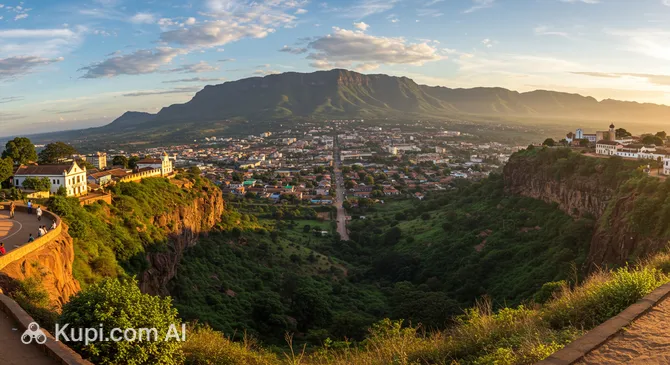
Lubango. Source: Kupi.Binoculars

The city's heritage is deeply intertwined with its stunning natural surroundings and colonial past. Exploring the history of Lubango reveals how the settlement, formerly known as Sá da Bandeira, developed into a modern urban center while retaining its historic charm. Visitors can still see well-preserved buildings from the Portuguese era, including the impressive Cathedral of St. Joseph.

Travelers are drawn to Lubango not just for the city itself, but for the spectacular natural wonders nearby. The iconic Christ the King (Cristo Rei) statue stands atop a hill overlooking the city, offering panoramic views that are simply breathtaking. Just a short drive away lies the magnificent Tundavala Gap (Fenda da Tundavala), a dramatic escarpment where the plateau drops sharply over 1,000 meters, providing one of the most spectacular vistas in Africa. Additionally, the famous winding road of the Serra da Leba pass is a marvel of engineering and a favorite spot for photographers.

Whether you are a nature enthusiast eager to hike the surrounding trails or a culture seeker looking to experience the warmth of southern Angolan hospitality, Lubango offers an unforgettable experience. It is a destination that perfectly balances urban comfort with the raw beauty of the African highlands, inviting everyone to discover its hidden gems.

Weather Overview

Thanks to its high elevation, the weather in Lubango is generally mild and comfortable, distinguishing it from the tropical heat often found in other parts of the country. The climate is characterized by two distinct seasons: a cooler, dry period and a warmer, rainy season, making the city a pleasant destination year-round.

The dry season typically runs from May to September. During these months, rainfall is virtually non-existent, particularly in June, July, and August, which record zero wet days according to local data. This period also brings the coolest temperatures; while daytime highs remain pleasant around 25°C, nighttime lows can drop to approximately 10°C or 11°C, requiring a light jacket for the evenings.

From October to April, the city experiences its wet season. Precipitation becomes frequent, with January and March seeing between 20 and 23 wet days per month. Despite the increased cloud cover and rain, it remains warm, with September and October often reaching average highs of nearly 30°C before the rains fully set in. Overall, visitors can expect warm, humid days with regular showers during the summer months and crisp, clear skies with cooler nights during the winter.

Interesting Facts

Beyond the main attractions, Lubango holds many fascinating secrets and cultural traditions that add depth to its scenic beauty. Here are a few unique insights into this highland city:

  • The iconic Christ the King Statue is part of a select global group; it is one of only a few large-scale monuments in the world directly inspired by the Christ the Redeemer in Rio de Janeiro, having been constructed in 1957 to watch over the valley.

  • Lubango is the setting for the Festival of Nossa Senhora do Monte, one of the largest religious pilgrimages in southern Angola, centering around a historic hillside chapel that has drawn visitors every August for over a century.

  • Local urban legends often surround the famous Serra da Leba pass nearby; a popular story claims the dizzying zigzag road was designed by a female engineer who tragically passed away shortly after its completion, adding a layer of mystery to this engineering marvel.

  • Thanks to its unique high-altitude microclimate, the city is known as an agricultural oasis capable of producing "cold-weather" crops like strawberries and peaches, as well as the distinctive local Huíla cheese, which is a rare culinary treat in the region.

Christ the King Statue. Source: Kupi.Binoculars

How to Get There

Reaching this highland gem is relatively straightforward, with air travel being the most efficient method for most visitors. For a comprehensive breakdown of routes and transport options, you can read more about how to get to Lubango on our detailed page.

The city is served directly by Lubango Airport (SDD), which is the most convenient entry point. Located just 4.7 km from the city center, it is a significant regional hub handling around 380,000 passengers annually. The short distance means that a taxi or shuttle ride to downtown hotels typically takes only about 15 to 20 minutes.

Alternatively, travelers can choose to fly into Yuri Gagarin Airport (MSZ) in the coastal city of Namibe. This airport is approximately 153.7 km away from Lubango. While further afield, the journey from Namibe involves a drive through the spectacular Serra da Leba pass. The transfer by taxi or bus generally takes around 4 hours.

For clarity, here is a summary of the main airports:

Airport Name City Passenger Traffic Km from City
Lubango Airport Lubango Medium 4.7
Yuri Gagarin Airport Namibe Medium 153.7
Catumbela Airport Catumbela Small 269.9

Main Attractions

Lubango is a destination defined by its dramatic landscapes and colonial heritage. The city's high altitude and surrounding escarpments provide a wealth of natural wonders, while its historical buildings offer a glimpse into the region's past. Here are the most compelling places to visit during your stay.

One of the most recognizable landmarks is the Christ the King Statue. Standing guard over the city from a hilltop, this white marble monument is a smaller version of the famous statue in Rio de Janeiro. Visitors can drive or hike to the base of the statue to enjoy what is arguably the best panoramic view of Lubango. It is a serene spot, perfect for sunset photography and getting a sense of the city's layout against the backdrop of the Huíla Plateau.

For nature lovers, the Tundavala Gap (Fenda da Tundavala) is an absolute must-see. Located just a short drive from the city center, this spectacular geological formation marks the edge of the Bié Plateau. Here, the cliffs drop sharply by over 1,000 meters into the desert plains of Namibe below. The views from the observation decks are dizzying and magnificent, often shrouded in mist that adds a mystical quality to the experience.

Another engineering and visual marvel is the Serra da Leba mountain pass. While technically part of the route connecting Lubango to the coast, the pass itself is a major attraction. It is famous for its precipitous zigzag road that winds down the mountain face. The viewpoint at the top offers a stunning perspective of the hairpin turns, which are particularly beautiful at night when the road is illuminated by the lights of passing vehicles.

Within the city limits, the Chapel of Nossa Senhora do Monte offers a blend of spiritual significance and scenic beauty. Nestled on a hillside, this historic chapel is the focal point of an annual pilgrimage but remains a peaceful retreat year-round. The surrounding park area is lush and green, making it a pleasant location for a quiet walk while admiring the colonial architecture of the sanctuary.

Finally, to understand the cultural fabric of the region, a visit to the Huíla Regional Museum is highly recommended. The museum houses a fascinating collection of ethnographic artifacts, traditional clothing, and jewelry from the various tribes of southern Angola. It provides valuable context to the rich traditions and history of the people who call this vibrant province home.

Local Cuisine

The culinary scene in Lubango is a delightful reflection of its unique geography and cultural history. Thanks to the region's cool, high-altitude climate, the city is known as the "garden of Angola," producing fresh vegetables, fruits, and livestock that define local flavors. Visitors will find a fascinating blend of traditional Angolan staples and distinct Portuguese influences, creating a gastronomy that is both hearty and refined.

At the heart of many meals is funge, the beloved Angolan staple made from cassava or corn flour, which serves as the perfect accompaniment to rich, flavorful stews. In Lubango, meat dishes are particularly popular due to the region's cattle farming heritage. You should definitely try the grilled goat (cabrito grelhado), which is celebrated for its tenderness and savory seasoning. Another unique specialty to look out for is the famous Queijo da Huíla (Huíla cheese), a local dairy product that is somewhat rare in other parts of the country and makes for a perfect appetizer or souvenir.

When it comes to beverages, the choices are equally varied. For a truly authentic taste, try kissangua, a traditional non-alcoholic drink made from corn flour or pineapple, often sold by street vendors. If you prefer something stronger, Angolan beers like Cuca or Nocal are ubiquitous and refreshing. Additionally, the dining culture in Lubango retains a strong appreciation for wine, and you will find an excellent selection of Portuguese wines available in most restaurants to pair with your meal.

Dining out in Lubango offers experiences ranging from casual to elegant. The city center features several charming restaurants housed in colonial-style buildings where you can enjoy a leisurely dinner. For a more immersive experience, visit the local markets or roadside stalls, especially during the harvest season. Here, you can buy fresh strawberries, peaches, and other "cold-weather" fruits that are a source of pride for the locals and a sweet treat for travelers.

Travel Tips

Planning a trip to Lubango offers a refreshing break from the tropical heat, but the unique highland environment requires some specific preparation. To help you make the most of your visit to this scenic city, here are some essential practical tips to ensure a smooth and enjoyable journey.

  1. Clothing and Gear: Unlike the humid coast, Lubango's high altitude means evenings can get surprisingly chilly, especially between May and August. Pack a warm jacket or sweater alongside your lighter clothes. Since many attractions like the Tundavala Gap involve walking on uneven rocky ground, bring sturdy, comfortable walking shoes.
  2. Transportation: Public transport relies heavily on "candongueiros" (blue and white shared vans), which are affordable but often crowded and confusing for first-time visitors. The most convenient and safe way to explore is to hire a private driver or rent a car with a driver for the day, which gives you the flexibility to visit distant sites like Serra da Leba.
  3. Finances: The currency is the Angolan Kwanza (AOA). While some major hotels may accept international Visa cards, the banking network can be unreliable for foreign cards. It is essential to carry sufficient cash (USD or Euros) to exchange at banks or official bureaus. Tipping is not mandatory but is gratefully received for good service.
  4. Health and Safety: Lubango is considered one of the safer cities in Angola, but standard precautions apply; avoid walking alone in isolated areas at night. Pharmacies are available in the city center, though 24-hour services are rare. Stick to drinking bottled water and ensure your travel insurance covers medical emergencies.
  5. Communication: Portuguese is the primary language, and English is rarely spoken outside of top-tier hotels and tour agencies. Downloading an offline translation app and learning basic phrases like "Bom dia" (Good morning) is highly recommended. You can easily buy a local SIM card (e.g., Unitel) in the city center for data connectivity.
  6. Local Etiquette: Greetings are very important in Angolan culture; it is polite to greet people before asking for directions or assistance. If you encounter traditional tribal members, such as the Mumuhuila women often seen in town, always ask for permission before taking photos, as snapping pictures without consent is considered disrespectful.
  7. What to Avoid: Strictly avoid taking photographs of police officers, military personnel, airports, or government buildings. This is a sensitive issue in Angola, and doing so can lead to the confiscation of your equipment or questioning by authorities.
  8. Local Insight: Don't miss the chance to buy fresh fruit from roadside vendors. Thanks to the cool climate, Lubango is one of the few places in the country where you can find fresh strawberries and peaches, which are a delicious and unique local treat.

With these practical tips in hand, you are well-equipped to navigate the "garden of Angola" with confidence and ease. Embracing the local rhythm and coming prepared will allow you to fully relax and enjoy the breathtaking vistas and warm hospitality that make Lubango so special.

Entertainment & Nightlife

While Lubango is widely appreciated for its serenity and natural beauty, the city transforms as the sun sets, offering a nightlife scene that is vibrant yet significantly more relaxed than the bustling energy of the capital, Luanda. The evening entertainment here is centered around socializing, good music, and dining, reflecting the warm hospitality of the Huíla Province. The nightlife is not about overwhelming noise but rather about enjoying the company of friends in atmospheric settings, often accompanied by the rhythmic beats of Kizomba and Semba.

The heart of the action is primarily found in the city center (Baixa) and along the main avenues, where you can find a mix of modern bars, open-air terraces, and restaurants that stay open late. For a lively evening, O'Cocktail is a well-known spot among locals and expats alike, offering a spirited environment with a good selection of drinks and music. Another excellent venue is Kimbo do Soba, which provides a more traditional setting where visitors can enjoy local cuisine and drinks in a rustic, village-style atmosphere. For those seeking a more upscale and tranquil evening, the bar and restaurant area at Pululukwa Resort offers stunning surroundings and a sophisticated vibe, perfect for a nightcap under the stars.

The atmosphere in Lubango's nightlife venues is generally casual and welcoming. Unlike the strict exclusivity found in some major global cities, here the dress code is typically smart-casual. The crowds are friendly, and it is common to see people dancing to local Angolan hits. The party usually starts later in the evening; while bars may fill up around 8:00 PM, those looking to dance will find the energy peaking closer to midnight. Weekends, particularly Friday and Saturday nights, are the busiest times to venture out.

When it comes to practicalities, safety and transportation are key considerations. Although Lubango is considered one of the safer cities in Angola, it is advisable not to walk long distances at night, even in the city center. The best way to get around is by using private taxis or arranging a driver through your hotel. "Candongueiros" (shared vans) are less frequent and less reliable at night. Prices for drinks and cover charges are generally moderate and more affordable than in Luanda, making a night out reasonably priced for travelers.

For daytime entertainment, the pace is leisurely. Aside from the natural excursions, visitors can explore the city's cultural side. The Huíla Regional Museum is a great place to spend an afternoon learning about local ethnography. Additionally, the park area surrounding the Chapel of Nossa Senhora do Monte is a popular spot for families and groups to gather for picnics and relaxation during the day, occasionally hosting local events and fairs that provide a glimpse into the community's daily life.

Parks & Museums

Lubango is often celebrated as the "Garden City" of Angola, a title it earns through its leafy avenues, well-maintained public gardens, and the stunning natural backdrop of the Huíla Plateau. The city’s high altitude allows for a greener, more temperate environment than much of the country, creating a perfect setting for outdoor relaxation and cultural exploration.

One of the most significant green spaces is the Parque da Senhora do Monte. Located on the southern edge of the city, this expansive park is much more than just a recreational area; it is a spiritual and cultural landmark. Lush with indigenous trees and manicured paths, it climbs the hillside toward the famous chapel. Tourists visit not only for the pilgrimage history but also for the serene atmosphere, which offers a cool, shaded retreat perfect for picnics and quiet walks away from the city center.

In the heart of the city, the Central Garden (often associated with the Praça 1º de Maio) serves as a vibrant social hub. Surrounded by colonial-era architecture, this public square is lined with blooming jacaranda trees that paint the city purple during the flowering season. It is a fantastic spot for people-watching, where visitors can observe the daily rhythm of local life, from students studying on benches to families enjoying the fresh highland air.

For those interested in the region's rich heritage, the Huíla Regional Museum (Museu Regional da Huíla) is the premier cultural institution in the city. Housed in a traditional colonial building, the museum is dedicated to preserving the ethnographic history of southern Angola. Its exhibits are particularly interesting for showcasing the diverse traditions, clothing, and tools of the local tribes, such as the Mwila people. A visit here provides essential context to the unique cultural tapestry you will encounter throughout the province.

Architectural enthusiasts will find the Cathedral of St. Joseph (Sé Catedral de São José) to be a captivating historical site. Built in the Gothic style during the late 1930s, its striking facade and towering spires make it one of the most photographed buildings in Lubango. The interior is equally impressive, offering a peaceful sanctuary that reflects the city's long-standing religious heritage.

Another monumental site that combines history with nature is the Christ the King Statue. While often visited for its panoramic views, the site itself functions as an open-air monument. Standing at the top of the spur, it offers a unique perspective on the city's urban planning and the vast green valley that cradles it, making it an essential stop for understanding the geography of the area.

For a truly authentic experience, take a stroll down the Avenida 4 de Fevereiro. While not a park in the traditional sense, this wide boulevard acts as a linear garden, flanked by majestic trees and historic buildings. It is a favorite route for evening promenades, where you can blend in with locals and enjoy the cool evening breeze that defines this highland city.

Getting Around

Navigating Lubango requires a sense of adventure, as the city lacks a formal municipal transit system like a metro or scheduled large buses. Instead, the primary mode of public transportation is the informal network of blue and white shared vans known as candongueiros. These vehicles are the lifeline of the city, connecting the downtown area with the suburbs and surrounding neighborhoods, serving as the main way locals move around.

For travelers, using a candongueiro can be an authentic, albeit chaotic, experience. There are no official stops or timetables; you simply wave a van down from the side of the road. While they are an incredibly affordable way to get around, they are often crowded and drive at high speeds. It is generally recommended to use them only for short distances during the day if you want to experience local life firsthand.

Payment is strictly cash-based. Fares are low and fixed per trip, regardless of the distance traveled along the route. You pay the conductor (cobrador), who usually sits by the door or manages passengers. It is essential to carry small denominations of the local currency, as drivers rarely have enough change for large bills.

Given the informal nature of public transit, most tourists visiting this part of Angola prefer the comfort and security of private taxis or hired drivers. Unlike in the capital, street-hailing taxis are not common here. Arranging a car through your hotel or a reputable travel agency is the most efficient way to reach landmarks like the Tundavala Gap without the stress of navigating unfamiliar roads.

Motorbike taxis, known locally as kupapatas, are another common sight on the streets. They are fast and can weave through traffic to reach destinations quickly. However, safety standards vary significantly, and helmets are not always provided for passengers. This mode of transport is generally discouraged for visitors unless necessary for very short trips in areas where cars cannot easily access.

Lubango is also a key stop on the historic Moçâmedes Railway. The station itself is an architectural gem, connecting the highlands to the coastal city of Namibe. While trains are not used for daily intra-city commuting, they offer a nostalgic regional travel option for those with time to spare, providing a scenic journey down the escarpment.

Finally, the city center is surprisingly walkable compared to other regional hubs. Thanks to the mild, high-altitude climate and wide, tree-lined avenues, exploring the downtown area on foot is a pleasant option. Many shops, restaurants, and historic colonial buildings are within walking distance of each other, allowing you to soak in the atmosphere at a relaxed pace.

Accommodation

Where to Stay:

Finding accommodation in Lubango is generally a pleasant surprise for travelers, as the city offers some of the best hospitality standards in the country outside of the capital. The range of options reflects the city's dual role as a business hub and a major tourist destination. Visitors can choose from functional mid-range hotels located right in the city center, charming guesthouses (often called residencials), or scenic eco-resorts nestled in the surrounding hills that take full advantage of the region's stunning landscapes.

For those who prioritize convenience and walkability, the city center (Baixa) is the best area to stay. Being based here places you within walking distance of colonial-era landmarks, restaurants, and shops. The downtown area is characterized by wide, tree-lined avenues, making it a safe and accessible base for exploring the urban side of Lubango. Hotels in this zone are typically modern or refurbished colonial buildings, catering to both business travelers and tourists looking for easy access to amenities.

Alternatively, the outskirts of the city offer a completely different experience, ideal for nature lovers. Several well-regarded lodges and resorts are located a few kilometers from the center, often set within lush gardens or overlooking the valleys. These accommodations frequently feature bungalow-style rooms and provide a tranquil atmosphere that feels far removed from urban life, yet remains a short drive from major attractions like the Tundavala Gap.

Booking Tip: While accommodation is generally available, the city fills up quickly during major events. If you plan to visit in August during the Festas da Nossa Senhora do Monte, it is crucial to book your room several months in advance. Weekends can also be busy with domestic tourists escaping the heat of other provinces.

Regarding costs and logistics, prices in Lubango are often more reasonable than in Luanda. Options span from budget-friendly guesthouses to upper-mid-range resorts. While major booking platforms are beginning to list more properties, many local establishments still rely on direct bookings via phone or email. It is also advisable to confirm payment methods beforehand; while top-tier hotels usually accept credit cards, smaller guesthouses often prefer cash.

Nearby Cities

Lubango serves as an excellent base for exploring the diverse landscapes of southern Angola. Its strategic position on the Huíla Plateau allows travelers to easily reach several other significant towns and cities, ranging from coastal hubs to agricultural centers. Whether you are looking for a quick day trip or a journey to the coast, the region offers a variety of destinations within driving distance.

City Population Distance (km)
Chibia 190,670 34
Namibe 255,000 151
Cubal 357,618 222
Ganda 235,486 241
Benguela 561,775 258

The closest destination is Chibia, located just a short drive south. It is a peaceful town known for its well-preserved colonial architecture and annual fruit festivals, making it a perfect spot for a relaxing excursion. For those willing to travel a bit further, the journey to Namibe is an attraction in itself, as the route descends the breathtaking Serra da Leba pass. Once there, visitors can experience the dramatic contrast between the cool highlands and the arid beauty of the desert meeting the Atlantic Ocean.

Shopping & Souvenirs

Shopping in Lubango offers a delightful mix of modern convenience and traditional African commerce. While the city is not known as a high-end fashion destination, it provides a genuine experience where visitors can find everything from daily necessities to unique artisanal crafts. The retail scene is characterized by a relaxed pace, reflecting the city's overall atmosphere, with a blend of formal storefronts in the city center and vibrant open-air trade on the outskirts.

The heart of the city's commercial activity is located in the Baixa (downtown) area. Here, along the wide, tree-lined avenues, you will find a variety of small boutiques, electronics stores, and clothing shops housed in colonial-era buildings. Walking down these streets is a pleasant experience, allowing you to window shop while admiring the architecture. This area is particularly good for finding practical items, books, and local apparel.

For a more modern shopping experience, the Millennium Shopping center is the primary destination in Lubango. As one of the few enclosed malls in the region, it offers a collection of fashion retailers, a food court, and a cinema, making it a popular social hub for locals. Additionally, the city is served by large supermarket chains like Kero and Shoprite, which are excellent for stocking up on supplies, toiletries, and even some homeware items if you are planning a longer stay or a self-catering trip.

However, to truly understand the local culture, a visit to the markets is essential. The informal markets are bustling with color and energy, selling mounds of fresh produce, spices, and textiles. The region is famous for its agriculture, so you will often find vendors selling the freshest strawberries, peaches, and vegetables directly from the surrounding farms. These markets are also the best places to engage with friendly locals and practice your bargaining skills.

When it comes to souvenirs, Lubango has some distinct local specialties worth bringing home. The most famous edible souvenir is undoubtedly the Queijo da Huíla, a locally produced cheese that is highly regarded across Angola. Handicrafts are also popular, particularly intricate basketry, pottery, and wooden carvings that reflect the traditions of the Nyaneka-Humbe and other local ethnic groups. You may also find colorful "samakaka" fabric, which is widely used in traditional Angolan clothing.

Opening hours generally run from 8:00 AM to 6:00 PM or 7:00 PM on weekdays, with many smaller shops closing for a lunch break between 1:00 PM and 3:00 PM. On Saturdays, shops typically close around 1:00 PM, and most are closed on Sundays, except for major supermarkets and malls. Regarding payment, cash is the preferred method, especially in markets and smaller stores. While the Angolan Kwanza (AOA) is the official currency, carry small denominations for easier transactions. International credit cards are accepted in large hotels and the Millennium mall, but the network can be intermittent, so having cash on hand is always recommended.

Tourists should be aware that a formal tax-free refund system for visitors is not currently a standard feature in Angola. Prices displayed usually include all applicable taxes, and you should not expect to claim VAT back at the airport upon departure. Focus instead on the value found in local handcrafted goods, which are often reasonably priced for their quality and uniqueness.

Nearby cities

Reached the end of the page?

That means the route is fully explored