Support

Katima Mulilo

About

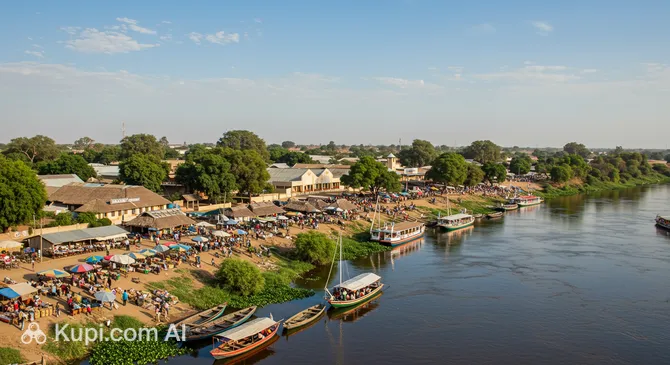
Katima Mulilo is a vibrant town located on the lush banks of the Zambezi River, offering a distinctively tropical atmosphere compared to the arid landscapes found elsewhere in the country. As the capital of the Zambezi Region in the far northeast of Namibia, it serves as a crucial gateway to the famous Caprivi Strip and neighboring countries. The town is surrounded by broad-leaved majestic trees and waterways, creating a scenic and relaxing environment for visitors.

Katima Mulilo. Source: Kupi.Binoculars

With a population of approximately 28,000 residents, the town is a bustling economic hub that feels lively and authentic. Its strategic position has made it a melting pot of cultures and trade over the years. Travelers interested in how this riverside settlement evolved from a remote outpost into a thriving center can explore the history of Katima Mulilo to gain deeper insight into its local heritage.

The city is renowned for its access to the Zambezi River, making it a prime destination for boat cruises, bird watching, and tiger fishing. Visitors should not miss the bustling Katima Mulilo Open Market, a colorful spot to purchase traditional baskets, wood carvings, and fresh produce. It also serves as an excellent base for exploring nearby wildlife sanctuaries, such as Mudumu and Nkasa Rupara National Parks.

Whether you are embarking on an overland adventure across Southern Africa or seeking a tranquil riverside retreat, Katima Mulilo offers a unique blend of culture and nature. It is a welcoming stopover that invites you to experience the greener, more tropical side of this fascinating nation.

Weather Overview

Due to its location in the tropical Zambezi Region, the local climate differs significantly from the arid conditions found in much of the rest of the country. Visitors can expect a weather pattern defined by distinct wet and dry seasons, with temperatures remaining generally warm throughout the year. For specific forecasts and seasonal trends, it is best to check the weather in Katima Mulilo before packing for your trip.

The summer months, particularly from November to March, bring heat and humidity. October is typically the hottest month, with average daily highs reaching up to 35.3°C. This period leads into the rainy season, where January stands out as the wettest month, experiencing precipitation on approximately 21 days. These rains are vital for the lush vegetation along the riverbanks, creating a vibrant, green landscape.

In contrast, the winter period from May to September is extremely dry, often seeing 0mm of rainfall for months at a time. During this season, days are pleasant and sunny, though nights can be cooler. July is usually the coldest month, with minimum temperatures dipping to around 11.6°C. This dry season is often favored by travelers who prefer milder daytime heat and clear skies.

Interesting Facts

Beyond its lush riverfronts and bustling markets, Katima Mulilo holds fascinating secrets that set it apart from any other town in the region. These unique stories reveal a history shaped by the powerful river and the ingenuity of its residents.

  • The town’s poetic name translates from the Silozi language as "quenches the fire." This refers to the nearby rapids on the Zambezi River, which were historically so turbulent that water splashing over the sides of traditional barges would extinguish the travelers' cooking fires during their journey.

  • One of the most bizarre historical landmarks is the "Toilet Tree," a massive baobab located near the town center. In the early days of the settlement, the hollow trunk of this ancient giant was fitted with a functioning flush toilet, creating perhaps the most unusual restroom in the country.

  • Katima Mulilo was not always the regional capital. The administrative center was moved here in 1935 from Schuckmannsburg (now Luhonono) to escape the annual floods of the Zambezi floodplains, officially establishing the town as the permanent hub of the area.

  • Due to its remote location in the far northeast, the town was historically more connected to neighboring Zambia and Botswana than to the rest of Namibia. For decades, it was effectively isolated from the capital, Windhoek, until the completion of the Trans-Caprivi Highway and the bridge over the Zambezi finally integrated it into the national road network.

How to Get There

Reaching this riverside town is the start of an adventure into the heart of the Kavango-Zambezi region. While remote, it is well-connected by road and air, serving as a strategic hub for travelers exploring the Caprivi Strip. For a detailed breakdown of routes and transport options, you can read more about how to get to Katima Mulilo.

The most direct air route is via Mpacha (IATA: MPA), which serves as the primary gateway for the region. Located approximately 18 km from the center of Katima Mulilo, this regional airport handles domestic flights, primarily connecting from Windhoek. The journey from the airport to the town center by taxi or shuttle typically takes about 45 minutes.

International travelers often opt to fly into Kasane Airport (IATA: BBK), situated in the city of Kasane, Botswana. Although it is not in Namibia, it is only about 100 km away. This option requires crossing the border, and the transfer by road usually takes around 3 hours depending on border formalities. Another significant regional hub is Livingstone Airport (IATA: LVI) in Livingstone, Zambia, located approximately 167 km away. The drive from there involves a longer journey of about 4.5 hours.

For clarity, here is a summary of the main airports:

Airport Name City Passenger Traffic Km from City
Victoria Falls Airport Victoria Falls High 177.6
Maun Airport Maun Medium 287.3
Livingstone Airport Livingstone Medium 167.0
Kasane Airport Kasane Medium 100.3
Mpacha Katima Mulilo Small 17.9

There are currently no passenger train services running directly to Katima Mulilo. The town is best accessed by road via the Trans-Caprivi Highway (B8), which is fully paved and in good condition. Long-distance coaches and shuttle buses frequently operate between Katima Mulilo and other major Namibian towns, as well as destinations in Zambia and Botswana.

Main Attractions

While often viewed as a gateway to the wider region, Katima Mulilo possesses its own unique charm and a set of attractions that reflect the vibrant culture and natural beauty of the Zambezi. Visitors spending time here can explore local creativity, immerse themselves in the bustling trade of the town, or simply enjoy the majestic river that defines the landscape.

For those interested in authentic local craftsmanship, the Caprivi Art Centre is a cultural highlight. This community-driven cooperative showcases the artistic skills of the region's people, featuring intricate wood carvings, pottery, and the renowned traditional baskets woven from palm leaves. It is an excellent place to purchase high-quality souvenirs while directly supporting local artisans and learning about the heritage behind their designs.

The majestic Zambezi River is the town's lifeblood and a primary draw for outdoor enthusiasts. Travelers can embark on scenic boat cruises to spot hippos and crocodiles basking along the banks, or look out for the diverse birdlife, including the African Skimmer and Carmine Bee-eater. For anglers, the river is a legendary destination for Tiger fishing, offering the thrill of catching one of Africa's most fierce freshwater predators in a stunning setting.

To experience the authentic daily rhythm of the town, a visit to the Katima Mulilo Open Market is essential. Unlike the polished tourist shops found elsewhere, this market is a lively hub where locals trade fresh river fish, wild spinach, dried fruits, and vibrant "chitenge" fabrics. It offers a sensory immersion into the local way of life and is a perfect spot to interact with friendly residents and taste traditional snacks.

Just a short distance from the town center, Namwi Island provides a serene escape for nature lovers. Located on the banks of the Zambezi, this area is popular for camping and picnicking under the shade of massive trees. It serves as a tranquil base for exploring the river's channels and enjoying the peaceful atmosphere of the riparian forest, away from the hustle of the main town.

Local Cuisine

The culinary scene in Katima Mulilo is deeply influenced by the majestic Zambezi River, which provides the region's most celebrated ingredient. The undisputed star of the local table is the Zambezi Bream, a freshwater fish known for its delicate flavor and firm texture. You will find it served in almost every eatery, typically grilled to perfection over open coals or deep-fried. It is a "must-try" for any visitor, offering a true taste of the river lifestyle that defines this corner of the country.

A traditional meal here is hearty and simple, usually centered around Pap, a stiff porridge made from maize meal that serves as the staple starch. This is almost always accompanied by a relish of indigenous vegetables. The most popular side dish is Mutete, a type of wild spinach made from hibiscus leaves, which has a distinctively tangy and sour flavor profile. Another local favorite is Delele, a dish prepared from okra that is often cooked with bicarbonate of soda to achieve a smooth consistency.

For those looking to explore unique regional flavors, the Zambezi region offers ingredients you won't find elsewhere in Namibia. During the appropriate season, you might encounter Lisoto, which are water lily tubers harvested from the river's backwaters. These are boiled and eaten as a starch, similar to potatoes, representing a deep connection between the local people and the waterways they inhabit. Dried fish is another common snack or ingredient, adding a rich, smoky depth to stews.

The dining culture in Katima Mulilo is relaxed and unpretentious. The heartbeat of the local food scene is the bustling Katima Mulilo Open Market. Here, visitors can wander through smoke-filled stalls where vendors sell fresh produce, dried fish, and ready-to-eat street food like Kapana (grilled beef strips) or fried fish. It is the best place to mingle with residents and observe the daily rhythm of the town.

When it comes to drinks, the "sundowner" tradition is a religion here. There is nothing quite like enjoying a cold Namibian lager, such as Windhoek or Tafel, while watching the sun dip below the Zambezi River. For a non-alcoholic option, you might find seasonal fruit juices, but the emphasis is largely on refreshing beverages that combat the tropical heat. Many riverside lodges offer excellent settings to enjoy a drink with a view, bridging the gap between rugged adventure and comfort.

Travel Tips

Welcome to Katima Mulilo, a town where the tropical rhythm of the Zambezi River sets the pace for daily life. To help you navigate this lush corner of Namibia with ease and confidence, here are some practical tips designed to make your visit as smooth and enjoyable as possible.

  1. Clothing and Gear: Unlike the desert regions of the country, this area is tropical and humid. Pack lightweight, breathable fabrics like cotton or linen to stay cool during the day. However, because this is a high-risk malaria zone, it is essential to bring long-sleeved shirts and trousers for the evenings to protect against mosquitoes, along with a high-quality insect repellent. Don't forget a sun hat and a universal power adapter (Type M or D) for your electronics.
  2. Transportation: Within the town center, most places are within walking distance, but local taxis are readily available for longer trips. These are typically shared sedans that follow specific routes; simply flag one down and tell the driver your destination. There are no ride-hailing apps like Uber here. If you plan to explore the surrounding national parks or drive into the Caprivi Strip, renting a 4x4 vehicle is highly recommended due to sandy or muddy conditions.
  3. Finances: The local currency is the Namibian Dollar (NAD), which is pegged 1:1 with the South African Rand (ZAR); both are accepted freely. While major supermarkets, lodges, and petrol stations accept credit cards (Visa and Mastercard), cash is king at the open market and smaller shops. ATMs from major banks like FNB and Standard Bank are available in the town center for withdrawing cash. Tipping around 10% at restaurants is customary if the service is good.
  4. Health and Safety: The most critical health precaution is taking malaria prophylaxis before and during your trip, as the risk is higher here than in the rest of the country. Pharmacies are available in town for basic needs, but they are generally not open 24/7. In terms of safety, the town is friendly, but you must be extremely cautious near the water: never walk close to the riverbank at night or in isolated areas due to the presence of hippos and crocodiles.
  5. Communication: English is the official language and is widely understood, making communication easy for tourists. The local lingua franca is Silozi; learning a simple greeting like "Muzuhile" (Good morning) will go a long way in earning smiles from the locals. To stay connected, you can buy a SIM card from MTC or TN Mobile at the shopping centers; just remember to bring your passport for registration. Wi-Fi is standard in most lodges but can be slower or intermittent in town.
  6. Local Etiquette: Greetings are very important in Namibian culture. It is considered rude to ask a question or start a transaction without first exchanging a polite "Hello" and asking "How are you?". Handshakes are common and often involve a friendly three-part grasp. The pace of life is slower here than in the capital, so patience and a smile are your best tools when waiting for service.
  7. What to Avoid: Do not swim in the Zambezi River under any circumstances. The water looks inviting, especially in the heat, but the current is strong and the danger from crocodiles and hippos is very real. Additionally, avoid taking photographs of border posts, police stations, or military personnel, as this is strictly prohibited and can lead to confiscation of your camera or fines.
  8. Market Tip: For the freshest experience, visit the Katima Mulilo Open Market early in the morning. This is when the fishermen bring in the daily catch from the Zambezi, and the stalls are stocked with the best selection of fruits and vegetables. It’s also the perfect time to buy a "chitenge" (traditional fabric) before the midday heat sets in.

By keeping these practicalities in mind, you will be well-prepared to embrace the unique charm and vibrant energy of Katima Mulilo. Whether you are passing through on a cross-border adventure or staying to enjoy the river, respecting the local environment and customs will ensure a memorable and safe journey.

Entertainment & Nightlife

Entertainment in Katima Mulilo offers a tale of two distinct experiences: the serene, golden-hued "sundowner" culture along the riverbanks and the vibrant, bass-thumping energy of the local bars in town. Unlike the polished nightlife of a metropolis, the evening scene here is raw, authentic, and deeply connected to the rhythm of the region. Whether you prefer sipping a cold lager while watching hippos or dancing to Afro-pop until the early hours, the town has a spot for you.

For the most energetic nightlife, the action is concentrated in the Ngweze district and the bustling areas near the town center. Here, the atmosphere is electric and unpretentious. Local bars and "shebeens" (informal pubs) spill out onto the streets, with music ranging from Namibian Kwaito to international dance hits. The crowd is typically a friendly mix of locals unwinding after work and travelers passing through. The dress code is almost exclusively casual; comfort is key in the tropical heat.

If you are looking to dance, Acacia Night Club in the Ngweze area is a well-known local favorite. It often hosts themed nights and features DJs spinning high-energy tracks, making it a "must-visit" for those who want to experience the true pulse of the town. Another popular spot is Casablanca Night Club, which is often praised for its lively social atmosphere and occasional live music events. For a completely different vibe, the bar at the Protea Hotel Zambezi River Lodge offers a classic riverside experience. It is the perfect venue for a sophisticated evening drink in a safe, tranquil setting overlooking the water.

Practical advice is essential for a safe night out. The best time to experience the local scene is on Friday and Saturday nights when the town is most alive. Prices for drinks are generally very affordable compared to the capital. However, getting around requires caution. There are no ride-hailing apps here; instead, you will rely on local taxis, which are often shared sedans. It is advisable to arrange transport with your lodge or a trusted driver beforehand, especially for the return trip.

Safety is a priority after dark. While the town is generally welcoming, you should avoid walking alone at night, particularly in unlit areas or between the town center and the lodges. A unique local danger is wildlife; hippos frequently graze on the riverbanks and even near the roads at night, so staying in a vehicle is strictly recommended when moving between venues.

During the daylight hours, entertainment shifts towards the natural beauty of the Zambezi. While you won't find large amusement parks or theaters, the river itself acts as the town's playground. Boat cruises are the primary daytime activity, offering a chance to spot wildlife and enjoy the scenery. For a touch of culture, a visit to the Caprivi Art Centre allows you to see local artisans at work, providing a quiet and inspiring alternative to the bustling markets.

Parks & Museums

Unlike the arid landscapes typical of Namibia, Katima Mulilo is a lush, tropical oasis defined by the majestic Zambezi River and its riparian woodlands. While the town does not boast an extensive network of formal city parks or large national museums within its center, its "green spaces" are the riverbanks themselves, and its culture is best experienced through community art centers and living history sites.

Zambezi Riverfront and Vegetation
The primary natural attraction of the city is the riverfront itself, which functions as a massive, linear park. Towering indigenous trees such as the African Mangosteen, Jackalberry, and the iconic Sausage Tree line the water’s edge, providing dense shade and a habitat for a vibrant array of birdlife. A walk along the accessible parts of the bank offers a chance to spot the elusive Schalow’s Turaco or observe colonies of Carmine Bee-eaters nesting in the sandy cliffs. It is a serene, natural environment where the boundary between the town and the wild is beautifully blurred.

Namwi Island
Situated just a few kilometers from the town center, Namwi Island is a popular recreational area that feels worlds away from the bustle of the main road. It is a haven for nature lovers and campers, surrounded by the channels of the Zambezi. The island is renowned for its tranquility and is an excellent spot for fishing or simply relaxing under the canopy of massive trees. It serves as a perfect example of the region's riverine ecosystem, offering visitors a safe and accessible way to enjoy the water.

Caprivi Art Centre
For culture enthusiasts, the Caprivi Art Centre is the town's most significant artistic venue. More than just a gallery, it is a community-driven hub that preserves the traditional craftsmanship of the Caprivian people. The center focuses on showcasing intricate basketry woven from palm leaves, as well as wood carvings and pottery. Visitors can often watch local artists at work, gaining insight into the techniques passed down through generations. It stands as a vital repository of the region's visual culture and offers a meaningful alternative to standard souvenir shops.

Living Museum of the Mafwe
While not located within the town limits, the Living Museum of the Mafwe is the most important museum experience for visitors based in Katima Mulilo. Located a short drive west near Kongola, it is an open-air cultural village that recreates the traditional life of the Mafwe people. Unlike a static museum with glass cases, this interactive venue allows tourists to engage with locals demonstrating ancient skills such as net making, mat weaving, and traditional dancing. It is widely considered an essential excursion for understanding the heritage of the Zambezi Region.

The Baobab Tree (Toilet Tree)
Among the town's historical curiosities is a hollow Baobab tree located behind the police station, which has become an unlikely architectural landmark. In the mid-20th century, the tree's massive trunk was fitted with a porcelain toilet and used as a functioning restroom by a local official. Today, it stands as a protected heritage site and a quirky reminder of the town's frontier history. It is a quick but memorable stop that highlights the resourcefulness of the early settlement.

Insider Tip
For a quiet escape, head to the boat launch area near the Katima Mulilo Bridge in the late afternoon. It is one of the best vantage points to watch the sunset over the river without the need for a booked cruise. The view of the bridge spanning the Zambezi, connecting Namibia to Zambia, is particularly striking against the golden evening light.

Getting Around

The public transport system in Katima Mulilo is quite different from what you might find in large metropolitan areas. There are no subways, trams, or formal municipal bus networks operating within the town itself. Due to the relatively small size of the settlement, the transport infrastructure is informal and relies heavily on road-based vehicles. For most visitors, getting around involves a mix of walking and utilizing the local taxi services, which serve as the backbone of daily mobility for residents.

The primary mode of motorized transport is the shared taxi. These are typically standard sedan cars rather than clearly marked yellow cabs or minibuses. They operate on a hail-and-ride basis, picking up multiple passengers who are heading in the same general direction. You will often find them congregating at designated ranks near the open market or shopping centers. While they do not follow strict timetables, they are frequent and reliable during daylight hours, making them a convenient option for short hops across town.

Payment for transport is strictly a cash-based affair. There are no travel cards, digital passes, or mobile apps like Uber or Bolt currently operating in the area. Passengers should carry smaller denominations of the local currency, as drivers often struggle to make change for large notes. Fares for standard trips within the town limits are generally fixed at a low rate, but if you require a driver to deviate from their route or take you to a specific lodge on the outskirts, you will need to negotiate a "special trip" price beforehand.

For those planning to travel to nearby villages or the border posts, minibuses are the standard option. These larger vehicles depart from the main taxi rank once they are full, rather than on a set schedule. They are an affordable way to reach regional destinations but can be crowded and less comfortable than private transport. It is advisable to arrive early in the morning if you plan to use these services, as they tend to taper off by the afternoon.

Walking is a viable and popular alternative for getting around the central business district. The town center is compact, and many shops, banks, and restaurants are located within a short distance of each other. However, due to the tropical heat, it is best to walk in the early morning or late afternoon. Tourists are advised to remain vigilant regarding traffic, as sidewalks can be uneven or non-existent in some areas.

Car rentals are available and are highly recommended for visitors who wish to explore the surrounding nature reserves or travel at their own pace. Several agencies operate in the town and at the nearby airport, offering 4x4 vehicles suitable for the region's sandy terrain. While cycling is common among locals, formal bike rental shops for tourists are rare, so renting a car remains the most practical independent alternative.

A few practical tips will ensure a smooth experience. Always agree on the fare before entering a taxi if you are unsure of the standard rate. Operating hours for public transport are generally limited to the daytime; finding a taxi late at night can be difficult and potentially unsafe. If you plan to dine out in the evening, it is best to arrange a return transfer with your lodge or a trusted private driver in advance.

Accommodation

Accommodation in Katima Mulilo caters to a wide spectrum of travelers, from overland adventurers crossing into neighboring countries to nature enthusiasts seeking a tranquil riverside escape. The town provides a diverse selection of lodging options, ranging from affordable campsites and backpacker hostels to comfortable guesthouses and upmarket river lodges. Unlike the ultra-luxury safari camps found in some secluded parts of the country, the accommodation here is generally unpretentious, welcoming, and offers excellent value for money.

The choice of location largely depends on the purpose of your visit. For those seeking relaxation and scenic beauty, the Zambezi Riverfront is the most popular area. Lodges situated along the banks offer stunning views, lush gardens, and easy access to boat cruises. This area feels secluded and peaceful, despite being just a short drive from the main road. Conversely, if you are on a quick business trip or a brief stopover before crossing the border, staying in the Town Center or near the Ngweze district offers practical convenience. Here, you are within walking distance of supermarkets, banks, and the open market, though the setting is more urban and bustling.

Prominent establishments often define the hospitality scene here. The Protea Hotel Zambezi River Lodge is a well-known landmark situated right on the water's edge, offering a blend of standard hotel amenities with a resort-like atmosphere. It is a favorite for both tour groups and individual travelers looking for reliability and comfort. For a more rustic and immersive experience, Namwi Island is highly regarded for its excellent camping facilities and self-catering cabins set under the canopy of indigenous trees, providing a true bush feel just minutes from town.

While accommodation is generally available throughout the year, it is advisable to book in advance if you are traveling during the peak dry season (June to October) or during South African and Namibian school holidays. The riverfront lodges, in particular, can fill up quickly with tour groups and self-drive convoys traversing the Caprivi Strip.

The price range in Katima Mulilo is typically budget to mid-range. You can find camping spots for a very low cost, while en-suite rooms in river lodges are moderately priced compared to the exclusive safari destinations in the nearby Okavango Delta. Booking can be done easily through major online travel platforms for the larger hotels and lodges. However, for smaller guesthouses or campsites, it is often effective to book directly via email or phone to secure the best rates and confirm specific requirements.

Nearby Cities

For those looking to explore the surroundings, Katima Mulilo serves as an excellent base for day trips to several interesting nearby locations:

Located approximately 118 km west of the town, Kongola acts as a vital gateway to the wildlife-rich areas of the Zambezi Region. It is best known for its proximity to the Kwando River and the Bwabwata National Park. Visitors often travel here to experience the local culture at the Mafwe Living Museum or to embark on boat safaris along the Kwando, which offers a distinct landscape of papyrus-lined channels and floodplains that differ from the main Zambezi artery.

To the east, a scenic drive of about 60 km leads to the settlement of Ngoma. This small border town sits on the edge of the Chobe River floodplains, offering spectacular views of the valley below. The route itself is often rewarding, with opportunities to spot elephants and antelopes grazing near the road. Ngoma serves as the crossing point into Botswana and provides a peaceful setting for photography and birdwatching along the riverbanks.

City Population Distance (km)
Windhoek 322500 938
Rundu 63431 482
Oshakati 39679 910
Rehoboth 28843 988
Otjiwarongo 28249 867

These nearby destinations offer a glimpse into the diverse culture and landscapes of the region.

Shopping & Souvenirs

Shopping in Katima Mulilo offers a functional blend of modern convenience and traditional African commerce. As the commercial capital of the Zambezi Region, the city serves as a vital supply hub for travelers heading into the nearby national parks or crossing borders. While you will not find high-end luxury fashion boutiques here, the town provides an excellent selection of essential goods, camping supplies, and unique local handicrafts that reflect the area's rich cultural heritage.

The commercial heartbeat of the town is concentrated in the Ngweze district and the central business area. This is where the majority of retail activity takes place, featuring a mix of formal stores and bustling street vendors. Travelers can find everything from clothing and hardware to pharmacies and well-stocked supermarkets, making it the perfect place to restock provisions before an overland adventure.

For modern retail needs, the town features several shopping complexes, most notably the Katima Mulilo Shopping Centre and the Zambezi Shopping Centre. These malls anchor major South African retail chains and supermarkets such as Pick n Pay and Shoprite. They provide a cool, air-conditioned environment where visitors can buy groceries, beverages, and electronics. These centers also house the main banks and ATMs, serving as a convenient one-stop destination for logistics.

For a more authentic and vibrant experience, the Katima Mulilo Open Market is the undisputed highlight of the local shopping scene. Located near the town center, this bustling marketplace is a sensory explosion of sights and sounds. Here, vendors sell fresh bream from the Zambezi River, wild spinach, dried fruits, and mounds of colorful "chitenge" fabric. It is an essential stop for those wanting to engage with locals and see the daily trade that drives the town's economy.

When it comes to souvenirs, the region is renowned for its exceptional craftsmanship. The best place to find high-quality local goods is the Caprivi Art Centre. The most sought-after items are the intricate Caprivian baskets, woven from palm leaves and dyed with natural plant roots to create stunning geometric patterns. Other popular keepsakes include hand-carved wooden animals, pottery, and traditional jewelry, all of which directly support the livelihoods of local artisans.

Store opening hours generally follow standard business times, with most shops operating from 08:00 to 17:00 on weekdays and 08:00 to 13:00 on Saturdays. Most shops in the malls are closed or have very limited hours on Sundays, although major supermarkets may stay open longer. In terms of payment, major retailers and lodges readily accept credit cards (Visa and Mastercard). However, cash is strictly required for the open market, street stalls, and smaller shops, so it is advisable to withdraw money from the ATMs in the shopping centers.

Tourists visiting Namibia are eligible for a VAT refund on goods exceeding a certain value purchased at registered tax-free stores. To claim this, ensure you request a valid tax invoice when making a purchase. You can present these invoices along with the goods to customs officials at the border posts (such as Wenela) or the airport upon your final departure from the country to receive your refund.
Reached the end of the page?

That means the route is fully explored