Support

Livingstone

About

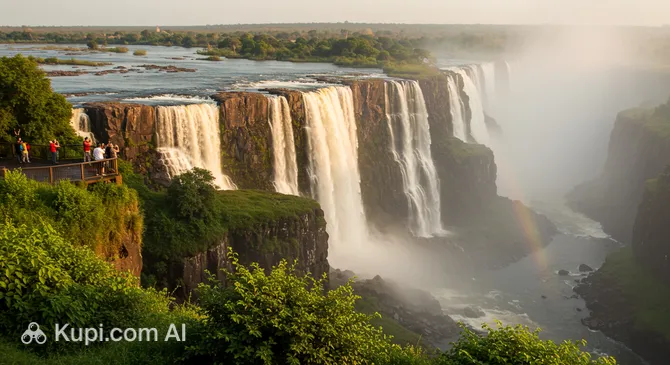
Livingstone is widely recognized as the tourism capital of Zambia, offering a perfect blend of adrenaline-pumping adventures and serene natural beauty. Named after the famous Victorian missionary and explorer David Livingstone, this historic city serves as the primary gateway to the magnificent Victoria Falls, one of the Seven Natural Wonders of the World.

Situated in the Southern Province near the banks of the mighty Zambezi River, the city enjoys a warm climate that makes it a year-round destination. With a population of approximately 136,000 residents, it maintains a welcoming, small-town atmosphere despite its global fame as a major travel hub.

Livingstone. Source: Kupi.Binoculars

Visitors can delve into the rich history of Livingstone by exploring its well-preserved colonial architecture and the Livingstone Museum, the country's oldest and largest museum. Beyond its heritage, the city is a haven for nature lovers, providing easy access to Mosi-oa-Tunya National Park, where white rhinos, elephants, and giraffes roam freely.

Whether you are seeking the thrill of white-water rafting or a peaceful sunset cruise on the river, Livingstone promises an unforgettable experience. It is an essential stop for anyone wishing to witness the thundering power of the falls and experience the warm hospitality of the region.

Weather Overview

Livingstone experiences a tropical climate defined by distinct seasonal shifts, offering visitors a mix of hot, sun-drenched days and lush, rainy periods. The weather in Livingstone is generally warm to hot, though the specific conditions vary significantly depending on when you choose to visit.

The dry season spans from May to October and is often considered the best time for game viewing. The coolest months are June and July, where average temperatures hover around 18°C, and nighttime lows can dip to approximately 10.6°C. From May through September, rainfall is virtually non-existent, with zero wet days recorded. As the dry season concludes, the heat intensifies, with October seeing average daily highs peak at 34.6°C.

The wet season typically arrives in November and lasts through March, bringing relief from the heat and transforming the landscape. January is usually the wettest month, featuring about 22 days with precipitation and pleasant average temperatures of 23.9°C. Expect warm, humid summers with frequent rain showers and mild, clear winters with cooler evenings.

Interesting Facts

Beyond the thunder of the falls, Livingstone holds a treasure trove of historical and natural curiosities. This city is not just a transit point but a place with a rich, multilayered identity waiting to be discovered.
  • For over two decades, from 1911 to 1935, the city served as the capital of Northern Rhodesia before the administrative seat was transferred to the more centrally located Lusaka to spur economic development.

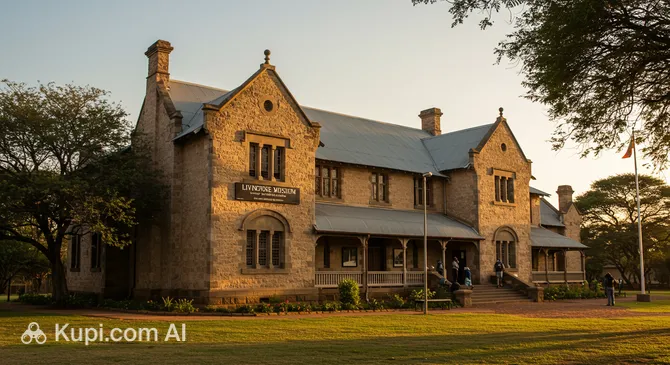
  • The Livingstone Museum is the oldest and largest in the country, housing a rare collection of David Livingstone’s personal memorabilia, including his handwritten journals and letters.

  • Due to the city's immediate proximity to Mosi-oa-Tunya National Park, it is a unique urban environment where wildlife such as zebras, giraffes, and even elephants are frequently spotted wandering near hotels and the outskirts of town.

  • Livingstone was home to the first synagogue in the region, built in 1928, reflecting a significant and commercially active Jewish community that settled here during the early 20th century.

Livingstone Museum. Source: Kupi.Binoculars

How to Get There

Reaching this iconic destination is relatively straightforward, as it serves as a major tourism hub for the region. Travelers can find more about how to get to Livingstone and the various transport options available, but for most international visitors, arriving by air is the most convenient method.

The primary gateway is Livingstone Airport (IATA: LVI), located directly within the city limits. It is situated just 3.5 km from the city center, making the transfer incredibly quick and easy. A taxi or shuttle ride to your accommodation typically takes about 25 minutes. This airport handles a significant number of regional and international flights, ensuring good connectivity for tourists.

Alternatively, many visitors choose to fly into Victoria Falls Airport (IATA: VFA), which is located in the neighboring city of Victoria Falls, Zimbabwe. While this airport is approximately 27 km from Livingstone, it often offers a wider range of flight connections. Travelers should be aware that the transfer involves crossing the international border, and the total journey by taxi or bus usually takes around 60 minutes.

For clarity, here is a summary of the main airports:

Airport Name City Passenger Traffic Km from City
Victoria Falls Airport Victoria Falls Medium 27.0
Livingstone Airport Livingstone Medium 3.5
Kasane Airport Kasane Small 70.6
Mpacha Katima Mulilo Small 176.8

Main Attractions

Livingstone is a destination brimming with history, culture, and natural wonders. While the thundering Victoria Falls is the region's crown jewel, the city itself offers several compelling sites that allow visitors to deepen their understanding of the local heritage and environment.

A visit here would be incomplete without exploring the Mosi-oa-Tunya National Park. Stretching along the upper Zambezi River, this sanctuary is unique because it allows visitors to drive their own vehicles or take guided walks to spot wildlife. It is famously home to the rare white rhino, which is heavily protected and can often be tracked on foot with rangers. The park also encompasses the "Rainforest" on the Zambian side of the falls, offering spectacular views of the main cataracts and the bridge spanning the gorge.

Mosi-oa-Tunya National Park. Source: Kupi.Binoculars

For those interested in the human history of the area, the Livingstone Museum provides an enriching experience. As the national museum of Zambia, it holds vast collections that range from Stone Age archaeology to modern history. Visitors are particularly drawn to the extensive exhibits detailing the local Tonga culture and the fascinating gallery dedicated to the explorer David Livingstone, which preserves his personal belongings and journals.

Another highlight for history buffs is the Railway Museum. Located just south of the city center, this open-air attraction preserves a fine collection of vintage steam locomotives and coaches. It offers a nostalgic glimpse into the era when the railway was the lifeline of colonial trade and travel, illustrating how the transport network shaped the development of the town and the region.

Local Cuisine

Exploring the culinary landscape of Livingstone offers a delightful journey through traditional Zambian flavors and international influences. At the heart of nearly every local meal is Nshima, a thick, stiff porridge made from white maize flour. It is traditionally eaten with hands and served alongside a savory "relish," which can range from beef or chicken stew to vegetables. A popular vegetarian accompaniment is Ifisashi, a rich and comforting dish consisting of pumpkin leaves or other greens cooked in a creamy ground peanut sauce.

Given the city's location near the massive river, fresh fish is a highlight of the local diet. You should definitely try the Zambezi Bream, which is usually grilled or fried whole and offers a sweet, tender taste. For the more adventurous foodie, Mopane worms (caterpillars) are a traditional delicacy, often fried with onions and tomatoes to create a crunchy snack or cooked in a stew.

To quench your thirst, look no further than Mosi Lager, the national beer of Zambia, which is named after the Victoria Falls (Mosi-oa-Tunya). It is a crisp, refreshing choice perfect for cooling down on hot days. For a non-alcoholic option, try Maheu, a thick, slightly sour energy drink made from maize meal, which is widely available in supermarkets and local shops in various flavors.

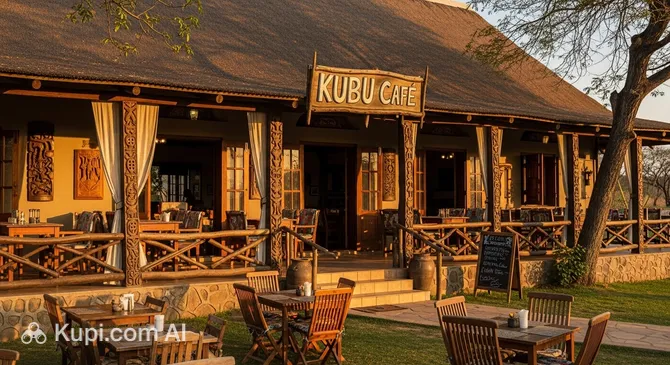
Kubu Cafe. Source: Kupi.Binoculars

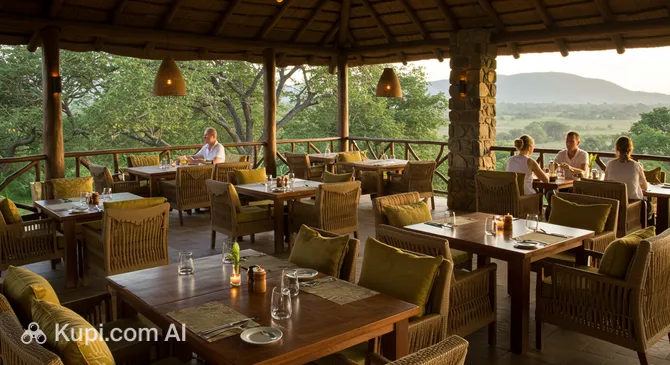
The dining scene in Livingstone caters to all tastes, ranging from bustling local markets to serene garden restaurants. For a relaxed atmosphere and delicious meals, travelers often visit Kubu Cafe, which is known for its welcoming vibe and consistent quality. If you are in the mood for excellent Indian cuisine or diverse international dishes, The Golden Leaf is a highly regarded spot among both locals and tourists.

Street food is also an integral part of the culture here. As you explore the town, you will frequently find vendors selling roasted maize cobs and fresh seasonal fruit on street corners, providing a quick, affordable, and authentic taste of daily life in the city.

Travel Tips

Welcome to Livingstone! To help you make the most of your adventure in this vibrant gateway to the Victoria Falls, here is a collection of practical advice to ensure your journey is smooth, safe, and truly unforgettable.

  1. Clothing and Gear: Since the climate is generally warm, pack lightweight, breathable clothing in neutral colors. However, evenings can be cool, especially from May to August, so bring a warm layer. Crucially, if you plan to visit the falls or do water activities, bring a waterproof poncho and quick-drying clothes—you will get wet. Comfortable, non-slip walking shoes are essential for navigating the wet trails.

  2. Transportation: There is no metro or tram system here. The most convenient way to get around is by blue taxis, which are plentiful. Always agree on the fare before starting your journey, as meters are rarely used. Many hotels and lodges offer complimentary shuttle buses to the town center and the falls. Walking is safe during the day in the main town, but avoid walking on the outskirts or to the falls, as wildlife frequently roams these areas.

  3. Finances: The local currency is the Zambian Kwacha (ZMW). While major hotels and tour operators often accept US Dollars (ensure notes are new, crisp, and printed after 2013), you will need Kwacha for supermarkets, local markets, and taxis. ATMs are widely available in the city center and shopping malls. Credit cards (mostly Visa) are accepted at larger establishments, but carrying cash is recommended for smaller transactions.

  4. Health and Safety: Livingstone is in a malaria zone, so carry strong insect repellent and consider taking prophylactic medication after consulting your doctor. Pharmacies are available in the town center, but for serious emergencies, private clinics offer better facilities. Tap water is generally treated but may not agree with visitors; stick to bottled water to be safe. Always be aware of your surroundings regarding wildlife—elephants and baboons can be dangerous.

  5. Communication: English is the official language and is spoken fluently by almost everyone in the tourism industry. To stay connected, you can easily buy a local SIM card (Airtel or MTN) at the airport or in town; data is affordable and coverage is generally good in the city. Most hotels and cafes offer free Wi-Fi.

  6. Local Etiquette: Zambians are incredibly friendly and polite. A handshake is the standard greeting, often accompanied by supporting your right elbow with your left hand as a sign of respect. It is polite to ask for permission before taking photos of locals. When shopping in open markets, friendly bargaining is expected and can be a fun social interaction.

  7. What to Avoid: Never feed the monkeys or baboons. They are common in the area, including at hotels, but feeding them makes them aggressive and encourages theft. Also, avoid walking alone at night, not just due to general safety, but because wild animals like hippos and elephants are active after dark.

  8. Additional Tip: If you plan to cross the border into Zimbabwe for a day trip to see the falls from the other side, ask for the KAZA UniVisa upon arrival at the airport. It costs slightly more than a single-entry visa but allows unlimited travel between Zambia and Zimbabwe for 30 days, saving you money and time at the border.

With these tips in hand, you are ready to explore the wonders of Livingstone with confidence. Embrace the laid-back atmosphere, respect the incredible nature around you, and enjoy the warm hospitality that makes this city so special.

Entertainment & Nightlife

Livingstone offers a nightlife scene that is distinctively laid-back and centered around social connection rather than high-energy clubbing. After the sun sets over the Zambezi, the city shifts into a relaxed rhythm where travelers and locals gather to share stories of the day's adventures. The atmosphere is generally casual and welcoming, with most venues operating as hybrid spaces that transition from restaurants during the day to lively bars in the evening.

The main hub for evening entertainment is located along and just off Mosi-oa-Tunya Road, the city's primary artery. Here, you will find a mix of backpacker bars, lodge terraces, and local pubs. The dress code is almost universally casual; shorts and sandals are acceptable in most places, reflecting the town's safari-oriented vibe. While there are no massive nightclubs in the western sense, several spots feature DJs or live local music, particularly on weekends, creating a vibrant environment for dancing and mingling.

For a sophisticated evening out, The Golden Leaf is an excellent choice. Known for its extensive menu and refined atmosphere, it serves as a great spot to enjoy a relaxed dinner before the night ramps up. Visitors looking for a bustling social scene often gravitate towards venues like Kubu Cafe. While famous for its breakfasts, the cafe transforms in the evenings into a calm place to unwind, often hosting travelers looking to relax after a long day.

The Golden Leaf. Source: Kupi.Binoculars

When it comes to practicalities, nightlife in Livingstone is relatively affordable. A local beer typically costs between 20 to 30 ZMW, and cocktails are reasonably priced. Most bars and restaurants close around midnight or 1:00 AM, though some hotel bars may stay open later. It is important to note that "night markets" are not a prominent feature here; the focus is firmly on dining and social drinking venues.

Before the evening sets in, the city lives up to its reputation as the adventure capital of the region. Adrenaline seekers flock here for world-class white-water rafting through the turbulent Batoka Gorge and the heart-stopping bungee jump from the Victoria Falls Bridge. For a more scenic but equally thrilling experience, helicopter rides and microlight flights—often called the "Flight of Angels"—offer breathtaking aerial views of the falls that simply cannot be seen from the ground.

Safety is a critical consideration for any night out in Livingstone. While the town is generally peaceful, you should never walk around at night, even for short distances. This is not only due to standard safety concerns but because wildlife—including elephants and hippos—frequently roams the streets after dark. The safest way to get around is to use a licensed blue taxi. Ask your hotel reception or the venue's staff to call one for you; they are reliable and inexpensive.

Parks & Museums

Livingstone is a city where the wild beauty of Africa seamlessly intertwines with a rich historical tapestry, offering visitors a diverse array of green spaces and cultural institutions. From the mist-soaked paths bordering the world's greatest curtain of falling water to galleries preserving the region's heritage, the city provides ample opportunities to explore both nature and history.

The crown jewel of the area's natural attractions is the Mosi-oa-Tunya National Park. Unlike many other vast reserves in Africa, this park is compact, allowing visitors to experience an incredible density of wildlife in a short time. It is famously the only place in Zambia where you can spot the protected white rhinos, often guarded 24/7 by rangers. The park extends along the riverbank, providing a scenic backdrop for game drives where elephants, giraffes, and zebras are commonly seen grazing near the water's edge.

Within the same protected area lies the "Rainforest," a unique micro-ecosystem sustained entirely by the spray from the Victoria Falls. A network of paved paths winds through this lush, evergreen jungle, leading to various viewpoints that offer heart-stopping vistas of the falls. The constant moisture creates a habitat for rare plants and colorful birdlife, making it a stark and beautiful contrast to the surrounding dry savannah.

For a deep dive into the nation's heritage, the Livingstone Museum is an essential stop. As the country's oldest and largest museum, it houses a comprehensive collection that spans archaeology, ethnography, and natural history. Tourists are particularly captivated by the gallery dedicated to David Livingstone, which features his personal letters, clothing, and medical equipment, offering an intimate glimpse into the life of the famous explorer.

Another significant cultural landmark is the Railway Museum, located in the former Zambezi Sawmills locomotive sheds. This open-air museum is a nostalgic tribute to the era of steam travel that opened up the interior of Africa. Visitors can climb aboard vintage steam engines and explore restored coaches, gaining insight into how the railway shaped the economic and social development of Livingstone and the wider region.

For art enthusiasts, the Wayi Wayi Art Studio and Gallery offers a vibrant perspective on contemporary local culture. Run by a family of artists, this venue showcases paintings, sculptures, and crafts that reflect Zambian folklore and daily life. It is not just a gallery but a creative hub where visitors can often meet the artists and learn about the stories behind the works.

For a truly authentic experience, look for the ancient Baobab Tree located near the falls, sometimes referred to as the "Lookout Tree." Legend has it that early explorers and traders used its massive height to navigate and survey the river crossing, and it remains a silent, living monument to the city's past.

Getting Around

The public transport system in Livingstone is relatively simple and informal compared to major global metropolises. Visitors should not expect to find a metro, tram, or trolleybus network here. Instead, the city relies on a system of road-based transport that primarily serves the local population, while tourists often opt for more private and direct options to navigate between the town center, accommodations, and attractions.

The most common form of public transit is the minibus. These are typically blue and white vans that operate on set routes, connecting the city center with residential suburbs and surrounding villages. They are an incredibly affordable way to travel, but they can be crowded and often do not depart until they are full. There are no official timetables; the buses run frequently throughout the day, starting early in the morning and tapering off as the sun sets.

For the vast majority of tourists, taxis are the most practical and efficient choice. Official taxis in the city are easily recognizable by their light blue color. Unlike in many other cities, these taxis usually do not use meters. It is standard practice to negotiate and agree on the fare with the driver before you get into the car. Prices are generally reasonable, and drivers are accustomed to taking visitors to popular spots like the falls or the museum.

The payment system across all forms of local transport is strictly cash only. There are no travel cards, passes, or mobile apps for paying bus or taxi fares. You will need to pay the conductor on the minibus or the driver of the taxi directly. It is highly recommended to carry small denominations of the local currency, as drivers may not always have enough change for large bills.

Regarding alternatives, walking is a viable option for getting around the compact city center during daylight hours, allowing you to soak in the local atmosphere. However, walking is strongly discouraged at night due to the presence of wildlife. While car rentals are available for those who prefer self-driving, and some lodges offer bicycle rentals for leisure, ride-sharing apps like Uber are not widely established or reliable here, making the blue taxis the primary alternative to hotel shuttles.

A unique feature of transport in the area is the historic railway usage, though it is now more of a luxury experience than a public utility. While you won't use a train for your daily commute, the railway tracks that cut through the town are still active, occasionally hosting the luxurious steam train dinners that harken back to the colonial era. For daily logistics, however, sticking to the blue taxis remains the best advice for a hassle-free visit.

Accommodation

Where to Stay:

Accommodation in Livingstone caters to a remarkably wide spectrum of travelers, ranging from budget-conscious backpackers to those seeking world-class luxury. The city is well-developed for tourism, meaning visitors can easily find options that suit their financial plans and comfort preferences. You can choose from lively hostels with a communal atmosphere, comfortable mid-range guesthouses, or exclusive riverfront lodges that offer all-inclusive experiences.

When choosing where to stay, location is a key factor. There are generally two main areas to consider: the City Center and the Zambezi Riverfront. Staying in the town center is often more affordable and convenient for accessing supermarkets, museums, and local transport. It is ideal for those who want to be in the heart of the daily hustle and bustle. In contrast, the lodges located along the banks of the Zambezi River or near the falls offer a serene, scenic escape. These properties are typically more expensive but provide breathtaking views and the unique opportunity to see wildlife, such as hippos and elephants, right from your balcony.

For those planning a trip, it is highly recommended to book your accommodation well in advance, especially if you are visiting during the peak dry season (May to October). This period coincides with the best game-viewing months and the most comfortable weather, causing the most popular hotels and lodges to fill up months ahead of time.

Prices vary significantly depending on the season and the level of luxury. Budget travelers can find dormitory beds or simple rooms for a modest fee, while mid-range hotels offer excellent value with amenities like swimming pools and air conditioning. The luxury sector, particularly the riverside resorts, commands international prices but delivers exceptional service and exclusivity. Most reputable accommodations can be booked easily via major online travel platforms or directly through their websites, which often allows you to arrange airport transfers and activity packages simultaneously.

Nearby Cities

For those looking to explore the surroundings, Livingstone serves as an excellent base for day trips to several interesting nearby locations:

Just across the border lies the town of Victoria Falls in Zimbabwe. A short trip over the iconic bridge offers a completely different perspective of the waterfall, with wider panoramic views of the Main Falls. The town is steeped in history and features the grand Victoria Falls Hotel, a perfect spot for high tea, as well as lively markets where visitors can browse for local stone sculptures and wood carvings.

Another highly recommended day trip is to Kasane in Botswana, located approximately an hour away. It serves as the gateway to the famous Chobe National Park, which boasts one of the highest concentrations of elephants in Africa. Travelers often visit for a boat safari on the Chobe River, providing spectacular opportunities to view hippos, crocodiles, and herds of elephants swimming or drinking along the banks.

City Population Distance (km)
Lusaka 2,467,563 375
Ndola 528,330 617
Kitwe 504,194 613
Kafue 219,000 340
Mazabuka 203,219 302

These nearby destinations offer a glimpse into the diverse culture and landscapes of the region.

Shopping & Souvenirs

Shopping in Livingstone offers a distinct mix of modern convenience and vibrant local culture. While you will not find massive multi-story department stores typical of major global capitals, the city provides a charming selection of retail experiences. Visitors can easily find everything from daily travel essentials and groceries to unique, handcrafted treasures that serve as perfect mementos of their African adventure.

The primary hub for commercial activity is Mosi-oa-Tunya Road. This long, bustling main street cuts through the center of town and is lined with a variety of businesses, banks, pharmacies, and clothing stores. Walking along this road gives you a feel for the city's pulse, where locals go about their daily errands and tourists browse for supplies before heading out on safaris.

For a more conventional shopping experience, the city features a couple of key shopping centers. Falls Park Shopping Mall is one of the most popular modern complexes, housing a large supermarket, banking facilities, and several fast-food outlets. It is a clean, air-conditioned environment perfect for stocking up on bottled water, snacks, or camping gear. Another notable spot is Mosi-oa-Tunya Square, which also offers a major supermarket and various smaller retail shops, ensuring that travelers have access to international brands and standard conveniences.

However, the true heart of shopping in Livingstone lies in its markets. For authentic local crafts, the Mukuni Park Curio Market is the place to go. Located centrally along the main road, this open-air market is filled with stalls displaying an impressive array of handmade goods. For a deeper dive into local life, Maramba Market is the largest market in the city. It is a bustling, colorful maze where residents buy fresh produce, second-hand clothes (salaula), and household goods. It offers a raw and energetic atmosphere, though it is best visited with a local guide if you are unfamiliar with such environments.

When it comes to souvenirs, Livingstone is famous for its exceptional craftsmanship. The most popular items to bring back are intricate wood carvings, particularly of animals like hippos and elephants, or the famous "nyami nyami" river spirit pendants. Chitenge, the colorful local fabric used for sarongs and dresses, makes for a lightweight and beautiful gift. Additionally, look out for copper crafts, woven baskets, and stone sculptures, all of which showcase the artistic talent of the Zambian people.

Most shops in the city center open around 08:00 or 09:00 and close by 17:00 or 18:00 on weekdays. On Saturdays, trading hours are often shorter, closing around 13:00, and many places remain closed on Sundays, except for major supermarkets and malls. Regarding payment, while shopping malls and larger hotels readily accept credit cards (Visa is most common), cash is king in the markets and smaller street-side stalls. You will need Zambian Kwacha to bargain for souvenirs or buy fresh fruit.

Tourists should also be aware of the Tax Refund for Tourists Scheme (TRTS). If you purchase goods from registered retailers and the total value exceeds a certain amount, you may be eligible for a VAT refund upon departure at the airport. Be sure to ask the shopkeeper for a tax invoice and the necessary forms if you plan to claim this benefit.
Reached the end of the page?

That means the route is fully explored