Support

Kasane

About

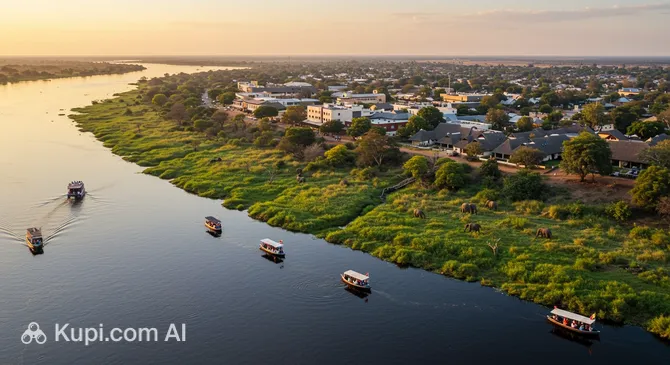
Kasane is a vibrant and strategically important town located at the "Four Corners" of Africa, where the borders of Botswana, Namibia, Zambia, and Zimbabwe converge. As the administrative center of the Chobe District, this bustling settlement serves as the northern gateway to some of the continent's most spectacular natural wonders. Its unique location on the southern bank of the Chobe River gives it a lively atmosphere, blending the energy of a border town with the tranquility of the African bush.

Kasane. Source: Kupi.Binoculars

With a population of approximately 9,250 people, Kasane retains a friendly, small-town feel despite its significance as a tourist hub. The town is seamlessly integrated with the surrounding wilderness; it is not uncommon to see warthogs or mongooses wandering the streets, reminding visitors that nature is never far away. While it is now a premier safari destination, the history of Kasane reflects its long-standing role as a vital crossing point and meeting place in the region.

The town is most famous for being the doorstep to Chobe National Park, renowned for having one of the largest concentrations of elephants in the world. Travelers can enjoy breathtaking game drives or embark on sunset boat cruises along the river to watch wildlife gathering at the water's edge. Additionally, its proximity to the majestic Victoria Falls makes it an excellent base for day trips. Whether you are seeking close encounters with wildlife or a scenic retreat, Kasane offers an unforgettable start to your Botswana adventure.

Weather Overview

Kasane experiences a subtropical climate defined by distinct wet and dry seasons, which significantly influence the wildlife viewing opportunities in the region. The area generally sees hot summers with regular rainfall and mild, dry winters that are perfect for safari activities. To help choose the best time for your visit, reviewing the detailed forecast and weather in Kasane is highly recommended before packing.

The rainy season typically spans from November to March, with January being the wettest month, recording roughly 21 wet days. During this period, average temperatures hover between 24°C and 27°C, creating a lush, green landscape. Conversely, the winter months from May to August are extremely dry, often seeing no rainfall at all. June and July are the coolest times of the year, with average temperatures around 18°C and chilly mornings that can drop to 11°C. The heat peaks in October, just before the rains return, when daytime highs can soar to approximately 35.3°C.

Interesting Facts

Beyond its reputation as a safari capital, Kasane holds curious stories and unique landmarks that many visitors overlook. This riverside town offers a glimpse into local history and culture that goes deeper than the usual wildlife sightings.

  • The Living Jail Cell: One of the town's most unusual historical sites is the "Prison Baobab" located behind the local police station. This ancient tree has a hollow trunk so large that it was once used as a temporary holding cell for prisoners in the early 20th century before they could be transferred to larger facilities.

  • A Hollywood Connection: The region played host to one of the most famous romances in cinema history. In 1975, Hollywood legends Elizabeth Taylor and Richard Burton tied the knot for the second time at a lodge on the banks of the Chobe River, just a short distance from the town center, cementing the area's reputation as a romantic hideaway.

  • The Island of Dispute: Sedudu Island, visible from the shores of Kasane in the Chobe River, was once the subject of a territorial dispute between Botswana and Namibia. The matter was peacefully resolved by the International Court of Justice in 1999, and today the island serves as a tranquil grazing ground for buffalo and lechwe, symbolizing the region's stability.

  • Healing Waters: Nearby, visitors can find the Kasane Hot Springs, a natural warm water source. Local folklore often attributes medicinal properties to these waters, and they remain a fascinating geological feature in an area otherwise known for its river floodplains.

How to Get There

Reaching this northern corner of Botswana is relatively straightforward, thanks to its popularity as a safari hub and its strategic location near international borders. Whether you are arriving directly or traveling from neighboring countries, there are several convenient routes to consider. For a detailed breakdown of all transport options and routes, you can read more about how to get to Kasane.

The most direct entry point is Kasane Airport (IATA: BBK), which is situated just 3.8 km from the town center. It is a small but efficient facility, and the transfer to the main lodges or the town center is a short drive, typically taking about 10 minutes by taxi or shuttle. This airport receives regular domestic flights as well as regional connections, making it the preferred choice for those who want to land right at the doorstep of the Chobe National Park.

Alternatively, many visitors fly into larger regional hubs in neighboring countries and transfer by road. Victoria Falls Airport (IATA: VFA) is located in the city of Victoria Falls, Zimbabwe, approximately 78.1 km away. The journey from there involves crossing the border and takes about 2 hours and 20 minutes. Another option is Livingstone Airport (IATA: LVI) in Livingstone, Zambia, which is roughly 68.9 km from Kasane. A transfer from Livingstone usually takes around 2 hours, including the border crossing time.

For clarity, here is a summary of the main airports serving the region:

Airport Name City Passenger Traffic Km from City
Victoria Falls Airport Victoria Falls High 78.1
Livingstone Airport Livingstone Medium 68.9
Kasane Airport Kasane Medium 3.8
Mpacha Katima Mulilo Small 106.9

Main Attractions

Kasane is widely celebrated as the gateway to some of Africa's most remarkable wildlife experiences. While the town itself is compact, its surroundings offer world-class adventures, primarily centered around the river and the adjacent wilderness areas. Visitors flock here not just for the game drives, but for the unique opportunity to view game from the water, creating a safari experience that is distinct from anywhere else on the continent.

Chobe National Park is undoubtedly the main draw for anyone visiting the region. The park's entrance is situated just a few kilometers from the town center, making it incredibly accessible for day trips. This area is famous for hosting one of the largest concentrations of African elephants in the world. Visitors can embark on game drives to see majestic herds, lions, leopards, and buffaloes roaming freely in their natural habitat. The park's riverfront ecosystem is particularly vibrant, offering spectacular sightings throughout the year.

The Chobe River itself acts as a massive, fluid attraction that defines the rhythm of life in Kasane. Boat safaris are a quintessential activity here, allowing tourists to drift silently past hippos, crocodiles, and water monitors. The river cruises are especially popular at sunset, where the sky turns a brilliant orange and animals descend to the banks to drink. It provides a photographer's paradise and a peaceful contrast to the rugged game drives on land.

For those interested in conservation and education, the CARACAL Biodiversity Center is a fascinating stop. This non-profit organization focuses on the rescue and rehabilitation of injured wildlife, particularly snakes and birds of prey. It serves as an educational hub where visitors can learn about the diverse fauna of Northern Botswana. The center offers close encounters with various species and provides insight into the human-wildlife conflict challenges faced by the local communities.

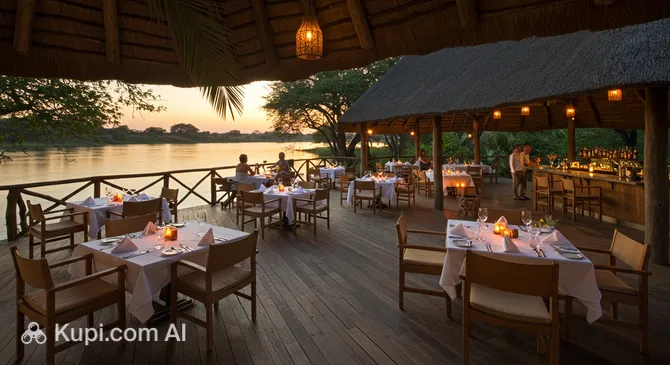
Located right on the water's edge, the Chobe Marina Lodge is more than just accommodation; it is a scenic landmark in its own right. Its riverside terrace and dining areas offer some of the best vantage points in town for watching the Chobe River flow by. Many visitors choose this spot to enjoy a meal or a drink while observing wildlife on the opposite bank or simply soaking in the tranquil atmosphere of the riverfront.

Chobe Marina Lodge. Source: Kupi.Binoculars

Another gem for nature lovers is the Seboba Nature and Recreational Park. This community-based initiative features well-maintained walking trails that wind through riverine forest and along the Chobe River. It is an excellent place for birdwatching and enjoying a picnic away from the motorized safari crowds. The park also includes a cultural village element, offering a glimpse into the traditions and history of the local tribes, making it a well-rounded destination for a relaxing afternoon.

Local Cuisine

The culinary landscape of Kasane offers a delightful mix of traditional Tswana flavors and hearty safari cuisine. At the heart of the local diet is Seswaa, the national dish of Botswana. This slow-cooked, pounded beef or goat meat is prepared in three-legged iron pots over an open fire until it is tender enough to shred. It is typically served with bogobe (a stiff maize or sorghum porridge) and a side of wild spinach known as morogo, providing a simple yet deeply satisfying meal that reflects the region's cattle-rearing heritage.

Given its location on the banks of the Chobe River, freshwater fish is a standout feature of the town's gastronomy. Visitors should not miss the opportunity to try Chobe Bream, a local tilapia variety that is freshly caught and widely available. Whether grilled to perfection with lemon butter or fried whole for a crispy treat, this fish is a staple on many menus. For the more adventurous eater, some establishments also offer game meat, such as kudu or impala, allowing you to taste the wild flavors of the bush.

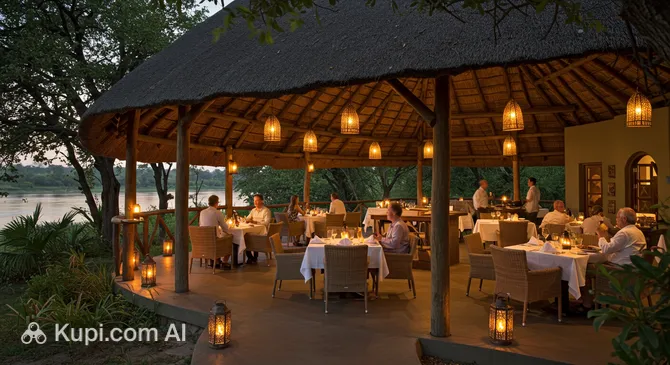
Kasane Grill. Source: Kupi.Binoculars

The dining scene ranges from casual eateries to upscale lodge restaurants. For a relaxed atmosphere where you can enjoy Indian cuisine or a classic steak, Kasane Grill is a popular choice among travelers. It offers a friendly environment to unwind after a day of game viewing. Alternatively, those seeking a meal with a spectacular backdrop often head to the restaurant at Chobe Marina Lodge, where fine dining is accompanied by views of the river and the chance to spot wildlife on the opposite bank.

No culinary experience in Kasane is complete without sampling the local beverages. To beat the midday heat, locals often reach for a cold St. Louis Lager, a light beer brewed in Botswana that pairs well with the warm climate. Non-alcoholic homemade ginger beer is also a refreshing favorite found in markets. As evening approaches, the "sundowner" tradition takes over; sipping a gin and tonic or a glass of Amarula cream liqueur while watching the sunset over the river is an essential part of the Kasane lifestyle.

Travel Tips

Welcome to Kasane, the bustling gateway to the Chobe wilderness where adventure meets local charm. To help you navigate this unique border town and ensure your safari experience is as smooth as possible, here are some essential practical tips for your journey.

  1. Clothing and Gear: Since Kasane is a prime safari destination, pack neutral-colored clothing (khaki, beige, or green) to blend in with the bush; avoid dark blue or black as they can attract tsetse flies. While days are hot, early morning game drives can be surprisingly chilly, especially during the dry winter months (May to August), so bring a warm fleece or windbreaker. A wide-brimmed hat, high-SPF sunscreen, and a universal travel adapter (Types M and G are common) are also essential.

  2. Transportation: There is no public transport system like buses or metros for tourists within the town. The best way to get around is by using marked taxis, which are readily available and affordable; just be sure to agree on the fare before hopping in. For visiting Chobe National Park, you will typically rely on tour operators' game drive vehicles. If you plan to self-drive, a 4x4 vehicle is highly recommended as many roads, including those leading to lodges, can be sandy.

  3. Finances: The local currency is the Botswana Pula (BWP). While major lodges, hotels, and larger supermarkets accept Visa and Mastercard, smaller shops, craft markets, and taxi drivers usually require cash. ATMs are available at the shopping centers in town. Tipping is customary in the tourism industry; a small tip for your safari guide, tracker, or lodge staff is greatly appreciated for good service.

  4. Health and Safety: Kasane is located in a malaria zone, so it is crucial to consult your doctor about prophylaxis before traveling and to use insect repellent regularly. Pharmacies are available in the town center but may not be open late at night. A unique safety consideration here is wildlife; animals like warthogs and even elephants often wander through the streets. Always maintain a respectful distance and never walk alone in unlit areas at night.

  5. Communication: English is the official language of Botswana and is widely spoken in Kasane, making communication effortless for most travelers. However, learning a simple Setswana greeting like "Dumela" (Hello) goes a long way in showing respect to the locals. Wi-Fi is standard in most lodges and hotels, but if you need connectivity on the go, you can purchase a local SIM card at the main shopping complex.

  6. Local Etiquette: Batswana are very polite and value proper greetings. It is considered rude to ask a question or start a transaction without first saying hello and asking "How are you?". Handshakes are common and often involve a friendly three-step grasp. When taking photos of local people, always ask for permission first as a sign of respect.

  7. What to Avoid: Do not wear camouflage clothing. In Botswana, camouflage print is strictly reserved for the military and police, and wearing it can lead to uncomfortable questioning or confiscation of the item. Additionally, avoid swimming in the Chobe River unless you are in a designated, secure pool area, as the river is home to hippos and crocodiles.

  8. Shopping Hours: Be aware that Kasane is a small town, and shops do not stay open late. Most supermarkets and supply stores close around 6:00 PM or 7:00 PM. If you are self-catering or need to buy snacks for the next day's adventure, plan to do your shopping in the late afternoon rather than waiting until after dinner.

Kasane is a friendly and peaceful town where the rhythms of nature dictate the pace of life. By keeping these practical tips in mind, you can relax and fully immerse yourself in the incredible wildlife and warm hospitality that this corner of Botswana has to offer.

Entertainment & Nightlife

Entertainment in Kasane is distinct from the bustling nightlife found in major metropolitan cities. Instead of neon-lit clubs and late-night discos, the town operates on a "safari rhythm," where the evening's activities are centered around relaxation and socializing after a day in the bush. The nightlife scene is laid-back and intimate, mostly taking place within the bars and restaurants of the major lodges or at a few local watering holes along President Avenue. The primary focus is on "sundowners"—drinks enjoyed while watching the sunset—followed by a hearty dinner and conversation under the stars.

For a refined evening experience with spectacular views, the Chobe Marina Lodge is a top choice. Its riverside bar and terrace offer a sophisticated yet comfortable setting where visitors can sip cocktails while overlooking the Chobe River. It is a popular spot for both guests and visitors to unwind in a serene atmosphere. Alternatively, for those looking for a more casual and lively vibe, Kasane Grill provides a friendly environment where you can enjoy cold beverages and good food. It serves as a great social hub to mix with locals and fellow travelers, exchanging stories of the day's wildlife sightings.

Practicality and safety are paramount when enjoying a night out in Kasane. The dress code is almost universally "safari casual," so there is no need for formal attire; comfortable clothing is accepted everywhere. Prices for drinks and meals are generally reasonable, with local beers and spirits being quite affordable. However, the most critical advice for nightlife here concerns getting around. Never walk between venues at night, regardless of how close they appear.

The town is unfenced, and it is common for wildlife, including elephants, hippos, and hyenas, to roam the streets after dark. These animals can be dangerous if startled. Therefore, always arrange for a registered taxi to transport you from your accommodation to your chosen venue and back. Taxis are readily available and can be called by your hotel reception or the restaurant staff.

Regarding daytime entertainment beyond the wilderness, Kasane does not feature traditional urban attractions like large amusement parks, theaters, or extensive museums. The town's charm lies in its connection to nature. However, for a change of pace, visitors can explore small local craft markets to buy hand-carved wooden souvenirs or visit the art galleries situated within some of the larger hotels. Many lodges also offer spa facilities, providing a relaxing way to spend the heat of the day before the evening activities begin.

Parks & Museums

While Kasane is primarily defined by the vast wilderness that surrounds it, the town itself offers specific green spaces and cultural landmarks that provide a deeper understanding of the region's heritage and geography. The distinction between the town and the wild is often blurred, but there are designated areas where visitors can explore the local history and enjoy nature in a more controlled, recreational setting.

Seboba Nature and Recreational Park serves as the town's premier public green space. Located along the Chobe River, this community-run park offers a network of elevated walkways and trails that allow visitors to explore the riverine forest safely. It is particularly known for the "Seboba Rapids," a scenic point where the river flows over rocky outcrops, creating a mesmerizing backdrop for picnics and birdwatching. The park also features a cultural village component, designed to showcase the traditions of the local Basubiya and Tawana tribes, making it a perfect spot for a relaxing afternoon walk.

Another significant natural site is the Kasane Hot Springs, a geological curiosity located near the wildlife corridor. These natural warm water springs are highly saline and are believed by locals to have healing properties. Although not developed into a commercial spa complex, the site is a protected natural area where visitors can observe the warm water bubbling from the ground. It serves as a quiet reminder of the volcanic forces that once shaped this region and offers a unique stop for geology enthusiasts.

In terms of museums, the CARACAL Biodiversity Center functions as the most important educational facility in the district. While often visited for its wildlife rehabilitation work, it also serves as a repository of knowledge regarding the region's ecology and the human history associated with it. The center features exhibits on the diverse snakes, birds, and small mammals of Northern Botswana, providing context that enriches the safari experience. It is an excellent place for families to learn about the delicate balance between the growing town and the surrounding animal kingdom.

For a glimpse into the colonial history of the town, the Old Prison Baobab stands as a living monument and an open-air museum piece. Situated behind the police station, this massive tree with a hollow trunk was used as a temporary jail cell in the early 20th century. Today, it is a protected national monument. Visitors can walk up to the tree and peer inside the cavernous trunk, imagining the days when it held prisoners awaiting transfer. It is a quick but poignant stop that highlights the resourcefulness of the early administrative outposts.

Although Kasane lacks a formal art gallery, the town is a hub for traditional basket weaving. The craft is showcased in various small co-ops and markets near the town center, which effectively act as living galleries. Here, tourists can watch local women weave intricate patterns using palm fronds and natural dyes. These baskets are not just souvenirs but are recognized as high-quality art pieces that reflect the cultural identity of the people living in the Chobe District.

Insider Tip: For a different perspective, drive up to the Kasane Plateau. While not a formal park, this elevated area offers panoramic views over the town and the Chobe River floodplains. It is a favorite spot for locals to watch the sunset away from the river crowds, offering a sweeping vista that captures the true scale of the landscape.

Getting Around

The public transport system in Kasane is modest and informal, reflecting the town's small size and its location on the edge of the wilderness. Unlike major metropolitan areas, there are no metros, trams, or large municipal bus networks here. Instead, the local transit infrastructure relies almost entirely on road-based vehicles, specifically taxis and minibuses, which serve the needs of the local population and independent travelers alike.

The most common and reliable form of transport for getting around the town is the taxi. These vehicles are easily identifiable by their blue number plates, a standard requirement for public service vehicles in the region. Taxis operate on two distinct models: "shared" and "special." A shared taxi picks up multiple passengers heading in the same general direction and charges a low, fixed rate per person. A "special" is effectively a private hire where you pay for the entire vehicle to take you directly to your destination without stops. For most tourists, hiring a taxi on a "special" basis is the most convenient way to move between lodges, shopping centers, and the airport.

Minibuses, locally known as combis, are the other main component of the transport network. These white vans typically operate on set routes, connecting the town center with residential neighborhoods and outlying villages. While they are the most affordable way to travel, they can be somewhat confusing for visitors unfamiliar with the routes and stops. Combis generally wait until they are full before departing and operate primarily during daylight hours, making them less practical for tourists with tight schedules.

Payment for both taxis and combis is strictly cash-based. There are no travel cards, mobile apps, or electronic ticketing systems available for local transport. Passengers must pay the driver directly, usually at the end of the journey for taxis or upon boarding for combis. It is highly recommended to carry smaller denominations of the local currency, as drivers often have limited change for large notes. Prices for shared routes are regulated and very affordable, while fares for private taxi hires should be negotiated or confirmed before the trip begins.

For tourists, alternatives to public transport are often preferred for comfort and flexibility. Car rentals are extremely popular, particularly 4x4 vehicles equipped for the sandy terrain of the nearby national parks. Several rental agencies operate within the town and at the airport. Additionally, most lodges and hotels provide complimentary or paid shuttle services for their guests, covering transfers to the airport, the town center, and activity meeting points. This is often the stress-free option for those who prefer not to navigate local roads.

A unique aspect of navigating Kasane is the presence of wildlife on the roads, which influences transport operating hours. Taxis and combis are plentiful during the day but become significantly scarcer after dark. Drivers are cautious at night due to the risk of encountering elephants or hippos on the tarmac. If you plan to be out late dining at a different lodge, it is essential to arrange your return transport in advance, as flagging down a taxi on the street at night is neither easy nor safe.

Accommodation

Where to Stay:

Accommodation in Kasane caters to a wide spectrum of travelers, reflecting its status as a versatile safari hub. The options range from adventurous campsites and budget-friendly backpacker hostels to luxurious river lodges that offer five-star amenities. Because the town is the primary launchpad for Chobe National Park, the standard of hospitality is generally high, with many establishments designed to immerse guests in the surrounding nature.

The most sought-after area for tourists is the Chobe Riverfront. Staying here often means waking up to views of the water and having direct access to boat jetties for river safaris. These properties maximize the scenic location, with decks and gardens facing the river where wildlife is frequently spotted. For those traveling on a tighter budget or looking for convenience, the town center and the area along President Avenue offer practical guesthouses and hotels. These locations are close to supermarkets, banks, and the main road, making them ideal for self-drivers restocking supplies.

For a more secluded experience, some visitors opt for lodges located in the Lesoma Valley, situated a short distance inland. This area is known for its tranquility and often features waterholes that attract animals directly to the lodge grounds, offering a private safari experience away from the bustle of the main riverfront strip.

Camping is a massive part of the accommodation culture here, particularly for those driving 4x4 vehicles. Many of the high-end lodges also operate well-maintained campsites with clean ablution blocks and barbecue facilities, allowing campers to enjoy resort-style pools and bars at a fraction of the room rate. Overlanders frequently use these sites as a base for exploring the region.

Booking Tips and Prices: Prices vary significantly depending on the season. During the peak dry season (May to October), rates are at their highest, and availability can be scarce. It is highly recommended to book your accommodation several months in advance if you plan to visit during this window. While luxury lodges are priced in line with international safari standards, mid-range and budget options are available but fill up quickly. Most bookings can be made via online platforms, but for campsites within national parks or specific community lodges, direct contact or booking through a local operator is often more effective.

Nearby Cities

For those looking to explore the surroundings, Kasane serves as an excellent base for day trips to several interesting nearby locations:
City Population Distance (km)
Maun 57067 305
Francistown 103417 447
Serowe 48573 533
Selebi-Phikwe 49724 540
Mahalapye 50744 613

While the major Botswanan cities listed above are key regional hubs, travelers often look just across the border or to the next major safari center for their excursions. Due to the distances involved, some of these locations are better suited for overnight stays or short visits rather than quick day trips, but they remain essential stops on any itinerary in the region.

Maun is frequently the next destination for travelers leaving Kasane. Known as the tourism capital of Botswana, it serves as the gateway to the magnificent Okavango Delta. Although the journey by road is substantial, the town offers a distinct contrast to Kasane with its bustling mix of safari guides, pilots, and local markets. It is the perfect place to arrange scenic flights over the delta or to embark on a mokoro (dugout canoe) adventure into the wetlands.

Located just across the border in Zimbabwe, the town of Victoria Falls is the most popular day-trip destination from Kasane. A mere hour's drive away, it allows visitors to witness "The Smoke That Thunders," one of the Seven Natural Wonders of the World. Beyond the falls themselves, the town is known as an adventure hub, offering adrenaline-pumping activities such as bungee jumping, white-water rafting, and helicopter rides over the gorge.

For those heading south, Francistown offers a glimpse into the country's colonial and mining history. As one of the oldest towns in Botswana, it features interesting museums and historical sites related to the gold rush era. It serves as a major commercial center and a convenient stopover for travelers making their way towards the capital, Gaborone.

These nearby destinations offer a glimpse into the diverse culture and landscapes of the region, ranging from world-famous natural wonders to historic urban centers.

Shopping & Souvenirs

Shopping in Kasane is a low-key but practical affair, primarily geared towards supplying travelers with safari essentials and offering unique local crafts. Unlike major metropolitan cities with sprawling fashion districts, the retail scene here is functional and compact. Most visitors will find that shopping falls into two categories: stocking up on food and drinks for their bush adventures, or browsing for authentic African souvenirs to take home.

The town's commercial activity is concentrated along President Avenue, the main road that runs parallel to the Chobe River. This strip serves as the lifeline of the town, hosting the majority of banks, petrol stations, and retail outlets. A stroll along this road allows you to access almost everything Kasane has to offer, from grocery stores to small boutiques selling safari gear and curios.

For general supplies, there are a few key shopping complexes that serve as the town's malls. The Kasane Shopping Centre, often referred to by locals as the "Spar complex," is one of the busiest spots in town. Here, you can find a well-stocked supermarket, a pharmacy, and an outdoor adventure store. Further down the road, the newer Choppies Mall offers another large supermarket and a selection of clothing and furniture stores. These centers are modern, air-conditioned, and provide a comfortable environment to purchase everything from camping equipment to fresh produce.

The most interesting shopping experience for tourists, however, is found in the informal craft markets. Small stalls and open-air vendors are scattered along the main road and near the entrance to Chobe National Park. These vibrant spots are the best places to interact with local artisans. You will often see women sitting in the shade, skillfully weaving baskets or beading jewelry, offering a genuine connection to the local culture that you won't find in a supermarket.

When it comes to souvenirs, Botswana is world-renowned for its basketry. The baskets are hand-woven from palm fronds and dyed with natural roots and bark to create intricate geometric patterns. They are considered some of the finest in Africa and make for a lightweight, durable gift. Other popular items include hand-carved wooden animals—particularly hippos and elephants—as well as printed fabrics and stone sculptures. For higher-end gifts, many hotels, such as the Chobe Marina Lodge, feature on-site curio shops that sell high-quality jewelry, leather goods, and branded safari clothing.

Opening hours in Kasane are generally from 8:00 AM to 6:00 PM or 7:00 PM on weekdays. On Saturdays, shops may close earlier, around 1:00 PM or 5:00 PM, and Sundays often see limited hours, particularly for smaller businesses. Major supermarkets usually remain open daily. regarding payment, the Botswana Pula (BWP) is the currency of choice. While the shopping malls and lodge gift shops readily accept Visa and Mastercard, cash is essential for the roadside craft markets and smaller vendors.

Botswana operates a Value Added Tax (VAT) system, typically included in the marked price of goods. Tourists may be eligible for a tax refund on significant purchases of physical goods that are exported from the country. To claim this, you must present valid tax invoices and the goods themselves to customs officials at the border or airport upon departure. It is advisable to ask for a tax invoice when making expensive purchases like jewelry or large artworks.
Reached the end of the page?

That means the route is fully explored