Support

Maun

About

Known as the "tourism capital" of Botswana, Maun is a bustling and vibrant town that serves as the primary gateway to one of the world's most spectacular natural wonders, the Okavango Delta. This unique settlement blends the rustic charm of a frontier town with the modern conveniences of a safari hub, creating an atmosphere that is both energetic and laid-back.

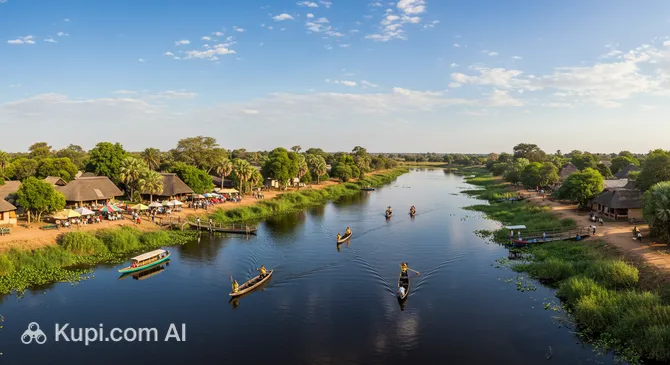
Located in the North-West District along the banks of the perennial Thamalakane River, Maun has grown significantly from its humble beginnings. With a population of approximately 57,000 people, it is a lively center of activity. The local climate is typically semi-arid, characterized by hot summers and mild, dry winters, which supports the region's diverse ecosystem.

Maun. Source: Kupi.Binoculars

The history of Maun dates back to 1915 when it was established as the capital for the Batawana people. Over the last century, it has evolved from a remote cattle outpost into a cosmopolitan meeting place for safari guides, pilots, and travelers from around the globe. Despite its growth, the town retains a strong connection to its roots, with traditional rural life often visible alongside the developing tourism infrastructure.

Most visitors come to Maun to access the vast Okavango Delta and the renowned Moremi Game Reserve. The town is famous for its scenic flights, offering travelers a chance to witness the sprawling wetlands and wildlife from above. For those staying in town, the riverfront provides excellent opportunities for boat cruises and birdwatching in a serene setting.

Whether you are embarking on a deep bush expedition or simply looking to experience the local culture, Maun offers a warm welcome. It is an essential destination for anyone planning to explore the wild beauty of Southern Africa.

Weather Overview

Understanding the local climate is essential for planning a comfortable trip to the Okavango Delta. The weather in Maun is generally semi-arid, featuring distinct wet and dry seasons that dramatically transform the landscape. Visitors can typically expect warm summers with occasional rain and mild, dry winters that offer clear blue skies.

The summer months, particularly from November to March, are the hottest and wettest time of the year. Average temperatures during this period range from 25°C to 28°C, with daily highs frequently climbing above 30°C; October and November are especially warm, with maximums reaching nearly 36°C. January sees the most frequent rainfall, recording around 17 wet days, though showers are often short-lived.

From May to August, the town experiences its dry winter season. During these months, precipitation is virtually non-existent, with zero wet days recorded from May through September. While daytime highs remain pleasant, averaging around 25°C in June and July, the nights become significantly cooler. Minimum temperatures can drop to approximately 9°C or 10°C, so packing warm layers for early morning game drives is highly recommended.

Interesting Facts

Beyond the main attractions and safari itineraries, Maun holds many fascinating secrets that reveal its unique character as a frontier town. From its quirky animal inhabitants to its surprising aviation statistics, this gateway to the Okavango Delta offers plenty of intriguing details for the curious traveler.
  • The Place of Short Reeds: The name "Maun" is derived from the San word "Maung," which translates to "the place of short reeds." This is a fitting title given the town's location on the banks of the Thamalakane River, where these reeds grow in abundance along the waterways.

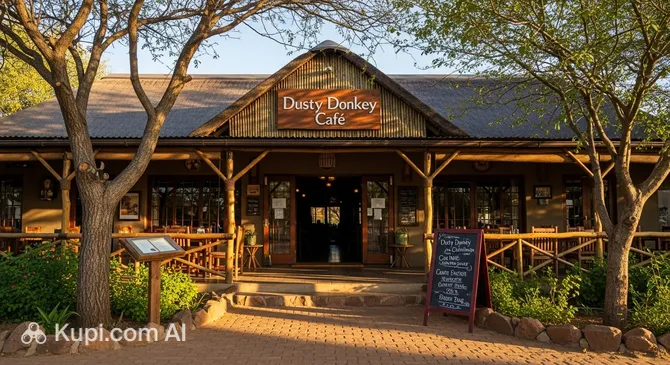
  • Unofficial Town Mascots: Donkeys are a ubiquitous sight in Maun, roaming freely through the streets and often causing "traffic jams" that locals take in stride. These animals are so integral to the town's identity that they have inspired the names of popular local hangouts, such as the Dusty Donkey Café.

  • A Bustling Aviation Hub: Despite its relatively small population, Maun is home to one of the busiest airports in the Southern Hemisphere in terms of takeoffs and landings. The sky is constantly abuzz with light aircraft and "air taxis" transporting travelers to and from the remote lodges of the Delta.

  • A River on a Fault Line: The Thamalakane River, which gives life to the town, sits at the end of the Okavango Delta and is influenced by the Thamalakane Fault. Geological history shows that tectonic shifts along this fault line can actually alter the flow of the water, occasionally causing the river to dry up or change course unexpectedly.

Dusty Donkey Café. Source: Kupi.Binoculars

How to Get There

Reaching Maun is the exciting first step of your adventure into the Okavango Delta. While the town is tucked away in the wilderness, it is well-connected to the region's transport network. You can find all ways to reach the city and detailed travel advice on our dedicated page.

The most convenient and popular way to arrive is by flying directly into Maun Airport (MUB). Located within the town itself, it is a bustling hub that welcomes numerous domestic and international flights daily. The airport is situated just 2.9 km from the center, making the transfer very quick; a taxi or shuttle ride typically takes about 10 minutes. As a key entry point for safaris, the airport handles a significant volume of passengers and offers essential services for travelers.

Alternatively, some travelers may consider Mpacha (MPA), although it is located in the city of Katima Mulilo in neighboring Namibia. This option is considerably farther, situated approximately 273 km from Maun. The journey from Mpacha involves a cross-border road trip that can take several hours by taxi or car, so it is generally only chosen by those planning a self-drive itinerary through the Caprivi Strip. This airport sees relatively low passenger traffic compared to Maun's main hub.

For clarity, here is a summary of the main airports:

Airport Name City Passenger Traffic Km from City
Maun Airport Maun High 2.9
Mpacha Katima Mulilo Low 273.4

Since there are no railway stations serving Maun or the immediate North-West District, train travel is not a viable option for reaching the town. Most visitors who do not fly opt for road transport. There are reliable bus services connecting Maun to other major Botswanan cities like Francistown and Gaborone, though distances are vast. For those seeking more independence, renting a 4x4 vehicle is a popular choice, allowing for a scenic drive through Botswana's wild landscapes.

Main Attractions

While Maun is primarily known as the gateway to the Okavango Delta, the town itself offers several worthwhile stops for travelers with time to explore. Visitors can enjoy a mix of nature, culture, and unique local dining experiences right within the town's limits.

For those who want a taste of Botswana's wildlife without venturing deep into the bush, the Maun Educational Park is a hidden gem. Situated on the eastern bank of the Thamalakane River, this reserve allows visitors to see giraffes, zebras, lechwe, and wildebeest in a natural setting. It is an ideal spot for a self-drive mini-safari or a quiet walking trail, offering a peaceful escape just minutes from the town center.

The lifeblood of the town is undoubtedly the Thamalakane River. A sunset boat cruise along this waterway is a must-do activity, offering spectacular views and excellent birdwatching opportunities. The riverbanks are perfect for a relaxing afternoon, where you can watch the calm waters reflect the vibrant colors of the African sky as the day ends.

Culture enthusiasts should visit the Nhabe Museum, housed in a historic colonial building dating back to 1939. This small but fascinating museum showcases the regional history, art, and culture of the North-West District. It features exhibitions on the Okavango Delta's ecosystem, traditional crafts, and photography, providing context to the area's rich heritage.

Maun's social scene is vibrant and quirky, best experienced at the Dusty Donkey Café. This popular establishment is more than just a restaurant; it is a social hub where locals and tourists mingle. Known for its excellent coffee, hearty meals, and relaxed atmosphere, it captures the eclectic spirit of this frontier town.

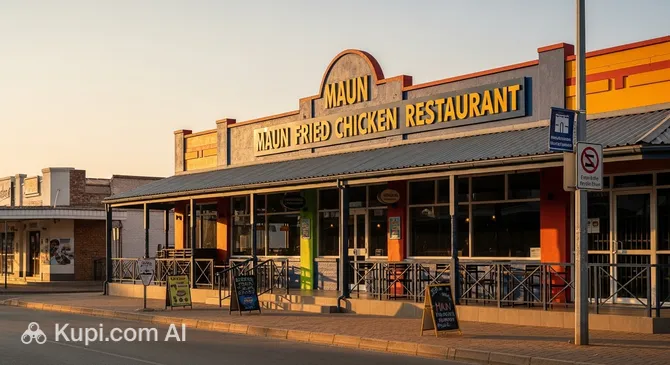
For a truly authentic local culinary experience, the Maun Fried Chicken Restaurant is a legendary spot. Often referred to simply as MFC, this eatery is famous among residents for its delicious, no-nonsense comfort food. It offers a chance to step away from the tourist lodges and taste the flavors that fuel the local community.

Maun Fried Chicken Restaurant. Source: Kupi.Binoculars

Local Cuisine

The culinary scene in Maun is a delightful reflection of its status as a melting pot of cultures, blending traditional Tswana flavors with international influences brought by the safari industry. At the heart of the local diet is Botswana's world-renowned beef, which is organic, free-range, and exceptionally flavorful. Visitors will find that meat features prominently on most menus, ranging from high-end steaks in lodges to hearty stews in local eateries.

For a truly authentic taste of the region, you must try Seswaa, the national dish of Botswana. This savory meal consists of beef or goat meat that is slow-cooked until tender and then pounded into a shredded consistency. It is typically served with Pap (a stiff maize porridge) or Bogobe (sorghum porridge) and accompanied by Morogo, a type of wild spinach that adds a nutritious and earthy balance to the plate. Another local favorite, especially for breakfast or a quick snack, is Magwinya (fat cakes), which are delicious deep-fried dough balls often enjoyed with savory mince or just a cup of tea.

When it comes to beverages, locals often cool down with a refreshing St. Louis Lager, a light beer brewed in Botswana that is perfect for the hot semi-arid climate. For a non-alcoholic option, look for homemade Gemere (ginger beer), a spicy and sweet traditional drink that is widely loved. You might also encounter Mageu, a fermented maize drink that is thick, filling, and often consumed as an energy booster during the day.

Dining in Maun offers a choice between relaxed, open-air safari cafes and buzzing local spots. Tourists often gather at places like the Dusty Donkey Café, which offers a vibrant atmosphere and a menu that caters to diverse tastes, making it a great spot to swap stories after a day in the bush. Conversely, for those wanting to eat where the residents do, the Maun Fried Chicken Restaurant serves up beloved comfort food that captures the simple, satisfying side of modern town life.

Travel Tips

Visiting Maun is the start of an unforgettable adventure, but navigating this frontier town requires a bit of local know-how to ensure your trip runs smoothly. To help you settle in and make the most of your time before heading into the bush, here are some essential practical tips for your stay.

  1. Clothing and Gear: Since Maun serves as a safari hub, practical attire is the norm. Pack neutral-colored clothing (khaki, beige, or green) to blend in during game drives. Layers are critical; while days can be scorching, winter mornings and evenings are surprisingly cold. Bring a good hat, sunglasses, and a universal travel adapter (Type M or G) for your electronics.

  2. Transportation: Public transport consists mainly of shared taxis and combis (minibuses), which are identifiable by their blue number plates. They are an affordable way to get around town, though they follow specific routes. Ride-hailing apps are not standard here, so it is best to ask your lodge to call a private taxi for you. If you plan to explore beyond the tarmac, renting a 4x4 vehicle is absolutely necessary.

  3. Finances: The local currency is the Botswana Pula (BWP). While major lodges, supermarkets, and restaurants accept Visa and Mastercard, cash is still king for small purchases, craft markets, and tipping. ATMs are plentiful in Maun, so withdraw some cash upon arrival. Tipping is appreciated; a general rule is 10% at restaurants if the service was good.

  4. Health and Safety: Maun is located in a malaria risk area, so consult your doctor about prophylaxis before traveling and carry insect repellent. Pharmacies in town are well-stocked, but it is wise to bring personal prescription meds. In terms of safety, the town is generally secure, but avoid walking alone at night—not just because of petty crime, but because wildlife, including hippos and hyenas, occasionally wanders into the outskirts.

  5. Communication: English is the official language and is widely spoken, making communication easy for most travelers. However, learning a few Setswana phrases goes a long way; a friendly "Dumela" (Hello) is the perfect icebreaker. Wi-Fi is available in most cafes and lodges, but for reliable mobile data, purchase a local SIM card (Mascom or Orange) at the airport or in town.

  6. Local Etiquette: Politeness is highly valued in Botswanan culture. Always greet people before asking a question or starting a transaction. When shaking hands, it is a sign of respect to support your right elbow with your left hand. Patience is also a virtue here; service can sometimes be slower than what you are used to, often referred to affectionately as "Africa time."

  7. What to Avoid: Do not wear camouflage clothing. In Botswana, camouflage is reserved strictly for the military, and wearing it can lead to questioning or confiscation of the items. Also, avoid drinking tap water unless your accommodation confirms it is filtered; bottled water is readily available and is the safer choice.

  8. Stock Up Here: Treat Maun as your final supply station. If you are self-driving into the Moremi Game Reserve or the Delta, this is the last place with fully stocked supermarkets, reliable fuel stations, and specialized camping shops. Buy everything you need—firewood, water, and fresh produce—before you leave the tarmac.

By keeping these practicalities in mind, you can relax and focus on the incredible experiences that await you. Maun is a welcoming and laid-back town, and with just a little preparation, you will feel right at home among the locals and fellow explorers.

Entertainment & Nightlife

Nightlife in Maun is less about thumping nightclubs and neon lights and more about relaxed, social evenings spent under the vast African sky. The town’s entertainment scene has a distinct "frontier" character, where the dusty boots of returning safari guides mix with the excitement of newly arrived travelers. The atmosphere is generally laid-back and welcoming, centered largely around open-air venues that take full advantage of the warm evenings.

The action typically begins at sunset, which is a celebrated daily ritual along the banks of the Thamalakane River. Several lodges and bars face the water, offering the perfect vantage point to watch the sun dip below the horizon with a cold drink in hand. As the evening progresses, the social scene shifts to lively pubs and restaurants, particularly those situated along the main road toward the airport and in the town center. These spots are buzzing with conversation, as people swap stories of wildlife sightings and bush adventures.

For a quintessential Maun evening, the Dusty Donkey Café is a standout venue. While it serves excellent food during the day, at night it transforms into a vibrant social hub. It is the kind of place where locals and tourists mingle effortlessly, often accompanied by music and a lively crowd enjoying local beers and cocktails. The dress code here, as with most places in town, is casual; safari chic is practically the uniform, so there is no need to dress up.

If you are looking for a taste of the local rhythm and a hearty late meal, the Maun Fried Chicken Restaurant offers a different kind of energy. It is a popular stop for those wanting to experience the town's unpretentious, local side. While not a nightclub, it captures the bustling spirit of Maun's streets after dark and is a great place to refuel before heading back to your accommodation.

Safety is a primary consideration when enjoying a night out in Maun. While the town is relatively safe from violent crime, walking around at night is strongly discouraged due to the presence of wildlife. Hippos and even hyenas are known to roam the riverbanks and outskirts after dark. Always ask your venue or hotel to call a registered taxi for you. Taxis are affordable and reliable, making them the best way to hop between venues or return to your lodge.

During the daylight hours, entertainment shifts towards cultural and relaxed pursuits. Apart from the safari excursions, visitors can explore local art galleries and craft centers scattered around town. These venues often feature beautiful basketry, pottery, and paintings by local artists, offering a peaceful way to spend an afternoon. For a slower pace, many travelers simply enjoy the amenities of the riverfront hotels, which often host daytime pool sessions and casual lunches that seamlessly transition into the evening festivities.

Parks & Museums

While Maun is famously the launchpad for safaris, the town itself possesses a modest but meaningful collection of green spaces and cultural institutions. Visitors who linger here will find that the local parks and museums offer a quieter, more intimate perspective on the region's ecology and history, distinct from the vast wilderness of the Delta.

The crown jewel of the town's green spaces is the Maun Educational Park. Although it functions as a wildlife reserve, it serves as the city's primary nature park, accessible to everyone. Located on the eastern edge of the Thamalakane River, it offers a condensed safari experience where you can walk or drive among giraffes, zebras, and impalas. It is particularly valuable for families or travelers with limited time, providing a safe and scenic environment to appreciate Botswana’s flora and fauna without leaving the city limits.

Another vital natural area is the riverfront along the Thamalakane River. While not a formal park with gates and fences, the grassy banks and shaded spots under large riverine trees function as a communal garden for locals and tourists alike. It is a prime location for birdwatchers, as the reeds attract a variety of waterbirds, including kingfishers and herons. The area is perfect for a leisurely afternoon walk, offering a refreshing break from the dusty streets of the town center.

On the cultural front, the Nhabe Museum stands as the guardian of the region's heritage. Housed in a building that dates back to the colonial era, the museum provides a fascinating look into the history of the Ngamiland district. Its exhibits cover everything from the geological formation of the Okavango Delta to the traditional tools and crafts of the local tribes. It also serves as an art center, frequently displaying photography and paintings that capture the spirit of Northern Botswana.

For art lovers, The Artery is a delightful stop that reflects the town's contemporary creative pulse. This intimate venue operates as an art gallery and a workshop, showcasing the talents of local painters, sculptors, and jewelry makers. Unlike a traditional static museum, it offers a vibrant atmosphere where visitors can often meet the artists and purchase unique, handmade souvenirs that support the local creative economy.

Architecturally, the town retains traces of its frontier past. The Old Bridge (often referred to in the context of the popular backpackers' lodge) and the historic administrative buildings near the museum offer a glimpse into Maun's early 20th-century development. These structures, simple yet sturdy, tell the story of a remote outpost that grew into a global tourism hub.

For a truly authentic experience, seek out the local Basket Weaving Cooperatives often found near the museum or in small community centers. Here, you can watch skilled artisans create the intricate, watertight baskets that Botswana is famous for. It is a "living museum" experience that connects you directly with the artistry and traditions passed down through generations.

Getting Around

The public transport system in Maun is relatively simple and informal compared to major global metropolises. There are no subways, trams, or large municipal bus networks here. Instead, the town relies on a functional system of shared taxis and minibuses that serve the local population and adventurous visitors alike. For many tourists, however, the most common way to get around is by hiring a private vehicle or using shuttle services provided by lodges.

The most popular form of public transport is the shared taxi. These are standard sedan cars, easily identifiable by their blue number plates, which distinguish licensed public transport vehicles from private cars. These taxis roam the streets and follow loosely defined routes. You can flag one down anywhere along the main roads. Be aware that the driver may stop to pick up other passengers until the car is full, making this a communal and authentic travel experience.

For slightly longer distances or travel between specific neighborhoods, combis (minibuses) are the standard option. Like the taxis, they carry blue number plates and operate on fixed routes, usually starting or ending at the main bus rank in the town center. Combis are the most affordable way to travel, but they can be crowded and often wait until they are fully loaded before departing. They are a practical choice if you want to move between the town center and outlying residential areas.

The payment system in Maun is entirely cash-based. There are no travel cards, apps, or electronic ticket machines for public transport. You pay the driver directly upon entering or exiting the vehicle. Fares are government-regulated and generally very low, usually costing just a few Pula for a standard trip within town limits. It is highly recommended to carry small change, as drivers may not always have enough cash to break large banknotes.

A unique feature of the local taxi system is the option to request a "Special." If you want a taxi to take you directly to your destination without stopping for other passengers, you can ask for a "Special." This is essentially a private hire for that specific trip. The price will be higher than the standard shared rate—typically four times the standard fare or a negotiated price—but it offers more comfort and speed, functioning much like a conventional taxi service in other cities.

Car rentals are a widely popular alternative, especially for tourists planning to explore the surroundings independently. Since Maun is the gateway to the wilderness, there is a high demand for 4x4 vehicles equipped for rough terrain. Several international and local rental agencies operate at the airport and in town. If you plan to drive, remember that traffic flows on the left, and you should always be vigilant for livestock, such as donkeys and cows, wandering onto the roads.

Walking is feasible within the compact town center during daylight hours, where shops and cafes are clustered together. However, tourists are strongly advised not to walk at night. Street lighting can be sparse, and the town's proximity to the wild means that animals, including hippos, can roam the areas near the river after dark. For evening travel to restaurants or bars, it is best to have your accommodation call a reliable taxi driver for a "Special" pickup.

Transport generally operates from early morning until early evening. After sunset, the frequency of combis and roaming shared taxis drops significantly. If you have a late flight or a dinner reservation, pre-arranging your transport is essential, as you cannot rely on flagging down a vehicle on the street at night.
Accommodation

Accommodation in Maun is as diverse as the travelers who pass through it, catering to everyone from backpackers on a shoestring budget to luxury tourists seeking comfort before their safari. As the primary gateway to the Okavango Delta, the town offers a wide spectrum of lodging options. Visitors can choose from rustic campsites and lively backpacker hostels to charming guest houses and upscale riverfront lodges that offer a taste of safari luxury right within the town limits.

The most popular and scenic area to stay is along the banks of the Thamalakane River. Many lodges and hotels are situated here to take advantage of the tranquil water views and the abundance of birdlife. Staying by the river offers a peaceful retreat from the dusty town center and provides a "bush feel" while still being close to amenities. For travelers on a quick stopover or those with early morning flights, there are several convenient options located near the airport and the town center, offering practical comfort and easy access to shops and transport.

When planning your stay, it is crucial to consider the season. During the peak dry season (from June to October), Maun becomes a bustling hub, and accommodation can fill up rapidly. It is highly advisable to book well in advance during these months to secure your preferred spot, especially if you are looking for riverfront rooms or private campsites.

Price ranges in Maun vary significantly. Budget travelers will find affordable camping spots and dormitory beds, often within complexes that also offer swimming pools and bars. Mid-range options typically include bed-and-breakfast establishments and standard hotel rooms, while the luxury segment features boutique lodges with premium amenities and higher rates. Most established lodges and hotels can be booked via major online platforms, but for some smaller guest houses and campsites, direct booking or using a local travel agent may be necessary.

Nearby Cities

For those looking to explore the surroundings, Maun serves as an excellent base for day trips to several interesting nearby locations:

One of the most essential day trips from Maun is to the renowned Moremi Game Reserve. Located on the eastern side of the Okavango Delta, it is the only officially declared game reserve within the delta itself. Visitors can easily spend a full day exploring its diverse habitats, which range from floodplains to mopane woodlands, offering spectacular opportunities to spot lions, elephants, and wild dogs before returning to town by sunset.

For a different landscape, travelers can head southwest to Lake Ngami. Historically famous and often fluctuating in size, this lake is a paradise for birdwatchers when filled with water. It attracts vast flocks of flamingos, pelicans, and other waterbirds, providing a stunning visual contrast to the dense vegetation of the delta. It is an ideal spot for a picnic and a quiet afternoon in nature.

While Maun is relatively isolated in the vast Botswanan wilderness, there are other significant settlements in the wider region. Due to the considerable distances involved, visiting these cities often requires a dedicated journey rather than a quick day trip, but they serve as important connectors for those traveling across the country.

City Population Distance (km)
Francistown 103417 446
Mahalapye 50744 494
Serowe 48573 432
Palapye 36211 477
Orapa 36000 251

These nearby destinations offer a glimpse into the diverse culture and landscapes of the region.

Shopping & Souvenirs

Shopping in Maun is a unique blend of practical necessity and cultural discovery. As the primary supply hub for the entire Okavango Delta region, the town is well-equipped to cater to travelers preparing for deep bush expeditions. While it is not a destination for high-end fashion, it offers excellent facilities for stocking up on provisions, camping gear, and quality safari equipment. Beyond the essentials, Maun is a treasure trove for authentic local handicrafts, making it one of the best places in the country to purchase high-quality souvenirs directly from artisans.

The town’s retail scene is loosely divided into two main areas, colloquially known to locals as the "Old Mall" and the "New Mall." The Old Mall is located in the town center and serves as the bustling heart of local commerce. It is a lively, somewhat chaotic district filled with banks, hardware stores, and smaller independent shops. In contrast, the New Mall (often referring to the Ngami Centre and surrounding complexes near the airport road) offers a more modern and relaxed shopping experience. Here, visitors will find major South African retail chains, well-stocked supermarkets, and specialty outdoor stores that sell everything from maps to binoculars.

For those seeking a more traditional atmosphere, the open-air markets near the main bus rank provide a vibrant slice of local life. These stalls are the best place to find fresh, organic produce grown along the riverbanks, as well as traditional snacks. While these markets are less about souvenirs and more about daily sustenance, they offer a colorful environment where you can interact with residents and experience the town's energetic pulse.

When it comes to souvenirs, Maun is world-famous for its basketry. The women of the Ngamiland region are renowned weavers, creating intricate, watertight baskets from palm fronds using natural dyes. These baskets are considered some of the finest in Africa and make for a meaningful keepsake. Other popular items include ostrich eggshell jewelry, hand-carved wooden animals, and high-quality leather goods. Additionally, there are several boutique shops in town and at the airport that sell locally made textiles and safari-chic clothing.

Most shops in Maun operate from 8:00 AM to 5:00 PM on weekdays. On Saturdays, trading hours are often shorter, typically closing around 1:00 PM, though major supermarkets usually stay open until the evening and trade on Sundays as well. Payment methods are generally convenient; major credit and debit cards (Visa and Mastercard) are widely accepted in malls, lodges, and supermarkets. However, if you plan to buy from street vendors or small craft stalls, it is essential to carry cash in Botswana Pula.

Tourists visiting Botswana may be eligible for a VAT refund on goods purchased for export. The Value Added Tax is currently set at 14%. To claim a refund, you must make purchases from registered dealers and request a tax invoice (VAT 1 form). The refund can be processed at the customs office at Maun Airport upon departure, provided the total value of goods exceeds a specific threshold and you can present the items for inspection.

Nearby cities

Reached the end of the page?

That means the route is fully explored