Support

Francistown

About

Welcome to Francistown, a vibrant urban center often referred to as the "Capital of the North." As the second-largest city in Botswana, it serves as a pivotal gateway to the wild wonders of the region and a bustling hub of commerce and culture. With a population of over 100,000 residents, the city offers a lively atmosphere where modern development meets traditional warmth, making it an essential stop for travelers exploring the country.

Geographically, Francistown is strategically situated in the North-East District at the confluence of the Tati and Inchwe rivers. Its location near the border makes it a major transport hub, connecting visitors to the vast wilderness of the north, including the Okavango Delta and Chobe National Park. The local climate is generally semi-arid, featuring hot summers and mild, dry winters, which allows for comfortable exploration throughout most of the year.
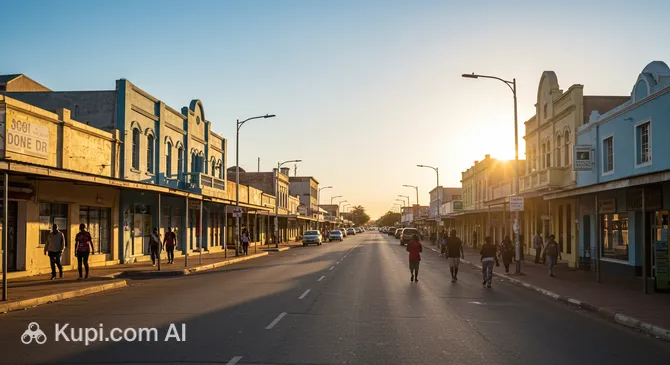
Francistown. Source: Kupi.Binoculars

The city owes much of its character to its rich past, having been the site of Southern Africa's first gold rush in the 19th century. Visitors interested in the origins of this settlement can explore the fascinating history of Francistown, which traces the transition from a mining town to a modern industrial center. This heritage is still visible today in the city's architecture and the enduring spirit of its community.

For those looking to experience local culture and nature, Francistown has several unique highlights. The Supa Ngwao Museum is a must-visit for history buffs, housing artifacts that tell the story of the Kalanga people and the early mining days. Nature enthusiasts will appreciate the Tachila Nature Reserve, a sanctuary located just outside the city that offers a chance to see local wildlife like giraffes and zebras in their natural habitat.

Whether you are passing through on a grand safari adventure or staying to experience the local lifestyle, Francistown welcomes you with open arms. Its blend of historical significance, convenient location, and friendly hospitality makes it a destination well worth discovering on your African journey.

Weather Overview

Francistown experiences a semi-arid climate with distinct seasonal variations that influence the best times for travel. The city generally enjoys plenty of sunshine throughout the year, though conditions change significantly between the wet and dry periods. For a comprehensive look at what to expect during your visit, you can consult the detailed guide to the weather in Francistown.

The summer months, spanning from November to March, are characterized by heat and humidity. During this time, daytime temperatures often climb above 30°C, with November and October seeing the highest peaks. This period also coincides with the rainy season; December and January are typically the wettest months, experiencing frequent afternoon thunderstorms that bring relief from the heat. Despite the rain, these months remain warm, with average temperatures hovering around 24°C to 25°C.

Conversely, the winter season from May to August brings cooler, drier air. June and July are the coldest months, where daily averages drop to approximately 16°C and nighttime lows can dip to a crisp 8°C. Rainfall is virtually non-existent during mid-winter, ensuring clear blue skies perfect for outdoor exploration. Overall, you can expect warm summers with occasional rain and cold, dry winters.

Interesting Facts

Beyond the main attractions, Francistown holds many fascinating secrets that reveal its deep roots and dynamic evolution. From tales of early prospectors to its status as a commercial giant, the city offers plenty of surprises for the curious traveler.

Galo Mall. Source: Kupi.Binoculars
  • Southern Africa's First Gold Rush: While the massive mines of South Africa often claim the spotlight, Francistown was actually the site of the very first gold rush in Southern Africa in the 1860s, triggering an influx of fortune seekers that permanently shaped the region's history.

  • The Legend of Blue Jacket: One of the city’s most famous thoroughfares, Blue Jacket Street, owes its name to a colorful prospector named Sam Andersen. He was a local legend famously known for always wearing a blue denim jacket during his mining expeditions.

  • The Man Behind the Name: The city is named after Daniel Francis, a founding director of the Tati Concessions Company. He acquired the mining rights to the land and formally laid out the town's plan in the late 19th century.

  • A Commercial Powerhouse: In recent years, the city has transformed into a bustling retail hub for the entire northern region. Modern centers like Galo Mall now stand as symbols of this rapid development, drawing shoppers from across the district.

How to Get There

Reaching this bustling commercial hub is straightforward, thanks to its strategic location and transport connections. Whether you are arriving from within Botswana or crossing borders from neighboring countries, you have several reliable options. For a detailed breakdown of all routes and transport modes, you can read more about how to get to Francistown to plan your journey effectively.

The most direct way to arrive is via the city's own transport hub, Francistown Airport (FRW). Conveniently located just 4.2 km from the city center, it offers a quick and easy entry point. The transfer to downtown is very short, typically taking about 10 to 15 minutes by taxi or shuttle. Although it is a smaller facility, it plays a crucial role in connecting the "Capital of the North" with other major destinations in the region.

Another option for travelers is Bulawayo Airport (BUQ), situated in the city of Bulawayo. It is located approximately 171.5 km from Francistown. While this airport handles a higher volume of passengers, choosing this route involves a cross-border journey. The transfer by road can take roughly 4.5 to 5 hours, depending on border formalities and traffic, but it serves as a viable alternative for those exploring the broader Southern African region.

For clarity, here is a summary of the main airports:

Airport Name City Passenger Traffic Km from City
Bulawayo Airport Bulawayo Medium 171.5
Francistown Airport Francistown Medium 4.2

Beyond air travel, Francistown is well-integrated into the national road and rail network. The city lies on the primary A1 highway, making it easily accessible by bus or private car from Gaborone and other major towns. Additionally, it serves as a key station on the railway line running through eastern Botswana, offering a scenic and leisurely alternative for visitors who prefer ground transport.

Main Attractions

Francistown offers a compelling mix of historical depth, natural beauty, and modern conveniences. As a city that grew from the gold rush era, its landmarks tell stories of the past while its newer developments showcase its role as a commercial hub. Visitors can easily spend a few days exploring museums, nature reserves, and vibrant local gathering spots.

One of the most important cultural sites is the Supa Ngwao Museum. Located in the city center, this institution serves as the custodian of the region's history, focusing on the heritage of the Kalanga people and the early days of Francistown. Housed in a historic colonial building that once served as a government camp and prison, the museum features fascinating exhibits on craftwork, musical instruments, and the history of gold mining in the area. It is an essential stop for anyone wishing to understand the local identity.

For nature lovers, the Tachila Nature Reserve provides a refreshing escape just a short drive from the urban bustle. Spanning a vast area of natural bushveld, the reserve is dedicated to wildlife preservation and environmental education. Visitors can embark on game drives to spot varied wildlife, including giraffes, zebras, kudus, and leopards, or enjoy guided nature walks that highlight the diverse flora of the ecosystem. It is a perfect destination for families and eco-tourists looking to connect with Botswana's wilderness.

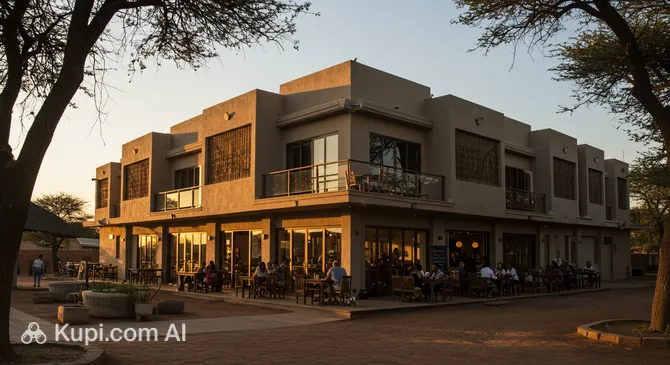
Francistown Marang Restaurant. Source: Kupi.Binoculars

Those seeking a relaxing atmosphere with a touch of local charm should visit the Francistown Marang Restaurant. Often associated with the well-known Marang Hotel, this establishment is situated on the banks of the Tati River. It is famous for its lush gardens and the resident vervet monkeys that often entertain guests. It is an excellent spot to enjoy a meal or a drink while soaking in the serene riverside views, making it a favorite among both locals and tourists.

Galo Mall. Source: Kupi.Binoculars

To experience the modern pulse of the city, a visit to Galo Mall is highly recommended. As one of the premier shopping destinations in the northern region, it offers a wide array of retail stores, supermarkets, and eateries. The mall is not just a place for shopping but a social hub where visitors can observe the daily life of the city's residents, enjoy a coffee, or pick up supplies before heading out on a safari adventure.

Local Cuisine

The culinary scene in Francistown is a delightful reflection of Botswana’s rich agricultural heritage, offering a hearty and unpretentious dining experience. As a major commercial hub, the city presents a mix of traditional Tswana cuisine and modern international influences. Beef is the undisputed king of the local table, renowned for its high quality, but visitors will also find plenty of chicken, goat, and maize-based staples that define the nation’s comfort food.

One dish that every traveler must try is Seswaa, the national dish of Botswana. This savory meal consists of beef or goat meat that is boiled until tender, salted, and then pounded into a shredded consistency. It is typically served with Bogobe (a thick porridge made from sorghum or maize meal) or Pap (stiff maize porridge) and accompanied by a side of Morogo, a nutritious wild spinach. The flavors are simple yet deeply satisfying, representing the soul of home cooking in the region.

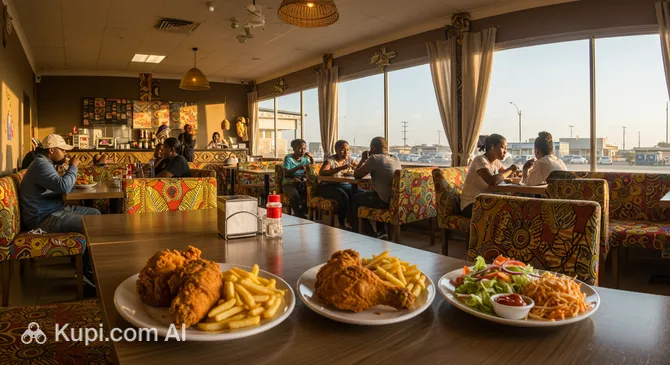
For those looking for a quick and popular local meal, the city offers several spots specializing in poultry. A notable establishment is the Francistown Fried Chicken Restaurant, where you can enjoy crispy, flavorful chicken that rivals international chains. Chicken is a staple in the local diet, often seasoned with distinct spices that give it a unique African twist.

Francistown Fried Chicken Restaurant. Source: Kupi.Binoculars

Street food culture is also vibrant, particularly around bus ranks and busy market areas. Here, you can find Magwinya, also known as fat cakes. These deep-fried dough balls are crisp on the outside and fluffy on the inside, often eaten plain or stuffed with mince and cheese. They make for an excellent breakfast or a filling snack while exploring the city.

When it comes to beverages, locals enjoy both traditional and commercial options. Gemere is a refreshing non-alcoholic homemade ginger beer that is sweet and spicy, perfect for hot afternoons. For those interested in alcoholic drinks, Chibuku (a traditional sorghum beer) offers an authentic taste of local brewing traditions, though it is an acquired taste for some. Alternatively, standard lagers are widely available at restaurants and bars, often enjoyed alongside a sunset view.

Dining venues in Francistown range from the food courts in modern shopping centers like Galo Mall to serene riverside spots. Whether you choose a sit-down dinner at a hotel restaurant or a casual meal at a bustling eatery, the food here is served with a generous dose of warm hospitality.

Travel Tips

Planning a trip to Francistown is an exciting prospect, and a few practical insights can make your visit to the "Capital of the North" even more enjoyable and stress-free. From navigating local transport to understanding cultural nuances, these essential tips will help you travel with confidence and ease.

  1. Clothing and Gear: Since Francistown has a semi-arid climate, lightweight and breathable fabrics like cotton or linen are ideal for the hot summer months. However, if you are visiting during the winter (May to August), be sure to pack a warm jacket or fleece, as temperatures can drop significantly in the evenings. Comfortable walking shoes are a must for exploring the city center or nature reserves, and a good hat and sunglasses are essential protection against the strong African sun.

  2. Transportation: The most convenient way for tourists to get around is by using taxis, which are easily identifiable by their blue number plates. Always agree on the fare before starting your journey, as many do not use meters. For a more local experience, you can try the combis (minibuses), which are affordable and follow set routes, though they can be crowded. If you plan to visit attractions outside the city limits, such as the Tachila Nature Reserve, renting a car is highly recommended for flexibility.

  3. Finances: The local currency is the Botswana Pula (BWP). Major credit and debit cards (Visa and Mastercard) are widely accepted in shopping malls like Galo Mall, hotels, and larger restaurants. However, it is wise to carry some cash for small purchases at markets, street food stalls, or for taxi fares. ATMs are plentiful in the city center and shopping areas. Tipping is not mandatory but is customary for good service in restaurants, usually around 10% of the bill.

  4. Health and Safety: Francistown is generally a safe city, but standard precautions apply; avoid walking alone in poorly lit areas at night and keep valuables secure. Pharmacies are readily available in major shopping centers and are typically well-stocked. While tap water in urban Botswana is often treated, short-term visitors are advised to stick to bottled water to avoid any stomach adjustments. Mosquito repellent is also recommended, especially if you plan to be outdoors in the evenings.

  5. Communication: English is the official language of Botswana and is widely spoken in Francistown, making communication very easy for most travelers. The national language is Setswana, and locals appreciate it if you learn a few basic phrases. A simple "Dumela" (Hello) can go a long way in establishing rapport. SIM cards from providers like Mascom or Orange can be easily purchased at the airport or local malls upon presentation of your passport.

  6. Local Etiquette: Botswana culture places a high value on greetings. It is polite to greet someone before asking a question or starting a transaction. When shaking hands, you may notice locals supporting their right elbow with their left hand; this is a sign of respect that you can emulate. Always ask for permission before taking photographs of people, as privacy is valued.

  7. What to Avoid: Strictly avoid wearing camouflage clothing. In Botswana, camouflage print is reserved for the military, and wearing it as a civilian can lead to questioning or confiscation of the items. Additionally, avoid public displays of anger or raising your voice, as this is considered very rude and counterproductive in local culture.

  8. Shopping Hours: Be mindful that business hours can be quite traditional. Most smaller shops and businesses in Francistown close by Saturday afternoon (around 1:00 PM or 2:00 PM) and remain closed on Sundays, except for major supermarkets and malls. Plan your souvenir shopping or banking needs for weekdays or Saturday mornings to avoid disappointment.

By keeping these practical tips in mind, you will be well-prepared to embrace the warm hospitality and unique rhythm of Francistown. Whether you are here for business or leisure, respecting local customs and being prepared for the environment will ensure a memorable and hassle-free stay.

Entertainment & Nightlife

Nightlife in Francistown offers a welcoming blend of laid-back social hubs and energetic venues, reflecting the city's friendly and unpretentious character. While it may not have the frenetic pace of a massive metropolis, the "Capital of the North" comes alive after dark, particularly on weekends. The scene is dominated by hotel bars, open-air pubs, and a few lively clubs where locals and visitors mingle freely. The atmosphere is generally casual, with a focus on good music, conversation, and enjoying the warm African evenings.

For those seeking a relaxed evening with a touch of scenic beauty, the Francistown Marang Restaurant is a standout choice. Situated along the banks of the Tati River, this venue is perfect for enjoying a "sundowner" drink while watching the sunset over the water. The setting is serene, often accompanied by the sounds of nature, making it an ideal spot for a quiet dinner or a romantic evening out away from the noise of the city center.

If you prefer a more modern and bustling environment, Galo Mall serves as a key entertainment anchor in the city. Beyond its retail options, the complex transforms in the evening into a safe and convenient social hub. The mall features several dining establishments that remain open late, offering a perfect setting for a night out with family or friends. It provides a comfortable atmosphere where you can enjoy a meal and the company of others in a secure, well-lit environment.

The heartbeat of the city's late-night entertainment can often be found in the central business district and along Blue Jacket Street. A major highlight in this area is the Thapama Hotel, which houses the popular Sedibeng Casino. This venue is a significant part of the city's nightlife, attracting both business travelers and residents looking for excitement. Nearby, you will find local clubs playing a vibrant mix of House, Hip Hop, and local Kwasa Kwasa music. The crowd is typically energetic and dressed in smart-casual attire, with parties often lasting until the early hours of the morning.

When planning a night out, safety and logistics are important. It is highly recommended to use taxis for getting around after dark rather than walking, even for short distances. Look for official taxis with blue number plates. Prices are generally affordable, but it is wise to carry cash and agree on a fare beforehand if the meter is not used. The best time to experience the nightlife is from Friday to Saturday night, while Sundays are typically much quieter.

Before the sun sets, Francistown offers several daytime entertainment options to fill your itinerary. Cultural enthusiasts can revisit the Supa Ngwao Museum to delve deeper into regional history, while nature lovers can explore the nearby Tachila Nature Reserve. Although the city lacks large-scale amusement parks, the community parks and sports clubs provide pleasant spaces for leisure and recreation during the day.

Parks & Museums

While Francistown is primarily recognized as a commercial hub, it offers distinct pockets of greenery and rich cultural repositories that provide a deeper understanding of the region. Visitors taking the time to explore beyond the shopping centers will find significant natural areas and historical institutions that celebrate the heritage of the Kalanga people and the city's mining roots.

The most prominent natural attraction in the vicinity is the Tachila Nature Reserve. Located just a few kilometers from the city center, this expansive conservation area serves as a vital green lung and a sanctuary for local wildlife. It is designed not only for leisure but also for environmental education, offering visitors the chance to walk through natural bushveld and spot species such as impalas, warthogs, and leopards. Another refreshing area is the riverine environment along the Tati River. Although seasonal, the riverbanks provide a habitat for birdlife and offer a cooler, shaded atmosphere for leisurely walks, particularly near the older parts of the town where the vegetation is dense and mature.

For cultural immersion, the Supa Ngwao Museum stands as the city's premier institution. It serves as the main regional museum, housing a collection that covers the history of human settlement in the area, from early inhabitants to the colonial era. The exhibits include traditional crafts, musical instruments, and pottery, providing excellent insight into local life. While Francistown does not have a multitude of large galleries, the museum often hosts temporary art exhibitions and supports local artisans, making it a central hub for the creative community.

The city itself can be viewed as an open-air museum due to its status as the site of Southern Africa's first gold rush. Historical enthusiasts should look out for the remnants of the Old Monarch Mine, which offer a glimpse into the 19th-century mining boom that founded the city. Additionally, the city center features several examples of colonial-era architecture, such as the old government buildings and the historic railway station, which stand as monuments to the town's strategic importance in the development of Botswana's transport network.

For a truly authentic experience, consider hiking up Nyangabgwe Hill. It is not a park in the traditional sense, but this prominent landmark offers the best panoramic views of the city and the surrounding landscape. It is a popular spot for locals to exercise and watch the sunset, providing a unique perspective on the layout of the "Capital of the North."

Getting Around

Navigating Francistown is a relatively straightforward experience, as the public transport system is compact and relies almost entirely on road-based vehicles. Unlike larger global metropolises, the city does not have a metro, tram, or trolleybus network. Instead, the local transit ecosystem is built around minibuses, locally known as combis, and sedan taxis. These vehicles serve as the lifeline of the city, connecting the central business district with residential suburbs and outlying areas efficiently and affordably.

The most common form of transport for locals is the combi. These white minibuses follow set routes and are easily recognized by their blue number plates, a legal requirement for all public service vehicles in the region. Combis do not operate on a strict timetable; instead, they depart from the main terminus, known as the Bus Rank, once every seat is filled. While this might sound unpredictable to a first-time visitor, the high volume of passengers usually ensures that waiting times are short during peak hours.

For a more direct and comfortable journey, taxis are widely available. In Francistown, taxis operate in two distinct ways: "shared" and "special." A shared taxi functions similarly to a combi, picking up multiple passengers along a designated route for a fixed low fare. A "special" taxi, on the other hand, is a private hire service that will take you directly to your specific destination without other stops. This option is significantly more expensive than the shared version but offers greater convenience, especially if you are carrying luggage or traveling in a group.

The payment system across all forms of public transport is strictly cash-based. There are no travel cards, digital apps, or validated tickets. You simply pay the driver or the conductor in cash upon boarding or disembarking. Fares are regulated by the government and are generally very affordable. It is highly advisable to carry small denominations of the local currency, as drivers may struggle to provide change for large notes. Prices for shared routes are fixed, while fares for "special" taxi rides should be agreed upon before the journey begins if the vehicle is not equipped with a meter.

Tourists should be aware of the operating hours, which differ from those in major European or American cities. Public transport is most active from sunrise until early evening. Combis and shared taxis typically stop running shortly after sunset, around 7:00 PM or 8:00 PM. If you plan to be out late dining or enjoying the nightlife, you will need to arrange a private taxi in advance or have the number of a reliable taxi service, as hailing a ride on the street at night can be difficult.

While the city center is compact enough to be explored on foot, walking is only recommended during the day and for short distances within the commercial areas. For those who prefer complete independence, car rental is a popular alternative. Several international and local rental agencies operate within the city and at the airport. Having your own vehicle allows for greater flexibility, particularly if you wish to visit attractions on the outskirts, such as nature reserves, where public transport routes do not extend.

Accommodation

Finding the right place to stay in Francistown is relatively easy, as the city offers a diverse range of accommodation options to suit various budgets and preferences. As a key transit and commercial hub, the hospitality sector is well-developed, ranging from convenient business hotels and cozy bed-and-breakfasts to scenic lodges located on the outskirts. Whether you are passing through for a night or staying longer to explore the region, you will find facilities that blend modern comfort with traditional Batswana hospitality.

For those who prioritize convenience and accessibility, the city center and the immediate surroundings of the Central Business District are the most popular choices. Staying in this area places you within walking distance of major transport terminals and shopping centers. For instance, accommodation near Galo Mall is highly sought after by travelers who want quick access to supermarkets, banks, and restaurants. This central location is particularly advantageous for business travelers or those relying on public transport.

If you prefer a more tranquil atmosphere, consider looking for lodges situated along the banks of the Tati River or on the city's periphery. These areas offer a distinct "bush" feel while still being just a short drive from downtown. Establishments here often feature lush gardens and swimming pools, providing a relaxing retreat from the dusty heat of the city. These spots are ideal for families and tourists seeking a quieter environment where they might even spot small wildlife or monkeys in the trees.

In terms of pricing and booking, Francistown is generally affordable compared to the luxury safari camps in the Okavango Delta. Options range from budget-friendly guesthouses and backpacker-style lodgings to mid-range hotels that offer air conditioning, Wi-Fi, and secure parking. While walk-ins are often possible at smaller establishments, it is advisable to book in advance using online platforms or by contacting the property directly, especially for the larger, well-known hotels.

Booking Tip: Accommodation can fill up quickly during major holidays and local trade fairs. If you are planning to visit during the Christmas season or when a major business conference is in town, try to secure your reservation at least a few weeks ahead to ensure you get your preferred choice.

Nearby Cities

For those looking to explore the surroundings, Francistown serves as an excellent base for day trips to several interesting nearby locations:

One of the most accessible destinations is Selebi-Phikwe, located approximately 96 km southeast of the city. Originally developed as a copper and nickel mining town, it has evolved into a regional center with unique industrial heritage. Visitors often head to the nearby Letsibogo Dam, a popular spot for fishing, picnics, and sailing, offering a refreshing break by the water.

Another fascinating option is Serowe, situated about 159 km away. Known historically as one of the largest traditional villages in sub-Saharan Africa, it is the capital of the Bangwato people and the birthplace of Botswana's first president. The town is rich in culture, housing the Khama III Museum and the Royal Cemetery. Just a short drive from the village lies the famous Khama Rhino Sanctuary, a community-based wildlife project that provides excellent opportunities to spot both white and black rhinos in their natural habitat.

Although slightly further afield, Mahalapye serves as a convenient stopover on the edge of the Kalahari. It is a key station on the railway line and offers a glimpse into the quieter, slower pace of life in the Central District, making it a potential stop for those interested in the local railway history and semi-arid landscapes.

City Population Distance (km)
Molepolole 67598 413
Mogoditshane 57637 417
Mahalapye 50744 226
Selebi-Phikwe 49724 96
Serowe 48573 159

These nearby destinations offer a glimpse into the diverse culture and landscapes of the region.

Shopping & Souvenirs

As the primary commercial hub of northern Botswana, Francistown offers a robust shopping scene that caters to both locals and travelers heading into the wild. While it may not be a high-fashion destination, the city provides an excellent mix of modern retail convenience and vibrant local trading. It is the perfect place to stock up on camping supplies, groceries, and safari gear before venturing further north to the Okavango Delta or Chobe, or simply to browse for unique regional crafts.

The heart of the city's commercial activity runs along Blue Jacket Street and the surrounding Central Business District. This bustling thoroughfare is lined with a variety of shops, banks, and service providers. Walking down this street offers a glimpse into the daily rhythm of the city, where formal stores sit alongside street vendors selling airtime, newspapers, and snacks. It is a lively area where you can find everything from clothing and electronics to hardware and pharmacies.

For a more modern and relaxed shopping experience, the city boasts several shopping complexes. Galo Mall is a favorite among tourists and residents alike, offering a comprehensive selection of international fashion chains, well-stocked supermarkets, and specialty stores in an air-conditioned environment. Another notable center is Nswazwi Mall, which provides additional retail options and is conveniently located in the town center, making it easy to hop between different shops.

To experience the authentic local atmosphere, a visit to the markets near the Bus Rank is essential. This area is a hive of activity where informal traders sell fresh produce, colorful textiles, and affordable clothing. It is a sensory experience filled with the sounds of bargaining and the scents of street food. Here, you can find fresh fruits and vegetables at a fraction of the supermarket price and interact with friendly locals who are the backbone of the city's economy.

When searching for souvenirs to take home, look for traditional Batswana craftsmanship. The region is known for its exquisite woven baskets, which are both beautiful and functional. You can also find hand-carved wooden animals, pottery, and jewelry made from ostrich eggshells. Printed fabrics, often used for traditional attire, are also a popular buy and make for excellent gifts or keepsakes of your African journey.

Most shops in Francistown operate from 8:00 AM or 9:00 AM until 5:00 PM or 6:00 PM on weekdays. On Saturdays, many smaller businesses and street vendors close by 1:00 PM, though the major shopping malls usually remain open until 5:00 PM or later. Sundays are generally quiet, with most independent shops closed, although supermarkets and mall stores often have reduced operating hours. While major retailers, hotels, and restaurants readily accept credit and debit cards (Visa and Mastercard), it is highly recommended to carry cash (Botswana Pula) for transactions at markets, street stalls, and smaller shops.

Tourists visiting Botswana may be eligible for a VAT refund on goods purchased within the country. If the total value of your purchases exceeds a certain amount, you can claim a refund of the Value Added Tax upon departure at major border posts or airports. Be sure to ask for a tax invoice when making significant purchases at registered stores and keep your receipts handy to present to customs officials when leaving the country.

Nearby cities

Reached the end of the page?

That means the route is fully explored