Support

Bulawayo

About

Welcome to Bulawayo, a vibrant city often celebrated for its rich cultural heritage and distinctively wide, tree-lined avenues. As the second-largest city in Zimbabwe, it serves as a major industrial and transport hub while maintaining a relaxed and welcoming charm that sets it apart from the capital. Known affectionately as the "City of Kings," Bulawayo offers a unique blend of colonial architecture and bustling local life.

Situated in the southwestern part of the country, the city enjoys a pleasant subtropical climate, making it an attractive destination year-round. With a population of over 650,000 residents, it serves as the principal center for the Matabeleland region. The city is famous for its spacious urban design; the streets were historically built wide enough to allow a wagon team of oxen to make a full turn, a feature that contributes to its airy and open atmosphere today.
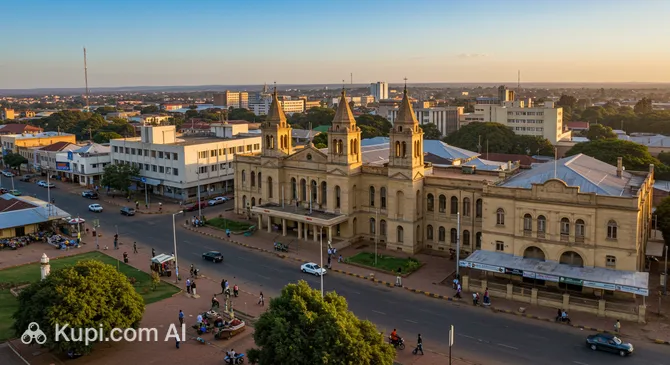
Bulawayo. Source: Kupi.Binoculars

The history of Bulawayo is deeply intertwined with the legacy of the Ndebele kingdom and the development of the region. This historical depth is reflected in its numerous heritage sites and museums. Travelers are often drawn to the Natural History Museum of Zimbabwe, which is regarded as one of the best in the Southern Hemisphere, housing extensive collections that illustrate the country's biodiversity and past.

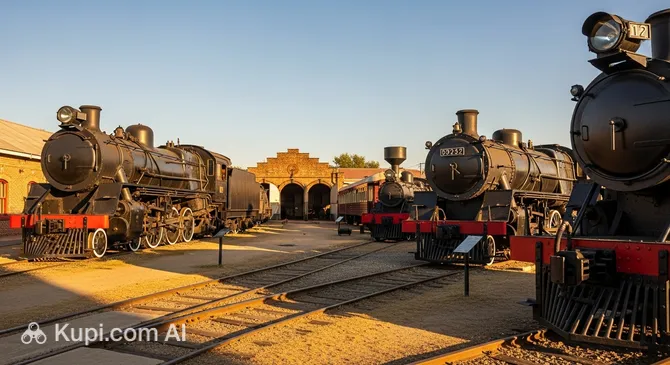
Another highlight for visitors is the Bulawayo Railway Museum, which offers a fascinating glimpse into the era of steam trains and the expansion of the railway network across Africa. Furthermore, the city acts as the perfect gateway to the stunning Matobo National Park, a UNESCO World Heritage site renowned for its balancing granite rocks and ancient rock art, located just a short drive away.

Whether you are interested in exploring fascinating museums, admiring historic architecture, or seeking a starting point for safari adventures, Bulawayo promises a memorable experience. Its friendly locals and laid-back pace make it a must-visit stop on any Zimbabwean itinerary.
Weather Overview

Bulawayo generally enjoys a moderate subtropical climate, making it a comfortable destination for most of the year. Travelers checking the weather in Bulawayo can expect warm, rainy summers and mild, dry winters with crisp evenings.

The summer season, spanning roughly from November to March, brings the highest temperatures and the majority of the region's rainfall. Average temperatures during these months stay around 22°C to 24°C, with daily highs peaking near 30°C in October and November. January and December are typically the wettest months, experiencing up to 16 or 17 wet days, so packing a raincoat is advisable for this period.

Conversely, the winter months from May to August are characterized by clear blue skies and cooler conditions. Average temperatures dip to approximately 15°C in June and July, and nights can be quite cold with lows dropping to around 8°C. This season is remarkably dry, with months like July and August typically recording 0 wet days, providing excellent visibility for sightseeing and outdoor activities.

Interesting Facts

Beyond the main attractions, Bulawayo holds many fascinating secrets that reveal the depth of its heritage. From unique museum exhibits to the origins of its name, there are plenty of intriguing details to discover.
  • The Natural History Museum of Zimbabwe is home to the second-largest mounted elephant in the world. This impressive specimen is a centerpiece of the institution, which boasts one of the most extensive collections in the Southern Hemisphere, featuring over 75,000 specimens.

  • History enthusiasts will find a rare treasure at the Bulawayo Railway Museum: the personal carriage of Cecil John Rhodes. The coach is preserved in its original state, complete with the furniture and dining utensils used during the early 20th century.

  • While the city is affectionately known as the "City of Kings," its official name has a much fiercer origin. "Bulawayo" is derived from the Ndebele word KoBulawayo, which translates to "the place of slaughter" or "the place of persecution," referencing the historical battles during the reign of King Lobengula.

  • Bulawayo is renowned for having one of the highest concentrations of Victorian and Edwardian architecture in the country. Many of these heritage buildings are meticulously preserved and remain in active use, giving the city center a distinctive, timeless atmosphere that feels like a step back in time.

Bulawayo Railway Museum. Source: Kupi.Binoculars

How to Get There

Traveling to this major Zimbabwean hub is relatively straightforward, with air travel being the most time-efficient method for international and regional visitors. While the city is well-connected by road and rail networks, flying remains the most popular choice for comfort and speed. You can find more about how to get to Bulawayo on our detailed transport page.

The primary gateway for most travelers is Bulawayo Airport (IATA: BUQ), also known as Joshua Mqabuko Nkomo International Airport. Conveniently located just 15 km from the city center, it is a regional hub handling approximately 200,000 passengers annually. The airport offers essential connections to domestic locations and neighboring countries. Once you land, a taxi or shuttle transfer to the downtown area typically takes about 45 minutes.

For those exploring the wider region or arriving from neighboring Botswana, Francistown Airport (IATA: FRW) serves as an alternative entry point. It is important to note that this airport is located in the city of Francistown, Botswana, which is approximately 161 km from Bulawayo. Travelers choosing this route will need to cross the border, and the subsequent drive to Bulawayo takes roughly 4.5 hours. This option is generally best suited for those planning a multi-country itinerary.

Beyond air travel, Bulawayo is a significant transport node for Zimbabwe. It is well-linked by a network of long-distance buses and is historically known as the headquarters of the national railway system, offering train services from major cities like Victoria Falls and Harare.

For clarity, here is a summary of the main airports:

Airport Name City Passenger Traffic Km from City
Bulawayo Airport Bulawayo Medium 14.6
Francistown Airport Francistown Small 161.4

Main Attractions

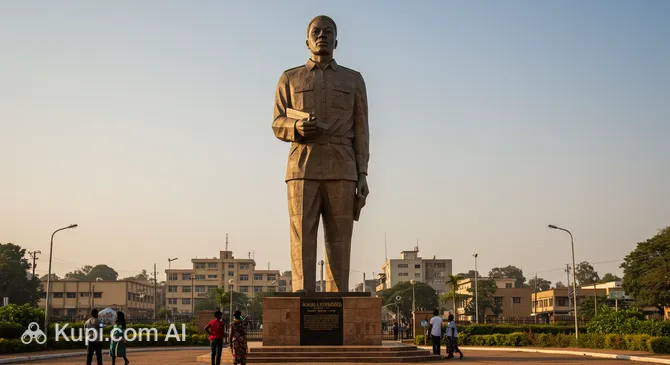
One of the most prominent landmarks in the city center is the Joshua Mqabuko Nkomo Statue. Located at the intersection of Main Street and 8th Avenue, this imposing bronze figure honors the legacy of a revered national leader. For tourists, it serves as a significant point of orientation and a powerful symbol of the country's history, making it a popular spot for photographs while exploring the downtown area.

Joshua Mqabuko Nkomo Statue. Source: Kupi.Binoculars

For those looking to dive deep into the region's past and biodiversity, the Natural History Museum of Zimbabwe is an essential stop. Situated in Centenary Park, this circular building houses one of the most extensive collections in Southern Africa. Visitors can spend hours wandering through exhibits that range from geological wealth and entomology to a comprehensive walkthrough of Zimbabwean history, offering a fascinating educational experience for all ages.

Transport enthusiasts will find the Bulawayo Railway Museum to be a captivating attraction. Located near the main railway station, this outdoor museum preserves a bygone era of steam travel. It features a remarkable collection of vintage locomotives, rolling stock, and historical artifacts that tell the story of how the railway network shaped the development of the region, set against the backdrop of an atmospheric station building.

If you are looking for a modern lifestyle experience, the Zonkizizwe Shopping Centre in the Bradfield suburb offers a relaxed environment. It is a favorite among locals and visitors alike for its variety of dining options, cafes, and specialty stores. This is an excellent place to unwind after a day of sightseeing, enjoy a meal, or pick up some local goods in a comfortable, contemporary setting.

Local Cuisine

The culinary landscape of Bulawayo is a delightful reflection of its location in the heart of Zimbabwe's cattle country. The city is renowned for its high-quality beef, which features prominently in many local meals. For an authentic taste of the region, visitors must try the staple dish known locally as Isitshwala (often called Sadza elsewhere). This thick, white maize porridge is traditionally eaten by hand and served with savory relishes, such as slow-cooked beef stews, roasted chicken, or leafy greens like rape or covo prepared with peanut butter.

For the adventurous foodie, Bulawayo offers the chance to try a distinct regional delicacy: Macimbi (Mopane worms). These protein-rich caterpillars are harvested from Mopane trees, dried, and then fried or cooked in a sauce. They have a crunchy texture and a nutty flavor that is highly prized by locals. You can find them sold by street vendors in the bustling markets or occasionally on the menus of restaurants specializing in traditional heritage cuisine.

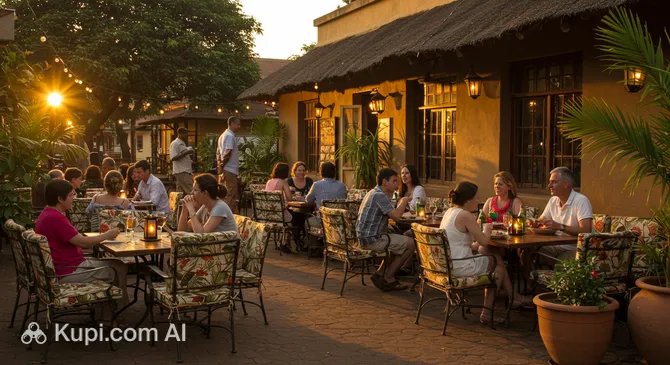
The city's dining scene ranges from casual takeaways to sit-down establishments offering international flavors. A popular spot for those seeking a vibrant atmosphere and flavorful dishes is the Mozambik Restaurant. Here, diners can enjoy Afro-Portuguese cuisine, with grilled prawns and spicy chicken being crowd favorites, perfectly complementing the city's relaxed dining culture.

Mozambik Restaurant. Source: Kupi.Binoculars

Quick bites are also a big part of the local food culture. The city has a strong affinity for fried chicken, and places like the Bulawayo Fried Chicken Restaurant are local institutions where you can grab a hearty, satisfying meal on the go. These spots are often busy with locals during lunch hours, offering a glimpse into the everyday rhythm of the city.

When it comes to beverages, Zimbabwe has a few icons worth sampling. Traditional sorghum beer, known commercially as Chibuku or "Shake Shake," is a thick, opaque drink with a sour taste that is deeply rooted in local culture. For something lighter, local lagers like Zambezi are widely available. To unwind in the evening, visitors often head to stylish venues such as Zarah Lounge or The Boundary, where you can enjoy a cold drink and soak up the lively social scene.

Travel Tips

Visiting the "City of Kings" is a delightful experience, but a few practical preparations can make your trip even smoother and more enjoyable. Here are some essential tips to help you navigate local customs, logistics, and daily life in this welcoming Zimbabwean city.

  1. Clothing and Gear: The climate dictates your wardrobe; summers (November to March) are warm and require light, breathable fabrics and a raincoat, while winters (May to August) bring sunny days but surprisingly cold nights, so a warm jacket or fleece is essential. Since Zimbabwe uses Type G (British style) and sometimes Type D or M plugs, bringing a universal travel adapter is highly recommended.

  2. Transportation: For most tourists, private taxis or arranged transfers are the most convenient and safe way to get around the city. While local minibuses, known as kombis, are ubiquitous and cheap, they can be crowded and drive efficiently but somewhat chaotically. If you plan to visit the nearby Matobo National Park, renting a car is the best option for flexibility.

  3. Finances: Cash is king in Bulawayo. While international Visa and Mastercards are accepted in major hotels and supermarkets, they can sometimes be offline. It is advisable to carry US dollars in small denominations ($1, $5, $10), as change is often scarce. Tipping is appreciated, generally around 10% in restaurants.

  4. Health and Safety: Bulawayo is known for being one of the safest and most relaxed cities in the country, but standard precautions like not walking alone in unlit areas at night still apply. Pharmacies are readily available in the Central Business District (CBD) during the day. To stay healthy, stick to bottled water rather than tap water.

  5. Communication: English is an official language and is widely spoken, making communication very easy for travelers. The main local language is Ndebele; learning a simple greeting like "Salibonani" (Hello) will earn you warm smiles. Local SIM cards from providers like Econet or NetOne are easy to purchase with a passport and offer reliable data coverage.

  6. Local Etiquette: Zimbabweans are polite and respectful. It is customary to greet people with a handshake and ask "How are you?" before starting a transaction or asking for directions. Rushing into a conversation without a proper greeting is considered rude. Always ask for permission before taking photos of people.

  7. What to Avoid: Strictly avoid wearing any form of camouflage clothing, as it is illegal for civilians and reserved solely for the military. Additionally, refrain from taking photographs of government buildings, police stations, or military personnel to avoid unnecessary trouble with authorities.

  8. Additional Tip: Be prepared for occasional power cuts by carrying a fully charged power bank and a small flashlight. Many locals and businesses have generators or solar power, but having your own backup ensures you stay connected and comfortable.

With these practical tips in hand, you are well-prepared to embrace the friendly atmosphere and rich heritage of Bulawayo. Enjoy the relaxed pace of life, connect with the locals, and have a safe and memorable adventure.

Entertainment & Nightlife

Bulawayo is widely regarded as the cultural hub of Zimbabwe, offering an entertainment scene that is rich in artistic heritage and relaxed social experiences. Unlike the bustling energy often found in larger capitals, this city invites visitors to enjoy a slower, more meaningful pace, whether exploring creative spaces or enjoying the pleasant evening climate.

Art lovers will find the city particularly engaging. It is home to the National Gallery of Zimbabwe in Bulawayo, housed in a stunning colonial-era building on Main Street. This institution serves as a vibrant center for the visual arts, hosting regular exhibitions, studios, and workshops that showcase the immense talent of local painters, sculptors, and craftspeople.

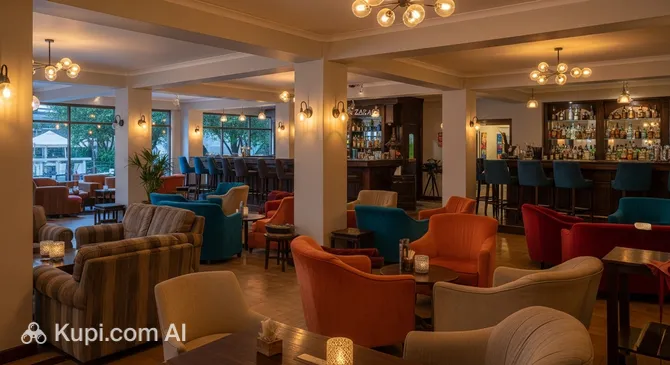
For those seeking a night out, the city offers a variety of sophisticated yet laid-back options. The nightlife here is characterized by open-air settings and stylish venues where conversation flows easily. Zarah Lounge is a favorite among locals and visitors for its modern ambiance and central location, making it an ideal spot to enjoy a cocktail after a day of sightseeing.

Zarah Lounge. Source: Kupi.Binoculars

Similarly, The Boundary offers a fantastic outdoor atmosphere, perfect for soaking up the warm summer nights with good music and company. These venues highlight the city's friendly and welcoming nature, where the focus is on connection and relaxation rather than high-octane clubbing.

Shopping also serves as a form of entertainment here, blending modern convenience with traditional charm. While the Zonkizizwe Shopping Centre caters to contemporary needs with its boutiques and eateries, the City Hall Curio Market offers a more authentic experience. Here, travelers can browse through rows of handcrafted soapstone carvings, basketry, and beadwork, engaging directly with the artisans who keep the region's crafting traditions alive.

Parks & Museums

Bulawayo is a city where history and nature coexist harmoniously, offering visitors a delightful mix of leafy green spaces and profound cultural institutions. The city’s urban planning, characterized by wide avenues, is complemented by well-maintained parks and a museum circuit that ranks among the best in Southern Africa.

For a refreshing escape within the city limits, Centenary Park is the primary green lung of Bulawayo. Located close to the city center, this expansive area features manicured lawns, vibrant flower beds, and a miniature railway that is a hit with families. It is a perfect spot for a leisurely afternoon stroll or a picnic in the shade. Just a short distance away, the Hillside Dams Conservancy offers a more rugged natural experience. This community-run sanctuary features picturesque dams, walking trails winding through aloe gardens, and rocky outcrops, making it a favorite retreat for birdwatchers and nature lovers seeking tranquility.

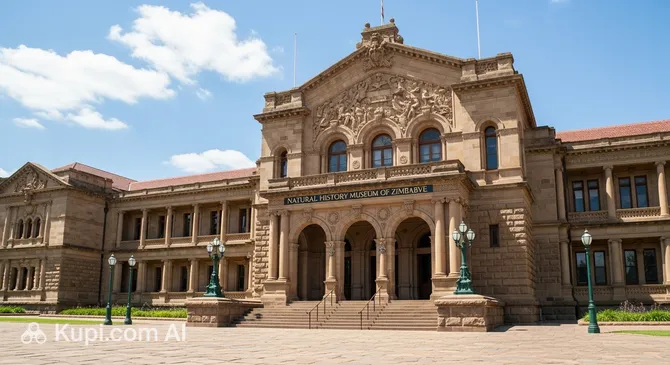
The city's cultural landscape is anchored by the impressive Natural History Museum of Zimbabwe. Situated within the lush grounds of Centenary Park, this facility is a treasure trove of knowledge, boasting one of the largest collections in the region. Visitors can explore fascinating exhibits ranging from geology and entomology to the history of early man. It is an essential stop for anyone wanting to understand the rich biodiversity and heritage of the country.

Natural History Museum of Zimbabwe. Source: Kupi.Binoculars

Another captivating institution is the Bulawayo Railway Museum, located in the Raylton suburb. This outdoor museum is a nostalgic journey into the golden age of steam travel. It houses a remarkable assortment of vintage locomotives, carriages, and railway memorabilia that highlight the pivotal role the railway played in the development of the interior. The collection includes historic coaches and maintenance equipment, offering a unique tactile experience for history enthusiasts.

In addition to these museums, the National Gallery of Zimbabwe in Bulawayo deserves a mention. Housed in the magnificent Douslin House, a colonial-era building with a stunning courtyard, the gallery showcases contemporary Zimbabwean art. It provides a platform for local artists to display their sculptures, paintings, and installations, reflecting the dynamic creative spirit of the city.

When exploring the city's historical landmarks, the Joshua Mqabuko Nkomo Statue stands as a central figure of reverence. Located at the intersection of Main Street and 8th Avenue, this towering monument commemorates the late Vice President and nationalist leader. It is not only a significant photo opportunity but also a poignant reminder of the nation's journey, situated right in the heart of the bustling city center.

For a truly authentic local experience, head to the tea garden located within the Hillside Dams Conservancy. It is a hidden gem where you can enjoy a cup of tea or a light meal surrounded by nature, often accompanied by the sound of birds and the rustle of trees. This spot offers a peaceful contrast to the city center and is a beloved weekend hangout for Bulawayo residents.

Getting Around

Navigating Bulawayo is a relatively straightforward experience, though the public transport system differs significantly from what visitors might be used to in Europe or North America. The city does not have a metro, tram, or formal municipal bus network. Instead, the backbone of local transportation consists of privately owned minibuses, locally known as kombis. These 15-to-18-seater vans connect the Central Business District (CBD) with residential suburbs and are the most common way for locals to get around.

For tourists, using kombis can be an authentic way to experience local life, but it requires some know-how. There are no fixed timetables; vehicles depart from designated termini (such as the area near City Hall) only when they are full. To catch one along the road, you simply flag it down. The destination is usually displayed on the front windscreen, or a conductor will shout it out. While they are efficient and inexpensive, they can be crowded and often play loud music, making them a lively but sometimes overwhelming option for a first-time visitor.

The payment system in Bulawayo is almost exclusively cash-based. There are no travel cards, digital passes, or tap-to-pay systems for public transport. You will need to pay the conductor directly after boarding. It is critically important to carry small denominations of US dollars (specifically $1 bills), as conductors rarely have change for larger notes. Fares are generally fixed for trips within the city limits and are very affordable.

For a more comfortable and flexible alternative, taxis are highly recommended for tourists. Unlike the roaming cabs found in other cities, taxis here are typically found at designated ranks, such as near major hotels or large supermarkets. Most taxis do not run on meters, so you must negotiate and agree on the fare with the driver before getting into the vehicle. While ride-hailing apps have tried to enter the market, traditional taxi services remain the most reliable option.

Car rentals are another popular choice, especially for those planning to visit attractions on the outskirts, such as the nearby national parks. Driving in the city is generally pleasant due to the famously wide avenues, which were historically designed to allow a wagon team of oxen to make a full turn. This unique urban design feature significantly reduces congestion compared to other major cities in the region.

Walking is also a viable option for exploring the city center. The grid layout makes navigation easy, and the broad, tree-lined streets offer plenty of pedestrian space. However, if you are moving between suburbs or traveling at night, it is safer to arrange a private taxi transfer through your hotel or accommodation provider.

Accommodation

Where to Stay:

Finding the perfect place to stay in Bulawayo is generally a stress-free experience, as the city offers a welcoming range of accommodation options to suit various budgets and travel styles. Unlike the high-traffic tourist hubs, the hospitality scene here feels personal and relaxed. Visitors can choose from historic colonial-era hotels that exude old-world charm, modern city apartments, or leafy suburban guest houses that offer a "home away from home" atmosphere. For those seeking a bit more luxury, there are also several boutique lodges located on the outskirts, providing a tranquil escape with lush gardens and swimming pools.

When choosing a location, the decision largely depends on your itinerary. Staying in the Central Business District (CBD) is ideal for travelers who want to be within walking distance of museums, galleries, and historic architecture. This area places you right in the heart of the city's daily rhythm. Conversely, the leafy suburbs such as Hillside, Suburbs, and Burnside are popular for those who prefer a quieter environment. These areas are just a short drive from the center and are often characterized by spacious properties, making them perfect for families or those with a rental vehicle.

The price range for accommodation in Bulawayo is generally quite reasonable compared to other major tourist destinations in the region. You can find comfortable budget-friendly guest houses and backpacker options, as well as mid-range hotels that offer excellent value for money. Luxury lodges are available but tend to be more affordable here than in safari hotspots like Victoria Falls. Most establishments accept online bookings through major platforms, but for smaller guest houses, contacting them directly can sometimes secure a better rate.

Booking Tip: While accommodation is usually available year-round, the city gets incredibly busy during the Zimbabwe International Trade Fair (ZITF), which typically takes place in April. During this week, hotels and lodges are often fully booked months in advance, and prices can surge. If your trip coincides with this major event, it is essential to secure your reservation as early as possible.

Nearby Cities

For those looking to explore the surroundings, Bulawayo serves as an excellent base for day trips to several interesting nearby locations:

The closest major city for a convenient excursion is Gweru, located approximately 149 km to the northeast. Known as the "City of Progress," it is the capital of the Midlands Province. It is particularly famous among travelers for the nearby Antelope Park, a private game reserve that offers unique wildlife interactions and conservation experiences. The city also houses the Zimbabwe Military Museum, which features a collection of military aircraft and vehicles.

Situated about 235 km away, Masvingo is a significant destination for history enthusiasts. Although it requires a longer drive, it serves as the gateway to the Great Zimbabwe National Monument, a UNESCO World Heritage site. These massive stone ruins are the largest medieval structure in sub-Saharan Africa and offer a profound insight into the region's ancient civilizations.

Another accessible town is Kwekwe, found roughly 187 km from Bulawayo. While primarily an industrial hub known for gold mining, it offers visitors a chance to explore the National Mining Museum. This facility provides an intriguing look at the geological wealth and mining history that has played a pivotal role in the country's development.

City Population Distance (km)
Harare 2,150,000 365
Chitungwiza 371,244 351
Gweru 141,260 149
Kwekwe 93,072 187
Masvingo 90,286 235

These nearby destinations offer a glimpse into the diverse culture and landscapes of the region.

Shopping & Souvenirs

Shopping in Bulawayo offers a relaxed and authentic experience, blending modern convenience with a rich tradition of craftsmanship. While the city may not boast the massive mega-malls found in other global capitals, it provides a pleasant mix of well-stocked shopping centers and vibrant open-air markets. Visitors will find everything from essential travel supplies and international brands to unique handmade treasures that reflect the artistic heritage of the Matabeleland region.

The heart of the city's retail activity is located in the Central Business District (CBD). Thanks to the city's famous wide avenues, exploring the downtown area on foot is comfortable and easy. Streets such as Jason Moyo Street and Joshua Mqabuko Nkomo Street (formerly Main Street) are lined with a variety of department stores, clothing boutiques, and supermarkets. This area is bustling during the day, offering a glimpse into the daily commercial life of the locals.

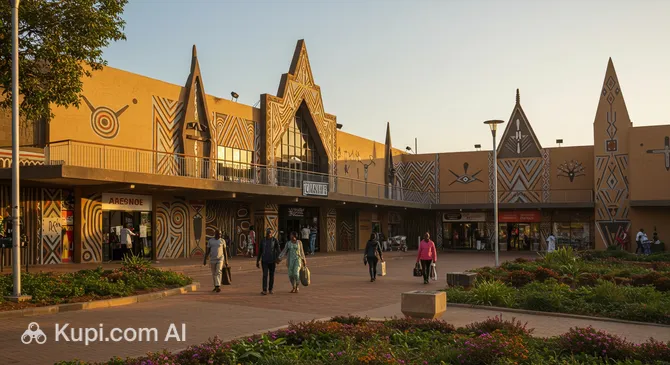
For a more contemporary and upscale shopping environment, many tourists and locals head to the suburbs. The Zonkizizwe Shopping Centre in Bradfield is a standout destination. This complex is designed with a modern, open-plan layout and features a selection of specialty shops, a well-stocked supermarket, and several cafes. It is an excellent place to purchase high-quality groceries, camping gear, or simply to enjoy a cappuccino in a quiet setting away from the city center buzz.

Zonkizizwe Shopping Centre. Source: Kupi.Binoculars

If you are looking for authentic local culture, the markets are an essential stop. The most famous is the City Hall Curio Market, located conveniently right outside the large City Hall building in the center of town. This is the premier spot for browsing traditional crafts. You can walk through rows of stalls where artisans sell their goods directly, allowing for friendly interaction and the chance to learn the stories behind the objects.

When it comes to souvenirs, Bulawayo is renowned for its artistic output. The region is particularly famous for intricate basketry, often woven from palm leaves by women in rural communities. Stone sculptures, wood carvings, and beadwork are also popular choices. Bringing back a piece of locally made art not only serves as a beautiful memento but also supports the local economy and craft traditions.

Store opening hours in Bulawayo generally follow a standard schedule. Most shops in the CBD and malls open around 08:00 or 08:30 and close by 17:00 on weekdays. On Saturdays, many businesses operate on a half-day basis, closing around 13:00, and most remain closed on Sundays, although major supermarkets and some mall shops may have extended hours.

Regarding payments, cash is the preferred method for most transactions, especially in markets and smaller shops. The US Dollar is the most widely accepted currency and is essential for buying souvenirs from street vendors. While larger supermarkets and established restaurants in places like Zonkizizwe accept international Visa and Mastercard, connectivity issues can occur, so carrying small denominations of cash is always a wise backup plan.

Tourists visiting Zimbabwe may be eligible for a VAT refund on certain goods purchased for export. To take advantage of this, look for shops displaying "Tax Free" signage and ensure you keep all tax invoices. The refund can typically be claimed at major exit points, such as international airports, upon presentation of the goods and receipts before leaving the country.

Nearby cities

Reached the end of the page?

That means the route is fully explored